

COURSE CREDITS & HOURS
14 ANCC Contact Hours
COURSE FEES
TARGET AUDIENCE
PROGRAM TOPICS
- Celiac disease
- Recognize presenting symptoms of celiac disease.
- List conditions associated with increased risk of celiac disease.
- Describe diagnostic process for celiac disease.
- Identify benefits of gluten free diet in celiac disease.
- Liver profile
- Describe presenting symptoms in pediatric liver disease.
- Classify symptoms into pathophysiological groups.
- List differential diagnosis for main pathophysiologic group
- Genetic and metabolic liver disease
- List the most common genetic and metabolic liver disorders.
- Summarize available therapeutic options.
- Autoimmune liver disease
- List the most common autoimmune liver diseases.
- Integrate screening and evaluation of autoimmune liver disease into primary practice
- Gastrointestinal emergencies
- Apply systematic approach to the evaluation of gastrointestinal emergencies.
- Pediatric Constipation
- Apply systematic approach to diagnosis of pediatric constipation.
- Develop office based strategy for medical and behavioral treatment of constipation.
- Gastroesophageal reflux
- Apply systematic approach to diagnosis of gastroesophageal reflux.
- Develop office based strategy for medical and behavioral management of reflux.
- Blue baby - Diagnosis and management
- Exclude common and generally benign causes of cyanosis in the newborn
- Consider and confidently diagnose cyanotic heart disease allowing for timely intervention and better outcomes.
- The Vomiting Baby
- This session hopes to bring together the common and uncommon causes of vomiting in the young baby thereby allowing for recognition of those more serious cases warranting admission, and/or medical or surgical intervention.
- The Crying Infant - Infant Distress syndrome
- While all babies cry, those that continuously do so present to the clinical for diagnosis and effective management. The session will highlight the not uncommon causes that may be simply dealt with. It will also describe the complexity of the problem and its management especially if simple interventions have been carried out but with little improvement.
- The Recognition of the "Very" Sick Child
- Upon completion of the session participants hopefully will be able to recognise the very sick child and to institute appropriate and immediate treatment to ensure the best outcome.
- Communicating with your Patients - A Paediatric Perspective
- This interactive session will allow participants to reflect on their own practice with the aim of achieving a therapeutic interview as described by Winnicott.
- Paediatric Cardiology - An Overview
Part 1. Acquired Heart Disease
Part 2. Congenital Heart Diseas
- Following this presentation, participants should have an overall understanding of pediatric cardiology, recognise gaps in their knowledge and be more confident in making appropriate referrals.
- Recognising Heart Disease in Childhood - where there is little or no murmurs - Traps the Clinicians may wish to avoid
- The question and answer session hopefully will alert participants to recognise the not so obvious but yet significant heart disease in childhood to allow for timely referral and treatment.
IMPORTANT INFORMATION
Faculty
Samuel Menahem, MB BS, MD, MEd, MPM, FRACP, FACC, FCSANZ

Professorial Associate, Murdoch Children's Research Institute, University of Melbourne
Melbourne, Australia
Professor Samuel Menahem is a Consultant Paediatrician and Paediatric Cardiologist based in Melbourne, Australia. He serves as a Professor in the Faculty of Medicine, Nursing and Health Sciences at Monash University and as a Professorial Associate at the Murdoch Children’s Research Institute, University of Melbourne. After graduating top of his medical school class at the University of Melbourne, Professor Menahem went on to earn four postgraduate degrees across clinical medicine, medical education, and psychological medicine. He holds fellowships with the Royal Australasian College of Physicians (FRACP), the American College of Cardiology (FACC), and the Cardiac Society of Australia and New Zealand (FCSANZ).
Throughout his career in academic hospital medicine, Professor Menahem held major leadership and consultant appointments at both The Royal Children's Hospital and Monash Medical Centre. At Monash, he previously headed both the General Paediatric Unit and the Paediatric Cardiology Unit, and served as Foundation Co-Director of the Fetal Cardiac Unit. His clinical subspecialty encompasses paediatric cardiology across the entire continuum of care, from fetal life through to adults with congenital heart disease. Uniquely credentialed as a trained child psychotherapist, he has also investigated and published extensively on the vital interface between paediatrics and child psychiatry.
An active researcher, mentor, and international examiner, Professor Menahem frequently lectures at national and global scientific meetings while continuing to run regular clinical teaching clinics in rural Victoria. In his private consulting practice, he emphasizes a deeply compassionate, holistic approach to patient well-being. Demonstrating extraordinary continuity of care, many of his patients have remained with him from infancy into adulthood, including women with congenital heart disease whom he has guided safely through pregnancy and parenthood.
Grzegorz W. Telega, MD, MBA

Professor of Pediatrics
Division of Pediatric Gastroenterology and Nutrition
Medical College of Wisconsin, Milwaukee, Wisconsin
Medical Director
Pediatric Liver Disease and Liver Transplant Program
Children's Hospital of Wisconsin, Milwaukee, Wisconsin
Dr Telega developed one of the most successful pediatric liver disease and liver transplant program in the country. He published scientific articles with the intention to influence the clinical medicine. Work on utility of percutaneous cholangiography affected diagnostic work up of biliary atresia.
Dr Telega developed standards liver/kidney transplant in polycystic liver kidney disease. He participated in the international project analyzing approaches of primary care providers to outpatient management of obesity, participated in the study evaluating utility of ultra-sonographic measurement of epicardial fat in management of obesity and metabolic syndrome.
He performed large scale epidemiological study on prevalence of type 2 diabetes. His projects stem from the questions facing physician scientist in clinical practice and help to provide more effective and more cost-efficient care.
Accreditation
|
|
Credit Designation for Nurses: Continuiung Education, Inc. designates this continuing nursing education activity for 12 contact hours. |
|
Nurse Practitioners: can claim either ANCC Contact Hours or AMA PRA Category 1 Credits™ as needed. |

|
|
In support of improving patient care, Continuing Education, Inc./University at Sea® is jointly accredited by the Accreditation Council for Continuing Medical Education (ACCME), the Accreditation Council for Pharmacy Education (ACPE), and the American Nurses Credentialing Center (ANCC), to provide continuing education for the healthcare team. |
|
|
|
|
|
Credit Designation for Physicians: Continuing Education, Inc. designates this live activity for 14 AMA PRA Category 1 Credits™. Physicians should claim only the credit commensurate with the extent of their participation in the activity. Osteopathic Physicians: This program is eligible for Category 2 credit with the American Osteopathic Association (AOA). |
|
|
|
|
|
Credit Designation for Nurses: Continuiung Education, Inc. designates this continuing nursing education activity for 14 contact hours. Nurse Practitioners: Can claim either ANCC Contact Hours or AMA PRA Category 1 CreditsTM as needed. Pharmacology credits are identified on individual activities. |
|
|
|
|
|
Royal College of Physicians and Surgeons of Canada: |
|
|
|
|
|
Credit Designation for Pharmacists: This knowledge-based activity is approved for 14 hours of pharmacy continuing education credit. |




Osteopathic Physicians: This program is eligible for Category 2 credit with the American Osteopathic Association (AOA).
US or Canadian Family Physicians: Please let us know if you require AAFP Prescribed Credits.
Nurse Practitioners: can claim either ANCC Contact Hours or AMA PRA Category 1 CreditsTM as needed.
Pharmacology credits are identified on individual activities.
|
|
Credit Designation for Nurses: Continuiung Education, Inc. designates this continuing nursing education activity for 14 contact hours. |
|
Nurse Practitioners: can claim either ANCC Contact Hours or AMA PRA Category 1 Credits™ as needed. |
|
|
Successful completion of this CME activity, which includes participation in the activity, with individual assessments of the participant and feedback to the participant, enables the participant to earn 14 MOC points in the American Board of Pediatrics' (ABP) Maintenance of Certification (MOC) program. It is the CME activity provide's responsibility to submit participant completion information to ACCME for the purpose of granting ABP MOC credit. |

Cruise Itinerary
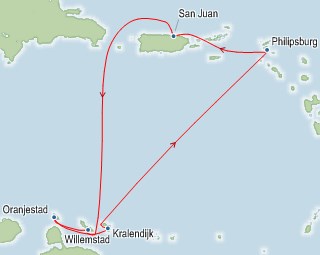
| DATE | PORT OF CALL | ARRIVE | DEPART |
|---|---|---|---|
| Sunday, December 9 | San Juan, Puerto Rico |
- | 8:30 pm |
| Monday, December 10 | *At Sea - Cruising Lectures 8:00 am-12 Noon; 1:00 pm-4:00 pm |
- | - |
| Tuesday, December 11 | Willemstad, Curacao |
8:00 am | 8:00 pm |
| Wednesday, December 12 | Oranjestad, Aruba |
7:00 am | 11:00 pm |
| Thursday, December 13 | Kralendijk (Bonaire), Antilles |
8:00 am | 6:00 pm |
| Friday, December 14 | *At Sea - Cruising Lectures 8:00 am-12 Noon; 1:00 pm-4:00 pm |
- | - |
| Saturday, December 15 | Philipsburg, St. Maarten |
8:00 am | 5:00 pm |
| Sunday, December 16 | San Juan, Puerto Rico |
6:00 am | - |
Ports of Call
San Juan, Puerto Rico


Your priority should be the two massive citadels guarding the coast. Start at Castillo San Cristóbal, the largest Spanish fortification in the New World, before walking the scenic coastal trail to the iconic Castillo San Felipe del Morro. The sheer scale of these defenses is humbling, and the expansive green lawn leading to El Morro—often dotted with kites—provides a dramatic contrast to the deep blue Atlantic.

Between the forts lies a grid of blue cobblestone streets (adoquines) lined with vibrant colonial architecture. The joy here is aimless wandering, though the heat can be intense; stay hydrated and wear sturdy walking shoes to navigate the hills. For a cultural pause, visit the Cathedral of San Juan Bautista, the resting place of Ponce de León.
Culinary exploration is essential. Skip the generic tourist traps near the pier and head deeper into the city. Seek out mofongo (garlicky mashed plantains) at a local staple like El Jibarito or Café Puerto Rico. While the nearby beaches of Condado are beautiful, they require a taxi and contend with traffic. Unless you have visited before, we advise dedicating your day entirely to the history and atmosphere within the city walls, finishing perhaps with a Piña Colada at Barrachina, right in the heart of the old town.


At Sea - Cruising
Willemstad, Curacao


Punda is home to the famous Handelskade, the waterfront row of brightly colored, 18th-century Dutch colonial buildings that form the island's signature image. Its gridded streets are filled with shops, galleries, and cafes, along with the Mikvé Israel-Emanuel Synagogue, the oldest continuously operating synagogue in the Americas. Across the bay, Otrobanda (“the other side”) offers a more residential feel with a maze of winding alleys. It is also the location of the Kura Hulanda Museum, a powerful and essential institution that chronicles the transatlantic slave trade and its profound impact on the region.
While the city itself is the main attraction, Curacao’s renowned beaches require transportation. A taxi or pre-arranged tour is necessary to reach them. For a full-service beach club atmosphere, Mambo Beach is a popular choice. For more natural beauty, the island's west coast (Westpunt) features stunning coves like Kenepa Grandi and Cas Abao, known for their turquoise water and dramatic cliffs. A visit to the Curacao Liqueur Distillery offers a brief, flavorful diversion for a taste of the island's famous spirit.
Oranjestad, Aruba


While the city is charming, Aruba’s primary draw is its magnificent coastline. A short taxi or bus ride north of the port reveals two of the Caribbean’s most celebrated beaches. Eagle Beach is a vast expanse of pristine white sand, consistently ranked among the world's best, offering a more tranquil atmosphere. Adjacent Palm Beach is livelier, lined with resorts, beach bars, and a full spectrum of water sports.
For those seeking an alternative to the beach, the island’s interior offers a compelling look at its rugged terrain. A visit to Arikok National Park showcases a dramatic coastline and caves with ancient Arawak petroglyphs. Closer to the port, the Casibari Rock Formations provide an easily accessible opportunity to climb among massive tonalite boulders for panoramic island views. Aruba offers a polished and safe environment, balancing world-class beach relaxation with accessible and distinctive natural scenery.
Kralendijk (Bonaire), Antilles
While the town is pleasant, the island's true allure lies in its natural state. A short taxi ride can take you to a nearby beach for an easy snorkel, or to the southern tip to see the striking contrast of white salt pans, blue water, and the iconic pink flamingos of the Pekelmeer Sanctuary. Bonaire is not a destination for high-energy thrills or extensive historical sites; it is a place to slow down and immerse yourself in a pristine natural environment. It offers a genuine, low-key Caribbean experience for those who appreciate the beauty of the world beneath the waves.
Philipsburg, St. Maarten

Philipsburg itself is the commercial engine. Front Street is lined with duty-free jewelry and electronics stores; while convenient for shoppers, it can feel somewhat manufactured. For a more relaxed immediate option, the boardwalk along Great Bay offers decent beach bars and a view of the ships, though the water clarity here lags behind the rest of the island.

To experience the island's true charm, cross the border to the French side (St. Martin). The atmosphere shifts perceptibly in the capital of Marigot, with its open-air markets and colonial architecture. For the sophisticated traveler, the village of Grand Case is the highlight. Known as the culinary capital of the Caribbean, it features exceptional French-Creole cuisine in open-air "lolos" (local barbecue stands) and high-end bistros alike.
Regarding beaches, you have distinct choices:
- Maho Beach offers the famous, adrenaline-fueled spectacle of jumbo jets landing just overhead at Princess Juliana International Airport—it is noisy, crowded, and absolutely unique.
- For a classic European beach day, head to Orient Bay on the French side for white sand and upscale beach clubs.


We can assist you with all your travel arrangements. We'd be happy to help you plan your flights, hotels, or tours before and/or after your cruise conference.
PLEASE NOTE: To attend the conference, participants must book their cruise accommodations through University at Sea®. This ensures we can provide full conference services and complimentary social amenities to meeting participants and guests. Participants' family and friends are welcome to book within our group allotment and take advantage of our typically excellent rates.
Request a Quote online or by voice at 800-525-9696 (US/Can) or direct/int'l tel +1-727-526-1571.
Prices below are for the full cruise including meals and evening entertainment
Suites
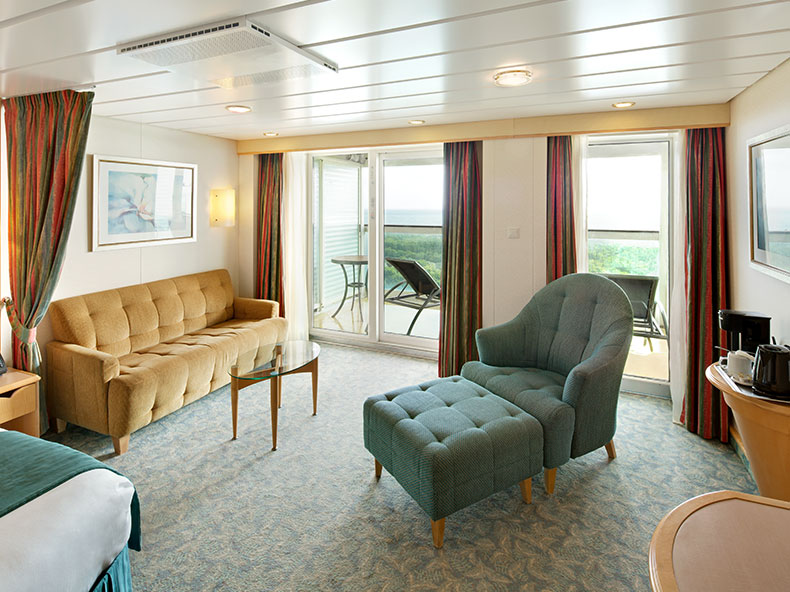 Junior Suite with Balcony (J4)
Two twin beds that convert to Royal King, private balcony, sitting area (some with sofa bed) and private bathroom. Stateroom: 320 sq. ft. Balcony: 65 sq. ft.
800-525-9696
for Pricing
 Suite/Deluxe
Royal Suite with Balcony RS.
Grand entrance with doorbell. Separate bedroom with king-size bed, and private bathroom with tub, private balcony with whirpool, living room with queen-size sofa bed and baby grand piano. Stateroom: 1633 sq. ft. and Balcony 257 sq. ft.
Suite/Deluxe
Royal Suite with Balcony RS.
Grand entrance with doorbell. Separate bedroom with king-size bed, and private bathroom with tub, private balcony with whirpool, living room with queen-size sofa bed and baby grand piano. Stateroom: 1633 sq. ft. and Balcony 257 sq. ft. 800-525-9696
for Pricing
 Suite/Deluxe
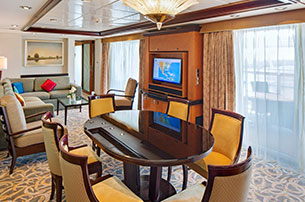
Villa Suite - 4 Bedrooms VS.
Two master bedrooms with baths. Two additional bedrooms, each with two Pullman beds and two twin beds that convert to Royal King. Two additional bathrooms with showers and a spacious living area with a sofa bed and dining table. Private balcony with dining area, lounge chairs and whirpool. 1,302 sq. ft. Balcony 845 sq. ft.
Suite/Deluxe
Villa Suite - 4 Bedrooms VS.
Two master bedrooms with baths. Two additional bedrooms, each with two Pullman beds and two twin beds that convert to Royal King. Two additional bathrooms with showers and a spacious living area with a sofa bed and dining table. Private balcony with dining area, lounge chairs and whirpool. 1,302 sq. ft. Balcony 845 sq. ft. 800-525-9696
for Pricing
 Suite/Deluxe
Owner's Suite - 1 Bedroom OS.
Marble entry with door bell. Queen-size bed, bathroom with tub. Separate living area with a queen-size sofa bed. Stateroom: 622 sq. ft. Balcony: 160 sq. ft.
Suite/Deluxe
Owner's Suite - 1 Bedroom OS.
Marble entry with door bell. Queen-size bed, bathroom with tub. Separate living area with a queen-size sofa bed. Stateroom: 622 sq. ft. Balcony: 160 sq. ft. 800-525-9696
for Pricing
 Suite/Deluxe
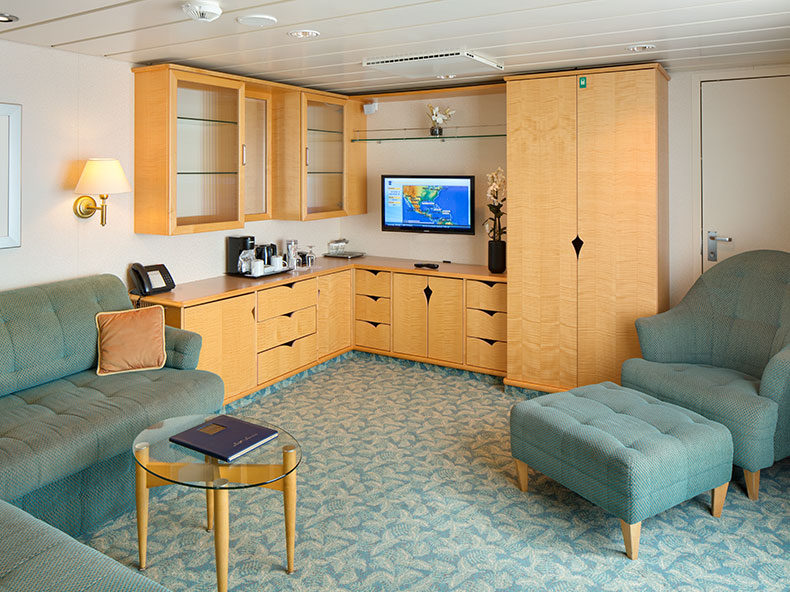
Grand Suite - 2 Bedrooms GT.
Two bedrooms with two twin beds that convert to Royal King (one room with third and fourth Pullman beds), a private balcony, two bathrooms and living area with double sofa bed. Stateroom: 616 sq. ft. Balcony: 208 sq. ft.
Suite/Deluxe
Grand Suite - 2 Bedrooms GT.
Two bedrooms with two twin beds that convert to Royal King (one room with third and fourth Pullman beds), a private balcony, two bathrooms and living area with double sofa bed. Stateroom: 616 sq. ft. Balcony: 208 sq. ft. 800-525-9696
for Pricing
 Suite/Deluxe
Grand Suite - 1 Bedroom GS.
Marble entry. Room has two twin beds that convert to Royal King, private balcony, sitting area and private bathroom with tub. Stateroom: 432 sq. ft. Balcony: 89 sq. ft.
Suite/Deluxe
Grand Suite - 1 Bedroom GS.
Marble entry. Room has two twin beds that convert to Royal King, private balcony, sitting area and private bathroom with tub. Stateroom: 432 sq. ft. Balcony: 89 sq. ft. 800-525-9696
for Pricing
Suite/Deluxe
Junior Suite with Balcony J3.
Two twin beds that convert to Royal King, private balcony, sitting area (some with sofa bed) and private bathroom. Stateroom: 320 sq. ft. Balcony: 65 sq. ft. 800-525-9696
for Pricing
 Suite/Deluxe
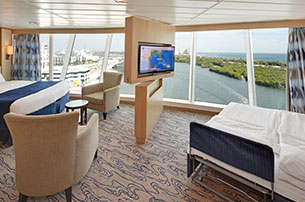
Oceanview Panoramic Suite (No Balcony) VP.
Two twin beds that convert to Royal King. Curtained section with bunk beds. Living area with double sofa bed, vanity and sitting area. One and a half baths with shower. Floor to ceiling wrap around panoramic windows, 76 inches high by 321 inches wide. Stateroom: 406 sq. ft.
Suite/Deluxe
Oceanview Panoramic Suite (No Balcony) VP.
Two twin beds that convert to Royal King. Curtained section with bunk beds. Living area with double sofa bed, vanity and sitting area. One and a half baths with shower. Floor to ceiling wrap around panoramic windows, 76 inches high by 321 inches wide. Stateroom: 406 sq. ft. 800-525-9696
for Pricing
Suite/Deluxe
Suite Guarantee WS.
800-525-9696
for Pricing
Balcony
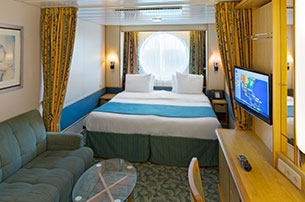 Oceanview Balcony with Balcony (6D)
Two twin beds that convert to Royal King, sitting area, private balcony and private bathroom. Stateroom: 189 sq. ft. Balcony: 46 sq. ft.
800-525-9696
for Pricing
 Balcony
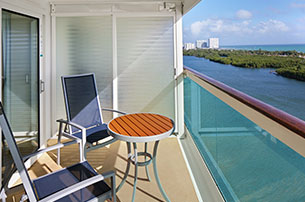
Spacious Oceanview with Balcony 1B.
Two twin beds that convert to Royal King, sitting area, private balcony and private bathroom. Stateroom: 214 sq. ft. Balcony: 42 sq. ft.
Balcony
Spacious Oceanview with Balcony 1B.
Two twin beds that convert to Royal King, sitting area, private balcony and private bathroom. Stateroom: 214 sq. ft. Balcony: 42 sq. ft. 800-525-9696
for Pricing
Balcony
Spacious Oceanview with Balcony 2B.
Two twin beds that convert to Royal King, sitting area, private balcony and private bathroom. Stateroom: 214 sq. ft. Balcony: 42 sq. ft. 800-525-9696
for Pricing
Balcony
Spacious Oceanview with Balcony 3B.
Two twin beds that convert to Royal King, sitting area, private balcony and private bathroom. Stateroom: 214 sq. ft. Balcony: 42 sq. ft. 800-525-9696
for Pricing
Balcony
Spacious Oceanview with Balcony 4B.
Two twin beds that convert to Royal King, sitting area, private balcony and private bathroom. Stateroom: 214 sq. ft. Balcony: 42 sq. ft. 800-525-9696
for Pricing
Balcony
Spacious Oceanview with Balcony 6B.
Two twin beds that convert to Royal King, sitting area, private balcony and private bathroom. Stateroom: 214 sq. ft. Balcony: 42 sq. ft. 800-525-9696
for Pricing
 Balcony
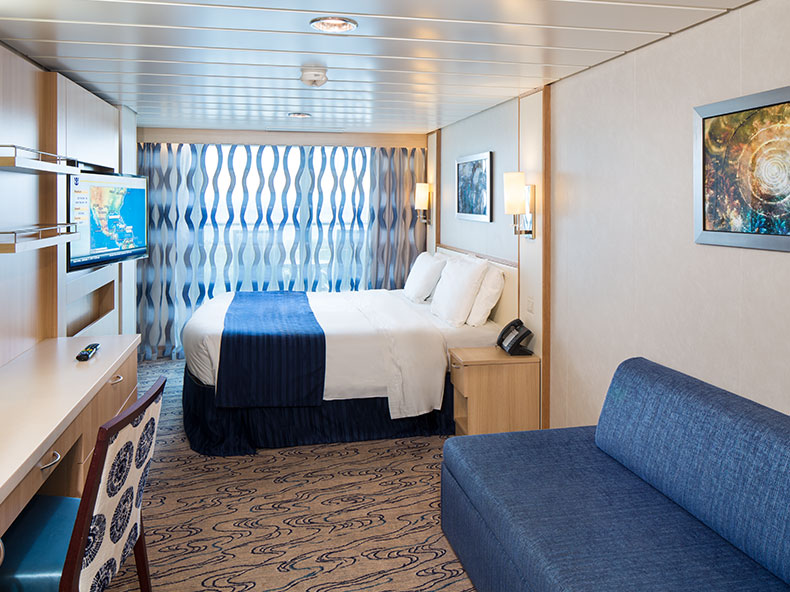
Oceanview with Balcony 1D.
Two twin beds that convert to Royal King, sitting area, private balcony and private bathroom. Stateroom: 188 sq. ft. Balcony: 46 sq. ft.
Balcony
Oceanview with Balcony 1D.
Two twin beds that convert to Royal King, sitting area, private balcony and private bathroom. Stateroom: 188 sq. ft. Balcony: 46 sq. ft. 800-525-9696
for Pricing
Balcony
Oceanview with Balcony 2D.
Two twin beds that convert to Royal King, sitting area, private balcony and private bathroom. Stateroom: 188 sq. ft. Balcony: 46 sq. ft. 800-525-9696
for Pricing
 Balcony
Oceanview Balcony 4D.
Two twin beds that convert to a Royal King Bed. Sitting area, private balcony and private bathroom.
Breathtaking views to take in all the wonder and excitement of your destination.
Imagine opening your balcony door to see a new and breathtaking part of the world each morning. A stateroom with a balcony is a great way to make your cruise adventure even more memorable and lets you truly take in all the wonder and excitement of your destination.
Balcony
Oceanview Balcony 4D.
Two twin beds that convert to a Royal King Bed. Sitting area, private balcony and private bathroom.
Breathtaking views to take in all the wonder and excitement of your destination.
Imagine opening your balcony door to see a new and breathtaking part of the world each morning. A stateroom with a balcony is a great way to make your cruise adventure even more memorable and lets you truly take in all the wonder and excitement of your destination. 800-525-9696
for Pricing
Balcony
Oceanview with Balcony 5D.
Two twin beds that convert to Royal King, sitting area, private balcony and private bathroom. Stateroom: 188 sq. ft. Balcony: 46 sq. ft. 800-525-9696
for Pricing
Balcony
Ocean View Balcony Guarantee XB.
800-525-9696
for Pricing
Balcony
Ocean View Balcony Quad Guarantee XQ.
800-525-9696
for Pricing
Outside
Oceanview Stateroom (8N)Two twin beds that convert to Royal King and private bathroom. Stateroom: 180 sq. ft.
800-525-9696
for Pricing
 Outside
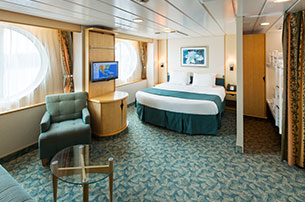
Ultra Spacious Oceanview 1K.
Two twin beds that convert to Royal King. Sofa converts to double, two Pullman beds, private bathroom and sitting area. Stateroom: 358 sq. ft.
Outside
Ultra Spacious Oceanview 1K.
Two twin beds that convert to Royal King. Sofa converts to double, two Pullman beds, private bathroom and sitting area. Stateroom: 358 sq. ft. 800-525-9696
for Pricing
Outside
Spacious Panoramic Oceanview - Accessible 1L.
Two twin beds that convert to Royal King. Double sofa bed. Vanity with sitting area. Private bathroom with shower. Floor to ceiling wrap around panoramic window, 76 inches high by 253 inches wide. Stateroom: 283 sq. ft 800-525-9696
for Pricing
 Outside
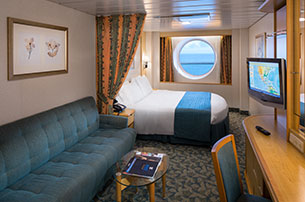
Spacious Oceanview 1M.
Two twin beds that convert to Royal King and private bathroom. Stateroom: 211 sq. ft.
Outside
Spacious Oceanview 1M.
Two twin beds that convert to Royal King and private bathroom. Stateroom: 211 sq. ft. 800-525-9696
for Pricing
Outside
Spacious Oceanview 4M.
Two twin beds that convert to Royal King and private bathroom. Stateroom: 211 sq. ft. 800-525-9696
for Pricing
Outside
Oceanview Stateroom 1N.
Two twin beds that convert to Royal King and private bathroom. Stateroom: 180 sq. ft. 800-525-9696
for Pricing
Outside
Oceanview Stateroom 2N.
Two twin beds that convert to Royal King and private bathroom. Stateroom: 180 sq. ft. 800-525-9696
for Pricing
Outside
Oceanview Stateroom 3N.
Two twin beds that convert to Royal King and private bathroom. Stateroom: 180 sq. ft.
800-525-9696
for Pricing
 Outside
Oceanview Stateroom 4N.
Spectacular sights and amazing views from the comfort of your stateroom.
You'll never miss a moment of the breathtaking scenery on your cruise vacation with an Ocean View stateroom. Spend the day exploring the world, then come back onboard and take in the spectacular sights and amazing views from the comfort of your stateroom.
Two twin beds that convert to Royal King.
Outside
Oceanview Stateroom 4N.
Spectacular sights and amazing views from the comfort of your stateroom.
You'll never miss a moment of the breathtaking scenery on your cruise vacation with an Ocean View stateroom. Spend the day exploring the world, then come back onboard and take in the spectacular sights and amazing views from the comfort of your stateroom.
Two twin beds that convert to Royal King. 800-525-9696
for Pricing
Outside
Ocean View Guarantee YO.
800-525-9696
for Pricing
Outside
Ocean View Quad Guarantee YQ.
800-525-9696
for Pricing
Inside
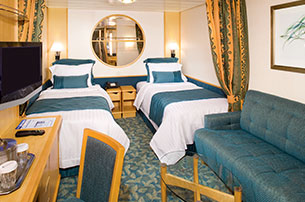 Interior Stateroom (4V)
Two twin beds that convert to Royal King and private bathroom. Stateroom: 256 sq. ft.
800-525-9696
for Pricing
Interior Stateroom (6V)Two twin beds that convert to Royal King and private bathroom. Stateroom: 150 sq. ft.
800-525-9696
for Pricing
 Inside
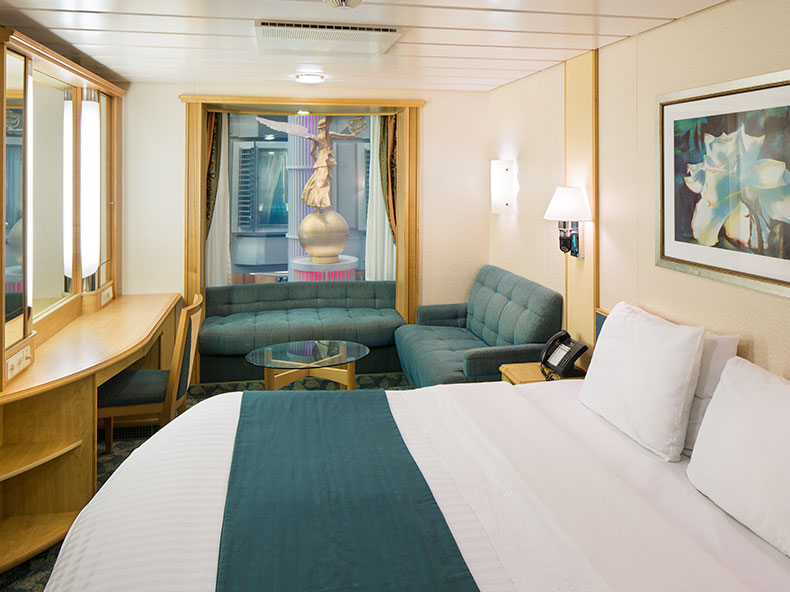
Spacious Promenade View Interior 1Q.
Two twin beds that convert to Royal King. Sofa converts to double, two Pullman beds, private bathroom and sitting area. Stateroom: 340 sq. ft.
Inside
Spacious Promenade View Interior 1Q.
Two twin beds that convert to Royal King. Sofa converts to double, two Pullman beds, private bathroom and sitting area. Stateroom: 340 sq. ft. 800-525-9696
for Pricing
 Inside
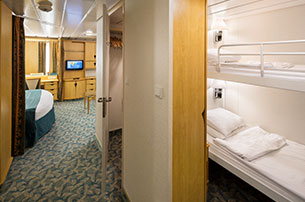
Spacious Interior 1R.
Two twin beds that convert to Royal King and private bathroom. Stateroom: 338 sq. ft.
Inside
Spacious Interior 1R.
Two twin beds that convert to Royal King and private bathroom. Stateroom: 338 sq. ft. 800-525-9696
for Pricing
Inside
Promenade View Interior 1T.
A view of the Royal Promenade with bowed windows, two twin beds that convert to Royal King and private bathroom. Stateroom: 169 sq. ft. 800-525-9696
for Pricing
 Inside
Interior Stateroom 1V.
Two twin beds that convert to Royal King and private bathroom. Stateroom: 150 sq. ft.
Inside
Interior Stateroom 1V.
Two twin beds that convert to Royal King and private bathroom. Stateroom: 150 sq. ft. 800-525-9696
for Pricing
Inside
Interior Stateroom 2V.
Two twin beds that convert to Royal King and private bathroom. Stateroom: 150 sq. ft. 800-525-9696
for Pricing
Inside
Interior Stateroom 3V.
Two twin beds that convert to Royal King and private bathroom. Stateroom: 150 sq. ft. 800-525-9696
for Pricing
Inside
Interior Guarantee ZI.
800-525-9696
for Pricing
Inside
Interior Quad Guarantee ZQ.
800-525-9696
for Pricing
Before & After Your Cruise
Hotels
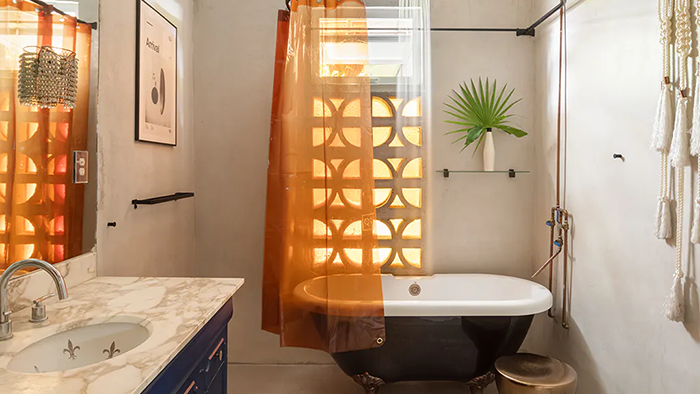
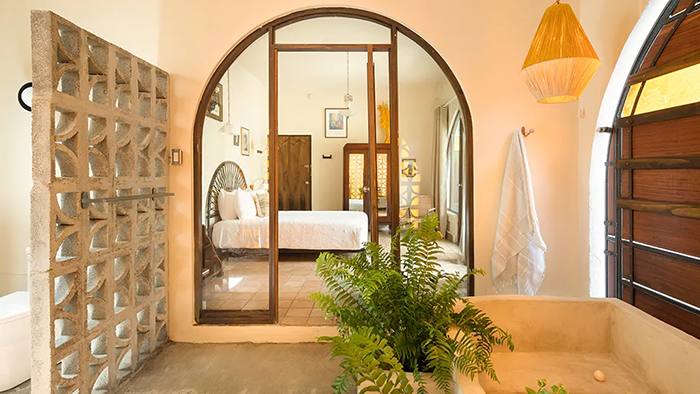
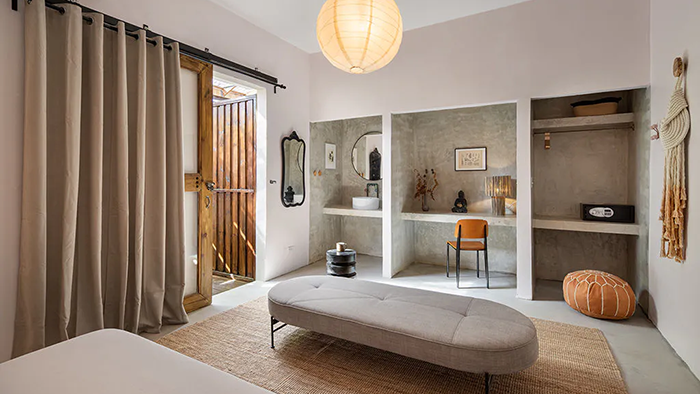
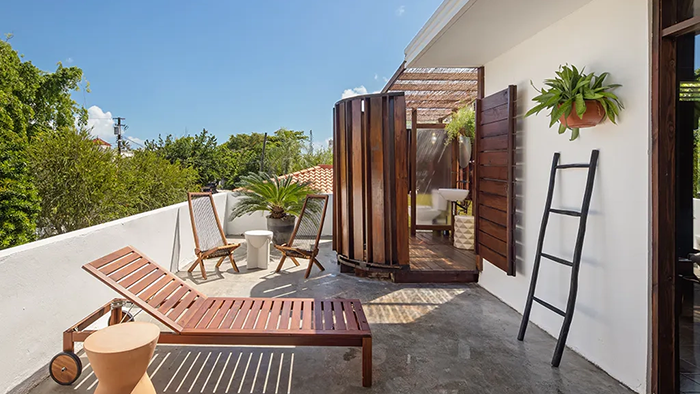
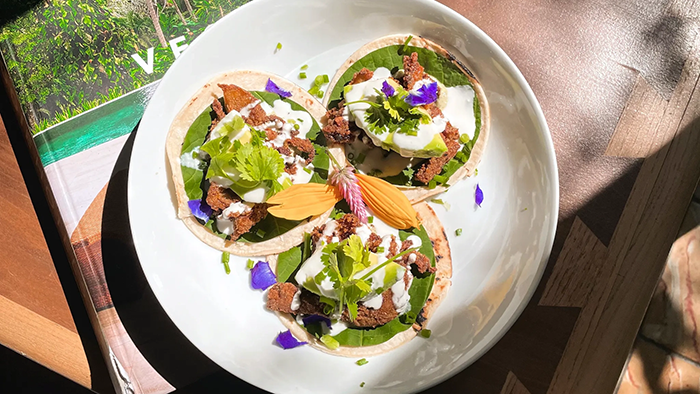
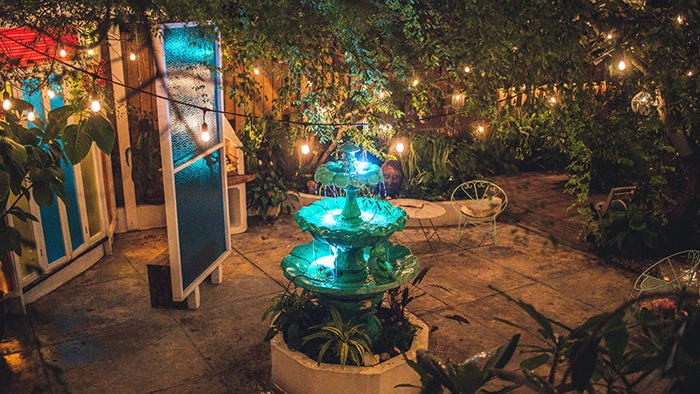
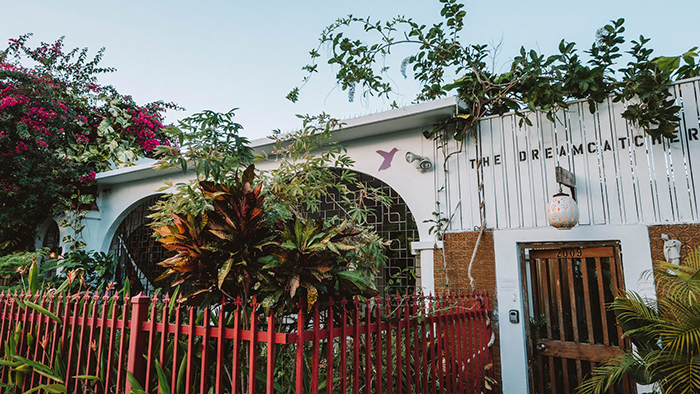
DREAMCATCHER by DW
A Design-Forward Boutique Hotel
2009 Cll España, San Juan, 00911, Puerto Rico — San Juan
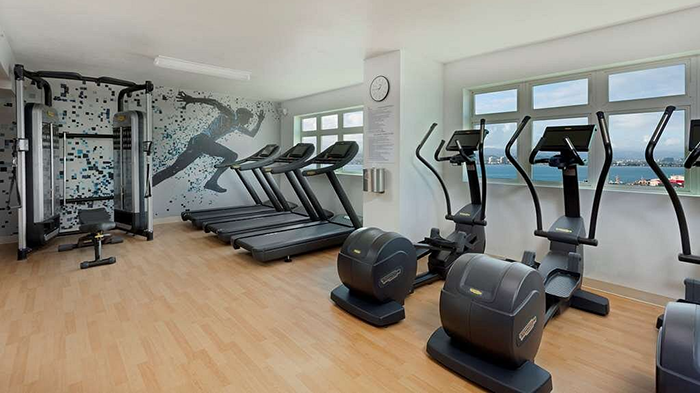
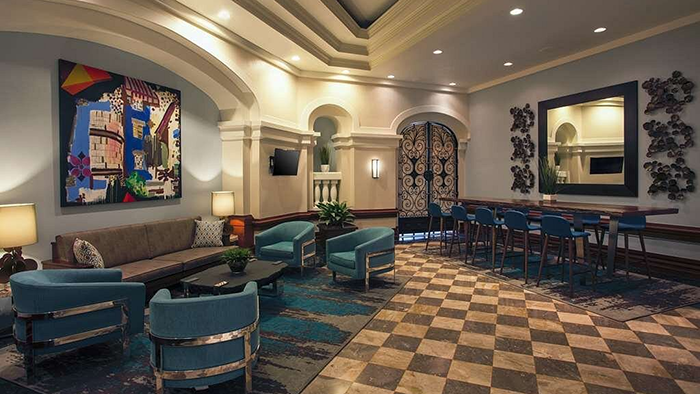
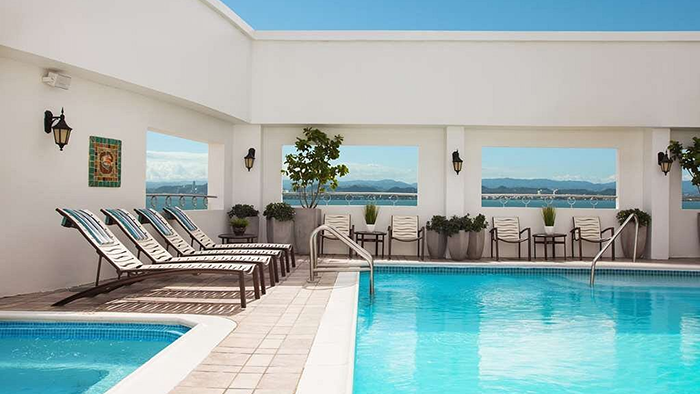
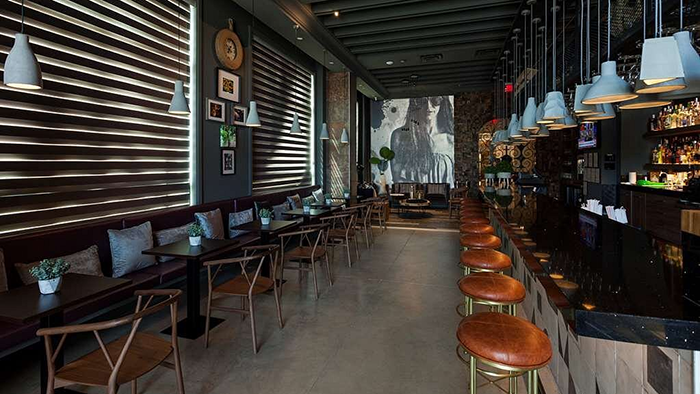
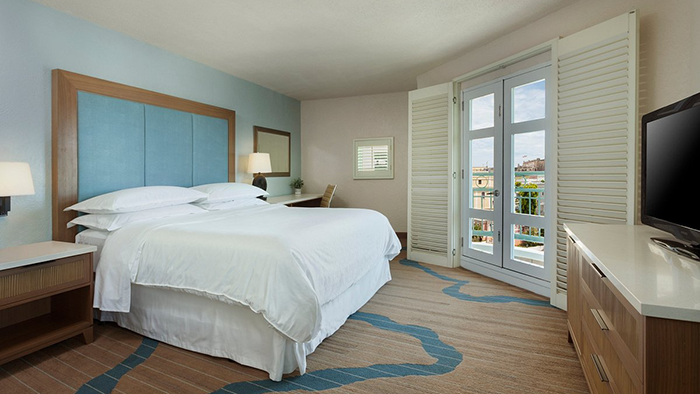
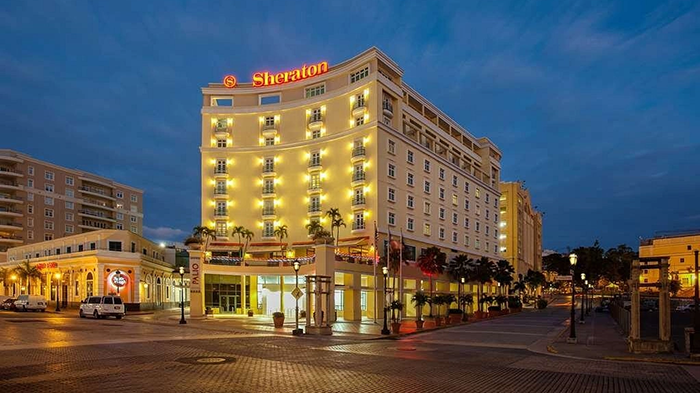
Hotel Rumbao, a Tribute Portfolio Hotel
The Newly Upgraded Historic Heart of Old San Juan
100 Brumbaugh Street, San Juan, Puerto Rico, 00901 — San Juan
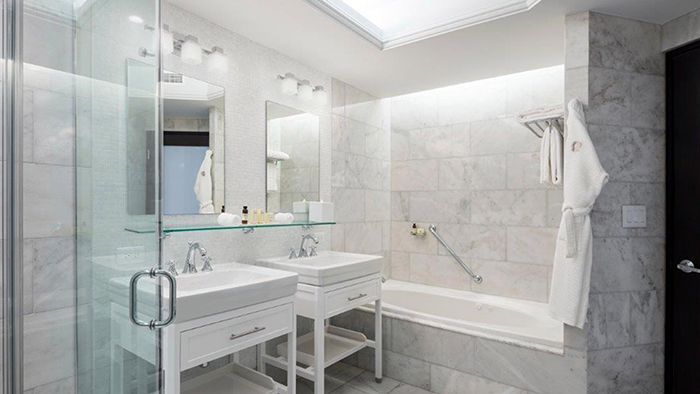
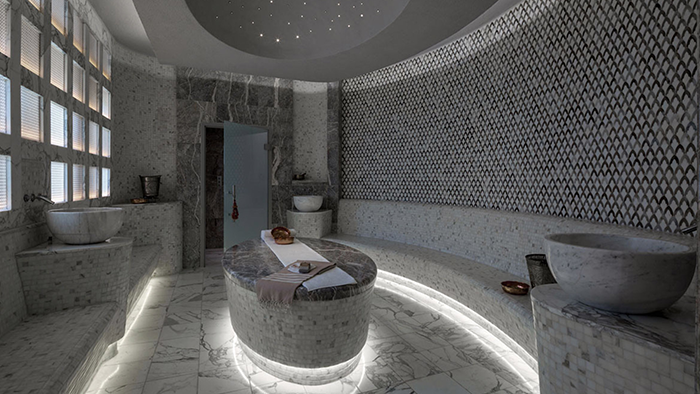
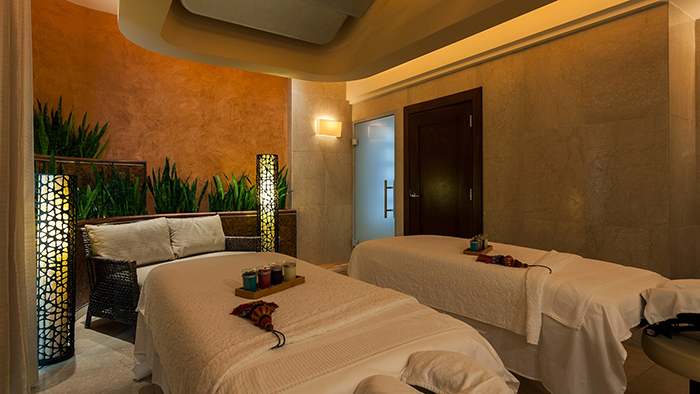
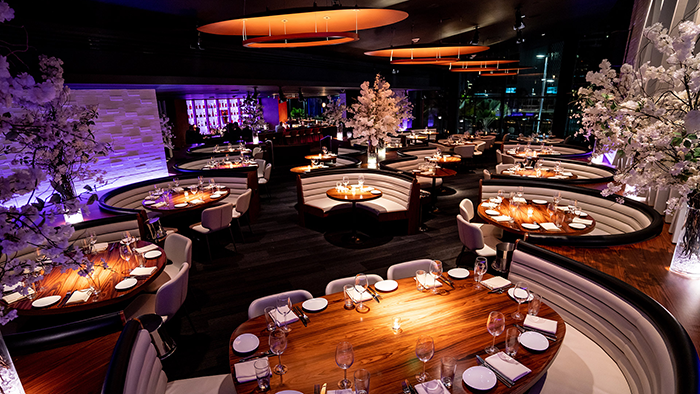
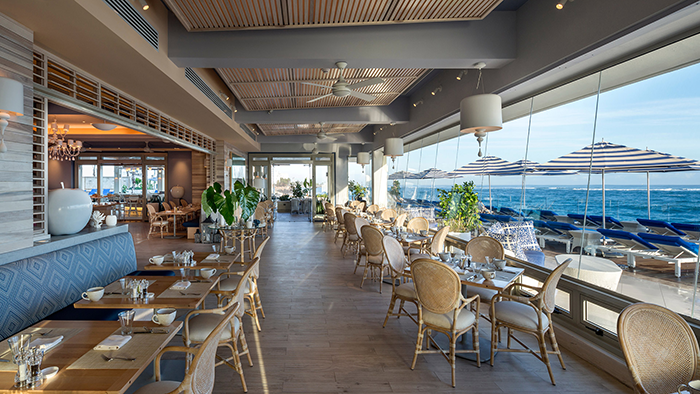
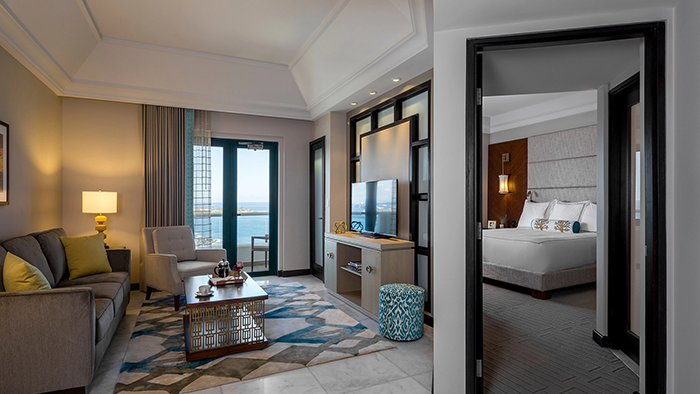
Condado Vanderbilt Hotel
San Juan’s Premier Luxury Beachfront Resort
1055 Ashford Ave, San Juan, 00907, Puerto Rico — San Juan
Protect Your Trip with Allianz Travel Insurance
Allianz Travel Insurance plans can give you flexibility and support when your trip doesn’t go quite as planned. From unexpected flight issues to covered trip cancellations, travel emergencies, and more, travel insurance can help you manage unforeseen events that may impact your trip—giving you peace of mind from the moment you book your trip through your return home.
For an instant quote:
- Simply provide a few short details about your trip
- Review the available protection plans
- Enjoy the peace of mind you deserve
Why Protect your Trip?
Whether you’re planning your next trip or you recently booked one, travel insurance can help smooth over many unexpected travel glitches—while putting your mind at ease, knowing you’re off the hook for covered expenses that could arise from them.
Allianz Travel Insurance plans can provide you benefits and professional support when a covered situation comes up before or during your trip. The following examples may qualify for benefits:
- Cancelling your trip after unexpectedly becoming too sick to travel
- Taking care of a sick or injured traveling companion
- Having to end your trip early due to a family emergency
- Dealing with a flight delay or cancellation
- Needing to buy personal items if your luggage is lost or stolen
- Missing your cruise departure after a covered flight delay
You also can contact our travel protection partner Allianz Global Assistance’s 24/7, award-winning customer service for on-the-go assistance with issues like a medical emergency, replacing your lost passport, or making reservations around the world. To be eligible for a time-sensitive waiver of pre-existing medical condition exclusions, purchase your travel insurance plan within 14 days of initial trip deposit (other purchase requirements and conditions apply). Specific plan benefits may vary. Please review your plan details for more information.
What Can Travel Insurance Help Protect?
Allianz Travel Insurance plans can protect you before and during your trip—keeping you, your loved ones, and your travel budget safer. Benefits vary by plan, and these are brief descriptions. Please read your plan documents for details.
TRIP CANCELLATION
Reimburses your prepaid, non-refundable travel expenses if you need to cancel your trip due to a covered reason, such as you, a family member, or traveling companion experiencing a covered illness or injury. Examples include:
- A doctor says you or a traveling companion is too sick to fly
- Your parent or child requires hospitalization
- You need to attend the birth of a family member’s child
- You have a traffic accident (not breakdown) on the way to the airport
- A storm shuts down your airport for 24 hours or more
TRIP INTERRUPTION
Reimburses your unused, non-refundable travel expenses and increased transportation costs during your trip if you have to return home early due to a covered reason, for instance when a family member has a qualifying medical emergency and needs your care. Examples include:
- You have a covered illness or injury and a doctor says you must return home
- A family member has a qualifying injury and needs your care
- A covered emergency, like a fire or flood, makes your home uninhabitable
TRAVEL DELAY
If you have a covered delay while traveling, travel insurance can reimburse you for meals, accommodations, and transportation expenses when your trip is delayed for a minimum number of consecutive hours for a covered reason. Minimum number of hours varies by plan.
EMERGENCY MEDICAL AND DENTAL CARE
Reimburses your expenses related to covered medical and dental emergencies* that might occur on your trip. This benefit can be especially helpful if you have a covered emergency outside the United States, as most health insurance policies won’t cover you outside the country. Examples include:
- You slip and break your ankle while sightseeing
- You get food poisoning while sampling the local cuisine
- You lose a filling and need immediate dental treatment*
*A sublimit and maximum apply for this benefit. Check your plan documents for details.
EMERGENCY MEDICAL TRANSPORTATION
Arranges and pays for medically necessary transportation following a covered injury or illness to the nearest appropriate medical facility to receive care and get you home after treatment.
BAGGAGE LOSS, DAMAGE, or THEFT
Reimburses the replacement of your lost, damaged, or stolen luggage and personal items while traveling.
BAGGAGE DELAY
Reimburses essential items purchased during your trip if your baggage is delayed for a minimum number of hours (varies by plan).
CHANGE FEE
Reimburses fees if you need to change your flight itinerary due to a covered reason.
24-HOUR ASSISTANCE
Provides around-the-clock support during your trip. Allianz Global Assistance’s staff of multilingual problem solvers can help you with medical, legal, and travel-related emergencies whenever they happen. Medical assistance may include, but is not limited to:
- Medical triage with referrals to local prescreened medical providers
- Ongoing medical monitoring
- Payment guarantee
- Emergency medical transportation
Additional services for travel-related emergencies can help with:
- Missed connecting flights
- Lost/stolen travel documents
- Pre-trip information
- Prescription replacements
Our Promise to You
When you purchase any Allianz Travel Insurance plan, you automatically get 15 days (or more, depending on your state of residence) to review your policy documents. Within that period, you can cancel your plan for a full refund if you’re not satisfied, as long as you haven’t filed a claim or departed on your trip.
Need Help Along the Way?
Contact Allianz Global Assistance’s award-winning team of travel experts. Call anytime for assistance navigating travel mishaps overseas or in the U.S.—or help with everything from reporting lost baggage to locating emergency medical treatment. They can also help you replace passports, refer you to legal assistance, secure cash from home in case of emergency, and guarantee payment when you need to be admitted to a hospital, in some instances.
Contact Allianz Global Assistance
Phone (24/7):
1-800-284-8300 (within the U.S., Canada, Puerto Rico, and the U.S. Virgin Islands)
1-804-281-5700 (outside of the U.S., call collect)
File or Track a Claim
It’s easy and convenient to file and track a claim, upload documents, and more online. Start your claim using your email address or policy number.
File a ClaimIf you need help filing a claim or understanding the claims process, visit the Allianz Global Assistance Claims Center.
Update Your Plan
If you need to update your travel insurance plan, such as adjusting the dates of your plan to reflect itinerary changes, please contact us or manage your plan online so your plan reflects your entire itinerary and provides the right amount of protection for your travels.
Manage My PlanAbout Allianz Global Assistance
Allianz Global Assistance is a world leader in travel insurance and assistance, helping millions of travelers across the globe every year. Allianz Global Assistance is owned by Allianz SE, the world’s largest diversified insurance company. For over 100 years, Allianz SE has helped protect important milestones in American history, insuring the Wright Brothers’ first flight and Golden Gate Bridge construction.
Terms, conditions, and exclusions apply including for pre-existing medical conditions. Insurance benefits underwritten by BCS Insurance Company (OH, Administrative Office: 2 Mid America Plaza, Suite 200, Oakbrook Terrace, IL 60181), rated “A” (Excellent) by A.M. Best Co., under BCS Form No. 52.201 series or 52.401 series, or Jefferson Insurance Company (NY, Administrative Office: 9950 Mayland Drive, Richmond, VA 23233), rated “A+” (Superior) by A.M. Best Co., under Jefferson Form No. 101-C series or 101-P series, depending on your state of residence and plan chosen. A+ (Superior) and A (Excellent) are the 2nd and 3rd highest, respectively, of A.M. Best’s 13 Financial Strength Ratings. Plans only available to U.S. residents and may not be available in all jurisdictions. Allianz Global Assistance and Allianz Travel Insurance are marks of AGA Service Company dba Allianz Global Assistance or its affiliates. Allianz Travel Insurance products are distributed by Allianz Global Assistance, the licensed producer and administrator of these plans and an affiliate of Jefferson Insurance Company. The insured shall not receive any special benefit or advantage due to the affiliation between AGA Service Company and Jefferson Insurance Company. Plans include insurance benefits and assistance services. Any Non-Insurance Assistance services purchased are provided through AGA Service Company. Except as expressly provided under your plan, you are responsible for charges you incur from third parties. Contact AGA Service Company at 800-284-8300 or 9950 Mayland Drive, Richmond, VA 23233 or customerservice@allianzassistance.com.