
COURSE CREDITS & HOURS
14 ANCC Contact Hours
2 Pharmacology Hours for NPs
COURSE FEES
TARGET AUDIENCE
PROGRAM TOPICS
- Evaluation of Abnormal Liver Tests
- Differentiate between tests of liver function and liver injury
- Use a diagnostic algorithm in the work-up of abnormal liver tests
- Diagnosis and Management of Chronic Hepatitis B
- Describe HBV serology for diagnosis and management
- Recognize at risk populations for vaccination
- Apply practice guidelines for management and treatment of hepatitis B infection
- Hepatitis C screening and management
- Understand screening recommendations for HCV Use optimal treatment regimens for chronic hepatitis C patients
- Diagnosis and management of Non-alcoholic fatty liver disease
- Recognize NAFLD as an important metabolic disease
- Understand the natural history of NAFLD
- Use basic diagnostic approaches for identify patients at risk with risk for advanced disease
- Employ current approaches for management of NAFLD
- Management considerations in end-stage liver disease
- Describe common complications associated with cirrhosis
- Understand management options in patients with end-stage liver disease
- Use effective screening and surveillance methods to detect complications of cirrhosis
- Drug-induced liver Injury
- Differentiate types of liver injury
- Describe common drugs and herbals implicated in liver injury
- Understand management approaches to patients with drug-induced liver injury
- Alcohol-related liver disease
- Recognize alcohol use disorder
- Determine prognosis in alcoholic hepatitis
- Understand management options for alcoholic hepatitis
- Screening for Colon and rectal cancer
- Improve the outcome and cost effectiveness of screening for Colon Cancer with new guidelines and new screening tests
- Irritable Bowel Syndrome (IBS)
- To improve cost effectiveness of management of IBS
- To Explain current management of IBS, Constipation and Chronic abdominal pain and how they differ. and the place of new medications
- Inflammatory Bowel Disease
- To share on going changes in treatment of Crohn's disease and Ulcerative colitis.
- Inflammatory Esophageal Diseases
- The understanding of new etiologies of Chest pain, heartburn and dysphagia
- The place of the relationship of Barrett's Esophagus to Chronic reflux Esophageal cancer in perspective
- Peptic Ulcer disease
- To explain new recommendations in the prevention and treatment of Peptic Ulcer disease and its complications
- Common Medical Problems in patients with Chronic Gastrointestinal diseases
- To enhance the ability of the primary care doctor to provide appropriate preventive care in patients with chronic Gastrointestinal disease
- Chronic and recurring diarrhea
- Illustrate the place of the primary care physicians in the diagnosis and management of chronic diarrhea
IMPORTANT INFORMATION
Faculty
Keyur Patel, MD, PhD

University of Toronto, Division of Gastroenterology
UHN Toronto, ON, Canada
Dr. Patel received his Medical degree from the University of Southampton, United Kingdom and completed his clinical fellowships in Internal Medicine and Gastroenterology/Hepatology in Western Australia. He received his PhD from University of Sydney.
He completed a 3-year post-doctoral research fellowship in Clinical and Translational Research in viral hepatitis at Scripps Clinic and Research Foundation, San Diego, CA and Duke Clinical Research Institute, Durham NC. He was on faculty at Duke University 2004-2015, and is now at University of Toronto since 2016. His research interests include early phase clinical therapeutic trials for viral hepatitis and NASH fibrosis, and the development non-invasive biomarkers of fibrogenesis.
Martin H. Poleski, MD,CM, FACP, AGAF

Duke Regional Hospital, Durham, North Carolina
Dr. Poleski is currently Professor of Medicine at Duke University in the Department of Medicine, Division of Gastroenterology, Duke University. He was Chief of Gastroenterology at Duke Regional Hospital (DRH) and Director of the Endoscopy from 2008 to 2016.
Dr. Poleski created the modern DRH Gastroenterology Department, starting with one Gastroenterologist in 2008, and now includes 8 Gastroenterologist. He is currently a full time Professor of Medicine at Duke University with a full time practice at Duke University clinics and endoscopy centers.
Dr. Poleski graduated McGill University, Montreal, in 1973 with an MD. He did his Internal medicine training at The University of Toronto and McGill University. In academic year 1975-76 he was Chief Medical Resident at The Jewish General Hospital of McGill University. He did a fellowship in Gastroenterology at Memorial Sloan Kettering , part of the Cornell Hospitals in New York City.
After completing his fellowship he returned to the Jewish General hospital as a consultant in Gastroenterology, developed the first Inflammatory Bowel Disease center at that hospital and at McGill University. He eventually rose in the ranks to become an Assistant Professor of Medicine at McGill University.
He joined the Scripps Clinic Medical Group in La Jolla , California at the end of 1992 as a consultant in Gastroenterology. He subsequently became Director of the Inflammatory Bowel Disease Center and Director of the Fellowship program in Gastroenterology and Hepatology at Scripps clinic.
He also had an appointment at UCSD as Clinical Professor of Medicine. In the summer of 2003 he joined the faculty of Duke University as Professor of Medicine and senior consultant in Gastroenterology. He has continued his interest in inflammatory Bowel disease (IBD), involved in clinical studies and having a clinic at Duke University Medical Center dedicated to IBD.
Accreditation
|
|
In support of improving patient care, Continuing Education, Inc./University at Sea® is jointly accredited by the Accreditation Council for Continuing Medical Education (ACCME), the Accreditation Council for Pharmacy Education (ACPE), and the American Nurses Credentialing Center (ANCC), to provide continuing education for the healthcare team. |
|
|
|
|
|
Credit Designation for Physicians: Continuing Education, Inc. designates this live activity for 14 AMA PRA Category 1 Credits™. Physicians should claim only the credit commensurate with the extent of their participation in the activity. Osteopathic Physicians: This program is eligible for Category 2 credit with the American Osteopathic Association (AOA). |
|
|
|
|
|
Credit Designation for Nurses: Continuiung Education, Inc. designates this continuing nursing education activity for 14 contact hours. Nurse Practitioners: Can claim either ANCC Contact Hours or AMA PRA Category 1 CreditsTM as needed. Pharmacology credits are identified on individual activities. |
|
|
|
|
|
Royal College of Physicians and Surgeons of Canada: |
|
|
|
|
|
Credit Designation for Pharmacists: This knowledge-based activity is approved for 14 hours of pharmacy continuing education credit. |





|
|
Successful completion of this CME activity, which includes participation in the evaluation component, enables the participant to earn up to 14 (part II) MOC points in medical knowledge in the American Board of Internal Medicine's (ABIM) Maintenance of Certification (MOC) program. Participants will earn MOC points equivalent to the amount of CME credits claimed for the activity. It is the CME activity provider's responsibility to submit participant completion information to ACCME for the purpose of granting ABIM MOC credit. |


Cruise Itinerary
| DATE | PORT OF CALL | ARRIVE | DEPART |
|---|---|---|---|
| Wednesday, April 26 | Lisbon, Portugal |
- | 5:00 pm |
| Thursday, April 27 | Porto Leixoes, Portugal |
8:00 am | - |
| Friday, April 28 | Porto Leixoes, Portugal |
- | 6:00 pm |
| Saturday, April 29 | *At Sea - Cruising Meeting 8:00AM - 12:00PM, 1:00PM - 4:00PM |
- | - |
| Sunday, April 30 | Cadiz (Seville), Spain |
8:00 am | 10:00 pm |
| Monday, May 1 | Gibraltar |
8:00 am | 6:00 pm |
| Tuesday, May 2 | Malaga, Spain |
8:00 am | 10:00 pm |
| Wednesday, May 3 | *At Sea - Cruising Meeting 8:00AM - 12:00PM, 1:00PM - 4:00PM |
- | - |
| Thursday, May 4 | Valencia, Spain |
8:00 am | 7:00 pm |
| Friday, May 5 | Palma De Mallorca, Spain |
7:00 am | 6:00 pm |
| Saturday, May 6 | Barcelona, Spain |
6:00 am | - |

Ports of Call
Lisbon, Portugal


### Your First 24 Hours: The Historic Heartbeat
Begin your extended stay by delving into the soul of the city. From the port, make your way to the Alfama district, Lisbon's oldest and most atmospheric quarter. Lose yourself in its labyrinth of steep, winding alleys where every cobblestone whispers tales of Moorish and medieval pasts. Ascend to the majestic São Jorge Castle, a citadel crowning the hilltop, and be rewarded with breathtaking panoramic views across the city's terracotta rooftops to the sparkling Tagus River. As evening descends, Alfama becomes the cradle of Fado, Portugal's profoundly melancholic and beautiful musical tradition. For an authentic and moving experience, find an intimate *casa de Fado*, where the mournful guitars and powerful vocals—a UNESCO Intangible Cultural Heritage—will provide an unforgettable cultural immersion.

From Alfama’s ancient charm, transition to the elegant, grid-planned Baixa district, impressively rebuilt after the devastating 1755 earthquake. Stroll through the magnificent Praça do Comércio, one of Europe's grandest squares, opening majestically onto the river. Pass under the imposing Rua Augusta Arch for more stunning city views from its summit. Adjacent to Baixa, the sophisticated Chiado district beckons with its literary heritage. Sip a *bica* (espresso) at the historic A Brasileira café, a favorite haunt of poet Fernando Pessoa, or browse the shelves of Bertrand, recognized as the world's oldest operating bookstore.
### Day Two: An Era of Discovery and Artistic Flair

A journey to Lisbon is incomplete without exploring Belém, the monumental heart of Portugal's Golden Age of Discoveries. Marvel at the breathtaking Jerónimos Monastery, a UNESCO World Heritage site and a masterpiece of ornate Manueline architecture, housing the tomb of explorer Vasco da Gama. Nearby, the iconic Belém Tower stands as a stoic guardian at the river's edge, another testament to this era of exploration. And, of course, no visit is complete without indulging in the original Pastéis de Belém, the delectable custard tarts whose secret recipe originated in the monastery—a true taste of Lisbon!
In the afternoon, immerse yourself in Lisbon's artistic spirit. Discover the world of *Azulejos*, the beautiful painted ceramic tiles that adorn facades across the city, at the National Tile Museum. For a more contemporary experience, visit the striking MAAT (Museum of Art, Architecture and Technology) on the waterfront, or find an oasis of calm at the Gulbenkian Museum and its serene gardens, which host an impressive collection of ancient and modern art.

### Day Three: A Royal Escape or Bohemian Vistas
With an additional day, an enchanting escape awaits just a short train ride away in Sintra. This magical, UNESCO-listed hillside town feels like stepping into a fairytale. Explore the whimsical, brightly-colored Pena Palace, perched dramatically on a hilltop, or wander through the mystical gardens of Quinta da Regaleira with its enigmatic initiation well and hidden tunnels. Alternatively, stay in Lisbon and experience the city like a local. Hop on the iconic yellow Tram 28 for a rattling, charming ride through its most picturesque neighborhoods. Discover the city’s famed *miradouros* (viewpoints), like the Miradouro de Santa Luzia with its bougainvillea-draped trellises. For an afternoon of unique shopping and dining, explore the LX Factory, a revitalized industrial complex now home to avant-garde artists, designers, and innovative restaurants.

### A Taste of Lisbon & Seamless Departures
Throughout your stay, Lisbon’s culinary scene will delight you. From the bustling Time Out Market, where you can sample creations from top chefs under one roof, to traditional *tascas* serving hearty local fare like *Bacalhau à Brás* (shredded cod with potatoes and eggs), there is something for every palate. Don't miss a taste of *Ginjinha*, a cherry liqueur often served in a chocolate cup. When it’s finally time to depart, Humberto Delgado Airport (LIS) is a short and inexpensive taxi or ride-share journey from the city center, making your transition home as effortless as your stay. Lisbon doesn't just ask you to visit; it invites you to linger, to discover, and to write a memorable final chapter to your European journey.


Porto Leixoes, Portugal

The historic heart is the Ribeira district, a captivating tangle of medieval alleys tumbling down to the Douro River. For the best orientation, walk across the upper deck of the Dom Luís I Bridge. This Eiffel-inspired masterpiece connects you to Vila Nova de Gaia, the historic headquarters of the Port wine trade. We highly recommend prioritizing a visit to a prestigious lodge such as Graham’s, Taylor’s, or Sandeman. These tours offer essential insight into the region's viticulture and provide a relaxing counterpoint to the busy city streets.
Back in Porto, the São Bento train station is a mandatory quick stop to view the stunning azulejo tile panels depicting Portuguese history. Architecture enthusiasts should prioritize the Palácio da Bolsa (Stock Exchange Palace) to see the intricate Arabian Room. A note of caution regarding the famous Livraria Lello bookstore: while beautiful, the queues can consume hours of your limited port time. Unless it is a bucket-list item, we advise spending that time enjoying a local white port and tonic or exploring the fresh seafood restaurants in Matosinhos near the ship before departure.
At Sea - Cruising
Cadiz (Seville), Spain


Seville is the undisputed star of Andalusia, but it demands energy. The 90-minute transit each way leaves a compressed window for exploration, yet the rewards are substantial. The city boasts three UNESCO World Heritage sites: the Real Alcázar, a complex of palaces and gardens that rivals the Alhambra; the massive Gothic Cathedral, resting place of Columbus; and the Archivo de Indias. A visit to the Plaza de España is essential for its architectural grandeur. This is the correct choice for first-time visitors determined to see the icons, but be prepared for significant walking and, in summer, intense heat.
For those who prefer a relaxed pace over a bus schedule, Cadiz is a sophisticated delight. As one of Western Europe's oldest continuously inhabited cities, it is entirely walkable from the ship. The experience here is about atmosphere rather than checking boxes. We recommend starting at the Torre Tavira for a unique Camera Obscura view of the city's layout. From there, navigate the narrow streets to the golden-domed Cathedral and the seaside Castillo de San Sebastián. The culinary scene is a major draw; visit the Mercado Central for authentic tapas and sherry, or find a local freiduría for the city's renowned fried fish. Cadiz offers a genuine, stress-free Spanish experience that many travelers end up preferring over the rush to Seville.
Gibraltar
The primary objective here is to ascend the Rock. The most efficient method is the cable car, which provides a swift, scenic journey to the top. From the summit, the views are genuinely breathtaking, a panoramic sweep across the Strait of Gibraltar to the mountains of Morocco in Africa, with the Atlantic on one side and the Mediterranean on the other. While at the top, explore the Upper Rock Nature Reserve. St. Michael's Cave, a natural grotto transformed into an auditorium with a stunning light show, is a must-see. For history enthusiasts, the Great Siege Tunnels offer a fascinating glimpse into the Rock's military past, a testament to ingenuity and endurance.
Of course, no visit is complete without an encounter with the famous Barbary macaques, the only wild monkey population in Europe. They are undeniably charming but also opportunistic; keep a firm grip on your belongings and avoid carrying food. Back at sea level, the town itself is easily explored on foot. Main Street offers a unique, VAT-free shopping experience, while Casemates Square is a lively hub of pubs and cafes perfect for enjoying a pint and reflecting on the singular geography and history of this remarkable port.
Malaga, Spain


Beyond these headline sites, the city itself is the main attraction. The historic center is a delightful labyrinth of marble-paved lanes, leading to grand plazas and the impressive, yet famously unfinished, Malaga Cathedral, affectionately nicknamed 'La Manquita' (The One-Armed Lady). For a taste of authentic local life, the Atarazanas Market is a feast for the senses, set within a stunning 19th-century iron building with an original Moorish gate. The redeveloped port area, Muelle Uno, offers a contemporary contrast with its modern promenade, shops, and the colorful cube of the Centre Pompidou Malaga. Malaga is eminently walkable, allowing for a day of genuine discovery that effortlessly blends world-class art, ancient history, and the vibrant, sun-drenched energy of a modern Andalusian city.


Valencia, Spain

Palma De Mallorca, Spain

The skyline is dominated by the Catedral-Basílica de Santa María, known locally as La Seu. This sandstone leviathan is essential viewing, not just for its exterior dominance but for the interior dialogue between history and modernity; Antoni Gaudí’s unfinished wrought-iron canopy hangs above the altar, while Miquel Barceló’s ceramic chapel adds a controversial contemporary layer. Just below, the Parc de la Mar offers the perfect vantage point for photography.

Beyond the cathedral lies the Casco Antiguo (Old Town), a labyrinth of narrow streets best explored without a map. Look for the traditional Mallorcan courtyards (patios) visible through iron gates of aristocratic homes. A stop at the Banys Àrabs (Arab Baths) provides a quiet glimpse into the city’s Moorish past. For a pause, the tree-lined Passeig del Born is the city’s living room, ideal for coffee and people-watching.
For panoramic context, a taxi to Castell de Bellver is recommended. As one of Europe’s few circular castles, it offers 360-degree views of the bay and pine forests. Regarding logistics: The cruise pier is an industrial stretch about three miles from the historic center. We strongly advise utilizing a taxi or the port shuttle rather than attempting the walk, maximizing your time for tapas and exploration.
Barcelona, Spain


To help you navigate this sprawling metropolis efficiently, we have curated a post-cruise itinerary that balances the absolute must-sees with the atmospheric wandering that makes Barcelona so special.
Day 1: The Gothic Core & Picasso - After transferring from the port to your hotel—we recommend the Eixample district for Art Nouveau elegance or the Gothic Quarter for historic immersion—start where the city began: the Barri Gòtic. This is a neighborhood best explored without a map. Wander the labyrinth of medieval streets, eventually finding the Cathedral of the Holy Cross and Saint Eulalia (La Seu). Unlike the famous Sagrada Família, this is a classic Gothic masterpiece with a stunning cloister inhabited by 13 white geese.

In the afternoon, cross Via Laietana into the El Born district. This area feels more bohemian and houses the Picasso Museum. Housed across five medieval stone palaces, the museum focuses heavily on Picasso’s formative years, offering context to his genius that you won't find elsewhere. For dinner, embrace the local rhythm. Dinner is late here (9:00 PM or later). Spend the evening hopping between tapas bars in El Born or Barceloneta. Look for *pintxos* bars (Basque-style tapas on bread), where you help yourself and pay based on the number of toothpicks left on your plate.
Day 2: The Architecture of Antoni Gaudí - Barcelona is synonymous with Antoni Gaudí, and seeing his work requires strategy. His unfinished masterpiece, La Sagrada Família, is the city's most visited site. Critical Advice: You must book tickets online weeks in advance for a specific entry time. Walk-up tickets are virtually non-existent. The interior, a forest of stone columns bathed in light from stained glass, is a spiritual and architectural marvel that justifies the hype.

Afterward, head to Passeig de Gràcia. This broad boulevard is home to high-end shopping and two more Gaudí icons: Casa Batlló and Casa Milà (La Pedrera). Even if you do not tour the interiors, the exteriors are essential viewing. If you have the energy, end your day at Park Güell. Located further uptown, this garden complex offers whimsical mosaics and sweeping views of the city and sea. Like the basilica, advance booking here is mandatory to enter the Monumental Zone.
Day 3: Montjuïc Art or Mountain Retreats - If you have a third day, choose your own adventure. For art and views, take the funicular up Montjuïc Hill. Here you will find the Fundació Joan Miró and the palatial Museu Nacional d'Art de Catalunya (MNAC), which holds an incredible collection of Romanesque frescoes. The views from the museum steps at sunset are spectacular.

Alternatively, for a complete change of pace, take the train from Plaça d'Espanya to Montserrat (approx. 1 hour). This Benedictine monk mountain retreat, nestled in serrated rock formations, offers superb hiking and the chance to see the Black Madonna. It is a profound contrast to the bustle of the city.
Logistics & Departure - From Ship to City: The cruise terminals at Moll Adossat are about 2km from the bottom of La Rambla. Walking with luggage is not recommended due to the bridge length and heat. A taxi is the most direct option (approx. €30-€40 to the center). The 'Cruise Bus' (Portbus) is a budget-friendly shuttle that drops you at the Columbus Monument, where you can catch a taxi or metro.

Getting Around: Barcelona is very walkable, but the Metro is clean, safe, and efficient for longer distances. Be aware that pickpocketing is a genuine issue in tourist hubs (La Rambla, Metro stations); keep wallets in front pockets and bags zipped.
To the Airport: When departing, the Aerobus is an excellent service running from Plaça de Catalunya to both T1 and T2 every 5-10 minutes. Taxis are also plentiful and offer a fixed rate or metered fare depending on luggage.


We can assist you with all your travel arrangements. We'd be happy to help you plan your flights, hotels, or tours before and/or after your cruise conference.
PLEASE NOTE: To attend the conference, participants must book their cruise accommodations through University at Sea®. This ensures we can provide full conference services and complimentary social amenities to meeting participants and guests. Participants' family and friends are welcome to book within our group allotment and take advantage of our typically excellent rates.
Request a Quote online or by voice at 800-525-9696 (US/Can) or direct/int'l tel +1-727-526-1571.
Prices below are for the full cruise including meals and evening entertainment
Suites
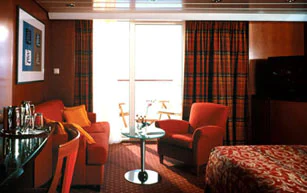 Sky Suite (S1)
The perfectly designed Sky Suite offers a blend of expansive views and intimate luxury. Enjoy exclusive access to Luminae and The Retreat Lounge, reserved only for guests of The Retreat. 319 sq. ft. with 79 sq. ft. veranda. (Decks Penthouse, Panorama & Sky)
800-525-9696
for Pricing
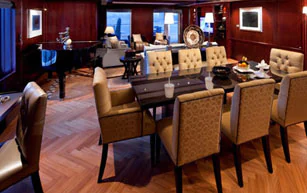 Suite/Deluxe
Penthouse Suite PS.
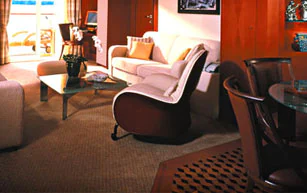
Unwind in modern spaces that will make you feel on top of the world. Relax in ultimate luxury on your private veranda. Lounge in the king-size mattress in your bedroom. Enjoy VIP Treatment with your Personal Retreat Host, expansive lounge areas, and much more. 1,378 sq. ft. with 197 sq. ft. veranda.
Suite/Deluxe
Penthouse Suite PS.
Unwind in modern spaces that will make you feel on top of the world. Relax in ultimate luxury on your private veranda. Lounge in the king-size mattress in your bedroom. Enjoy VIP Treatment with your Personal Retreat Host, expansive lounge areas, and much more. 1,378 sq. ft. with 197 sq. ft. veranda. 800-525-9696
for Pricing
 Suite/Deluxe
Royal Suite RS.
Royal suites deliver on style and comfort. Separate living, dining, and sleeping areas provide all the room you need to relax in luxury. 687 sq. ft. with 72 sq. ft. veranda.
Suite/Deluxe
Royal Suite RS.
Royal suites deliver on style and comfort. Separate living, dining, and sleeping areas provide all the room you need to relax in luxury. 687 sq. ft. with 72 sq. ft. veranda. 800-525-9696
for Pricing
 Suite/Deluxe
Celebrity Suite CS.
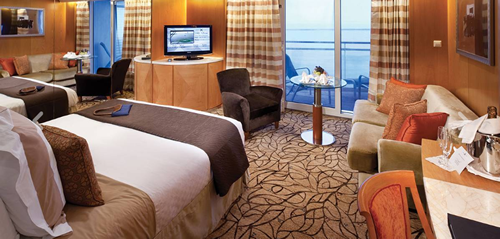
These two-room suites feature a large living area with floor-to-ceiling panoramic windows, private veranda, and a primary bedroom with a king-size mattress. 460 sq. ft. with 51 sq. ft. veranda.
Suite/Deluxe
Celebrity Suite CS.
These two-room suites feature a large living area with floor-to-ceiling panoramic windows, private veranda, and a primary bedroom with a king-size mattress. 460 sq. ft. with 51 sq. ft. veranda. 800-525-9696
for Pricing
 Suite/Deluxe
Sky Suite Stateroom S2.
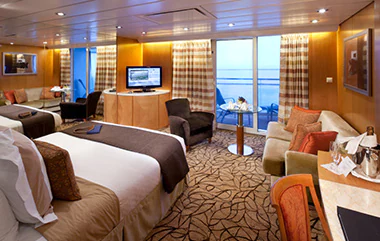
Take your Celebrity vacation to new heights in a Sky Suite. Be welcomed with a bottle of sparkling wine and enjoy the luxury of personal butler throughout your stay. Enjoy exclusive access to dining and lounge areas reserved only for suite guests. To top it off, the VIP Luminae restaurant and exclusive Michael's Club lounge with dedicated concierge are there for all your dining and relaxation needs.
Suite/Deluxe
Sky Suite Stateroom S2.
Take your Celebrity vacation to new heights in a Sky Suite. Be welcomed with a bottle of sparkling wine and enjoy the luxury of personal butler throughout your stay. Enjoy exclusive access to dining and lounge areas reserved only for suite guests. To top it off, the VIP Luminae restaurant and exclusive Michael's Club lounge with dedicated concierge are there for all your dining and relaxation needs.Stateroom: 308 sq. ft.
Sky Suite Stateroom Features:
- *Access to The Retreat Personalized Butler Service
- Priority check-in when boarding the ship
- Priority debarkation & tender service in all ports of call; Onboard Destination Concierge
- Reserved theater seating on evening chic nights; Twice daily housekeeping service
- Welcome bottle of Sparkling Wine
- *Afternoon tea hosted in The Retreat Lounge
- *Frette Premium Terry Bathrobes, Towels, & Slippers
- Daily delivery of delectable delights
- Complimentary in-suite specialty coffee; Pillow selection upon request
- Welcome Flowers & Bottled water on embarkation day; Premium Bath Amenities Co Bigelow
- Shoeshine service, use of golf umbrella and marine grade binoculars; Veranda with lounge seating
- Floor-to-ceiling sliding glass doors; Celebrity's eXhale™ bedding featuring a Cashmere Mattress
- Queen size bed convertible to two lower beds except as noted. Some staterooms may have a trundle bed
- Paini showerhead for Sky Suites; Plentiful storage space in your bathroom and wardrobe
- Spacious sitting area with sofa; Surround sound entertainment system with interactive TV
- *Mini-fridge
- Exclusive access to Luminae at The Retreat; Luminae room service breakfast menu; Complimentary 24-hour in-room dining upon request
800-525-9696
for Pricing
 Suite/Deluxe
Aqua Sky Suite AS.
Aqua Sky Suites combine the well-being inspired AquaClass experience with the exclusive spaces, services, and amenities of The Retreat. The Retreat includes stunning accommodations, a private restaurant, and exclusive lounge and sundeck that rival any high-end resort. The Aqua Sky Suites feature a king-size bed and a spacious private veranda, as well as a split bathroom with a large spa tub and shower.
Suite/Deluxe
Aqua Sky Suite AS.
Aqua Sky Suites combine the well-being inspired AquaClass experience with the exclusive spaces, services, and amenities of The Retreat. The Retreat includes stunning accommodations, a private restaurant, and exclusive lounge and sundeck that rival any high-end resort. The Aqua Sky Suites feature a king-size bed and a spacious private veranda, as well as a split bathroom with a large spa tub and shower. 800-525-9696
for Pricing
Balcony
 AquaClass Stateroom (A2)
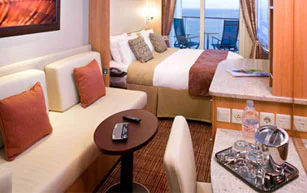
With AquaClass Staterooms, you’ll gain access to the specialty restaurant Blu, as well as access to the Persian Garden spa lounge. AquaClass has an additional focus on wellness, with unlimited access to the Sea Thermal Suite, complimentary fitness classes, and in-room fitness amenities. 194 sq. ft. with 54 sq. ft. veranda. (Deck Sky)
800-525-9696
for Pricing
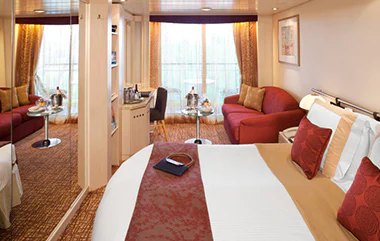 Concierge Class Stateroom (C2)
Personalized Concierge service. Priority check-in and exclusive embarkation day lunch. Destination Seminar. Exclusive pre-departure lounge. Priority debarkation. Main & Specialty restaurant seating time preferences. Welcome sparkling wine and fresh fruit. Daily delivery of afternoon savories. 204 sq. ft. with 42 sq. ft. veranda. (Decks Panorama, Sky & Vista)
800-525-9696
for Pricing
Concierge Class Stateroom (C2)Personalized Concierge service. Priority check-in and exclusive embarkation day lunch. Destination Seminar. Exclusive pre-departure lounge. Priority debarkation. Main & Specialty restaurant seating time preferences. Welcome sparkling wine and fresh fruit. Daily delivery of afternoon savories. 204 sq. ft. with 42 sq. ft. veranda. (Decks Panorama, Sky & Vista)
800-525-9696
for Pricing
Veranda Stateroom (V2)Indoor and outdoor space come together to create your private sanctuary at sea. Relax in a spacious stateroom and enjoy amenities that contribute to your luxury experience. Your personal veranda lets you greet the day and enjoy fresh sea breezes. 175 sq. ft. with 38 sq. ft. veranda. (Decks Penthouse, Panorama & Vista)
800-525-9696
for Pricing
 Balcony
Prime AquaClass Stateroom A1.
Prime AquaClass staterooms are well-appointed, personal retreats located on the most desirable locations on the ship. Savor clean cuisine, including new healthy options, at your exclusive restaurant, Blu. Plus, you’ll enjoy access to the Persian Garden, a spa concierge, complimentary fitness pass, preferential rates on AquaClass spa packages, and in-room fitness amenities. 191 sq. ft. with 62 sq. ft. veranda.
Balcony
Prime AquaClass Stateroom A1.
Prime AquaClass staterooms are well-appointed, personal retreats located on the most desirable locations on the ship. Savor clean cuisine, including new healthy options, at your exclusive restaurant, Blu. Plus, you’ll enjoy access to the Persian Garden, a spa concierge, complimentary fitness pass, preferential rates on AquaClass spa packages, and in-room fitness amenities. 191 sq. ft. with 62 sq. ft. veranda. 800-525-9696
for Pricing
Balcony
Prime Concierge Class C1.
Little details make a world of difference, and the meticulously thought-out Prime Concierge Class staterooms are even better. These rooms are well-appointed personal retreats located in the most desirable locations on the ship. Featuring services, amenities, and exclusive events, step inside and discover a space that’s an experience, more than a room. 209 sq. ft. with 42 sq. ft. veranda. 800-525-9696
for Pricing
Balcony
Ultra Deluxe Concierge Class UC.
The meticulously thought-out Concierge Class staterooms, where the little details make a world of difference, are now even better. Ultra-Deluxe Concierge Class staterooms are well-appointed, personal retreats with a private veranda. As a Concierge Class guest, your team of dedicated professionals will take care of all your vacation needs. 800-525-9696
for Pricing
 Balcony
Concierge Stateroom C3.
Little details make a world of difference, and now our meticulously thought out Concierge Class staterooms are even better. Featuring new services, amenities, and exclusive events, step inside and discover a space that is so much more than a room-it&apost;s an experience. As a Concierge Class guest, your team of dedicated professionals will take care of all your vacation needs. From Priority Check-In-when you’re greeted by your Concierge-to the moment you head back home, we’re there to assist you.
Balcony
Concierge Stateroom C3.
Little details make a world of difference, and now our meticulously thought out Concierge Class staterooms are even better. Featuring new services, amenities, and exclusive events, step inside and discover a space that is so much more than a room-it&apost;s an experience. As a Concierge Class guest, your team of dedicated professionals will take care of all your vacation needs. From Priority Check-In-when you’re greeted by your Concierge-to the moment you head back home, we’re there to assist you.Stateroom: 233 sq. ft.
Stateroom Features:
- Personalized Concierge service; Priority check-in
- Priority debarkation & tender service; welcome sparkling wine
- Pillow menu upon request; Premium Bath Amenities Co Bigelow
- Plush 100% cotton bathrobes, slippers and towels; Celebrity tote bag & Celebrity embossed key holder; Plush Bathrobes; Complimentary use of golf umbrella and binoculars
- Veranda with lounge seating
- Floor-to-ceiling sliding glass doors
- Celebrity's eXhale™ bedding featuring a Cashmere Mattress; HansGrohe massaging showerhead; Sitting area with sofa
- Interactive Television system; Hair dryer
- Exclusive Destination Seminar; Daily delivery of delectable delights
- Complimentary beach towel service; Complimentary shoeshine service; Twice daily housekeeping service
- Our signature friendly, personalized service with a guest to staff ratio of nearly 2:1
- Complimentary breakfast, lunch, and dinner available in a variety of restaurants
- Exclusive Concierge Class Embarkation Lunch
- Expanded room service breakfast menu
800-525-9696
for Pricing
 Balcony
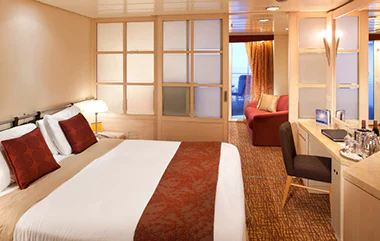
Ultra Deluxe Veranda UV.
Spacious staterooms located in the aft of the ship, each with its own extra-large private veranda to enjoy the beautiful sunsets. Ultra Deluxe Veranda staterooms have the largest veranda of any Millennium Series stateroom, offering superb ocean views at the stern of the ship. 296 sq. ft. with 210 sq. ft. balcony.
Balcony
Ultra Deluxe Veranda UV.
Spacious staterooms located in the aft of the ship, each with its own extra-large private veranda to enjoy the beautiful sunsets. Ultra Deluxe Veranda staterooms have the largest veranda of any Millennium Series stateroom, offering superb ocean views at the stern of the ship. 296 sq. ft. with 210 sq. ft. balcony. 800-525-9696
for Pricing
Balcony
Sunset Veranda SV.
Enjoy fresh sea breezes and soak in superb ocean views at the stern of the ship. Stateroom: 209 sq ft. with 42 sq ft. veranda. 800-525-9696
for Pricing
Balcony
Deluxe Veranda Stateroom DV.
Ample indoor and outdoor space come together to create your private sanctuary at sea. Relax on your spacious veranda and enjoy amenities that contribute to your luxury experience. Your personal veranda lets you greet the day and enjoy fresh sea breezes. 175 sq. ft. with 38 sq. ft. veranda. 800-525-9696
for Pricing
Balcony
Prime Veranda Stateroom V1.
Indoor and outdoor space come together to create your private sanctuary at sea. Relax in a spacious stateroom and enjoy amenities that contribute to your luxury experience. Your personal veranda lets you greet the day and enjoy fresh sea breezes. 175 sq. ft. with 38 sq. ft. veranda. 800-525-9696
for Pricing
 Balcony
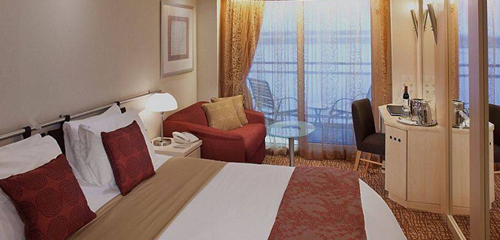
Veranda Stateroom 2A.
Ample indoor and outdoor space come together to create a private sanctuary at sea for your family. Relax in a spacious lounge and enjoy amenities that all contribute to your modern luxury experience. Your personal veranda lets you greet the day, enjoy fresh sea breezes, and soak in breathtaking sunsets.
Balcony
Veranda Stateroom 2A.
Ample indoor and outdoor space come together to create a private sanctuary at sea for your family. Relax in a spacious lounge and enjoy amenities that all contribute to your modern luxury experience. Your personal veranda lets you greet the day, enjoy fresh sea breezes, and soak in breathtaking sunsets.Stateroom: 208 sq. ft.
Stateroom Features
- Private mini-bar*
- Interactive Samsung flat-screen television system to view and select shore excursions, order room service, and watch movies*
- Private safe
- Dual voltage 110/220AC outlets
800-525-9696
for Pricing
Balcony
Veranda Stateroom 2B.
Ample indoor and outdoor space come together to create a private sanctuary at sea for your family. Relax in a spacious lounge and enjoy amenities that all contribute to your modern luxury experience. Your personal veranda lets you greet the day, enjoy fresh sea breezes, and soak in breathtaking sunsets.Stateroom: 208 sq. ft.
Stateroom Features
- Private mini-bar*
- Interactive Samsung flat-screen television system to view and select shore excursions, order room service, and watch movies*
- Private safe
- Dual voltage 110/220AC outlets
800-525-9696
for Pricing
Balcony
Veranda Stateroom 2C.
Ample indoor and outdoor space come together to create a private sanctuary at sea for your family. Relax in a spacious lounge and enjoy amenities that all contribute to your modern luxury experience. Your personal veranda lets you greet the day, enjoy fresh sea breezes, and soak in breathtaking sunsets.Stateroom: 208 sq. ft.
Stateroom Features
- Private mini-bar*
- Interactive Samsung flat-screen television system to view and select shore excursions, order room service, and watch movies*
- Private safe
- Dual voltage 110/220AC outlets
800-525-9696
for Pricing
Outside
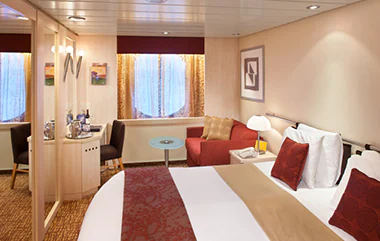 Ocean View Stateroom (O2)
Ocean View Staterooms are the ideal place to unwind at sea. These perfectly indulgent spaces come furnished with the luxury king-sized bed and everything else a modern traveler needs. 171 sq. ft. (Decks Continental & Plaza)
800-525-9696
for Pricing
Outside
Prime Oceanview Stateroom O1.
Expansive views make Ocean View Staterooms the ideal place to unwind at sea. These indulgent spaces come furnished with a luxury king-sized bed and everything else a modern traveler needs. Prime Oceanview staterooms are well-appointed personal retreats located in the most-desirable locations on the ship. 170 sq. ft. 800-525-9696
for Pricing
Outside
Deluxe Oceanview Stateroom DO.
Expansive views make Ocean View staterooms are the ideal place to unwind at sea. These perfectly indulgent spaces come furnished with the luxury king-sized bed and everything else a modern traveler needs. 171 sq. ft. 800-525-9696
for Pricing
 Outside
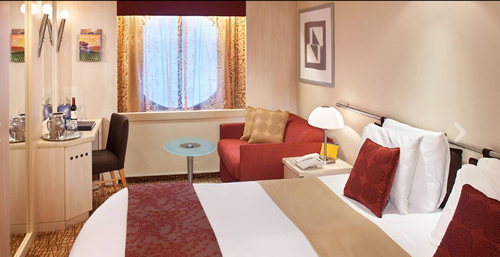
Ocean View Stateroom 7.
Kick back and relax after a day of exploration and discovery in the sitting area and watch the world go by. Each ocean view statKick back and relax after a day of exploration and discovery in the sitting area and watch the world go by. Each ocean view stateroom on board Celebrity includes world-class amenities that all contribute to your modern luxury experience. eroom on board Celebrity includes world-class amenities that all contribute to your modern luxury experience.
Outside
Ocean View Stateroom 7.
Kick back and relax after a day of exploration and discovery in the sitting area and watch the world go by. Each ocean view statKick back and relax after a day of exploration and discovery in the sitting area and watch the world go by. Each ocean view stateroom on board Celebrity includes world-class amenities that all contribute to your modern luxury experience. eroom on board Celebrity includes world-class amenities that all contribute to your modern luxury experience. Stateroom: 170 sq. ft.
Stateroom Features:
- Private mini-bar*
- Interactive Samsung flat-screen television system to view and select shore excursions, order room service, and watch movies*
- Private safe
- Dual voltage 110/220AC outlets
800-525-9696
for Pricing
Outside
Ocean View Stateroom 8.
Kick back and relax after a day of exploration and discovery in the sitting area and watch the world go by. Each ocean view statKick back and relax after a day of exploration and discovery in the sitting area and watch the world go by. Each ocean view stateroom on board Celebrity includes world-class amenities that all contribute to your modern luxury experience. eroom on board Celebrity includes world-class amenities that all contribute to your modern luxury experience. Stateroom: 170 sq. ft.
Stateroom Features:
- Private mini-bar*
- Interactive Samsung flat-screen television system to view and select shore excursions, order room service, and watch movies*
- Private safe
- Dual voltage 110/220AC outlets
800-525-9696
for Pricing
Inside
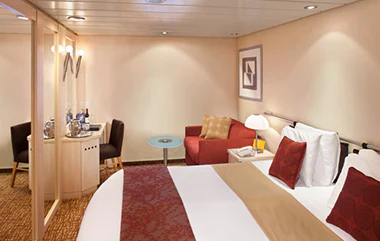 Inside Stateroom (I2)
Your escape at sea, inside staterooms offer ample living space, including a sitting area and a flat-screen TV. 170 sq. ft. (Decks Continental & Plaza)
800-525-9696
for Pricing
Inside
Prime Inside Stateroom I1.
Your escape at sea, inside staterooms offer ample living space, including a sitting area and a flat-screen TV. Prime Inside staterooms are well-appointed, personal retreats located in the most desirable locations on the ship. 170 sq. ft. 800-525-9696
for Pricing
 Inside
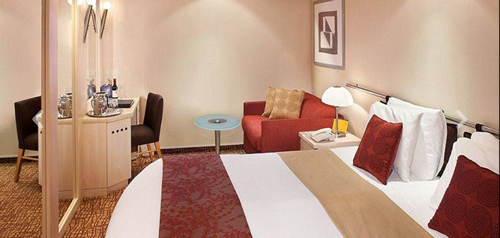
Interior Stateroom 9.
Your escape at sea, Inside Staterooms offer ample living space, including a sitting area and a flat screen TV. Each inside stateroom on board Celebrity includes world-class amenities that all contribute to your modern luxury experience.
Inside
Interior Stateroom 9.
Your escape at sea, Inside Staterooms offer ample living space, including a sitting area and a flat screen TV. Each inside stateroom on board Celebrity includes world-class amenities that all contribute to your modern luxury experience.Amenities
- Four pillows in every stateroom
- Plush 100% cotton bathrobes, slippers and towels
- Premium Custom blended bath products
- Celebrity Shopping Bag
800-525-9696
for Pricing
Inside
Interior Stateroom 10.
Your escape at sea, Inside Staterooms offer ample living space, including a sitting area and a flat screen TV. Each inside stateroom on board Celebrity includes world-class amenities that all contribute to your modern luxury experience.Amenities
- Four pillows in every stateroom
- Plush 100% cotton bathrobes, slippers and towels
- Premium Custom blended bath products
- Celebrity Shopping Bag
800-525-9696
for Pricing
Inside
Interior Stateroom 11.
Your escape at sea, Inside Staterooms offer ample living space, including a sitting area and a flat screen TV. Each inside stateroom on board Celebrity includes world-class amenities that all contribute to your modern luxury experience.Amenities
- Four pillows in every stateroom
- Plush 100% cotton bathrobes, slippers and towels
- Premium Custom blended bath products
- Celebrity Shopping Bag
800-525-9696
for Pricing
Before & After Your Cruise
Embarkation City: Lisbon
Hotels
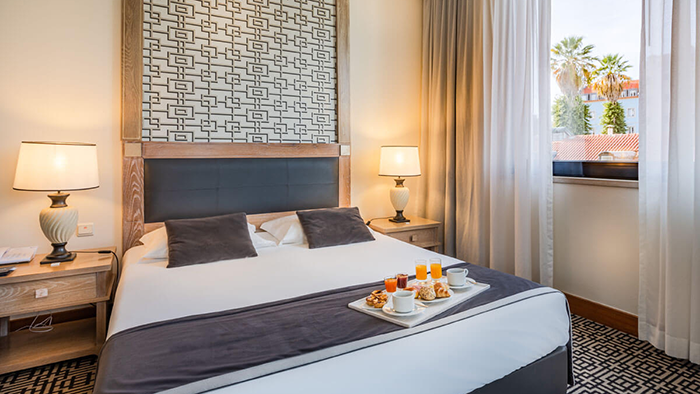
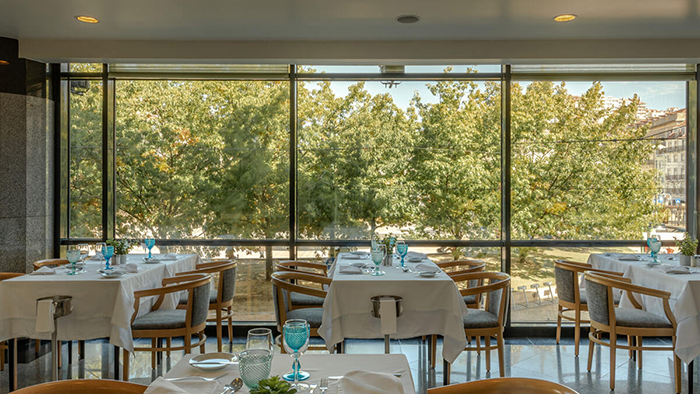
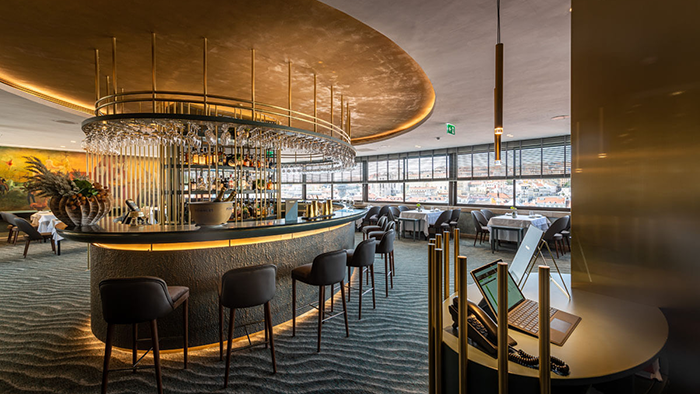
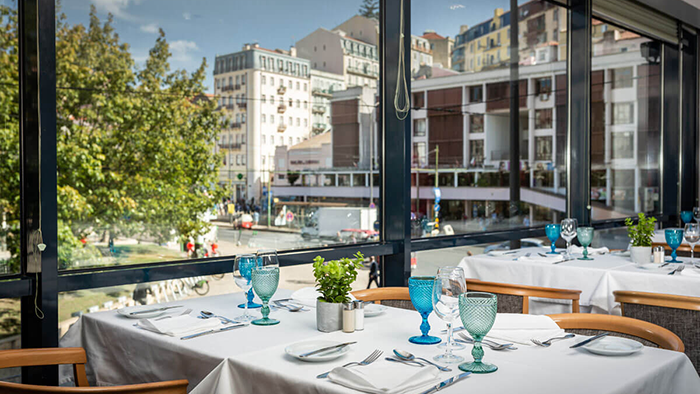
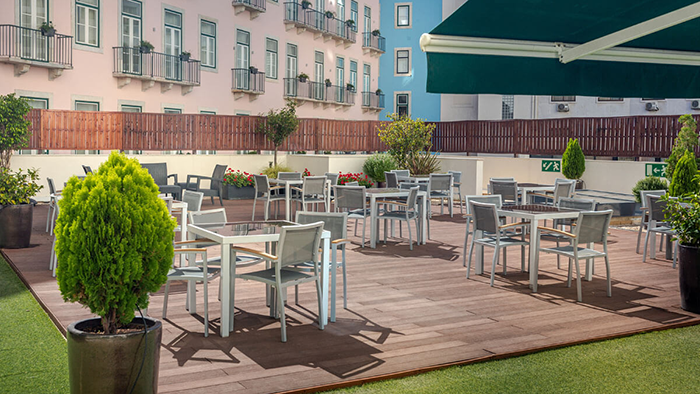
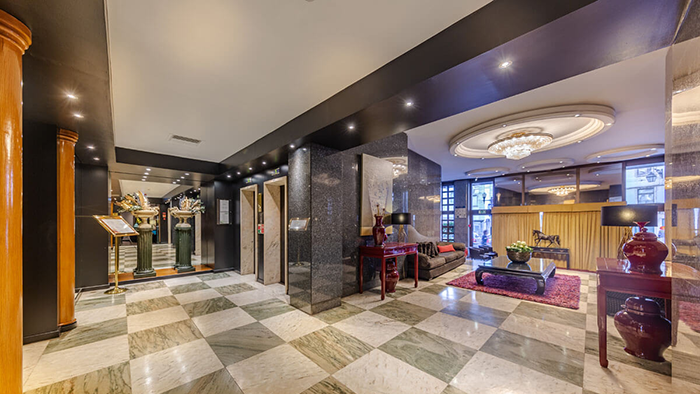
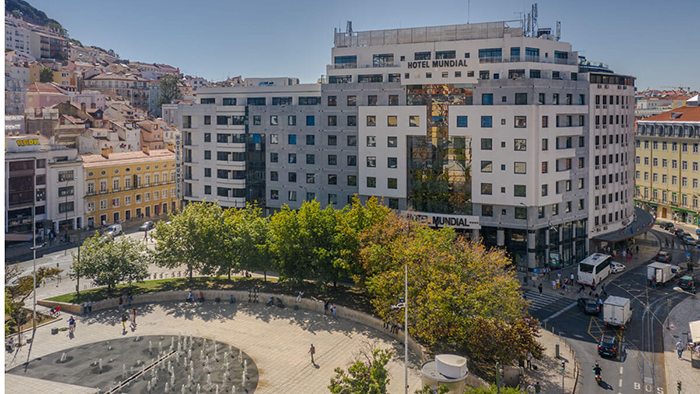
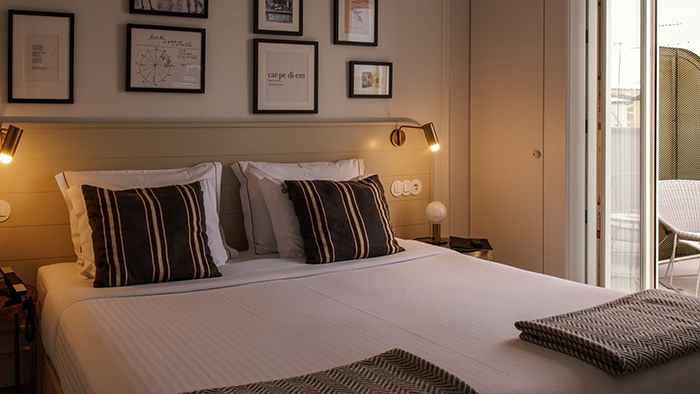
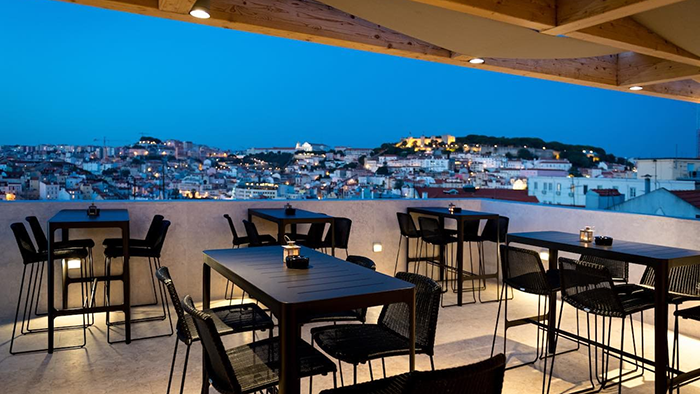
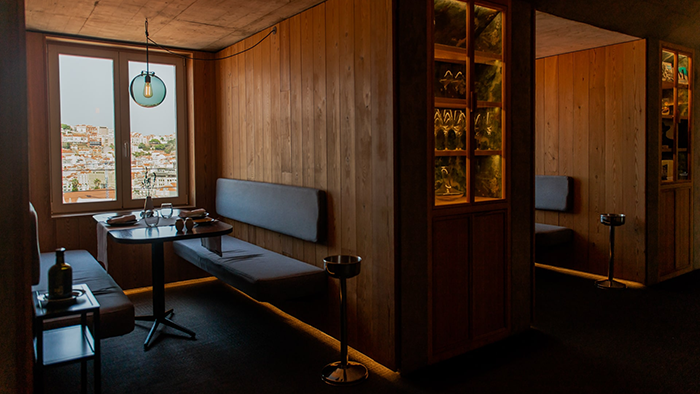
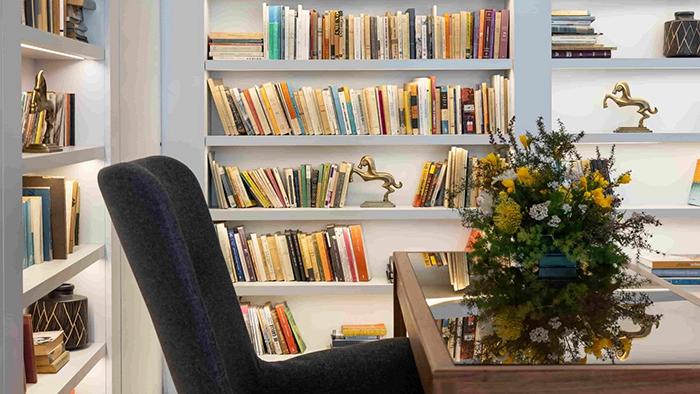
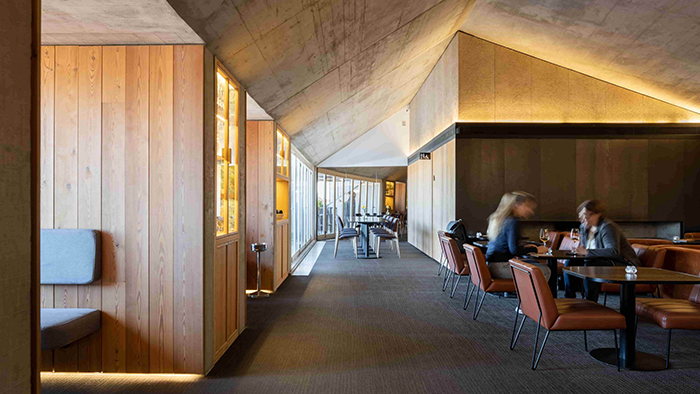
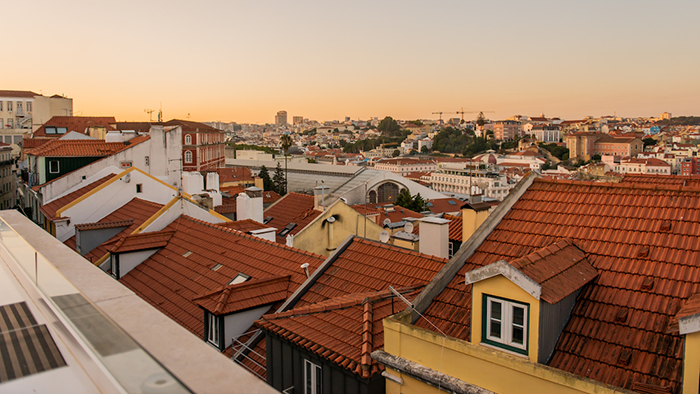
Hotel Mundial
Marked by Character and Identity
Praça Martim Moniz 2, 1100-341 Lisboa, Portugal — Lisbon
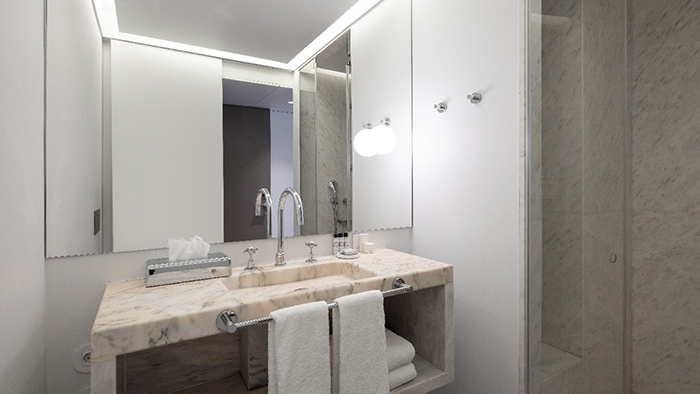
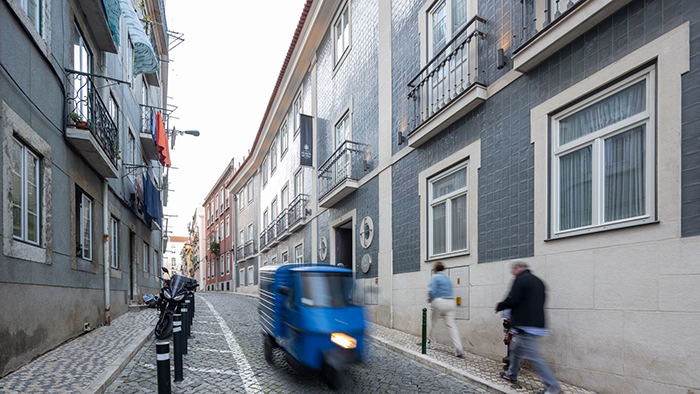
Lisboa Pessoa Hotel
Boutique Hotel in the Center of Lisbon
R. da Oliveira ao Carmo 8, 1200-309 Lisboa, Portugal — Lisbon
Debarkation City: Barcelona
Hotels
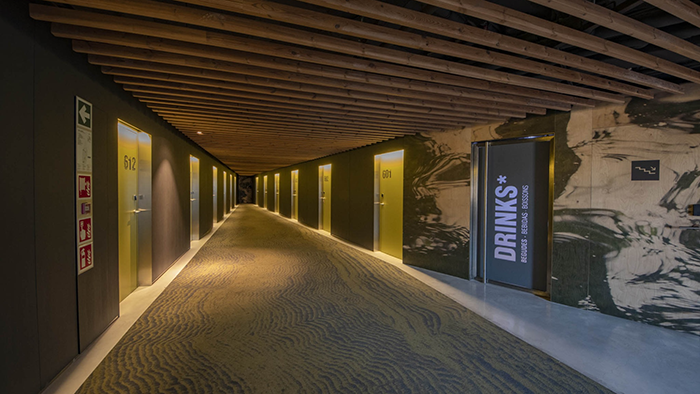

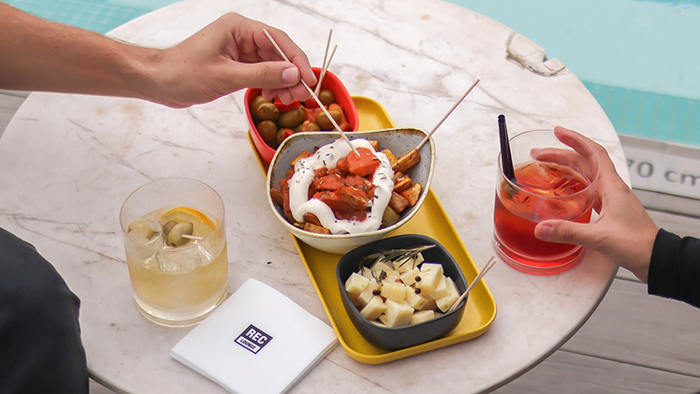
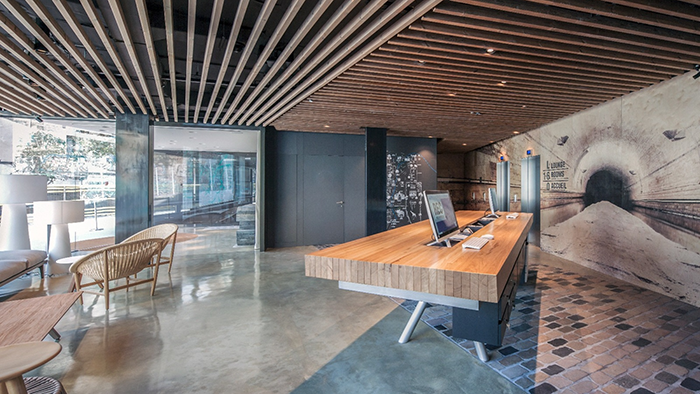
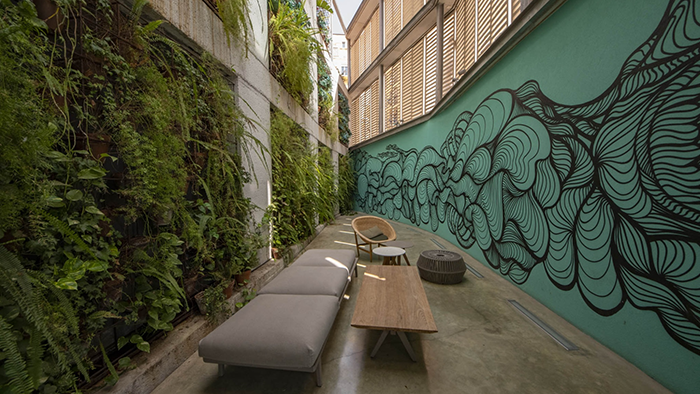
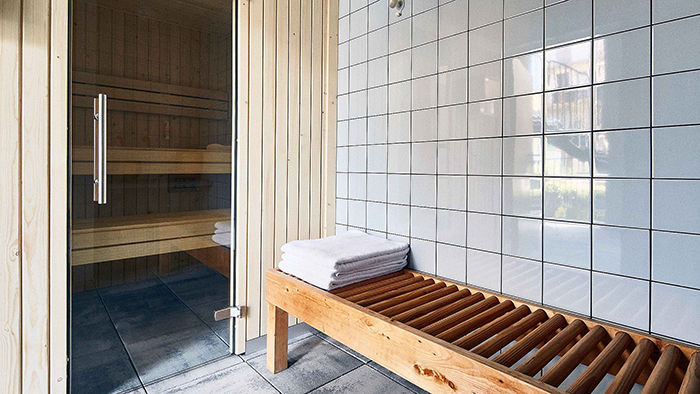
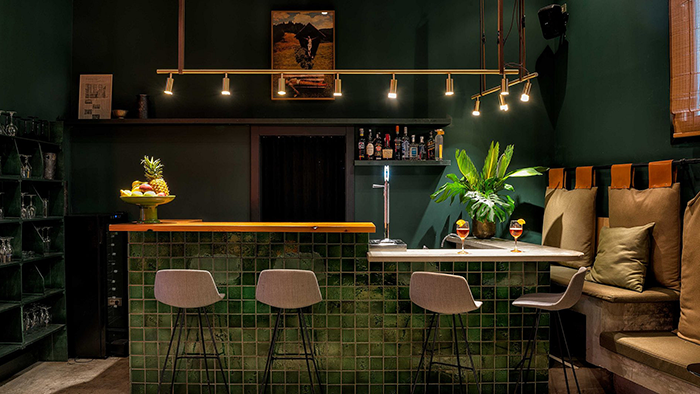
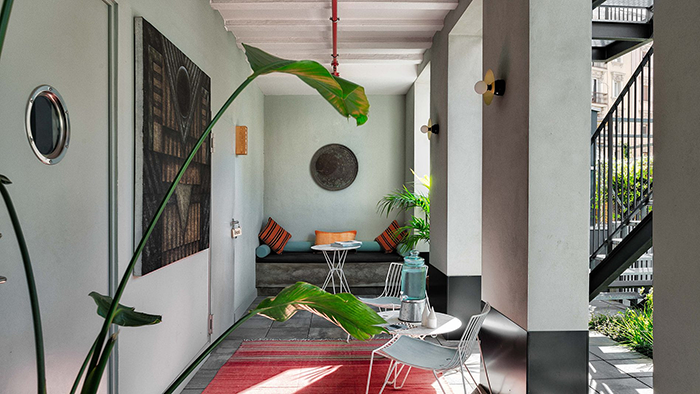
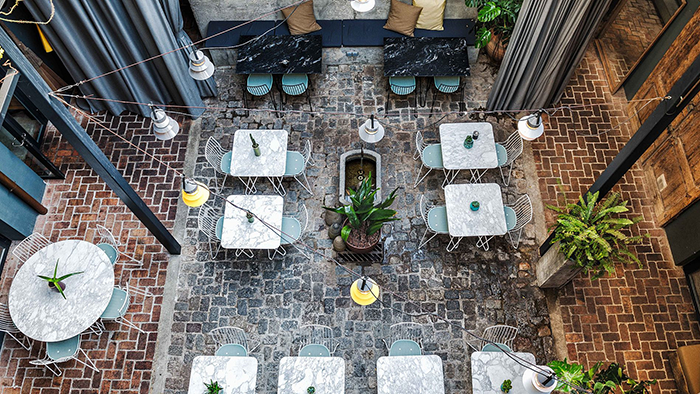
Hotel REC Barcelona
A Modern Adults-Only Hotel
Carrer del Rec Comtal, 19, 08003 Barcelona, Spain — Barcelona
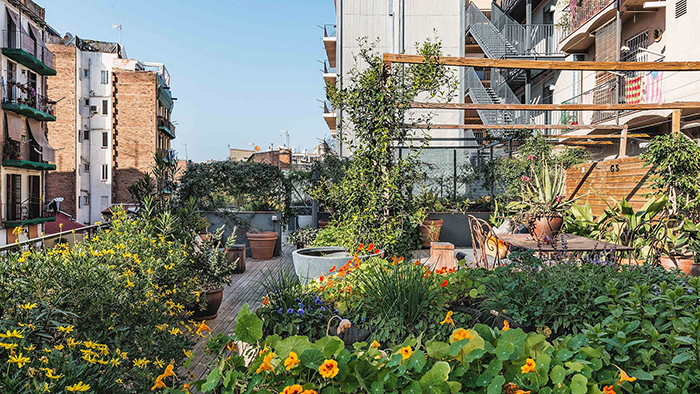
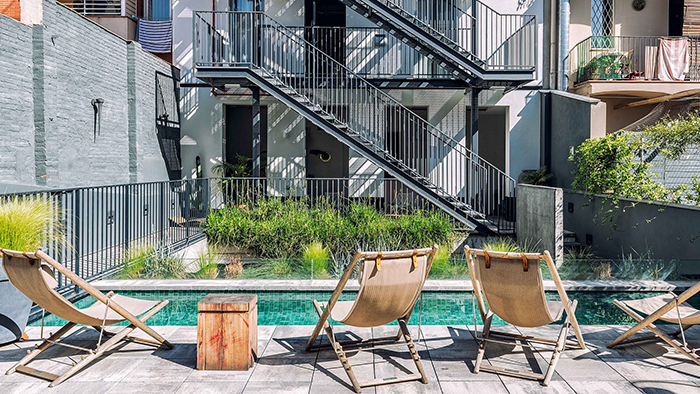
Hotel Brummell
A Cozy Urban Oasis
C/ Nou de la Rambla, 174, 08004 Barcelona, Spain — Barcelona
Protect Your Trip with Allianz Travel Insurance
Allianz Travel Insurance plans can give you flexibility and support when your trip doesn’t go quite as planned. From unexpected flight issues to covered trip cancellations, travel emergencies, and more, travel insurance can help you manage unforeseen events that may impact your trip—giving you peace of mind from the moment you book your trip through your return home.
For an instant quote:
- Simply provide a few short details about your trip
- Review the available protection plans
- Enjoy the peace of mind you deserve
Why Protect your Trip?
Whether you’re planning your next trip or you recently booked one, travel insurance can help smooth over many unexpected travel glitches—while putting your mind at ease, knowing you’re off the hook for covered expenses that could arise from them.
Allianz Travel Insurance plans can provide you benefits and professional support when a covered situation comes up before or during your trip. The following examples may qualify for benefits:
- Cancelling your trip after unexpectedly becoming too sick to travel
- Taking care of a sick or injured traveling companion
- Having to end your trip early due to a family emergency
- Dealing with a flight delay or cancellation
- Needing to buy personal items if your luggage is lost or stolen
- Missing your cruise departure after a covered flight delay
You also can contact our travel protection partner Allianz Global Assistance’s 24/7, award-winning customer service for on-the-go assistance with issues like a medical emergency, replacing your lost passport, or making reservations around the world. To be eligible for a time-sensitive waiver of pre-existing medical condition exclusions, purchase your travel insurance plan within 14 days of initial trip deposit (other purchase requirements and conditions apply). Specific plan benefits may vary. Please review your plan details for more information.
What Can Travel Insurance Help Protect?
Allianz Travel Insurance plans can protect you before and during your trip—keeping you, your loved ones, and your travel budget safer. Benefits vary by plan, and these are brief descriptions. Please read your plan documents for details.
TRIP CANCELLATION
Reimburses your prepaid, non-refundable travel expenses if you need to cancel your trip due to a covered reason, such as you, a family member, or traveling companion experiencing a covered illness or injury. Examples include:
- A doctor says you or a traveling companion is too sick to fly
- Your parent or child requires hospitalization
- You need to attend the birth of a family member’s child
- You have a traffic accident (not breakdown) on the way to the airport
- A storm shuts down your airport for 24 hours or more
TRIP INTERRUPTION
Reimburses your unused, non-refundable travel expenses and increased transportation costs during your trip if you have to return home early due to a covered reason, for instance when a family member has a qualifying medical emergency and needs your care. Examples include:
- You have a covered illness or injury and a doctor says you must return home
- A family member has a qualifying injury and needs your care
- A covered emergency, like a fire or flood, makes your home uninhabitable
TRAVEL DELAY
If you have a covered delay while traveling, travel insurance can reimburse you for meals, accommodations, and transportation expenses when your trip is delayed for a minimum number of consecutive hours for a covered reason. Minimum number of hours varies by plan.
EMERGENCY MEDICAL AND DENTAL CARE
Reimburses your expenses related to covered medical and dental emergencies* that might occur on your trip. This benefit can be especially helpful if you have a covered emergency outside the United States, as most health insurance policies won’t cover you outside the country. Examples include:
- You slip and break your ankle while sightseeing
- You get food poisoning while sampling the local cuisine
- You lose a filling and need immediate dental treatment*
*A sublimit and maximum apply for this benefit. Check your plan documents for details.
EMERGENCY MEDICAL TRANSPORTATION
Arranges and pays for medically necessary transportation following a covered injury or illness to the nearest appropriate medical facility to receive care and get you home after treatment.
BAGGAGE LOSS, DAMAGE, or THEFT
Reimburses the replacement of your lost, damaged, or stolen luggage and personal items while traveling.
BAGGAGE DELAY
Reimburses essential items purchased during your trip if your baggage is delayed for a minimum number of hours (varies by plan).
CHANGE FEE
Reimburses fees if you need to change your flight itinerary due to a covered reason.
24-HOUR ASSISTANCE
Provides around-the-clock support during your trip. Allianz Global Assistance’s staff of multilingual problem solvers can help you with medical, legal, and travel-related emergencies whenever they happen. Medical assistance may include, but is not limited to:
- Medical triage with referrals to local prescreened medical providers
- Ongoing medical monitoring
- Payment guarantee
- Emergency medical transportation
Additional services for travel-related emergencies can help with:
- Missed connecting flights
- Lost/stolen travel documents
- Pre-trip information
- Prescription replacements
Our Promise to You
When you purchase any Allianz Travel Insurance plan, you automatically get 15 days (or more, depending on your state of residence) to review your policy documents. Within that period, you can cancel your plan for a full refund if you’re not satisfied, as long as you haven’t filed a claim or departed on your trip.
Need Help Along the Way?
Contact Allianz Global Assistance’s award-winning team of travel experts. Call anytime for assistance navigating travel mishaps overseas or in the U.S.—or help with everything from reporting lost baggage to locating emergency medical treatment. They can also help you replace passports, refer you to legal assistance, secure cash from home in case of emergency, and guarantee payment when you need to be admitted to a hospital, in some instances.
Contact Allianz Global Assistance
Phone (24/7):
1-800-284-8300 (within the U.S., Canada, Puerto Rico, and the U.S. Virgin Islands)
1-804-281-5700 (outside of the U.S., call collect)
File or Track a Claim
It’s easy and convenient to file and track a claim, upload documents, and more online. Start your claim using your email address or policy number.
File a ClaimIf you need help filing a claim or understanding the claims process, visit the Allianz Global Assistance Claims Center.
Update Your Plan
If you need to update your travel insurance plan, such as adjusting the dates of your plan to reflect itinerary changes, please contact us or manage your plan online so your plan reflects your entire itinerary and provides the right amount of protection for your travels.
Manage My PlanAbout Allianz Global Assistance
Allianz Global Assistance is a world leader in travel insurance and assistance, helping millions of travelers across the globe every year. Allianz Global Assistance is owned by Allianz SE, the world’s largest diversified insurance company. For over 100 years, Allianz SE has helped protect important milestones in American history, insuring the Wright Brothers’ first flight and Golden Gate Bridge construction.
Terms, conditions, and exclusions apply including for pre-existing medical conditions. Insurance benefits underwritten by BCS Insurance Company (OH, Administrative Office: 2 Mid America Plaza, Suite 200, Oakbrook Terrace, IL 60181), rated “A” (Excellent) by A.M. Best Co., under BCS Form No. 52.201 series or 52.401 series, or Jefferson Insurance Company (NY, Administrative Office: 9950 Mayland Drive, Richmond, VA 23233), rated “A+” (Superior) by A.M. Best Co., under Jefferson Form No. 101-C series or 101-P series, depending on your state of residence and plan chosen. A+ (Superior) and A (Excellent) are the 2nd and 3rd highest, respectively, of A.M. Best’s 13 Financial Strength Ratings. Plans only available to U.S. residents and may not be available in all jurisdictions. Allianz Global Assistance and Allianz Travel Insurance are marks of AGA Service Company dba Allianz Global Assistance or its affiliates. Allianz Travel Insurance products are distributed by Allianz Global Assistance, the licensed producer and administrator of these plans and an affiliate of Jefferson Insurance Company. The insured shall not receive any special benefit or advantage due to the affiliation between AGA Service Company and Jefferson Insurance Company. Plans include insurance benefits and assistance services. Any Non-Insurance Assistance services purchased are provided through AGA Service Company. Except as expressly provided under your plan, you are responsible for charges you incur from third parties. Contact AGA Service Company at 800-284-8300 or 9950 Mayland Drive, Richmond, VA 23233 or customerservice@allianzassistance.com.