
COURSE CREDITS & HOURS
21 ANCC Contact Hours
8 Pharmacology Hours for NPs
COURSE FEES
TARGET AUDIENCE
PROGRAM TOPICS
- Rheumatoid Arthritis
- Recognize the classical signs and symptoms and to understand the treatments' goals
- Psoriatic arthritis
- Recognize the classical signs and symptoms and to understand the treatments' goals
- Spondyloarthropathies
- Recognize the classical signs and symptoms and to understand the treatments' goals
- Crystal Induced Arthritis
- Recognize the classical signs and symptoms and to understand the treatments' goals
- Osteoarthritis
- Recognize the classical signs and symptoms and to understand the treatments' goals
- Systemic Lupus Erythematosus
- Recognize the classical signs and symptoms and to understand the treatments' goals
- Fibromyalgia
- Recognize the classical signs and symptoms and to understand the complexity of chronic pain conditions and of particular neuropathic and neuroplastic pain
- Nutrition, Metabolism and Weight Management for Optimizing Heart Health
- Understand the metabolic principles of healthy diets
- Describe the evidence supporting the Mediterranean Diet for cardiovascular benefit
- Appreciate the cardiovascular effects of medical weight loss agents
- Don't Neglect the Impact of Emotions and Stress on Heart Health
- Know the neurohormonal and physiologic basis of stress and adverse cardiovascular effects
- Become familiar with stress-related cardiovascular syndromes
- Counsel patients on basic techniques to manage stress to achieve a health benefit
- Healthy Aging and Longevity
- Understand the Blue Zone principles of longevity
- Appreciate the physiologic basis of aging
- Apply their clinical knowledge when recommending molecules and medications to promote longevity
- Evaluation of Chest Pain on the Front Lines
- Develop a differential diagnosis of acute chest pain
- Know how to use the Heart Score index in the algorithm for assessment of cardiac chest pain.
- Hyperlipidemia Evaluation and Management Update
- Understand the biology of common clinical lipid disorders
- Become familiar with current clinical guidelines for the management of hyperlipidemia
- Recognize the indications for applying novel therapies for treating lipid disorders
- Cardiac Risk Assessment and Use of Risk Calculators
- Understand the features of common cardiovascular risk calculators
- Apply cardiovascular risk calculators in clinical practice
- Unique Issues in Women’s Heart Health
- Appreciate the misconceptions and misperceptions of women’s heart health
- Diagnosis and manage common cardiovascular conditions unique to women
- Optimal Medical Therapy for the Management of Stable Coronary Heart Disease
- Know the definition of stable coronary heart disease
- Apply optimal medical therapy to treat coronary heart disease
- Appreciate the evidence in support for medical management of coronary heart disease
- Heart Failure Guidelines Update
- Classify and define various forms of heart failure
- Apply clinical and imaging criteria to diagnose heart failure
- Apply current management guidelines in the treatment for heart failure
- Atrial Fibrillation Guidelines Update
- Understand the indications for anticoagulation for atrial fibrillation
- Apply medical therapy for management of atrial fibrillation
- Become familiar with indications for interventional therapies to manage atrial fibrillation
IMPORTANT INFORMATION
Faculty
Professor Howard Amital, MD MHA

Sheba Medical Center
Ramat Gan, Israel
Chair of Internal Medicine
Faculty of Medical and Health Sciences
Tel Aviv University, Tel Aviv, Israel
Howard Amital is a professor of Medicine at the Sackler Faculty of Medicine of the Tel-Aviv University. He is the head of Department of Medicine 'B' at the Sheba Medical Center at the Sheba Medical Center, in Tel-Hashomer. For the past two years he is also the chair of Internal Medicine at the Sackler faculty of Medicine at the Tel-Aviv University. He completed his residency in Internal Medicine at the Sheba Medical Center, Tel-Hashomer, and his fellowship at the Hadassah Medical Center in Jerusalem.
Prof. Amital conducts clinical and basic research and speaks at international Rheumatology conferences such as the EULAR (European League against Rheumatism) and the ACR (American College of Rheumatology). He has authored over 270 scientific peer-reviewed journal articles, book chapters and reviews. His papers mainly focus on autoimmunity research primarily in new avenues for the development of therapeutic peptides in RA, roles of vitamin D, use of biological therapy, pain and comorbidities of fibromyalgia and epidemiological studies based on Health Maintenance Organization (HMO) databases.
Khalid H. Sheikh, MD, MBA, FACC, FNLA

Adjunct Assistant Professor of Medicine, Duke University Global Health Institute
Cocoa Beach, FL
Dr. Khalid H. Sheikh is a preventative cardiologist specializing in cardiac wellness, longevity, and cardiovascular imaging. He is board-certified in Internal Medicine and Cardiovascular Diseases, holding additional sub-specialty certifications in echocardiography, cardiac CT imaging, and advanced lipid management. In addition to his clinical practice, Dr. Sheikh serves as an Assistant Professor of Medicine at the University of Central Florida College of Medicine and as an Adjunct Assistant Professor of Medicine at the Duke University Global Health Institute.
A dedicated researcher and global health advocate, Dr. Sheikh’s passion for global heart health has led him to deliver volunteer medical services, teach, and conduct research in medically underserved countries. He has served as the principal investigator in over 100 national and international clinical trials and has authored more than 150 scientific abstracts, peer-reviewed journal articles, book chapters, and reviews. Dr. Sheikh frequently speaks at national and international forums on cardiovascular disease and cardiac wellness, and he is the author of the critically acclaimed heart wellness book, "Don’t Let Your Heart Attack."
Accreditation
|
|
In support of improving patient care, Continuing Education, Inc./University at Sea® is jointly accredited by the Accreditation Council for Continuing Medical Education (ACCME), the Accreditation Council for Pharmacy Education (ACPE), and the American Nurses Credentialing Center (ANCC), to provide continuing education for the healthcare team. |
|
|
Credit Designation for Physicians: Continuing Education, Inc. designates this live activity for 21 AMA PRA Category 1 Credits™. Physicians should claim only the credit commensurate with the extent of their participation in the activity. |
|
Osteopathic Physicians: This program is eligible for Category 2 credit with the American Osteopathic Association (AOA). US or Canadian Family Physicians: Please let us know if you require AAFP Prescribed Credits.
|
|
|
|
Credit Designation for Nurses: Continuiung Education, Inc. designates this continuing nursing education activity for 21 contact hours. Nurse Practitioners: Can claim either ANCC Contact Hours or AMA PRA Category 1 CreditsTM as needed. Pharmacology credits are identified on individual activities. |
|
|
Royal College of Physicians and Surgeons of Canada: |
|
|
College of Family Physicians of Canada (CFPC)
|
|
|
|







Cruise Itinerary
| DATE | PORT OF CALL | ARRIVE | DEPART |
|---|---|---|---|
| Sunday, October 6 | Tokyo (Yokohama), Japan |
- | 7:00 pm |
| Monday, October 7 | Shimizu (Mt. Fuji), Japan |
7:00 am | 7:00 pm |
| Tuesday, October 8 | *At Sea - Cruising Meeting 8:30AM - 12:30PM, 1:30PM - 4:30PM |
- | - |
| Wednesday, October 9 | Osaka, Japan |
8:00 am | - |
| Thursday, October 10 | Osaka, Japan |
- | 3:00 pm |
| Friday, October 11 | Hiroshima, Japan |
1:00 pm | 10:00 pm |
| Saturday, October 12 | *At Sea - Cruising Meeting 8:30AM - 12:30PM, 1:30PM - 4:30PM |
- | - |
| Sunday, October 13 | Busan, South Korea |
8:00 am | 6:00 pm |
| Monday, October 14 | Kumamoto, Japan |
10:00 am | 8:00 pm |
| Tuesday, October 15 | Nagasaki, Japan |
7:00 am | 5:00 pm |
| Wednesday, October 16 | *At Sea - Cruising Meeting 8:30AM - 12:30PM, 1:30PM - 4:30PM |
- | - |
| Thursday, October 17 | Tokyo (Yokohama), Japan |
2:30 pm | - |
| Friday, October 18 | Tokyo (Yokohama), Japan |
- | - |
Ports of Call
Tokyo (Yokohama), Japan


Navigating the City of Villages - Tokyo is not a monolith; it is a constellation of distinct districts—often described as a "city of villages"—connected by the world's most efficient rail network. The sheer scale can be intimidating, but the logic of the city reveals itself quickly. Upon arrival, your first priority should be securing an IC card (such as Suica, Pasmo, or the tourist-specific versions). This rechargeable pass is the skeleton key to the city, allowing seamless tap-and-go travel across subway lines, JR trains, and even payments at vending machines and convenience stores. Taxis are immaculate and honest, but traffic can be dense and fares high; the train is almost always the superior option for the savvy professional.
The Spiritual and The Historic - Begin your immersion where the city’s history is most tangible. Asakusa remains the spiritual anchor of Tokyo. The approach to Senso-ji, the city’s oldest temple, is via Nakamise-dori, a bustling shopping street that has provided snacks and souvenirs to pilgrims for centuries. While crowded, the energy here is infectious. For a moment of genuine reflection, step away from the main hall into the adjacent gardens, which often remain quiet despite the throngs nearby.

In stark contrast to the colorful bustle of Asakusa is the solemn majesty of Meiji Jingu in Harajuku. Dedicated to the Emperor who opened Japan to the West, this Shinto shrine is surrounded by a man-made forest of over 100,000 trees. Passing through the massive torii gates, the roar of the city vanishes, replaced by the sound of gravel crunching underfoot and wind in the canopy. It is a profound reminder of the reverence for nature that underpins Japanese culture.
The Kinetic Energy of Modern Tokyo - To understand Tokyo’s modern pulse, one must visit the western hubs. Shibuya is the epicenter of youth culture and home to the famous Scramble Crossing. Watching the organized chaos of thousands of pedestrians crossing simultaneously is a hypnotic experience. For a perspective on the sheer density of the capital, avoid the overpriced tourist towers and head to the Tokyo Metropolitan Government Building in Shinjuku. The observation decks on the 45th floor are free and offer panoramic views that, on clear days, stretch all the way to Mount Fuji.

Shinjuku itself is a study in contrasts. The west side is a canyon of skyscrapers, while the east side hosts the neon-drenched Kabukicho district. For a more intimate evening, seek out Omoide Yokocho ("Memory Lane") or the Golden Gai. These narrow alleys are packed with tiny, atmospheric bars and yakitori stalls that seat only a handful of patrons. It is here, over grilled skewers and cold beer, that you witness the authentic after-work culture of Tokyo’s salarymen.
A Culinary Landscape Without Peer - Tokyo holds more Michelin stars than any other city, yet its culinary soul is found in its accessibility. You need not spend a fortune to eat exceptionally well. The Tsukiji Outer Market remains a vital stop for food lovers, offering fresh seafood, tamagoyaki (rolled omelets), and high-quality kitchenware, even after the wholesale auction moved to Toyosu.

Do not overlook the "Depachika"—the cavernous food halls located in the basements of major department stores like Isetan or Mitsukoshi. These are not mere food courts; they are curated galleries of culinary craftsmanship, offering everything from intricate bento boxes to French-style patisserie. They are the perfect solution for a high-quality, low-stress meal, perhaps taken to a nearby park.
A Curated 3-Day Mini-Itinerary - To help structure your stay without rushing, consider this balanced approach:
- Day 1: The Western Pulse. Arrive and acclimate. Head to Harajuku to walk the serene grounds of Meiji Jingu. Exit into the pop-culture explosion of Takeshita Street, then walk down the tree-lined Omotesando (often called Tokyo’s Champs-Élysées) for architecture and coffee. End your evening in Shibuya to witness the Crossing and enjoy dinner at a high-rise restaurant overlooking the city lights.
- Day 2: Old Edo and Modern Art. Start early in Asakusa to see Senso-ji before the midday crowds. From there, take the water bus down the Sumida River to Hamarikyu Gardens, a feudal-era teahouse garden surrounded by skyscrapers. In the afternoon, explore the upscale district of Ginza for shopping, or visit teamLab Planets for an immersive digital art experience that has become a modern icon of the city.
- Day 3: Culture and Cuisine. Begin with a sushi breakfast or early lunch near Tsukiji. Spend the afternoon in Ueno Park, home to the Tokyo National Museum, which houses the world's largest collection of Japanese art. Conclude your stay in Roppongi, visiting the Mori Art Museum for contemporary works and a final, breathtaking view of the Tokyo Tower illuminated at night.


Shimizu (Mt. Fuji), Japan

Should Fuji remain hidden, the region still offers rich cultural experiences. Shizuoka Prefecture is the heart of Japan's green tea production; a visit to a local plantation provides insight into this revered tradition, from leaf to cup. Nearby Shizuoka City is home to Sunpu Castle Park, the former stronghold of the powerful shogun Tokugawa Ieyasu. While the main keep is a reconstruction, the grounds and moats evoke a strong sense of feudal history. For those seeking a more relaxed day, the area immediately around the port has the S-Pulse Dream Plaza, a modern complex with shops, a Ferris wheel, and a small, enjoyable sushi museum. The true reward of a day in Shimizu is that unforgettable glimpse of Fuji-san, but the area's deep connection to history and nature provides a worthy journey in its own right.
At Sea - Cruising
Osaka, Japan


If you choose to stay in Osaka, prepare for a sensory experience centered on gastronomy. The city’s unofficial motto is *kuidaore*—"eat until you drop"—and the Dotonbori district is the place to do it. We recommend skipping a formal sit-down lunch in favor of a street food tour along the canal; *takoyaki* (octopus dumplings) and *okonomiyaki* (savory pancakes) are the local standards that define the city's unpretentious, fun-loving culture. For history, Osaka Castle is the primary draw. Travelers should be aware that while the exterior is grandiose and photogenic, the main keep is a modern concrete reconstruction housing a history museum. The surrounding park and massive stone walls, however, are authentic and impressive.
However, for first-time visitors to the Kansai region, we often advise taking the train to Kyoto, located roughly 30 to 50 minutes away. Kyoto holds the traditional Japan of your imagination: the Golden Pavilion (Kinkaku-ji), the endless vermilion gates of Fushimi Inari Shrine, and the historic Gion district. The "nightingale floors" of Nijo Castle—designed to chirp under footsteps to warn of intruders—remain a marvel of feudal engineering. Whether you choose the modern energy of Osaka or the serene temples of Kyoto, the region's rail system makes navigation reliable and efficient.

Hiroshima, Japan

The essential starting point is the Peace Memorial Park, a vast and beautifully maintained area in the city center. Here you will find the skeletal A-Bomb Dome (Genbaku Dome), a UNESCO World Heritage Site left standing as a stark reminder of the events of 1945. The park also contains the Children's Peace Monument and the eternal Peace Flame. The adjacent Hiroshima Peace Memorial Museum is a deeply moving, unflinching account of the bombing and its aftermath. We advise allocating sufficient time and emotional space for this visit; its impact is significant and lasting.
Beyond its history, Hiroshima is a vibrant, modern city. A short tram ride away, you can experience its lively culture through its signature dish: Hiroshima-style okonomiyaki. This savory, layered pancake with noodles, cabbage, and various toppings is a delicious and authentic taste of local life.
For many, the highlight is a short ferry ride to the sacred island of Miyajima, home to the Itsukushima Shrine. Its iconic vermilion torii gate, which appears to float on the water at high tide, is one of Japan's most famous sights. With its major restoration now complete, the gate stands in its full, unobscured glory. The island itself is a delight, with friendly wild deer, traditional shops, and the beautiful Daisho-in Temple at the base of Mount Misen. A day trip that includes both the Peace Park and Miyajima is ambitious but achievable with an early start and efficient use of the excellent local tram and ferry network.
Busan, South Korea
For a profound sense of history, visit Beomeo-sa Temple, a sprawling complex founded in the 7th century that offers a peaceful retreat from the city's pace. Alternatively, Haedong Yonggungsa Temple presents a dramatic scene, uniquely built into the coastal cliffs overlooking the sea—a rare and beautiful setting for a Buddhist temple.
To experience the city's vibrant daily life, immerse yourself in the Jagalchi Fish Market. It is an exhilarating sensory experience where you can witness the local seafood trade and even sample the fresh catch at an upstairs restaurant. Nearby, the sprawling Gukje Market offers everything from traditional goods to modern fashion, reflecting the city's long history as a center of commerce.
A short journey away, the Gamcheon Culture Village is a highlight. Once a hillside slum, it has been transformed into a living art installation, with brightly colored houses, narrow winding alleys, and whimsical sculptures creating a truly unique and photogenic landscape. For a glimpse of modern Busan, Haeundae Beach is a wide stretch of sand backed by a gleaming skyline. While it's a bustling urban beach, it provides a pleasant place to observe contemporary Korean leisure. Busan offers a rich, accessible slice of culture that more than fills a day in port.
Kumamoto, Japan
Nagasaki, Japan

The city’s most significant sites are dedicated to remembrance. The Nagasaki Peace Park and the adjacent Atomic Bomb Museum are powerful, somber, and impeccably curated. They present the events of August 9, 1945, with a focus on peace and the abolition of nuclear weapons. While emotionally challenging, this experience is fundamental to grasping the city's spirit of resilience.

Beyond this solemn history, Nagasaki reveals a fascinating past as one of the few Japanese ports open to foreign trade during the country's long period of isolation. This legacy is best explored at Glover Garden, an open-air museum of 19th-century Western-style mansions set on a hillside with panoramic views of the harbor. It was in one of these homes that the story of Puccini's *Madame Butterfly* is said to have been inspired. Nearby, the reconstructed island of Dejima offers a glimpse into the lives of the Dutch traders who were confined there for over 200 years.
Nagasaki’s unique culture is also evident in its cuisine. Be sure to try *champon*, a hearty noodle soup born from the city’s Chinese influences, and the delicate *castella* sponge cake, a sweet legacy of Portuguese merchants. The city’s compact layout and excellent streetcar system make it easy to explore these distinct historical layers in a single, memorable day.
We can assist you with all your travel arrangements. We'd be happy to help you plan your flights, hotels, or tours before and/or after your cruise conference.
PLEASE NOTE: To attend the conference, participants must book their cruise accommodations through University at Sea®. This ensures we can provide full conference services and complimentary social amenities to meeting participants and guests. Participants' family and friends are welcome to book within our group allotment and take advantage of our typically excellent rates.
Request a Quote online or by voice at 800-525-9696 (US/Can) or direct/int'l tel +1-727-526-1571.
Prices below are for the full cruise including meals and evening entertainment
Suites
 Suite/Deluxe
Penthouse Suite PS.
Unwind in modern spaces that will make you feel on top of the world. Relax in ultimate luxury on your private veranda. Lounge in the king-size Cashmere™ Mattress in your bedroom. Enjoy VIP treatment with your butler, expansive lounge areas and much more.
So much more than a suite, The Retreat® isn’t a place. It isn’t an amenity. It isn’t a service. It’s all of this and more. The Retreat includes stunning accommodations, a private restaurant, and exclusive lounge and sundeck* that rival any high-end resort. Your dedicated team of attendants, concierges, and your Personal Retreat Host will do everything to ensure you never have to lift a finger on vacation.
Escape to this spacious suite with living and dining areas and a private terrace with a hot tub.
Suite/Deluxe
Penthouse Suite PS.
Unwind in modern spaces that will make you feel on top of the world. Relax in ultimate luxury on your private veranda. Lounge in the king-size Cashmere™ Mattress in your bedroom. Enjoy VIP treatment with your butler, expansive lounge areas and much more.
So much more than a suite, The Retreat® isn’t a place. It isn’t an amenity. It isn’t a service. It’s all of this and more. The Retreat includes stunning accommodations, a private restaurant, and exclusive lounge and sundeck* that rival any high-end resort. Your dedicated team of attendants, concierges, and your Personal Retreat Host will do everything to ensure you never have to lift a finger on vacation.
Escape to this spacious suite with living and dining areas and a private terrace with a hot tub. 800-525-9696
for Pricing
 Suite/Deluxe
Royal Suite RS.
Unwind in a luxuriously large living and dining area featuring floor to ceiling panoramic windows, a Primary bedroom featuring a king-sized Cashmere™ Mattress with Celebrity’s eXhale® bedding , a Primary bathroom with a large soaking tub, a separate shower, and a double sink vanity, and a spacious private veranda. No matter where you are in this suite, you’ll enjoy stunning views of the sea.
So much more than a suite, The Retreat® isn’t a place. It isn’t an amenity. It isn’t a service. It’s all of this and more. The Retreat includes stunning accommodations, a private restaurant, and exclusive lounge and sundeck* that rival any high-end resort. Your dedicated team of attendants, concierges, and your Personal Retreat Host will do everything to ensure you never have to lift a finger on vacation.
Unwind in this two-room suite that features a large living and dining area with floor-to-ceiling panoramic windows for stunning views from every angle.
Suite/Deluxe
Royal Suite RS.
Unwind in a luxuriously large living and dining area featuring floor to ceiling panoramic windows, a Primary bedroom featuring a king-sized Cashmere™ Mattress with Celebrity’s eXhale® bedding , a Primary bathroom with a large soaking tub, a separate shower, and a double sink vanity, and a spacious private veranda. No matter where you are in this suite, you’ll enjoy stunning views of the sea.
So much more than a suite, The Retreat® isn’t a place. It isn’t an amenity. It isn’t a service. It’s all of this and more. The Retreat includes stunning accommodations, a private restaurant, and exclusive lounge and sundeck* that rival any high-end resort. Your dedicated team of attendants, concierges, and your Personal Retreat Host will do everything to ensure you never have to lift a finger on vacation.
Unwind in this two-room suite that features a large living and dining area with floor-to-ceiling panoramic windows for stunning views from every angle. 800-525-9696
for Pricing
 Suite/Deluxe
Celebrity Suite CS.
These two-room suites feature a large living area with floor to ceiling panoramic windows, private veranda, and a primary bedroom with a king-sized bed from our signature CashmereTM Mattress. When you stay in a Celebrity Suite, you'll enjoy the luxury of a butler. This includes assistance with unpacking and packing. In-suite lunch and dinner service. Afternoon tea. Evening hors d'oeuvres and complimentary in-suite specialty coffees from Café al Bacio.
So much more than a suite, The Retreat® isn’t a place. It isn’t an amenity. It isn’t a service. It’s all of this and more. The Retreat includes stunning accommodations, a private restaurant, and exclusive lounge and sundeck* that rival any high-end resort. Your dedicated team of attendants, concierges, and your Personal Retreat Host will do everything to ensure you never have to lift a finger on vacation.
Spacious two-room suites that feature a large living and dining area with floor-to-ceiling panoramic windows for stunning views from every angle.
Suite/Deluxe
Celebrity Suite CS.
These two-room suites feature a large living area with floor to ceiling panoramic windows, private veranda, and a primary bedroom with a king-sized bed from our signature CashmereTM Mattress. When you stay in a Celebrity Suite, you'll enjoy the luxury of a butler. This includes assistance with unpacking and packing. In-suite lunch and dinner service. Afternoon tea. Evening hors d'oeuvres and complimentary in-suite specialty coffees from Café al Bacio.
So much more than a suite, The Retreat® isn’t a place. It isn’t an amenity. It isn’t a service. It’s all of this and more. The Retreat includes stunning accommodations, a private restaurant, and exclusive lounge and sundeck* that rival any high-end resort. Your dedicated team of attendants, concierges, and your Personal Retreat Host will do everything to ensure you never have to lift a finger on vacation.
Spacious two-room suites that feature a large living and dining area with floor-to-ceiling panoramic windows for stunning views from every angle. 800-525-9696
for Pricing
 Suite/Deluxe
Sky Suite S1.
The perfectly designed Sky Suite offers a blend of expansive views and intimate luxury. These large suites feature a king-sized* bed from our signature Cashmere™ Mattress and a spacious, private veranda. Be welcomed with a bottle of sparkling wine and enjoy the luxury of your butler throughout your stay. Plus, enjoy exclusive access to Luminae, sundeck and lounge, reserved only for guests of The Retreat.
So much more than a suite, The Retreat® isn’t a place. It isn’t an amenity. It isn’t a service. It’s all of this and more. The Retreat includes stunning accommodations, a private restaurant, and exclusive lounge and sundeck* that rival any high-end resort. Your dedicated team of attendants, concierges, and your Personal Retreat Host will do everything to ensure you never have to lift a finger on vacation. These suites feature a king-sized bed that faces the floor-to-ceiling window and sliding glass door that leads to a private veranda.
Suite/Deluxe
Sky Suite S1.
The perfectly designed Sky Suite offers a blend of expansive views and intimate luxury. These large suites feature a king-sized* bed from our signature Cashmere™ Mattress and a spacious, private veranda. Be welcomed with a bottle of sparkling wine and enjoy the luxury of your butler throughout your stay. Plus, enjoy exclusive access to Luminae, sundeck and lounge, reserved only for guests of The Retreat.
So much more than a suite, The Retreat® isn’t a place. It isn’t an amenity. It isn’t a service. It’s all of this and more. The Retreat includes stunning accommodations, a private restaurant, and exclusive lounge and sundeck* that rival any high-end resort. Your dedicated team of attendants, concierges, and your Personal Retreat Host will do everything to ensure you never have to lift a finger on vacation. These suites feature a king-sized bed that faces the floor-to-ceiling window and sliding glass door that leads to a private veranda. 800-525-9696
for Pricing
Suite/Deluxe
Aqua Sky Suite AS.
Introducing our Aqua Sky Suites, which combine our well-being inspired AquaClass experience with exclusive spaces, services, and amenities of The Retreat® to leave you more renewed than ever.
So much more than a suite, The Retreat® isn’t a place. It isn’t an amenity. It isn’t a service. It’s all of this and more. The Retreat includes stunning accommodations, a private restaurant, and exclusive lounge and sundeck* that rival any high-end resort. Your dedicated team of attendants, concierges, and your Personal Retreat Host will do everything to ensure you never have to lift a finger on vacation. The perfectly designed Aqua Sky Suite offers a blend of wellness, expansive views and intimate luxury.
These large suites feature a king-size bed with our signature CashmereTM Mattress and a spacious, private veranda. The split bathroom features a large spa tub with shower. 800-525-9696
for Pricing
Balcony
 AquaClass Stateroom (A2)
All staterooms and suites come complete with private bathroom, vanity area, hair-dryer, interactive TV, radio and phone. Specialty restaurant Blu, only for AquaClass guests. Unlimited access to Persian Garden spa lounge. Personal spa concierge. Hansgrohe shower panel. Wellness Channel - On Demand AquaClass Programming (only available on SL Class Ships). Daily delivery of flavored tea. Stateroom: 209 sq ft. veranda 42 sq ft. *Additional charges apply. (Deck Sky)
800-525-9696
for Pricing
Concierge Class Stateroom (C2)All staterooms and suites come complete with private bathroom, vanity area, hair-dryer, interactive TV, radio and phone. Personalized Concierge service. Priority check-in Exclusive embarkation day lunch. Destination Seminar. Exclusive pre-departure lounge. Priority debarkation. Main & specialty restaurant seating time preferences. Welcome sparkling wine and fresh fruit. Daily delivery of afternoon savories. Stateroom: 204 sq ft. veranda 42 sq ft. *Additional charges apply. (Decks Vista, Sky & Panorama)
800-525-9696
for Pricing
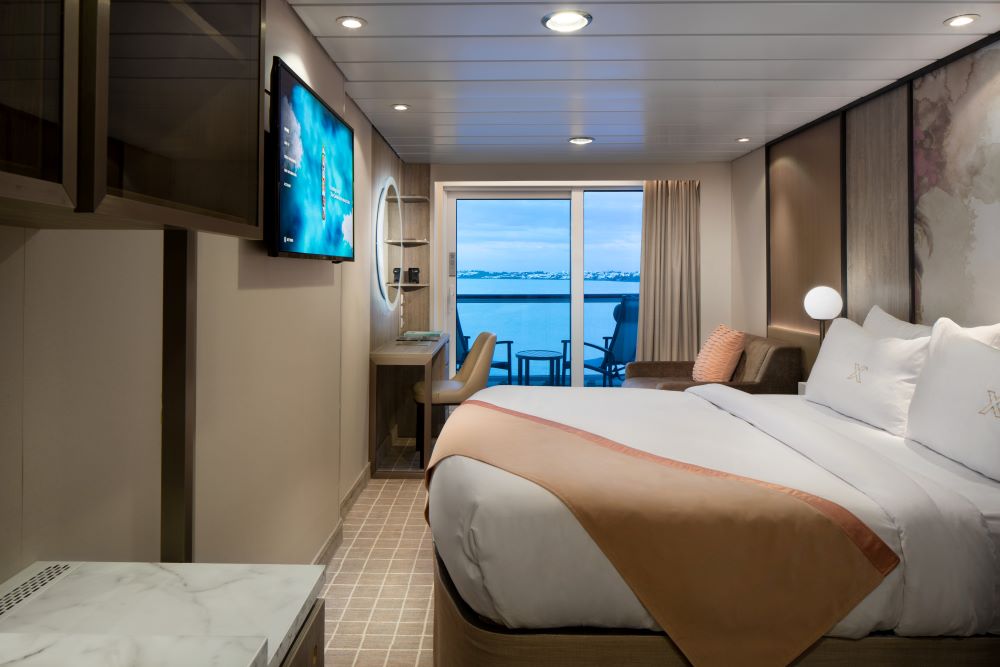 Veranda Stateroom (V2)
Sleeps 2-4. Studio, 1 bath. Stateroom: 175 sqft. Veranda: 38 sqft. Match your preference w/several location options. Add convenience, space: some have option to connect. Indoor and outdoor space come together to create your private sanctuary at sea. Relax in a spacious stateroom and enjoy amenities that all contribute to your luxury experience. Your personal veranda lets you greet the day and enjoy fresh sea breezes. (Decks Vista, Resort, Panorama & Penthouse)
800-525-9696
for Pricing
Balcony
Prime AquaClass Stateroom A1.
Sleeps 2. Studio, 1 bath. Stateroom: 191 sqft. Veranda: 62 sqft. Highest decks: even more expansive views. Limited number face aft for mesmerizing views. Wellness is so fundamental to our philosophy, we offer AquaClass® staterooms for a fully immersive, next-level wellness experience. Prime AquaClass staterooms are well-appointed, personal retreats located in the most-desirable locations on the ship. Savor clean cuisine, including new healthy options, at your exclusive restaurant, Blu. Plus, you’ll enjoy access to the Persian Garden, a spa concierge, a complimentary fitness pass, preferential rates on AquaClass spa packages, daily in-room bottled water service, healthy room-service menu options, and a yoga mat for use on board. We’ve thought of everything so that you can focus on nourishing your mind, body, and spirit. 800-525-9696
for Pricing
Balcony
Ultra Deluxe Concierge Class Stateroom UC.
Sleeps 2. Studio, 1 bath. Stateroom: 209 sqft. Veranda: 42 sqft. Expanded veranda: even more space to stretch out. Limited number. Priority Debarkation. Our meticulously thought out Concierge Class staterooms, where the little details make a world of difference, are now even better. Ultra Deluxe Concierge Class staterooms are well-appointed, personal retreats with an expanded veranda. Featuring services, amenities, and exclusive events, step inside and discover a room that’s so much more than a room—it’s an experience. As a Concierge Class guest, your team of dedicated professionals will take care of all your vacation needs. 800-525-9696
for Pricing
Balcony
Prime Concierge Class Stateroom C1.
Sleeps 2-3. Studio, 1 bath. Stateroom: 209 sqft. Veranda: 42 sqft. Majority are midship. Limited number face aft. Central location. Priority Debarkation. Our meticulously thought out Prime Concierge Class staterooms with infinite veranda, where the little details make a world of difference, are now even better. Featuring services, amenities, and exclusive events, step inside and discover a room that’s so much more than a room—it’s an experience. Prime Concierge Class staterooms are well-appointed, personal retreats located in the most-desirable locations on the ship.
As a Concierge Class guest, your team of dedicated professionals will take care of all your vacation needs. The in-room automation allows you to control everything from lighting, to shades, to temperature, and service with a simple touch screen. You can even choose a setting that will tuck you in and gently wake you in the morning. It’s world-class service at the touch of a button.
Service:
Enhanced room service breakfast menu
Personalized Concierge service
Exclusive Destination Seminar
Complimentary shoeshine service
Dining:
Main seating time preferences
Exclusive Concierge Class lunch
Amenities:
Welcome sparkling wine*
Daily delectable delights
Pillow selection upon request
Use of golf umbrella and binoculars
Celebrity embossed key holder
Plush 100% cotton towels and bathrobes
Laundry service (with a charge) and complimentary beach towel service
Hairdryer
Custom blended bath products* (shampoo, conditioner, body lotion, soap, shower cap)
Stateroom Features:
Floor-to-ceiling sliding glass door
Sitting area with sofa
Veranda with lounge seating 800-525-9696
for Pricing
 Balcony
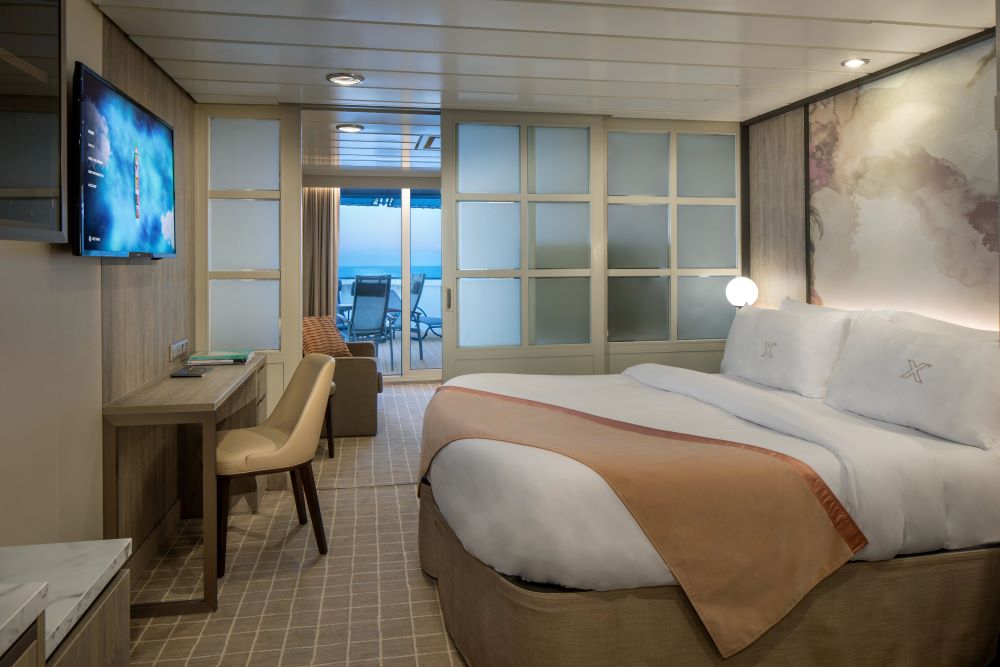
Ultra Deluxe Veranda Stateroom UV.
Sleeps 5. 2 room (partition), 1 bath. Stateroom: 296 sqft. Veranda: 210 sqft. Massive veranda fits whole family or friend group. Faces aft. Mid to high decks. Just you and sunsets. Spacious staterooms located in the aft of the ship, each with its own extra-large private veranda to enjoy the beautiful sunsets. Ultra Deluxe Veranda Staterooms have the largest veranda of any Millennium Series stateroom offering superb ocean views at the stern of the ship.
Balcony
Ultra Deluxe Veranda Stateroom UV.
Sleeps 5. 2 room (partition), 1 bath. Stateroom: 296 sqft. Veranda: 210 sqft. Massive veranda fits whole family or friend group. Faces aft. Mid to high decks. Just you and sunsets. Spacious staterooms located in the aft of the ship, each with its own extra-large private veranda to enjoy the beautiful sunsets. Ultra Deluxe Veranda Staterooms have the largest veranda of any Millennium Series stateroom offering superb ocean views at the stern of the ship. 800-525-9696
for Pricing
Balcony
Sunset Veranda Stateroom SV.
All staterooms and suites come complete with private bathroom, vanity area, interactive TV, safe, phone, and hairdryer. Enjoy fresh sea breezes and soak in superb ocean views at the stern of the ship. Premium bath products, Interactive TV, Twice daily service (makeup and turndown). Celebrity eXhaleTM Bedding. 24-hour room service. Complimentary shopping bag. Mini-bar*. Stateroom: 209 sq ft. / Veranda: 42 sq ft.
*Additional charges apply. 800-525-9696
for Pricing
Balcony
Deluxe Veranda Stateroom DV.
Sleeps 2-3. Studio, 1 bath. Stateroom: 175 sqft. Veranda: 38 sqft. Larger veranda to stretch out even further. Forward and aft options. Ample indoor and outdoor space come together to create your private sanctuary at sea. Relax on your spacious veranda and enjoy amenities that all contribute to your luxury experience. Your personal veranda lets you greet the day and enjoy fresh sea breezes. 800-525-9696
for Pricing
Balcony
Prime Veranda Stateroom V1.
Sleeps 2-3. Studio, 1 bath. Stateroom: 175 sqft. Veranda: 38 sqft. Higher decks for even more expansive views. Or midship on central deck for easy access to all decks. Indoor and outdoor space come together to create your private sanctuary at sea. Relax in a spacious stateroom and enjoy amenities that all contribute to your luxury experience. Prime Veranda staterooms are well-appointed, personal retreats located in the most-desirable locations on the ship. 800-525-9696
for Pricing
Outside
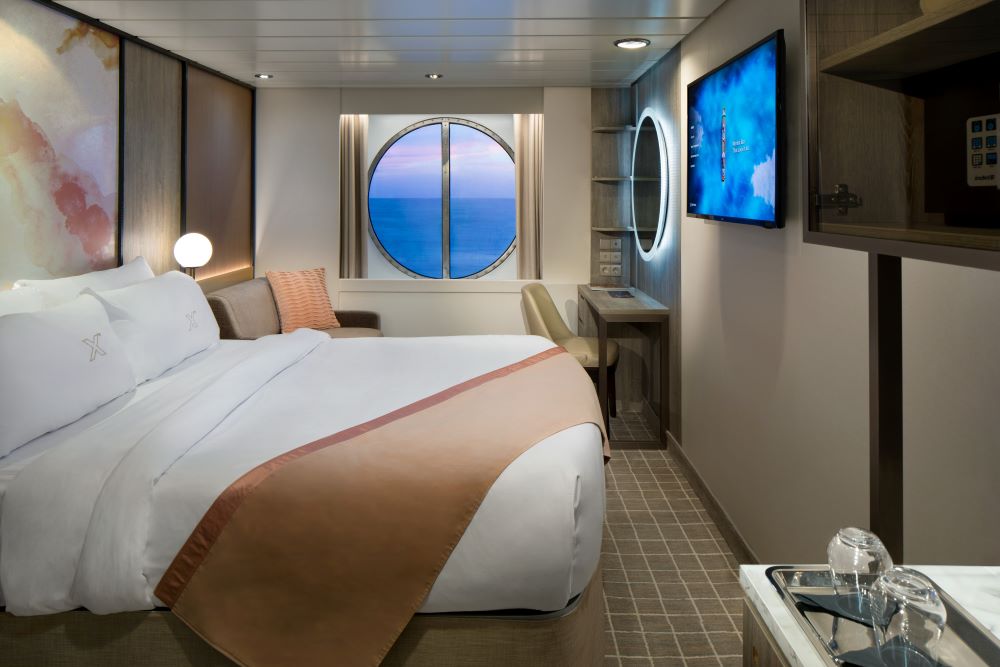 Oceanview Stateroom (O2)
Sleeps 2-4. Studio, 1 bath. 171 sqft. Large porthole window. Forward and aft on lower decks. Ocean View Staterooms, the ideal place to unwind at sea. These perfectly indulgent spaces come furnished with Celebrity’s eXhale(R) bedding featuring the luxury king sized* CashmereTM Mattress and everything else a modern traveler needs. (Decks Continental & Plaza)
800-525-9696
for Pricing
Outside
Deluxe Oceanview Stateroom DO.
Sleeps 2. Studio, 1 bath. 171 sqft. Even more space for everyone to stretch out Central location: easy access to all decks. Expansive views make Ocean View Staterooms the ideal place to unwind at sea. These perfectly indulgent spaces come furnished with Celebrity’s eXhale(R) bedding featuring the luxury king sized* CashmereTM Mattress and everything else a modern traveler needs. 800-525-9696
for Pricing
Outside
Prime Oceanview Stateroom O1.
Sleeps 2-4. Studio, 1 bath. 170 sqft. Large porthole window. Forward on higher decks. Or midship on lower decks. Expansive views make Ocean View Staterooms the ideal place to unwind at sea. These perfectly indulgent spaces come furnished with Celebrity’s eXhale(R) bedding featuring the luxury king sized* CashmereTM Mattress and everything else a modern traveler needs. Prime Ocean View staterooms are well-appointed, personal retreats located in the most-desirable locations on the ship. 800-525-9696
for Pricing
Inside
 Inside Stateroom (I2)
All staterooms and suites come complete with private bathroom, vanity area, hair-dryer, interactive TV, radio and phone. Our signature friendly, personalized service. Custom blended bath products. Interactive Samsung flat-screen television. Twice daily service (makeup and turndown). Celebrity eXhale™ bedding. Private safe. 24-hour room service. Private mini-bar. Complimentary tote bag. *Additional charges apply. (Decks Continental & Plaza)
800-525-9696
for Pricing
Inside
Prime Inside Stateroom I1.
Sleeps 2-4. Studio, 1 bath. 170 sqft. Higher decks: closer to pool, other outdoor venues. Add convenience, space: some have option to connect. Your escape at sea, Inside Staterooms offer ample living space, including a sitting area and a flat screen TV. Each inside stateroom on board Celebrity includes world-class amenities. Prime Inside staterooms are well-appointed, personal retreats located in the most-desirable locations on the ship. 800-525-9696
for Pricing
Before & After Your Cruise
Hotels
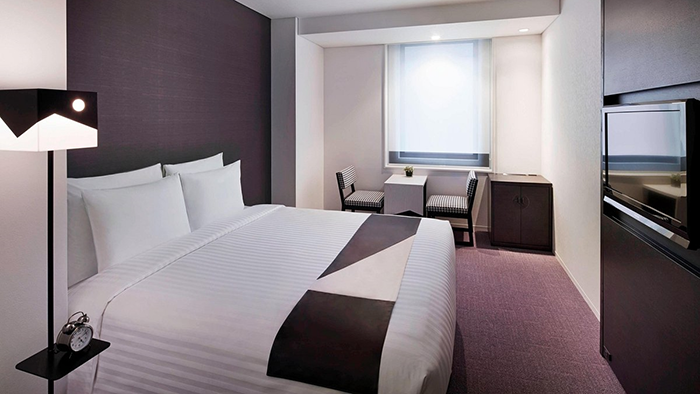
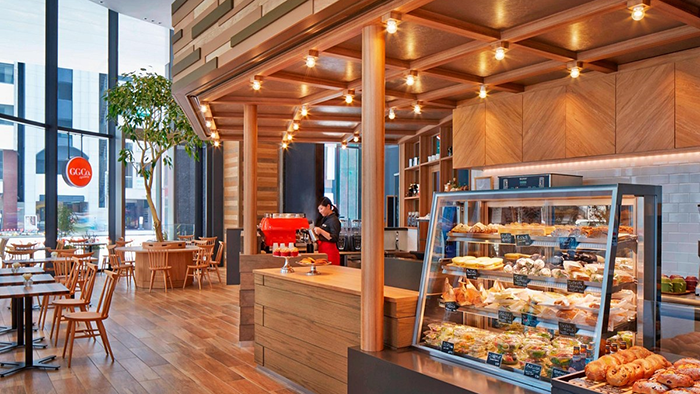
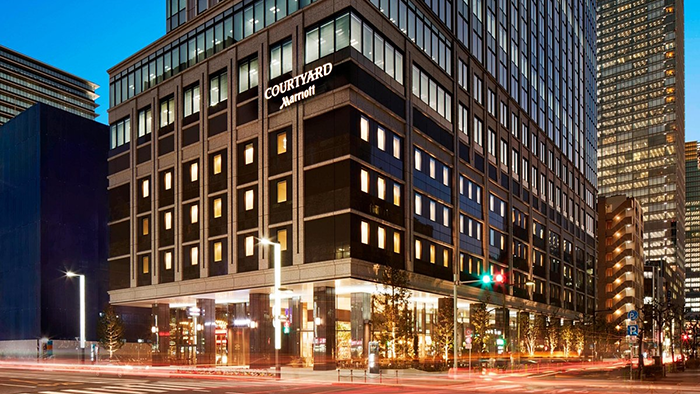
Courtyard Tokyo Station
Modern Hotel Living in the Heart of Tokyo
2-1-3 Kyobashi, Chuo-ku, Tokyo, Japan — Tokyo
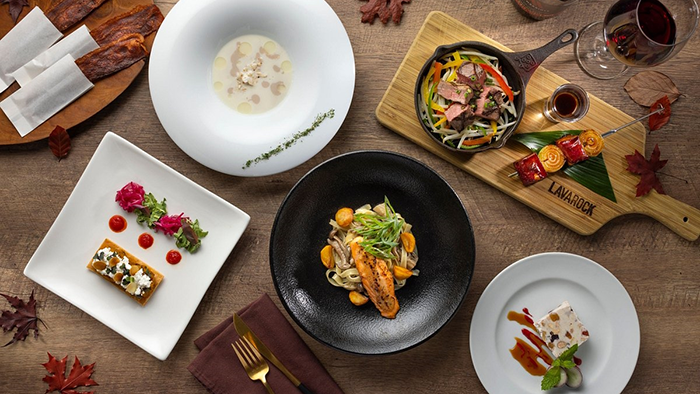
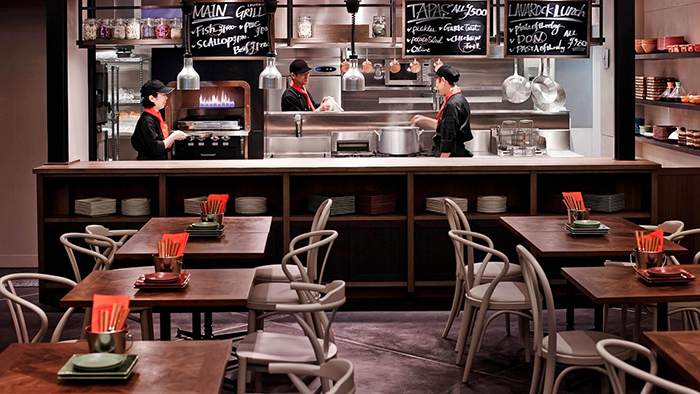
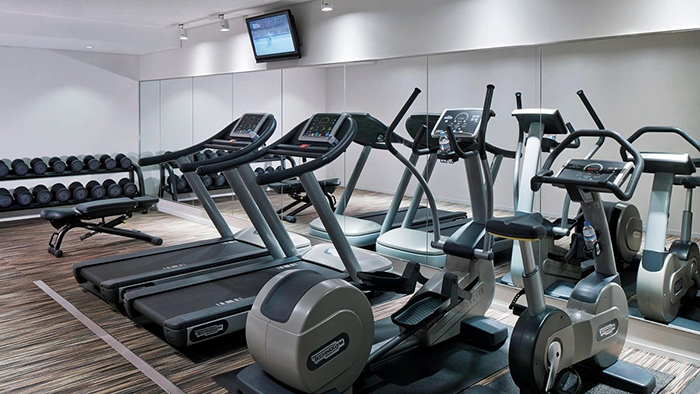
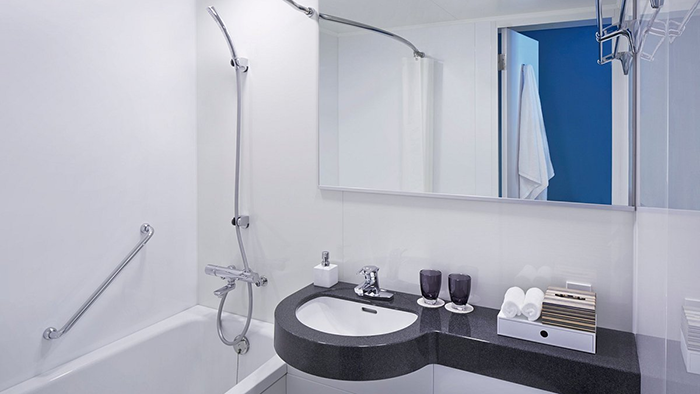
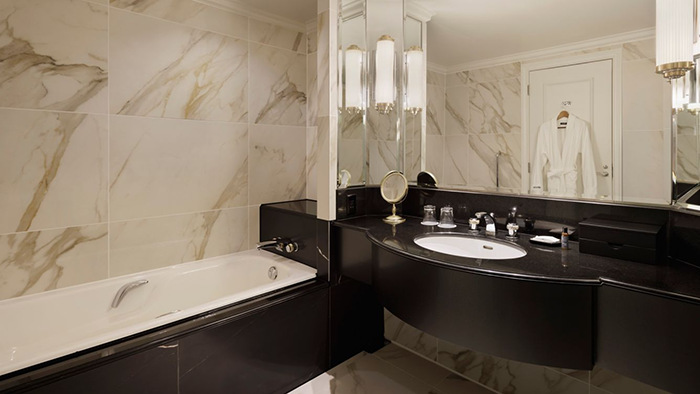
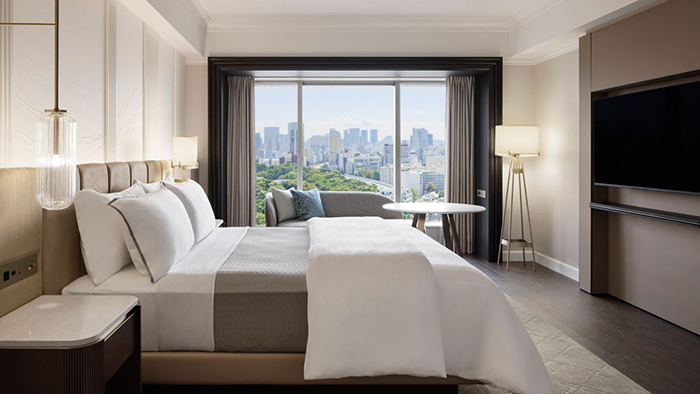
Hotel rooms include deluxe beds, flat-screen TVs, room service and well-lit desks. The outdoor seating area provides an enticing gathering spot for travelers to indulge in light refreshments of specialties from the street-level restaurant and cafe. Find everything you need to move forward in a hotel at Courtyard Tokyo Station.
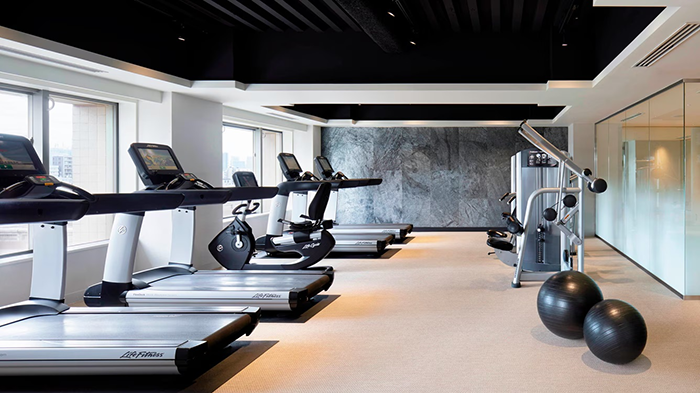
The Westin Tokyo
Revel in the Luxury of Shibuya, Tokyo, Japan
1 Chome-4-1 Mita, Meguro City, Tokyo 153-0062, Japan — Tokyo
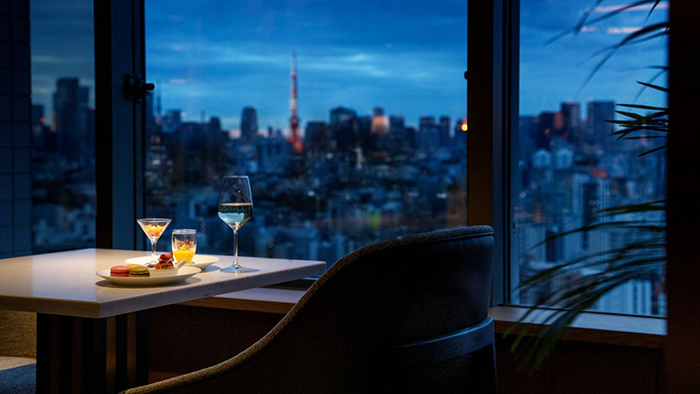
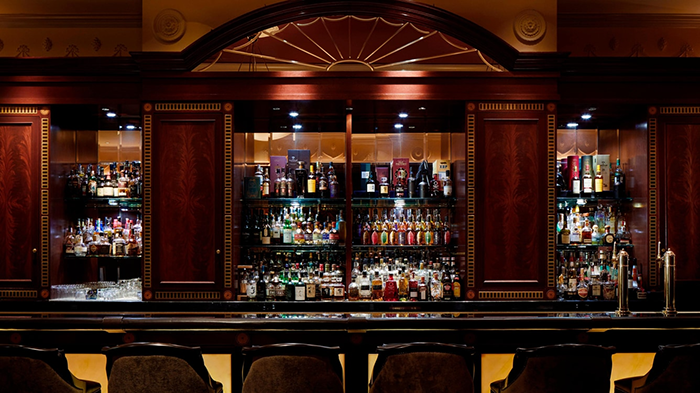
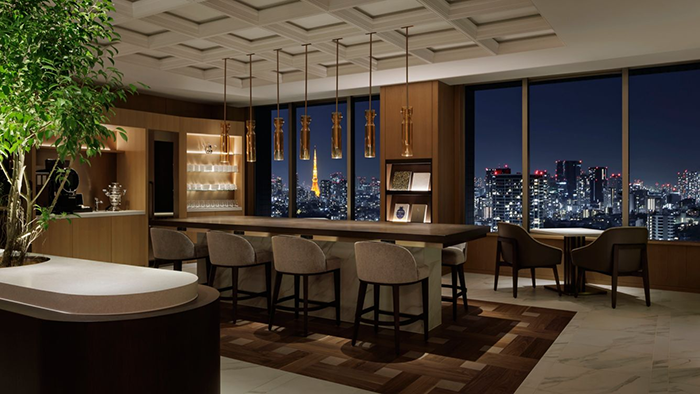
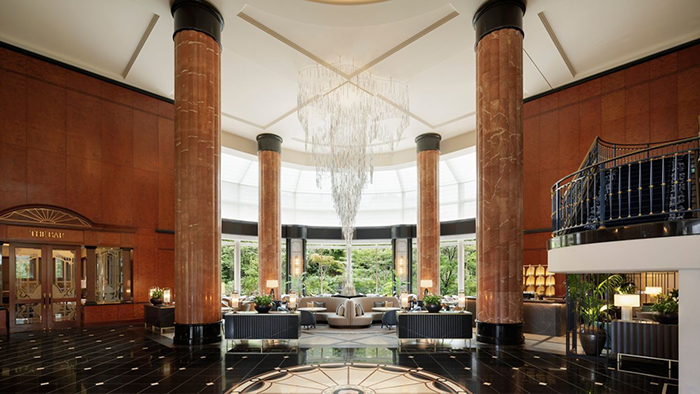
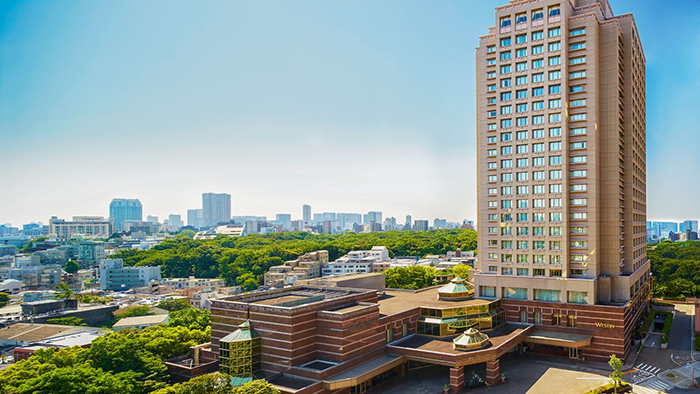
With its strategic location and thoughtful amenities, The Westin Tokyo proudly stands in the ranks of some of the best hotels in Tokyo. Our hospitality embodies a modern sophistication that stays true to traditional Japanese values. Classic European décor adorns each room, accompanied by the signature Heavenly® Bed to ensure you leave feeling better than when you arrived. Selected rooms and suites allow you to enjoy views of the iconic Tokyo Tower and to truly embrace the Japanese capital. Just minutes away from JR Ebisu Station, corporate offices, shopping and entertainment centers, The Westin Tokyo holds one of the best locations in the city, making it a simple decision when considering where to stay in Tokyo.
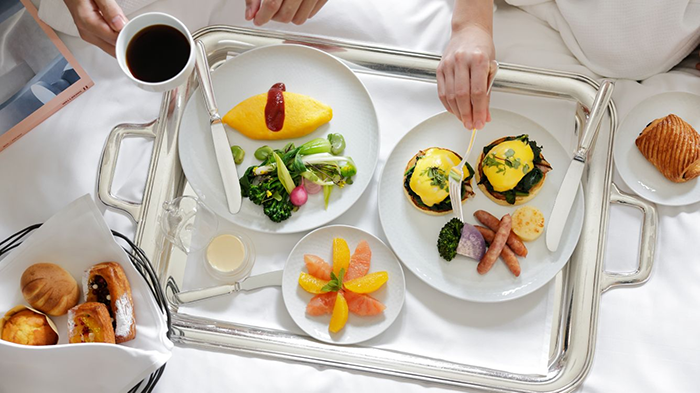
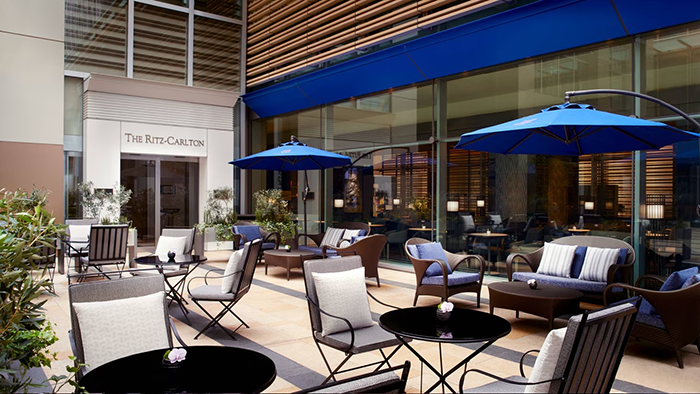
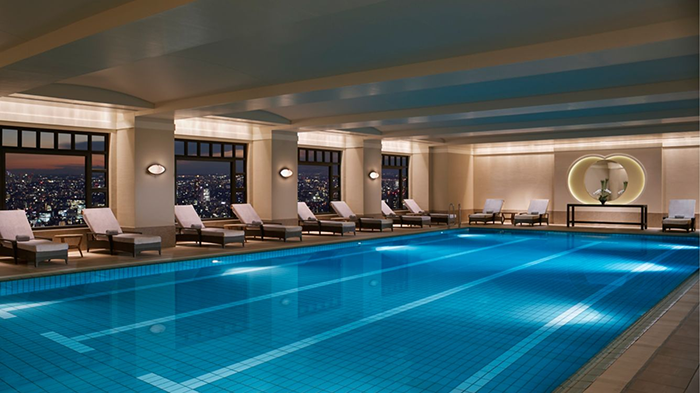
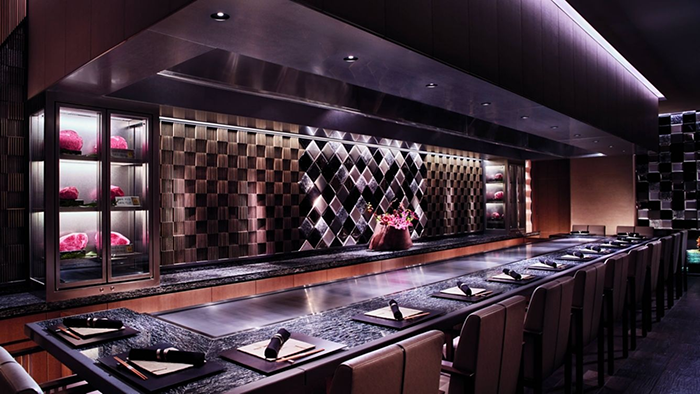
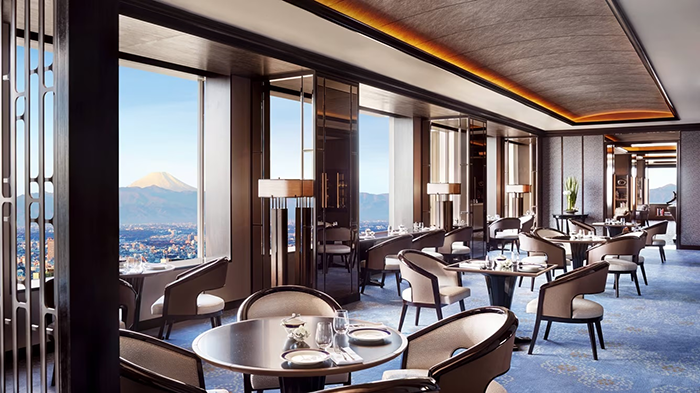
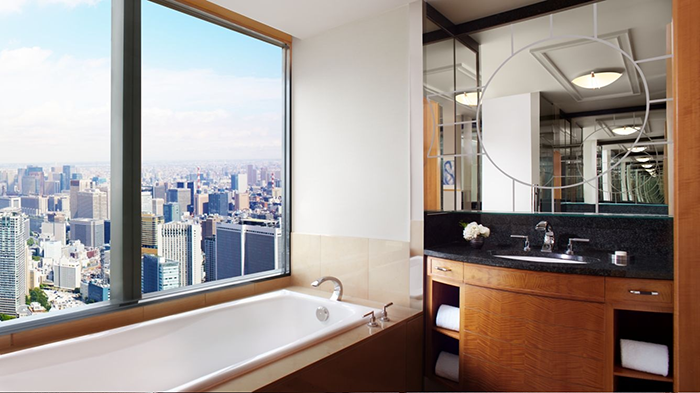
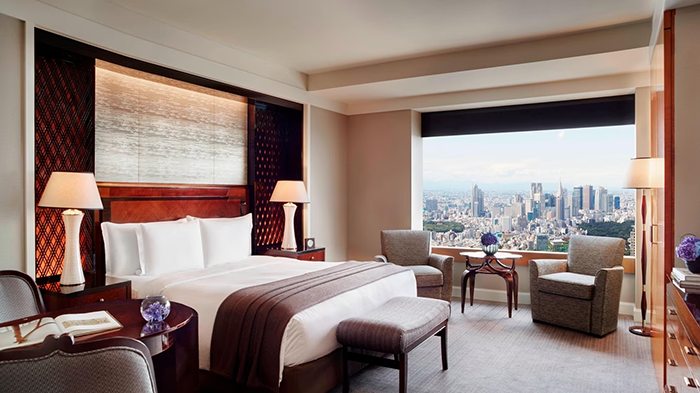
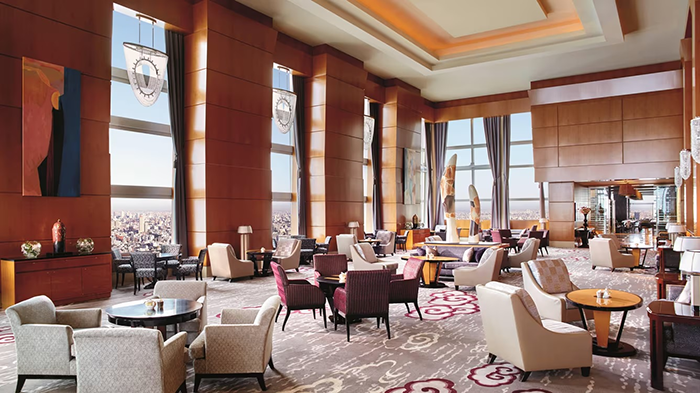
The Ritz-Carlton Tokyo
A 5-Star Hotel in Tokyo
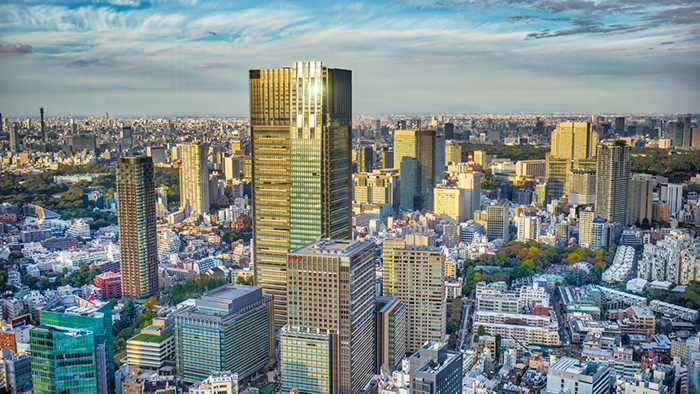
Tokyo Midtown 9-7-1 Akasaka Minato-ku Tokyo, Japan — Tokyo
- 360-degree panoramic vistas of Tokyo
- 247 elegant hotel rooms and suites
- A magnificent sky lobby on the 45th floor
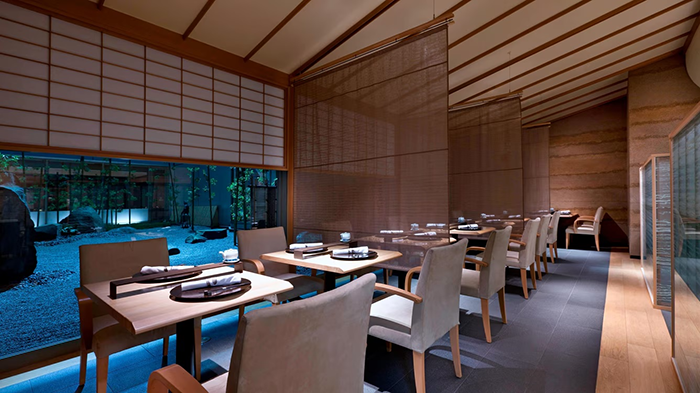
- Award-winning, Michelin-starred dining
- A 21,528-square-foot spa and fitness center
- Stunning ballroom and wedding chapel
Protect Your Trip with Allianz Travel Insurance
Allianz Travel Insurance plans can give you flexibility and support when your trip doesn’t go quite as planned. From unexpected flight issues to covered trip cancellations, travel emergencies, and more, travel insurance can help you manage unforeseen events that may impact your trip—giving you peace of mind from the moment you book your trip through your return home.
For an instant quote:
- Simply provide a few short details about your trip
- Review the available protection plans
- Enjoy the peace of mind you deserve
Why Protect your Trip?
Whether you’re planning your next trip or you recently booked one, travel insurance can help smooth over many unexpected travel glitches—while putting your mind at ease, knowing you’re off the hook for covered expenses that could arise from them.
Allianz Travel Insurance plans can provide you benefits and professional support when a covered situation comes up before or during your trip. The following examples may qualify for benefits:
- Cancelling your trip after unexpectedly becoming too sick to travel
- Taking care of a sick or injured traveling companion
- Having to end your trip early due to a family emergency
- Dealing with a flight delay or cancellation
- Needing to buy personal items if your luggage is lost or stolen
- Missing your cruise departure after a covered flight delay
You also can contact our travel protection partner Allianz Global Assistance’s 24/7, award-winning customer service for on-the-go assistance with issues like a medical emergency, replacing your lost passport, or making reservations around the world. To be eligible for a time-sensitive waiver of pre-existing medical condition exclusions, purchase your travel insurance plan within 14 days of initial trip deposit (other purchase requirements and conditions apply). Specific plan benefits may vary. Please review your plan details for more information.
What Can Travel Insurance Help Protect?
Allianz Travel Insurance plans can protect you before and during your trip—keeping you, your loved ones, and your travel budget safer. Benefits vary by plan, and these are brief descriptions. Please read your plan documents for details.
TRIP CANCELLATION
Reimburses your prepaid, non-refundable travel expenses if you need to cancel your trip due to a covered reason, such as you, a family member, or traveling companion experiencing a covered illness or injury. Examples include:
- A doctor says you or a traveling companion is too sick to fly
- Your parent or child requires hospitalization
- You need to attend the birth of a family member’s child
- You have a traffic accident (not breakdown) on the way to the airport
- A storm shuts down your airport for 24 hours or more
TRIP INTERRUPTION
Reimburses your unused, non-refundable travel expenses and increased transportation costs during your trip if you have to return home early due to a covered reason, for instance when a family member has a qualifying medical emergency and needs your care. Examples include:
- You have a covered illness or injury and a doctor says you must return home
- A family member has a qualifying injury and needs your care
- A covered emergency, like a fire or flood, makes your home uninhabitable
TRAVEL DELAY
If you have a covered delay while traveling, travel insurance can reimburse you for meals, accommodations, and transportation expenses when your trip is delayed for a minimum number of consecutive hours for a covered reason. Minimum number of hours varies by plan.
EMERGENCY MEDICAL AND DENTAL CARE
Reimburses your expenses related to covered medical and dental emergencies* that might occur on your trip. This benefit can be especially helpful if you have a covered emergency outside the United States, as most health insurance policies won’t cover you outside the country. Examples include:
- You slip and break your ankle while sightseeing
- You get food poisoning while sampling the local cuisine
- You lose a filling and need immediate dental treatment*
*A sublimit and maximum apply for this benefit. Check your plan documents for details.
EMERGENCY MEDICAL TRANSPORTATION
Arranges and pays for medically necessary transportation following a covered injury or illness to the nearest appropriate medical facility to receive care and get you home after treatment.
BAGGAGE LOSS, DAMAGE, or THEFT
Reimburses the replacement of your lost, damaged, or stolen luggage and personal items while traveling.
BAGGAGE DELAY
Reimburses essential items purchased during your trip if your baggage is delayed for a minimum number of hours (varies by plan).
CHANGE FEE
Reimburses fees if you need to change your flight itinerary due to a covered reason.
24-HOUR ASSISTANCE
Provides around-the-clock support during your trip. Allianz Global Assistance’s staff of multilingual problem solvers can help you with medical, legal, and travel-related emergencies whenever they happen. Medical assistance may include, but is not limited to:
- Medical triage with referrals to local prescreened medical providers
- Ongoing medical monitoring
- Payment guarantee
- Emergency medical transportation
Additional services for travel-related emergencies can help with:
- Missed connecting flights
- Lost/stolen travel documents
- Pre-trip information
- Prescription replacements
Our Promise to You
When you purchase any Allianz Travel Insurance plan, you automatically get 15 days (or more, depending on your state of residence) to review your policy documents. Within that period, you can cancel your plan for a full refund if you’re not satisfied, as long as you haven’t filed a claim or departed on your trip.
Need Help Along the Way?
Contact Allianz Global Assistance’s award-winning team of travel experts. Call anytime for assistance navigating travel mishaps overseas or in the U.S.—or help with everything from reporting lost baggage to locating emergency medical treatment. They can also help you replace passports, refer you to legal assistance, secure cash from home in case of emergency, and guarantee payment when you need to be admitted to a hospital, in some instances.
Contact Allianz Global Assistance
Phone (24/7):
1-800-284-8300 (within the U.S., Canada, Puerto Rico, and the U.S. Virgin Islands)
1-804-281-5700 (outside of the U.S., call collect)
File or Track a Claim
It’s easy and convenient to file and track a claim, upload documents, and more online. Start your claim using your email address or policy number.
File a ClaimIf you need help filing a claim or understanding the claims process, visit the Allianz Global Assistance Claims Center.
Update Your Plan
If you need to update your travel insurance plan, such as adjusting the dates of your plan to reflect itinerary changes, please contact us or manage your plan online so your plan reflects your entire itinerary and provides the right amount of protection for your travels.
Manage My PlanAbout Allianz Global Assistance
Allianz Global Assistance is a world leader in travel insurance and assistance, helping millions of travelers across the globe every year. Allianz Global Assistance is owned by Allianz SE, the world’s largest diversified insurance company. For over 100 years, Allianz SE has helped protect important milestones in American history, insuring the Wright Brothers’ first flight and Golden Gate Bridge construction.
Terms, conditions, and exclusions apply including for pre-existing medical conditions. Insurance benefits underwritten by BCS Insurance Company (OH, Administrative Office: 2 Mid America Plaza, Suite 200, Oakbrook Terrace, IL 60181), rated “A” (Excellent) by A.M. Best Co., under BCS Form No. 52.201 series or 52.401 series, or Jefferson Insurance Company (NY, Administrative Office: 9950 Mayland Drive, Richmond, VA 23233), rated “A+” (Superior) by A.M. Best Co., under Jefferson Form No. 101-C series or 101-P series, depending on your state of residence and plan chosen. A+ (Superior) and A (Excellent) are the 2nd and 3rd highest, respectively, of A.M. Best’s 13 Financial Strength Ratings. Plans only available to U.S. residents and may not be available in all jurisdictions. Allianz Global Assistance and Allianz Travel Insurance are marks of AGA Service Company dba Allianz Global Assistance or its affiliates. Allianz Travel Insurance products are distributed by Allianz Global Assistance, the licensed producer and administrator of these plans and an affiliate of Jefferson Insurance Company. The insured shall not receive any special benefit or advantage due to the affiliation between AGA Service Company and Jefferson Insurance Company. Plans include insurance benefits and assistance services. Any Non-Insurance Assistance services purchased are provided through AGA Service Company. Except as expressly provided under your plan, you are responsible for charges you incur from third parties. Contact AGA Service Company at 800-284-8300 or 9950 Mayland Drive, Richmond, VA 23233 or customerservice@allianzassistance.com.