
COURSE CREDITS & HOURS
16 ANCC Contact Hours
7 Hours of Pharmacology for Nurse Practitioners
COURSE FEES
TARGET AUDIENCE
PROGRAM TOPICS
- The Dark Night: When to use Antibiotics and Steroids
- Describe Appropriate use of Antibiotics and Steroids in Common Outpatient Situations
- Fainting, Spells and Falling Out: Initial Evaluation of Syncope
- Identify Initial Steps in Evaluating Syncope And Describe Appropriate use of Lab, Ekg, and Other Studies
- Preventive Screening for CVD And Cancer
- Identify Appropriate Populations and Screening Intervals for CVD, Cholesterol, and Common Cancer Screening Procedures
- Mission Impossible: Exercise and Diet in CVD Prevention and Mortality
- Describe the Biological Effects of Diet And Exercise on Common Cell and Physiologic Functions
- Not Enough Chefs in the Kitchen: Team Care in Outpatient Diabetes Management
- Describe the Outpatient Primary Care Team Model in Diabetes, and Identify the Most Helpful Health Professionals for Focusing on Factors for Improvement of Diabetes Care.
- Every Breath You Take: Update on Asthma Management
- Describe the classification of asthma according to symptoms and spirometry values. Identify the recommended initial treatment of patients with asthma for each level of severity.
- Update on COPD Management
- Describe the classification of severity of COPD according to symptoms and spirometry values
- Identify the recommended initial treatment of patients with COPD according to severity
- Bugs and Drugs: Treatment of Community-Acquired Pneumonia
- Describe the Initial Treatment of Pneumonia According to Severity, Co-Morbidities, and Antibiotic Appropriateness
- Uncomplicated UTI in the Elderly,
- Overview of Aging and Health Issues in the Geriatric Population
- GI Issues in the Elderly
- Initial Evaluation of Cognitive Decline
IMPORTANT INFORMATION
Faculty
Dana E. King, MD, MS

West Virginia University School of Medicine (WVU)
Morgantown, West Virginia
Dr. King is a board certified family physician who has served as Chair of the Department of Family Medicine at West Virginia University since 2012. Prior to that he was Vice Chair of Family Medicine and Director of Research at Medical University of South Carolina, and previously, was on the faculty of the East Carolina University Brody School of Medicine.
Throughout his career he has been a clinical researcher and educator with several areas of emphasis including lung disease, cardiovascular risk reduction, and clinical epidemiology. He was co-founder of the WV Practice-Based Research Network and is a senior leader in the WV Clinical Translational Science Institute. He has been a leader of the North American Primary Care Research Group (NAPCRG) since early in his career and currently is an officer on the Executive Board. He has been a national speaker for the American Academy of Family Physicians on lung disease and other topics.
Dr. King has published over 100 peer-reviewed research publications and his work has been recognized with a Distinguished Paper at NAPCRG and has been a finalist for paper of the year at the Society of Teachers of Family Medicine. He enjoys time with family and is an avid road bike cyclist. Dr. King is an experienced lecturer and maintains an active clinical practice.
Accreditation
|
|
In support of improving patient care, Continuing Education, Inc./University at Sea® is jointly accredited by the Accreditation Council for Continuing Medical Education (ACCME), the Accreditation Council for Pharmacy Education (ACPE), and the American Nurses Credentialing Center (ANCC), to provide continuing education for the healthcare team. |
|
|
Credit Designation for Physicians: Continuing Education, Inc. designates this live activity for 16 AMA PRA Category 1 Credits™. Physicians should claim only the credit commensurate with the extent of their participation in the activity. |
|
|
Osteopathic Physicians: This program is eligible for Category 2 credit with the American Osteopathic Association (AOA). US or Canadian Family Physicians: Please let us know if you require AAFP Prescribed Credits.
|
|
|
Credit Designation for Nurses:
Continuiung Education, Inc. designates this continuing nursing education activity for 16 contact hours.
Nurse Practitioners: Can claim either ANCC Contact Hours or AMA PRA Category 1 Credits TM as needed. Pharmacology credits are identified on individual activities. |
|
|
Royal College of Physicians and Surgeons of Canada:
|
|
|
College of Family Physicians of Canada (CFPC)
|
|
|
|








Successful completion of this CME activity, which includes participation in the evaluation component, enables the participant to earn up to 16 (part II) MOC points in medical knowledge in the American Board of Internal Medicine's (ABIM) Maintenance of Certification (MOC) program. Participants will earn MOC points equivalent to the amount of CME credits claimed for the activity. It is the CME activity provider's responsibility to submit participant completion information to ACCME for the purpose of granting ABIM MOC credit.

Cruise Itinerary
| DATE | PORT OF CALL | ARRIVE | DEPART |
|---|---|---|---|
| Friday, April 5 | Athens (Piraeus), Greece |
- | 5:00 pm |
| Saturday, April 6 | Thessaloniki, Greece |
10:30 am | - |
| Sunday, April 7 | Thessaloniki, Greece Meeting 2:00PM - 4:00PM |
- | 2:00 pm |
| Monday, April 8 | Kusadasi (Ephesus), Turkey |
9:00 am | 8:00 pm |
| Tuesday, April 9 | Rhodes, Greece |
9:00 am | 6:00 pm |
| Wednesday, April 10 | *At Sea - Cruising Meeting 8:00AM - 12:00PM, 1:00PM - 4:00PM |
- | - |
| Thursday, April 11 | Limassol, Cyprus |
8:00 am | 6:00 pm |
| Friday, April 12 | *At Sea - Cruising Meeting 8:00AM - 12:00PM, 1:00PM - 4:00PM |
- | - |
| Saturday, April 13 | Heraklion (Iraklion), Crete |
8:00 am | 5:00 pm |
| Sunday, April 14 | Athens (Piraeus), Greece |
7:00 am | - |
| Monday, April 15 | Athens (Piraeus), Greece |
- | - |

Ports of Call
Athens (Piraeus), Greece


Navigating from Port to City - The journey from the cruise terminals in Piraeus to the historic center of Athens requires planning. The distance is deceptive; while short on a map, Athens' notorious traffic can turn a taxi ride into a 45-minute (or longer) crawl. A pre-booked private transfer is the most comfortable option, ensuring a seamless arrival at your hotel. However, for those who prefer efficiency over luxury, the Metro’s Line 1 (the “Green Line”) is a reliable alternative. It connects Piraeus directly to Monastiraki and Thissio stations—dropping you right at the foot of the Acropolis—bypassing the gridlock entirely and offering a glimpse into the daily commute of the Athenians.
The Case for an Extended Stay - Attempting to conquer Athens in a single afternoon results in a frantic, checklist-style tour that leaves little room for appreciation. An extended stay allows you to engage with the city at a human pace. It affords you the luxury of visiting the Acropolis in the late afternoon golden hour, after the aggressive midday heat and the dense waves of tour groups have dissipated. It grants you the time to linger over a second freddo espresso in a Kolonaki café, observing the sophisticated local social scene. Athens is a city of layers—an open-air museum superimposed on a vibrant, chaotic metropolis—and it requires time to peel them back.

The Historical Core - Your exploration naturally centers on the Acropolis. We recommend purchasing tickets online well in advance to bypass significant queues. The ascent to the Sacred Rock is best undertaken immediately at opening (8:00 AM) or in the late afternoon. Standing before the Parthenon, the Erechtheion, and the Propylaea is a profound experience, but practical caution is required: the ancient marble paths have been polished smooth by centuries of footsteps and can be incredibly slippery. Sturdy, non-slip footwear is essential.
Directly beneath the ancient citadel lies the Acropolis Museum. This is not just a storage house for artifacts but an architectural dialogue with the Parthenon visible through its glass walls. Viewing the original Caryatids here, safe from the elements, provides the necessary context to appreciate the replicas standing on the hill above.

From the museum, a short walk leads to the Ancient Agora, the sprawling marketplace that served as the civic heart of ancient Athens. Unlike the Acropolis, this site is often quieter and greener, offering a contemplative space where Socrates once walked. The Temple of Hephaestus, located within the Agora, remains one of the best-preserved Doric temples in Greece, retaining its roof and columns in a way the Parthenon has not.

Neighborhoods & Atmosphere - Athens reveals its true character in its distinct neighborhoods. The Plaka, clinging to the slopes of the Acropolis, is the oldest district. While undeniably tourist-centric, its labyrinthine streets, neoclassical architecture, and bougainvillea-draped tavernas offer a charming, village-like atmosphere. For a shopping experience that feels more organic, venture to Monastiraki. Its famous flea market is a chaotic treasure trove of antiques, vinyl records, and leather goods, contrasting sharply with the high-end boutiques found in the upscale Kolonaki district.
For a glimpse of modern Athenian energy, explore Psiri (Psyri). Once a working-class district of leather workers, it has transformed into a hub of creativity, featuring vibrant street art, artisan workshops, and some of the city's most authentic nightlife. This is where locals go for *meze* and live *rembetika* music, away from the polished veneer of the main tourist drag.

Culinary Excellence - Greek cuisine in Athens is ingredient-driven and unpretentious. Avoid the aggressive "plate smashing" tourist venues. Instead, seek out modest tavernas where the menu is short and seasonal. Look for fresh-grilled octopus, *fava* (yellow split pea puree), and the ubiquitous *horiatiki* (Greek salad) featuring slabs of high-quality feta. For a memorable evening, reserve a table at a rooftop restaurant in the Makrygianni or Monastiraki areas. Dining with a direct, illuminated view of the Parthenon is a cliché for a reason—it is spectacularly beautiful.
Suggested 48-Hour Pre-Cruise Itinerary - To help you maximize your time without exhaustion, consider this paced approach:
- Day 1: Arrival & Atmosphere
- Afternoon: Check into your hotel (ideally in Plaka, Koukaki, or near Syntagma). Decompress with a walk through the National Garden, a lush, shaded refuge in the city center. Exit near the Presidential Mansion to witness the Evzones (Presidential Guard) in their traditional uniform.
- Late Afternoon: Wander the Anafiotika neighborhood. This tiny enclave on the northeast slope of the Acropolis was built by islanders from Anafi and resembles a Cycladic village with white-washed cubic houses.
- Evening: Dinner in Psiri. Choose a taverna filled with locals, then finish the night at a rooftop bar for your first view of the lit Acropolis.
- Day 2: The Ancients & The Arts
- Morning (8:00 AM): Enter the Acropolis immediately upon opening. Spend two hours exploring the monuments before the heat peaks.
- Late Morning: Descend to the Acropolis Museum. The air-conditioning and historical context provide a perfect follow-up to the physical climb.
- Lunch: Enjoy a light lunch in the Makrygianni pedestrian area.
- Afternoon: Explore the Ancient Agora and the Roman Agora. These sites are less crowded and offer a sense of the city's ancient daily life.
- Evening: Browse the Monastiraki Flea Market as the sun sets. Enjoy a farewell dinner of modern Greek cuisine in the city center.
- Day 3: Embarkation
- Morning: Enjoy a relaxed breakfast and a final Greek coffee. If time permits, visit the Cycladic Art Museum or browse the shops in Kolonaki.
- Afternoon: Transfer to Piraeus (allow 60 minutes) to board your ship, arriving relaxed and culturally enriched.


Thessaloniki, Greece


Kusadasi (Ephesus), Turkey


For a truly immersive experience, we strongly advise securing tickets to the Terrace Houses. Located within the archaeological site but often requiring a separate entrance fee, these covered excavations reveal the domestic lives of the Ephesian elite. The preserved frescoes and intricate mosaics here offer an intimate counterpoint to the monumental public buildings outside and are well worth the extra cost.

From a practical standpoint, Ephesus demands preparation. The site offers very little shade, and the white marble reflects the intense summer heat. High-quality walking shoes are essential due to uneven, slippery surfaces. Beyond the ancient city, the House of the Virgin Mary offers a quiet, spiritual experience in the hills above, while the Basilica of St. John in nearby Selçuk provides further historical context.
Upon returning to the port, Kusadasi itself offers a functional, if commercial, conclusion to the day. The Grand Bazaar is famous for leather goods and Turkish rugs, though the sales tactics can be aggressive. For a more relaxed end to your visit, bypass the high-pressure shops for a seat along the waterfront promenade to enjoy a strong Turkish coffee and baklava while overlooking the Aegean.


Rhodes, Greece

The main artery is the Street of the Knights, a remarkably intact medieval thoroughfare leading to the imposing Palace of the Grand Master. This fortress-palace, rebuilt by the Italians in the 20th century, offers a glimpse into the lives of the Knights of St. John with its grand halls and Hellenistic mosaics. The nearby Archaeological Museum, housed in the former Hospital of the Knights, provides further context to the island's rich history.

For those seeking classical antiquity, a short taxi ride uphill leads to the Acropolis of Rhodes on Monte Smith, where the remains of a Temple of Apollo, a stadium, and a small theater offer panoramic views over the city and sea. The Mandraki Harbour, where the legendary Colossus of Rhodes is said to have stood, is now a pleasant waterfront promenade marked by statues of deer.
Many are tempted by the famous village of Lindos, with its whitewashed houses and clifftop acropolis. It is undeniably stunning, but be aware that the one-hour drive each way, combined with significant crowds, will consume the majority of your day. A choice must be made: a deep, immersive exploration of the magnificent Old Town, or a dedicated excursion to Lindos. For a truly rewarding day, embracing the historical tapestry at your feet in Rhodes Town is often the more satisfying option.
At Sea - Cruising
Limassol, Cyprus


For those preferring to stay closer to the ship, the revitalized Old Port and Limassol Marina offer a sophisticated, accessible atmosphere. This area contrasts sharply with the industrial outskirts, providing a walkable promenade lined with upscale dining and cafes perfect for a relaxed afternoon. The centerpiece here is Limassol Castle, housing the Medieval Museum. History buffs will appreciate its connection to Richard the Lionheart, who famously married Berengaria of Navarre here in 1191. Just outside the city lies Kolossi Castle, a former Crusader stronghold and the birthplace of Commandaria, the world’s oldest named wine still in production. Whether you venture into the Troodos foothills for wine tasting or explore the marina, Limassol rewards those who look past its modern exterior to find the deep history beneath.

Heraklion (Iraklion), Crete
We can assist you with all your travel arrangements. We'd be happy to help you plan your flights, hotels, or tours before and/or after your cruise conference.
PLEASE NOTE: To attend the conference, participants must book their cruise accommodations through University at Sea®. This ensures we can provide full conference services and complimentary social amenities to meeting participants and guests. Participants' family and friends are welcome to book within our group allotment and take advantage of our typically excellent rates.
Request a Quote online or by voice at 800-525-9696 (US/Can) or direct/int'l tel +1-727-526-1571.
Prices below are for the full cruise including meals and evening entertainment
Suites
 Suite/Deluxe
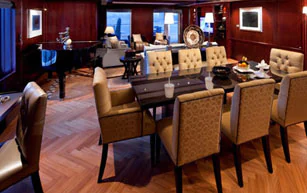
Penthouse Suite PS.
Unwind in modern spaces that will make you feel on top of the world. Relax in ultimate luxury on your private veranda. Lounge in the king-size mattress in your bedroom. Enjoy VIP Treatment with your Personal Retreat Host, expansive lounge areas, and much more. 1,378 sq. ft. with 197 sq. ft. veranda.
Suite/Deluxe
Penthouse Suite PS.
Unwind in modern spaces that will make you feel on top of the world. Relax in ultimate luxury on your private veranda. Lounge in the king-size mattress in your bedroom. Enjoy VIP Treatment with your Personal Retreat Host, expansive lounge areas, and much more. 1,378 sq. ft. with 197 sq. ft. veranda. 800-525-9696
for Pricing
 Suite/Deluxe
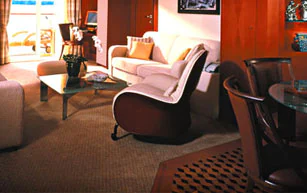
Royal Suite RS.
Royal suites deliver on style and comfort. Separate living, dining, and sleeping areas provide all the room you need to relax in luxury. 687 sq. ft. with 72 sq. ft. veranda.
Suite/Deluxe
Royal Suite RS.
Royal suites deliver on style and comfort. Separate living, dining, and sleeping areas provide all the room you need to relax in luxury. 687 sq. ft. with 72 sq. ft. veranda. 800-525-9696
for Pricing
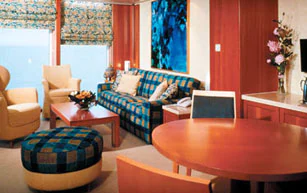 Suite/Deluxe
Celebrity Suite CS.
These two-room suites feature a large living area with floor-to-ceiling panoramic windows, private veranda, and a primary bedroom with a king-size mattress. 460 sq. ft. with 51 sq. ft. veranda.
Suite/Deluxe
Celebrity Suite CS.
These two-room suites feature a large living area with floor-to-ceiling panoramic windows, private veranda, and a primary bedroom with a king-size mattress. 460 sq. ft. with 51 sq. ft. veranda. 800-525-9696
for Pricing
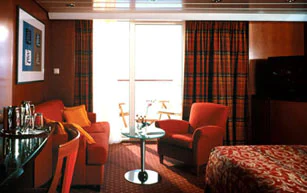 Suite/Deluxe
Sky Suite S1.
The perfectly designed Sky Suite offers a blend of expansive views and intimate luxury. Enjoy exclusive access to Luminae and The Retreat Lounge, reserved only for guests of The Retreat. 319 sq. ft. with 79 sq. ft. veranda.
Suite/Deluxe
Sky Suite S1.
The perfectly designed Sky Suite offers a blend of expansive views and intimate luxury. Enjoy exclusive access to Luminae and The Retreat Lounge, reserved only for guests of The Retreat. 319 sq. ft. with 79 sq. ft. veranda. 800-525-9696
for Pricing
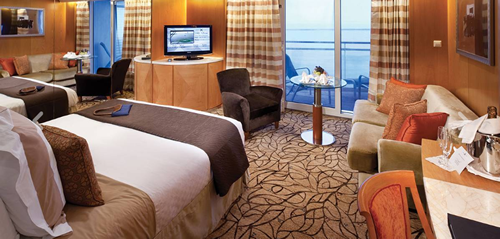 Suite/Deluxe
Sky Suite Stateroom S2.
Take your Celebrity vacation to new heights in a Sky Suite. Be welcomed with a bottle of sparkling wine and enjoy the luxury of personal butler throughout your stay. Enjoy exclusive access to dining and lounge areas reserved only for suite guests. To top it off, the VIP Luminae restaurant and exclusive Michael's Club lounge with dedicated concierge are there for all your dining and relaxation needs.
Suite/Deluxe
Sky Suite Stateroom S2.
Take your Celebrity vacation to new heights in a Sky Suite. Be welcomed with a bottle of sparkling wine and enjoy the luxury of personal butler throughout your stay. Enjoy exclusive access to dining and lounge areas reserved only for suite guests. To top it off, the VIP Luminae restaurant and exclusive Michael's Club lounge with dedicated concierge are there for all your dining and relaxation needs.Stateroom: 308 sq. ft.
Sky Suite Stateroom Features:
- *Access to The Retreat Personalized Butler Service
- Priority check-in when boarding the ship
- Priority debarkation & tender service in all ports of call; Onboard Destination Concierge
- Reserved theater seating on evening chic nights; Twice daily housekeeping service
- Welcome bottle of Sparkling Wine
- *Afternoon tea hosted in The Retreat Lounge
- *Frette Premium Terry Bathrobes, Towels, & Slippers
- Daily delivery of delectable delights
- Complimentary in-suite specialty coffee; Pillow selection upon request
- Welcome Flowers & Bottled water on embarkation day; Premium Bath Amenities Co Bigelow
- Shoeshine service, use of golf umbrella and marine grade binoculars; Veranda with lounge seating
- Floor-to-ceiling sliding glass doors; Celebrity's eXhale™ bedding featuring a Cashmere Mattress
- Queen size bed convertible to two lower beds except as noted. Some staterooms may have a trundle bed
- Paini showerhead for Sky Suites; Plentiful storage space in your bathroom and wardrobe
- Spacious sitting area with sofa; Surround sound entertainment system with interactive TV
- *Mini-fridge
- Exclusive access to Luminae at The Retreat; Luminae room service breakfast menu; Complimentary 24-hour in-room dining upon request
800-525-9696
for Pricing
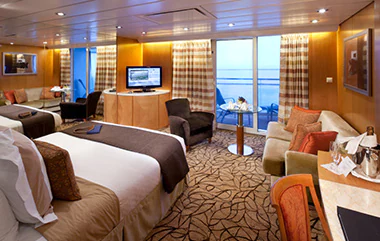 Suite/Deluxe
Aqua Sky Suite AS.
Aqua Sky Suites combine the well-being inspired AquaClass experience with the exclusive spaces, services, and amenities of The Retreat. The Retreat includes stunning accommodations, a private restaurant, and exclusive lounge and sundeck that rival any high-end resort. The Aqua Sky Suites feature a king-size bed and a spacious private veranda, as well as a split bathroom with a large spa tub and shower.
Suite/Deluxe
Aqua Sky Suite AS.
Aqua Sky Suites combine the well-being inspired AquaClass experience with the exclusive spaces, services, and amenities of The Retreat. The Retreat includes stunning accommodations, a private restaurant, and exclusive lounge and sundeck that rival any high-end resort. The Aqua Sky Suites feature a king-size bed and a spacious private veranda, as well as a split bathroom with a large spa tub and shower. 800-525-9696
for Pricing
Balcony
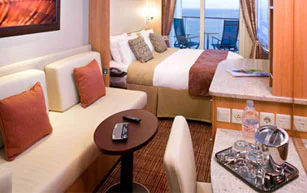 AquaClass Stateroom (A2)
With AquaClass Staterooms, you’ll gain access to the specialty restaurant Blu, as well as access to the Persian Garden spa lounge. AquaClass has an additional focus on wellness, with unlimited access to the Sea Thermal Suite, complimentary fitness classes, and in-room fitness amenities. 194 sq. ft. with 54 sq. ft. veranda. (Deck Sky)
Price above includes Wifi, Drinks Package and Gratuities.
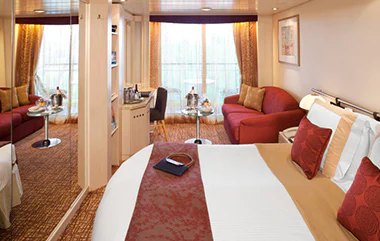 Concierge Class Stateroom (C2)
Personalized Concierge service. Priority check-in and exclusive embarkation day lunch. Destination Seminar. Exclusive pre-departure lounge. Priority debarkation. Main & Specialty restaurant seating time preferences. Welcome sparkling wine and fresh fruit. Daily delivery of afternoon savories. 204 sq. ft. with 42 sq. ft. veranda. (Decks Panorama, Sky & Vista)
Price above includes Wifi, Drinks Package and Gratuities.
Veranda Stateroom (V2)Indoor and outdoor space come together to create your private sanctuary at sea. Relax in a spacious stateroom and enjoy amenities that contribute to your luxury experience. Your personal veranda lets you greet the day and enjoy fresh sea breezes. 175 sq. ft. with 38 sq. ft. veranda. (Decks Penthouse, Panorama & Vista)
Price above includes Wifi, Drinks Package and Gratuities.
 Balcony
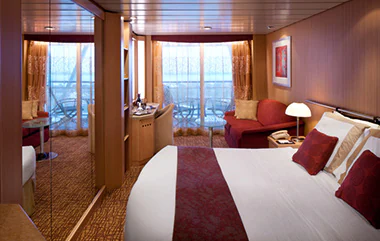
Prime AquaClass Stateroom A1.
Prime AquaClass staterooms are well-appointed, personal retreats located on the most desirable locations on the ship. Savor clean cuisine, including new healthy options, at your exclusive restaurant, Blu. Plus, you’ll enjoy access to the Persian Garden, a spa concierge, complimentary fitness pass, preferential rates on AquaClass spa packages, and in-room fitness amenities. 191 sq. ft. with 62 sq. ft. veranda.
Balcony
Prime AquaClass Stateroom A1.
Prime AquaClass staterooms are well-appointed, personal retreats located on the most desirable locations on the ship. Savor clean cuisine, including new healthy options, at your exclusive restaurant, Blu. Plus, you’ll enjoy access to the Persian Garden, a spa concierge, complimentary fitness pass, preferential rates on AquaClass spa packages, and in-room fitness amenities. 191 sq. ft. with 62 sq. ft. veranda. 800-525-9696
for Pricing
Balcony
Prime Concierge Class C1.
Little details make a world of difference, and the meticulously thought-out Prime Concierge Class staterooms are even better. These rooms are well-appointed personal retreats located in the most desirable locations on the ship. Featuring services, amenities, and exclusive events, step inside and discover a space that’s an experience, more than a room. 209 sq. ft. with 42 sq. ft. veranda. 800-525-9696
for Pricing
Balcony
Ultra Deluxe Concierge Class UC.
The meticulously thought-out Concierge Class staterooms, where the little details make a world of difference, are now even better. Ultra-Deluxe Concierge Class staterooms are well-appointed, personal retreats with a private veranda. As a Concierge Class guest, your team of dedicated professionals will take care of all your vacation needs. 800-525-9696
for Pricing
 Balcony
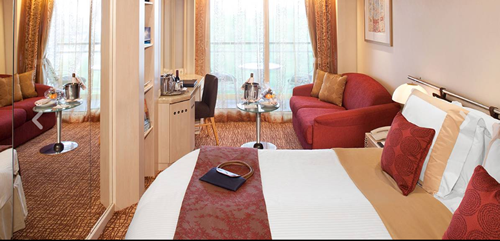
Concierge Stateroom C3.
Little details make a world of difference, and now our meticulously thought out Concierge Class staterooms are even better. Featuring new services, amenities, and exclusive events, step inside and discover a space that is so much more than a room-it&apost;s an experience. As a Concierge Class guest, your team of dedicated professionals will take care of all your vacation needs. From Priority Check-In-when you’re greeted by your Concierge-to the moment you head back home, we’re there to assist you.
Balcony
Concierge Stateroom C3.
Little details make a world of difference, and now our meticulously thought out Concierge Class staterooms are even better. Featuring new services, amenities, and exclusive events, step inside and discover a space that is so much more than a room-it&apost;s an experience. As a Concierge Class guest, your team of dedicated professionals will take care of all your vacation needs. From Priority Check-In-when you’re greeted by your Concierge-to the moment you head back home, we’re there to assist you.Stateroom: 233 sq. ft.
Stateroom Features:
- Personalized Concierge service; Priority check-in
- Priority debarkation & tender service; welcome sparkling wine
- Pillow menu upon request; Premium Bath Amenities Co Bigelow
- Plush 100% cotton bathrobes, slippers and towels; Celebrity tote bag & Celebrity embossed key holder; Plush Bathrobes; Complimentary use of golf umbrella and binoculars
- Veranda with lounge seating
- Floor-to-ceiling sliding glass doors
- Celebrity's eXhale™ bedding featuring a Cashmere Mattress; HansGrohe massaging showerhead; Sitting area with sofa
- Interactive Television system; Hair dryer
- Exclusive Destination Seminar; Daily delivery of delectable delights
- Complimentary beach towel service; Complimentary shoeshine service; Twice daily housekeeping service
- Our signature friendly, personalized service with a guest to staff ratio of nearly 2:1
- Complimentary breakfast, lunch, and dinner available in a variety of restaurants
- Exclusive Concierge Class Embarkation Lunch
- Expanded room service breakfast menu
800-525-9696
for Pricing
 Balcony
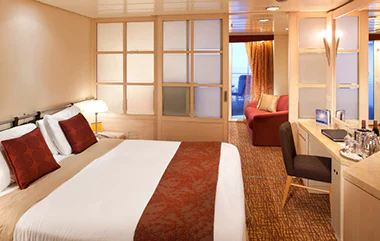
Ultra Deluxe Veranda UV.
Spacious staterooms located in the aft of the ship, each with its own extra-large private veranda to enjoy the beautiful sunsets. Ultra Deluxe Veranda staterooms have the largest veranda of any Millennium Series stateroom, offering superb ocean views at the stern of the ship. 296 sq. ft. with 210 sq. ft. balcony.
Balcony
Ultra Deluxe Veranda UV.
Spacious staterooms located in the aft of the ship, each with its own extra-large private veranda to enjoy the beautiful sunsets. Ultra Deluxe Veranda staterooms have the largest veranda of any Millennium Series stateroom, offering superb ocean views at the stern of the ship. 296 sq. ft. with 210 sq. ft. balcony. 800-525-9696
for Pricing
Balcony
Sunset Veranda SV.
Enjoy fresh sea breezes and soak in superb ocean views at the stern of the ship. Stateroom: 209 sq ft. with 42 sq ft. veranda. 800-525-9696
for Pricing
Balcony
Deluxe Veranda Stateroom DV.
Ample indoor and outdoor space come together to create your private sanctuary at sea. Relax on your spacious veranda and enjoy amenities that contribute to your luxury experience. Your personal veranda lets you greet the day and enjoy fresh sea breezes. 175 sq. ft. with 38 sq. ft. veranda. 800-525-9696
for Pricing
Balcony
Prime Veranda Stateroom V1.
Indoor and outdoor space come together to create your private sanctuary at sea. Relax in a spacious stateroom and enjoy amenities that contribute to your luxury experience. Your personal veranda lets you greet the day and enjoy fresh sea breezes. 175 sq. ft. with 38 sq. ft. veranda. 800-525-9696
for Pricing
 Balcony
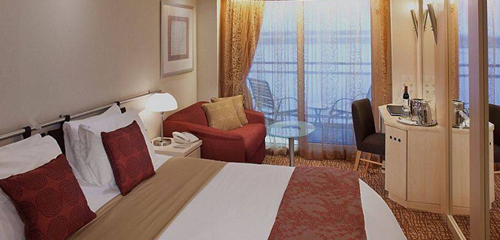
Veranda Stateroom 2A.
Ample indoor and outdoor space come together to create a private sanctuary at sea for your family. Relax in a spacious lounge and enjoy amenities that all contribute to your modern luxury experience. Your personal veranda lets you greet the day, enjoy fresh sea breezes, and soak in breathtaking sunsets.
Balcony
Veranda Stateroom 2A.
Ample indoor and outdoor space come together to create a private sanctuary at sea for your family. Relax in a spacious lounge and enjoy amenities that all contribute to your modern luxury experience. Your personal veranda lets you greet the day, enjoy fresh sea breezes, and soak in breathtaking sunsets.Stateroom: 208 sq. ft.
Stateroom Features
- Private mini-bar*
- Interactive Samsung flat-screen television system to view and select shore excursions, order room service, and watch movies*
- Private safe
- Dual voltage 110/220AC outlets
800-525-9696
for Pricing
Balcony
Veranda Stateroom 2B.
Ample indoor and outdoor space come together to create a private sanctuary at sea for your family. Relax in a spacious lounge and enjoy amenities that all contribute to your modern luxury experience. Your personal veranda lets you greet the day, enjoy fresh sea breezes, and soak in breathtaking sunsets.Stateroom: 208 sq. ft.
Stateroom Features
- Private mini-bar*
- Interactive Samsung flat-screen television system to view and select shore excursions, order room service, and watch movies*
- Private safe
- Dual voltage 110/220AC outlets
800-525-9696
for Pricing
Balcony
Veranda Stateroom 2C.
Ample indoor and outdoor space come together to create a private sanctuary at sea for your family. Relax in a spacious lounge and enjoy amenities that all contribute to your modern luxury experience. Your personal veranda lets you greet the day, enjoy fresh sea breezes, and soak in breathtaking sunsets.Stateroom: 208 sq. ft.
Stateroom Features
- Private mini-bar*
- Interactive Samsung flat-screen television system to view and select shore excursions, order room service, and watch movies*
- Private safe
- Dual voltage 110/220AC outlets
800-525-9696
for Pricing
Outside
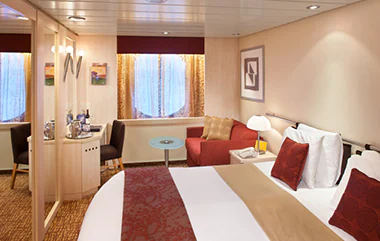 Ocean View Stateroom (O2)
Ocean View Staterooms are the ideal place to unwind at sea. These perfectly indulgent spaces come furnished with the luxury king-sized bed and everything else a modern traveler needs. 171 sq. ft. (Decks Continental & Plaza)
Price above includes Wifi, Drinks Package and Gratuities.
Outside
Prime Oceanview Stateroom O1.
Expansive views make Ocean View Staterooms the ideal place to unwind at sea. These indulgent spaces come furnished with a luxury king-sized bed and everything else a modern traveler needs. Prime Oceanview staterooms are well-appointed personal retreats located in the most-desirable locations on the ship. 170 sq. ft. 800-525-9696
for Pricing
Outside
Deluxe Oceanview Stateroom DO.
Expansive views make Ocean View staterooms are the ideal place to unwind at sea. These perfectly indulgent spaces come furnished with the luxury king-sized bed and everything else a modern traveler needs. 171 sq. ft. 800-525-9696
for Pricing
 Outside
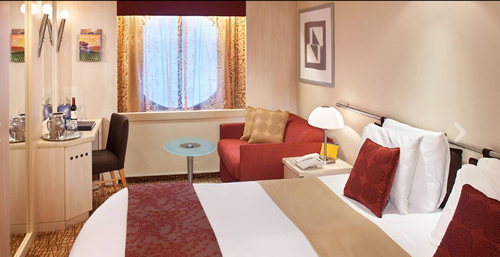
Ocean View Stateroom 7.
Kick back and relax after a day of exploration and discovery in the sitting area and watch the world go by. Each ocean view statKick back and relax after a day of exploration and discovery in the sitting area and watch the world go by. Each ocean view stateroom on board Celebrity includes world-class amenities that all contribute to your modern luxury experience. eroom on board Celebrity includes world-class amenities that all contribute to your modern luxury experience.
Outside
Ocean View Stateroom 7.
Kick back and relax after a day of exploration and discovery in the sitting area and watch the world go by. Each ocean view statKick back and relax after a day of exploration and discovery in the sitting area and watch the world go by. Each ocean view stateroom on board Celebrity includes world-class amenities that all contribute to your modern luxury experience. eroom on board Celebrity includes world-class amenities that all contribute to your modern luxury experience. Stateroom: 170 sq. ft.
Stateroom Features:
- Private mini-bar*
- Interactive Samsung flat-screen television system to view and select shore excursions, order room service, and watch movies*
- Private safe
- Dual voltage 110/220AC outlets
800-525-9696
for Pricing
Outside
Ocean View Stateroom 8.
Kick back and relax after a day of exploration and discovery in the sitting area and watch the world go by. Each ocean view statKick back and relax after a day of exploration and discovery in the sitting area and watch the world go by. Each ocean view stateroom on board Celebrity includes world-class amenities that all contribute to your modern luxury experience. eroom on board Celebrity includes world-class amenities that all contribute to your modern luxury experience. Stateroom: 170 sq. ft.
Stateroom Features:
- Private mini-bar*
- Interactive Samsung flat-screen television system to view and select shore excursions, order room service, and watch movies*
- Private safe
- Dual voltage 110/220AC outlets
800-525-9696
for Pricing
Inside
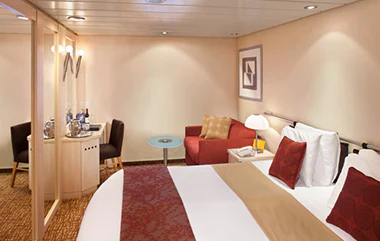 Inside Stateroom (I2)
Your escape at sea, inside staterooms offer ample living space, including a sitting area and a flat-screen TV. 170 sq. ft. (Decks Continental & Plaza)
Price above includes Wifi, Drinks Package and Gratuities.
Inside
Prime Inside Stateroom I1.
Your escape at sea, inside staterooms offer ample living space, including a sitting area and a flat-screen TV. Prime Inside staterooms are well-appointed, personal retreats located in the most desirable locations on the ship. 170 sq. ft. 800-525-9696
for Pricing
 Inside
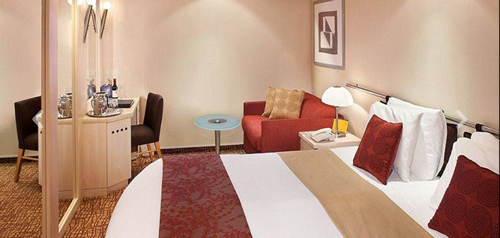
Interior Stateroom 9.
Your escape at sea, Inside Staterooms offer ample living space, including a sitting area and a flat screen TV. Each inside stateroom on board Celebrity includes world-class amenities that all contribute to your modern luxury experience.
Inside
Interior Stateroom 9.
Your escape at sea, Inside Staterooms offer ample living space, including a sitting area and a flat screen TV. Each inside stateroom on board Celebrity includes world-class amenities that all contribute to your modern luxury experience.Amenities
- Four pillows in every stateroom
- Plush 100% cotton bathrobes, slippers and towels
- Premium Custom blended bath products
- Celebrity Shopping Bag
800-525-9696
for Pricing
Inside
Interior Stateroom 10.
Your escape at sea, Inside Staterooms offer ample living space, including a sitting area and a flat screen TV. Each inside stateroom on board Celebrity includes world-class amenities that all contribute to your modern luxury experience.Amenities
- Four pillows in every stateroom
- Plush 100% cotton bathrobes, slippers and towels
- Premium Custom blended bath products
- Celebrity Shopping Bag
800-525-9696
for Pricing
Inside
Interior Stateroom 11.
Your escape at sea, Inside Staterooms offer ample living space, including a sitting area and a flat screen TV. Each inside stateroom on board Celebrity includes world-class amenities that all contribute to your modern luxury experience.Amenities
- Four pillows in every stateroom
- Plush 100% cotton bathrobes, slippers and towels
- Premium Custom blended bath products
- Celebrity Shopping Bag
800-525-9696
for Pricing
Before & After Your Cruise
Hotels
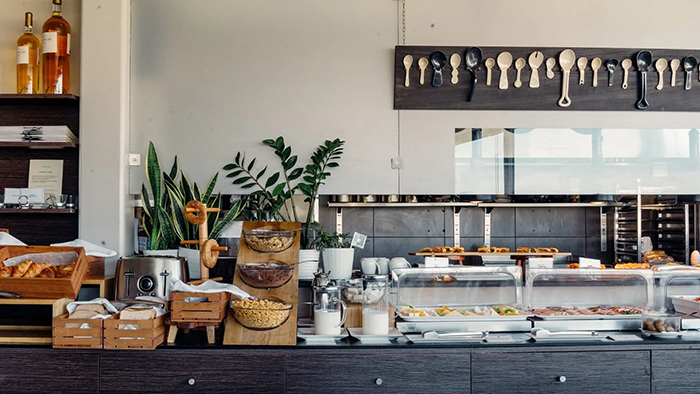
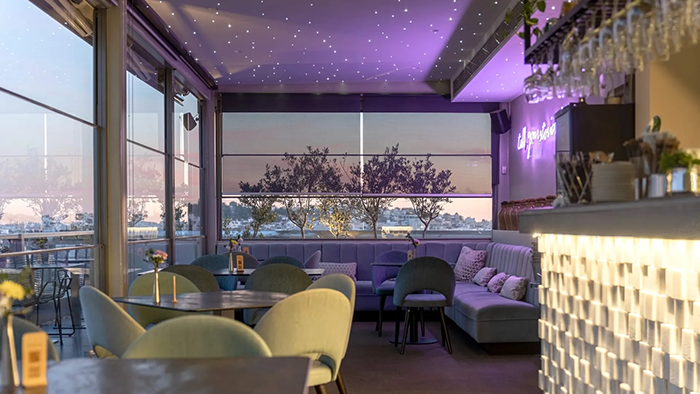
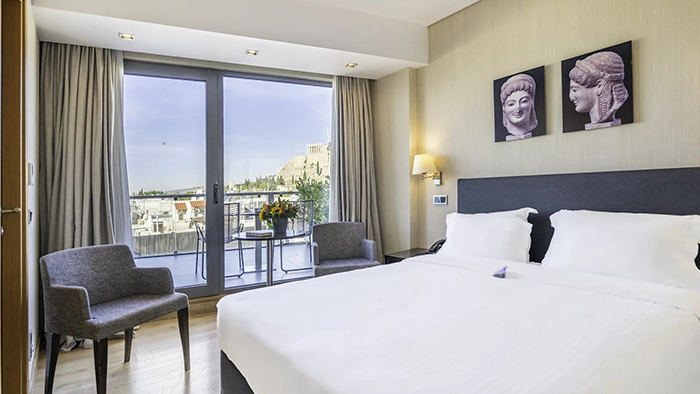
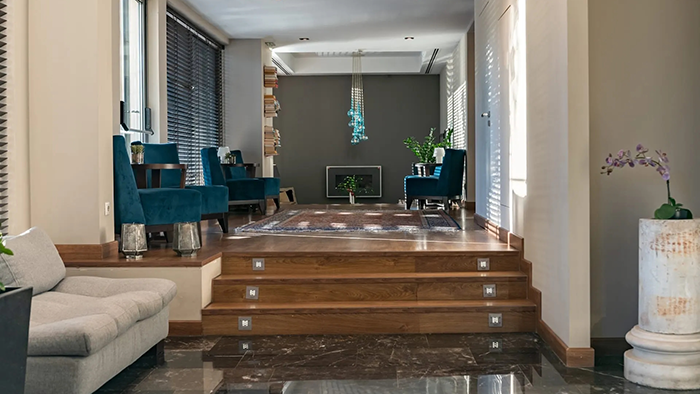
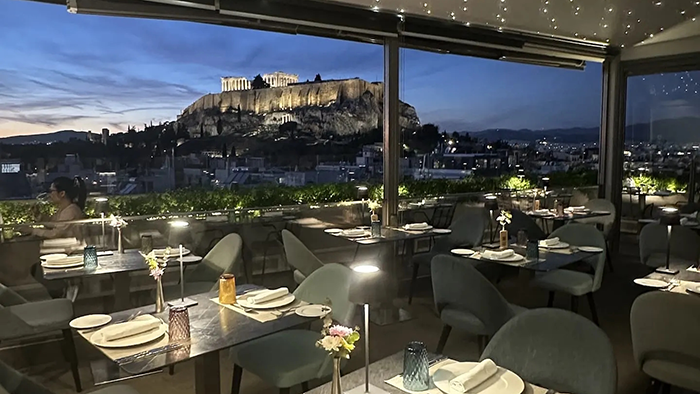
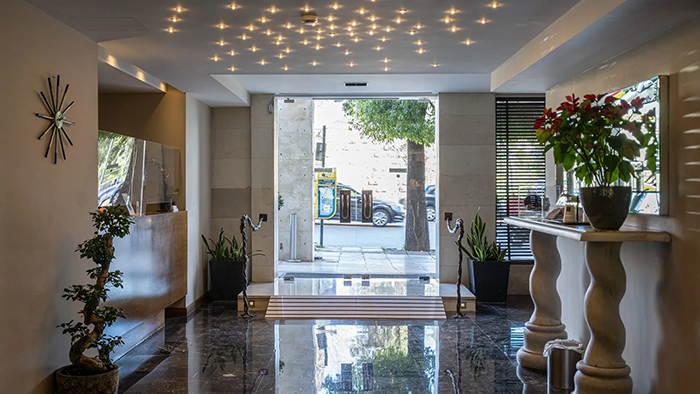
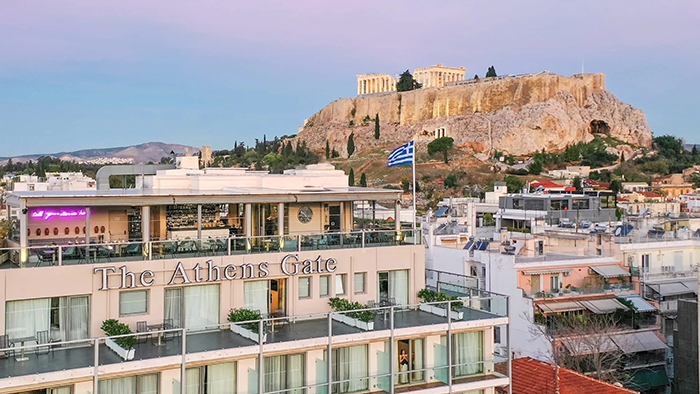
The Athens Gate Hotel
Your Step into History
Athina 117 42, Greece — Athens
![A guest bathroom at in[n]Athens hotel sporting a modern design and a small succulent plant.](https://continuingeducation.net/images/Hotels/ht-innathens-9.webp "A guest bathroom at in[n]Athens hotel sporting a modern design and a small succulent plant.")
![A guest room at in[n]Athens hotel featuring two twin beds and a window with a view of a historic church.](https://continuingeducation.net/images/Hotels/ht-innathens-8.webp)
![A guest room at in[n]Athens hotel featuring a large bed, a sofa, and a sliding door leading to the bathroom.](https://continuingeducation.net/images/Hotels/ht-innathens-7.webp)
![The view of the front of in[n]Athens hotel from across the street.](https://continuingeducation.net/images/Hotels/ht-innathens-6.webp)
![A lemon tree growing at the center of the courtyard at in[n]Athens hotel.](https://continuingeducation.net/images/Hotels/ht-innathens-5.webp)
![A common seating area at in[n]Athens hotel. Stools surround several tables, with bookshelves covered in trinkets built into the walls.](https://continuingeducation.net/images/Hotels/ht-innathens-4.webp)
![Room service being delivered to a guest room at in[n]Athens hotel. A staff member in a beige shirt carries an open faced sandwich with prosciutto, lettuce, tomato, and a balsamic vinaigrette drizzle.](https://continuingeducation.net/images/Hotels/ht-innathens-3.webp)
![The check-in desk at in[n]Athens hotel. A staff member in a purple shirt works at a computer while he waits for the next guest to arrive.](https://continuingeducation.net/images/Hotels/ht-innathens-2.webp)
![The courtyard at in[n]Athens hotel. Guest room balconies overlook the serene space.](https://continuingeducation.net/images/Hotels/ht-innathens-1.webp)
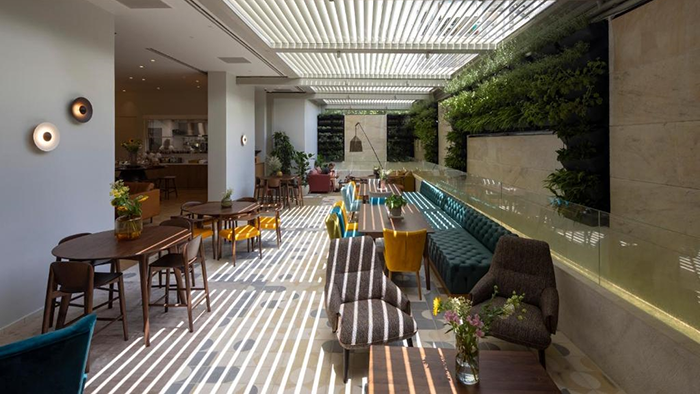
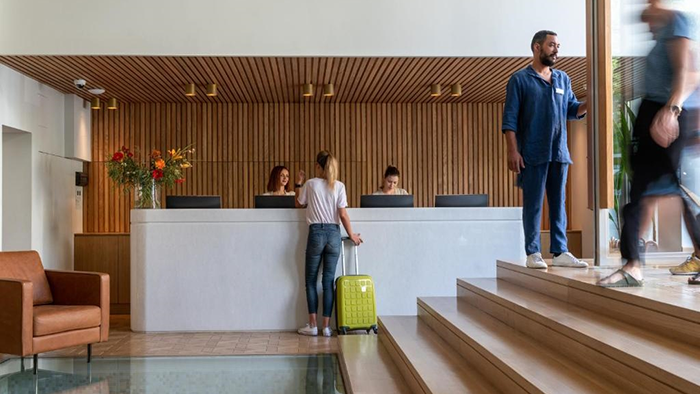
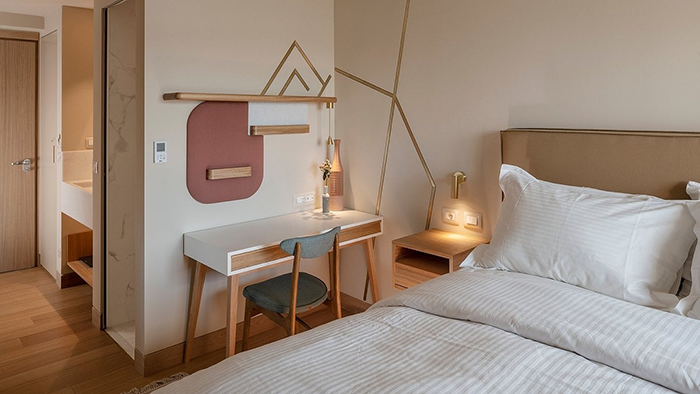
in[n]Athens
Urban Living next to the Acropolis
Souri 3, Athina 105 57, Greece — Athens
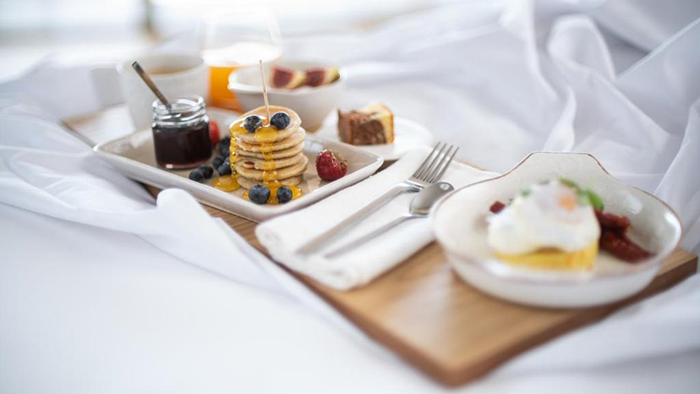
At in[n]Athens, you will feel comfortable and at home in a way that your stay will be part of a unique experience in your visit to Athens.
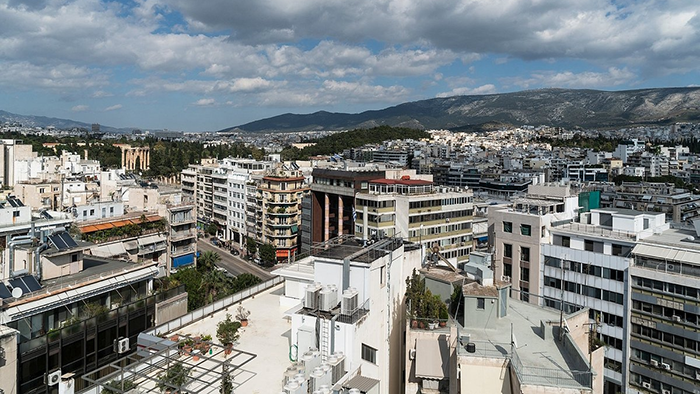
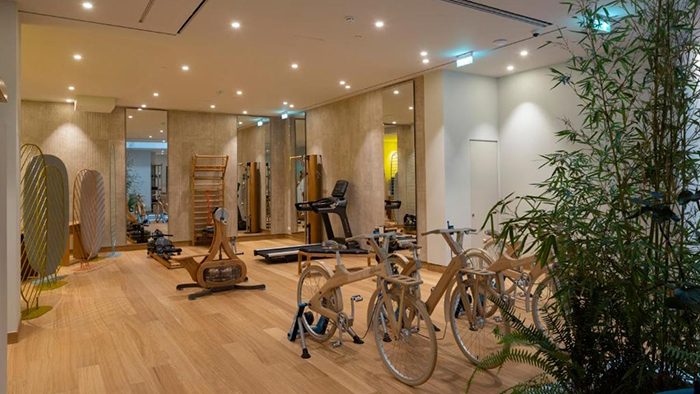
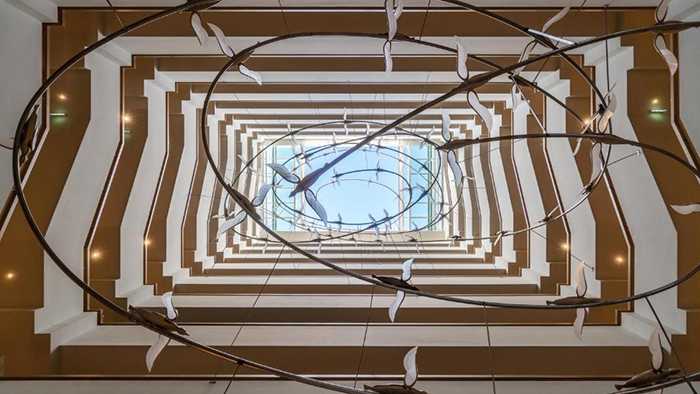
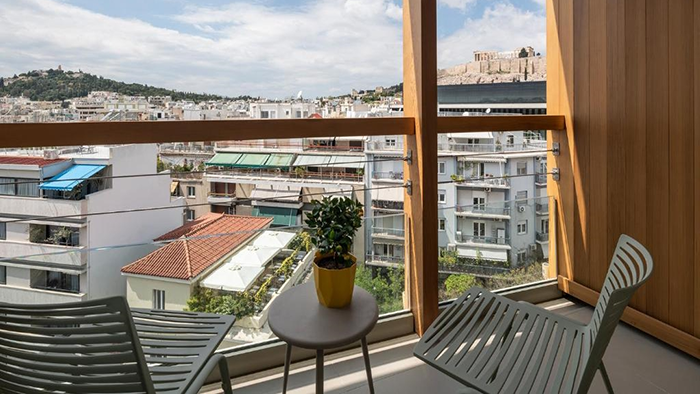
COCO-MAT Athens BC
5-Star Luxury in the Heart of Athens
Falirou 5, Athina 117 42, Greece — Athens
Protect Your Trip with Allianz Travel Insurance
Allianz Travel Insurance plans can give you flexibility and support when your trip doesn’t go quite as planned. From unexpected flight issues to covered trip cancellations, travel emergencies, and more, travel insurance can help you manage unforeseen events that may impact your trip—giving you peace of mind from the moment you book your trip through your return home.
For an instant quote:
- Simply provide a few short details about your trip
- Review the available protection plans
- Enjoy the peace of mind you deserve
Why Protect your Trip?
Whether you’re planning your next trip or you recently booked one, travel insurance can help smooth over many unexpected travel glitches—while putting your mind at ease, knowing you’re off the hook for covered expenses that could arise from them.
Allianz Travel Insurance plans can provide you benefits and professional support when a covered situation comes up before or during your trip. The following examples may qualify for benefits:
- Cancelling your trip after unexpectedly becoming too sick to travel
- Taking care of a sick or injured traveling companion
- Having to end your trip early due to a family emergency
- Dealing with a flight delay or cancellation
- Needing to buy personal items if your luggage is lost or stolen
- Missing your cruise departure after a covered flight delay
You also can contact our travel protection partner Allianz Global Assistance’s 24/7, award-winning customer service for on-the-go assistance with issues like a medical emergency, replacing your lost passport, or making reservations around the world. To be eligible for a time-sensitive waiver of pre-existing medical condition exclusions, purchase your travel insurance plan within 14 days of initial trip deposit (other purchase requirements and conditions apply). Specific plan benefits may vary. Please review your plan details for more information.
What Can Travel Insurance Help Protect?
Allianz Travel Insurance plans can protect you before and during your trip—keeping you, your loved ones, and your travel budget safer. Benefits vary by plan, and these are brief descriptions. Please read your plan documents for details.
TRIP CANCELLATION
Reimburses your prepaid, non-refundable travel expenses if you need to cancel your trip due to a covered reason, such as you, a family member, or traveling companion experiencing a covered illness or injury. Examples include:
- A doctor says you or a traveling companion is too sick to fly
- Your parent or child requires hospitalization
- You need to attend the birth of a family member’s child
- You have a traffic accident (not breakdown) on the way to the airport
- A storm shuts down your airport for 24 hours or more
TRIP INTERRUPTION
Reimburses your unused, non-refundable travel expenses and increased transportation costs during your trip if you have to return home early due to a covered reason, for instance when a family member has a qualifying medical emergency and needs your care. Examples include:
- You have a covered illness or injury and a doctor says you must return home
- A family member has a qualifying injury and needs your care
- A covered emergency, like a fire or flood, makes your home uninhabitable
TRAVEL DELAY
If you have a covered delay while traveling, travel insurance can reimburse you for meals, accommodations, and transportation expenses when your trip is delayed for a minimum number of consecutive hours for a covered reason. Minimum number of hours varies by plan.
EMERGENCY MEDICAL AND DENTAL CARE
Reimburses your expenses related to covered medical and dental emergencies* that might occur on your trip. This benefit can be especially helpful if you have a covered emergency outside the United States, as most health insurance policies won’t cover you outside the country. Examples include:
- You slip and break your ankle while sightseeing
- You get food poisoning while sampling the local cuisine
- You lose a filling and need immediate dental treatment*
*A sublimit and maximum apply for this benefit. Check your plan documents for details.
EMERGENCY MEDICAL TRANSPORTATION
Arranges and pays for medically necessary transportation following a covered injury or illness to the nearest appropriate medical facility to receive care and get you home after treatment.
BAGGAGE LOSS, DAMAGE, or THEFT
Reimburses the replacement of your lost, damaged, or stolen luggage and personal items while traveling.
BAGGAGE DELAY
Reimburses essential items purchased during your trip if your baggage is delayed for a minimum number of hours (varies by plan).
CHANGE FEE
Reimburses fees if you need to change your flight itinerary due to a covered reason.
24-HOUR ASSISTANCE
Provides around-the-clock support during your trip. Allianz Global Assistance’s staff of multilingual problem solvers can help you with medical, legal, and travel-related emergencies whenever they happen. Medical assistance may include, but is not limited to:
- Medical triage with referrals to local prescreened medical providers
- Ongoing medical monitoring
- Payment guarantee
- Emergency medical transportation
Additional services for travel-related emergencies can help with:
- Missed connecting flights
- Lost/stolen travel documents
- Pre-trip information
- Prescription replacements
Our Promise to You
When you purchase any Allianz Travel Insurance plan, you automatically get 15 days (or more, depending on your state of residence) to review your policy documents. Within that period, you can cancel your plan for a full refund if you’re not satisfied, as long as you haven’t filed a claim or departed on your trip.
Need Help Along the Way?
Contact Allianz Global Assistance’s award-winning team of travel experts. Call anytime for assistance navigating travel mishaps overseas or in the U.S.—or help with everything from reporting lost baggage to locating emergency medical treatment. They can also help you replace passports, refer you to legal assistance, secure cash from home in case of emergency, and guarantee payment when you need to be admitted to a hospital, in some instances.
Contact Allianz Global Assistance
Phone (24/7):
1-800-284-8300 (within the U.S., Canada, Puerto Rico, and the U.S. Virgin Islands)
1-804-281-5700 (outside of the U.S., call collect)
File or Track a Claim
It’s easy and convenient to file and track a claim, upload documents, and more online. Start your claim using your email address or policy number.
File a ClaimIf you need help filing a claim or understanding the claims process, visit the Allianz Global Assistance Claims Center.
Update Your Plan
If you need to update your travel insurance plan, such as adjusting the dates of your plan to reflect itinerary changes, please contact us or manage your plan online so your plan reflects your entire itinerary and provides the right amount of protection for your travels.
Manage My PlanAbout Allianz Global Assistance
Allianz Global Assistance is a world leader in travel insurance and assistance, helping millions of travelers across the globe every year. Allianz Global Assistance is owned by Allianz SE, the world’s largest diversified insurance company. For over 100 years, Allianz SE has helped protect important milestones in American history, insuring the Wright Brothers’ first flight and Golden Gate Bridge construction.
Terms, conditions, and exclusions apply including for pre-existing medical conditions. Insurance benefits underwritten by BCS Insurance Company (OH, Administrative Office: 2 Mid America Plaza, Suite 200, Oakbrook Terrace, IL 60181), rated “A” (Excellent) by A.M. Best Co., under BCS Form No. 52.201 series or 52.401 series, or Jefferson Insurance Company (NY, Administrative Office: 9950 Mayland Drive, Richmond, VA 23233), rated “A+” (Superior) by A.M. Best Co., under Jefferson Form No. 101-C series or 101-P series, depending on your state of residence and plan chosen. A+ (Superior) and A (Excellent) are the 2nd and 3rd highest, respectively, of A.M. Best’s 13 Financial Strength Ratings. Plans only available to U.S. residents and may not be available in all jurisdictions. Allianz Global Assistance and Allianz Travel Insurance are marks of AGA Service Company dba Allianz Global Assistance or its affiliates. Allianz Travel Insurance products are distributed by Allianz Global Assistance, the licensed producer and administrator of these plans and an affiliate of Jefferson Insurance Company. The insured shall not receive any special benefit or advantage due to the affiliation between AGA Service Company and Jefferson Insurance Company. Plans include insurance benefits and assistance services. Any Non-Insurance Assistance services purchased are provided through AGA Service Company. Except as expressly provided under your plan, you are responsible for charges you incur from third parties. Contact AGA Service Company at 800-284-8300 or 9950 Mayland Drive, Richmond, VA 23233 or customerservice@allianzassistance.com.