OUR OFFICE HOURS

Mon-Fri 8:30am-6:00pm EST
Sat 10:00am-2:00pm EST

University at Sea®
A Division of Continuing Education, Inc.
5700 4th St. N.
St Petersburg, Florida 33703
Cruise Conference Planning For Your Association

Family Medicine, Urgent Care, and Cardiology

7-Night Greek Isles Cruise
Round-trip Venice (Ravenna), Italy
August 23 - 30, 2025
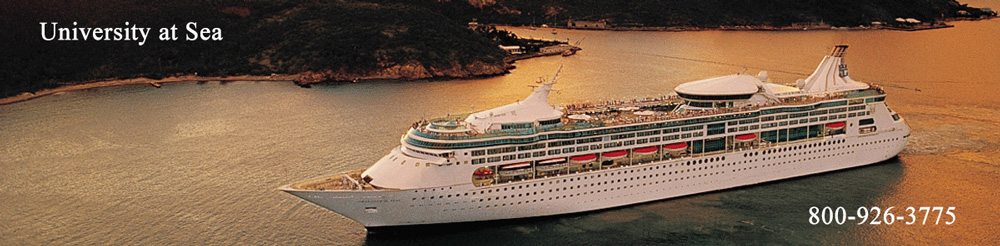
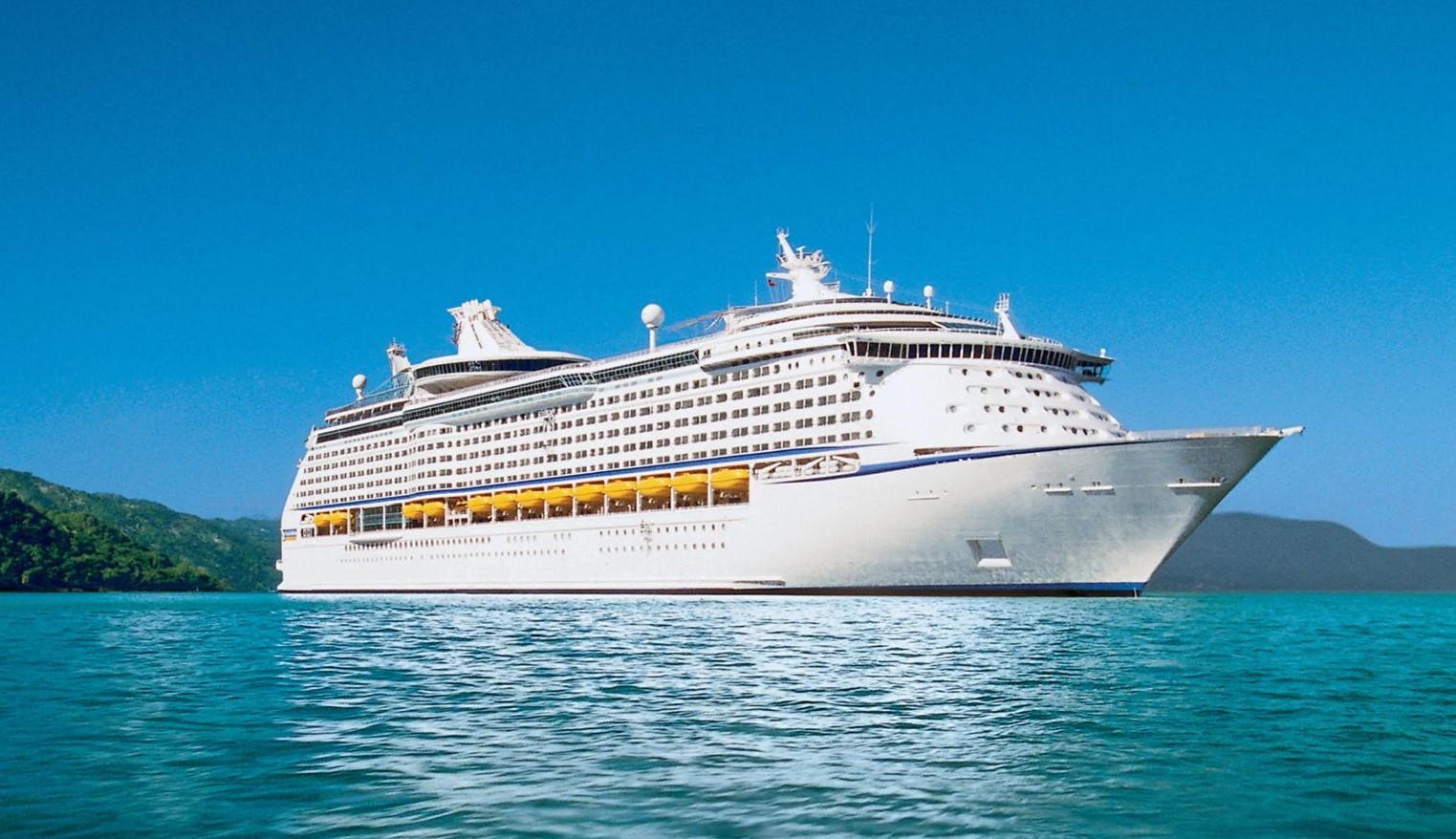
Royal Caribbean's <em>Explorer of the Seas</em>
Royal Caribbean's Explorer of the Seas
16 AMA PRA Category 1 Credits™
16 ANCC Contact Hours
Course Fees
$995.00 for Physicians
$795.00 for Nurse Practitioners, Physician Assistants
$595.00 for Nurses

Target Audience
Physicians, Nurse Practitioners, Physician Assistants, Nurses
IMPORTANT NOTE: All conferees, their families, and guests must book their cruise within the University at Sea® meeting group through University at Sea® at 800-926-3775 or by registering online. This ensures our company can provide conference services and complimentary social amenities to all meeting participants and their guests. Thank you for your cooperation.
Faculty

Dana E. King, MD, MS

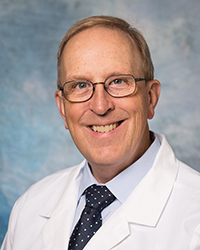
Dana E. King, MD, MS
Professor and Chair of Family Medicine West Virginia University School of Medicine (WVU) Morgantown, West Virginia Dr. King is a board certified family physician who has served as Chair of the Department of Family Medicine at West Virginia University since 2012. Prior to that he was Vice Chair of Family Medicine and Director of Research at Medical University of South Carolina, and previously, was on the faculty of the East Carolina University Brody School of Medicine. Throughout his career he has been a clinical researcher and educator with several areas of emphasis including lung disease, cardiovascular risk reduction, and clinical epidemiology. He was co-founder of the WV Practice-Based Research Network and is a senior leader in the WV Clinical Translational Science Institute. He has been a leader of the North American Primary Care Research Group (NAPCRG) since early in his career and currently is an officer on the Executive Board. He has been a national speaker for the American Academy of Family Physicians on lung disease and other topics. Dr. King has published over 100 peer-reviewed research publications and his work has been recognized with a Distinguished Paper at NAPCRG and has been a finalist for paper of the year at the Society of Teachers of Family Medicine. He enjoys time with family and is an avid road bike cyclist. Dr. King is an experienced lecturer and maintains an active clinical practice.

Merrill A. Krolick, DO, FACC, FACP

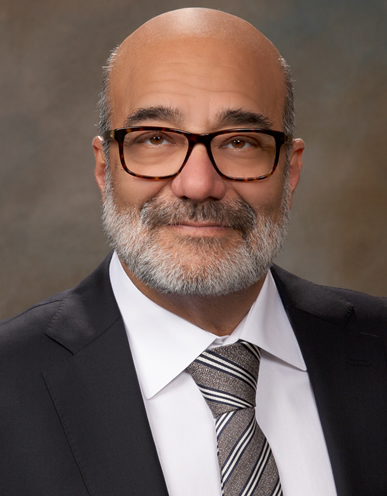
Merrill A. Krolick, DO, FACC, FACP
Merrill Krolick, DO, FACC, FACP, was born in New York City. He received his bacherlor's degree in biology from Rensselaer Polytechnic Institute in Troy, N.Y. He then attended the New York College of Osteopathic Medicine in Old Westbury, N.Y. He completed a rotating internship at Sun Coast Osteopathic Hospital in Largo, Fla. In Tampa, Fla. he completed his internal medicine and cardiology training at the University of South Florida, including training in interventional cardiology and cardiac transplantation. Dr. Krolick has been in clinical practice since 1992. Initially he practiced at Fairfax Hospital in Fairfax, Va. Currently he is practicing at The Heart Institute at Largo. He is an attending cardiologist at HCA Largo Medical Center, Morton Plant Hospital and HCA Indian Rocks Hospital. Dr. Krolick has been a previous chairperson and director of the Pinellas chapter of the American Heart Association. He currently serves as co-director of the cardiology fellowship program at HCA Largo Medical Center and is director of the interventional cardiology fellowship. He directs the cardiac cath lab at HCA Largo Medical Center. Dr. Krolick is triple board certified in Internal medicine, cardiology and interventional cardiology. He has written numerous articles including being published in The New England Journal of Medicine, and writing recent chapters in cardiovascular textbooks. He is an associate professor in cardiology at the University of South Florida, and at Nova Southeastern University in Fort Lauderdale, FL. Dr. Krolick has served as clinical investigator on numerous drug and clinical device trials including drug coated balloons for treatment of peripheral vascular disease and the original drug coated stent trials for coronary artery disease He practices noninvasive cardiology and interventional cardiology. His special interest is in peripheral vascular disease. He is recognized as both a national and local leader in endovascular interventions. He is currently on advisory panels for Bard Peripheral Vascular, CSI, Access Closure and St. Jude Medical. He has spoken at major vascular meetings including AMP and The Veins. His peripheral interests included endovascular aortic aneurysm treatment and treatment of CLI (critical limb ischemia), Deep Vein Thrombosis (DVT), venous treatment, and treatment of symptomatic claudication. He is a Fellow of the American College of Cardiology, American College of Physicians and Society of Cardiac Angiography and Interventionalists.
Our staff can assist you with all your travel arrangements.

Questions? Call us at 800-525-9696.
We can assist you with all your travel arrangements. We'd be happy to help you plan your flights, hotels or tours before and/or after your cruise conference.

Cruise Itinerary

DATE PORT OF CALL ARRIVE DEPART
Sat Aug 23 Venice (Ravenna), Italy
- 5:00 pm
Sun Aug 24 *At Sea - Cruising
Lectures 9:00 AM - 12:00 PM, 1:00 PM - 4:00 PM
- -
Mon Aug 25 Santorini, Greece
Lectures 8:30 AM - 12:30 PM
2:00 pm 11:00 pm
Tue Aug 26 Athens (Piraeus), Greece
8:00 am 8:00 pm
Wed Aug 27 Mykonos, Greece
7:00 am 7:00 pm
Thu Aug 28 *At Sea - Cruising
Lectures 9:00 AM - 12:00 PM, 1:00 PM - 4:00 PM
- -
Fri Aug 29 Split, Croatia
8:00 am 5:00 pm
Sat Aug 30 Venice (Ravenna), Italy
6:00 am -
*Tentative course schedule, actual class times may differ.

Ports of Call

Venice (Ravenna), Italy

When your itinerary says “Venice (Ravenna),” it’s essential to understand the geography to plan your time effectively. Your cruise embarks and disembarks not in Venice itself, but from the port of Ravenna, a historically significant city located about 90 miles (145 km) to the south. This journey typically takes 2.5 to 3.5 hours by train or car. Rather than viewing this as a logistical hurdle, consider it an opportunity to explore two distinct and magnificent facets of Italian culture. A pre- or post-cruise stay is not just recommended; it is the key to a relaxed and deeply enriching experience of this celebrated region.

### The Unexpected Jewel: Ravenna

Before or after your journey to the Venetian Lagoon, immerse yourself in Ravenna, a city that was once the capital of the Western Roman Empire. Its quiet, walkable streets hold a treasure of global importance: a collection of early Christian and Byzantine mosaics that are simply without parallel. Eight of Ravenna’s monuments are UNESCO World Heritage sites, and their artistic and spiritual power is breathtaking. The shimmering gold and vibrant colors of the mosaics inside the Basilica di San Vitale and the Mausoleum of Galla Placidia are not just decorations; they are intricate narratives of faith and power that have survived for over 1,500 years. Standing beneath the star-dusted, deep blue ceiling of the mausoleum is a moment of profound tranquility and awe. Other essential sites include the Basilica di Sant'Apollinare Nuovo, with its long, solemn processions of saints and martyrs, and the Arian Baptistery.

Beyond the mosaics, Ravenna is a delightful city to explore on foot. The central Piazza del Popolo is a perfect spot for an aperitivo, and the quiet tomb of Dante Alighieri, the father of the Italian language, offers a moment of literary pilgrimage. As the heart of the Emilia-Romagna region—often called Italy’s culinary capital—Ravenna offers a distinct and outstanding gastronomic experience. This is the home of piadina, a warm, simple flatbread filled with local cheeses and cured meats, best enjoyed from a street-side stand. You’ll also find exquisite handmade pastas like cappelletti and tagliatelle served with rich ragù, all paired with regional wines like Sangiovese or Albana.

### Connecting to Venice: A Strategic Approach

Given the distance, attempting to visit Venice on the day your cruise begins or ends is highly inadvisable. The journey, combined with luggage and check-in procedures, creates a stressful, rushed experience that does justice to neither city. The most effective way to travel between them is by train. From the cruise terminal at Porto Corsini, a 20-minute taxi ride will take you to Ravenna’s train station. From there, frequent trains connect to Venice’s Santa Lucia station, often with a simple change in Bologna or Ferrara. Arriving in Venice by train is a magical experience in itself, as you step directly from the station onto the banks of the Grand Canal.

### A Recommended Pre-Cruise Itinerary (3 Days)

To fully appreciate the region, plan for at least two or three nights before your cruise. This unhurried pace allows you to acclimate and explore with intention.
  • Day 1: Arrival in Emilia-Romagna. Fly into Bologna’s Guglielmo Marconi Airport (BLQ), the region’s largest international gateway. Take the convenient airport shuttle or a train directly to Ravenna (approx. 1-1.5 hours). Check into your hotel, then take a leisurely evening passeggiata (stroll) through the historic center. Settle in for a welcome dinner at a traditional osteria, savoring the authentic flavors of the region.
  • Day 2: The Glory of Ravenna. Dedicate the day to Ravenna’s UNESCO sites. A single combination ticket provides access to most of the major monuments. Start at San Vitale and the Mausoleum of Galla Placidia, as they are near each other. After a break for a classic piadina lunch, continue to Sant'Apollinare Nuovo and the Neonian Baptistery. The sheer artistic brilliance is best absorbed at a comfortable pace, allowing time to sit and contemplate the history within the walls.
  • Day 3: Embarkation Day. Enjoy a final, relaxed morning in Ravenna. Perhaps you’ll visit Dante’s Tomb or browse the local market. After a leisurely lunch, take a pre-arranged taxi or shuttle to the Porto Corsini cruise terminal. You will arrive for embarkation feeling refreshed and culturally enriched, having already begun your vacation in one of Italy’s most historically significant cities, ready for the next leg of your journey.
For a post-cruise stay, simply reverse the logic, taking the train from Venice to Ravenna for a couple of days of exploration before flying home from Bologna. This approach transforms a potential travel challenge into a highlight, offering a two-part discovery of Byzantine splendor and Venetian grandeur.

At Sea - Cruising

Santorini, Greece

Santorini delivers the visual drama promised by travel brochures, with whitewashed villages spilling down the sides of a massive volcanic caldera. It is spectacular, but it is also one of the most logistically challenging ports in the Mediterranean. Understanding the arrival process is critical to enjoying your day. Ships anchor in the caldera, tendering passengers to a small dock at the base of the cliffs. From there, you face a bottleneck: a low-capacity cable car, a grueling 600-step climb, or donkeys (which we generally discourage due to animal welfare and sanitary concerns).

To maximize your time and minimize frustration, we strongly recommend arranging a boat transfer to Oia or a pre-booked excursion that includes transportation from the tender pier. This strategy bypasses the initial cable car queue, which can consume hours of your morning. Once you have ascended, the island offers distinct experiences. Oia, on the northern tip, is the famous "postcard" village with blue-domed churches and marble streets. It is undeniably beautiful but frequently overwhelmed by crowds; visit early or late if possible. Fira, the capital, offers similar views with more bustle, museums, and shopping, serving as the central hub for the return descent.

For a reprieve from the congestion, the archaeological site of Akrotiri offers a world-class window into the Bronze Age, preserved under volcanic ash. Alternatively, the island’s viticulture is unique; vines are basket-woven low to the ground to survive the wind. Visiting a local estate to taste crisp, volcanic Assyrtiko wine provides a sophisticated, relaxing counterpoint to the busy towns. Santorini is a destination that rewards preparation; with the logistics managed, the views are truly unparalleled.

Athens (Piraeus), Greece

Let’s be direct: your arrival at the port of Piraeus is purely functional. It’s a massive, bustling commercial hub, and its primary virtue is its proximity to Athens, the cradle of Western civilization. A day here is an incredible opportunity, but it requires a smart plan.

Your first priority is getting into the city center efficiently. The metro (Green Line 1 from Piraeus station) is a direct and affordable option that bypasses all traffic. Taxis are plentiful, but be sure to agree on a fare or insist on using the meter to avoid surprises. Once in Athens, the Acropolis is the day's non-negotiable centerpiece. Seeing the Parthenon preside over the city is a profound experience that connects you directly to 2,500 years of history, philosophy, and art. We strongly advise pre-booking your tickets online to save precious time you’d otherwise spend in a queue under the Greek sun.

After descending from the Acropolis, the modern Acropolis Museum awaits at its base. This stunningly designed space provides essential context for what you’ve just seen, housing the original artifacts in a climate-controlled, brilliantly curated environment. From there, immerse yourself in the Plaka, the city’s oldest neighborhood. This labyrinth of cobblestone streets, draped in bougainvillea, is where you’ll find the true Athenian spirit. It’s the perfect place to find a traditional taverna for a leisurely lunch of classic Greek dishes.

Our best advice for a port day in Athens is to be strategic. Don’t try to see everything. Focus on the Acropolis, its museum, and a wonderful meal in the Plaka. By doing so, you will have experienced the profound essence of the city, rather than just rushing past its landmarks. Wear comfortable shoes, stay hydrated, and prepare for an unforgettable immersion into the foundations of our world.

Mykonos, Greece

Mykonos serves as the archetype of the Cyclades: blinding white cubic architecture set against the deep blue Aegean. While the island’s reputation rests on its glitzy nightlife, the daytime experience offers a distinct, sophisticated charm if navigated correctly. Your priority should be the labyrinthine Chora (Mykonos Town). We advise disembarking early to beat the midday crush. The winding, whitewashed streets were originally designed to confuse pirates; today, they offer a delightful aimlessness. Allow yourself to wander off the busy Matoyianni Street to discover quieter corners, hidden chapels, and bougainvillea-draped balconies where the island’s authentic character remains.

Navigate toward the waterfront to witness the iconic Kato Mili (windmills) standing sentinel on the hill. Just below lies Little Venice, where medieval houses with colorful balconies hover directly over the sea. It is the prime location for a coffee or cocktail, though be prepared for premium pricing that reflects the world-class view.

For our clients with a deep interest in history, Mykonos is the gateway to something far more significant: Delos. A short ferry ride away, this UNESCO World Heritage site is the mythological birthplace of Apollo and Artemis and one of the most important archaeological sites in the Mediterranean. If you prioritize ancient history over high-end shopping, a guided excursion here is non-negotiable.

If a beach day is preferred, manage your expectations regarding crowds and cost. The famous Paradise Beach is high-energy; for a more refined, family-friendly atmosphere, Ornos or Platis Gialos are superior choices, accessible via local bus or water taxi. Finally, a logistical note: if your ship docks at the New Port (Tourlos) rather than tendering, the local SeaBus is the most efficient transfer to the town center, bypassing the often-gridlocked taxi queues.

Split, Croatia

Split offers a remarkable fusion of ancient history and vibrant modern life, centered almost entirely within the walls of a Roman emperor's palace. The cruise port's prime location allows for an immediate and immersive experience; a short walk brings you to the Bronze Gate, the waterfront entrance to Diocletian's Palace. This is no sterile ruin, but the living, breathing heart of the city, where millennia-old limestone is worn smooth by the footfalls of residents and visitors alike.

The palace's central square, the Peristyle, serves as a stunning open-air stage, flanked by the imposing Cathedral of Saint Domnius—originally Diocletian's mausoleum. A climb up its bell tower is highly recommended for breathtaking views over the terracotta roofs and the brilliant blue of the Adriatic. Below ground, explore the vast, vaulted substructures that once supported the emperor's private apartments, now often hosting markets and exhibitions.

Beyond the palace walls, the Riva promenade is the city's social artery, a wide boulevard lined with cafes perfect for people-watching over a coffee or a glass of local wine. For a taste of authentic commerce, the bustling Green Market (Pazar) offers fresh produce and regional crafts just outside the Silver Gate. Split’s core is compact and best explored by simply wandering its labyrinthine alleys, discovering hidden courtyards and soaking in an atmosphere that is both monumental and intimately human. It is an ideal port for independent exploration on foot.

Our staff can assist you with all your travel arrangements.

Questions? Call us at 800-525-9696.
We can assist you with all your travel arrangements. We'd be happy to help you plan your flights, hotels or tours before and/or after your cruise conference.
SHORE EXCURSIONS
Please note that our shore excursions are operated separately and
independently of those offered by the cruise line.
©2019 - University at Sea®