
COURSE CREDITS & HOURS
12 CE Credits for Psychologists
12 ANCC Contact Hours
12 ASWB ACE Credits
COURSE FEES
TARGET AUDIENCE
PROGRAM TOPICS
- Introduction to Developmental Disabilities
- Orientation to the Course - understand the context of developmental disabilities in children
- Prematurity and its Consequences
- Premature infants are vulnerable to CNS insults which result in developmental disabilities - need to appreciate the improved knowledge
- Cerebral Palsy
- Cerebral palsy is the prototype of a motor disability - need to understand the complexities in presentation and management
- Medical Care for Children and Adults with Developmental Disabilities
- Children who have developmental disabilities are more likely to have associated medical problems and we need to be aware of them, in order to to identify and treat them
- Environmental Influences on Fetal Growth and Development
- Prenatal factors - important to appreciate the vulnerability of the fetus to prenatal influences and exposures
- Children's Environmental Health
- Children are uniquely vulnerable to environmental factors - need to appreciate and understand both positive and negative
- Environmental Health Disparities
- Children who grow up in circumstances of social and economic disadvantage - these children are more vulnerable
- Autism Spectrum Disorder: An Overview
- Provide comprehensive treatment approaches to children with ASD and their families
- Describe DSM 5 Diagnostic criteria for ASD
- Integrate screening for ASD in toddlers and in middle school
- Appreciate the mental and medical conditions commonly co-occurring with ASD
- Autism: Delivering the diagnosis and impact on the parents and family
- Provide comprehensive treatment approaches to children with ASD and their families
- Prepare appropriately for feedback sessions when delivering the diagnosis of ASD,
- Describe the stages of grief encountered by parents at the time of diagnosis
- Appreciate the impact the diagnosis has on parents and the extended family
- ADHD: An Overview
- Provide comprehensive treatment approaches to children with ADHD and their families
- Describe DSM 5 criteria for ADHD diagnosis
- Provide developmental strategies to children and their families with ADHD
- Discuss potential barriers to therapy adherence and
- Consider ADHD presentation in girls
- ADHD in Adults
- Provide evidenced-based diagnostic approaches to adults with ADHD and their families
- Describe DSM 5 criteria for ADHD diagnosis in Adults
- Consider ADHD presentation in girls
- Utilize an ADHD diagnostic tool
- Management of Anxiety Disorders in children
- Differentiate between normal anxiety and anxiety disorders in childhood
- Implement anxiety screening strategies in practice
- Understand the medical problems associated with anxiety
- Implement developmental counseling strategies for anxiety in children in the office
- Appreciate integrative treatment strategies for anxiety in children
IMPORTANT INFORMATION
Faculty
Raun David Melmed, MD, FAAP

Medical Director and Co-founder, Southwest Autism Research and Resource Center
Board Certified in Developmental and Behavioral Pediatrics
Scottsdale, AZ
Raun Melmed, MD, FAAP, a developmental and behavioral pediatrician, is director of the Melmed Center in Scottsdale, Arizona and co-founder and medical director of the Southwest Autism Research and Resource Center.
Dr. Melmed is on faculty at Arizona State University in Phoenix, the University of Arizona in Tucson and Creighton Medical School. He earned his medical degree at the University of Cape Town, South Africa, and completed fellowship training at Children's Hospital Medical Center in Boston, where he was an Instructor at Harvard Medical School. He is a member of the Society for Developmental and Behavioral Pediatrics and a fellow of the American Academy of Pediatrics. He is board certified in both Pediatrics and Developmental and Behavioral Pediatrics.
He has set up nationally recognized physician training programs for the early identification of infants and toddlers with developmental and behavioral concerns and has authored programs geared toward screening for autism spectrum disorders.
Dr. Melmed is an investigator of novel psychopharmacological agents and digital therapeutic devices for the treatment of ADHD, autism, Fragile X and related disorders. He studies include the identification of biomarkers in ASD as well as the development of diagnostic tools for developmental disorders.
He is the author of the ST4 Mindfulness Series for Children including Marvin's Monster Diary ‐ ADHD Attacks, Timmy's Monster Diary: Screen Time Attacks! (But I Rock it Big Time), Harriet's Monster Diary ‐ Awfully Anxious (But I Squish it Big Time), Marvin's Monster Diary 2 (+ Lyssa): ADHD Emotion Explosion (But I Triumph, Big Time), Marvin's Monster Diary 3: Trouble with Friends (But I Get By, Big Time!) and Marvin's Monster Diary 4: Neighborhood Bully (But We Stand Up, Big Time).
He is also the author of books for families including Autism: Early Intervention; Autism and the Extended Family; and Autism Parent Handbook: Beginning with the End Goal in Mind.
I. Leslie Rubin, MD

Co-Director, Southeast Pediatric Environmental Health Specialty Unit, Emory University
Founder, Break the Cycle of Health Disparities, Inc.
Atlanta, GA
Dr. I. Leslie Rubin is an Associate Professor in the Department of Pediatrics at Morehouse School of Medicine, an Adjunct Associate Professor of Pediatrics at Emory University School of Medicine, and Co-Director of the Southeast Pediatric Environmental Health Specialty Unit (PEHSU) at Emory University. In addition to his academic appointments, he serves as Medical Director of Developmental Pediatrics Specialists and is the Founder and President of Break the Cycle of Health Disparities, Inc. in Atlanta, Georgia.
A developmental pediatrician with decades of clinical experience caring for children and adults with developmental disabilities, Dr. Rubin is the lead editor of the definitive textbook Health Care for People with Intellectual and Developmental Disabilities Across the Lifespan. His clinical practice, advocacy, and scholarship focus on the intersections of neurodevelopmental conditions, health equity, and pediatric environmental health.
In 2004, Dr. Rubin founded the Break the Cycle of Children’s Environmental Health Disparities program to cultivate student leadership and address environmental health disparities among vulnerable pediatric populations. Under his guidance, the initiative has supported the publication of more than 100 trainee research papers across 10 international journal supplements and generated 10 textbooks in Nova’s Public Health Series. A frequent lecturer at national and international forums, Dr. Rubin remains active in multiple global health organizations and has received numerous honors recognizing his dedication to healthcare advocacy and humanism.
Accreditation
|
|
In support of improving patient care, Continuing Education, Inc./University at Sea® is jointly accredited by the Accreditation Council for Continuing Medical Education (ACCME), the Accreditation Council for Pharmacy Education (ACPE), and the American Nurses Credentialing Center (ANCC), to provide continuing education for the healthcare team. |
|
|
Credit Designation for Physicians: Continuing Education, Inc. designates this live activity for 12 AMA PRA Category 1 Credits™. Physicians should claim only the credit commensurate with the extent of their participation in the activity. |
|
Osteopathic Physicians: This program is eligible for Category 2 credit with the American Osteopathic Association (AOA). US or Canadian Family Physicians: Please let us know if you require AAFP Prescribed Credits.
|
|
|
|
Credit Designation for Nurses: Continuiung Education, Inc. designates this continuing nursing education activity for 12 contact hours. Nurse Practitioners: Can claim either ANCC Contact Hours or AMA PRA Category 1 CreditsTM as needed. Pharmacology credits are identified on individual activities. |
|
|
Royal College of Physicians and Surgeons of Canada: |
|
|
College of Family Physicians of Canada (CFPC)
|
|
|
|






 Accreditation: Continuing Education, Inc. is approved by the American Psychological Association to sponsor continuing education for psychologists. Continuing Education, Inc. maintains responsibility for this program and its content.
Designation: As an organization approved by the American Psychological Association, Continuing Education, Inc. is offering this activity for a maximum of 12 hours of continuing education credit. Each psychologist should claim only those hours of credit that he/she actually spent in the educational activity.
 As a Jointly Accredited Organization, Continuing Education, Inc. is approved to offer social work continuing education by the Association of Social Work Boards (ASWB) Approved Continuing Education (ACE) program. Organizations, not individual courses, are approved under this program. Regulatory boards are the final authority on courses accepted for continuing education credit. Social workers completing this course receive 12 Clinical continuing education credits.
Does not apply to the following states/provinces: New Jersey, New York, Yukon Territories.



Cruise Itinerary
| DATE | PORT OF CALL | ARRIVE | DEPART |
|---|---|---|---|
| Thursday, November 13 | Barcelona, Spain |
- | 5:00 pm |
| Friday, November 14 | Palma De Mallorca, Spain |
7:00 am | 5:00 pm |
| Saturday, November 15 | Cartagena, Spain Lectures 4:00 PM - 6:00 PM |
8:00 am | 6:00 pm |
| Sunday, November 16 | Malaga, Spain Lectures 4:00 PM - 6:00 PM |
8:00 am | 6:00 pm |
| Monday, November 17 | Cadiz (Seville), Spain |
8:00 am | 6:00 pm |
| Tuesday, November 18 | Tangier, Morocco |
7:00 am | 7:00 pm |
| Wednesday, November 19 | *At Sea - Cruising Lectures 8:00 AM - 12:00 PM, 1:00 PM - 5:00 PM |
- | - |
| Thursday, November 20 | Porto Leixoes, Portugal |
7:00 am | 5:00 pm |
| Friday, November 21 | Lisbon, Portugal |
5:00 am | - |

Ports of Call
Barcelona, Spain


Getting Your Bearings
Upon landing at Barcelona-El Prat Airport (BCN), the city is easily accessible. The Aerobús provides a direct and efficient coach service to central points like Plaça de Catalunya. Taxis are plentiful and offer a fixed rate to the city center, providing a hassle-free transfer directly to your hotel. Once settled, the city’s excellent metro system and walkable neighborhoods make exploration a delight.
A Suggested Pre-Cruise Itinerary - Day 1: The Soul of Old Barcelona
Begin your exploration in the Barri Gòtic (Gothic Quarter), the true soul of old Barcelona. Lose yourself in its labyrinth of narrow, winding streets that open unexpectedly onto sun-drenched plazas. Your morning walk should lead you to the magnificent Catedral de Barcelona, a masterpiece of Catalan Gothic architecture. Take a moment to admire its serene cloister, home to 13 white geese. From there, wander to the Plaça de Sant Jaume, the city's political heart, flanked by the impressive City Hall and the Palau de la Generalitat de Catalunya.

For lunch, bypass the tourist-heavy main drags and duck into a small, authentic *bodega* or tapas bar in the adjacent El Born district. This is your chance to sample local specialties like *patatas bravas*, *pimientos de padrón*, and paper-thin slices of *jamón ibérico*. In the afternoon, continue through the fashionable El Born, home to independent boutiques and artisan workshops. Here you’ll find the stunning Basilica de Santa Maria del Mar, a breathtaking example of Gothic architecture funded by the area's medieval merchants and sailors. Art lovers should not miss the Museu Picasso, which chronicles the formative years of the legendary artist who once called these streets home.
As evening descends, consider a leisurely stroll to the nearby Barceloneta neighborhood. This former fishing village offers a lively atmosphere and a host of restaurants serving fresh seafood paella with a view of the Mediterranean Sea—a perfect end to your first day.

Day 2: The Genius of Gaudí
Today is dedicated to the whimsical, nature-inspired modernism of Antoni Gaudí, the architect who shaped Barcelona’s visual identity. Start your morning at his unfinished magnum opus, the Basílica de la Sagrada Família. To fully appreciate this UNESCO World Heritage site and avoid formidable queues, booking your tickets well in advance is essential. The exterior’s intricate facades tell biblical stories, but it’s the interior that will truly leave you breathless. Gaze up at a forest of soaring columns that branch out like trees, while sunlight streams through colossal stained-glass windows, bathing the nave in a kaleidoscope of color.

From there, make your way to Passeig de Gràcia, Barcelona’s most elegant avenue. Here, you’ll find two more of Gaudí’s iconic residential buildings. Admire the fantastical, dragon-scaled roof and skeletal balconies of Casa Batlló and the undulating stone façade of Casa Milà, affectionately known as 'La Pedrera' (The Stone Quarry).
In the afternoon, take a taxi or the metro up to Park Güell. Another of Gaudí’s masterpieces, this public park offers panoramic views over the city and the sea. Wander through its organic-feeling stone structures, viaducts, and sit on the famous, serpentine bench covered in vibrant *trencadís* mosaic. Again, pre-booking your entry to the Monumental Zone is crucial.

For your final evening, immerse yourself in the local dining scene. The Eixample district offers sophisticated, modern Catalan cuisine, while the charming Gràcia neighborhood provides a more bohemian, village-like atmosphere with countless plazas filled with excellent restaurants. Be sure to try *pa amb tomàquet* (bread rubbed with fresh tomato and olive oil) and toast to your upcoming voyage with a crisp glass of Cava, Catalonia’s sparkling wine.
By investing a day or two in Barcelona before you set sail, you do more than just see the sights. You connect with the city’s proud Catalan spirit, savor its world-class cuisine, and create a foundation of memories that will enrich your entire journey. You’ve worked hard to earn this vacation; give yourself the gift of a truly exceptional beginning.


Palma De Mallorca, Spain


The skyline is dominated by the Catedral-Basílica de Santa María, known locally as La Seu. This sandstone leviathan is essential viewing, not just for its exterior dominance but for the interior dialogue between history and modernity; Antoni Gaudí’s unfinished wrought-iron canopy hangs above the altar, while Miquel Barceló’s ceramic chapel adds a controversial contemporary layer. Just below, the Parc de la Mar offers the perfect vantage point for photography.

Beyond the cathedral lies the Casco Antiguo (Old Town), a labyrinth of narrow streets best explored without a map. Look for the traditional Mallorcan courtyards (patios) visible through iron gates of aristocratic homes. A stop at the Banys Àrabs (Arab Baths) provides a quiet glimpse into the city’s Moorish past. For a pause, the tree-lined Passeig del Born is the city’s living room, ideal for coffee and people-watching.
For panoramic context, a taxi to Castell de Bellver is recommended. As one of Europe’s few circular castles, it offers 360-degree views of the bay and pine forests. Regarding logistics: The cruise pier is an industrial stretch about three miles from the historic center. We strongly advise utilizing a taxi or the port shuttle rather than attempting the walk, maximizing your time for tapas and exploration.
Cartagena, Spain

The undeniable highlight is the magnificent Roman Theatre, unearthed by chance in 1988 and now beautifully restored. The adjoining museum provides a superb introduction before you emerge into the stunning ancient structure itself. Just a few blocks away, the Roman Forum District reveals the daily life of 'Carthago Nova' with its thermal baths and colonnaded streets. For an even deeper historical perspective, the Punic Wall Interpretation Center showcases one of the few remaining Carthaginian defensive walls in Spain.
Beyond the ancient ruins, Cartagena offers a distinctly Spanish charm. Stroll down the Calle Mayor, a wide marble esplanade lined with elegant Art Nouveau buildings, stopping for tapas or a coffee. The waterfront promenade is a perfect place to appreciate the city’s deep-rooted naval heritage. For the best perspective, take the panoramic lift up to Concepción Castle, which offers sweeping views of the natural harbor and the Roman Theatre below. Cartagena delivers a rich, manageable, and thoroughly enjoyable day of cultural immersion without the overwhelming scale of a major metropolis.
Malaga, Spain


Beyond these headline sites, the city itself is the main attraction. The historic center is a delightful labyrinth of marble-paved lanes, leading to grand plazas and the impressive, yet famously unfinished, Malaga Cathedral, affectionately nicknamed 'La Manquita' (The One-Armed Lady). For a taste of authentic local life, the Atarazanas Market is a feast for the senses, set within a stunning 19th-century iron building with an original Moorish gate. The redeveloped port area, Muelle Uno, offers a contemporary contrast with its modern promenade, shops, and the colorful cube of the Centre Pompidou Malaga. Malaga is eminently walkable, allowing for a day of genuine discovery that effortlessly blends world-class art, ancient history, and the vibrant, sun-drenched energy of a modern Andalusian city.


Cadiz (Seville), Spain


Seville is the undisputed star of Andalusia, but it demands energy. The 90-minute transit each way leaves a compressed window for exploration, yet the rewards are substantial. The city boasts three UNESCO World Heritage sites: the Real Alcázar, a complex of palaces and gardens that rivals the Alhambra; the massive Gothic Cathedral, resting place of Columbus; and the Archivo de Indias. A visit to the Plaza de España is essential for its architectural grandeur. This is the correct choice for first-time visitors determined to see the icons, but be prepared for significant walking and, in summer, intense heat.
For those who prefer a relaxed pace over a bus schedule, Cadiz is a sophisticated delight. As one of Western Europe's oldest continuously inhabited cities, it is entirely walkable from the ship. The experience here is about atmosphere rather than checking boxes. We recommend starting at the Torre Tavira for a unique Camera Obscura view of the city's layout. From there, navigate the narrow streets to the golden-domed Cathedral and the seaside Castillo de San Sebastián. The culinary scene is a major draw; visit the Mercado Central for authentic tapas and sherry, or find a local freiduría for the city's renowned fried fish. Cadiz offers a genuine, stress-free Spanish experience that many travelers end up preferring over the rush to Seville.
Tangier, Morocco

The energy of the Medina can be overwhelming, and navigating its maze-like streets while politely declining persistent vendors is part of the experience. For this reason, engaging a reputable local guide can be invaluable, transforming a potentially stressful day into a fascinating one. Beyond the markets, the American Legation Museum, the first American public property outside the United States, offers a quiet and intriguing slice of diplomatic history. For a moment of tranquility, find your way to the legendary Café Hafa. Clinging to a cliffside, its terraced seating offers sublime views across the Strait of Gibraltar, a perfect spot to reflect over a glass of sweet mint tea.
For those seeking dramatic scenery, a short drive to Cap Spartel offers breathtaking views from the northwesternmost point of mainland Africa, where the Atlantic Ocean meets the Mediterranean Sea. Tangier rewards the curious and patient traveler with an authentic, unfiltered cultural experience that feels a world away from the ship.
At Sea - Cruising
Porto Leixoes, Portugal

The historic heart is the Ribeira district, a captivating tangle of medieval alleys tumbling down to the Douro River. For the best orientation, walk across the upper deck of the Dom Luís I Bridge. This Eiffel-inspired masterpiece connects you to Vila Nova de Gaia, the historic headquarters of the Port wine trade. We highly recommend prioritizing a visit to a prestigious lodge such as Graham’s, Taylor’s, or Sandeman. These tours offer essential insight into the region's viticulture and provide a relaxing counterpoint to the busy city streets.
Back in Porto, the São Bento train station is a mandatory quick stop to view the stunning azulejo tile panels depicting Portuguese history. Architecture enthusiasts should prioritize the Palácio da Bolsa (Stock Exchange Palace) to see the intricate Arabian Room. A note of caution regarding the famous Livraria Lello bookstore: while beautiful, the queues can consume hours of your limited port time. Unless it is a bucket-list item, we advise spending that time enjoying a local white port and tonic or exploring the fresh seafood restaurants in Matosinhos near the ship before departure.
Lisbon, Portugal


A Suggested 1- to 3-Day Extension: - Day 1: The Historic Soul of Alfama & Baixa
Begin by tackling the city’s seven hills—or at least its most famous one. Wear your most comfortable shoes and wander into the Alfama district, a labyrinth of steep, narrow cobblestone streets that survived the great earthquake of 1755. This is Lisbon at its most traditional. Make your way up to the Castelo de São Jorge, a Moorish citadel whose ramparts offer an unrivaled panoramic introduction to the city’s terracotta rooftops and the expansive Tagus estuary. Afterwards, descend through the Alfama, perhaps stopping at the Miradouro de Santa Luzia for its iconic bougainvillea-draped pergola and azulejo-tiled benches. In the evening, return to Alfama to experience Fado, Portugal’s soul-stirring musical tradition. For an authentic experience, seek out a smaller, more intimate `casa de fados` where the focus is purely on the raw, emotional power of the music.

Day 2: The Golden Age of Discovery & Bohemian Culture - Dedicate your morning to Belém, the riverfront district from which Portugal’s great explorers set sail. It is easily reached by the 15E tram or a taxi. Here, two UNESCO World Heritage sites demand your attention. The Jerónimos Monastery is a staggering masterpiece of Manueline architecture, an ornate celebration of the wealth of the Age of Discovery. Nearby, the Belém Tower stands as a beautiful, fortified sentinel at the river’s edge. We recommend booking tickets for both online in advance to bypass the notoriously long queues. No visit is complete without a stop at the legendary Pastéis de Belém bakery to taste the original custard tarts, served warm and dusted with cinnamon and powdered sugar. In the afternoon, return to the city center to explore the sophisticated Chiado and the lively Bairro Alto neighborhoods. Chiado is the traditional hub of artists and intellectuals; you can have coffee at Café A Brasileira, with its bronze statue of poet Fernando Pessoa, or browse the world's oldest operating bookstore, Livraria Bertrand. As evening approaches, the quiet streets of Bairro Alto transform into the city’s liveliest hub for dining and nightlife.
Day 3: A Fairytale Escape or Modern Lisbon - For your final day, choose between two distinct experiences. The first is a day trip to Sintra, a UNESCO World Heritage landscape that feels torn from the pages of a storybook. A 40-minute train ride from Lisbon’s Rossio station delivers you to this town of misty hills and fantastical palaces. The whimsical, multi-colored Pena Palace is the star attraction, but the mystical gardens and inverted tower of the Quinta da Regaleira offer a more enigmatic adventure. It is wise to choose just two sights to explore thoroughly, as the hills are steep and the crowds can be significant.

Alternatively, stay in Lisbon to explore its modern and artistic side. Ride the famous yellow Tram 28 (go early to get a seat) for a rattling, picturesque tour through the city’s most charming neighborhoods. Visit the Museu Nacional do Azulejo (National Tile Museum) to appreciate the art form that decorates so many of the city’s buildings. Then, explore the LX Factory, a revitalized industrial complex under the 25 de Abril Bridge, now home to avant-garde shops, artist studios, and unique restaurants. For a final meal, the Time Out Market offers a vibrant, upscale food hall experience, gathering many of Lisbon’s top chefs and culinary concepts under one roof.
Departure:
Lisbon’s Humberto Delgado Airport (LIS) is exceptionally close to the city center. The Metro’s red line provides a direct, efficient, and inexpensive connection. Taxis and ride-sharing services are also readily available and offer a convenient 20-30 minute journey, depending on traffic. This ease of access makes extending your stay and catching your flight home a relaxed and logical conclusion to your travels.


We can assist you with all your travel arrangements. We'd be happy to help you plan your flights, hotels, or tours before and/or after your cruise conference.
PLEASE NOTE: To attend the conference, participants must book their cruise accommodations through University at Sea®. This ensures we can provide full conference services and complimentary social amenities to meeting participants and guests. Participants' family and friends are welcome to book within our group allotment and take advantage of our typically excellent rates.
Request a Quote online or by voice at 800-525-9696 (US/Can) or direct/int'l tel +1-727-526-1571.
Prices below are for the full cruise including meals and evening entertainment
Suites
 Suite/Deluxe
Penthouse Suite PS.
Unwind in modern spaces that will make you feel on top of the world. Relax in ultimate luxury on your private veranda. Lounge in the king-size mattress in your bedroom. Enjoy VIP treatment with your butler, expansive lounge areas and much more.
So much more than a suite, The Retreat® isn’t a place. It isn’t an amenity. It isn’t a service. It’s all of this and more. The Retreat includes stunning accommodations, a private restaurant, and exclusive lounge and sundeck* that rival any high-end resort. Your dedicated team of attendants, concierges, and your Personal Retreat Host will do everything to ensure you never have to lift a finger on vacation.
Escape to this spacious suite with living and dining areas and a private terrace with a hot tub.
Suite/Deluxe
Penthouse Suite PS.
Unwind in modern spaces that will make you feel on top of the world. Relax in ultimate luxury on your private veranda. Lounge in the king-size mattress in your bedroom. Enjoy VIP treatment with your butler, expansive lounge areas and much more.
So much more than a suite, The Retreat® isn’t a place. It isn’t an amenity. It isn’t a service. It’s all of this and more. The Retreat includes stunning accommodations, a private restaurant, and exclusive lounge and sundeck* that rival any high-end resort. Your dedicated team of attendants, concierges, and your Personal Retreat Host will do everything to ensure you never have to lift a finger on vacation.
Escape to this spacious suite with living and dining areas and a private terrace with a hot tub. 800-525-9696
for Pricing
 Suite/Deluxe
Royal Suite RS.
Unwind in a luxuriously large living and dining area featuring floor to ceiling panoramic windows, a Primary bedroom featuring a king-size mattress with Celebrity’s eXhale® bedding , a Primary bathroom with a large soaking tub, a separate shower, and a double sink vanity, and a spacious private veranda. No matter where you are in this suite, you’ll enjoy stunning views of the sea.
So much more than a suite, The Retreat® isn’t a place. It isn’t an amenity. It isn’t a service. It’s all of this and more. The Retreat includes stunning accommodations, a private restaurant, and exclusive lounge and sundeck* that rival any high-end resort. Your dedicated team of attendants, concierges, and your Personal Retreat Host will do everything to ensure you never have to lift a finger on vacation.
Unwind in this two-room suite that features a large living and dining area with floor-to-ceiling panoramic windows for stunning views from every angle.
Suite/Deluxe
Royal Suite RS.
Unwind in a luxuriously large living and dining area featuring floor to ceiling panoramic windows, a Primary bedroom featuring a king-size mattress with Celebrity’s eXhale® bedding , a Primary bathroom with a large soaking tub, a separate shower, and a double sink vanity, and a spacious private veranda. No matter where you are in this suite, you’ll enjoy stunning views of the sea.
So much more than a suite, The Retreat® isn’t a place. It isn’t an amenity. It isn’t a service. It’s all of this and more. The Retreat includes stunning accommodations, a private restaurant, and exclusive lounge and sundeck* that rival any high-end resort. Your dedicated team of attendants, concierges, and your Personal Retreat Host will do everything to ensure you never have to lift a finger on vacation.
Unwind in this two-room suite that features a large living and dining area with floor-to-ceiling panoramic windows for stunning views from every angle. 800-525-9696
for Pricing
 Suite/Deluxe
Horizon Suite HS.
Leave it to us to make your vacation dreams come true with new Horizon Suites featuring private veranda, luxurious living spaces, and access to The Retreat—every moment of your vacation will be unforgettable. So much more than a suite, The Retreat® isn't a place. It isn't an amenity. It isn't a service. It's all of this and more. The Retreat includes stunning accommodations, a private restaurant, and exclusive lounge and sundeck* that rival any high-end resort. Your dedicated team of attendants, concierges, and your Personal Retreat Host will do everything to ensure you never have to lift a finger on vacation.
Daily delivery of afternoon savories
Afternoon tea event hosted in The Retreat Lounge
Complimentary 24-hour room service**
Complimentary use of golf umbrella and binoculars
Complimentary shoe shine service
Butler
Dedicated pre-cruise Retreat Concierge
Onboard Retreat Concierge
Priority check-in, departure, and port tendering/boarding
Reserved theater seating on Evening Chic nights
Exclusive access to Luminae at The Retreat
Complimentary 24-hour in-suite dining, including breakfast, lunch, and dinner
Complimentary welcome bottle of sparkling wine
Complimentary in-suite specialty coffees
Fresh fruit delivered upon request
Premium bath amenities
Plush bedroom slippers and 100% cotton bathrobes
Horizon Suite Features:
Private veranda with lounge seating
Floor-to-ceiling sliding-glass doors
King sized mattress featuring our exclusive eXhale® bedding
Trundle bed in some suites
Plentiful storage space
Spacious sitting area with sofa
Individual safe
Dual voltage 110/220 AC
Hair dryer
Suite/Deluxe
Horizon Suite HS.
Leave it to us to make your vacation dreams come true with new Horizon Suites featuring private veranda, luxurious living spaces, and access to The Retreat—every moment of your vacation will be unforgettable. So much more than a suite, The Retreat® isn't a place. It isn't an amenity. It isn't a service. It's all of this and more. The Retreat includes stunning accommodations, a private restaurant, and exclusive lounge and sundeck* that rival any high-end resort. Your dedicated team of attendants, concierges, and your Personal Retreat Host will do everything to ensure you never have to lift a finger on vacation.
Daily delivery of afternoon savories
Afternoon tea event hosted in The Retreat Lounge
Complimentary 24-hour room service**
Complimentary use of golf umbrella and binoculars
Complimentary shoe shine service
Butler
Dedicated pre-cruise Retreat Concierge
Onboard Retreat Concierge
Priority check-in, departure, and port tendering/boarding
Reserved theater seating on Evening Chic nights
Exclusive access to Luminae at The Retreat
Complimentary 24-hour in-suite dining, including breakfast, lunch, and dinner
Complimentary welcome bottle of sparkling wine
Complimentary in-suite specialty coffees
Fresh fruit delivered upon request
Premium bath amenities
Plush bedroom slippers and 100% cotton bathrobes
Horizon Suite Features:
Private veranda with lounge seating
Floor-to-ceiling sliding-glass doors
King sized mattress featuring our exclusive eXhale® bedding
Trundle bed in some suites
Plentiful storage space
Spacious sitting area with sofa
Individual safe
Dual voltage 110/220 AC
Hair dryer 800-525-9696
for Pricing
 Suite/Deluxe
Celebrity Suite CS.
These two-room suites feature a large living area with floor to ceiling panoramic windows, private veranda, and a primary bedroom with a king-sized bed from our signature mattress. When you stay in a Celebrity Suite, you'll enjoy the luxury of a butler. This includes assistance with unpacking and packing. In-suite lunch and dinner service. Afternoon tea. Evening hors d'oeuvres and complimentary in-suite specialty coffees from Café al Bacio.
So much more than a suite, The Retreat® isn’t a place. It isn’t an amenity. It isn’t a service. It’s all of this and more. The Retreat includes stunning accommodations, a private restaurant, and exclusive lounge and sundeck* that rival any high-end resort. Your dedicated team of attendants, concierges, and your Personal Retreat Host will do everything to ensure you never have to lift a finger on vacation.
Spacious two-room suites that feature a large living and dining area with floor-to-ceiling panoramic windows for stunning views from every angle.
Suite/Deluxe
Celebrity Suite CS.
These two-room suites feature a large living area with floor to ceiling panoramic windows, private veranda, and a primary bedroom with a king-sized bed from our signature mattress. When you stay in a Celebrity Suite, you'll enjoy the luxury of a butler. This includes assistance with unpacking and packing. In-suite lunch and dinner service. Afternoon tea. Evening hors d'oeuvres and complimentary in-suite specialty coffees from Café al Bacio.
So much more than a suite, The Retreat® isn’t a place. It isn’t an amenity. It isn’t a service. It’s all of this and more. The Retreat includes stunning accommodations, a private restaurant, and exclusive lounge and sundeck* that rival any high-end resort. Your dedicated team of attendants, concierges, and your Personal Retreat Host will do everything to ensure you never have to lift a finger on vacation.
Spacious two-room suites that feature a large living and dining area with floor-to-ceiling panoramic windows for stunning views from every angle. 800-525-9696
for Pricing
 Suite/Deluxe
Sunset Sky Suite SS.
The perfectly designed Sky Suite offers a blend of expansive views and intimate luxury. These large suites feature a king-sized* bed with our signature eXhale(R) bedding and a spacious, private veranda. Be welcomed with a bottle of sparkling wine and enjoy the luxury of your butler throughout your stay. Plus, enjoy access to Luminae and The Retreat Lounge, exclusive for guests of The Retreat.
So much more than a suite, The Retreat® isn’t a place. It isn’t an amenity. It isn’t a service. It’s all of this and more. The Retreat includes stunning accommodations, a private restaurant, and exclusive lounge and sundeck* that rival any high-end resort. Your dedicated team of attendants, concierges, and your Personal Retreat Host will do everything to ensure you never have to lift a finger on vacation.
Unwind in a Sunset Suite where you’ll begin your journey with a welcome bottle of sparkling wine to help you ease into vacation bliss.
Suite/Deluxe
Sunset Sky Suite SS.
The perfectly designed Sky Suite offers a blend of expansive views and intimate luxury. These large suites feature a king-sized* bed with our signature eXhale(R) bedding and a spacious, private veranda. Be welcomed with a bottle of sparkling wine and enjoy the luxury of your butler throughout your stay. Plus, enjoy access to Luminae and The Retreat Lounge, exclusive for guests of The Retreat.
So much more than a suite, The Retreat® isn’t a place. It isn’t an amenity. It isn’t a service. It’s all of this and more. The Retreat includes stunning accommodations, a private restaurant, and exclusive lounge and sundeck* that rival any high-end resort. Your dedicated team of attendants, concierges, and your Personal Retreat Host will do everything to ensure you never have to lift a finger on vacation.
Unwind in a Sunset Suite where you’ll begin your journey with a welcome bottle of sparkling wine to help you ease into vacation bliss. 800-525-9696
for Pricing
Suite/Deluxe
Sky Suite S1.
The perfectly designed Sky Suite offers a blend of expansive views and intimate luxury. These large suites feature a king-sized* bed with our signature eXhale(R) bedding and a spacious, private veranda. Be welcomed with a bottle of sparkling wine and enjoy the luxury of your butler throughout your stay. Plus, enjoy access to Luminae and The Retreat Lounge, exclusive for guests of The Retreat.
So much more than a suite, The Retreat® isn’t a place. It isn’t an amenity. It isn’t a service. It’s all of this and more. The Retreat includes stunning accommodations, a private restaurant, and exclusive lounge and sundeck* that rival any high-end resort. Your dedicated team of attendants, concierges, and your Personal Retreat Host will do everything to ensure you never have to lift a finger on vacation. These suites feature a king-sized bed that faces the floor-to-ceiling window and sliding glass door that leads to a private veranda. 800-525-9696
for Pricing
Suite/Deluxe
Suite Guarantee W.
The perfectly designed Sky Suite offers a blend of expansive views and intimate luxury. These large suites feature a king-sized* bed with our signature eXhale(R) bedding and a spacious, private veranda. Be welcomed with a bottle of sparkling wine and enjoy the luxury of your butler throughout your stay. Plus, enjoy access to Luminae and The Retreat Lounge, exclusive for guests of The Retreat.
So much more than a suite, The Retreat® isn’t a place. It isn’t an amenity. It isn’t a service. It’s all of this and more. The Retreat includes stunning accommodations, a private restaurant, and exclusive lounge and sundeck* that rival any high-end resort. Your dedicated team of attendants, concierges, and your Personal Retreat Host will do everything to ensure you never have to lift a finger on vacation.
These suites feature a king-sized bed that faces the floor-to-ceiling window and sliding glass door that leads to a private veranda. 800-525-9696
for Pricing
Suite/Deluxe
Aqua Sky Suite AS.
Introducing our Aqua Sky Suites, which combine our well-being inspired AquaClass
experience with exclusive spaces, services, and amenities of The Retreat® to leave you
more renewed than ever. So much more than a suite, The Retreat® isn’t a place. It isn’t an amenity. It isn’t a service. It’s all of this and more. The Retreat includes stunning accommodations, a private restaurant, and exclusive lounge and sundeck* that rival any high-end resort. Your dedicated team of attendants, concierges, and your Personal Retreat Host will do everything to ensure you never have to lift a finger on vacation. 800-525-9696
for Pricing
 Suite/Deluxe
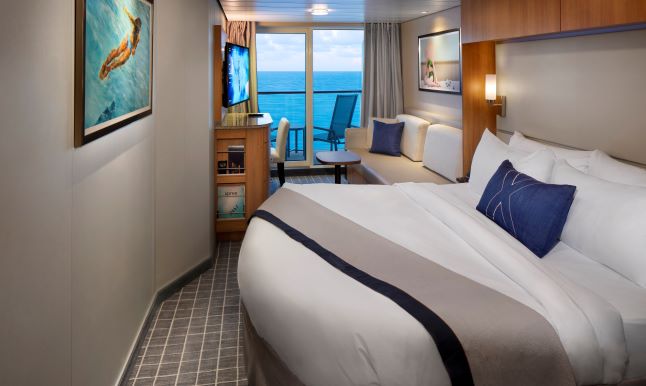
Ultra Deluxe Veranda Stateroom UV.
Ample indoor and outdoor space come together to create your private sanctuary at sea. Relax in a spacious lounge and enjoy amenities that all contribute to your modern luxury experience. Your personal veranda lets you greet the day, enjoy fresh sea breezes, and soak in breathtaking sunsets. Each veranda stateroom includes world-class amenities that all contribute to your modern luxury experience.
Suite/Deluxe
Ultra Deluxe Veranda Stateroom UV.
Ample indoor and outdoor space come together to create your private sanctuary at sea. Relax in a spacious lounge and enjoy amenities that all contribute to your modern luxury experience. Your personal veranda lets you greet the day, enjoy fresh sea breezes, and soak in breathtaking sunsets. Each veranda stateroom includes world-class amenities that all contribute to your modern luxury experience. 800-525-9696
for Pricing
Balcony
AquaClass Stateroom (A2)Each AquaClass stateroom includes the following world-class amenities: Expanded room service breakfast menu. Special invitation to a VIP tour of the spa on embarkation day. Specialty restaurant Blu, serving complimentary, healthy continental breakfast daily and complimentary dinner nightly. Grohe® "shower tower". Aromatherapy diffuser, Euro Face towel. Additional custom blended bath products: facial spray and lip balm. Pillow menu to customize your night’s sleep. Welcome bottle water (upon arrival). Daily delivery of flavored tea. Plush 100% cotton bathrobes and slippers. Double occupancy. Premium ship location close to Canyon Ranch SpaClub®. Two twin beds that are convertible to queen-size (unless stated otherwise) and sitting area, private mini-bar*, interactive Samsung flat-screen television system to view and select shore excursions, order room service, and watch movies*, private safe, and dual voltage 110/220AC outlets. Stateroom: 194 square feet, Veranda 54 sq. ft. *Additional charges apply. (Deck Penthouse)
800-525-9696
for Pricing
Concierge Class Stateroom (C2)All staterooms and suites come complete with private bathroom, vanity area, hair-dryer, interactive TV, radio and phone. Personalized Concierge service. Priority check-in Exclusive embarkation day lunch. Destination Seminar. Exclusive pre-departure lounge. Priority debarkation. Main & specialty restaurant seating time preferences. Welcome sparkling wine and fresh fruit. Daily delivery of afternoon savories. Stateroom: 204 sq ft. veranda 42 sq ft. *Additional charges apply. (Decks Sky & Panorama)
800-525-9696
for Pricing
Prime Veranda Stateroom (V2)Sleeps 2-4. Studio, 1 bath. Stateroom: 192 sqft. Veranda: 54 sqft. Central location: easy access to all decks. Match your preference: midship, forward & aft options. Indoor and outdoor space come together to create your private sanctuary at sea. Relax in a spacious stateroom and enjoy amenities that all contribute to your luxury experience. Your personal veranda lets you greet the day and enjoy fresh sea breezes. (Decks Vista, Sunrise & Continental)
800-525-9696
for Pricing
 Balcony
Prime AquaClass Stateroom A1.
Sleeps 2. Studio, 1 bath. Stateroom: 192 sqft. Veranda: 54 sqft. High deck for expansive views. Midship locations. Dedicated Spa Concierge. Wellness is so fundamental to our philosophy, we offer AquaClass® staterooms for a fully immersive, next-level wellness experience. Prime AquaClass staterooms are well-appointed, personal retreats located in the most-desirable locations on the ship. Savor clean cuisine, including new healthy options, at your exclusive restaurant, Blu. Plus, you’ll enjoy access to the Persian Garden, a spa concierge, a complimentary fitness pass, preferential rates on AquaClass spa packages, daily in-room bottled water service, healthy room-service menu options, and a yoga mat for use on board. We’ve thought of everything so that you can focus on nourishing your mind, body, and spirit.
Balcony
Prime AquaClass Stateroom A1.
Sleeps 2. Studio, 1 bath. Stateroom: 192 sqft. Veranda: 54 sqft. High deck for expansive views. Midship locations. Dedicated Spa Concierge. Wellness is so fundamental to our philosophy, we offer AquaClass® staterooms for a fully immersive, next-level wellness experience. Prime AquaClass staterooms are well-appointed, personal retreats located in the most-desirable locations on the ship. Savor clean cuisine, including new healthy options, at your exclusive restaurant, Blu. Plus, you’ll enjoy access to the Persian Garden, a spa concierge, a complimentary fitness pass, preferential rates on AquaClass spa packages, daily in-room bottled water service, healthy room-service menu options, and a yoga mat for use on board. We’ve thought of everything so that you can focus on nourishing your mind, body, and spirit. 800-525-9696
for Pricing
Balcony
AquaClass Guarantee XA.
Each AquaClass stateroom includes the following world-class amenities:
Expanded room service breakfast menu. Special invitation to a VIP tour of the spa on embarkation day. Specialty restaurant Blu, serving complimentary, healthy continental breakfast daily and complimentary dinner nightly. Grohe® "shower tower". Aromatherapy diffuser, Euro Face towel. Additional custom blended bath products: facial spray and lip balm. Pillow menu to customize your night’s sleep. Welcome bottle water (upon arrival). Daily delivery of flavored tea. Plush 100% cotton bathrobes and slippers. Double occupancy. Premium ship location close to Canyon Ranch SpaClub®. Two twin beds that are convertible to queen-size (unless stated otherwise) and sitting area, private mini-bar*, interactive Samsung flat-screen television system to view and select shore excursions, order room service, and watch movies*, private safe, and dual voltage 110/220AC outlets. Stateroom: 194 sq. ft., Veranda 54 sq. ft.
*Additional charges apply. 800-525-9696
for Pricing
Balcony
Sunset Concierge Class Stateroom SC.
Sleeps 4. Studio, 1 bath. Stateroom: 192 sqft. Veranda: 54 sqft. Aft-facing veranda: mesmerizing views. Priority Debarkation. Little details make a world of difference, and now our meticulously thought out Concierge Class staterooms are even better. Featuring new services, amenities, and exclusive events, step inside and discover a space that is so much more than a room—it’s an experience. As a Concierge Class guest, your team of dedicated professionals will take care of all your vacation needs. 800-525-9696
for Pricing
 Balcony
Prime Concierge Class Stateroom C1.
Sleeps 2-4. Studio, 1 bath. Stateroom: 192 sqft. Veranda: 54 sqft. Higher decks (even more expansive views) and/or midship Priority Debarkation. Our meticulously thought out Prime Concierge Class staterooms with infinite veranda, where the little details make a world of difference, are now even better. Featuring services, amenities, and exclusive events, step inside and discover a room that’s so much more than a room—it’s an experience. Prime Concierge Class staterooms are well-appointed, personal retreats located in the most-desirable locations on the ship.
As a Concierge Class guest, your team of dedicated professionals will take care of all your vacation needs. The in-room automation allows you to control everything from lighting, to shades, to temperature, and service with a simple touch screen. You can even choose a setting that will tuck you in and gently wake you in the morning. It’s world-class service at the touch of a button.
Service:
Enhanced room service breakfast menu
Personalized Concierge service
Exclusive Destination Seminar
Complimentary shoeshine service
Dining:
Main seating time preferences
Exclusive Concierge Class lunch
Amenities:
Welcome sparkling wine*
Daily delectable delights
Pillow selection upon request
Use of golf umbrella and binoculars
Celebrity embossed key holder
Plush 100% cotton towels and bathrobes
Laundry service (with a charge) and complimentary beach towel service
Hairdryer
Custom blended bath products* (shampoo, conditioner, body lotion, soap, shower cap)
Stateroom Features:
Floor-to-ceiling sliding glass door
Sitting area with sofa
Veranda with lounge seating
Balcony
Prime Concierge Class Stateroom C1.
Sleeps 2-4. Studio, 1 bath. Stateroom: 192 sqft. Veranda: 54 sqft. Higher decks (even more expansive views) and/or midship Priority Debarkation. Our meticulously thought out Prime Concierge Class staterooms with infinite veranda, where the little details make a world of difference, are now even better. Featuring services, amenities, and exclusive events, step inside and discover a room that’s so much more than a room—it’s an experience. Prime Concierge Class staterooms are well-appointed, personal retreats located in the most-desirable locations on the ship.
As a Concierge Class guest, your team of dedicated professionals will take care of all your vacation needs. The in-room automation allows you to control everything from lighting, to shades, to temperature, and service with a simple touch screen. You can even choose a setting that will tuck you in and gently wake you in the morning. It’s world-class service at the touch of a button.
Service:
Enhanced room service breakfast menu
Personalized Concierge service
Exclusive Destination Seminar
Complimentary shoeshine service
Dining:
Main seating time preferences
Exclusive Concierge Class lunch
Amenities:
Welcome sparkling wine*
Daily delectable delights
Pillow selection upon request
Use of golf umbrella and binoculars
Celebrity embossed key holder
Plush 100% cotton towels and bathrobes
Laundry service (with a charge) and complimentary beach towel service
Hairdryer
Custom blended bath products* (shampoo, conditioner, body lotion, soap, shower cap)
Stateroom Features:
Floor-to-ceiling sliding glass door
Sitting area with sofa
Veranda with lounge seating 800-525-9696
for Pricing
Balcony
Concierge Class Stateroom C3.
All staterooms and suites come complete with private bathroom, vanity area, hair-dryer, interactive TV, radio and phone.
Personalized Concierge service. Priority check-in Exclusive embarkation day lunch. Destination Seminar. Exclusive pre-departure lounge. Priority debarkation. Main & specialty restaurant seating time preferences. Welcome sparkling wine and fresh fruit. Daily delivery of afternoon savories. Stateroom: 204 sq ft. veranda 42 sq ft.
*Additional charges apply. 800-525-9696
for Pricing
 Balcony
Concierge Class Veranda C4.
All staterooms and suites come complete with private bathroom, vanity area, hair-dryer, interactive TV, radio and phone.
Personalized Concierge service. Priority check-in Exclusive embarkation day lunch. Destination Seminar. Exclusive pre-departure lounge. Priority debarkation. Main & specialty restaurant seating time preferences. Welcome sparkling wine and fresh fruit. Daily delivery of afternoon savories. Stateroom: 204 sq ft. veranda 42 sq ft.
Balcony
Concierge Class Veranda C4.
All staterooms and suites come complete with private bathroom, vanity area, hair-dryer, interactive TV, radio and phone.
Personalized Concierge service. Priority check-in Exclusive embarkation day lunch. Destination Seminar. Exclusive pre-departure lounge. Priority debarkation. Main & specialty restaurant seating time preferences. Welcome sparkling wine and fresh fruit. Daily delivery of afternoon savories. Stateroom: 204 sq ft. veranda 42 sq ft. 800-525-9696
for Pricing
Balcony
Concierge Class Guarantee XC.
800-525-9696
for Pricing
Balcony
Sunset Veranda Stateroom SV.
All staterooms and suites come complete with private bathroom, vanity area, hair-dryer, interactive TV, radio and phone. Twice daily service (makeup and turndown). Celebrity eXhale™ bedding. Private safe. 24-hour room service. Private mini-bar. Complimentary tote bag. Custom blended bath products. Interactive Samsung flat-screen television. Personal veranda. Our signature, personalized service. Daily makeup and turndown service. 24-hour room service. Complimentary robe and tote bag. Celebrity eXhale™ bedding. Private mini-bar. Interactive Samsung flat-screen television. Private safe. Custom blended bath products.
*Additional charges apply. 800-525-9696
for Pricing
Balcony
Deluxe Veranda Stateroom DV.
Sleeps 2-4. 192 Sq Ft / 54 Sq Ft. Floor-to-ceiling windows and glass doors. Veranda with lounge seating Ample indoor and outdoor space come together to create your private sanctuary at sea. Relax on your spacious veranda and enjoy amenities that all contribute to your luxury experience. Your personal veranda lets you greet the day and enjoy fresh sea breezes. 800-525-9696
for Pricing
Balcony
Prime Veranda Stateroom V1.
Sleeps 2-4. Studio, 1 bath. Stateroom: 192 sqft. Veranda: 54 sqft. Higher decks (even more expansive views) and/or midship. Add convenience, space: midship rooms can connect. Indoor and outdoor space come together to create your private sanctuary at sea. Relax in a spacious stateroom and enjoy amenities that all contribute to your luxury experience. Prime Veranda staterooms are well-appointed, personal retreats located in the most-desirable locations on the ship. 800-525-9696
for Pricing
Balcony
Veranda Stateroom V3.
Sleeps 2-4. Studio, 1 bath. Stateroom: 192 sqft. Veranda: 54 sqft. Indoor and outdoor space come together to create your private sanctuary at sea. Relax in a spacious stateroom and enjoy amenities that all contribute to your luxury experience. Your personal veranda lets you greet the day and enjoy fresh sea breezes. 800-525-9696
for Pricing
 Balcony
Veranda Stateroom V4.
Relax in a spacious stateroom where indoor and outdoor space come together to create your private sanctuary at sea. Your personal veranda lets you greet the day and enjoy fresh sea breezes.
Sleeps 2-4. Studio, 1 bath. Stateroom: 192 sqft. Veranda: 54 sqft.
Balcony
Veranda Stateroom V4.
Relax in a spacious stateroom where indoor and outdoor space come together to create your private sanctuary at sea. Your personal veranda lets you greet the day and enjoy fresh sea breezes.
Sleeps 2-4. Studio, 1 bath. Stateroom: 192 sqft. Veranda: 54 sqft. 800-525-9696
for Pricing
Balcony
Veranda Stateroom (Partial View) V5.
Sleeps 2-4. Studio, 1 bath. Stateroom: 192 sqft. Veranda: 54 sqft. View partially blocked on lower deck. Location options span deck 6. Indoor and outdoor space come together to create your private sanctuary at sea. Relax in a spacious stateroom and enjoy amenities that all contribute to your luxury experience. Your personal veranda lets you greet the day and enjoy fresh sea breezes. 800-525-9696
for Pricing
Balcony
Veranda Guarantee X.
All staterooms and suites come complete with private bathroom, vanity area, hair-dryer, interactive TV, radio and phone. Our signature friendly, personalized service, Custom blended bath products. Interactive Samsung flat-screen television. Twice daily service (makeup and turndown). Celebrity eXhale™ bedding. Private safe. 24-hour room service. Private mini-bar. Complimentary tote bag. 800-525-9696
for Pricing
Outside
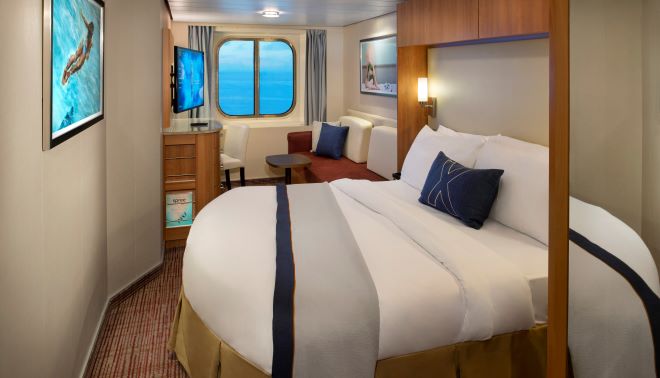 Ocean View Stateroom (O2)
Sleeps 2-4. Studio, 1 bath. Stateroom: 176 sqft. Large porthole window. Forward on Deck 3. Ocean View staterooms, the ideal place to unwind at sea. These perfectly indulgent spaces come furnished with Celebrity’s eXhale(R) bedding featuring the luxury king sized* mattress and everything else a modern traveler needs. (Deck Plaza)
800-525-9696
for Pricing
Outside
Prime Ocean View Stateroom O1.
Sleeps 2-4. Studio, 1 bath. Stateroom: 176 sqft. Unique forward-facing window on higher decks. Or midship on Deck 3. Expansive views make Ocean View staterooms the ideal place to unwind at sea. These perfectly indulgent spaces come furnished with Celebrity’s eXhale(R) bedding featuring the luxury king sized* mattress and everything else a modern traveler needs. Prime Ocean View staterooms are well-appointed, personal retreats located in the most-desirable locations on the ship. 800-525-9696
for Pricing
Outside
Ocean View Guarantee Y.
800-525-9696
for Pricing
Inside
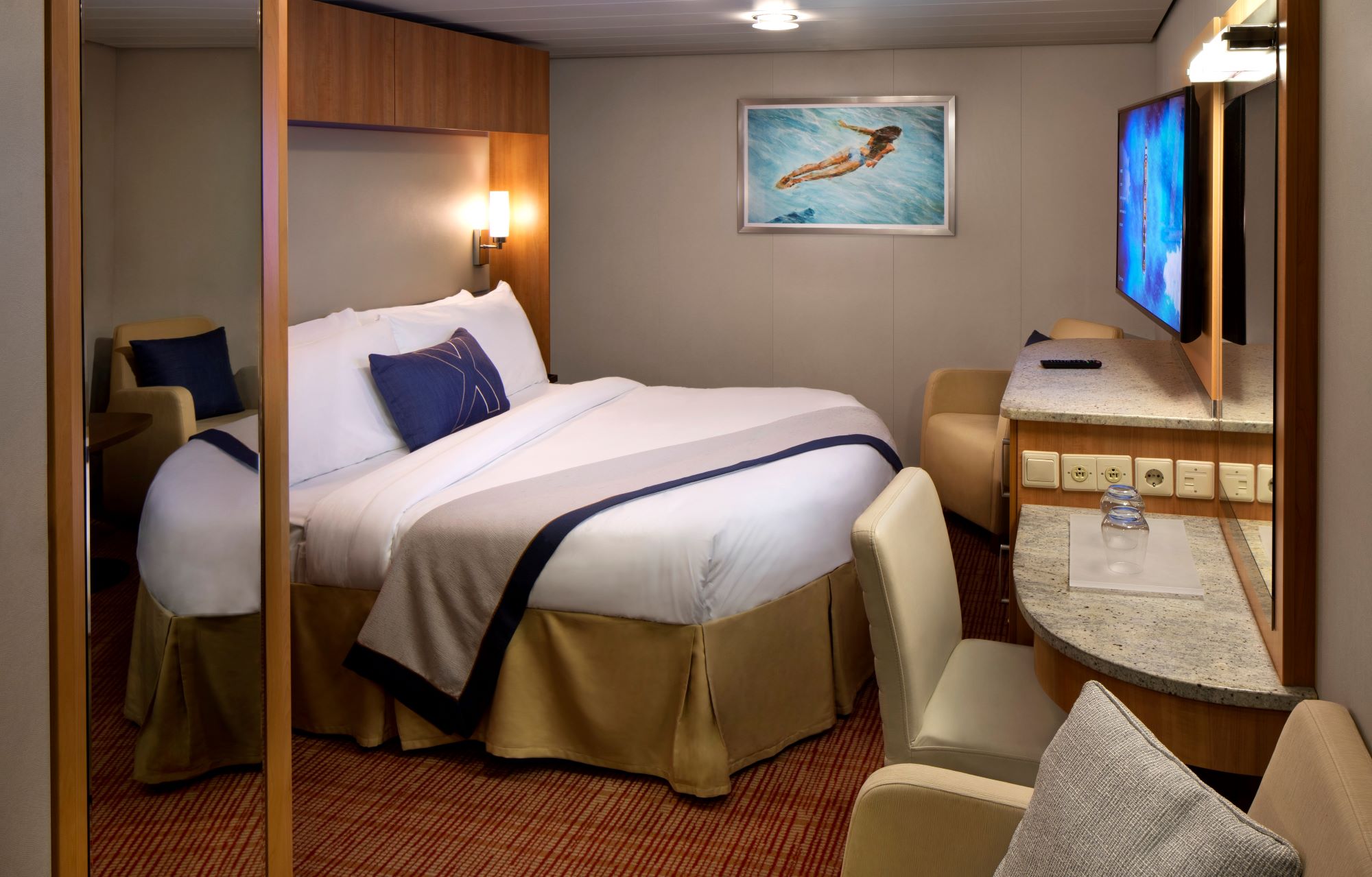 Inside Stateroom (I2)
All staterooms and suites come complete with private bathroom, vanity area, hair-dryer, interactive TV, radio and phone. Queen size bed convertible to two lower beds (except as noted). Some staterooms may have a trundle bed. Dual voltage 110/220 AC. Plentiful storage space in your bathroom and wardrobe. Interactive flat-screen TVs, individual safe and mini-fridge**. Stateroom: 174 sq. ft. **Additional charges apply (Decks Plaza, Sunrise & Vista)
800-525-9696
for Pricing
Inside
Prime Inside Stateroom I1.
Sleeps 2. Studio, 1 bath. 183 sqft. Higher decks: closer to pool, other outdoor venues. Midship, forward & aft options. Your escape at sea, Inside staterooms offer ample living space, including a sitting area and a flat screen TV. Each inside stateroom on board Celebrity includes world-class amenities. Prime Inside staterooms are well-appointed, personal retreats located in the most-desirable locations on the ship. 800-525-9696
for Pricing
Inside
Inside Guarantee Z.
Sleeps 2-4. Studio, 1 bath. 183 sqft. Central or lower decks. Forward, midship & aft options. Limited number are midship on Deck 3. Your escape at sea, Inside staterooms offer ample living space, including a sitting area and a flat screen TV. Each inside stateroom on board Celebrity includes world-class amenities. 800-525-9696
for Pricing
Before & After Your Cruise
Embarkation City: Barcelona
Hotels
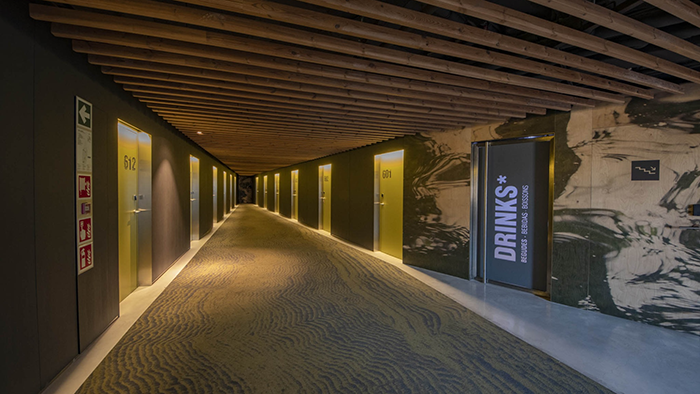

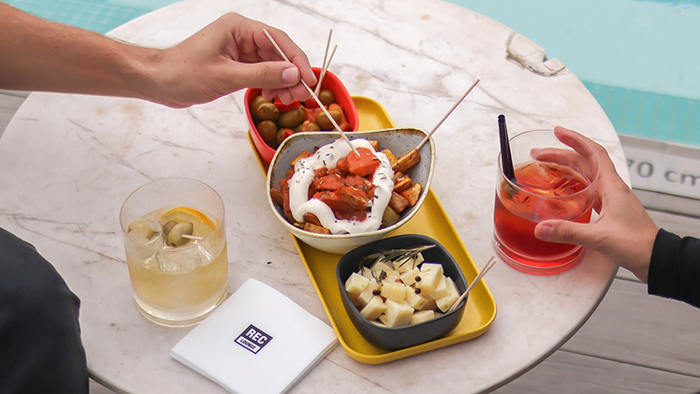
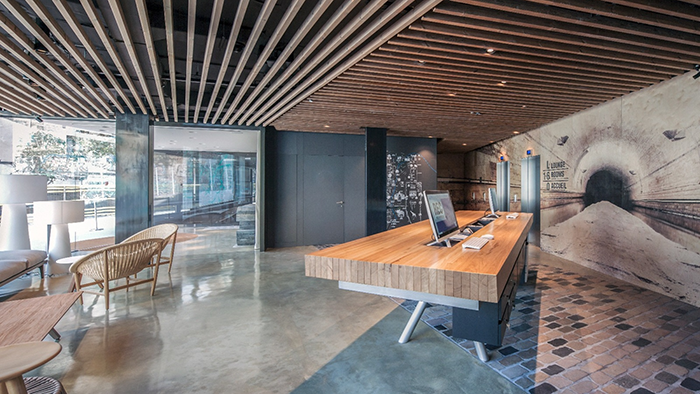
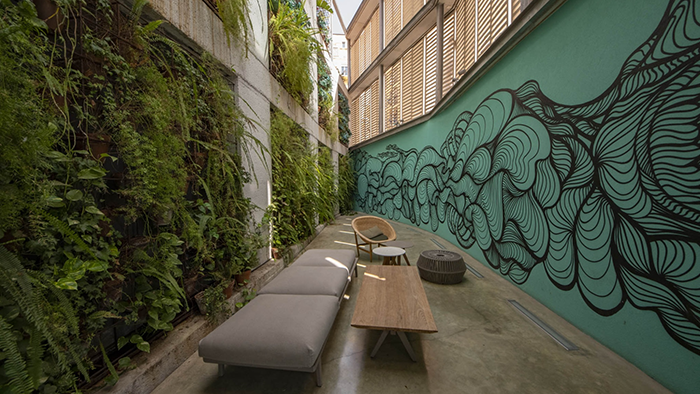
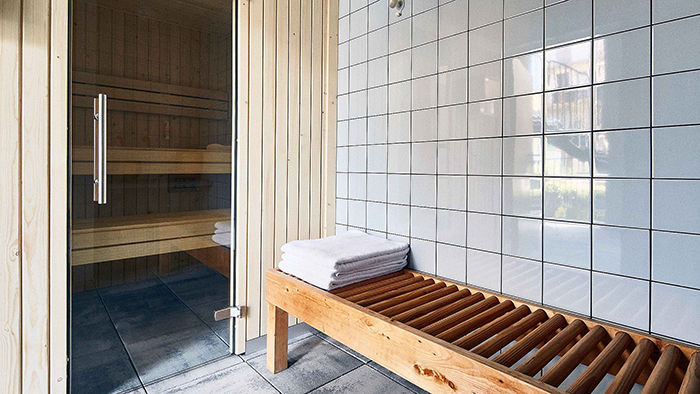
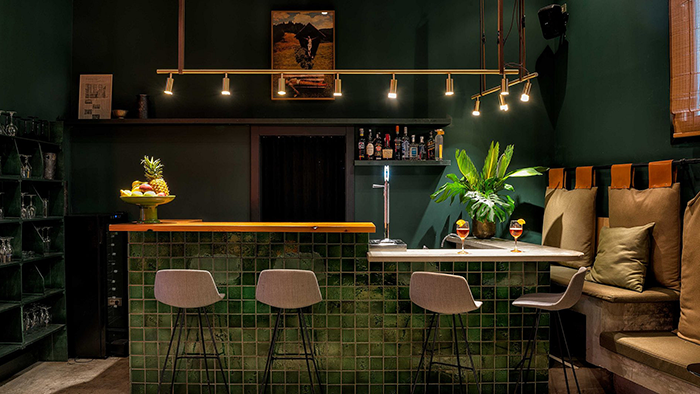
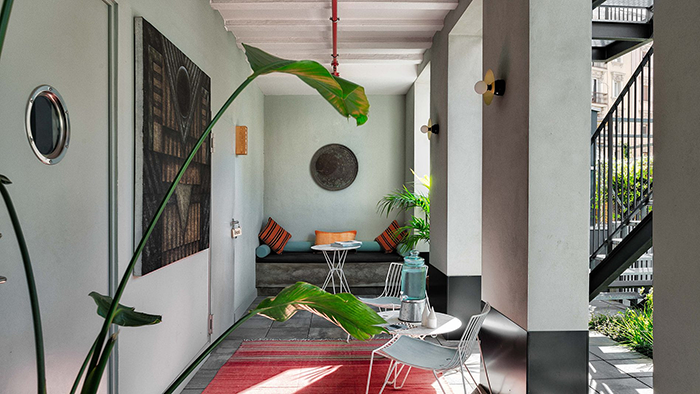
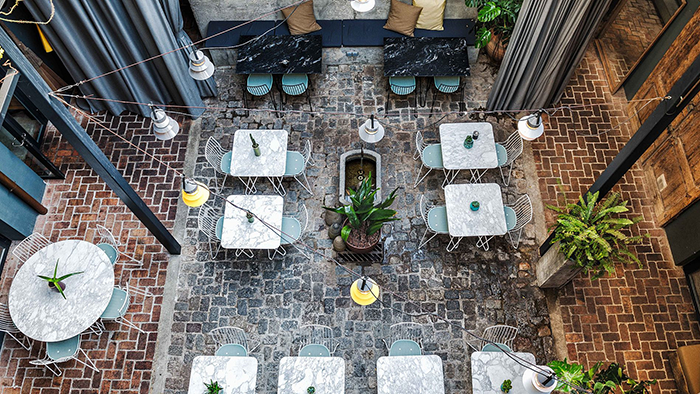
Hotel REC Barcelona
A Modern Adults-Only Hotel
Carrer del Rec Comtal, 19, 08003 Barcelona, Spain — Barcelona
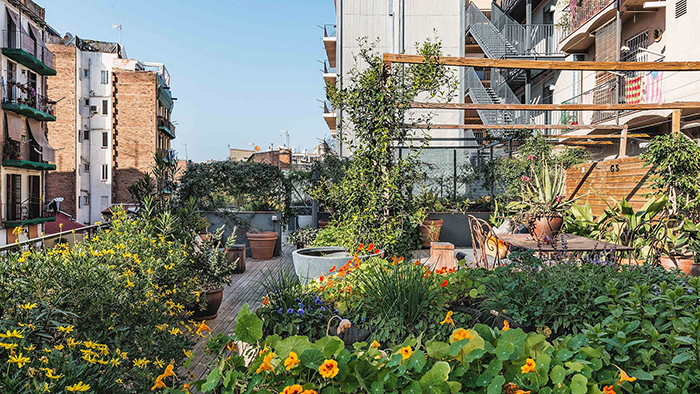
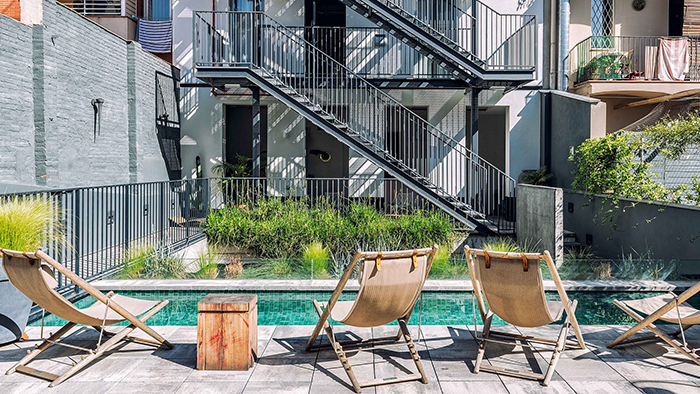
Hotel Brummell
A Cozy Urban Oasis
C/ Nou de la Rambla, 174, 08004 Barcelona, Spain — Barcelona
Debarkation City: Lisbon
Hotels
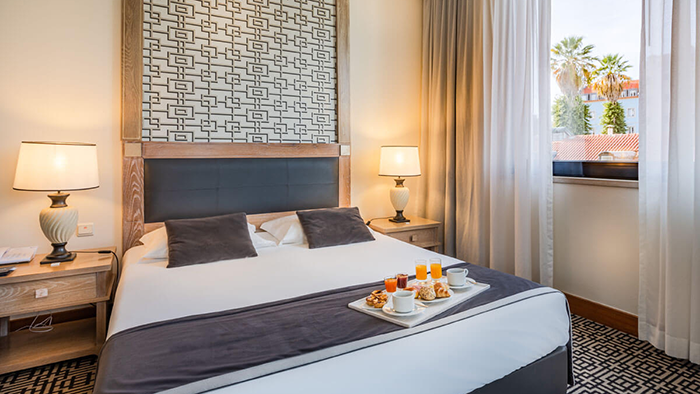
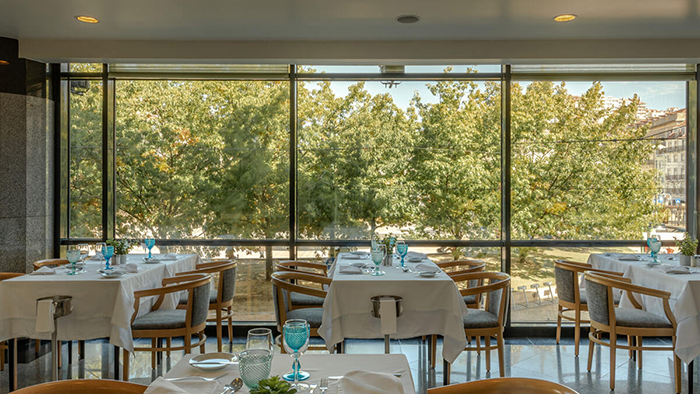
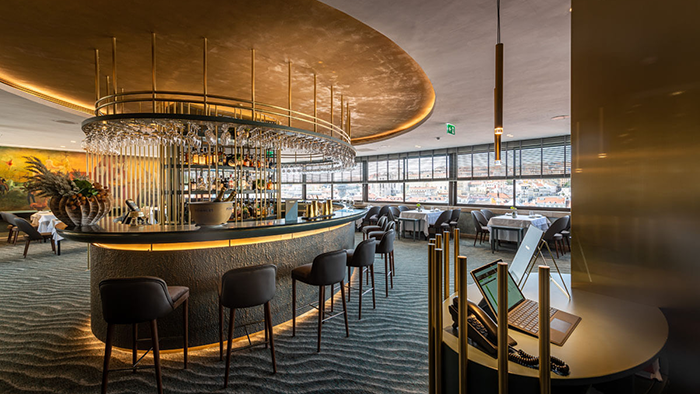
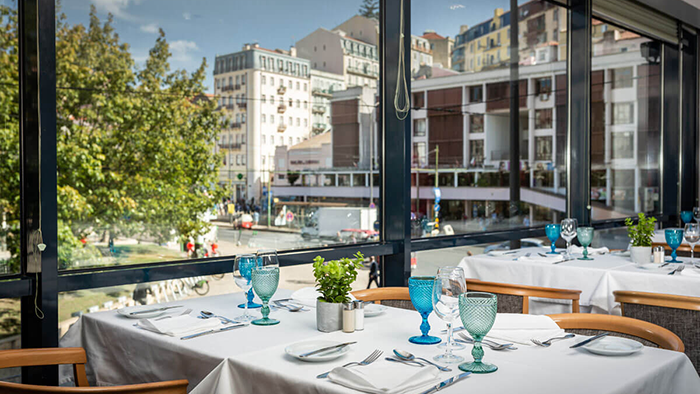
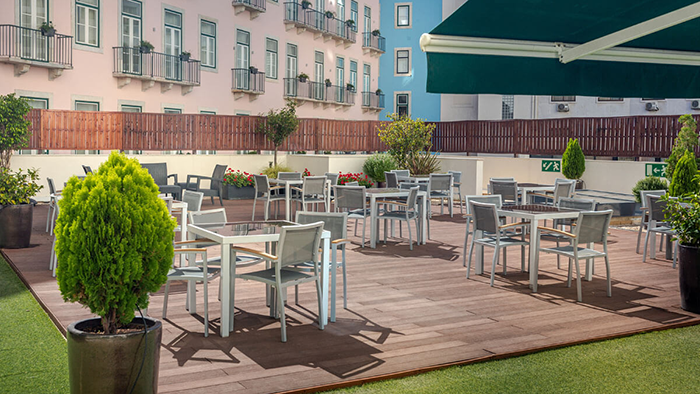
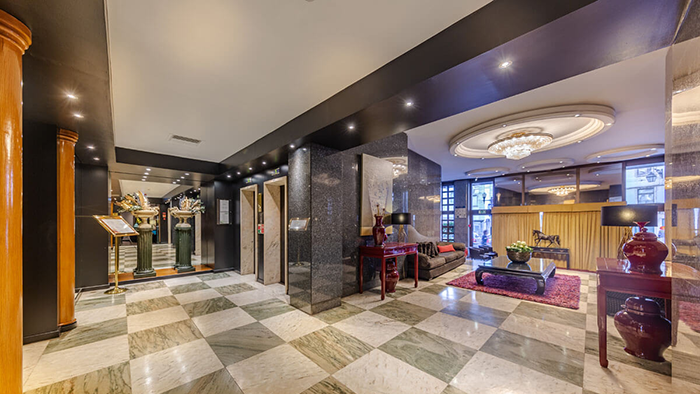
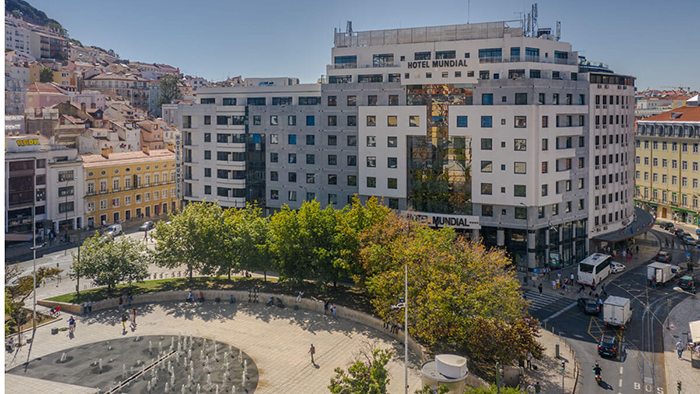
Hotel Mundial
Marked by Character and Identity
Praça Martim Moniz 2, 1100-341 Lisboa, Portugal — Lisbon
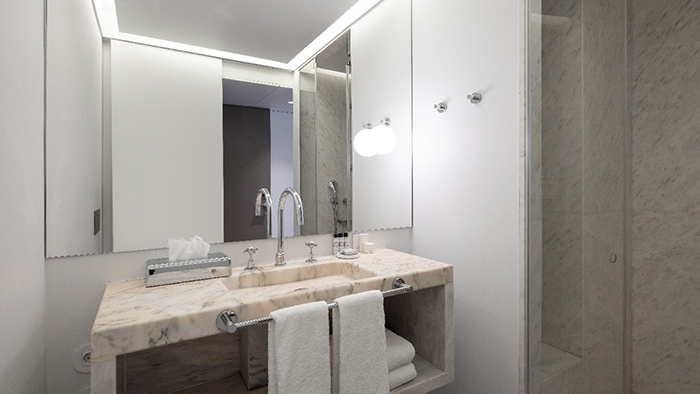
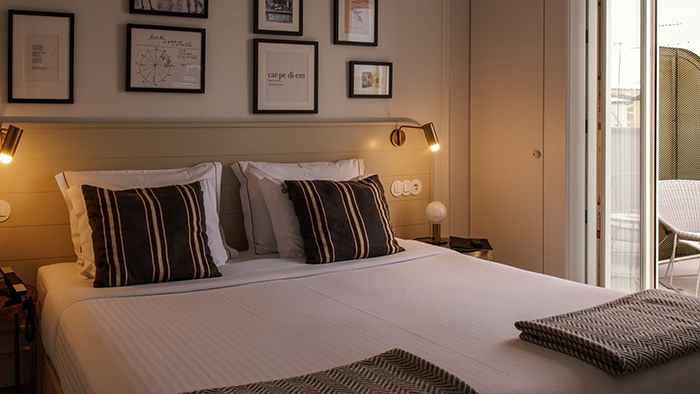
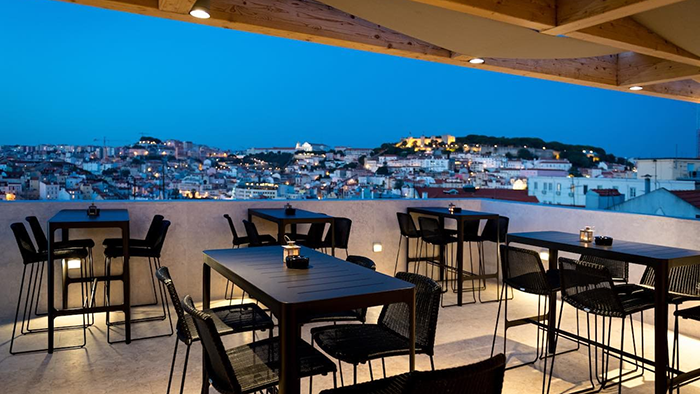
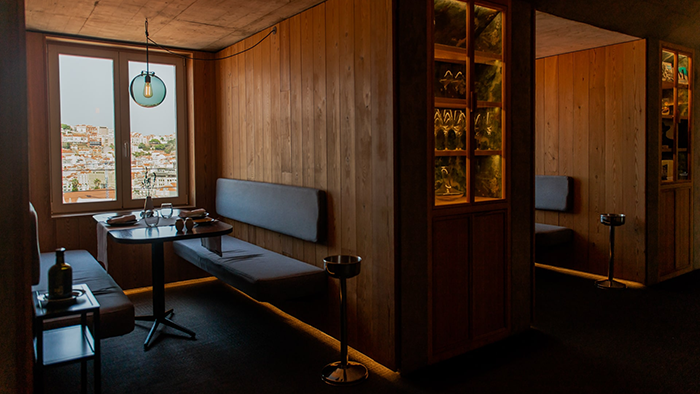
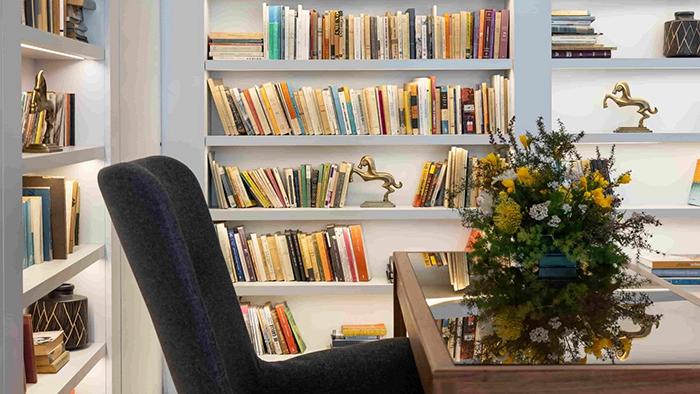
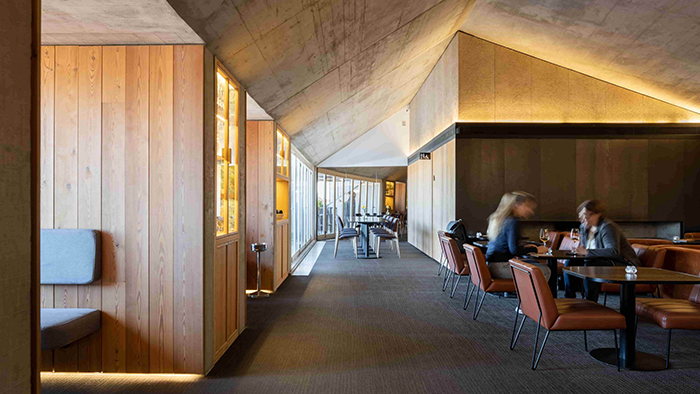

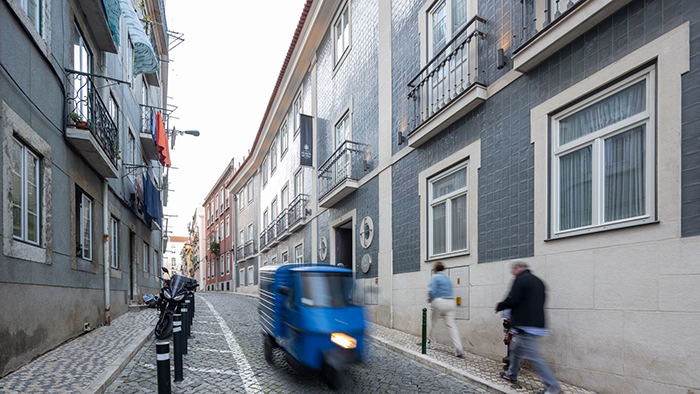
Lisboa Pessoa Hotel
Boutique Hotel in the Center of Lisbon
R. da Oliveira ao Carmo 8, 1200-309 Lisboa, Portugal — Lisbon
Protect Your Trip with Allianz Travel Insurance
Allianz Travel Insurance plans can give you flexibility and support when your trip doesn’t go quite as planned. From unexpected flight issues to covered trip cancellations, travel emergencies, and more, travel insurance can help you manage unforeseen events that may impact your trip—giving you peace of mind from the moment you book your trip through your return home.
For an instant quote:
- Simply provide a few short details about your trip
- Review the available protection plans
- Enjoy the peace of mind you deserve
Why Protect your Trip?
Whether you’re planning your next trip or you recently booked one, travel insurance can help smooth over many unexpected travel glitches—while putting your mind at ease, knowing you’re off the hook for covered expenses that could arise from them.
Allianz Travel Insurance plans can provide you benefits and professional support when a covered situation comes up before or during your trip. The following examples may qualify for benefits:
- Cancelling your trip after unexpectedly becoming too sick to travel
- Taking care of a sick or injured traveling companion
- Having to end your trip early due to a family emergency
- Dealing with a flight delay or cancellation
- Needing to buy personal items if your luggage is lost or stolen
- Missing your cruise departure after a covered flight delay
You also can contact our travel protection partner Allianz Global Assistance’s 24/7, award-winning customer service for on-the-go assistance with issues like a medical emergency, replacing your lost passport, or making reservations around the world. To be eligible for a time-sensitive waiver of pre-existing medical condition exclusions, purchase your travel insurance plan within 14 days of initial trip deposit (other purchase requirements and conditions apply). Specific plan benefits may vary. Please review your plan details for more information.
What Can Travel Insurance Help Protect?
Allianz Travel Insurance plans can protect you before and during your trip—keeping you, your loved ones, and your travel budget safer. Benefits vary by plan, and these are brief descriptions. Please read your plan documents for details.
TRIP CANCELLATION
Reimburses your prepaid, non-refundable travel expenses if you need to cancel your trip due to a covered reason, such as you, a family member, or traveling companion experiencing a covered illness or injury. Examples include:
- A doctor says you or a traveling companion is too sick to fly
- Your parent or child requires hospitalization
- You need to attend the birth of a family member’s child
- You have a traffic accident (not breakdown) on the way to the airport
- A storm shuts down your airport for 24 hours or more
TRIP INTERRUPTION
Reimburses your unused, non-refundable travel expenses and increased transportation costs during your trip if you have to return home early due to a covered reason, for instance when a family member has a qualifying medical emergency and needs your care. Examples include:
- You have a covered illness or injury and a doctor says you must return home
- A family member has a qualifying injury and needs your care
- A covered emergency, like a fire or flood, makes your home uninhabitable
TRAVEL DELAY
If you have a covered delay while traveling, travel insurance can reimburse you for meals, accommodations, and transportation expenses when your trip is delayed for a minimum number of consecutive hours for a covered reason. Minimum number of hours varies by plan.
EMERGENCY MEDICAL AND DENTAL CARE
Reimburses your expenses related to covered medical and dental emergencies* that might occur on your trip. This benefit can be especially helpful if you have a covered emergency outside the United States, as most health insurance policies won’t cover you outside the country. Examples include:
- You slip and break your ankle while sightseeing
- You get food poisoning while sampling the local cuisine
- You lose a filling and need immediate dental treatment*
*A sublimit and maximum apply for this benefit. Check your plan documents for details.
EMERGENCY MEDICAL TRANSPORTATION
Arranges and pays for medically necessary transportation following a covered injury or illness to the nearest appropriate medical facility to receive care and get you home after treatment.
BAGGAGE LOSS, DAMAGE, or THEFT
Reimburses the replacement of your lost, damaged, or stolen luggage and personal items while traveling.
BAGGAGE DELAY
Reimburses essential items purchased during your trip if your baggage is delayed for a minimum number of hours (varies by plan).
CHANGE FEE
Reimburses fees if you need to change your flight itinerary due to a covered reason.
24-HOUR ASSISTANCE
Provides around-the-clock support during your trip. Allianz Global Assistance’s staff of multilingual problem solvers can help you with medical, legal, and travel-related emergencies whenever they happen. Medical assistance may include, but is not limited to:
- Medical triage with referrals to local prescreened medical providers
- Ongoing medical monitoring
- Payment guarantee
- Emergency medical transportation
Additional services for travel-related emergencies can help with:
- Missed connecting flights
- Lost/stolen travel documents
- Pre-trip information
- Prescription replacements
Our Promise to You
When you purchase any Allianz Travel Insurance plan, you automatically get 15 days (or more, depending on your state of residence) to review your policy documents. Within that period, you can cancel your plan for a full refund if you’re not satisfied, as long as you haven’t filed a claim or departed on your trip.
Need Help Along the Way?
Contact Allianz Global Assistance’s award-winning team of travel experts. Call anytime for assistance navigating travel mishaps overseas or in the U.S.—or help with everything from reporting lost baggage to locating emergency medical treatment. They can also help you replace passports, refer you to legal assistance, secure cash from home in case of emergency, and guarantee payment when you need to be admitted to a hospital, in some instances.
Contact Allianz Global Assistance
Phone (24/7):
1-800-284-8300 (within the U.S., Canada, Puerto Rico, and the U.S. Virgin Islands)
1-804-281-5700 (outside of the U.S., call collect)
File or Track a Claim
It’s easy and convenient to file and track a claim, upload documents, and more online. Start your claim using your email address or policy number.
File a ClaimIf you need help filing a claim or understanding the claims process, visit the Allianz Global Assistance Claims Center.
Update Your Plan
If you need to update your travel insurance plan, such as adjusting the dates of your plan to reflect itinerary changes, please contact us or manage your plan online so your plan reflects your entire itinerary and provides the right amount of protection for your travels.
Manage My PlanAbout Allianz Global Assistance
Allianz Global Assistance is a world leader in travel insurance and assistance, helping millions of travelers across the globe every year. Allianz Global Assistance is owned by Allianz SE, the world’s largest diversified insurance company. For over 100 years, Allianz SE has helped protect important milestones in American history, insuring the Wright Brothers’ first flight and Golden Gate Bridge construction.
Terms, conditions, and exclusions apply including for pre-existing medical conditions. Insurance benefits underwritten by BCS Insurance Company (OH, Administrative Office: 2 Mid America Plaza, Suite 200, Oakbrook Terrace, IL 60181), rated “A” (Excellent) by A.M. Best Co., under BCS Form No. 52.201 series or 52.401 series, or Jefferson Insurance Company (NY, Administrative Office: 9950 Mayland Drive, Richmond, VA 23233), rated “A+” (Superior) by A.M. Best Co., under Jefferson Form No. 101-C series or 101-P series, depending on your state of residence and plan chosen. A+ (Superior) and A (Excellent) are the 2nd and 3rd highest, respectively, of A.M. Best’s 13 Financial Strength Ratings. Plans only available to U.S. residents and may not be available in all jurisdictions. Allianz Global Assistance and Allianz Travel Insurance are marks of AGA Service Company dba Allianz Global Assistance or its affiliates. Allianz Travel Insurance products are distributed by Allianz Global Assistance, the licensed producer and administrator of these plans and an affiliate of Jefferson Insurance Company. The insured shall not receive any special benefit or advantage due to the affiliation between AGA Service Company and Jefferson Insurance Company. Plans include insurance benefits and assistance services. Any Non-Insurance Assistance services purchased are provided through AGA Service Company. Except as expressly provided under your plan, you are responsible for charges you incur from third parties. Contact AGA Service Company at 800-284-8300 or 9950 Mayland Drive, Richmond, VA 23233 or customerservice@allianzassistance.com.