OUR OFFICE HOURS

Mon-Fri 8:30am-6:00pm EST
Sat 10:00am-2:00pm EST

University at Sea®
A Division of Continuing Education, Inc.
5700 4th St. N.
St Petersburg, Florida 33703
Cruise Conference Planning For Your Association

Cardiometabolic Medicine, Advanced Lipidology, and Geriatrics

12-Night Best of Japan Cruise
Round-trip Tokyo (Yokohama), Japan
October 17 - 29, 2025
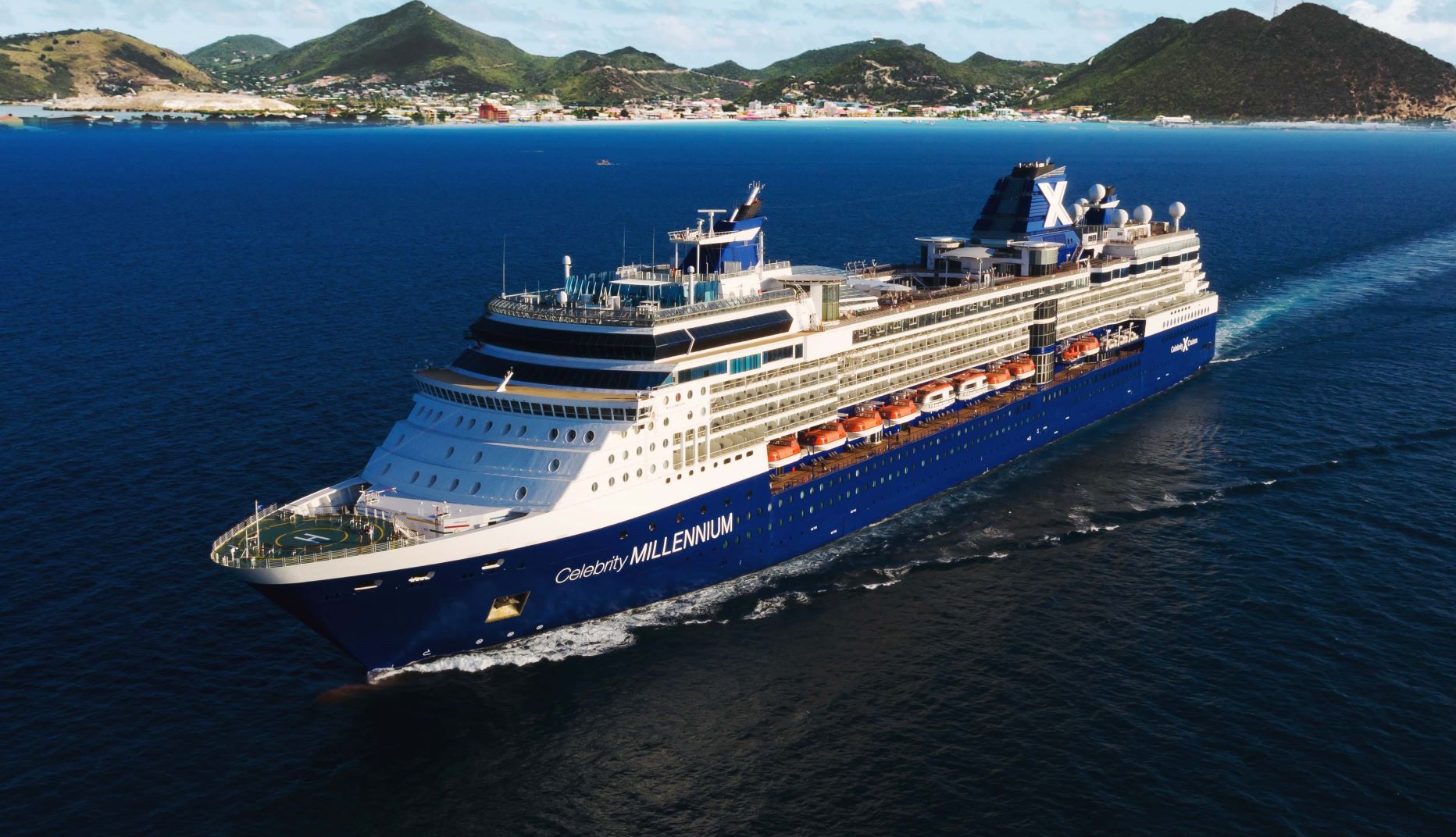
<em>Celebrity Millennium</em>
Celebrity Millennium
20 AMA PRA Category 1 Credits™
20 ANCC Contact Hours
Course Fees
$1,095.00 for Physicians
$850.00 for Nurse Practitioners, Physician Assistants
$695.00 for Nurses

Target Audience
Physicians, Nurse Practitioners, Physician Assistants, Nurses
IMPORTANT NOTE: All conferees, their families, and guests must book their cruise within the University at Sea® meeting group through University at Sea® at 800-926-3775 or by registering online. This ensures our company can provide conference services and complimentary social amenities to all meeting participants and their guests. Thank you for your cooperation.
Faculty

Tara Dall, MD, FNLA

Tara Dall, MD, FNLA
Dr. Tara Dall is a board certified lipidologist with roots in family medicine and training at the University of Wisconsin Madison. She has spent the last 15 years using advanced biomarker testing in the clinical care of patients. She graduated in the inaugural class of Diplomates of the American Board of Clinical Lipidology in 2005. Her center achieved national recognition as the first fully certified Level II lipid clinic in the United States. In 2008, Dr. Dall formed the Early Detection Center for heart disease and diabetes near Madison, Wisconsin and served as a clinical associate professor for the Medical College of Wisconsin. Two years later, she brought her fight against heart disease to the web, co-founding Lecturepad.org and FHITtv.org, web platforms that advance clinical understanding and application of advanced lipid and biomarker testing. For 3 years Dr. Dall served as Chief Medical Officer of Health Diagnostic Laboratory. As an author and educator on biomarker research focused on the role that insulin resistance plays in diabetes prevention she has expanded the education of physicians to prevent chronic disease. She has a special interest in insulin resistance's role in cardiovascular disease, women's heart disease, Autoimmune disease, polycystic ovarian syndrome, and obesity. She also serves as chief of cardiometabolic education at the non-profit Foundation for Health Improvement and Technology (FHIT). Known for her passionate delivery of complex medical topics in patient-friendly terms, Dr. Dall is a sought after speaker, traveling the world to present research on advanced biomarkers. She is a also a regular go-to for reporters, appearing on Bloomberg News, CBS Sports, CNN Radio, Reach MD Satellite Radio, and RadioHealth Journal. She was also a regular guest on KTXD-TV's The Broadcast in Dallas, as well as programs on wabcradio.com (Optimal wellness and Forever Young). She continues to practice medicine as a physician founder of AvanceMD Concierge in Richmond, VA which incorporates cutting edge web based technology to the human touch of medicine, providing services to local as well as national and international clients.
David A. LeVine, MD, CMD

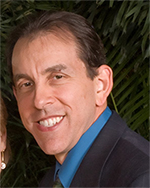
David A. LeVine, MD, CMD
Dr. David LeVine is board-certified in Family Medicine with Added Qualifications in Geriatric Medicine through the American Board of Family Medicine and the American Board of Internal Medicine. He is Chief Medical Officer of Menorah Life in St. Petersburg, Florida. He has been Medical Director at Menorah Life’s Marion and Joseph Samson 180 bed skilled nursing facility for the past 35 years. He has served as Medical Director at Arden Courts of Seminole (ALF specializing in memory care). He has served as Medical Director of the Geriatric Assessment Program (for early dementia detection) in St. Petersburg. He was awarded nationally as Medical Director of the Year by AMDA- Society for Post-Acute and Long-Term Care Medicine 2016. On November 5, 2022, he received the Quality Champion Award from Florida Society for Post-Acute and Long-Term Care Medicine for dedication, leadership, engagement, and innovation. He is currently in private practice with MDVIP. He is a nationally recognized “Five-Year Castle Connolly Top Doctor” and has been featured in Tampa Bay Metro Magazine. He received the 2014 Humanitarian Award from the Association of Jewish Aging Services. Dr. LeVine has served as an Adjunct Clinical Associate Professor of Lake Erie College of Osteopathic Medicine (LECOM) and a Clinical Associate Professor of Kansas City University of Medicine and Biosciences College of Osteopathic Medicine. He has been the clinical preceptor of the geriatric rotation at three different residency programs in St. Petersburg, Florida for over 20 years. He continues to lecture locally and nationally and for University at Sea. He currently lives in Seminole, Florida with his wife, Janice. He has four adult children.

Our staff can assist you with all your travel arrangements.

Questions? Call us at 800-422-0711.
We can assist you with all your travel arrangements. We'd be happy to help you plan your flights, hotels or tours before and/or after your cruise conference.

Cruise Itinerary

DATE PORT OF CALL ARRIVE DEPART
Fri Oct 17 Tokyo (Yokohama), Japan
- 5:00 pm
Sat Oct 18 Shimizu (Mt. Fuji), Japan
7:00 am 4:00 pm
Sun Oct 19 Kyoto (Osaka), Japan
Lectures 8:30 AM - 10:30 AM
11:00 am -
Mon Oct 20 Kyoto (Osaka), Japan
- 6:00 pm
Tue Oct 21 Kochi, Japan
8:00 am 5:00 pm
Wed Oct 22 Hiroshima, Japan
9:00 am 6:00 pm
Thu Oct 23 *At Sea - Cruising
Lectures 8:30 AM - 12:30 PM, 1:30 PM - 3:30 PM
- -
Fri Oct 24 Busan, South Korea
7:00 am 5:00 pm
Sat Oct 25 *At Sea - Cruising
Lectures 8:30 AM - 12:30 PM, 1:30 PM - 3:30 PM
- -
Sun Oct 26 Hakodate, Japan
10:30 am 8:00 pm
Mon Oct 27 Aomori, Japan
7:00 am 4:00 pm
Tue Oct 28 *At Sea - Cruising
Lectures 8:30 AM - 12:30 PM, 1:30 PM - 3:30 PM
- -
Wed Oct 29 Tokyo (Yokohama), Japan
6:30 am -
*Tentative course schedule, actual class times may differ.

Ports of Call

Tokyo (Yokohama), Japan - Your cruise begins and ends in Yokohama, a vibrant port city that serves as the primary maritime gateway to the boundless energy of Tokyo. To treat this as a mere transit point is to miss one of the world's most profound travel experiences. We strongly recommend dedicating at least three to four days before or after your voyage to immerse yourself in the captivating rhythm of Tokyo, a city that masterfully balances its deep-rooted traditions with an unrelenting push toward the future. **From Port to Metropolis: Getting Your Bearings** The Port of Yokohama is exceptionally well-connected. A short walk or taxi ride from the cruise terminal brings you to multiple train stations, where frequent and efficient services can whisk you into the heart of Tokyo in about 30-45 minutes. Navigating the system is straightforward, with English signage and helpful station staff. Securing a Suica or Pasmo card (a rechargeable IC card) upon arrival simplifies travel on virtually all trains and subways, allowing you to tap and go with ease. **A Suggested Framework for Exploration** Tokyo is not a city to be seen in a single day; it's a collection of distinct cities, each with its own character. Structuring your time by neighborhood is the most effective approach. **Day 1: The Imperial Past and Ginza's Gleam** Begin your exploration near Tokyo Station, a landmark in itself. From here, it’s a pleasant walk to the Imperial Palace East Garden, the former site of Edo Castle. The grounds offer a serene escape, with manicured lawns, ancient stone walls, and historic guardhouses providing a stark contrast to the surrounding skyscrapers. Afterward, stroll to the nearby Ginza district. While known for its flagship luxury stores, Ginza’s true treasures are often found in its art galleries and the spectacular basement food halls (*depachika*) of its department stores, like Mitsukoshi or Matsuya. These are culinary showcases, offering everything from exquisite bento boxes to delicate pastries, perfect for a high-quality, accessible lunch. In the evening, travel to Shinjuku. For a panoramic view of the city's sprawl, bypass the paid towers and head to the free observation decks of the Tokyo Metropolitan Government Building. As dusk settles, the city transforms into a sea of light. Later, explore the narrow, lantern-lit alleyways of Omoide Yokocho (“Memory Lane”) for rustic yakitori and a glimpse into post-war Tokyo, or the tiny, atmospheric bars of Golden Gai. **Day 2: Sacred Traditions and Electric Dreams** Start your day in Asakusa, the heart of old Tokyo. Approach the magnificent Sensō-ji Temple, the city’s oldest, through the Nakamise-dori, a bustling market street lined with traditional snacks and souvenirs. The energy here is palpable, a living connection to centuries of history. For a different perspective, consider a short Sumida River cruise from Asakusa Pier, offering unique views of the city skyline and landmarks like the Tokyo Skytree. In the afternoon, make your way to Ueno Park, a vast cultural hub. It’s home to some of Japan's most important museums, including the Tokyo National Museum, which holds the world's largest collection of Japanese art. For a more raucous, local experience, dive into the Ameya Yokocho market just outside the park, a whirlwind of vendors selling everything from fresh fish to discount sneakers. As evening approaches, immerse yourself in the sensory overload of Akihabara. Known as “Electric Town,” it’s the epicenter of anime, manga, and gaming culture. Even if you’re not a fan, witnessing the towering buildings plastered with colorful characters and the sheer energy of the place is a cultural experience in itself. **Day 3: Serenity, Style, and the Scramble** Begin your morning with a visit to Meiji Jingu, a shrine dedicated to Emperor Meiji and Empress Shoken. A walk through the dense forest that insulates the shrine from the city's noise is a deeply peaceful and restorative experience. The tranquility of the shrine provides a perfect counterpoint to your next stop: the adjacent Harajuku district. Walk down Takeshita Street to witness the vibrant, ever-changing street style of Tokyo’s youth, then explore the more sophisticated boutiques of nearby Omotesandō. From there, it’s a short walk or one train stop to Shibuya, home to the world’s most famous intersection. Find a spot in a second-floor café (the Starbucks is a popular choice) and watch the mesmerizing, organized chaos of the Shibuya Crossing. After dark, the intersection, illuminated by giant video screens, is an unforgettable sight. Shibuya also offers an enormous range of dining and shopping options to explore. **Don't Overlook Yokohama** Before departing, take time to appreciate Yokohama itself. The Minato Mirai 21 waterfront is a stunning example of modern urban design, featuring the Landmark Tower, museums, and pleasant seaside parks. Explore Japan's largest Chinatown for a lively atmosphere and countless culinary delights, or wander through the historic Yamate district with its preserved Western-style homes from the late 19th century. A pre-cruise stay here allows for a more relaxed start to your journey, with the full intensity of Tokyo just a short train ride away.

Shimizu (Mt. Fuji), Japan - Shimizu serves as the celebrated gateway to Japan's most iconic landmark, Mount Fuji. It is essential to set expectations: the mountain's majestic volcanic cone is famously shy, often veiled in clouds, especially outside of the crisp autumn and winter months. When the weather cooperates, the views are genuinely breathtaking. For one of the most classic perspectives, travel to the Miho no Matsubara, a UNESCO-listed pine grove where dark green trees and the blue sea frame Fuji in a scene immortalized by ukiyo-e woodblock artists. Another excellent option is the Nihondaira Plateau, often reached by ropeway, which offers sweeping panoramas of the mountain, Suruga Bay, and the Izu Peninsula. Should Fuji remain hidden, the region still offers rich cultural experiences. Shizuoka Prefecture is the heart of Japan's green tea production; a visit to a local plantation provides insight into this revered tradition, from leaf to cup. Nearby Shizuoka City is home to Sunpu Castle Park, the former stronghold of the powerful shogun Tokugawa Ieyasu. While the main keep is a reconstruction, the grounds and moats evoke a strong sense of feudal history. For those seeking a more relaxed day, the area immediately around the port has the S-Pulse Dream Plaza, a modern complex with shops, a Ferris wheel, and a small, enjoyable sushi museum. The true reward of a day in Shimizu is that unforgettable glimpse of Fuji-san, but the area's deep connection to history and nature provides a worthy journey in its own right.

Kyoto (Osaka), Japan - Docking in Osaka presents a magnificent choice: immerse yourself in the vibrant, modern energy of one of Japan's great culinary cities, or journey to the nation's former imperial capital, Kyoto. It is essential to understand that Kyoto is not adjacent to the port; reaching its historic heart requires a train journey of approximately 60-90 minutes, making time management the most critical part of your day. A single day in Kyoto can only scratch the surface of its immense cultural wealth, so a focused plan is paramount. To see the most iconic sites, prioritize the shimmering Golden Pavilion (Kinkaku-ji) and the seemingly endless corridor of red torii gates at Fushimi Inari Shrine. This ambitious route will be rewarding but fast-paced. For a more contemplative experience, consider dedicating your time to the Arashiyama district on Kyoto's western edge, where you can walk through the famed Bamboo Grove and visit the serene Tenryu-ji Temple and its exquisite garden. Alternatively, explore the historic Gion district, the center of geisha culture, and walk the preserved streets of Ninenzaka and Sannenzaka leading up to the grand Kiyomizu-dera Temple. Do not overlook the merits of staying in Osaka. This city is a destination in its own right, famous for its incredible food scene and dynamic atmosphere. Explore the formidable Osaka Castle, a grand reconstruction of a historic landmark, and then dive into the neon-lit chaos and culinary delights of the Dotonbori district. Here, street food stalls and restaurants serve up local specialties like takoyaki and okonomiyaki. Osaka offers a powerful, modern contrast to Kyoto's preserved traditions and is a far more logistically simple day. We recommend choosing one city and dedicating your day to it. Attempting to see highlights of both will result in a frantic day spent mostly in transit. Whether you seek the ancient tranquility of Kyoto or the modern pulse of Osaka, a well-planned day will deliver an unforgettable Japanese experience.

Kochi, Japan - Kochi offers a refreshingly authentic glimpse into regional Japan, far from the bustle of the country's megacities. Located on the southern coast of Shikoku island, the city is compact, friendly, and easily explored in a day. The undisputed highlight is Kochi Castle, one of only twelve original castles remaining in Japan. Its wooden keep and preserved palace offer a rare look into the nation's feudal past. The climb to the top rewards with panoramic views of the city and surrounding mountains. A short walk from the castle is the city's lively culinary heart: Hirome Market. This bustling indoor hall is where locals gather to eat, drink, and socialize. It’s the best place to try the regional specialty, *katsuo no tataki*—bonito seared over a straw fire and served with garlic and citrus. Grab a seat at one of the communal tables for a truly local experience. For a change of scenery, a bus or taxi ride leads to the picturesque Katsurahama Beach. While not for swimming due to strong currents, its pine-fringed shore and famous statue of samurai visionary Sakamoto Ryoma make it a worthwhile excursion. Kochi provides a manageable and rewarding day focused on genuine history and exceptional local food.

Hiroshima, Japan - A visit to Hiroshima is one of the most profound and meaningful experiences in all of Japan. The city, reborn from its devastating past, now stands as a global symbol of peace and resilience. A day here offers a powerful journey of reflection, balanced by serene natural and spiritual beauty. The essential starting point is the Peace Memorial Park, a vast and beautifully maintained area in the city center. Here you will find the skeletal A-Bomb Dome (Genbaku Dome), a UNESCO World Heritage Site left standing as a stark reminder of the events of 1945. The park also contains the Children's Peace Monument and the eternal Peace Flame. The adjacent Hiroshima Peace Memorial Museum is a deeply moving, unflinching account of the bombing and its aftermath. We advise allocating sufficient time and emotional space for this visit; its impact is significant and lasting. Beyond its history, Hiroshima is a vibrant, modern city. A short tram ride away, you can experience its lively culture through its signature dish: Hiroshima-style okonomiyaki. This savory, layered pancake with noodles, cabbage, and various toppings is a delicious and authentic taste of local life. For many, the highlight is a short ferry ride to the sacred island of Miyajima, home to the Itsukushima Shrine. Its iconic vermilion torii gate, which appears to float on the water at high tide, is one of Japan's most famous sights. With its major restoration now complete, the gate stands in its full, unobscured glory. The island itself is a delight, with friendly wild deer, traditional shops, and the beautiful Daisho-in Temple at the base of Mount Misen. A day trip that includes both the Peace Park and Miyajima is ambitious but achievable with an early start and efficient use of the excellent local tram and ferry network.

At Sea - Cruising

Busan, South Korea - Busan reveals itself as a city of compelling contrasts, where serene mountain temples overlook a bustling, modern port. It’s a destination that offers a genuine cross-section of contemporary South Korea, balancing deep-rooted tradition with forward-looking energy. For a profound sense of history, visit Beomeo-sa Temple, a sprawling complex founded in the 7th century that offers a peaceful retreat from the city's pace. Alternatively, Haedong Yonggungsa Temple presents a dramatic scene, uniquely built into the coastal cliffs overlooking the sea—a rare and beautiful setting for a Buddhist temple. To experience the city's vibrant daily life, immerse yourself in the Jagalchi Fish Market. It is an exhilarating sensory experience where you can witness the local seafood trade and even sample the fresh catch at an upstairs restaurant. Nearby, the sprawling Gukje Market offers everything from traditional goods to modern fashion, reflecting the city's long history as a center of commerce. A short journey away, the Gamcheon Culture Village is a highlight. Once a hillside slum, it has been transformed into a living art installation, with brightly colored houses, narrow winding alleys, and whimsical sculptures creating a truly unique and photogenic landscape. For a glimpse of modern Busan, Haeundae Beach is a wide stretch of sand backed by a gleaming skyline. While it's a bustling urban beach, it provides a pleasant place to observe contemporary Korean leisure. Busan offers a rich, accessible slice of culture that more than fills a day in port.

Hakodate, Japan - Hakodate, a key port on Japan's northern island of Hokkaido, offers a refreshingly different perspective from the country's larger metropolises. Its history as one of the first Japanese ports opened to international trade has left a lasting mark, creating a charming blend of Japanese and Western influences that is easily explored in a day. The city's most famous attraction is the view from Mount Hakodate. A quick ropeway ride reveals a stunning panorama of the unique isthmus geography connecting the mountain to the city. While renowned for its nighttime sparkle, the daytime view is equally breathtaking and more accessible for visitors on a port call. Back at sea level, the Hakodate Morning Market (Asaichi) is an essential stop. This bustling market is a feast for the senses, with vendors selling impossibly fresh seafood. Indulge in a local specialty, *kaisendon*—a bowl of rice topped with freshly caught sea urchin, crab, and squid. A short tram ride away, the Motomachi district showcases the city's international past. Stroll up sloping streets lined with 19th-century churches, consulates, and public halls, offering a glimpse into the Meiji era. For a different slice of history, visit Fort Goryokaku, a massive, star-shaped citadel. To fully appreciate its impressive geometric design, ascend the adjacent Goryokaku Tower. The fort's grounds are particularly beautiful during the late spring cherry blossom season. With its compact layout connected by an efficient streetcar system, Hakodate provides a manageable and deeply rewarding day of exploration, combining dramatic landscapes, exceptional culinary experiences, and a distinct historical character.

Aomori, Japan - Aomori offers a refreshing and authentic glimpse into the culture of northern Japan, a world away from the bustle of Tokyo and Kyoto. The port itself is remarkably convenient, placing you within walking distance of several key attractions. The absolute highlight is the Nebuta Museum WA RASSE, which brilliantly captures the spirit of the city’s famous summer festival. Inside, you can stand in awe of the massive, intricate, and vividly colored lantern floats that parade through the streets each August. The sheer scale and artistry are captivating year-round. Adjacent to the museum, the A-Factory is a stylish market and cidery dedicated to Aomori's most famous product: apples. Here you can sample and purchase a variety of ciders, juices, and apple-based pastries. For a taste of local history, the nearby Seikan Ferry Memorial Ship Hakkoda-maru allows you to explore the historic vessel that once connected Honshu with the island of Hokkaido. A short taxi ride away lie two significant cultural sites. The Sannai-Maruyama Site, a UNESCO World Heritage location, is a fascinating reconstruction of a large settlement from the prehistoric Jōmon period, offering a deep dive into Japan's ancient past. For contemporary art enthusiasts, the Aomori Museum of Art is essential, primarily for its minimalist architecture and iconic, large-scale "Aomori-Ken" (Aomori Dog) sculpture by Yoshitomo Nara. For those willing to dedicate their entire day to nature, excursions venture into the dramatic landscapes of the Hakkōda Mountains and the Oirase Gorge, renowned for their lush summer greens and spectacular autumn foliage. These trips require a significant time commitment but reward with some of Japan's most beautiful scenery.

Our staff can assist you with all your travel arrangements.

Questions? Call us at 800-422-0711.
We can assist you with all your travel arrangements. We'd be happy to help you plan your flights, hotels or tours before and/or after your cruise conference.
SHORE EXCURSIONS
Please note that our shore excursions are operated separately and
independently of those offered by the cruise line.
©2026 - University at Sea®