16 ANCC Contact Hours
$795.00 for Nurse Practitioners, Physician Assistants
$595.00 for Nurses
OUR OFFICE HOURS
Mon-Fri 8:30am-6:00pm EST
Sat 10:00am-2:00pm EST
Our staff can assist you with all your travel arrangements.
| DATE | PORT OF CALL | ARRIVE | DEPART |
|---|---|---|---|
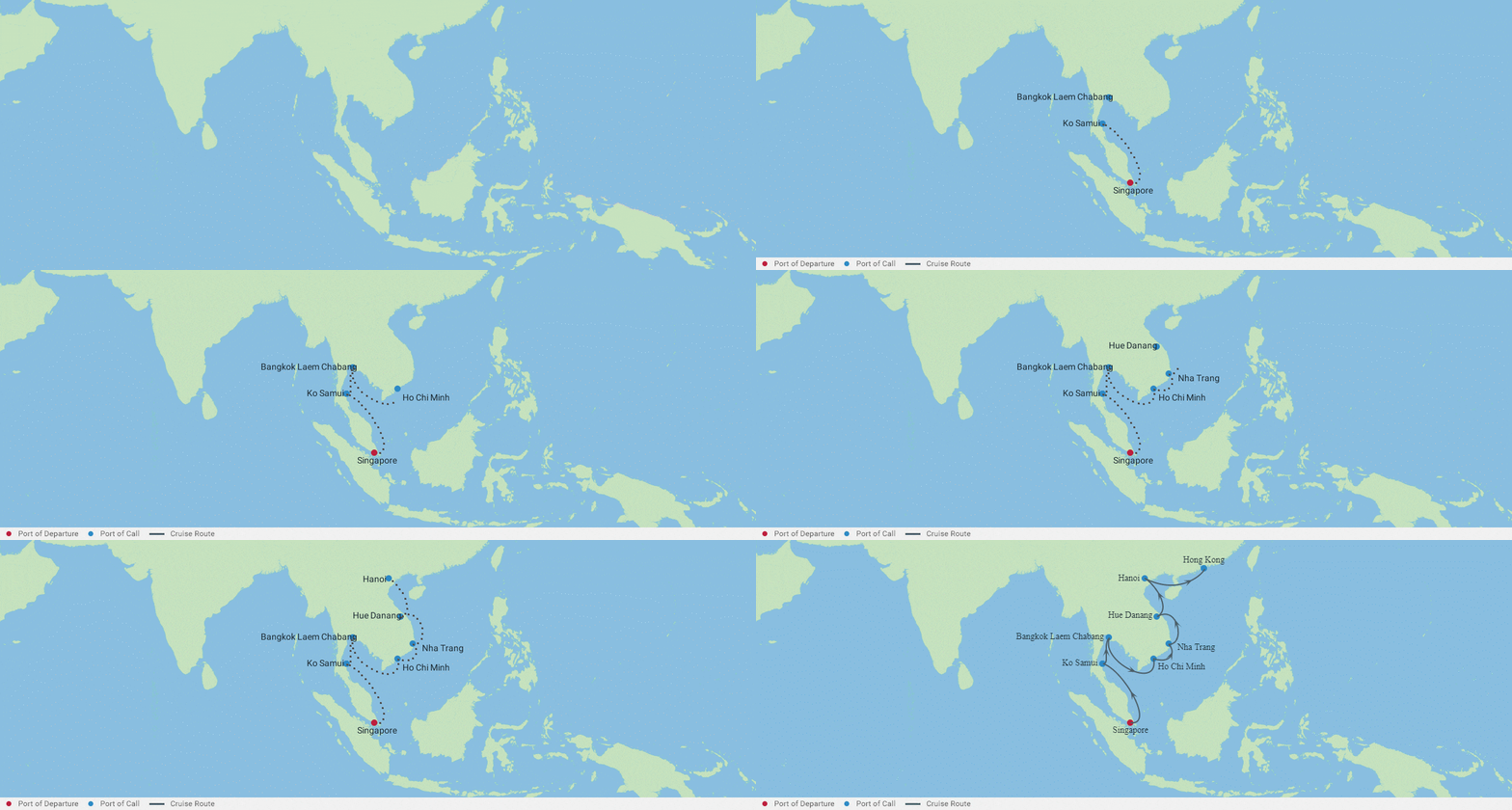
| Tue Nov 04 | Singapore, Singapore |
- | 6:00 pm |
| Wed Nov 05 | *At Sea - Cruising Lectures 9:00 AM - 12:00 PM, 1:00 PM - 4:00 PM |
- | - |
| Thu Nov 06 | Koh Samui, Thailand |
7:00 am | 5:00 pm |
| Fri Nov 07 | Bangkok (Laem Chabang), Thailand |
8:00 am | - |
| Sat Nov 08 | Bangkok (Laem Chabang), Thailand |
- | 5:00 pm |
| Sun Nov 09 | *At Sea - Cruising Lectures 9:00 AM - 12:00 PM, 1:00 PM - 4:00 PM |
- | - |
| Mon Nov 10 | Ho Chi Minh (Phu My), Vietnam e-Visa required to visit Vietnam |
7:00 am | 8:00 pm |
| Tue Nov 11 | *At Sea - Cruising |
- | - |
| Wed Nov 12 | Hue/Da Nang (Chan May), Vietnam |
7:00 am | 5:00 pm |
| Thu Nov 13 | Hanoi (Halong Bay), Vietnam |
11:00 am | - |
| Fri Nov 14 | Hanoi (Halong Bay), Vietnam |
- | 7:00 pm |
| Sat Nov 15 | *At Sea - Cruising Lectures 8:30 AM - 12:30 PM |
- | - |
| Sun Nov 16 | Hong Kong, China |
6:00 am | - |
Singapore, Singapore - As your embarkation point, Singapore offers far more than just a place to meet your ship; it is a destination in its own right, deserving of your time and exploration. This diamond-shaped island just off the coast of Malaysia gleams with the architectural marvels of its business district, but as you delve more deeply into this city-state, you'll uncover a delightful mix of cultures, religions, and ancient treasures alongside traces of its British colonial period that combine to form a unique, Singaporean identity. The cultural fusion is perhaps best expressed in Singapore's unofficial language, Singlish, a unique patois of English, Chinese, and Malay. To truly appreciate this vibrant metropolis and begin your well-deserved respite in the most enriching way, we strongly encourage arriving one or two days before your cruise departs. **Why Arrive Early? Your Pre-Cruise Singapore Itinerary** Arriving ahead of schedule is more than a practical buffer against travel delays or a chance to acclimate to the time zone; it's an opportunity to immerse yourself in one of the world's most dynamic cities. It allows you to transition from the rigors of your professional life to a state of discovery, ensuring you board your vessel relaxed, inspired, and already in vacation mode, ready to fully engage with your upcoming conference. Upon landing at the world-renowned Changi Airport (SIN), you'll experience Singapore's legendary efficiency firsthand. A seamless transfer via taxi, ride-share, or the clean and punctual MRT (Mass Rapid Transit) system will have you at your hotel in no time, ready to begin your adventure. **Day 1: Architectural Wonders and Natural Spectacles** After settling in, make your way to the iconic Marina Bay. This area is a testament to Singapore's visionary urban planning. Begin with a visit to the Sands SkyPark Observation Deck, perched atop the three towers of the Marina Bay Sands hotel. The 360-degree panorama of the city, the Singapore Strait, and the gardens below is the perfect introduction to the city's scale and beauty. As dusk approaches, descend into a world of fantasy at Gardens by the Bay. This is not merely a park; it's a horticultural masterpiece. Wander through the Supertree Grove, where vertical gardens soar towards the sky. Time your visit for the nightly Garden Rhapsody, a spectacular light and sound show that brings the Supertrees to life in a dazzling display. For a comfortable escape from the tropical humidity, explore the two climate-controlled conservatories: the Flower Dome, a showcase of exotic plants from Mediterranean climates, and the Cloud Forest, a misty, verdant mountain complete with the world's tallest indoor waterfall. For dinner, enjoy a casual and authentic experience at Satay by the Bay, a hawker-style food court within the gardens, or choose from one of the many world-class restaurants in the area. **Day 2: A Journey Through Cultures and Flavors** Dedicate your second day to exploring the vibrant ethnic enclaves that form the heart of Singapore's multicultural identity. Start your morning in Chinatown, where ancient temples sit beside trendy cafes. Visit the impressive Buddha Tooth Relic Temple and Museum, then wander through the bustling street markets. Don't miss a traditional Singaporean breakfast of *kaya* (coconut jam) toast with soft-boiled eggs and a cup of strong *kopi* (local coffee). From there, immerse yourself in the sensory explosion of Little India. The air is fragrant with spices and incense, and the streets are a riot of color. Admire the intricate carvings of the Sri Veeramakaliamman Temple and browse the shops along Serangoon Road for vibrant silks and intricate jewelry. For lunch, the quintessential Singaporean experience awaits at a hawker centre. These bustling, open-air food courts are the culinary soul of the city and a UNESCO Intangible Cultural Heritage of Humanity. Visit the famed Maxwell Food Centre or Lau Pa Sat to sample a dizzying array of affordable, delicious dishes. Be sure to try national favorites like Hainanese Chicken Rice, savory Laksa noodle soup, or Char Kway Teow (stir-fried rice noodles). In the afternoon, explore the historic Kampong Glam district, the city's traditional Malay-Arab quarter. The magnificent golden dome of the Sultan Mosque is the area's centerpiece. Stroll down the narrow, colorful Haji Lane, famous for its independent boutiques and street art, offering a stark contrast to the high-end malls of Orchard Road. For your final evening, experience the city's colonial elegance. Enjoy a pre-dinner cocktail at the legendary Long Bar at Raffles Hotel, the birthplace of the iconic Singapore Sling. Afterward, take a leisurely stroll or a bumboat cruise along the Singapore River, admiring the beautifully restored shophouses of Boat Quay and Clarke Quay, now home to a lively collection of restaurants and bars, all set against the glittering skyline. It's the perfect farewell to a city that will have already captured your imagination long before you step aboard your ship.
At Sea - Cruising -
Koh Samui, Thailand - Koh Samui is one of Thailand’s most popular islands, a destination that balances vibrant beach energy with serene cultural sites. While not an untouched paradise, it offers a rewarding and accessible taste of Thai island life for a day in port. Ships typically tender passengers ashore at Nathon, on the island's west coast. Be aware that the main attractions are a 30-45 minute drive away, so planning your transport is essential for a successful day. Negotiating a flat rate with a taxi driver for a few hours is often the most efficient approach. The island's spiritual heart is the magnificent Big Buddha Temple (Wat Phra Yai). This 12-meter golden statue sits on a small rocky island connected by a causeway and offers panoramic views. Nearby, the colorful Wat Plai Laem provides a fascinating contrast with its striking, multi-armed statue of Guanyin, the goddess of mercy. Visiting both is an efficient and culturally rich way to spend the morning. Remember to dress respectfully, with shoulders and knees covered when entering temple grounds. For beach time, the choice depends on your preference. Chaweng Beach is the island's bustling hub, lined with restaurants, bars, and shops. For a more relaxed but still lively atmosphere, Lamai Beach is an excellent alternative. We recommend considering Bophut's Fisherman's Village; its rustic-chic appeal, with beachfront cafes and boutique shops, offers a more sophisticated ambiance than the other main beaches. While the Na Muang waterfalls are often mentioned, their flow is highly dependent on the season and can be underwhelming.
Bangkok (Laem Chabang), Thailand - It is essential to set expectations for this port of call: Laem Chabang is a large, industrial port, and the magnificent city of Bangkok is a significant distance away. The journey by road can take two hours or more each way, depending on the city’s notorious traffic. This reality makes time management the most critical part of your day. With limited time, a focused approach is best. The most rewarding strategy is to concentrate on the historical heart of the city, the Ko Ratanakosin district. Here you will find an unparalleled concentration of Thailand’s most sacred and architecturally stunning sites. The Grand Palace is the undeniable centerpiece, a vast and dazzling complex of ornate halls, pavilions, and courtyards that was the official residence of the Kings of Siam since 1782. Within its walls, the Temple of the Emerald Buddha (Wat Phra Kaew) houses the nation's most revered Buddha image. Be aware of the strict dress code: shoulders and knees must be covered to enter. Adjacent to the palace is Wat Pho, the Temple of the Reclining Buddha. The sheer scale of the 46-meter-long, gold-leafed figure is breathtaking. Wat Pho is also considered the birthplace of traditional Thai massage, and it’s possible to experience an authentic treatment on the temple grounds if time permits. A short, inexpensive ferry ride across the Chao Phraya River takes you to Wat Arun, the Temple of Dawn. Its iconic, porcelain-encrusted spires create a stunning silhouette against the sky, especially in the late afternoon light. Given the travel time, attempting to visit a floating market like Damnoen Saduak is generally not feasible. Instead, immerse yourself in the primary temple district, sample street food from a clean, busy vendor, and absorb the vibrant energy of one of the world's great cities. For those who prefer to avoid the long journey, the nearby resort city of Pattaya offers beaches and shopping, though it lacks the profound cultural depth of Bangkok.
Ho Chi Minh (Phu My), Vietnam - It is essential to understand that your port, Phu My, is an industrial facility located a significant distance from Ho Chi Minh City (formerly Saigon). The journey into the city is a major part of the day, typically taking 1.5 to 2.5 hours each way, depending on the notoriously unpredictable traffic. For this reason, a structured tour is often the most efficient way to maximize your limited time. Once you arrive, Ho Chi Minh City rewards your efforts with a dizzying, captivating energy. The city is a sensory overload in the best way possible—a torrent of motorbikes, the fragrant steam from street-side pho stalls, and the visual contrast of French colonial architecture against modern glass towers. Key historical sites are clustered together, making them manageable on a tight schedule. The Reunification Palace, frozen in time since 1975, offers a fascinating glimpse into the country's turbulent history. Nearby, the War Remnants Museum provides a powerful and sobering perspective on the Vietnam War. For a touch of colonial elegance, visit the Notre Dame Cathedral and the stunning Central Post Office, designed by Gustave Eiffel. Beyond history, the city’s pulse is found in its markets and on its streets. Ben Thanh Market is a bustling, chaotic hub for souvenirs and local life, while the real culinary magic happens at humble food stalls serving world-class banh mi and robust Vietnamese coffee. While the famous Cu Chi Tunnels are a significant historical site, we advise that combining them with a city tour from the port is exceptionally rushed and not recommended for a satisfying experience. For those averse to the long drive, the coastal town of Vung Tau offers a more relaxed, albeit less culturally rich, alternative closer to the port.
Hue/Da Nang (Chan May), Vietnam - The port of Chan May is a strategic gateway that presents a compelling choice: delve into Vietnam's imperial past or explore its vibrant coastal culture. Situated roughly an hour’s drive from both Hue to the north and Da Nang to the south, a day here requires a focused plan. Heading north leads to Hue, the former imperial capital and a UNESCO World Heritage site. This is the essential choice for history enthusiasts. The main attraction is the vast Citadel, a walled fortress and palace complex that was the center of the Nguyen Dynasty. Beyond its walls, you can explore the serene, elaborate tombs of former emperors scattered along the Perfume River, each a unique architectural statement set in a tranquil landscape. Alternatively, the journey south opens up two distinct experiences. Da Nang is a modern, energetic city known for the Marble Mountains—a cluster of five limestone and marble hills with caves, tunnels, and Buddhist sanctuaries. Nearby is the enchanting town of Hoi An, another UNESCO gem. Its beautifully preserved Ancient Town is a pedestrian-friendly maze of lantern-lit streets, historic merchant houses, a Japanese Covered Bridge, and canals. Hoi An is celebrated for its atmospheric charm, culinary scene, and skilled tailors. Given the significant travel time from the port, it is not feasible to visit both Hue and the Da Nang/Hoi An area in a single day. We recommend choosing one direction and arranging transportation in advance to make the most of your time ashore.
Hanoi (Halong Bay), Vietnam - The port designated for Hanoi presents a beautiful and significant logistical choice. The cruise terminal is not in the capital itself, but in Halong Bay, a UNESCO World Heritage site of breathtaking natural beauty. This geographical reality requires a decision: immerse yourself in the immediate, otherworldly landscape of the bay, or undertake the long journey inland to Hanoi. Halong Bay is a seascape of sublime drama, where thousands of limestone karsts and islets rise from the emerald waters of the Gulf of Tonkin. The most rewarding way to experience it is on the water. A traditional junk boat tour offers the best vantage point, navigating past floating fishing villages and into hidden grottoes. For a more active exploration, kayaking allows you to paddle into quiet lagoons and through low-ceilinged caves, getting an intimate perspective of the geological formations. This option is serene, visually stunning, and makes the most of your time in the immediate vicinity of the port. The alternative is a day trip to Hanoi, Vietnam’s vibrant capital. It is essential to understand this is a demanding excursion, involving a round-trip journey of at least five to six hours by road. While the destination is compelling, your time in the city will be limited. A whirlwind tour might include a cyclo ride through the frenetic, fascinating Old Quarter, a stroll around the legendary Hoan Kiem Lake, and a quick taste of world-class street food like pho or bun cha. You will get a potent, if brief, dose of Hanoi’s incredible energy. We advise weighing your priorities carefully: the relaxed, natural splendor of Halong Bay versus a fast-paced, condensed glimpse of one of Asia’s great capitals.
Hong Kong, China - As your cruise concludes against the staggering backdrop of one of the world's most iconic skylines, the journey is far from over. Disembarking in Hong Kong presents a unique opportunity not just to transit home, but to immerse yourself in a city that thrives on dynamic contrast—where serene temples sit in the shadow of futuristic skyscrapers and culinary traditions are both preserved and reinvented. Rushing to the airport would mean missing the very essence of this vertical metropolis. A post-cruise stay of one to three days is not just recommended; it's essential for experiencing a destination that serves as a perfect, exhilarating finale to your travels. ### An Itinerary for Your Post-Cruise Extension **Day 1: The Icons of Hong Kong Island** After settling into your hotel, make your first destination Victoria Peak. The historic Peak Tram, a funicular railway operating since 1888, offers a thrillingly steep ascent. From the summit, the view is legendary: a dense forest of skyscrapers framed by Victoria Harbour and the surrounding hills. For the most dramatic experience, plan your visit for late afternoon to watch the city transition from daylight to a dazzling galaxy of neon at dusk. Descend back to Central and walk to the waterfront for another quintessential experience: the Star Ferry. This humble, green-and-white ferry has been chugging across the harbor for over a century, offering the best ground-level perspective of the skyline for just a few Hong Kong dollars. Cross from Central to Tsim Sha Tsui in Kowloon. Once there, stroll along the Avenue of Stars promenade. While the nightly Symphony of Lights show is a famous spectacle, it's best viewed as a pleasant, ambient light display rather than a high-intensity show. The real magic is the view itself. Conclude your day with dinner at a restaurant in Tsim Sha Tsui offering panoramic harbor views. **Day 2: Culture, Commerce, and Culinary Exploration** Begin your day with a visit to Man Mo Temple on Hollywood Road. Step inside and you'll be transported from the city's bustle to a tranquil space thick with the scent of sandalwood from giant, hanging incense coils. It’s a powerful, atmospheric glimpse into local spiritual life. From the temple, explore the surrounding neighborhoods of Sheung Wan and SoHo. Ride the Mid-Levels Escalators, the world's longest outdoor covered escalator system, which carves a path up the steep hillside through a vibrant district of boutiques, art galleries, and restaurants. Spend the afternoon browsing the antique shops on Hollywood Road or discovering the street art hidden in the alleyways. For the evening, immerse yourself in Kowloon's electric energy. Take the MTR to Mong Kok to experience the sensory overload of its famous markets. The Ladies' Market offers a bustling maze of stalls, while the nearby Temple Street Night Market comes alive after dark with vendors, fortune tellers, and open-air food stalls known as *dai pai dongs*. This is the perfect place for an authentic, casual dinner, sampling local specialties like spicy crab or claypot rice. **Day 3: A Serene Escape or a Deeper Urban Dive** On your final day, choose your own adventure. For a peaceful counterpoint to the city's intensity, take a day trip to Lantau Island. The journey itself is an attraction via the Ngong Ping 360 cable car, which provides breathtaking views over the mountains and sea. At the top, you'll find the serene Po Lin Monastery and the majestic Tian Tan Buddha, or "Big Buddha." The calm and expansive scenery offers a completely different perspective on the region. Alternatively, if you crave more urban exploration, dedicate the day to Hong Kong's world-renowned food scene. Start with a classic dim sum brunch at a celebrated institution like Tim Ho Wan (the original, now-global Michelin-starred hole-in-the-wall) or the grander Maxim's Palace. Spend the rest of the day exploring a neighborhood you missed, perhaps the trendy Star Street precinct in Wan Chai or the shopping mecca of Causeway Bay. ### Practical Guidance * **Getting Around:** Hong Kong's MTR (subway) system is exceptionally efficient, clean, and easy to navigate. Purchase an Octopus Card upon arrival for seamless travel on the MTR, buses, trams, and ferries. Taxis are also plentiful and reasonably priced. * **To the Airport:** The Airport Express train is the fastest and most convenient way to reach Hong Kong International Airport (HKG). It departs from stations in Central and Kowloon, where many airlines offer convenient in-town check-in services, allowing you to drop your luggage hours before your flight.
Our staff can assist you with all your travel arrangements.
Questions? Call us at 800-422-0711.