

COURSE CREDITS & HOURS
14.0 Contact Hours
14 APA CE Credits
14 ASWB ACE Credits
14 ABIM MOC Points
COURSE FEES
$795.00 for PAs, NPs, & Psychologists
$595 for Nurses, Students, Social Workers, and Others
TARGET AUDIENCE
PROGRAM TOPICS
-
Reproductive Hormones 2025 Update (Dr. Cirino)
- An overview of reproductive psychiatry, focusing on how reproductive hormones and neurosteroids impact mood, sexual behavior, and brain function across a woman's lifespan. It explores the biological differences in how psychiatric illnesses are expressed between sexes.
- Explain the hormonal causes of specific mood and anxiety disorders tied to the reproductive cycle, such as Premenstrual Dysphoric Disorder (PMDD), perinatal mood disorders, and perimenopausal mood instability.
- Also aims to help clinicians identify when to use traditional psychotropic medications versus hormone or neurosteroid-based treatments for these conditions.
-
Beyond Masters and Johnson: Female Sexual Function (Dr. Adams)
- Contrasts the traditional, linear Masters & Johnson model with more current frameworks for female sexual response, including the Basson Model (circular, intimacy-based), the Biopsychosocial Model, and the Dual Control Model (a balance of excitatory "accelerators" and inhibitory "brakes").
- Details the neurobiology of sexual desire and arousal, identifying the brain regions and neurotransmitter systems that govern the processes of "wanting," "liking," and inhibition.
- Examines the various psychological, interpersonal, and contextual factors that influence sexual desire, such as emotional cues, body image, relationship dynamics, and stress.
- Reviews sexual enhancers and medical treatments, including non-pharmacological options like vibrators and supplements, as well as off-label use of transdermal testosterone and intravaginal prasterone (DHEA) for Hypoactive Sexual Desire Disorder (HSDD).
-
Female Sexual Dysfunction – Diagnosis Utilizing DSM-5 Terminology (Dr Cirino)
- Identifies common barriers preventing clinicians from addressing Female Sexual Dysfunction (FSD), including time constraints, embarrassment, and feeling ill-prepared to manage patient concerns.
- Outlines the historical and diagnostic evolution of FSD, highlighting the key changes from the DSM-IV to the DSM-5, such as combining Hypoactive Sexual Desire Disorder (HSDD) and Female Sexual Arousal Disorder into the unified diagnosis of Female Sexual Interest/Arousal Disorder (FSIAD).
- Explores the neurobiology and hormonal influences on female sexual response, contrasting the traditional Masters & Johnson model with the modern Basson Model, which emphasizes responsive desire and emotional intimacy.
- Develops a multidisciplinary treatment plan for FSD by assessing biological, psychological, interpersonal, and sociocultural factors. The presentation details evidence-based behavioral interventions like scheduled sex, mindfulness-based cognitive therapy, and Sensate Focus, alongside medical treatments such as CNS agents (flibanserin, bremelanotide) and hormone therapy.
-
When Sex Hurts (Dr Adams)
- Diagnoses three primary causes of sexual pain: vulvodynia (idiopathic vulvar pain lasting over three months), vaginismus (involuntary pelvic floor muscle spasms) , and Genitourinary Syndrome of Menopause (GSM) (vulvar/vaginal dryness and urinary symptoms due to low estrogen).
- Outlines diagnostic procedures for each condition. For vulvodynia, the presentation emphasizes using a swab test to identify localized pain. For vaginismus, it highlights a digital palpation of the levator muscles. For GSM, the diagnosis is primarily visual, noting thin, fragile mucosa.
- Details specific, evidence-based treatment plans. For vulvodynia, it recommends topical therapies like compounded estradiol/testosterone cream. For vaginismus, the primary treatment is Pelvic Floor Physical Therapy (PFPT), often guided by vaginal dilators. For GSM, it recommends a stepwise approach starting with over-the-counter moisturizers and lubricants before progressing to prescription local estradiol treatments.
- Addresses the psychological impact of these pain syndromes, noting they are associated with higher rates of depression, anxiety, relationship issues, and overall sexual dysfunction.
-
Navigating the Choppy Seas of Perimenopause (Dr. Adams)
- Explains the physiology of perimenopause, defining it as the symptomatic time leading up to the final menstrual period, characterized by unpredictable hormonal fluctuations as the ovaries respond less consistently to brain signals. It clarifies that perimenopause is a clinical diagnosis based on symptoms, not lab tests.
- Lists the major symptoms of perimenopause, including changes in the menstrual cycle (100%), vasomotor symptoms like hot flashes (80%), mood and sleep disturbances (68% and 60%, respectively), joint pain (50%), and vaginal dryness (50%).
- Details racial and ethnic disparities in the experience of severe vasomotor symptoms, noting that 46% of Black women experience them for an average of 10.1 years, and 35% of Hispanic women for 8.9 years, compared to 31% of Caucasian women for 6.5 years. It also highlights that the standard 4mm ultrasound endometrial stripe measurement is not a reliable indicator for endometrial hyperplasia in Black women with postmenopausal bleeding, who should always be biopsied.
- Individualizes therapy based on patient needs, differentiating between Oral Contraceptive Pills (OCPs) for women who need contraception and cycle control, and Menopause Hormone Therapy (MHT) for symptom management in those who do not. Treatment options discussed include low-dose OCPs, a levonorgestrel IUD combined with an estradiol patch, or standard MHT with close monitoring for bleeding.
-
Menopause: Everything to know in 2025 (Dr. Adams)
- Recontextualizes MHT risks and benefits by reviewing the 20-year follow-up data from the Women's Health Initiative (WHI). It emphasizes the "timing hypothesis," showing that MHT initiated in women aged 50-59 is associated with a statistically significant reduction in all-cause mortality. The data also reveals that estrogen-only therapy (for women without a uterus) is associated with a reduced risk of breast cancer compared to placebo.
- Details how to individualize Menopause Hormone Therapy (MHT) based on a patient's age, time since menopause, and risk factors. It identifies absolute contraindications (e.g., CV disease, hormone-dependent cancer) and recommends transdermal estradiol with micronized progesterone as the preferred regimen because oral estrogens are associated with a higher risk of thromboembolic events.
- Addresses the duration of MHT, arguing against an arbitrary stopping age. It cites recent 2024 observational data showing that continuing transdermal estrogen therapy beyond age 65 is associated with a reduced risk of all-cause mortality, breast cancer, and cardiovascular events, making it a safe option for low-risk women.
- Outlines evidence-based non-hormonal options for vasomotor symptoms based on The Menopause Society's 2023 position statement. Recommended treatments include SSRIs/SNRIs, gabapentin, and the neurokinin B (NKB) blocker fezolinetant (Veozah), which has efficacy comparable to estradiol. The statement does not recommend ineffective therapies like herbal supplements and acupuncture.
-
51 Is Getting Younger All The Time: Maximizing Long Term Health at Menopause and Beyond (Dr. Adams)
- Provides a clinical framework for prescribing Menopause Hormone Therapy (HT) to women with common chronic medical conditions, emphasizing an individualized risk-benefit assessment that should be reevaluated annually.
- Recommends transdermal estradiol with micronized progesterone over oral formulations for women with comorbidities like hypertension, obesity, and VTE risk factors, as this route has neutral or beneficial effects on blood pressure and lipids and does not increase the risk of blood clots.
- Strongly advises HT for women with premature or early menopause, including BRCA-positive women after risk-reducing surgery, at least until the average age of menopause to mitigate long-term risks to bone, heart, and cognitive health.
- Highlights lifestyle as a strong method for dementia prevention, as HT is not recommended for this purpose. The presentation emphasizes lifestyle changes such as a whole-food, plant-based, or Mediterranean diet to reduce the risk of cognitive decline.
-
Mood and Menopause (Dr. Adams)
- Explains that perimenopause is a "window of vulnerability" for mood disorders due to chaotic fluctuations of estrogen and progesterone, which disrupt the brain's mood-regulating neurotransmitter systems. Women with a history of PMS or postpartum depression are at higher risk.
- Identifies psychosocial stressors that contribute to mood changes, including negative body image, societal stigma, and adverse impacts on partner relationships and career confidence. It also differentiates between Perimenopausal Mood Instability (PMI)—characterized by intermittent irritability and low mood—and clinical Major Depressive Disorder (MDD), recommending validated screening tools like the PHQ-9 for diagnosis.
- Highlights a key treatment principle: Estrogen therapy is an effective treatment for mood disturbances during perimenopause, working similarly to antidepressants, but it is not effective for mood symptoms that begin in postmenopause.
- Outlines a treatment strategy where hormone therapy (e.g., continuous OCPs or transdermal estrogen) is a first-line option for PMI or mild depression, especially with co-occurring vasomotor symptoms.
- SSRIs/SNRIs are the primary treatment for moderate-to-severe MDD, and behavioral interventions like Cognitive Behavioral Therapy (CBT) are also effective.
-
Depression Across the Female Reproductive Cycle (Dr. Cirino)
- Defines Perinatal Mood and Anxiety Disorders (PMADs) as a spectrum of illnesses affecting women during pregnancy and postpartum. It highlights that mental health conditions are the leading cause of pregnancy-related deaths, all of which are considered preventable.
- Explains the etiology of PMADs using a biopsychosocial model. The primary biological trigger is the dramatic postpartum drop in hormones and neurosteroids (like allopregnanolone) , which is compounded by psychological factors (e.g., a history of depression) and social stressors (e.g., lack of support and paid maternity leave).
- Reviews pharmacologic treatments, concluding that SSRIs are well-studied and generally safe, with the risks of untreated maternal depression often outweighing medication risks. It also introduces the rapid-acting, FDA-approved neurosteroid treatments brexanolone (Zulresso) and zuranolone (Zurzuvae) for moderate-to-severe postpartum depression.
- Outlines a comprehensive treatment plan that begins with universal screening for depression and anxiety. The approach combines medication when appropriate with psychotherapy and crucial behavioral and social interventions, such as sleep preservation, psychoeducation, and connecting patients to resources like Postpartum Support International (PSI).
-
Perinatal Anxiety Disorders (Dr. Cirino)
- Focuses on Perinatal Obsessive-Compulsive Disorder (OCD) and Post-Traumatic Stress Disorder (PTSD), emphasizing that untreated maternal anxiety is associated with adverse birth outcomes and negative long-term effects on child development.
- Details the presentation of perinatal OCD, noting that pregnancy is a common trigger. It highlights the prevalence of ego-dystonic (unwanted and distressing) intrusive thoughts of harming the infant, clarifying that these obsessions are a feature of anxiety and are distinct from the ego-syntonic thoughts seen in postpartum psychosis.
- Explains the causes and symptoms of perinatal PTSD, stressing that the mother's subjective experience of trauma—such as a perceived lack of control or an intense fear for her own life or her baby's life—is a more significant predictor than the objective medical events. It recommends screening for PTSD with the PCL-5 tool and outlines a time-sensitive approach to intervention.
- Outlines treatment strategies, recommending SSRIs (often at higher doses for OCD) and evidence-based psychotherapies like Cognitive Behavioral Therapy (CBT) and Interpersonal Psychotherapy (IPT). It also underscores the importance of a trauma-informed care approach by all providers.
-
Bipolar Disorder in Women: Meeting the Challenge (Dr. Cirino)
- Highlights the unique challenges of bipolar disorder in women, who report worse overall well-being than men, likely because standard assessments miss key domains affected by the illness such as parenting and reproductive health. Women more commonly have Bipolar II, a later age of onset, and a course of illness dominated by depressive episodes.
- Stresses the challenge of accurate diagnosis, as many women are initially misdiagnosed with depression. It recommends routine screening for bipolar disorder (using tools like the CIDI-3) before prescribing antidepressants to avoid triggering mania.
- Identifies the perinatal period as a time of extreme vulnerability, noting that 85% of women who discontinue mood stabilizers during pregnancy will relapse. The postpartum period carries a 100-fold increased risk of postpartum psychosis for women with bipolar disorder.
- Outlines a risk/benefit approach to perinatal treatment, emphasizing that the dangers of untreated bipolar disorder in pregnancy are substantial. It advises pre-pregnancy consultation, continuation of mood stabilizers (favoring agents like lamotrigine and lithium over the teratogenic valproic acid ), and aggressive postpartum prophylaxis to prevent relapse and psychosis.
-
Managing Postpartum Psychosis during Pregnancy and Postpartum (Dr. Cirino)
- Defines Postpartum Psychosis (PPP) as a psychiatric emergency with a rapid onset, characterized by delusions and mood lability. It highlights that the lack of a formal DSM-5 diagnosis is part of a larger systemic failure that includes no consensus treatment guidelines or required residency training. PPP is strongly linked to Bipolar Disorder and is likely triggered by the dramatic postpartum drop in neurosteroids.
- Differentiates PPP from perinatal OCD, noting that psychotic thoughts of harming the infant are ego-syntonic (believed to be real) and carry a ~4% risk of infanticide, whereas obsessive thoughts are ego-dystonic (unwanted and distressing) and do not increase the risk of harm. The motive in PPP-related infanticide is often altruistic and delusional.
- Identifies the primary risk factors as a personal or family history of Bipolar Disorder or a previous PPP episode, while noting that psychosocial stressors are not significant predictors. The presentation stresses that PPP is preventable with prophylactic medication (e.g., lithium) for high-risk women.
- Outlines an urgent treatment plan requiring hospitalization, antipsychotics/mood stabilizers, and aggressive sleep preservation. It also highlights the legal challenges in the U.S., which, unlike many other developed nations, lacks specific infanticide laws, leading to inconsistent and often punitive legal outcomes for mothers who commit infanticide during a psychotic episode.
IMPORTANT INFORMATION
Faculty
Karen E. Adams, MD, NCMP, IF

Director, Program in Menopause & Healthy Aging
Stanford Medicine
Stanford, CA
Karen Adams MD, FACOG, DipACLM, NCMP, IF is Clinical Professor of Obstetrics and Gynecology at Stanford University. She is the Director of The Stanford Program in Menopause and Healthy Aging, a program that connects specialists in many fields to provide world-class care for women in the second half of life. Dr. Adams is double-board certified in Obstetrics and Gynecology and Lifestyle Medicine, a Menopause Society Certified Menopause Practitioner, and a fellow of the International Society for the Study of Women's Sexual Health. She is the course director for the Oregon ECHO Program in Menopause, a state-wide program to educate primary care and women's health providers in menopause care.
Dr. Adams is an award-winning educator and has lectured to medical audiences locally, nationally, and internationally, including a January 2020 TEDx talk entitled "Sleep, Sex, and Menopausal Zest" with over 150,000 views on YouTube.
Nicole H. Cirino, MD, IF, CST, PMH-C

Endowed Chair of Reproductive Psychiatry, Maureen Hackett Foundation
Director, Division of Reproductive Psychiatry
Professor, Department of Obstetrics and Gynecology
Professor, Menninger Department of Psychiatry and Behavioral Sciences
Baylor College of Medicine/ Texas Children’s Hospital
Houston, TX
Dr. Nicole H. Cirino is a nationally recognized Reproductive Psychiatrist, clinical scientist, and international educator. She is a Professor in both the Department of Obstetrics and Gynecology and the Menninger Department of Psychiatry and Behavioral Sciences at Baylor College of Medicine. She also serves as the Division Director for Reproductive Psychiatry and holds the Maureen Hackett Foundation Endowed Chair of Reproductive Psychiatry at Texas Children’s Hospital Pavilion for Women.
A pioneer in her field, Dr. Cirino has founded and directed women's mental health programs at several leading academic institutions, including Oregon Health & Science University and Loyola University, before joining Baylor in 2022. Her clinical expertise focuses on treating women across the reproductive lifecycle, including during the perinatal period, the menopausal transition, and for issues related to female sexual health. She completed her psychiatry residency and a fellowship in Reproductive Psychiatry at Northwestern University, Feinberg School of Medicine.
In addition to her clinical practice, Dr. Cirino is a specialist in Female Sexual Medicine. She is a Certified Sex Therapist (CST) through the American Association of Sexuality Educators, Counselors and Therapists (AASECT) and an International Fellow (IF) with the International Society for the Study of Women’s Sexual Health (ISSWSH), making her one of the few physicians in the country with both distinctions.
Dr. Cirino is a prominent national leader in women’s mental health. She serves as the Chairman of the Executive Board for Postpartum Support International (PSI) and holds leadership positions in the American Psychiatric Association (APA) and other scientific organizations. An acclaimed educator, she teaches over 800 clinicians annually, develops curricula for medical students and residents, and is a sought-after speaker at national and international conferences. She is also a trusted media expert, having been featured on NPR, CNN, and Today.com.
Accreditation
In accordance with the ACCME Standards for Integrity and Independence in Accredited Continuing Education, Continuing Education, Inc./University at Sea® has implemented a process to identify, mitigate, and disclose relevant financial relationships for all individuals in a position to control content.
For this activity, no planners, faculty, or other individuals in control of content have any relevant financial relationships with ineligible companies within the past 24 months.
|
|
In support of improving patient care, Continuing Education, Inc./University at Sea® is jointly accredited by the Accreditation Council for Continuing Medical Education (ACCME), the Accreditation Council for Pharmacy Education (ACPE), and the American Nurses Credentialing Center (ANCC), to provide continuing education for the healthcare team. |
|
|
Physicians (AMA): Continuing Education, Inc./University at Sea® designates this live activity for a maximum of 14 AMA PRA Category 1 Credit(s)™. Physicians should claim only the credit commensurate with the extent of their participation in the activity. |
|
|
ABIM MOC Recognition: Successful completion of this CME activity, which includes participation in the evaluation component, enables the participant to earn up to 14 MOC points in the American Board of Internal Medicine’s (ABIM) Maintenance of Certification (MOC) program. Participants will earn MOC points equivalent to the amount of CME credits claimed for the activity. It is the CME activity provider’s responsibility to submit participant completion information to ACCME for the purpose of granting ABIM MOC credit. |
|
Osteopathic Physicians: AMA PRA Category 1 Credit™ may be reported as AOA Category 2 credit. |
|
|
|
Nurses (ANCC): This nursing continuing professional development activity awards 14 ANCC contact hours. Nurse Practitioners: May claim either ANCC contact hours or AMA PRA Category 1 Credit™ as desired. Pharmacology credits are identified on individual activities. |


Psychologists (APA): Continuing Education (CE) credits for psychologists are provided through the co-sponsorship of the American Psychological Association (APA) Office of Continuing Education in Psychology (CEP). The APA CEP Office maintains responsibility for the content of the programs. Psychologists completing this program receive 14 CE credits.
 Social Workers (ASWB ACE): As a Jointly Accredited Organization, Continuing Education, Inc. is approved to offer social work continuing education by the Association of Social Work Boards (ASWB) Approved Continuing Education (ACE) program. Organizations, not individual courses, are approved under this program. Regulatory boards are the final authority on courses accepted for continuing education credit. Social workers completing this course receive 14 clinical continuing education credits.
Cruise Itinerary
| DATE | PORT OF CALL | ARRIVE | DEPART |
|---|---|---|---|
| Sunday, April 20 | Barcelona, Spain |
- | 6:00 pm |
| Monday, April 21 | Palma De Mallorca, Spain |
8:00 am | 6:00 pm |
| Tuesday, April 22 | *At Sea - Cruising Lectures 8:30 AM - 12:30 PM, 1:30 PM - 4:30 PM |
- | - |
| Wednesday, April 23 | Florence/Pisa (La Spezia), Italy |
7:00 am | 8:00 pm |
| Thursday, April 24 | Rome (Civitavecchia), Italy |
7:00 am | 7:00 pm |
| Friday, April 25 | Naples, Italy |
7:00 am | 7:00 pm |
| Saturday, April 26 | *At Sea - Cruising Lectures 8:30 AM - 12:30 PM, 1:30 PM - 4:30 PM |
- | - |
| Sunday, April 27 | Barcelona, Spain |
5:00 am | - |
Ports of Call
Barcelona, Spain

Barcelona rewards immersion. It is a city of stark, beautiful contrasts: grand 19th-century boulevards abutting hidden medieval alleys; avant-garde design coexisting with centuries-old traditions; and a Mediterranean spirit of leisure blended with fierce Catalan pride. Below is a curated, unhurried itinerary designed to help you experience the best of the city before or after your voyage.

### Day 1: The Ancient Heart – Gothic Quarter & El Born
Begin your immersion by losing yourself in the Barri Gòtic (Gothic Quarter). This is the historical nucleus of Barcelona, a captivating labyrinth of narrow, winding streets that open unexpectedly onto sun-drenched plazas. While the Barcelona Cathedral is a soaring example of Catalan Gothic architecture (and worth a visit to see the 13 geese in the cloister), the real joy here is aimless wandering. Look for the Temple of Augustus, where four Roman columns remain hidden inside a medieval building—a quiet reminder of the city’s ancient origins as 'Barcino.'
Adjacent to the Gothic Quarter is the trendier, more bohemian district of El Born. It shares the medieval layout but possesses a distinct artistic vitality. Here you will find the Museu Picasso, housed across five adjoining medieval palaces. It offers an unparalleled look into the artist's formative years. A short walk away stands the Basilica de Santa Maria del Mar, a church built by the people for the people, and a masterpiece of pure Gothic proportions. El Born is also a culinary hotspot; we recommend spending your evening here hopping between wine bars for *pintxos* (Basque-style tapas) and local Cava.

### Day 2: The Modernist Visionaries
Today is dedicated to the architectural movement that defines Barcelona: *Modernisme*. Naturally, this begins with Antoni Gaudí’s magnum opus, La Sagrada Família.
Critical Advice: You must book your tickets online weeks, if not months, in advance. This is not a suggestion; it is a necessity. While the exterior is a marvel of symbolic sculpture, the interior is where the true magic lies. Stepping inside is like entering an ethereal forest, with columns branching like trees and kaleidoscopic light filtering through stained glass. It is a profound, spiritual experience.

However, for our clients—particularly those in the medical or architectural fields—we strongly recommend a visit to the Recinte Modernista de Sant Pau. Just a short walk from the Sagrada Família, this former hospital (designed by Lluís Domènech i Montaner) is a UNESCO World Heritage site often overlooked by the masses. It is a stunning complex of colorful pavilions and gardens designed to heal the spirit as well as the body. It is arguably one of the most beautiful Art Nouveau complexes in the world and offers a tranquil counterpoint to the bustle of Gaudí’s basilica.
In the afternoon, stroll down the Passeig de Gràcia, Barcelona’s answer to the Champs-Élysées. Here you will find Gaudí’s residential masterpieces: Casa Batlló, with its dragon-scaled roof, and Casa Milà (La Pedrera), with its undulating stone facade. Both require advance booking for interior tours, though the exteriors alone are worth the walk.

### Day 3: Views, Art, and the Sea
If your schedule permits a third day, head to Montjuïc, the broad hill overlooking the harbor. You can reach it via a scenic cable car ride from the port area. This area is home to the Fundació Joan Miró, a bright, airy museum dedicated to Barcelona’s other famous artistic son. The views from the castle at the summit offer a perfect perspective on the city layout and the port where your ship awaits.
Finish your stay in La Barceloneta, the seaside neighborhood. While touristy on the main boardwalk, the backstreets retain a salty, local charm. This is the place for a farewell lunch of *fideuà*—a local twist on paella made with short noodles instead of rice, served with dollops of garlic aioli.

### The Culinary Scene: Dining Like a Local
Barcelona is a food lover’s paradise, but timing is everything. Lunch is the main meal (2:00 PM – 3:30 PM), and dinner is late (rarely before 9:00 PM).
- The Market Experience: The famous Mercado de La Boqueria is visually stunning but often overwhelmingly crowded. For a more authentic experience, we recommend the Mercat de Santa Caterina in El Born, identifiable by its wavy, colorful mosaic roof. It is a fantastic place to see locals shopping and to grab a superb lunch at the market bar, *Cuines Santa Caterina*.
- Fer el Vermut: Participate in the beloved local ritual of "doing the vermouth." Before lunch, find a bodega and order a *vermut de la casa* (sweet red vermouth over ice with an olive and orange slice) accompanied by chips and cockles. It is the quintessential Catalan aperitif.
Barcelona is wonderfully easy to navigate, but the port logistics require specific attention.
- Port Location: The main cruise terminal, Moll Adossat, is located on a very long breakwater. Do not attempt to walk to the city center from the ship. It is much further than it looks (nearly 2 miles to the Columbus monument) and is an exposed, industrial walk over a bridge.
- Transfers: A taxi is the most direct option and costs roughly €35-€40 from the airport to the city, or €15-€20 from the city to the ship. Alternatively, the blue Portbus (T3) shuttle runs from the Columbus Monument at the foot of Las Ramblas directly to the terminals for a nominal fee.
- Safety: Barcelona is generally safe, but it is infamous for skilled pickpockets, particularly on Las Ramblas, the Metro, and in the Gothic Quarter. Be vigilant with watches, phones, and wallets. Leave expensive jewelry in your hotel or ship safe.
- Getting Around: The city is very walkable, but the Metro system is clean, air-conditioned, and efficient. A multi-day "Hola Barcelona" card is a great investment for exploring.
Palma De Mallorca, Spain


The skyline is dominated by the Catedral-Basílica de Santa María, known locally as La Seu. This sandstone leviathan is essential viewing, not just for its exterior dominance but for the interior dialogue between history and modernity; Antoni Gaudí’s unfinished wrought-iron canopy hangs above the altar, while Miquel Barceló’s ceramic chapel adds a controversial contemporary layer. Just below, the Parc de la Mar offers the perfect vantage point for photography.

Beyond the cathedral lies the Casco Antiguo (Old Town), a labyrinth of narrow streets best explored without a map. Look for the traditional Mallorcan courtyards (patios) visible through iron gates of aristocratic homes. A stop at the Banys Àrabs (Arab Baths) provides a quiet glimpse into the city’s Moorish past. For a pause, the tree-lined Passeig del Born is the city’s living room, ideal for coffee and people-watching.
For panoramic context, a taxi to Castell de Bellver is recommended. As one of Europe’s few circular castles, it offers 360-degree views of the bay and pine forests. Regarding logistics: The cruise pier is an industrial stretch about three miles from the historic center. We strongly advise utilizing a taxi or the port shuttle rather than attempting the walk, maximizing your time for tapas and exploration.

At Sea - Cruising
Florence/Pisa (La Spezia), Italy


The premier excursion is, without question, the Cinque Terre. This string of five ancient seaside villages, clinging to cliffs along the Italian Riviera, is a UNESCO World Heritage site for good reason. The most effective way to visit is by a short train ride from La Spezia Centrale station, which connects all five villages. You can hop on and off, perhaps hiking a portion of the scenic coastal trail (check for trail closures beforehand) or simply enjoying the unique character of each town, from the vibrant harbor of Vernazza to the iconic vistas of Manarola. A ferry from La Spezia’s port also offers a beautiful perspective from the sea, though it is slower and weather-dependent.

For those with an ambition for Renaissance art and architecture, both Pisa and Florence are viable, albeit long, day trips. A visit to Pisa is focused on its magnificent Piazza dei Miracoli (“Square of Miracles”), where the Leaning Tower, the Duomo, and the Baptistery form a stunning architectural ensemble. Florence, further afield, demands a full and fast-paced day. It offers an immersion into the heart of the Renaissance, with the chance to see Michelangelo’s David, Brunelleschi's Duomo, and the Ponte Vecchio. Given the travel time, a structured tour is often the most pragmatic way to experience these Tuscan cities from the port.
Should you prefer a more relaxed day, or if you’ve previously visited the main attractions, La Spezia itself offers an authentic slice of modern Italian life. Stroll the palm-lined waterfront promenade, explore the pedestrianized shopping streets of Via del Prione, and experience the bustling daily food market in Piazza Cavour. It’s an excellent opportunity to enjoy regional specialties like focaccia and fresh pesto without the crowds of the more famous nearby destinations.


Rome (Civitavecchia), Italy

With a typical port day, attempting to see 'everything' guarantees nothing but exhaustion. We strongly recommend curating your day around one of three distinct tracks to ensure a quality experience.

First, the Imperial Track. Focus on the Colosseum, the Roman Forum, and Palatine Hill. Walking the Via Sacra offers a tangible connection to the origins of Western law and governance. However, admission lines here can consume hours; pre-purchased, timed-entry tickets are not optional—they are essential.
Second, the Vatican Track. St. Peter’s Basilica and the Vatican Museums hold an overwhelming concentration of artistic wealth. Standing beneath Michelangelo’s Sistine Chapel ceiling is profound, but the crowds are equally intense. Strict dress codes (shoulders and knees covered) are enforced, and guided access is the only way to navigate the vast collections efficiently within a limited window.

Third, the Centro Storico. For those who prefer atmosphere over checklists, a walking tour of the historic center offers a more relaxed pace. Start at the Pantheon—the world’s best-preserved ancient building—then wander to Piazza Navona and the Trevi Fountain. This approach allows time for a proper Roman lunch. Avoid restaurants directly facing major monuments; walk two streets back to find authentic cacio e pepe or carciofi alla giudia (Jewish-style artichokes). A rushed sandwich does a disservice to Italian culinary heritage, whereas a seated meal offers a necessary respite from the sensory overload.
Regardless of your choice, Rome demands respect for the clock. Always build a significant buffer for your return trip to Civitavecchia to ensure a stress-free conclusion to a spectacular day.


Naples, Italy


For history enthusiasts, the primary draw is the shadow of Mount Vesuvius. Pompeii remains the headline attraction, offering a sprawling, visceral look at Roman life frozen in time. However, we often direct clients toward the smaller, better-preserved site of Herculaneum. Because it was buried in mud rather than ash, Herculaneum retains multi-story buildings and wooden elements that perished in Pompeii, all within a footprint that is much easier to navigate in a few hours.

If you prefer coastal glamour, the Bay of Naples is your gateway. A high-speed hydrofoil can transport you to the Isle of Capri, famous for the Blue Grotto and high-end boutiques, though be mindful of summer crowds. Alternatively, the cliffside town of Sorrento offers a refined, relaxed atmosphere perfect for a leisurely lunch of fresh seafood and limoncello. While the Amalfi Coast is spectacular, we advise caution when attempting it on a cruise stop; the winding roads are breathtaking but slow, leaving little room for error in your return schedule.
Should you choose to stay in Naples itself, prepare for an experience that is gritty, loud, and profoundly authentic. The historic center, Spaccanapoli, is a UNESCO World Heritage site teeming with baroque churches and hidden courtyards. The National Archaeological Museum is essential viewing, as it houses the actual mosaics and artifacts removed from the excavation sites. Finally, this is the birthplace of pizza. Skipping a meal at a historic pizzeria here would be a missed cultural imperative.


We can assist you with all your travel arrangements. We'd be happy to help you plan your flights, hotels, or tours before and/or after your cruise conference.
PLEASE NOTE: To attend the conference, participants must book their cruise accommodations through University at Sea®. This ensures we can provide full conference services and complimentary social amenities to meeting participants and guests. Participants' family and friends are welcome to book within our group allotment and take advantage of our typically excellent rates.
Request a Quote online or by voice at 800-525-9696 (US/Can) or direct/int'l tel +1-727-526-1571.
Prices below are for the full cruise including meals and evening entertainment
Suites
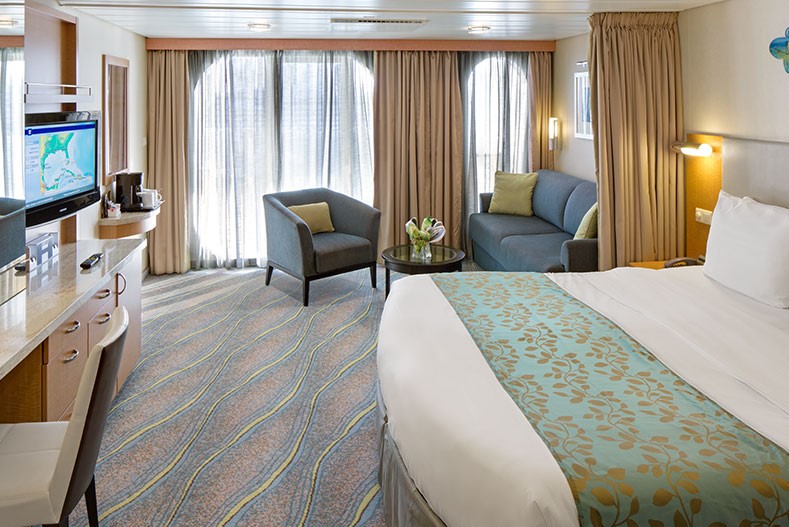 Junior Suite with Balcony (J4)
Bedroom area with two twin beds that convert to Royal King. Full bathroom with tub. Sitting area with sofa. Private balcony. Stateroom: 287 sq. ft. Balcony: 80 sq. ft.
800-525-9696
for Pricing
 Grand Suite - 2 Bedrooms (GT)
Two bedrooms with two twin beds that convert to Royal King, two Pullman beds. Vanity with chair in each bedroom, living area with double convertible sofa, marble entry, entertainment center, two bathrooms - master bath with tub. Private balcony with table and chairs. Stateroom: 580 sq. ft. Balcony: 237 sq. ft.
800-525-9696
for Pricing
 Suite/Deluxe
Owner's Loft Suite OL.
Duplex loft suite spanning two levels. Upper level features master bedroom with king bed, bathroom with whirlpool tub and separate shower. Lower level has living and dining areas with double sofa bed, half bathroom, and private balcony access. Interior stairway connects levels. Sky Class perks include concierge service, Suite Lounge, Coastal Kitchen, and Suite Sun Deck access. Now marketed as OP (Owner's Panoramic Suite) after RCI's 2023 recategorization.
Two-level duplex layout
Master bedroom on upper level with king bed
Whirlpool tub and separate shower (upper bathroom)
Living and dining area on lower level
Private balcony (110 sq ft)
Interior stairway connecting levels
Walk-in closet
Half bathroom on lower level
Sky Class concierge service
Suite Lounge access
Coastal Kitchen dining
Suite Sun Deck access
Priority check-in and boarding
Suite/Deluxe
Owner's Loft Suite OL.
Duplex loft suite spanning two levels. Upper level features master bedroom with king bed, bathroom with whirlpool tub and separate shower. Lower level has living and dining areas with double sofa bed, half bathroom, and private balcony access. Interior stairway connects levels. Sky Class perks include concierge service, Suite Lounge, Coastal Kitchen, and Suite Sun Deck access. Now marketed as OP (Owner's Panoramic Suite) after RCI's 2023 recategorization.
Two-level duplex layout
Master bedroom on upper level with king bed
Whirlpool tub and separate shower (upper bathroom)
Living and dining area on lower level
Private balcony (110 sq ft)
Interior stairway connecting levels
Walk-in closet
Half bathroom on lower level
Sky Class concierge service
Suite Lounge access
Coastal Kitchen dining
Suite Sun Deck access
Priority check-in and boarding 800-525-9696
for Pricing
 Suite/Deluxe
Grand Loft Suite GL.
Duplex loft suite spanning two levels. Upper level features master bedroom with king bed and bathroom. Lower level has spacious living area with double sofa bed and private balcony. Interior stairway connects levels. Slightly smaller balcony than OL/SL but generous interior space. Sky Class perks. Now marketed as GP (Grand Panoramic Suite) after RCI's 2023 recategorization.
Two-level duplex layout
Master bedroom on upper level
Full bathroom with shower on upper level
Spacious living area on lower level
Private balcony (92 sq ft)
Interior stairway connecting levels
Walk-in closet
Sky Class concierge service
Suite Lounge access
Coastal Kitchen dining
Suite Sun Deck access
Priority check-in and boarding
Suite/Deluxe
Grand Loft Suite GL.
Duplex loft suite spanning two levels. Upper level features master bedroom with king bed and bathroom. Lower level has spacious living area with double sofa bed and private balcony. Interior stairway connects levels. Slightly smaller balcony than OL/SL but generous interior space. Sky Class perks. Now marketed as GP (Grand Panoramic Suite) after RCI's 2023 recategorization.
Two-level duplex layout
Master bedroom on upper level
Full bathroom with shower on upper level
Spacious living area on lower level
Private balcony (92 sq ft)
Interior stairway connecting levels
Walk-in closet
Sky Class concierge service
Suite Lounge access
Coastal Kitchen dining
Suite Sun Deck access
Priority check-in and boarding 800-525-9696
for Pricing
 Suite/Deluxe
Sky Loft Suite SL.
Duplex loft suite spanning two levels with an expansive dine-on balcony. Living area on the lower level, master bedroom on the upper level connected by interior stairway. Extra shower in downstairs bathroom. The largest balcony of the loft suite trio. Sky Class tier with concierge service, Suite Lounge, Coastal Kitchen, and Suite Sun Deck access.
Two-level duplex layout
Dine-on balcony (410 sq ft)
Living room with sofa bed on lower level
Master bedroom on upper level
Interior stairway connecting levels
Extra shower in downstairs bathroom
Walk-in closets
Sky Class concierge service
Suite Lounge access
Coastal Kitchen dining
Suite Sun Deck access
Priority check-in and boarding
Suite/Deluxe
Sky Loft Suite SL.
Duplex loft suite spanning two levels with an expansive dine-on balcony. Living area on the lower level, master bedroom on the upper level connected by interior stairway. Extra shower in downstairs bathroom. The largest balcony of the loft suite trio. Sky Class tier with concierge service, Suite Lounge, Coastal Kitchen, and Suite Sun Deck access.
Two-level duplex layout
Dine-on balcony (410 sq ft)
Living room with sofa bed on lower level
Master bedroom on upper level
Interior stairway connecting levels
Extra shower in downstairs bathroom
Walk-in closets
Sky Class concierge service
Suite Lounge access
Coastal Kitchen dining
Suite Sun Deck access
Priority check-in and boarding 800-525-9696
for Pricing
 Suite/Deluxe
Junior Suite JS.
Spacious balcony suite with separate living area and sofa. Floor-to-ceiling sliding glass doors lead to private balcony. Features spa-inspired split bathroom with soaking tub and separate shower. Now split into J3 (quad occupancy) and J4 (double occupancy), plus JY (Sky Junior Suite) subcodes.
Private balcony (80 sq ft)
Separate sitting area with sofa
Spa-inspired split bathroom with soaking tub
Large separate shower with frosted glass
Floor-to-ceiling sliding glass doors
Flat-screen LCD TV
Mini bar and safe
Suite/Deluxe
Junior Suite JS.
Spacious balcony suite with separate living area and sofa. Floor-to-ceiling sliding glass doors lead to private balcony. Features spa-inspired split bathroom with soaking tub and separate shower. Now split into J3 (quad occupancy) and J4 (double occupancy), plus JY (Sky Junior Suite) subcodes.
Private balcony (80 sq ft)
Separate sitting area with sofa
Spa-inspired split bathroom with soaking tub
Large separate shower with frosted glass
Floor-to-ceiling sliding glass doors
Flat-screen LCD TV
Mini bar and safe 800-525-9696
for Pricing
Suite/Deluxe
Two-Bedroom Royal Family Suite FS.
Two-bedroom family suite located aft with large wraparound balcony. Master bedroom with king, second bedroom with twin beds, living/dining area, full bathroom with tub and separate shower, walk-in closets. Now marketed as GT (Grand Suite - 2 Bedroom) after RCI's 2023 recategorization.
Two separate bedrooms
Large wrap-around aft balcony (240 sq ft)
Full bathroom with bathtub and separate shower
Walk-in closets
Living room with sofa bed
Dining area
Sky Class concierge service
Suite Lounge access
Coastal Kitchen dining
Suite Sun Deck access 800-525-9696
for Pricing
 Suite/Deluxe
Spacious AquaTheater Suite with Large Balcony - 2 Bedrooms A1.
Master bedroom has a King size bed with Duxiana Mattress. Second bedroom has two twin beds that convert to Royal King and two Pullman beds. Vanity with chair in each bedroom, living area with double sofa bed, dining room, marble entry, entertainment center. Two bathrooms, master with tub. Expansive balcony with table and chairs. Stateroom: 823 sq. ft. Balcony: 772 sq. ft.
Suite/Deluxe
Spacious AquaTheater Suite with Large Balcony - 2 Bedrooms A1.
Master bedroom has a King size bed with Duxiana Mattress. Second bedroom has two twin beds that convert to Royal King and two Pullman beds. Vanity with chair in each bedroom, living area with double sofa bed, dining room, marble entry, entertainment center. Two bathrooms, master with tub. Expansive balcony with table and chairs. Stateroom: 823 sq. ft. Balcony: 772 sq. ft. 800-525-9696
for Pricing
 Suite/Deluxe
AquaTheater Suite with Large Balcony - 2 Bedrooms A2.
Master bedroom has a King size bed with Duxiana Mattress. Second bedroom has two twin beds that convert to Royal King and two Pullman beds. Vanity with chair in each bedroom, living area with double sofa bed, dining room, marble entry, entertainment center. Two bathrooms, master with tub. Expansive balcony with table and chairs. Stateroom: 673 sq. ft. Balcony: 610 sq. ft.
Suite/Deluxe
AquaTheater Suite with Large Balcony - 2 Bedrooms A2.
Master bedroom has a King size bed with Duxiana Mattress. Second bedroom has two twin beds that convert to Royal King and two Pullman beds. Vanity with chair in each bedroom, living area with double sofa bed, dining room, marble entry, entertainment center. Two bathrooms, master with tub. Expansive balcony with table and chairs. Stateroom: 673 sq. ft. Balcony: 610 sq. ft. 800-525-9696
for Pricing
 Suite/Deluxe
Spacious AquaTheater Suite with Large Balcony - 1 Bedroom A3.
Bedroom area with two twin beds that convert to Royal King. One bathroom with tub, large closets, sitting area with table and sofa bed. Private balcony with seating area and private dining. Stateroom: 433 sq. ft. Balcony: 362 sq. ft.
Suite/Deluxe
Spacious AquaTheater Suite with Large Balcony - 1 Bedroom A3.
Bedroom area with two twin beds that convert to Royal King. One bathroom with tub, large closets, sitting area with table and sofa bed. Private balcony with seating area and private dining. Stateroom: 433 sq. ft. Balcony: 362 sq. ft. 800-525-9696
for Pricing
 Suite/Deluxe
AquaTheater Suite with Large Balcony - 1 Bedroom A4.
Bedroom area with two twin beds that convert to Royal King. One bathroom with tub, large closets, sitting area with table and sofa bed. Private balcony with seating area and private dining. Stateroom: 421 sq. ft. Balcony 126 sq. ft.
Suite/Deluxe
AquaTheater Suite with Large Balcony - 1 Bedroom A4.
Bedroom area with two twin beds that convert to Royal King. One bathroom with tub, large closets, sitting area with table and sofa bed. Private balcony with seating area and private dining. Stateroom: 421 sq. ft. Balcony 126 sq. ft. 800-525-9696
for Pricing
Suite/Deluxe
Grand Panoramic Suite - 1 Bedroom GP.
Grand entrance exposes lofty views two-decks-high. Single-floor suite with doorbell has dining room with dry bar and entertainment center, living room with sofa bed, and guest bath with shower. Master bedroom has a King size bed with Duxiana Mattress and sitting area, master bathroom with tub, shower, two sinks and bidet. Private balcony with jacuzzi. Stateroom: 914 sq. ft. Balcony: 161 sq. ft. 800-525-9696
for Pricing
 Suite/Deluxe
Grand Suite - 1 Bedroom GS.
Bedroom area with two twin beds that convert to Royal King. Full bathroom with tub and two sinks. Living room with sofa that converts to double bed. Private balcony with seating area and private dining. Stateroom: 371 sq. ft. Balcony: 105 sq. ft.
Suite/Deluxe
Grand Suite - 1 Bedroom GS.
Bedroom area with two twin beds that convert to Royal King. Full bathroom with tub and two sinks. Living room with sofa that converts to double bed. Private balcony with seating area and private dining. Stateroom: 371 sq. ft. Balcony: 105 sq. ft. 800-525-9696
for Pricing
Suite/Deluxe
Junior Suite with Balcony J3.
Bedroom area with two twin beds that convert to Royal King. Full bathroom with tub. Sitting area with sofa. Private balcony. Stateroom: 287 sq. ft. Balcony: 80 sq. ft. 800-525-9696
for Pricing
 Suite/Deluxe
Crown Loft Suite L1.
Two-decks-high stateroom with panoramic views. Master bedroom with Royal King size bed and bath on second level. Bath with shower on main level. Private balcony with chairs, dining area with dry bar, table/desk. Living room sofa converts to double bed. Stateroom: 545 sq. ft. Balcony : 114 sq. ft.
Suite/Deluxe
Crown Loft Suite L1.
Two-decks-high stateroom with panoramic views. Master bedroom with Royal King size bed and bath on second level. Bath with shower on main level. Private balcony with chairs, dining area with dry bar, table/desk. Living room sofa converts to double bed. Stateroom: 545 sq. ft. Balcony : 114 sq. ft. 800-525-9696
for Pricing
 Suite/Deluxe
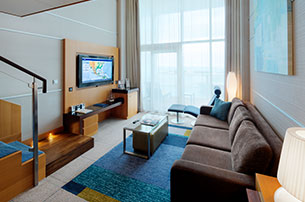
Crown Loft Suite L2.
Two-decks-high stateroom with panoramic views. Master bedroom with Royal King size bed and bath on second level. Bath with shower on main level. Private balcony with chairs, dining area with dry bar, table/desk. Living room sofa converts to double bed. Stateroom: 545 sq. ft. Balcony : 114 sq. ft.
Suite/Deluxe
Crown Loft Suite L2.
Two-decks-high stateroom with panoramic views. Master bedroom with Royal King size bed and bath on second level. Bath with shower on main level. Private balcony with chairs, dining area with dry bar, table/desk. Living room sofa converts to double bed. Stateroom: 545 sq. ft. Balcony : 114 sq. ft. 800-525-9696
for Pricing
Suite/Deluxe
Owner's Panoramic Suite - 1 Bedroom OP.
Grand entrance exposes lofty views two-decks-high. Single-floor suite with doorbell has dining room with dry bar and entertainment center, living room with sofa bed, and guest bath with shower. Master bedroom has a King size bed with Duxiana Mattress and sitting area, master bathroom with tub, shower, two sinks and bidet. Private balcony with jacuzzi. Stateroom: 1076 sq. ft. Balcony: 161 sq. ft. 800-525-9696
for Pricing
 Suite/Deluxe
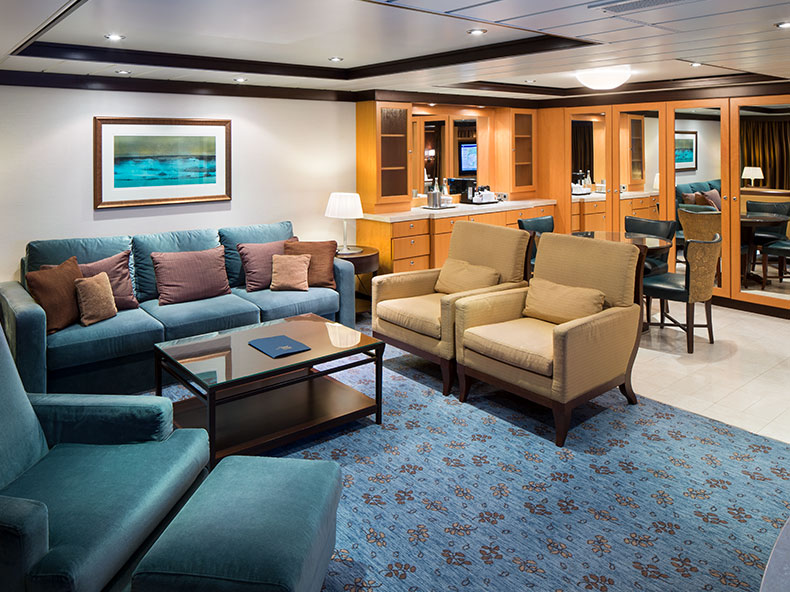
Owner's Suite - 1 Bedroom OS.
Two twin beds that convert to Royal King. Private bathroom with tub and two sinks, marble entry, large closets, living area with table and sofa. Private balcony with table and chairs. Stateroom: 556 sq. ft. Balcony: 243 sq. ft.
Suite/Deluxe
Owner's Suite - 1 Bedroom OS.
Two twin beds that convert to Royal King. Private bathroom with tub and two sinks, marble entry, large closets, living area with table and sofa. Private balcony with table and chairs. Stateroom: 556 sq. ft. Balcony: 243 sq. ft. 800-525-9696
for Pricing
 Suite/Deluxe
Royal Loft Suite RL.
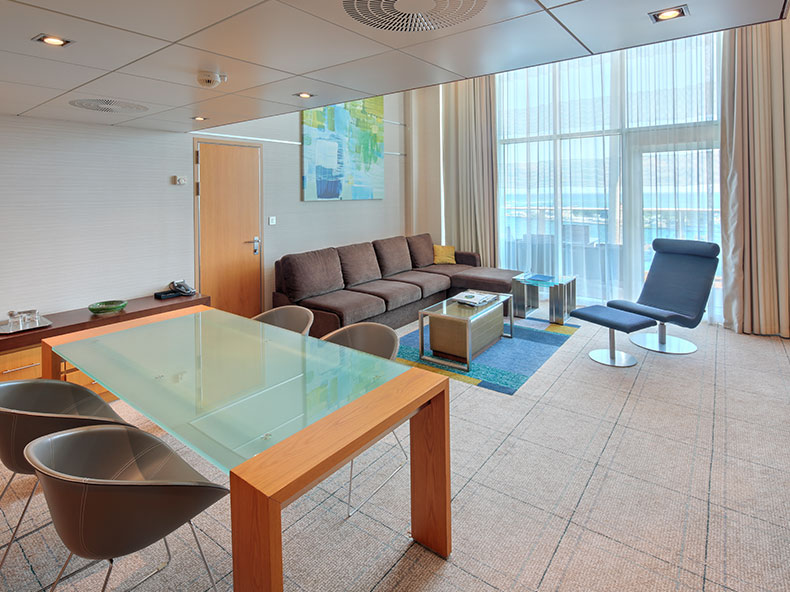
Two-decks-high stateroom with panoramic views. On second level, master bedroom has a King size bed with Duxiana Mattress; bathroom with tub, shower, two sinks and bidet and a closet. On main level, second bedroom with closet and two twin beds that convert to Royal King; dining area with dry bar, living room with sofa that converts to double bed; bathroom with shower. Private balcony with whirlpool and dining area. Stateroom: 1,524 sq. ft. Balcony (main level): 843 sq. ft.
Suite/Deluxe
Royal Loft Suite RL.
Two-decks-high stateroom with panoramic views. On second level, master bedroom has a King size bed with Duxiana Mattress; bathroom with tub, shower, two sinks and bidet and a closet. On main level, second bedroom with closet and two twin beds that convert to Royal King; dining area with dry bar, living room with sofa that converts to double bed; bathroom with shower. Private balcony with whirlpool and dining area. Stateroom: 1,524 sq. ft. Balcony (main level): 843 sq. ft. 800-525-9696
for Pricing
 Suite/Deluxe
Star Loft Suite TL.
Two-decks-high stateroom with panoramic views. Master bedroom and bathroom on second level. Bedroom has a King size bed with Duxiana Mattress. Stairway to second level. Bathrooms with shower for two. Private balcony with dining area. Dining area with dry bar. Living room sofa converts to double bed. Closets on each level. Stateroom: 722 sq. ft. Balcony: 410 sq. ft.
Suite/Deluxe
Star Loft Suite TL.
Two-decks-high stateroom with panoramic views. Master bedroom and bathroom on second level. Bedroom has a King size bed with Duxiana Mattress. Stairway to second level. Bathrooms with shower for two. Private balcony with dining area. Dining area with dry bar. Living room sofa converts to double bed. Closets on each level. Stateroom: 722 sq. ft. Balcony: 410 sq. ft. 800-525-9696
for Pricing
Balcony
 Central Park View with Balcony (2J)
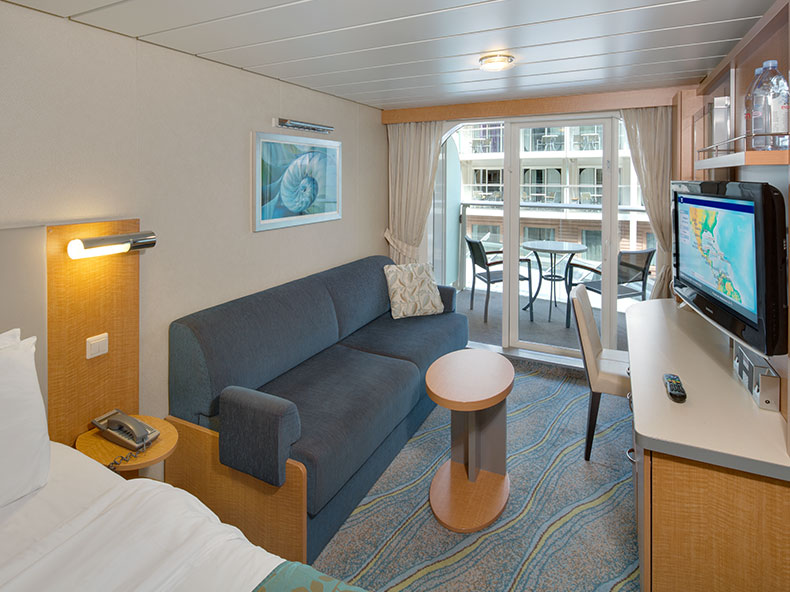
Two twin beds that convert to Royal King, Central Park view balcony, sitting area, and a private bathroom. (274 sq. ft. Balcony 86 sq. ft.)
800-525-9696
for Pricing
 Boardwalk View with Balcony (2I)
Two twin beds that convert to Royal King, boardwalk view balcony, sitting area, and a private bathroom. Stateroom: 182 sq. ft. Balcony: 52 sq. ft.
800-525-9696
for Pricing
 Oceanview with Balcony (4D)
Two twin beds that convert to Royal King, sitting area with sofa, full bathroom and private balcony. Stateroom: 182 sq. ft. Balcony: 50 sq. ft.
800-525-9696
for Pricing
Oceanview with Balcony - Accessible (2D)Two twin beds that convert to Royal King, sitting area with sofa, full bathroom and private balcony. Stateroom: 272 sq. ft. Balcony: 80 sq. ft.
800-525-9696
for Pricing
 Balcony
Family Balcony FB.
Ultra-spacious family balcony stateroom designed for families of up to 6. Two twin beds convertible to queen, two Pullman fold-down beds, and a double sofa bed. Floor-to-ceiling sliding glass doors lead to a private balcony. Now marketed as 1A (Ultra-Spacious Family Balcony) after RCI's 2023 recategorization.
Two Pullman beds (fold-down upper berths)
Double sofa bed
Floor-to-ceiling sliding glass doors to balcony
Expanded living area
Private bathroom with shower
Flat-screen television
Mini bar and individual safe
Balcony
Family Balcony FB.
Ultra-spacious family balcony stateroom designed for families of up to 6. Two twin beds convertible to queen, two Pullman fold-down beds, and a double sofa bed. Floor-to-ceiling sliding glass doors lead to a private balcony. Now marketed as 1A (Ultra-Spacious Family Balcony) after RCI's 2023 recategorization.
Two Pullman beds (fold-down upper berths)
Double sofa bed
Floor-to-ceiling sliding glass doors to balcony
Expanded living area
Private bathroom with shower
Flat-screen television
Mini bar and individual safe 800-525-9696
for Pricing
Balcony
Boardwalk Balcony B2.
Balcony stateroom with private verandah overlooking the Boardwalk entertainment neighborhood. Floor-to-ceiling sliding glass doors. Views of the carousel, dining venues, and entertainment below. Now split into 1I (quad) and 2I (double) after RCI's 2023 recategorization.
Private balcony overlooking Boardwalk neighborhood
Floor-to-ceiling sliding glass doors
Two twin beds convertible to queen
Sitting area with sofa
Private bathroom with shower
Flat-screen television
Mini bar and safe 800-525-9696
for Pricing
Balcony
Ultra Spacious Oceanview with Large Balcony 1A.
Two twin beds that convert to Royal King. Sofa converts to double, two Pullman beds, private bathroom and sitting area. Stateroom: 271 sq. ft. Balcony: 82 sq. ft. 800-525-9696
for Pricing
Balcony
Oceanview with Large Balcony 1C.
Two twin beds that convert to Royal King, sitting area with sofa, full bathroom and private balcony. Stateroom: 182 sq. ft. Balcony: 50 sq. ft. 800-525-9696
for Pricing
Balcony
Oceanview with Balcony 1D.
Two twin beds that convert to Royal King, sitting area with sofa, full bathroom and private balcony. Stateroom: 182 sq. ft. Balcony: 50 sq. ft. 800-525-9696
for Pricing
 Balcony
Boardwalk View with Balcony 1I.
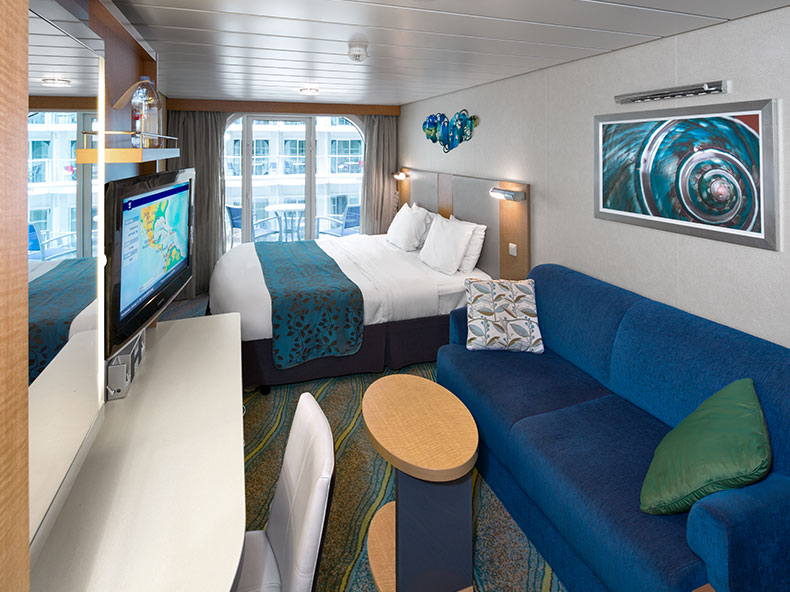
Two twin beds that convert to Royal King, boardwalk view balcony, sitting area, and a private bathroom.
Balcony
Boardwalk View with Balcony 1I.
Two twin beds that convert to Royal King, boardwalk view balcony, sitting area, and a private bathroom.Stateroom: 182 sq. ft. Balcony: 52 sq. ft.
800-525-9696
for Pricing
Balcony
Central Park View with Balcony 1J.
Two twin beds that convert to Royal King, boardwalk view balcony, sitting area, and a private bathroom. Stateroom: 182 sq. ft. Balcony: 52 sq. ft. 800-525-9696
for Pricing
 Balcony
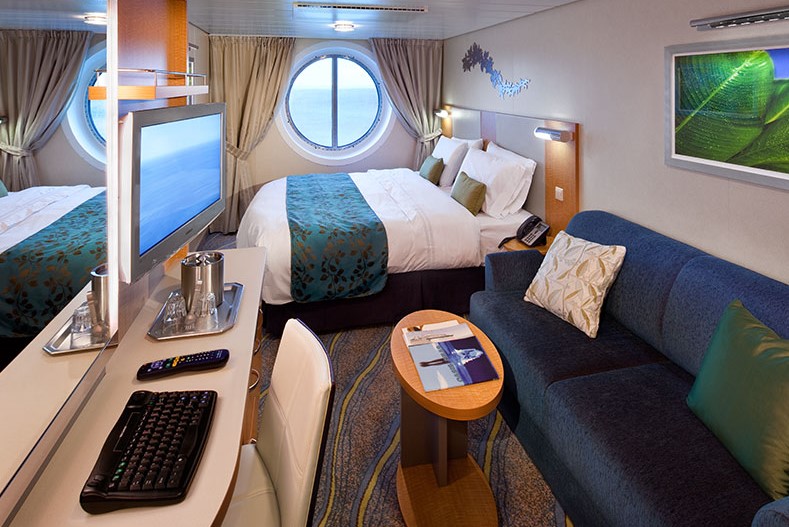
Oceanview with Large Balcony 2C.
Two twin beds that convert to Royal King, sitting area with sofa, full bathroom and private balcony. Stateroom: 182 sq. ft. Balcony: 50 sq. ft.
Balcony
Oceanview with Large Balcony 2C.
Two twin beds that convert to Royal King, sitting area with sofa, full bathroom and private balcony. Stateroom: 182 sq. ft. Balcony: 50 sq. ft. 800-525-9696
for Pricing
Balcony
Oceanview with Balcony 3D.
Two twin beds that convert to Royal King, sitting area with sofa, full bathroom and private balcony. Stateroom: 182 sq. ft. Balcony: 50 sq. ft. 800-525-9696
for Pricing
Balcony
Boardwalk View with Balcony 4I.
Two twin beds that convert to Royal King, boardwalk view balcony, sitting area, and a private bathroom. Stateroom: 182 sq. ft. Balcony: 52 sq. ft. 800-525-9696
for Pricing
Balcony
Oceanview with Balcony 5D.
Two twin beds that convert to Royal King, sitting area with sofa, full bathroom and private balcony. Stateroom: 182 sq. ft. Balcony: 50 sq. ft. 800-525-9696
for Pricing
Balcony
Oceanview with Balcony 6D.
Two twin beds that convert to Royal King, sitting area with sofa, full bathroom and private balcony. Stateroom: 182 sq. ft. Balcony: 50 sq. ft. 800-525-9696
for Pricing
Balcony
Oceanview with Balcony 7D.
Two twin beds that convert to Royal King, sitting area with sofa, full bathroom and private balcony. Stateroom: 182 sq. ft. Balcony: 50 sq. ft. 800-525-9696
for Pricing
Balcony
Oceanview with Balcony 8D.
Two twin beds that convert to Royal King, sitting area with sofa, full bathroom and private balcony.Stateroom: 182 sq. ft. Balcony: 50 sq. ft.
800-525-9696
for Pricing
Outside
Oceanview Stateroom (4N)Two twin beds that convert to Royal King, private bathroom and sitting area. 179 sq. ft.
NOTE: Most 4N Staterooms are front-facing and have an angled window (not pictured), though some do have the porthole window pictured.
800-525-9696
for Pricing
Oceanview Stateroom (2N)Two twin beds that convert to Royal King, private bathroom and sitting area. 179 sq. ft.
800-525-9696
for Pricing
 Outside
Ultra Spacious Oceanview 1K.
The Ultra Spacious Oceanview is a high-deck large Ocean View room which is great for families. Curtained nook with bunk bed, sitting area with sofa bed, walk-in closet, and bathroom. 271 sq. ft.
Outside
Ultra Spacious Oceanview 1K.
The Ultra Spacious Oceanview is a high-deck large Ocean View room which is great for families. Curtained nook with bunk bed, sitting area with sofa bed, walk-in closet, and bathroom. 271 sq. ft.
Most Category 1K Staterooms have two porthole windows, but some are front-facing and have an angled window instead (not pictured).
800-525-9696
for Pricing
Outside
Oceanview Stateroom 1N.
Two twin beds that convert to Royal King, private bathroom and sitting area. 179 sq. ft. 800-525-9696
for Pricing
Outside
Oceanview Stateroom 6N.
Two twin beds that convert to Royal King, private bathroom and sitting area. 179 sq. ft. 800-525-9696
for Pricing
Inside
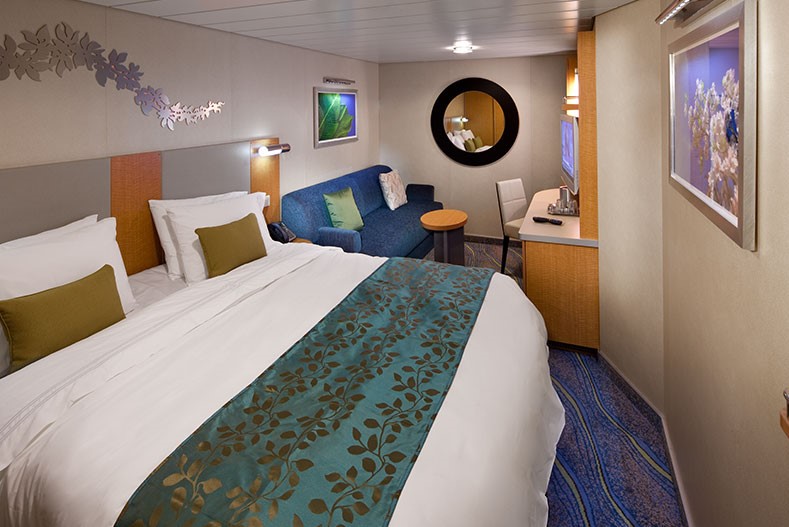 Interior Stateroom (4V)
Two twin beds that convert to Royal King, private bathroom and sitting area with twin sofa bed. Stateroom: 140 sq. ft.
800-525-9696
for Pricing
 Inside
Spacious Interior 1R.
Two twin beds that convert to Royal King. Sofa converts to double, two Pullman beds, private bathroom and sitting area. Up to 6 guests. Stateroom: 260 sq. ft.
Inside
Spacious Interior 1R.
Two twin beds that convert to Royal King. Sofa converts to double, two Pullman beds, private bathroom and sitting area. Up to 6 guests. Stateroom: 260 sq. ft. 800-525-9696
for Pricing
 Inside
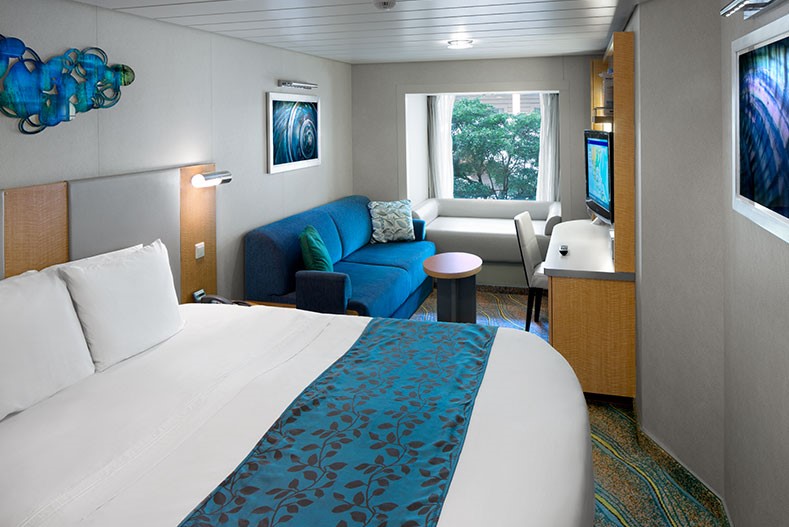
Central Park View Interior 1S.
Two twin beds that convert to Royal King, boardwalk view, sitting area, and a private bathroom. Stateroom: 191 sq. ft.
Inside
Central Park View Interior 1S.
Two twin beds that convert to Royal King, boardwalk view, sitting area, and a private bathroom. Stateroom: 191 sq. ft. 800-525-9696
for Pricing
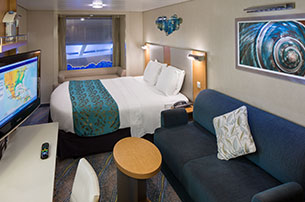 Inside
Promenade View Interior 1T.
Two twin beds that convert to Royal King, private bathroom and sitting area. Stateroom: 194 sq. ft.
Inside
Promenade View Interior 1T.
Two twin beds that convert to Royal King, private bathroom and sitting area. Stateroom: 194 sq. ft. 800-525-9696
for Pricing
 Inside
Interior Stateroom Triple 1V.
Two twin beds that convert to Royal King, private bathroom and sitting area with twin sofa bed. Stateroom: 140 sq. ft.
Inside
Interior Stateroom Triple 1V.
Two twin beds that convert to Royal King, private bathroom and sitting area with twin sofa bed. Stateroom: 140 sq. ft. 800-525-9696
for Pricing
Inside
Interior Stateroom 2V.
Two twin beds that convert to Royal King, private bathroom and sitting area with twin sofa bed. Stateroom: 140 sq. ft. 800-525-9696
for Pricing
Inside
Interior Stateroom 3V.
Two twin beds that convert to Royal King, private bathroom and sitting area with twin sofa bed. Stateroom: 140 sq. ft. 800-525-9696
for Pricing
Inside
Interior Stateroom 6V.
Two twin beds that convert to Royal King, private bathroom and sitting area with twin sofa bed. Stateroom: 140 sq. ft. 800-525-9696
for Pricing
Inside
Interior Stateroom - Accessible Cat 6V.
Two twin beds that convert to Royal King, private bathroom and sitting area with twin sofa bed. Stateroom: 274 sq. ft.Note: Above Prices include cruise fare, port charges, gratuities, taxes and fees and NACLNC® Conference registration.
800-525-9696
for Pricing
Before & After Your Cruise
Hotels
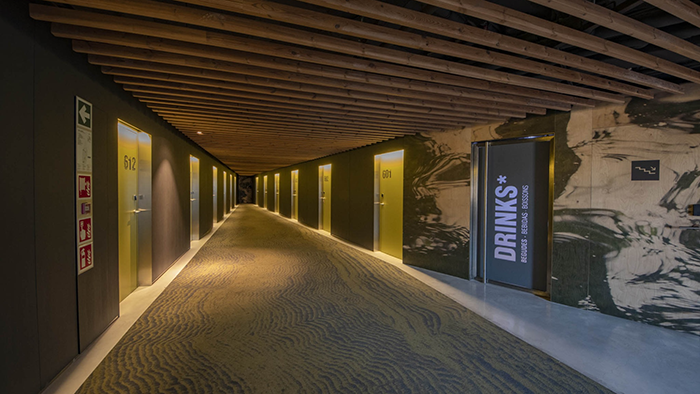

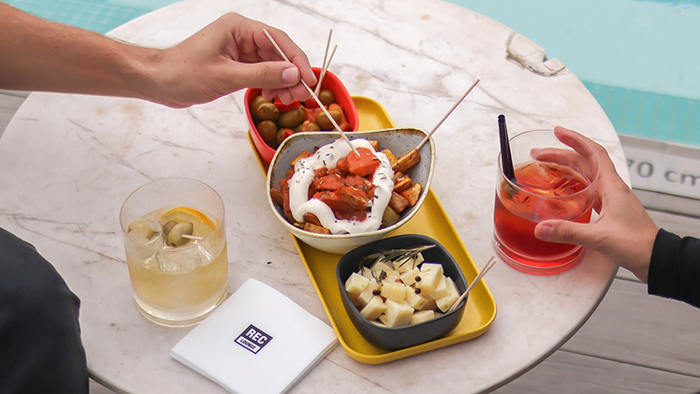
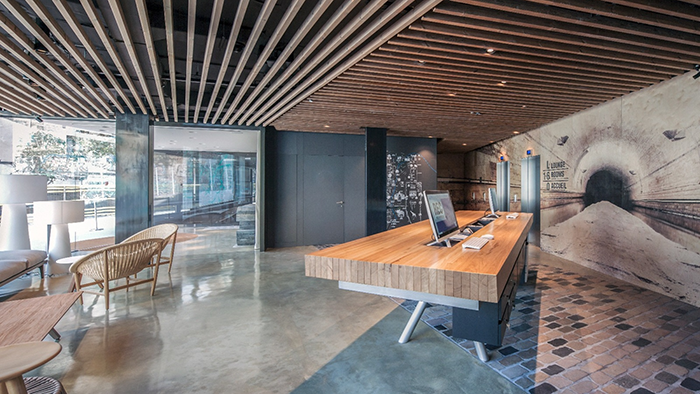
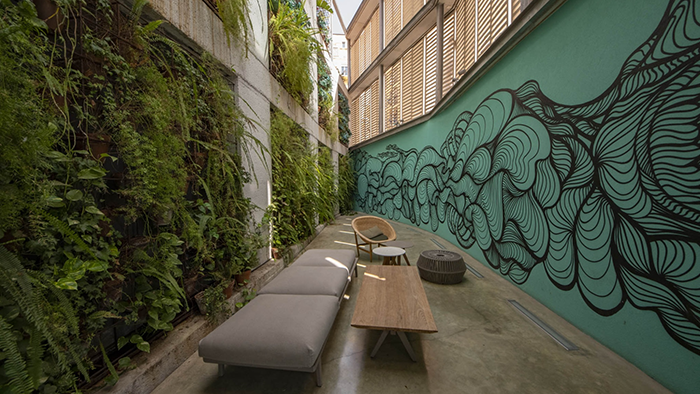
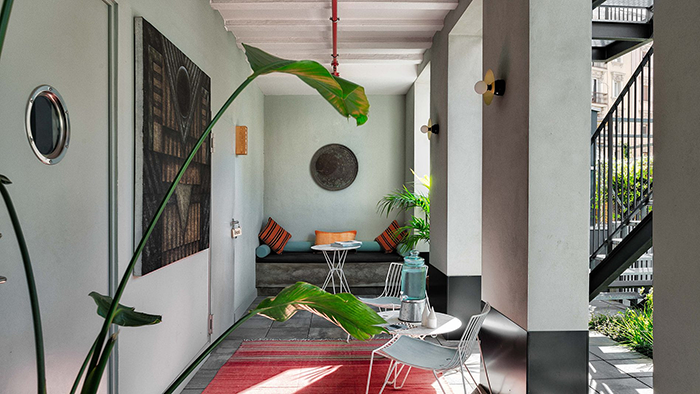
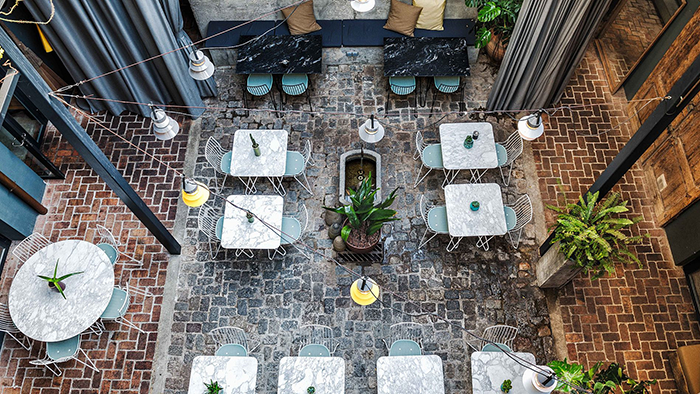
Hotel REC Barcelona
A Modern Adults-Only Hotel
Carrer del Rec Comtal, 19, 08003 Barcelona, Spain — Barcelona
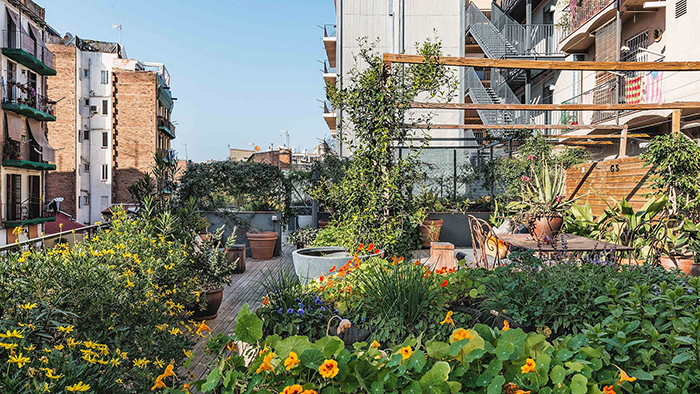
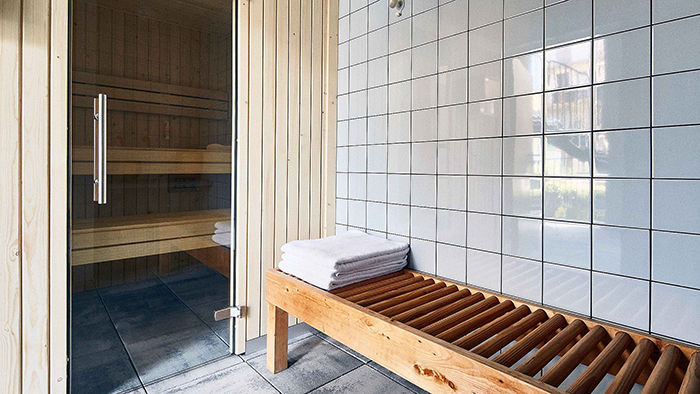
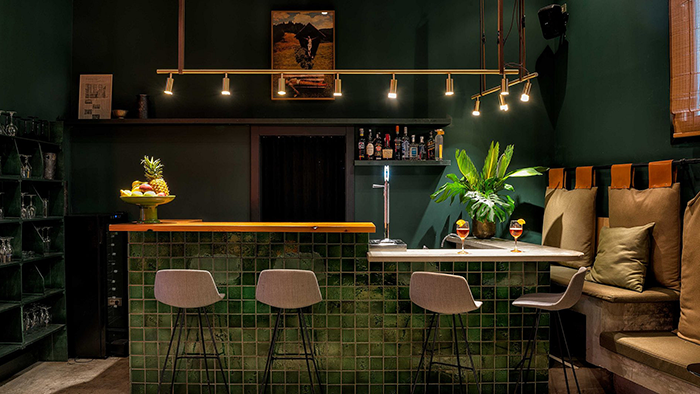

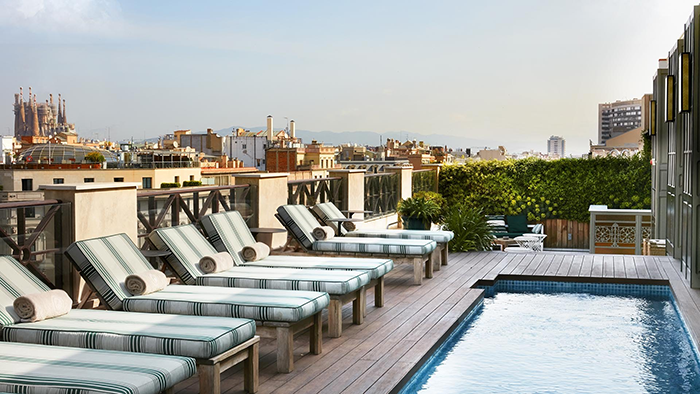
Hotel Brummell
A Cozy Urban Oasis
C/ Nou de la Rambla, 174, 08004 Barcelona, Spain — Barcelona

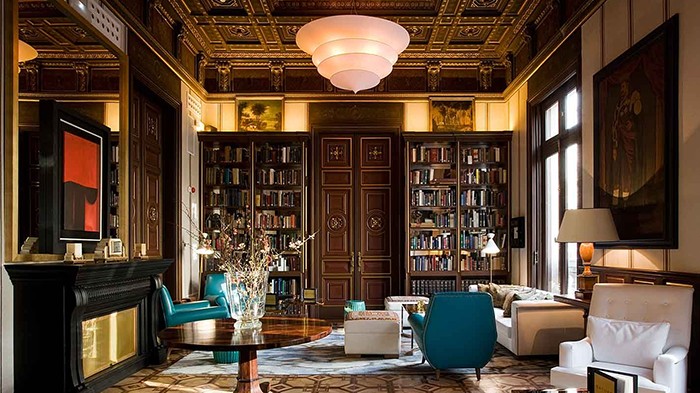
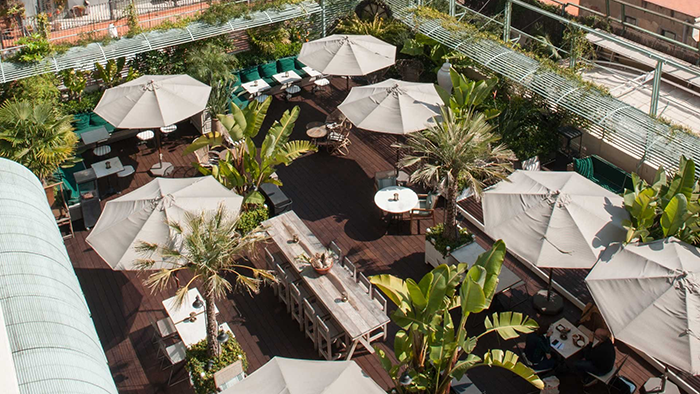
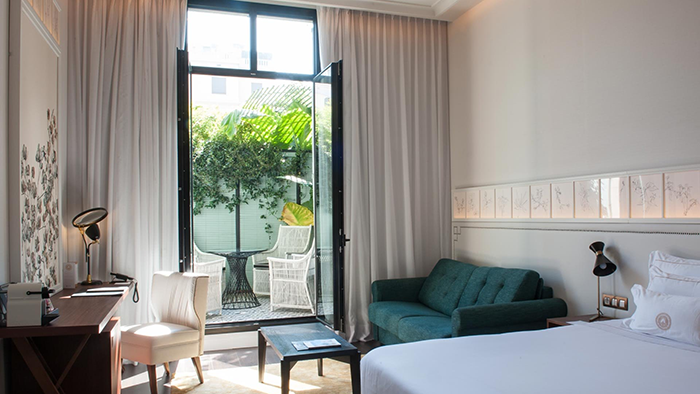
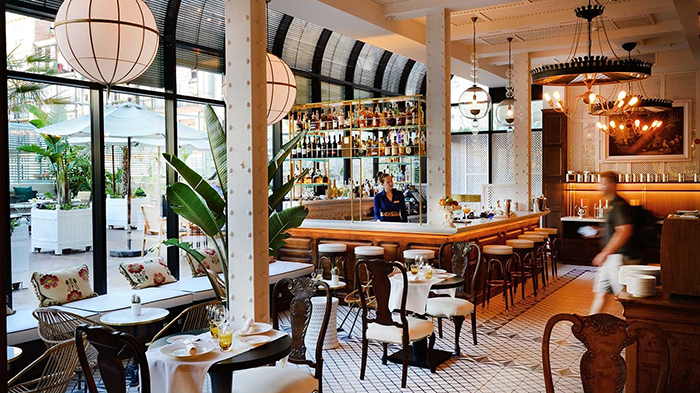
Cotton House Hotel, Autograph Collection
Modern Luxury in a Centrally Located Historic Building
Gran Via de les Corts Catalanes, 670, 08010 Barcelona, Spain — Barcelona
Protect Your Trip with Allianz Travel Insurance
Allianz Travel Insurance plans can give you flexibility and support when your trip doesn’t go quite as planned. From unexpected flight issues to covered trip cancellations, travel emergencies, and more, travel insurance can help you manage unforeseen events that may impact your trip—giving you peace of mind from the moment you book your trip through your return home.
For an instant quote:
- Simply provide a few short details about your trip
- Review the available protection plans
- Enjoy the peace of mind you deserve
Why Protect your Trip?
Whether you’re planning your next trip or you recently booked one, travel insurance can help smooth over many unexpected travel glitches—while putting your mind at ease, knowing you’re off the hook for covered expenses that could arise from them.
Allianz Travel Insurance plans can provide you benefits and professional support when a covered situation comes up before or during your trip. The following examples may qualify for benefits:
- Cancelling your trip after unexpectedly becoming too sick to travel
- Taking care of a sick or injured traveling companion
- Having to end your trip early due to a family emergency
- Dealing with a flight delay or cancellation
- Needing to buy personal items if your luggage is lost or stolen
- Missing your cruise departure after a covered flight delay
You also can contact our travel protection partner Allianz Global Assistance’s 24/7, award-winning customer service for on-the-go assistance with issues like a medical emergency, replacing your lost passport, or making reservations around the world. To be eligible for a time-sensitive waiver of pre-existing medical condition exclusions, purchase your travel insurance plan within 14 days of initial trip deposit (other purchase requirements and conditions apply). Specific plan benefits may vary. Please review your plan details for more information.
What Can Travel Insurance Help Protect?
Allianz Travel Insurance plans can protect you before and during your trip—keeping you, your loved ones, and your travel budget safer. Benefits vary by plan, and these are brief descriptions. Please read your plan documents for details.
TRIP CANCELLATION
Reimburses your prepaid, non-refundable travel expenses if you need to cancel your trip due to a covered reason, such as you, a family member, or traveling companion experiencing a covered illness or injury. Examples include:
- A doctor says you or a traveling companion is too sick to fly
- Your parent or child requires hospitalization
- You need to attend the birth of a family member’s child
- You have a traffic accident (not breakdown) on the way to the airport
- A storm shuts down your airport for 24 hours or more
TRIP INTERRUPTION
Reimburses your unused, non-refundable travel expenses and increased transportation costs during your trip if you have to return home early due to a covered reason, for instance when a family member has a qualifying medical emergency and needs your care. Examples include:
- You have a covered illness or injury and a doctor says you must return home
- A family member has a qualifying injury and needs your care
- A covered emergency, like a fire or flood, makes your home uninhabitable
TRAVEL DELAY
If you have a covered delay while traveling, travel insurance can reimburse you for meals, accommodations, and transportation expenses when your trip is delayed for a minimum number of consecutive hours for a covered reason. Minimum number of hours varies by plan.
EMERGENCY MEDICAL AND DENTAL CARE
Reimburses your expenses related to covered medical and dental emergencies* that might occur on your trip. This benefit can be especially helpful if you have a covered emergency outside the United States, as most health insurance policies won’t cover you outside the country. Examples include:
- You slip and break your ankle while sightseeing
- You get food poisoning while sampling the local cuisine
- You lose a filling and need immediate dental treatment*
*A sublimit and maximum apply for this benefit. Check your plan documents for details.
EMERGENCY MEDICAL TRANSPORTATION
Arranges and pays for medically necessary transportation following a covered injury or illness to the nearest appropriate medical facility to receive care and get you home after treatment.
BAGGAGE LOSS, DAMAGE, or THEFT
Reimburses the replacement of your lost, damaged, or stolen luggage and personal items while traveling.
BAGGAGE DELAY
Reimburses essential items purchased during your trip if your baggage is delayed for a minimum number of hours (varies by plan).
CHANGE FEE
Reimburses fees if you need to change your flight itinerary due to a covered reason.
24-HOUR ASSISTANCE
Provides around-the-clock support during your trip. Allianz Global Assistance’s staff of multilingual problem solvers can help you with medical, legal, and travel-related emergencies whenever they happen. Medical assistance may include, but is not limited to:
- Medical triage with referrals to local prescreened medical providers
- Ongoing medical monitoring
- Payment guarantee
- Emergency medical transportation
Additional services for travel-related emergencies can help with:
- Missed connecting flights
- Lost/stolen travel documents
- Pre-trip information
- Prescription replacements
Our Promise to You
When you purchase any Allianz Travel Insurance plan, you automatically get 15 days (or more, depending on your state of residence) to review your policy documents. Within that period, you can cancel your plan for a full refund if you’re not satisfied, as long as you haven’t filed a claim or departed on your trip.
Need Help Along the Way?
Contact Allianz Global Assistance’s award-winning team of travel experts. Call anytime for assistance navigating travel mishaps overseas or in the U.S.—or help with everything from reporting lost baggage to locating emergency medical treatment. They can also help you replace passports, refer you to legal assistance, secure cash from home in case of emergency, and guarantee payment when you need to be admitted to a hospital, in some instances.
Contact Allianz Global Assistance
Phone (24/7):
1-800-284-8300 (within the U.S., Canada, Puerto Rico, and the U.S. Virgin Islands)
1-804-281-5700 (outside of the U.S., call collect)
File or Track a Claim
It’s easy and convenient to file and track a claim, upload documents, and more online. Start your claim using your email address or policy number.
File a ClaimIf you need help filing a claim or understanding the claims process, visit the Allianz Global Assistance Claims Center.
Update Your Plan
If you need to update your travel insurance plan, such as adjusting the dates of your plan to reflect itinerary changes, please contact us or manage your plan online so your plan reflects your entire itinerary and provides the right amount of protection for your travels.
Manage My PlanAbout Allianz Global Assistance
Allianz Global Assistance is a world leader in travel insurance and assistance, helping millions of travelers across the globe every year. Allianz Global Assistance is owned by Allianz SE, the world’s largest diversified insurance company. For over 100 years, Allianz SE has helped protect important milestones in American history, insuring the Wright Brothers’ first flight and Golden Gate Bridge construction.
Terms, conditions, and exclusions apply including for pre-existing medical conditions. Insurance benefits underwritten by BCS Insurance Company (OH, Administrative Office: 2 Mid America Plaza, Suite 200, Oakbrook Terrace, IL 60181), rated “A” (Excellent) by A.M. Best Co., under BCS Form No. 52.201 series or 52.401 series, or Jefferson Insurance Company (NY, Administrative Office: 9950 Mayland Drive, Richmond, VA 23233), rated “A+” (Superior) by A.M. Best Co., under Jefferson Form No. 101-C series or 101-P series, depending on your state of residence and plan chosen. A+ (Superior) and A (Excellent) are the 2nd and 3rd highest, respectively, of A.M. Best’s 13 Financial Strength Ratings. Plans only available to U.S. residents and may not be available in all jurisdictions. Allianz Global Assistance and Allianz Travel Insurance are marks of AGA Service Company dba Allianz Global Assistance or its affiliates. Allianz Travel Insurance products are distributed by Allianz Global Assistance, the licensed producer and administrator of these plans and an affiliate of Jefferson Insurance Company. The insured shall not receive any special benefit or advantage due to the affiliation between AGA Service Company and Jefferson Insurance Company. Plans include insurance benefits and assistance services. Any Non-Insurance Assistance services purchased are provided through AGA Service Company. Except as expressly provided under your plan, you are responsible for charges you incur from third parties. Contact AGA Service Company at 800-284-8300 or 9950 Mayland Drive, Richmond, VA 23233 or customerservice@allianzassistance.com.