
COURSE CREDITS & HOURS
16 ANCC Contact Hours
COURSE FEES
TARGET AUDIENCE
PROGRAM TOPICS
- Identifying character traits that promote clinician well-being, resilience, and positive patient outcomes in health care
- Define clinician resilience and well-being
- Identify 3 positive outcomes linked to clinician well-being
- Review 24 distinct character strengths that promote resilience and well-being
- Identify and learn to apply personal character strengths to enhance professional resilience in health care settings.
- Identify participants' top 5 character strengths which promote professional resilience and well-being
- Identify workplace applications of these character strengths to enhance well-being, reduce burnout, and improve patient care
- Using evidence-based techniques from Positive Psychology and Cognitive Behavioral Therapy to enhance resilience
- Learn three brief, evidence-based techniques for building professional resilience and well-being in oneself, team members, and patients
- Identify health care applications of evidence-based techniques to promote well-being and resilience of clinicians and patients.
- Identify situations in which resilience-building techniques can be utilized to promote well-being in health care settings
- Discuss implementation strategies and practice utilizing evidence-based techniques to improve well-being
- Assessing and promoting clinician flourishing in health care systems
- Define flourishing in contrast to burnout in health care clinicians
- Identify multi-level promotors of flourishing in health care clinicians
- Assessing and addressing provider burnout in healthcare systems
- Understand and distinguish three aspects of professional burnout
- Review and have the option to complete a standard measure of professional burnout
- Identify 3 systems-level interventions to reduce health care clinician burnout
- Identifying and addressing systemic factors in health care to promote professional resilience and well-being
- Appreciate factors at the institutional level which correlate with health care clinician burnout
- Summarize institutional and team-based factors that reduce burnout and promote well-being, professional resilience, and positive patient outcomes
- Develop a S.M.A.R.T. goal to improve professional resilience, well-being and sustainability
- Identify 2-3 opportunities in which participants can promote professional resilience and impact their well-being, practice, team, or health care system
- Design a short-term S.M.A.R.T. goal to enhance professional well-being, resilience and sustainability
>li>Approach to the emergency airway
- Utilize an approach to the airway that allows for less anxiety, better control of a potential crisis situation, and better outcomes
- Aortic Disasters - a case base approach to Thoracic Aortic Dissection AAA and more
- The learner will be better prepared to encounter a low frequency high risk illness, with a cognitive approach
- The Treatment of Civilians in Combat Zones
- Beacquainted with needs of civilians ill in injured in combat zones that may differ from those of combatants and from those seen in usual circumstances. This includes issues such as acute and post traumatic stress, sexual violence as well as traumatic injury
- Dangerous ENT Infections
- After a case based discussion of several infectious emergencies the learner will be better equipped to diagnose and treat these conditions
- Environmental Emergencies
- Diagnose and categorize accidental hypothermia and hyperthermia to assess for life and limb threatening situations and initiate appropriate treatment
- Ketamine - from sedation to psychiatry
- Be familiar with the history of the medication Ketamine, its uses for sedation and pain control and the evidence and protocols for the treatment of depression. We will review efficacy and safety
- Vertigo in the Emergency Department
- Be familiar with the causes of vertigo and how to distinguish vertigo of a 'peripheral' or inner ear source, vs a central or vertebrobasiar circulatory source (stroke)
- Decision making in the Emergency Department
- Be familiar with and be able to analyze his/her and other's decision making process and reduce bias and improve judgement in real time
IMPORTANT INFORMATION
Faculty
Michael J. Drescher, MD, FACEP

Department of Emergency Medicine
Beilinson Hospital
Rabin Medical Center
Petah Tikvah
Israel
Dr Drescher graduated from the University of Michigan in 1982 with a BA in economics after writing his senior thesis on “Jewish and Arab Economies in Mandatory Palestine.” Upon graduating from the U of M he moved to Israel where after performing his military service as an infantry rifleman he began his medical school studies at the Hebrew University of Jerusalem Hadassah Medical School where he graduated in 1992. After marrying his wife Yosefa, Michael returned to the US and completed a residency at the University of Connecticut School of Medicine Emergency Medicine Residency, staying on as faculty and in charge of research for the residency as well as an attending physician at Hartford Hospital Emergency Department.
In 2000 Dr Drescher and his family moved back to Israel where he worked as an attending physician in the ED at the Sheba Medical Center in Tel Hashomer, Israel where he was interim head of the Trauma service and of the ED until 2005. Those were years of unrest in Israel with terrorist attacks happening with relative frequency affecting both work in the ED and life outside.
From 2005 -2010 moved back to Connecticut where he was the Associate Chief of Emergency Medicine at Hartford Hospital and after another move from 2015-2022 was the Chief of EM at Beilinson Hospital, Rabin Medical Center, in Petah Tikvah, Israel.
Dr Drescher has published over 40 peer reviewed articles, with a research interest in emergency radiology, pain control, clinical decision making among other topics.
From 2018-2022 he was the Chairman of the Israel Association for Emergency Medicine and worked on the advancement of the specialty in Israel. He is Associate Professor of Emergency Medicine at UCONN school of medicine and visiting Associate Professor of Emergency Medicine at the Tel Aviv University School of Medicine.
Gina Touch, Ph.D.

Associate Professor, Departments of Psychiatry and Family, Community, and Preventive Medicine, University of Arizona College of Medicine – Phoenix
Phoenix, AZ
Gina Touch, PhD, is the Behaviorist and Core Faculty for the University of Arizona College of Medicine – Phoenix (UA COM-P) Banner Family Medicine Residency, with a dedicated focus on Graduate Medical Education and Lifestyle Medicine curriculum development. She holds an appointment as an Associate Professor in the Departments of Psychiatry and Family, Community, and Preventive Medicine at UA COM-P. Her extensive academic and clinical background includes directing the Behavioral Sciences, Wellness, and Professional Identity Development curricula at the college, as well as serving as a clinical psychologist in Addiction Medicine within the Department of Obstetrics & Gynecology.
Dr. Touch graduated from the University of Houston with a doctorate in Counseling Psychology and completed a postdoctoral fellowship in Geropsychology at the Houston VA Medical Center. She has been a practicing clinical psychologist and a core faculty member in graduate psychology and medical education programs for over 25 years.
Accreditation
|
|
In support of improving patient care, Continuing Education, Inc./University at Sea® is jointly accredited by the Accreditation Council for Continuing Medical Education (ACCME), the Accreditation Council for Pharmacy Education (ACPE), and the American Nurses Credentialing Center (ANCC), to provide continuing education for the healthcare team. |
|
|
Credit Designation for Physicians: Continuing Education, Inc. designates this live activity for 16 AMA PRA Category 1 Credits™. Physicians should claim only the credit commensurate with the extent of their participation in the activity. |
|
|
Osteopathic Physicians: This program is eligible for Category 2 credit with the American Osteopathic Association (AOA). US or Canadian Family Physicians: Please let us know if you require AAFP Prescribed Credits.
|
|
|
Credit Designation for Nurses:
Continuiung Education, Inc. designates this continuing nursing education activity for 16 contact hours.
Nurse Practitioners: Can claim either ANCC Contact Hours or AMA PRA Category 1 Credits TM as needed. Pharmacology credits are identified on individual activities. |
|
|
Royal College of Physicians and Surgeons of Canada:
|
|
|
College of Family Physicians of Canada (CFPC)
|
|
|
|








Cruise Itinerary
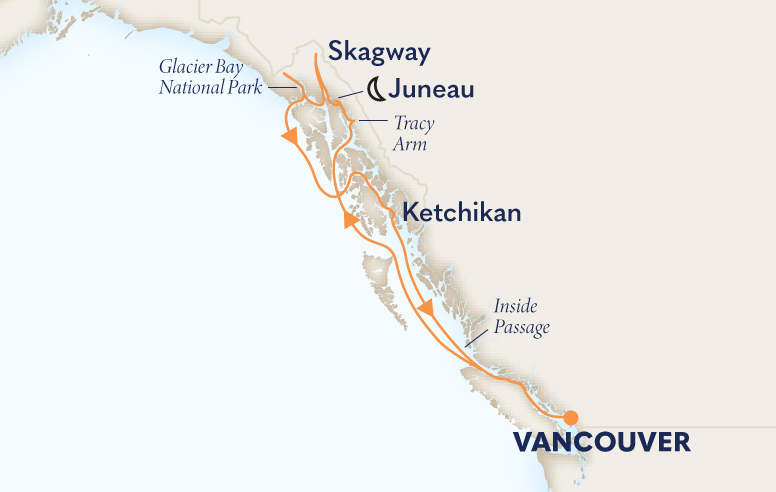
| DATE | PORT OF CALL | ARRIVE | DEPART |
|---|---|---|---|
| Saturday, August 30 | Vancouver, British Columbia |
- | 4:00 pm |
| Sunday, August 31 | Alaska Inside Passage Lectures 9:00 AM - 12:00 PM, 1:00 PM - 4:00 PM |
- | - |
| Monday, September 1 | Tracy Arm Fjord, Alaska |
9:00 am | 9:30 am |
| Monday, September 1 | Juneau, Alaska |
1:00 pm | 10:00 pm |
| Tuesday, September 2 | Skagway, Alaska |
7:00 am | 8:00 pm |
| Wednesday, September 3 | Glacier Bay, Alaska Lectures 9:00 AM - 12:00 PM, 1:00 PM - 4:00 PM |
7:00 am | 4:00 pm |
| Thursday, September 4 | Ketchikan, Alaska |
11:00 am | 7:00 pm |
| Friday, September 5 | Alaska Inside Passage Lectures 8:30 AM - 12:30 PM |
- | - |
| Saturday, September 6 | Vancouver, British Columbia |
7:00 am | - |
Ports of Call
Vancouver, British Columbia

The city’s cruise terminal, Canada Place, sits conveniently in the heart of downtown, meaning your exploration can begin the moment you step ashore or check out of your hotel. Vancouver’s core is remarkably walkable, a compact grid of distinct neighborhoods nestled between the Burrard Inlet and False Creek, all under the watchful gaze of the Coast Mountains. This is a city that invites you to slow down and absorb its unique character.
Exploring the City's Soul - Your first priority should be Stanley Park, a 1,000-acre temperate rainforest that serves as the city’s green heart. This is no manicured city park; it’s a vast expanse of old-growth forest, rugged coastline, and tranquil lakes. The best way to experience it is by walking or cycling the Seawall, a paved 5.5-mile path that traces its perimeter, offering uninterrupted views of the city skyline, the North Shore mountains, and the ocean. Don’t miss the collection of First Nations totem poles at Brockton Point, a powerful and authentic introduction to the region’s indigenous heritage.
For a completely different but equally essential Vancouver experience, take a small Aquabus ferry across False Creek to Granville Island. Once an industrial wasteland, it has been transformed into a thriving hub for food, art, and culture. The main draw is the Public Market, a sensory overload of local produce, artisanal cheeses, fresh seafood, and gourmet food stalls. It’s a place to graze, sample, and assemble an impromptu picnic. Beyond the market, the island is home to artisan workshops where you can watch glassblowers, jewelers, and potters at their craft.

History and modern style converge in Gastown, the city’s oldest neighborhood. Its cobblestone streets and Victorian architecture now house independent boutiques, First Nations art galleries, and some of Vancouver’s most innovative restaurants and cocktail bars. It’s a neighborhood best explored on foot, allowing you to discover hidden courtyards and appreciate the intricate details of the historic buildings.
A Culinary Landscape - Vancouver’s dining scene is a direct reflection of its Pacific Rim geography and multicultural population. The quality and availability of fresh, local seafood is exceptional—from wild sockeye salmon and briny oysters to sweet Dungeness crab. Beyond the local catch, the city is celebrated for having some of the best and most diverse Asian cuisine outside of Asia. You can find world-class sushi, authentic ramen, and, for those willing to take a short SkyTrain ride to the suburb of Richmond, an unparalleled dim sum experience. The city also champions a strong farm-to-table ethos and a flourishing craft beer scene, with dozens of microbreweries scattered throughout the Mount Pleasant and East Vancouver neighborhoods.
An Unhurried Two-Day Itinerary - To truly appreciate what Vancouver offers, we recommend a minimum two-day stay. This allows for a relaxed pace that matches the city’s laid-back vibe.
- Day 1: Urban & Historic Core
- Day 2: Nature, Art & Markets
This is a city that rewards the curious. By extending your stay, you transform a logistical necessity into a memorable experience, allowing the spirit of the Pacific Northwest to set the tone for, or provide a perfect conclusion to, your Alaskan adventure.
Alaska Inside Passage

This is a day for active observation. We strongly advise securing a position on deck or a private balcony well before approaching major highlights like Glacier Bay, Hubbard Glacier, or Tracy Arm Fjord. The silence here is profound, often broken only by the 'white thunder' of tidewater glaciers calving into the sea. The visual impact of the 'glacial blue'—created by dense ice absorbing red light spectrums—is startlingly vivid against the grey skies.
Wildlife viewing requires patience but offers high rewards. The nutrient-rich waters are prime feeding grounds for humpback whales; look for the telltale mist of a spout or the fluke raising before a dive. Orcas, Dall’s porpoises, and harbor seals are common sights, while bald eagles are nearly ubiquitous on passing ice floes. On the shoreline, keep a sharp eye out for coastal brown bears at low tide.
Practical preparation is key to enjoying this passage. The weather is notoriously changeable; expect rain and mist, which actually enhances the dramatic, moody atmosphere of the fjords. Dress in waterproof layers and, most importantly, bring high-quality binoculars. Relying solely on the naked eye or a camera lens means missing the intricate details of this untamed wilderness. This is a time to disconnect from shipboard distractions and immerse yourself in one of the planet's most magnificent natural corridors.
Tracy Arm Fjord, Alaska
Juneau, Alaska


The Mendenhall Glacier is the undisputed centerpiece. While the Visitor Center offers a solid introduction, the glacier has receded significantly in recent years. To truly grasp the scale of the Juneau Icefield, we recommend a helicopter excursion. Landing on the glacier or dog sledding on the ice cap is a significant investment, but it provides a visceral connection to the landscape that a distant view from the visitor center cannot match. If you prefer to stay grounded, the hike to Nugget Falls offers a powerful view of the glacier's face and a roaring waterfall without the flight costs.
Juneau’s waters are among the most productive feeding grounds for humpback whales in the world. Sightings in Auke Bay are exceptionally reliable during the cruise season. If you have not booked a wildlife excursion elsewhere on your itinerary, this is the place to do it.

Downtown Juneau is compact and historic, though South Franklin Street can feel congested when multiple ships are in port. For a sophisticated cultural break, the Alaska State Museum is outstanding, housing world-class exhibits on Native Alaskan heritage and Russian history. The Mount Roberts Tramway, located right at the dock, offers sweeping views, but we advise purchasing tickets only after assessing the cloud cover; the view is spectacular, but non-existent in heavy fog.
For a culinary finish, skip the generic tourist traps and visit Tracy’s King Crab Shack for genuine local flavor. Juneau is a wet city—it lies in a temperate rainforest—so dress in waterproof layers to enjoy this spectacular intersection of civilization and wild frontier.


Skagway, Alaska


However, we advise viewing Skagway primarily as a staging ground for the wilderness beyond. The town sits in a narrow, wind-swept valley, and the most dramatic scenery requires leaving the immediate port area. The definitive experience here is the White Pass & Yukon Route Railroad. This narrow-gauge railway is an engineering masterpiece that climbs nearly 3,000 feet in just 20 miles, offering vertiginous views of gorges, waterfalls, and the Sawtooth Mountains. It is not merely a train ride; it is the most efficient and spectacular way to understand the geography that challenged gold seekers.
For a different perspective, Skagway is the premier port for flightseeing. Helicopter excursions to nearby glaciers—often combined with dog sledding—provide a sense of scale that ground-based tours cannot match. For those preferring to stay closer to sea level, a float down the Taiya River or a hike to Lower Reid Falls offers serenity away from the busy boardwalks. Ultimately, Skagway rewards those who book a specific adventure rather than wandering aimlessly.

Glacier Bay, Alaska


The 65-mile journey up the fjord reveals a world in constant, dramatic change. You’ll pass forested shorelines where brown bears and mountain goats can sometimes be spotted, and rocky outcrops where puffins and other seabirds nest. The true spectacle, however, awaits at the bay's terminus. Here, you will spend hours in the presence of massive tidewater glaciers like Margerie and Grand Pacific. The experience is multi-sensory: the sight of the impossibly blue ice, the crisp, clean air, and the deep silence, punctuated only by the thunderous crack of calving ice. Witnessing a skyscraper-sized block of ice shear off a glacier's face and crash into the sea is a humbling, unforgettable display of nature's power. Keep a keen eye on the water for humpback whales, orcas, and harbor seals resting on floating ice floes. A day in Glacier Bay is a meditative encounter with a raw, primordial world.


Ketchikan, Alaska


For a relaxed day, the town is highly walkable. The centerpiece is Creek Street, a historic boardwalk built on pilings over the water. Formerly the city's notorious red-light district, it is now a charming, albeit busy, collection of galleries and local shops. In late summer, looking over the rails offers a front-row seat to thousands of salmon fighting their way upstream; the nearby fish ladder provides a fascinating, close-up view of this biological struggle.

To engage with the region's history beyond the souvenir shops, we recommend the Totem Heritage Center. Located a short walk or quick taxi ride from the bustle of the port, it houses an unparalleled collection of original 19th-century totem poles retrieved from deserted villages. Unlike the brightly repainted replicas found in parks, these are preserved in their natural, weathered state, offering a somber and powerful insight into Native artistry.
While the town is engaging, the true grandeur of this stop lies in the surrounding wilderness. If logistics and budget permit, a floatplane excursion to Misty Fjords National Monument is the definitive Ketchikan experience. Soaring past sheer granite cliffs and cascading waterfalls provides a perspective on Alaska’s scale that ground tours simply cannot match. Whether you explore the boardwalks or fly into the fjords, Ketchikan delivers a dense, accessible dose of the frontier.

We can assist you with all your travel arrangements. We'd be happy to help you plan your flights, hotels, or tours before and/or after your cruise conference.
PLEASE NOTE: To attend the conference, participants must book their cruise accommodations through University at Sea®. This ensures we can provide full conference services and complimentary social amenities to meeting participants and guests. Participants' family and friends are welcome to book within our group allotment and take advantage of our typically excellent rates.
Request a Quote online or by voice at 800-525-9696 (US/Can) or direct/int'l tel +1-727-526-1571.
Prices below are for the full cruise including meals and evening entertainment
Suites
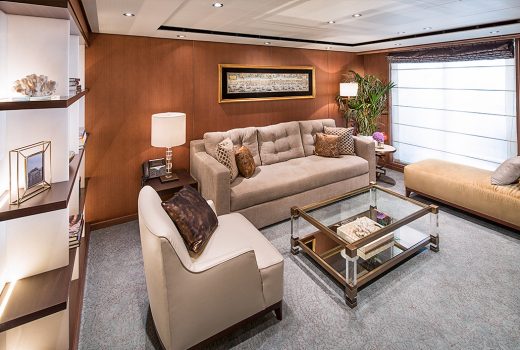
 Signature Suite (SS)
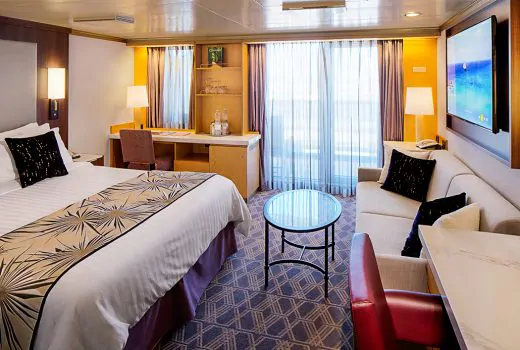
Elegant suite with sitting area overlooking a private verandah through floor-to-ceiling windows. Features whirlpool bath, additional shower stall, Murphy bed for extra guests, and a spacious sitting area. NO Neptune Lounge access, NO concierge, NO Club Orange. Queen bed or two twins converting to queen Murphy bed for additional guests Private bath with whirlpool bath Additional shower stall Hair dryer Floor-to-ceiling windows opening to private verandah Sitting area with sofa Refrigerator Flat-panel TV with Video On Demand Safety deposit box Multi-channel music Phone Binoculars Pillow choices No-host mini-bar Signature Mariner's Dream bed with plush euro-top mattress Finely woven cotton linens Premium massage showerheads Salon-quality hair dryer (Decks 4 Beethoven, 5 Gershwin, 6 Mozart, 7 Schubert & 8 Navigation)
800-525-9696
for Pricing
 Suite/Deluxe
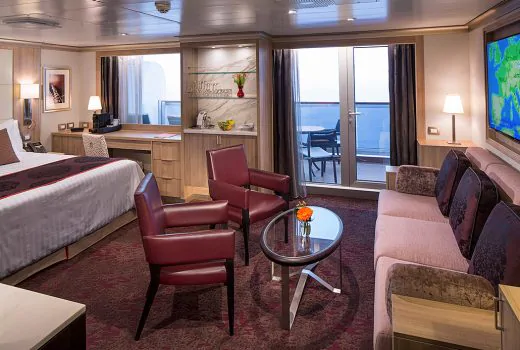
Pinnacle Suite PS.
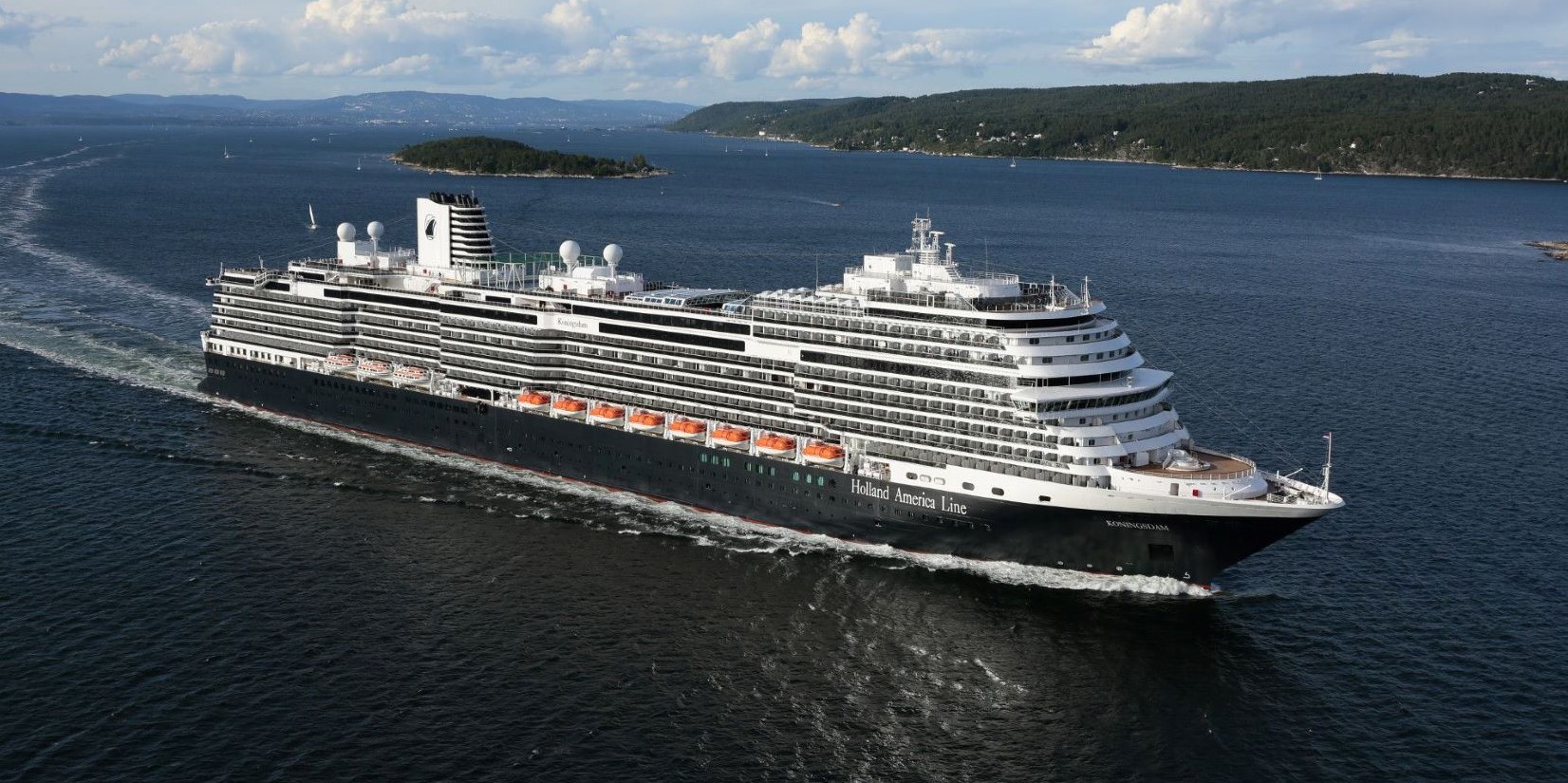
The premier suite on ms Koningsdam at approximately 1,290 sq. ft. total. Features floor-to-ceiling glass doors, a large private whirlpool verandah, separate living room, dining room, and dressing room, with luxurious Duxiana king bed. Includes a deep soaking tub, independent full-size shower stall, dual-sink vanities, and guest bath.
King-size Duxiana bed
Private bath with oversized whirlpool tub
Separate full-size shower stall
Dual-sink vanities
Dressing room
Floor-to-ceiling windows opening to private verandah with whirlpool
Living room with sofa bed
Dining room
Pantry with microwave
Refrigerator and built-in bar
Guest bath
Flat-panel TV with Video On Demand
Safety deposit box
Multi-channel music
Data port
Phone
Exclusive Neptune Lounge access
Personal concierge
Priority check-in
Priority debarkation
Priority tender boarding
Priority dining reservations
Priority theater seating requests
Club Orange private dining access
Pinnacle Grill breakfast access
Exclusive daily in-suite breakfast with mimosa
Afternoon canapes
Afternoon tea
Cocktail party with Neptune Lounge Concierge
Complimentary laundry, pressing, and dry cleaning
Welcome sparkling wine at dinner
Complimentary bottled water at embarkation
In-suite coffee/espresso machine
Premium bathrobes and tote bag
Pillow menu
Premium duvet
Over-sized bath towels
Fresh flowers
Binoculars
Expanded Marie-Stella-Maris bath amenities
No-host mini-bar
Signature Mariner's Dream bed with plush euro-top mattress
Finely woven cotton linens
Lighted magnifying mirrors
Massage showerheads
Salon-quality hair dryer
Personalized cruise stationery
Complimentary shoe shine
Suite/Deluxe
Pinnacle Suite PS.
The premier suite on ms Koningsdam at approximately 1,290 sq. ft. total. Features floor-to-ceiling glass doors, a large private whirlpool verandah, separate living room, dining room, and dressing room, with luxurious Duxiana king bed. Includes a deep soaking tub, independent full-size shower stall, dual-sink vanities, and guest bath.
King-size Duxiana bed
Private bath with oversized whirlpool tub
Separate full-size shower stall
Dual-sink vanities
Dressing room
Floor-to-ceiling windows opening to private verandah with whirlpool
Living room with sofa bed
Dining room
Pantry with microwave
Refrigerator and built-in bar
Guest bath
Flat-panel TV with Video On Demand
Safety deposit box
Multi-channel music
Data port
Phone
Exclusive Neptune Lounge access
Personal concierge
Priority check-in
Priority debarkation
Priority tender boarding
Priority dining reservations
Priority theater seating requests
Club Orange private dining access
Pinnacle Grill breakfast access
Exclusive daily in-suite breakfast with mimosa
Afternoon canapes
Afternoon tea
Cocktail party with Neptune Lounge Concierge
Complimentary laundry, pressing, and dry cleaning
Welcome sparkling wine at dinner
Complimentary bottled water at embarkation
In-suite coffee/espresso machine
Premium bathrobes and tote bag
Pillow menu
Premium duvet
Over-sized bath towels
Fresh flowers
Binoculars
Expanded Marie-Stella-Maris bath amenities
No-host mini-bar
Signature Mariner's Dream bed with plush euro-top mattress
Finely woven cotton linens
Lighted magnifying mirrors
Massage showerheads
Salon-quality hair dryer
Personalized cruise stationery
Complimentary shoe shine 800-525-9696
for Pricing
 Suite/Deluxe
Neptune Spa Suite SQ.
Neptune Suite with dedicated spa amenities including yoga mats and enhanced bath products. Features whirlpool bath, dual-sink vanity, private verandah, and Greenhouse Spa thermal suite access. Located near the spa for easy access to treatments.
Two twins converting to king-size bed
Private bath with double sink
Whirlpool bath
Additional separate shower stall
Hair dryer
Floor-to-ceiling windows opening to private verandah
Sitting area with sofa
Spa amenities (yoga mats, enhanced bath products)
Greenhouse Spa thermal suite access
Flat-panel TV with Video On Demand
Safety deposit box
Multi-channel music
Phone
Exclusive Neptune Lounge access
Personal concierge
Priority check-in
Priority debarkation
Priority tender boarding
Priority dining reservations
Priority theater seating requests
Club Orange private dining access
Pinnacle Grill breakfast access
Exclusive daily in-suite breakfast with mimosa
Afternoon canapes
Afternoon tea
Cocktail party with Neptune Lounge Concierge
Complimentary laundry, pressing, and dry cleaning
Welcome sparkling wine at dinner
In-suite coffee/espresso machine
Premium bathrobes and tote bag
Fresh flowers
Binoculars
Expanded Marie-Stella-Maris bath amenities
No-host mini-bar
Suite/Deluxe
Neptune Spa Suite SQ.
Neptune Suite with dedicated spa amenities including yoga mats and enhanced bath products. Features whirlpool bath, dual-sink vanity, private verandah, and Greenhouse Spa thermal suite access. Located near the spa for easy access to treatments.
Two twins converting to king-size bed
Private bath with double sink
Whirlpool bath
Additional separate shower stall
Hair dryer
Floor-to-ceiling windows opening to private verandah
Sitting area with sofa
Spa amenities (yoga mats, enhanced bath products)
Greenhouse Spa thermal suite access
Flat-panel TV with Video On Demand
Safety deposit box
Multi-channel music
Phone
Exclusive Neptune Lounge access
Personal concierge
Priority check-in
Priority debarkation
Priority tender boarding
Priority dining reservations
Priority theater seating requests
Club Orange private dining access
Pinnacle Grill breakfast access
Exclusive daily in-suite breakfast with mimosa
Afternoon canapes
Afternoon tea
Cocktail party with Neptune Lounge Concierge
Complimentary laundry, pressing, and dry cleaning
Welcome sparkling wine at dinner
In-suite coffee/espresso machine
Premium bathrobes and tote bag
Fresh flowers
Binoculars
Expanded Marie-Stella-Maris bath amenities
No-host mini-bar 800-525-9696
for Pricing
Suite/Deluxe
Neptune Suite SA.
Spacious suite with private verandah and expansive sitting areas. Features Mariner's Dream bed, double-sink bathroom with whirlpool tub and separate shower stall. Floor-to-ceiling windows open to a generous private balcony. SA designation indicates premium midship Deck 7 location.
Two twins converting to king-size bed
Private bath with double sink
Whirlpool bath
Additional separate shower stall
Hair dryer
Floor-to-ceiling windows opening to private verandah
Sitting area with sofa
Flat-panel TV with Video On Demand
Safety deposit box
Multi-channel music
Phone
Exclusive Neptune Lounge access
Personal concierge
Priority check-in
Priority debarkation
Priority tender boarding
Priority dining reservations
Priority theater seating requests
Club Orange private dining access
Pinnacle Grill breakfast access
Exclusive daily in-suite breakfast with mimosa
Afternoon canapes
Afternoon tea
Cocktail party with Neptune Lounge Concierge
Complimentary laundry, pressing, and dry cleaning
Welcome sparkling wine at dinner
In-suite coffee/espresso machine
Premium bathrobes and tote bag
Fresh flowers
Binoculars
Expanded Marie-Stella-Maris bath amenities
No-host mini-bar 800-525-9696
for Pricing
Suite/Deluxe
Neptune Suite SB.
Spacious suite with private verandah and expansive sitting areas. Features Mariner's Dream bed, whirlpool bath, dual-sink vanity, and additional shower stall. Floor-to-ceiling windows open to a generous private balcony. SB designation spans multiple decks.
Two twins converting to king-size bed
Private bath with double sink
Whirlpool bath
Additional separate shower stall
Hair dryer
Floor-to-ceiling windows opening to private verandah
Sitting area with sofa
Flat-panel TV with Video On Demand
Safety deposit box
Multi-channel music
Phone
Exclusive Neptune Lounge access
Personal concierge
Priority check-in
Priority debarkation
Priority tender boarding
Priority dining reservations
Priority theater seating requests
Club Orange private dining access
Pinnacle Grill breakfast access
Exclusive daily in-suite breakfast with mimosa
Afternoon canapes
Afternoon tea
Cocktail party with Neptune Lounge Concierge
Complimentary laundry, pressing, and dry cleaning
Welcome sparkling wine at dinner
In-suite coffee/espresso machine
Premium bathrobes and tote bag
Fresh flowers
Binoculars
Expanded Marie-Stella-Maris bath amenities
No-host mini-bar 800-525-9696
for Pricing
Suite/Deluxe
Neptune Suite SC.
Spacious suite with private verandah and expansive sitting areas. Features Mariner's Dream bed, whirlpool bath, dual-sink vanity, and additional shower stall. SC designation indicates value-tier Neptune Suite locations.
Two twins converting to king-size bed
Private bath with double sink
Whirlpool bath
Additional separate shower stall
Hair dryer
Floor-to-ceiling windows opening to private verandah
Sitting area with sofa
Flat-panel TV with Video On Demand
Safety deposit box
Multi-channel music
Phone
Exclusive Neptune Lounge access
Personal concierge
Priority check-in
Priority debarkation
Priority tender boarding
Priority dining reservations
Priority theater seating requests
Club Orange private dining access
Pinnacle Grill breakfast access
Exclusive daily in-suite breakfast with mimosa
Afternoon canapes
Afternoon tea
Cocktail party with Neptune Lounge Concierge
Complimentary laundry, pressing, and dry cleaning
Welcome sparkling wine at dinner
In-suite coffee/espresso machine
Premium bathrobes and tote bag
Fresh flowers
Binoculars
Expanded Marie-Stella-Maris bath amenities
No-host mini-bar 800-525-9696
for Pricing
Suite/Deluxe
Signature Suite (Plexiglas Railing) SY.
Signature Suite with verandah featuring part Plexiglas railing for enhanced ocean views. Same interior layout as SS category with whirlpool bath, additional shower stall, and sitting area. NO Neptune Lounge access, NO concierge, NO Club Orange.
Queen bed or two twins converting to queen
Murphy bed for additional guests
Private bath with whirlpool bath
Additional shower stall
Hair dryer
Floor-to-ceiling windows opening to private verandah (part Plexiglas railing)
Sitting area with sofa
Refrigerator
Flat-panel TV with Video On Demand
Safety deposit box
Multi-channel music
Phone
Binoculars
Pillow choices
No-host mini-bar
Signature Mariner's Dream bed with plush euro-top mattress
Finely woven cotton linens
Premium massage showerheads
Salon-quality hair dryer 800-525-9696
for Pricing
 Suite/Deluxe
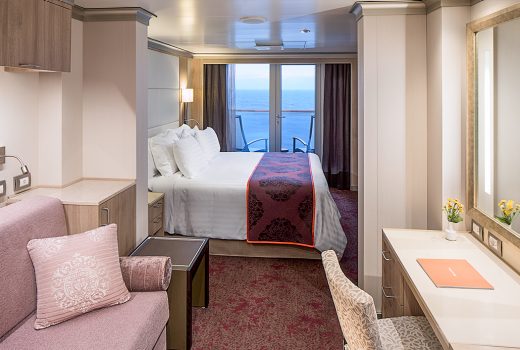
Aft-View Vista Suite AS.
Vista Suite with aft-facing teak-lined verandah offering wake views. Inverted layout with sitting area off the entrance and bedroom opening onto the verandah. Features shower, mini-bar, and refrigerator. NO Neptune Lounge access, NO concierge, NO Club Orange.
Two twins converting to queen-size bed
Shower
Hair dryer
Floor-to-ceiling windows opening to teak-lined verandah (aft view)
Sitting area
Mini-bar
Refrigerator
Flat-panel TV with Video On Demand
Safety deposit box
Multi-channel music
Phone
Binoculars
Pillow choices
No-host mini-bar
Signature Mariner's Dream bed with plush euro-top mattress
Premium massage showerheads
Suite/Deluxe
Aft-View Vista Suite AS.
Vista Suite with aft-facing teak-lined verandah offering wake views. Inverted layout with sitting area off the entrance and bedroom opening onto the verandah. Features shower, mini-bar, and refrigerator. NO Neptune Lounge access, NO concierge, NO Club Orange.
Two twins converting to queen-size bed
Shower
Hair dryer
Floor-to-ceiling windows opening to teak-lined verandah (aft view)
Sitting area
Mini-bar
Refrigerator
Flat-panel TV with Video On Demand
Safety deposit box
Multi-channel music
Phone
Binoculars
Pillow choices
No-host mini-bar
Signature Mariner's Dream bed with plush euro-top mattress
Premium massage showerheads 800-525-9696
for Pricing
Suite/Deluxe
Vista Suite A.
Graced with a private verandah, floor-to-ceiling glass doors, and comfortable sitting areas. Inverted layout with sitting area off the entrance and bedroom opening onto the verandah. Features teak-lined verandah, shower, mini-bar, and refrigerator. NO Neptune Lounge access.
Two twins converting to queen-size bed
Shower
Hair dryer
Floor-to-ceiling windows opening to teak-lined verandah
Large sitting area
Mini-bar
Refrigerator
Flat-panel TV with Video On Demand
Safety deposit box
Multi-channel music
Phone
Binoculars
Pillow choices
No-host mini-bar
Signature Mariner's Dream bed with plush euro-top mattress
Premium massage showerheads 800-525-9696
for Pricing
Suite/Deluxe
Vista Suite B.
Vista Suite with teak-lined private verandah. Inverted layout with sitting area at entrance and bedroom opening to verandah. Standard Vista Suite features with shower, mini-bar, and refrigerator. B designation indicates standard deck locations.
Two twins converting to queen-size bed
Shower
Hair dryer
Floor-to-ceiling windows opening to teak-lined verandah
Sitting area
Mini-bar
Refrigerator
Flat-panel TV with Video On Demand
Safety deposit box
Multi-channel music
Phone
Binoculars
Pillow choices
No-host mini-bar
Signature Mariner's Dream bed with plush euro-top mattress
Premium massage showerheads 800-525-9696
for Pricing
Suite/Deluxe
Vista Suite BC.
Vista Suite at the value tier. Same layout and features as other Vista Suites with teak-lined verandah. BC designation indicates value pricing tier. Max 2 guests.
Two twins converting to queen-size bed
Shower
Hair dryer
Floor-to-ceiling windows opening to teak-lined verandah
Sitting area
Mini-bar
Refrigerator
Flat-panel TV with Video On Demand
Safety deposit box
Multi-channel music
Phone
Binoculars
Pillow choices
No-host mini-bar
Signature Mariner's Dream bed with plush euro-top mattress
Premium massage showerheads 800-525-9696
for Pricing
Balcony
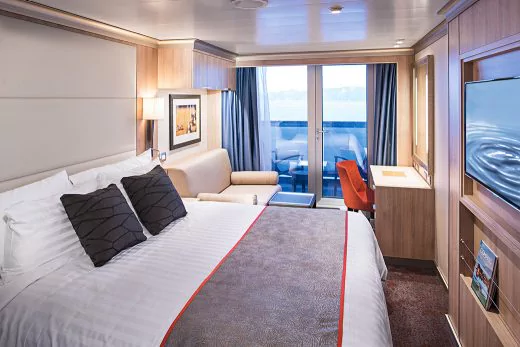 Verandah Stateroom (VA)
Verandah stateroom with floor-to-ceiling glass doors leading to a private balcony. Bathtub with premium massage showerheads. VA designation indicates upper-mid deck locations. Two twins converting to queen-size bed Bathtub with premium massage showerheads Hair dryer Floor-to-ceiling windows opening to private verandah Sitting area Flat-panel TV with Video On Demand Safety deposit box Multi-channel music Phone Signature Mariner's Dream bed with plush euro-top mattress Finely woven cotton linens Premium massage showerheads Salon-quality hair dryer (Decks 6 Mozart & 7 Schubert)
800-525-9696
for Pricing
Verandah Stateroom (VB)Verandah stateroom with floor-to-ceiling glass doors leading to a private balcony. Bathtub with premium massage showerheads. VB designation indicates mid-deck locations. Two twins converting to queen-size bed Bathtub with premium massage showerheads Hair dryer Floor-to-ceiling windows opening to private verandah Sitting area Flat-panel TV with Video On Demand Safety deposit box Multi-channel music Phone Signature Mariner's Dream bed with plush euro-top mattress Finely woven cotton linens Premium massage showerheads Salon-quality hair dryer (Decks 5 Gershwin & 6 Mozart)
800-525-9696
for Pricing
Verandah Stateroom (VC)Verandah stateroom with floor-to-ceiling glass doors leading to a private balcony. Bathtub with premium massage showerheads. VC designation indicates lower deck locations. Two twins converting to queen-size bed Bathtub with premium massage showerheads Hair dryer Floor-to-ceiling windows opening to private verandah Sitting area Flat-panel TV with Video On Demand Safety deposit box Multi-channel music Phone Signature Mariner's Dream bed with plush euro-top mattress Finely woven cotton linens Premium massage showerheads Salon-quality hair dryer (Decks 4 Beethoven & 5 Gershwin)
800-525-9696
for Pricing
Verandah Stateroom (VD)Verandah stateroom with floor-to-ceiling glass doors leading to a private balcony. Bathtub with premium massage showerheads. VD designation indicates standard locations, max 3 guests. Two twins converting to queen-size bed Bathtub with premium massage showerheads Hair dryer Floor-to-ceiling windows opening to private verandah Sitting area Flat-panel TV with Video On Demand Safety deposit box Multi-channel music Phone Signature Mariner's Dream bed with plush euro-top mattress Finely woven cotton linens Premium massage showerheads Salon-quality hair dryer (Decks 4 Beethoven, 5 Gershwin & 6 Mozart)
800-525-9696
for Pricing
Verandah Stateroom (VE)Verandah stateroom with floor-to-ceiling glass doors leading to a private balcony. Bathtub with premium massage showerheads. VE designation indicates value-tier verandah locations across multiple decks. Two twins converting to queen-size bed Bathtub with premium massage showerheads Hair dryer Floor-to-ceiling windows opening to private verandah Sitting area Flat-panel TV with Video On Demand Safety deposit box Multi-channel music Phone Signature Mariner's Dream bed with plush euro-top mattress Finely woven cotton linens Premium massage showerheads Salon-quality hair dryer (Decks 4 Beethoven, 5 Gershwin, 6 Mozart & 7 Schubert)
800-525-9696
for Pricing
800-525-9696
for Pricing
Balcony
Aft-View Verandah Stateroom VS.
Verandah stateroom with oversized aft-facing verandah offering wake views. Bathtub with premium massage showerheads. Larger verandah than standard categories.
Two twins converting to queen-size bed
Bathtub with premium massage showerheads
Hair dryer
Floor-to-ceiling windows opening to oversized private verandah (aft view)
Sitting area
Flat-panel TV with Video On Demand
Safety deposit box
Multi-channel music
Phone
Signature Mariner's Dream bed with plush euro-top mattress
Finely woven cotton linens
Premium massage showerheads
Salon-quality hair dryer 800-525-9696
for Pricing
Balcony
Verandah Stateroom V.
Premium verandah stateroom with floor-to-ceiling glass doors leading to a private balcony. Features bathtub with premium massage showerheads, spacious sitting area, and natural light. V designation indicates top-tier verandah location on upper decks.
Two twins converting to queen-size bed
Bathtub with premium massage showerheads
Hair dryer
Floor-to-ceiling windows opening to private verandah
Sitting area
Flat-panel TV with Video On Demand
Safety deposit box
Multi-channel music
Phone
Signature Mariner's Dream bed with plush euro-top mattress
Finely woven cotton linens
Premium massage showerheads
Salon-quality hair dryer 800-525-9696
for Pricing
Balcony
Verandah Stateroom VF.
Verandah stateroom with floor-to-ceiling glass doors leading to a private balcony. VF designation indicates budget-tier verandah locations, max 3 guests.
Two twins converting to queen-size bed
Bathtub with premium massage showerheads
Hair dryer
Floor-to-ceiling windows opening to private verandah
Sitting area
Flat-panel TV with Video On Demand
Safety deposit box
Multi-channel music
Phone
Signature Mariner's Dream bed with plush euro-top mattress
Finely woven cotton linens
Premium massage showerheads
Salon-quality hair dryer 800-525-9696
for Pricing
Balcony
Verandah Stateroom (Obstructed View) VH.
Verandah stateroom with partially obstructed view from lifeboats or ship structures. Same interior layout as standard verandah categories. VH offers value pricing due to obstructed view.
Two twins converting to queen-size bed
Bathtub with premium massage showerheads
Hair dryer
Floor-to-ceiling windows opening to private verandah (partially obstructed view)
Sitting area
Flat-panel TV with Video On Demand
Safety deposit box
Multi-channel music
Phone
Signature Mariner's Dream bed with plush euro-top mattress
Finely woven cotton linens
Premium massage showerheads
Salon-quality hair dryer 800-525-9696
for Pricing
Balcony
Veranda Spa Stateroom VG.
With floor-to-ceiling windows and a private verandah, these light-infused staterooms feature two lower beds convertible to one queen-size bed—our Signature Mariner's Dream™ bed with plush Euro-Top mattresses, premium massage shower heads and thoughtful amenities. Stateroom: 213 - 379 sq. ft. including verandah. 800-525-9696
for Pricing
Outside
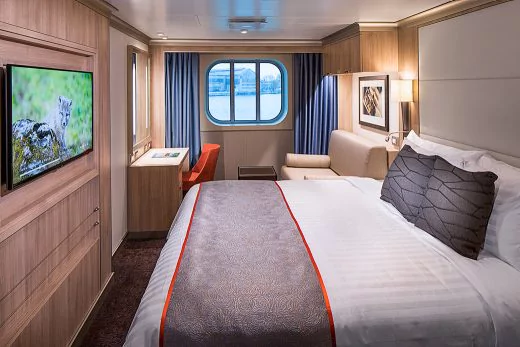 Ocean View Stateroom (C)
Ocean view stateroom with window, sitting area, and Mariner's Dream bed. Premium massage showerheads. C designation indicates the premium ocean view tier. Two twins converting to queen-size bed Premium massage showerheads Hair dryer Ocean view window Sitting area Flat-panel TV with Video On Demand Safety deposit box Multi-channel music Phone Signature Mariner's Dream bed with plush euro-top mattress Finely woven cotton linens Premium massage showerheads Salon-quality hair dryer (Decks 1 Main & 2 Plaza)
800-525-9696
for Pricing
Ocean View Stateroom (D)Ocean view stateroom on lower deck. Premium massage showerheads and Mariner's Dream bed. D designation indicates standard ocean view tier. Two twins converting to queen-size bed Premium massage showerheads Hair dryer Ocean view window Sitting area Flat-panel TV with Video On Demand Safety deposit box Multi-channel music Phone Signature Mariner's Dream bed with plush euro-top mattress Finely woven cotton linens Premium massage showerheads Salon-quality hair dryer (Deck 1 Main)
800-525-9696
for Pricing
 Outside
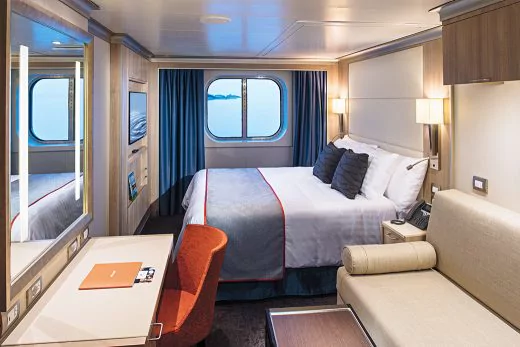
Family Ocean View Stateroom FA.
Family-sized ocean view stateroom accommodating up to 5 guests. Features two bathrooms (one with bathtub/shower/WC/sink, one with shower/sink). Designed for families with children.
Two twins converting to queen-size bed
Upper bed
Sofa bed for two additional guests
Two bathrooms (one with bathtub/shower, one with shower)
Hair dryer
Ocean view window
Sitting area
Flat-panel TV with Video On Demand
Safety deposit box
Multi-channel music
Phone
Signature Mariner's Dream bed with plush euro-top mattress
Finely woven cotton linens
Premium massage showerheads
Salon-quality hair dryer
Outside
Family Ocean View Stateroom FA.
Family-sized ocean view stateroom accommodating up to 5 guests. Features two bathrooms (one with bathtub/shower/WC/sink, one with shower/sink). Designed for families with children.
Two twins converting to queen-size bed
Upper bed
Sofa bed for two additional guests
Two bathrooms (one with bathtub/shower, one with shower)
Hair dryer
Ocean view window
Sitting area
Flat-panel TV with Video On Demand
Safety deposit box
Multi-channel music
Phone
Signature Mariner's Dream bed with plush euro-top mattress
Finely woven cotton linens
Premium massage showerheads
Salon-quality hair dryer 800-525-9696
for Pricing
Outside
Family Ocean View Stateroom FB.
Family-sized ocean view stateroom accommodating up to 5 guests. Same layout as FA with two bathrooms. FB designation indicates alternative cabin placement.
Two twins converting to queen-size bed
Upper bed
Sofa bed for two additional guests
Two bathrooms (one with bathtub/shower, one with shower)
Hair dryer
Ocean view window
Sitting area
Flat-panel TV with Video On Demand
Safety deposit box
Multi-channel music
Phone
Signature Mariner's Dream bed with plush euro-top mattress
Finely woven cotton linens
Premium massage showerheads
Salon-quality hair dryer 800-525-9696
for Pricing
Outside
Spa Ocean View Stateroom CQ.
Ocean view stateroom with dedicated spa amenities including yoga mats and enhanced bath products. Located on the Lido deck near the Greenhouse Spa. Bathtub and shower included.
Two twins converting to queen-size bed
Bathtub and shower
Hair dryer
Ocean view window
Sitting area
Spa amenities (yoga mats, enhanced products)
Flat-panel TV with Video On Demand
Safety deposit box
Multi-channel music
Phone
Greenhouse Spa thermal suite access
Signature Mariner's Dream bed with plush euro-top mattress
Finely woven cotton linens
Premium massage showerheads
Salon-quality hair dryer 800-525-9696
for Pricing
Outside
Ocean View Stateroom E.
Ocean view stateroom. E designation indicates value-tier ocean view with possible obstructed or partially obstructed view.
Two twins converting to queen-size bed
Premium massage showerheads
Hair dryer
Ocean view window
Sitting area
Flat-panel TV with Video On Demand
Safety deposit box
Multi-channel music
Phone
Signature Mariner's Dream bed with plush euro-top mattress
Finely woven cotton linens
Premium massage showerheads
Salon-quality hair dryer 800-525-9696
for Pricing
Outside
Ocean View Stateroom F.
Ocean view stateroom at the most economical ocean view pricing tier. F designation indicates budget-tier ocean view.
Two twins converting to queen-size bed
Premium massage showerheads
Hair dryer
Ocean view window or porthole
Sitting area
Flat-panel TV with Video On Demand
Safety deposit box
Multi-channel music
Phone
Signature Mariner's Dream bed with plush euro-top mattress
Finely woven cotton linens
Premium massage showerheads
Salon-quality hair dryer 800-525-9696
for Pricing
 Outside
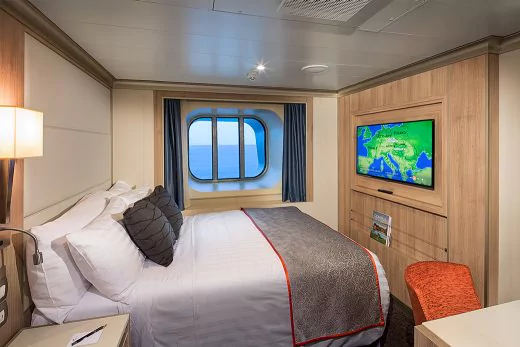
Single Ocean View Stateroom OO.
Single-occupancy ocean view stateroom designed for solo travelers. No single supplement. Queen-size bed with shower and premium massage showerheads. Compact and efficient layout.
Queen-size bed
Shower with premium massage showerhead
Hair dryer
Ocean view window
Flat-panel TV with Video On Demand
Safety deposit box
Multi-channel music
Phone
Signature Mariner's Dream bed with plush euro-top mattress
Finely woven cotton linens
Premium massage showerheads
Salon-quality hair dryer
No single supplement
Outside
Single Ocean View Stateroom OO.
Single-occupancy ocean view stateroom designed for solo travelers. No single supplement. Queen-size bed with shower and premium massage showerheads. Compact and efficient layout.
Queen-size bed
Shower with premium massage showerhead
Hair dryer
Ocean view window
Flat-panel TV with Video On Demand
Safety deposit box
Multi-channel music
Phone
Signature Mariner's Dream bed with plush euro-top mattress
Finely woven cotton linens
Premium massage showerheads
Salon-quality hair dryer
No single supplement 800-525-9696
for Pricing
Inside
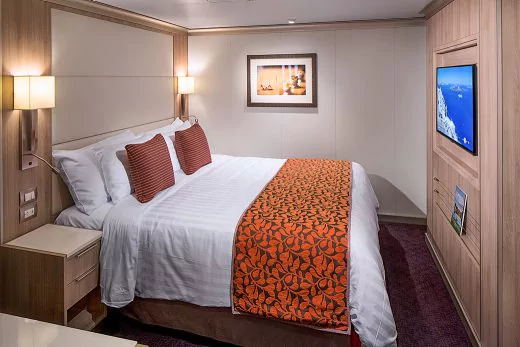 Inside Stateroom (I)
Inside stateroom offering exceptional value. Premium massage showerheads and Mariner's Dream bed. I designation indicates the premium inside tier with third-guest capacity. Two twins converting to queen-size bed Premium massage showerheads Hair dryer Sitting area Flat-panel TV with Video On Demand Safety deposit box Multi-channel music Phone Signature Mariner's Dream bed with plush euro-top mattress Finely woven cotton linens Premium massage showerheads Salon-quality hair dryer (Decks 1 Main, 2 Plaza, 4 Beethoven, 5 Gershwin, 6 Mozart, 7 Schubert & 8 Navigation)
800-525-9696
for Pricing
Inside Stateroom (J)Inside stateroom at the standard tier. Premium massage showerheads and Mariner's Dream bed. J designation indicates standard inside with 2-guest occupancy. Two twins converting to queen-size bed Premium massage showerheads Hair dryer Sitting area Flat-panel TV with Video On Demand Safety deposit box Multi-channel music Phone Signature Mariner's Dream bed with plush euro-top mattress Finely woven cotton linens Premium massage showerheads Salon-quality hair dryer (Decks 1 Main, 2 Plaza, 4 Beethoven, 5 Gershwin & 6 Mozart)
800-525-9696
for Pricing
Inside
Spa Inside Stateroom IQ.
Inside stateroom with dedicated spa amenities including yoga mats and enhanced bath products. Located on the Lido deck near the Greenhouse Spa for easy access to treatments and thermal suite.
Two twins converting to queen-size bed
Premium massage showerheads
Hair dryer
Sitting area
Spa amenities (yoga mats, enhanced products)
Flat-panel TV with Video On Demand
Safety deposit box
Multi-channel music
Phone
Greenhouse Spa thermal suite access
Signature Mariner's Dream bed with plush euro-top mattress
Finely woven cotton linens
Premium massage showerheads
Salon-quality hair dryer 800-525-9696
for Pricing
Inside
Inside Stateroom K.
Inside stateroom at the value tier. K designation indicates lower-deck inside locations.
Two twins converting to queen-size bed
Premium massage showerheads
Hair dryer
Sitting area
Flat-panel TV with Video On Demand
Safety deposit box
Multi-channel music
Phone
Signature Mariner's Dream bed with plush euro-top mattress
Finely woven cotton linens
Premium massage showerheads
Salon-quality hair dryer 800-525-9696
for Pricing
Inside
Inside Stateroom L.
Inside stateroom at the budget tier. L designation indicates the most compact inside stateroom locations on the lowest decks.
Two twins converting to queen-size bed
Premium massage showerheads
Hair dryer
Sitting area
Flat-panel TV with Video On Demand
Safety deposit box
Multi-channel music
Phone
Signature Mariner's Dream bed with plush euro-top mattress
Finely woven cotton linens
Premium massage showerheads
Salon-quality hair dryer 800-525-9696
for Pricing
Inside
Inside Stateroom N.
Inside stateroom at the most economical tier. N designation indicates the smallest inside cabins, typically on the lowest passenger decks.
Two twins converting to queen-size bed
Premium massage showerheads
Hair dryer
Flat-panel TV with Video On Demand
Safety deposit box
Multi-channel music
Phone
Signature Mariner's Dream bed with plush euro-top mattress
Finely woven cotton linens
Premium massage showerheads
Salon-quality hair dryer 800-525-9696
for Pricing
Before & After Your Cruise
Hotels
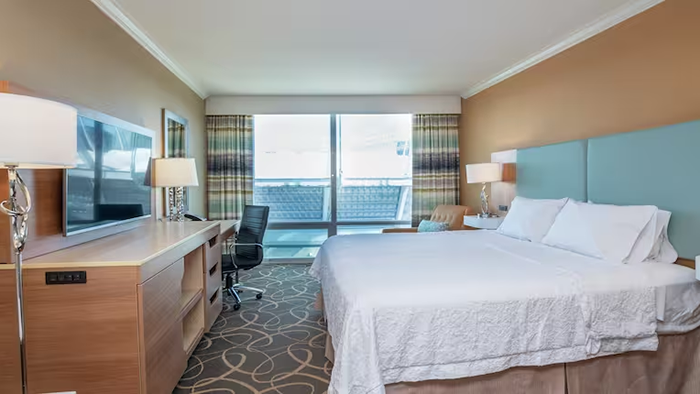
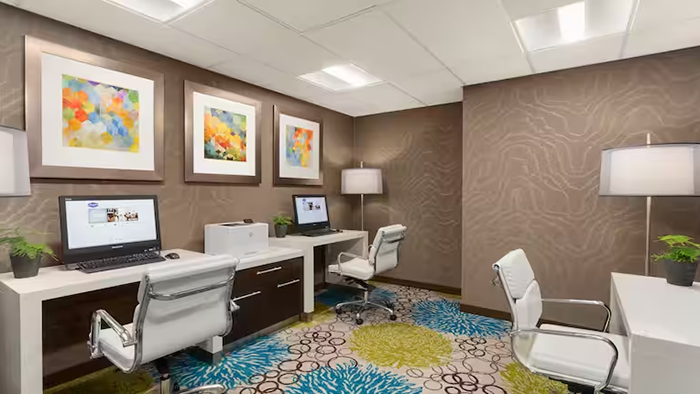
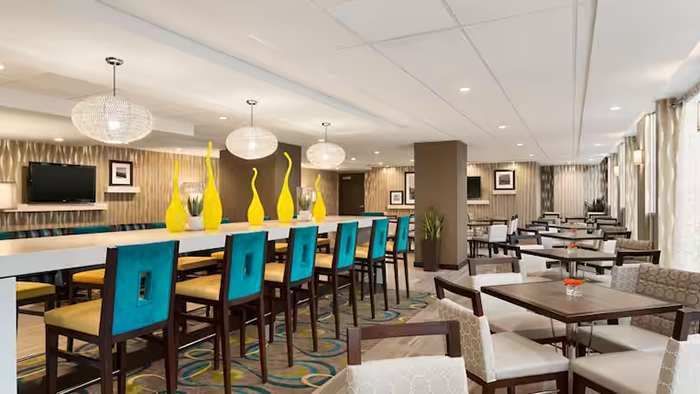
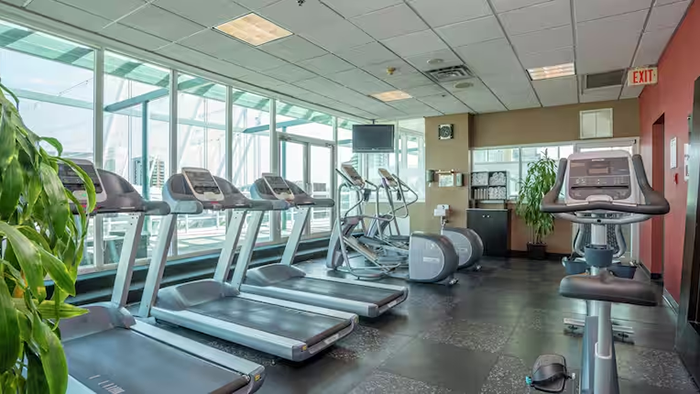
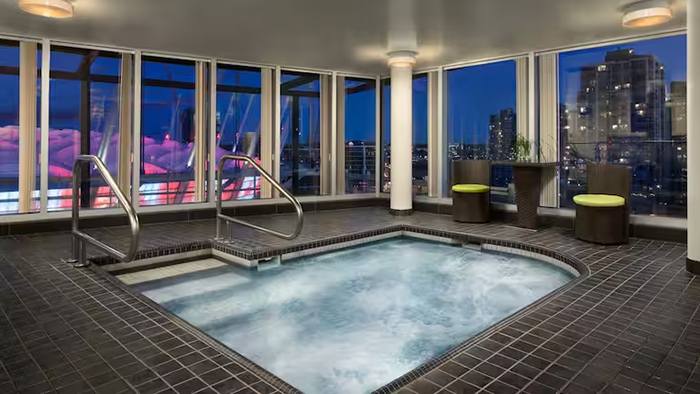
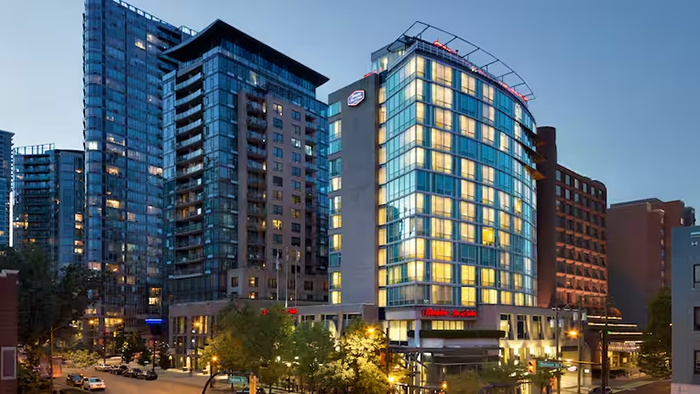
Hampton Inn & Suites by Hilton Vancouver-Downtown
All The Essentials
111 Robson St, Vancouver, BC V6B 2A8, Canada — Vancouver
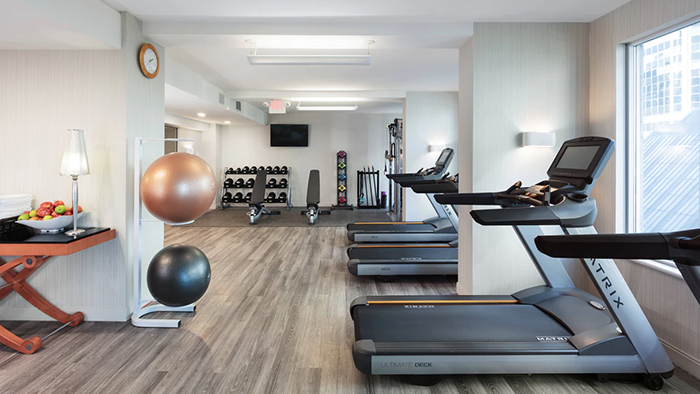
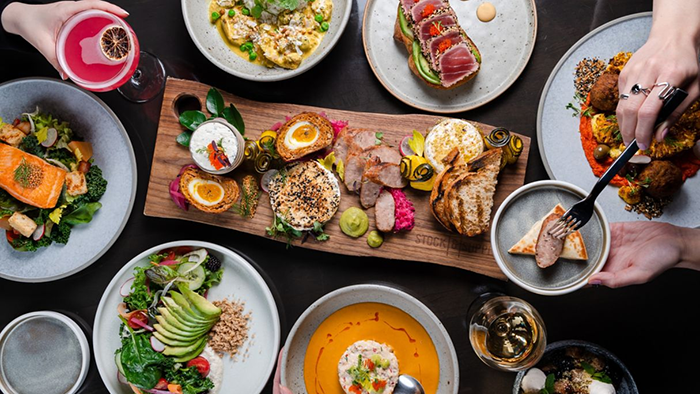
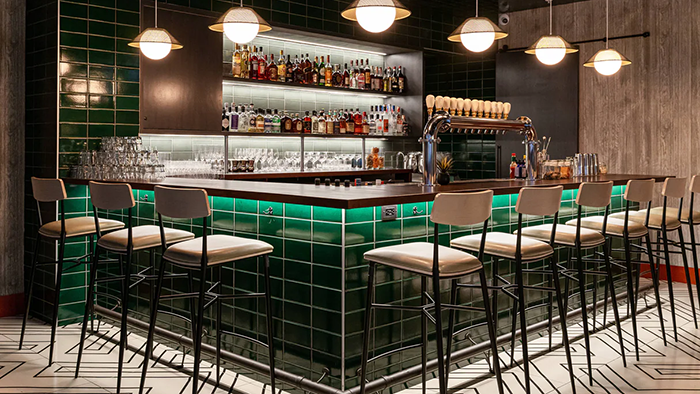
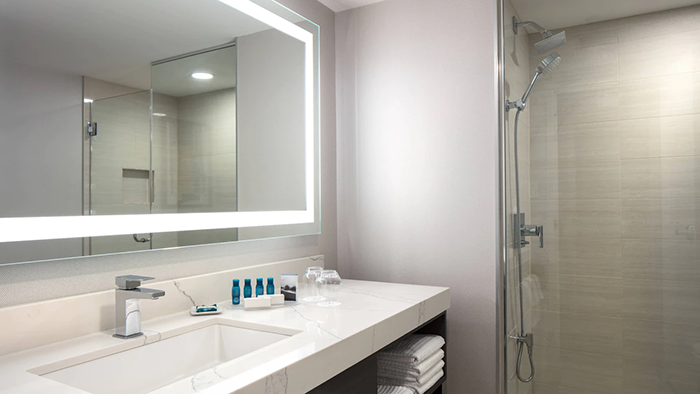
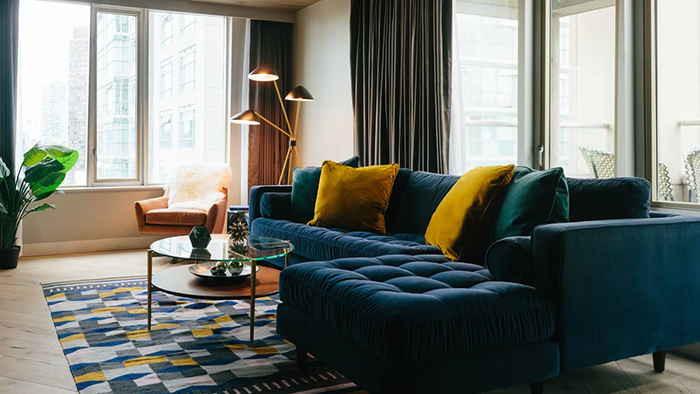
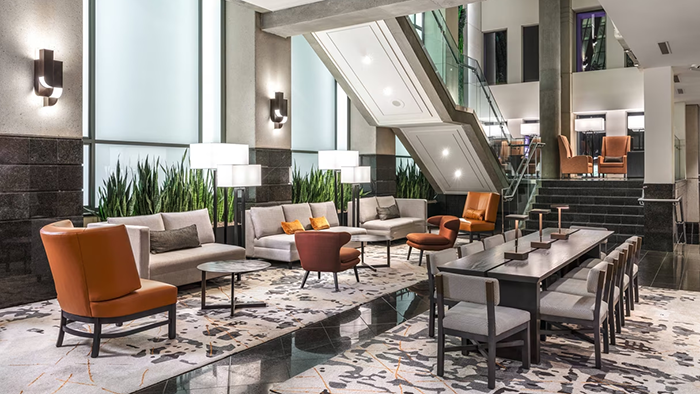
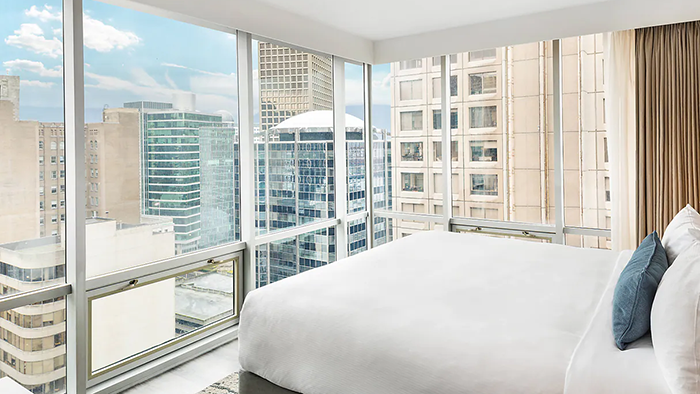
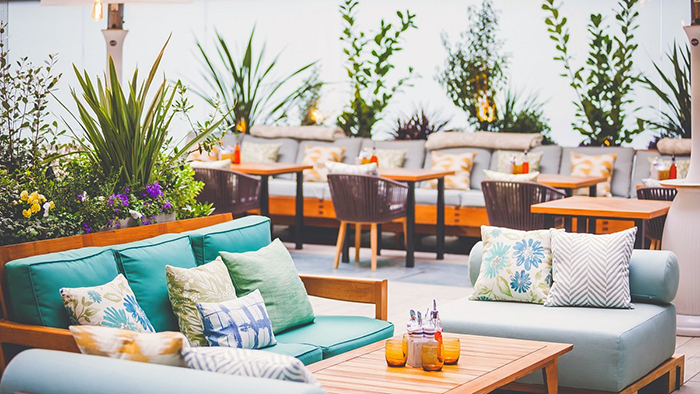
Delta Hotels by Marriott Vancouver Downtown Suites
Upscale, All-Suite Accommodation
550 W Hastings St, Vancouver, BC V6B 1L6, Canada — Vancouver
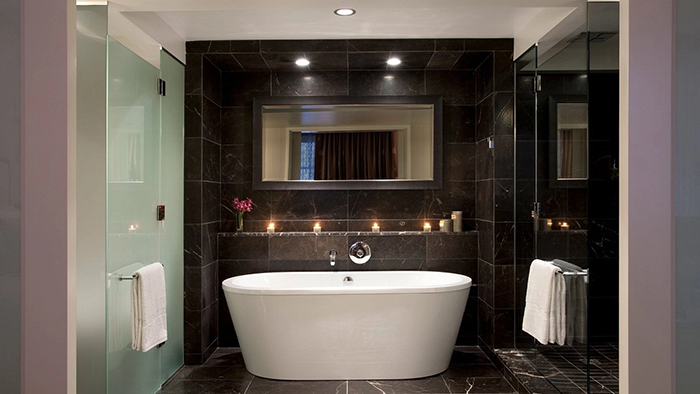
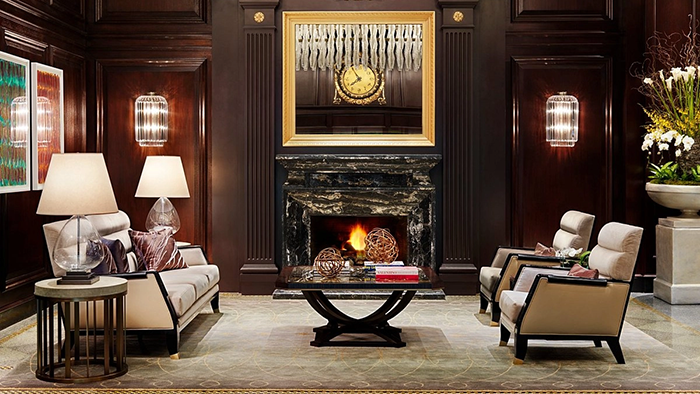
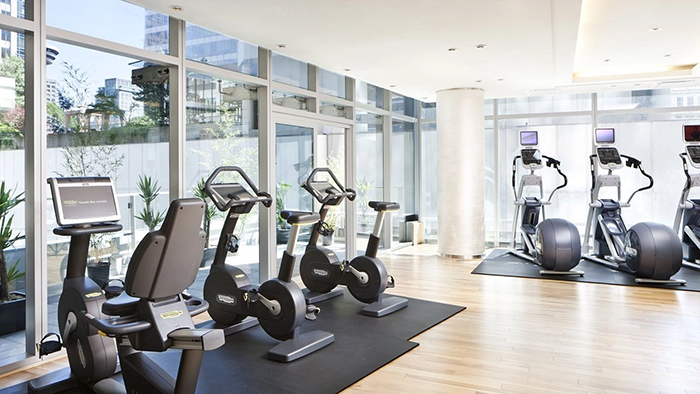
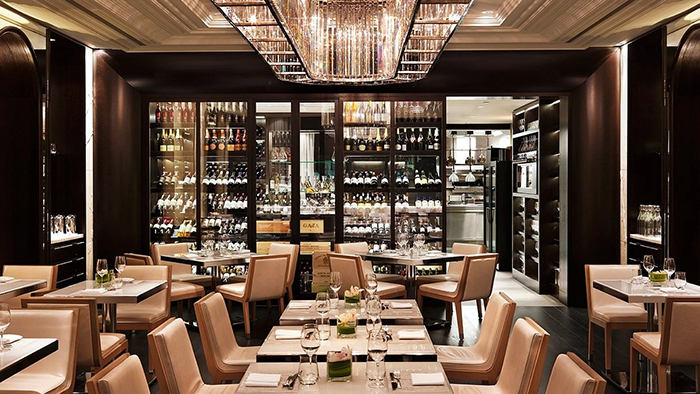
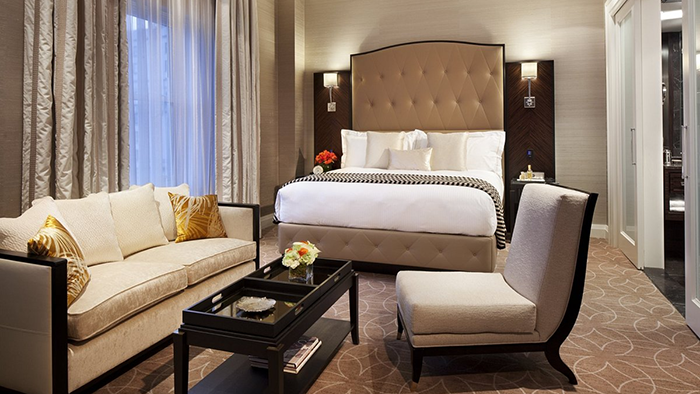
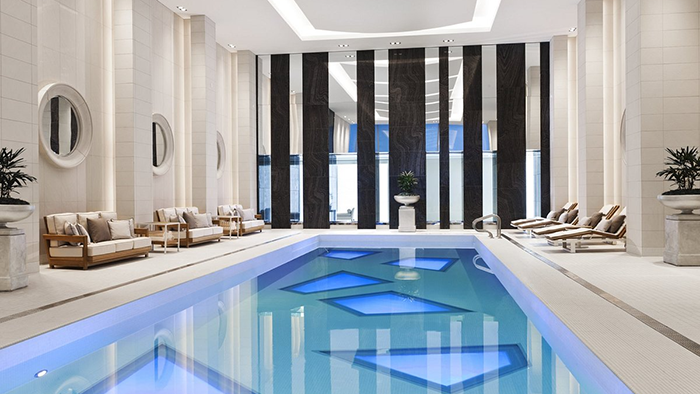
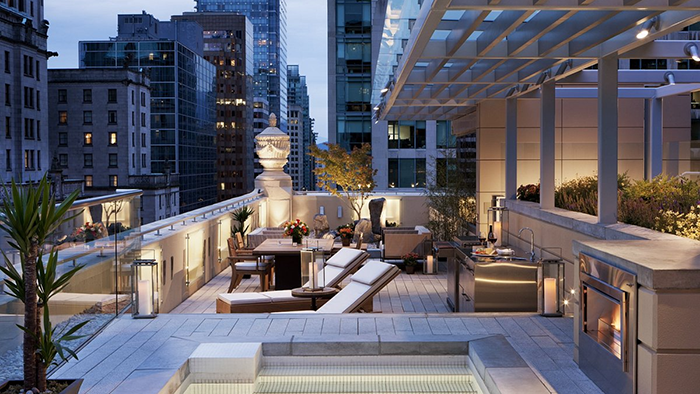
Rosewood Hotel Georgia
5-Star Downtown Luxury
801 W Georgia St, Vancouver, BC V6C 1P7, Canada — Vancouver
Protect Your Trip with Allianz Travel Insurance
Allianz Travel Insurance plans can give you flexibility and support when your trip doesn’t go quite as planned. From unexpected flight issues to covered trip cancellations, travel emergencies, and more, travel insurance can help you manage unforeseen events that may impact your trip—giving you peace of mind from the moment you book your trip through your return home.
For an instant quote:
- Simply provide a few short details about your trip
- Review the available protection plans
- Enjoy the peace of mind you deserve
Why Protect your Trip?
Whether you’re planning your next trip or you recently booked one, travel insurance can help smooth over many unexpected travel glitches—while putting your mind at ease, knowing you’re off the hook for covered expenses that could arise from them.
Allianz Travel Insurance plans can provide you benefits and professional support when a covered situation comes up before or during your trip. The following examples may qualify for benefits:
- Cancelling your trip after unexpectedly becoming too sick to travel
- Taking care of a sick or injured traveling companion
- Having to end your trip early due to a family emergency
- Dealing with a flight delay or cancellation
- Needing to buy personal items if your luggage is lost or stolen
- Missing your cruise departure after a covered flight delay
You also can contact our travel protection partner Allianz Global Assistance’s 24/7, award-winning customer service for on-the-go assistance with issues like a medical emergency, replacing your lost passport, or making reservations around the world. To be eligible for a time-sensitive waiver of pre-existing medical condition exclusions, purchase your travel insurance plan within 14 days of initial trip deposit (other purchase requirements and conditions apply). Specific plan benefits may vary. Please review your plan details for more information.
What Can Travel Insurance Help Protect?
Allianz Travel Insurance plans can protect you before and during your trip—keeping you, your loved ones, and your travel budget safer. Benefits vary by plan, and these are brief descriptions. Please read your plan documents for details.
TRIP CANCELLATION
Reimburses your prepaid, non-refundable travel expenses if you need to cancel your trip due to a covered reason, such as you, a family member, or traveling companion experiencing a covered illness or injury. Examples include:
- A doctor says you or a traveling companion is too sick to fly
- Your parent or child requires hospitalization
- You need to attend the birth of a family member’s child
- You have a traffic accident (not breakdown) on the way to the airport
- A storm shuts down your airport for 24 hours or more
TRIP INTERRUPTION
Reimburses your unused, non-refundable travel expenses and increased transportation costs during your trip if you have to return home early due to a covered reason, for instance when a family member has a qualifying medical emergency and needs your care. Examples include:
- You have a covered illness or injury and a doctor says you must return home
- A family member has a qualifying injury and needs your care
- A covered emergency, like a fire or flood, makes your home uninhabitable
TRAVEL DELAY
If you have a covered delay while traveling, travel insurance can reimburse you for meals, accommodations, and transportation expenses when your trip is delayed for a minimum number of consecutive hours for a covered reason. Minimum number of hours varies by plan.
EMERGENCY MEDICAL AND DENTAL CARE
Reimburses your expenses related to covered medical and dental emergencies* that might occur on your trip. This benefit can be especially helpful if you have a covered emergency outside the United States, as most health insurance policies won’t cover you outside the country. Examples include:
- You slip and break your ankle while sightseeing
- You get food poisoning while sampling the local cuisine
- You lose a filling and need immediate dental treatment*
*A sublimit and maximum apply for this benefit. Check your plan documents for details.
EMERGENCY MEDICAL TRANSPORTATION
Arranges and pays for medically necessary transportation following a covered injury or illness to the nearest appropriate medical facility to receive care and get you home after treatment.
BAGGAGE LOSS, DAMAGE, or THEFT
Reimburses the replacement of your lost, damaged, or stolen luggage and personal items while traveling.
BAGGAGE DELAY
Reimburses essential items purchased during your trip if your baggage is delayed for a minimum number of hours (varies by plan).
CHANGE FEE
Reimburses fees if you need to change your flight itinerary due to a covered reason.
24-HOUR ASSISTANCE
Provides around-the-clock support during your trip. Allianz Global Assistance’s staff of multilingual problem solvers can help you with medical, legal, and travel-related emergencies whenever they happen. Medical assistance may include, but is not limited to:
- Medical triage with referrals to local prescreened medical providers
- Ongoing medical monitoring
- Payment guarantee
- Emergency medical transportation
Additional services for travel-related emergencies can help with:
- Missed connecting flights
- Lost/stolen travel documents
- Pre-trip information
- Prescription replacements
Our Promise to You
When you purchase any Allianz Travel Insurance plan, you automatically get 15 days (or more, depending on your state of residence) to review your policy documents. Within that period, you can cancel your plan for a full refund if you’re not satisfied, as long as you haven’t filed a claim or departed on your trip.
Need Help Along the Way?
Contact Allianz Global Assistance’s award-winning team of travel experts. Call anytime for assistance navigating travel mishaps overseas or in the U.S.—or help with everything from reporting lost baggage to locating emergency medical treatment. They can also help you replace passports, refer you to legal assistance, secure cash from home in case of emergency, and guarantee payment when you need to be admitted to a hospital, in some instances.
Contact Allianz Global Assistance
Phone (24/7):
1-800-284-8300 (within the U.S., Canada, Puerto Rico, and the U.S. Virgin Islands)
1-804-281-5700 (outside of the U.S., call collect)
File or Track a Claim
It’s easy and convenient to file and track a claim, upload documents, and more online. Start your claim using your email address or policy number.
File a ClaimIf you need help filing a claim or understanding the claims process, visit the Allianz Global Assistance Claims Center.
Update Your Plan
If you need to update your travel insurance plan, such as adjusting the dates of your plan to reflect itinerary changes, please contact us or manage your plan online so your plan reflects your entire itinerary and provides the right amount of protection for your travels.
Manage My PlanAbout Allianz Global Assistance
Allianz Global Assistance is a world leader in travel insurance and assistance, helping millions of travelers across the globe every year. Allianz Global Assistance is owned by Allianz SE, the world’s largest diversified insurance company. For over 100 years, Allianz SE has helped protect important milestones in American history, insuring the Wright Brothers’ first flight and Golden Gate Bridge construction.
Terms, conditions, and exclusions apply including for pre-existing medical conditions. Insurance benefits underwritten by BCS Insurance Company (OH, Administrative Office: 2 Mid America Plaza, Suite 200, Oakbrook Terrace, IL 60181), rated “A” (Excellent) by A.M. Best Co., under BCS Form No. 52.201 series or 52.401 series, or Jefferson Insurance Company (NY, Administrative Office: 9950 Mayland Drive, Richmond, VA 23233), rated “A+” (Superior) by A.M. Best Co., under Jefferson Form No. 101-C series or 101-P series, depending on your state of residence and plan chosen. A+ (Superior) and A (Excellent) are the 2nd and 3rd highest, respectively, of A.M. Best’s 13 Financial Strength Ratings. Plans only available to U.S. residents and may not be available in all jurisdictions. Allianz Global Assistance and Allianz Travel Insurance are marks of AGA Service Company dba Allianz Global Assistance or its affiliates. Allianz Travel Insurance products are distributed by Allianz Global Assistance, the licensed producer and administrator of these plans and an affiliate of Jefferson Insurance Company. The insured shall not receive any special benefit or advantage due to the affiliation between AGA Service Company and Jefferson Insurance Company. Plans include insurance benefits and assistance services. Any Non-Insurance Assistance services purchased are provided through AGA Service Company. Except as expressly provided under your plan, you are responsible for charges you incur from third parties. Contact AGA Service Company at 800-284-8300 or 9950 Mayland Drive, Richmond, VA 23233 or customerservice@allianzassistance.com.