

COURSE CREDITS & HOURS
16 ANCC Contact Hours
COURSE FEES
| Attendees | Registration Fee |
|---|---|
| (Cruise Pricing is Additional and Listed Separately) | |
| Physicians, Psychologists, Psychiatrists, Dentists, Pharmacists, Healthcare Executives, and Faculty Seeking up to 16 CE Credits / CE Contact Hours |
$995.00 |
| Physician Assistants, Nurse Practitioners, CRNAs, Chiropractors, Physical/Rehab/Occupational/etc. Therapists, and other Non-Physician healthcare providers Seeking up to 16 CE Credits / CE Contact Hours |
$795.00 |
| Nurses, Nursing Home / Home Healthcare Practitioner, Residents*, Current students*, and former students* of Dr. Chandra or Dr. Stroube *proof/verification required Seeking up to 16 CE Credits / CE Contact Hours |
$595.00 |
| Non-CE Earning: Faculty / Corporate Members to participate in the Academic Conference and can attend CE Sessions, but will not recieve CE Credit | $295.00 |
| Non-CE Earning: Students / Guests to participate in the Academic Conference and can also attend CE sessions, but will not recieve CE Credit | $195.00 |
TARGET AUDIENCE
PROGRAM TOPICS
PRE-CONFERENCE ACTIVITY:
- At least a SIX (6)-hour worth of Pre-Conference study materials, including, cases and assignments, will be sent to all pre-registered CE attendees prior to the start of the event and at least TWO weeks prior to the cruise departure date.
- Cases/Assignments provided prior to face-to-face lectures will be discussed in class on Day 1 and/or 2 of CE sessions
Pre-conference self-study topics (slides) -- Patient/Employee Satisfaction Assessment Tools
"Social Sciences, Marketing Research Techniques, and Business Strategies to Improving Patient Care"
- The basics of a patient satisfaction survey
- The 5W&H of understanding the patient and associated environmental issues
- The role of patient (and caregiver) satisfaction surveys
- Situations requiring quick survey research -- valuing internal versus external surveyors
- Survey research design, organizing, overseeing, reporting, and understanding
- Types of data collection techniques
- Inclusion and exclusion criteria
- Writing good survey questions -- a critical look at a variety of different questions
- Understanding the report and determining strategies for patient care improvement
- Ethical issues pertaining to patient/caregiver satisfaction surveys
Time allocated to comprehend the slides/CONTENT, and, Complete the Assignments: 6 Hrs. (Self-paced)
Day 1 (face-to-face): CE Session -- Monday, January 13, 2025
Plan for the Day:
Face-to-Face Session: 3 hours (9:00 a.m. -- Noon)
Assignment Completion Time Given: 4 hours (self-paced)
Overview of the Course Outline and Activities/Assignment for the day
- Introductions and course expectations
- Discussions about Pre-conference slides/materials/cases/assignments sent to Pre-registered attendees
"Ethical Dimensions: Why Healthcare Leaders Should be aware of the Workplace Environment -- and its Impact Patient Care"
EMPLOYEE CONFLICT MANAGEMENT & ITS RELATIONSHIP WITH PATIENT CARE
- Impact of inter-personnel conflict on patient care
- Correlation between conflict situations and organizational complexity
- Factors that trigger conflict
- Conflict between different types of personnel:
- Physician-physician
- Physician-nurse
- Nurse-nurse
- Department-department
- Professional disparagement and its impact on patients and care delivery
- CASE STUDY, ROLE PLAYING exercise, and DISCUSSION
PROFESSIONAL/UNPROFESSIONAL BEHAVIOR - Expectation of Professionalism from:
- Healthcare personnel perspective
- Patient Perspective
- Family/Guardian/Caregiver Perspective
- Discrimination
- Workplace
- Patient
- CASE STUDY and DISCUSSION
MANAGING COMMUNICATION
- Ethical dimensions of appropriate communication by medical office staff
- Value, Issues, and Challenges
- Types of communication
- Non-verbal communication
- Impact on patient/caregiver and their subsequent relationships with health professions
- Cautions & Precautions
- CASE STUDY, Role playing excursion, and DISCUSSION
ASSIGNMENTS
Given at the end of lecture to be completed by participants and be ready to present on Saturday, January 18, 2025. If needed, the key presenter of the course will be available to assist and provide guidance to the participants regarding the assignments.
Day 2 (face-to-face): Conference Presentation Session -- Tuesday, January 19, 2025
Plan for the Day:
International Conf. Presentations (non-CE earning but open to all registrants)
TIME: 9:00 a.m. -- Noon (as needed)
Day 3 (face-to-face): CE Session -- Saturday, January 18, 2025
Plan for the Day:
Face-to-Face Sessions (CE sessions): 3 hours
9:00 a.m. -- Noon
Presentation and discussions on the Assignments (given on previous session) by participants, with open discussions
"Ethical Principals and Moral Philosophies"
"Ethical Issues Pertaining to Patient Confidentiality & Consent"
ETHICAL ISSUES - 1: Patient confidentiality and consent
- Potential compromising situations where patient confidentially can unintentionally be breached:
- In healthcare institutions/setting
- By health and non-health personnel
- In other social settings
- EXAMPLES and INTERACTIVE CASES
- Differentiation between types of consent AND assessing consent issues for and about different clients -- minors, adults, and elderly
- CASE STUDIES and ROLE-PLAYING exercise
ETHICAL ISSUES - 2: Gatekeepers for ethical integrity
- Conflict of interest
- Whistle-blower
- Impaired healthcare provider
- CASE STUDY and DISCUSSION
"Team Building and Leadership Strategies for Healthcare Professionals"
- Benefits of building effective teams
- Characteristics of well performing teams
- Critical Factors of productive teams
- Different types of leaders in healthcare organizations
- Role of leaders in team building
- CASE STUDIES, ROLE PLAYING, and DISCUSSION related to team building
Closing remarks for CE sessions
Final Thoughts & Discussion
IMPORTANT INFORMATION
Faculty
Ashish Chandra, MBA, PhD

Dr. Chandra is a prolific researcher and has 75 publications in refereed journals, two edited books, ten book chapters, and over 250 publications in conference proceedings. He is an Executive Editor of the journal Hospital Topics (the oldest journal in healthcare administration field - almost 95 years in existence). He has served as the President of FOUR major international academic organizations - the Business and Health Administration Association; the Association of Collegiate Marketing Educators; the MBAA International; and the Federation of Business Disciplines. He has also served as the Program Chair of over a dozen major international conferences, held in U.S., India, Turkey, and U.K. as well as aboard cruise ships in the Caribbean, Alaska, Baltics, and Mediterranean.
Professor Chandra has received numerous awards and recognition related to teaching, research, and service throughout his career, including the 2017 Excellence in Teaching Award by the National Society for Leadership Success; 2015 Outstanding Professor Award given by the University of Houston - Clear Lake Alumni Association; 2012 American College of Healthcare Executives Service Award; 2011 Outstanding Educator Award from the Association of Collegiate Marketing Educators; to name a few. He also has the distinct honor of being the Commencement Speaker at the December 2018 graduation ceremony of the University of Houston – Clear Lake. The URL link to Dr. Chandra’s commencement speech is below. Please cue to minute 32 of the video link in case you just want to see Dr. Chandra’s speech.
URL to speech https://www.youtube.com/watch?v=HpwOooexSYA&t=2984s
Accreditation
|
|
In support of improving patient care, Continuing Education, Inc./University at Sea® is jointly accredited by the Accreditation Council for Continuing Medical Education (ACCME), the Accreditation Council for Pharmacy Education (ACPE), and the American Nurses Credentialing Center (ANCC), to provide continuing education for the healthcare team. |
|
|
Credit Designation for Physicians: Continuing Education, Inc. designates this live activity for 16 AMA PRA Category 1 Credits™. Physicians should claim only the credit commensurate with the extent of their participation in the activity. |
|
|
Osteopathic Physicians: This program is eligible for Category 2 credit with the American Osteopathic Association (AOA). US or Canadian Family Physicians: Please let us know if you require AAFP Prescribed Credits.
|
|
|
Credit Designation for Nurses:
Continuiung Education, Inc. designates this continuing nursing education activity for 16 contact hours.
Nurse Practitioners: Can claim either ANCC Contact Hours or AMA PRA Category 1 Credits TM as needed. Pharmacology credits are identified on individual activities. |
|
|
Royal College of Physicians and Surgeons of Canada:
|
|
|
College of Family Physicians of Canada (CFPC)
|
|
|
|








Cruise Itinerary
| DATE | PORT OF CALL | ARRIVE | DEPART |
|---|---|---|---|
| Sunday, January 12 | Galveston, Texas |
- | 4:00 pm |
| Monday, January 13 | *At Sea - Cruising |
- | - |
| Tuesday, January 14 | *At Sea - Cruising |
- | - |
| Wednesday, January 15 | Roatan, Honduras |
8:00 am | 5:00 pm |
| Thursday, January 16 | Puerto Costa Maya, Mexico |
8:00 am | 5:00 pm |
| Friday, January 17 | Cozumel, Mexico |
7:00 am | 5:00 pm |
| Saturday, January 18 | *At Sea - Cruising |
- | - |
| Sunday, January 19 | Galveston, Texas |
7:00 am | - |

Ports of Call
Galveston, Texas
The Historic Strand and Architecture
The heart of the visitor experience lies in the Historic Strand District. Unlike the manufactured port villages found in some Caribbean stops, the Strand is authentic—a grid of magnificent 19th-century iron-front buildings that survived natural disasters to house today's art galleries, antique purveyors, and boutiques. It is eminently walkable and serves as the city’s social hub. Just blocks away lies the East End Historic District, a neighborhood that rewards a slow walking tour or a bicycle ride. Here, the streets are lined with towering oleanders and an impressive density of Victorian homes.
Two architectural heavyweights demand attention here. The 1892 Bishop’s Palace (Gresham House) is widely considered one of the most significant Victorian residences in the country, a castle-like structure of stone and stained glass that reflects the immense wealth of early Galveston. Nearby, the Moody Mansion offers a similarly opulent, yet more personal, window into the lives of the powerful family that shaped much of modern Texas finance and philanthropy.
Museums and Culture
Beyond architecture, Galveston offers high-quality museums that appeal to educated professionals. The Bryan Museum, housed in a beautifully restored Renaissance Revival orphanage, contains one of the world's largest collections of historical artifacts, documents, and artwork relating to the American West. It is a sophisticated, curated experience far removed from typical tourist fare.
Maritime history is also central to the island's identity. The Texas Seaport Museum is home to the 1877 tall ship ELISSA, a floating National Historic Landmark that is not a replica, but a survivor of the age of sail. For those with an interest in engineering or energy, the Ocean Star Offshore Drilling Rig and Museum provides a fascinating, technical look at the oil industry aboard a retired jack-up rig—a rare opportunity to walk the pipe deck and understand the complexity of offshore operations.
The Seawall and Beaches: An Honest Assessment
Galveston’s relationship with the Gulf is defined by its famous Seawall, a 10-mile engineering marvel built to protect the city. It serves as a bustling promenade for walking, cycling, and people-watching. However, travelers should manage their expectations regarding the beaches. Due to the island's proximity to the outflow of the Mississippi and Trinity Rivers, the water is nutrient-rich and typically opaque or brown, rather than the translucent turquoise found in the Caribbean. The beaches are wide and enjoyable for sunbathing, shell seeking, or a long walk, but they are not premier snorkeling destinations. Appreciating Galveston requires accepting it as a rugged, authentic coast rather than a tropical resort.
Culinary Highlights
The dining scene is robust, anchored by access to fresh Gulf seafood. Gaido’s has been a local institution since 1911, famous for its crab dishes and pecan pie. For a more upscale atmosphere suitable for a special evening, Rudy & Paco offers Central American-influenced steaks and seafood with a dress code that keeps the atmosphere refined. For a casual, authentic lunch, seek out Katie’s Seafood House, which operates directly alongside the fish market where the local fleet unloads.
Logistics and Stress-Free Travel
The logistical argument for a pre-cruise stay is compelling. Houston’s George Bush Intercontinental Airport (IAH) is a significant distance away—often 90 minutes or more with traffic—while William P. Hobby Airport (HOU) is closer but still requires a 45-minute transfer. Attempting to fly in on embarkation day invites unnecessary stress. Arriving a day early mitigates travel risks and unlocks a destination that stands on its own merits.
A Sample 24-Hour Pre-Cruise Itinerary
- Morning: Start with coffee and pastries on the Strand. Walk the district while the morning air is still relatively cool, browsing the antique shops. Proceed to the East End for a self-guided tour of the Victorian homes, culminating in a visit to Bishop’s Palace.
- Lunch: Enjoy fresh Gulf shrimp or red snapper at a local favorite like Fisherman’s Wharf, offering views of the harbor and the ELISSA.
- Afternoon: Choose your cultural adventure. For history buffs, The Bryan Museum provides a deep dive into the American West. For those interested in maritime mechanics, tour the Ocean Star Offshore Drilling Rig.
- Late Afternoon: Take a relaxed stroll along the Seawall to watch the pelicans and breathe the salt air, acknowledging the scale of the engineering that protects the city.
- Dinner: Conclude with a reservation at Rudy & Paco (jackets recommended for men) or Vargas Cut & Catch for a polished, high-end dining experience before your voyage begins the next day.
At Sea - Cruising
Roatan, Honduras

Beyond the reef, the island offers two distinct experiences. West Bay is the quintessential Caribbean postcard—powder-white sands and calm turquoise waters—though expect significant crowds at the resorts. For a more authentic atmosphere, head to the neighboring West End village. It offers a bohemian mix of dive shops, open-air bars, and artisan stalls. Grab a fresh baleada, the thick flour tortilla staple of Honduran street food, while walking the strip.

Inland, the most popular excursions involve the island’s wildlife sanctuaries. Interactions with capuchin monkeys and sloths at places like Gumbalimba Park or Daniel Johnson's Monkey and Sloth Hang Out have become signature experiences, offering genuine engagement for animal lovers.
Ships dock at either the town of Coxen Hole or the purpose-built Mahogany Bay. Arrange transport away from these immediate port areas to experience the island’s true merit. Roatan is not a hub for colonial history or high culture; it is a natural playground. If you prioritize marine exploration or relaxed beach time over shopping and sightseeing, this port delivers.


Puerto Costa Maya, Mexico


A short taxi or shuttle ride leads to Mahahual, a neighboring fishing village that offers a genuine slice of coastal Mexican life. Here, a pedestrian malecón runs parallel to the water, lined with unpretentious beach clubs and local eateries serving fresh seafood. It provides a relaxed, low-stress beach day far superior to the crowded pool decks back at the ship.
Culturally, Costa Maya is the strategic access point for the Chacchoben Mayan ruins. Unlike the arduous travel required for Chichén Itzá, Chacchoben is accessible via a moderate drive, offering a fascinating, less-crowded introduction to ancient architecture set within a jungle teeming with wildlife. Alternatively, nature enthusiasts should consider the journey to Lake Bacalar. Known as the "Lagoon of Seven Colors," this freshwater marvel offers stunning turquoise waters and a tranquil atmosphere distinct from the ocean coast. Whether you choose the history of the ruins, the local flavor of Mahahual, or the natural beauty of Bacalar, the true value of this stop is found outside the immediate port complex.


Cozumel, Mexico


A critical note regarding Mayan history: While the famous mainland sites of Tulum and Coba are spectacular, visiting them requires a 45-minute ferry to Playa del Carmen followed by a bus ride. This logistical commitment consumes your entire day and introduces transit stress. Unless these specific sites are non-negotiable, we advise remaining on the island. You can visit the smaller, on-island ruins of San Gervasio to satisfy historical curiosity without the risk of missing the ship.
If your goal is relaxation, Cozumel’s beach clubs are highly developed, ranging from high-energy all-inclusives to sophisticated, quiet retreats where the focus is on service and tranquility. When dining in the main town of San Miguel, avoid the waterfront tourist strip. Instead, walk three to four blocks inland to find authentic family-run cantinas serving excellent cochinita pibil and fresh ceviche at a fraction of the tourist prices. Cozumel is a polished tourism machine, but by focusing on the reef, the east coast, or a high-end beach club, you can curate a sophisticated and restorative experience.


We can assist you with all your travel arrangements. We'd be happy to help you plan your flights, hotels, or tours before and/or after your cruise conference.
PLEASE NOTE: To attend the conference, participants must book their cruise accommodations through University at Sea®. This ensures we can provide full conference services and complimentary social amenities to meeting participants and guests. Participants' family and friends are welcome to book within our group allotment and take advantage of our typically excellent rates.
Request a Quote online or by voice at 800-525-9696 (US/Can) or direct/int'l tel +1-727-526-1571.
Prices below are for the full cruise including meals and evening entertainment
Suites
 Suite/Deluxe
Spacious AquaTheater Suite with Large Balcony - 2 Bedrooms A1.
King size bed with Duxiana Mattress. Two twin beds that convert to a Royal King bed. Two Pullman beds. Up to 8 guests. Master Bedroom. Living room, Dining area, Private balcony with seating area, dry bar and private dining. Two bathrooms (master bathroom with tub). One double sofa bed Stateroom 823 sq. ft. Balcony 772 sq. ft.
Suite/Deluxe
Spacious AquaTheater Suite with Large Balcony - 2 Bedrooms A1.
King size bed with Duxiana Mattress. Two twin beds that convert to a Royal King bed. Two Pullman beds. Up to 8 guests. Master Bedroom. Living room, Dining area, Private balcony with seating area, dry bar and private dining. Two bathrooms (master bathroom with tub). One double sofa bed Stateroom 823 sq. ft. Balcony 772 sq. ft. 800-525-9696
for Pricing
 Suite/Deluxe
AquaTheater Suite with Large Balcony - 2 Bedrooms A2.
Master bedroom has a King size bed with Duxiana Mattress. Second bedroom has two twin beds that convert to Royal King and two Pullman beds. Living area with one double sofa bed, dining room, marble entry, entertainment center. Two bathrooms, master with tub. Expansive balcony with table and chairs. Sleeps up to 8 guests. Stateroom: 739 sq. ft. Balcony: 695 sq. ft.
Suite/Deluxe
AquaTheater Suite with Large Balcony - 2 Bedrooms A2.
Master bedroom has a King size bed with Duxiana Mattress. Second bedroom has two twin beds that convert to Royal King and two Pullman beds. Living area with one double sofa bed, dining room, marble entry, entertainment center. Two bathrooms, master with tub. Expansive balcony with table and chairs. Sleeps up to 8 guests. Stateroom: 739 sq. ft. Balcony: 695 sq. ft. 800-525-9696
for Pricing
 Suite/Deluxe
Royal Loft Suite RL.
Two-decks-high stateroom with panoramic views. On second level, master bedroom has a King size bed with Duxiana Mattress; bathroom with tub, shower, two sinks and bidet and a closet. On main level, second bedroom with closet and two twin beds that convert to Royal King; dining area with dry bar, living room with one sofa that converts to double bed; bathroom with shower. Private balcony with whirlpool and dining area. Stateroom: 1,524 sq. ft. Balcony (main level): 843 sq. ft.
Suite/Deluxe
Royal Loft Suite RL.
Two-decks-high stateroom with panoramic views. On second level, master bedroom has a King size bed with Duxiana Mattress; bathroom with tub, shower, two sinks and bidet and a closet. On main level, second bedroom with closet and two twin beds that convert to Royal King; dining area with dry bar, living room with one sofa that converts to double bed; bathroom with shower. Private balcony with whirlpool and dining area. Stateroom: 1,524 sq. ft. Balcony (main level): 843 sq. ft. 800-525-9696
for Pricing
 Suite/Deluxe
Star Loft Suite TL.
Two-decks-high stateroom with panoramic views. Master bedroom and bathroom on second level. Bedroom has a King size bed with Duxiana Mattress. Stairway to second level. Bathrooms with shower for two. Private balcony with dining area. Dining area with dry bar. Living room one double sofa bed. Closets on each level. Sleeps up to 4 guests. Stateroom: 722 sq. ft. Balcony: 410 sq. ft.
Suite/Deluxe
Star Loft Suite TL.
Two-decks-high stateroom with panoramic views. Master bedroom and bathroom on second level. Bedroom has a King size bed with Duxiana Mattress. Stairway to second level. Bathrooms with shower for two. Private balcony with dining area. Dining area with dry bar. Living room one double sofa bed. Closets on each level. Sleeps up to 4 guests. Stateroom: 722 sq. ft. Balcony: 410 sq. ft. 800-525-9696
for Pricing
 Suite/Deluxe
Villa Suite - 4 Bedrooms VS.
Two Master bedrooms with King size bed with Duxiana Mattress. Two Master bathrooms with tub. Two bedrooms with two twin beds that convert to Royal King. Four Pullman beds. Large private balcony with a whirlpool, dining area, and bar. Dining room with dry bar. Living room one double sofa bed. Stateroom can sleep up to 14 guests, must have at least 8 to book. Stateroom: 1,142 sq. ft. Balcony: 476 sq. ft.
Suite/Deluxe
Villa Suite - 4 Bedrooms VS.
Two Master bedrooms with King size bed with Duxiana Mattress. Two Master bathrooms with tub. Two bedrooms with two twin beds that convert to Royal King. Four Pullman beds. Large private balcony with a whirlpool, dining area, and bar. Dining room with dry bar. Living room one double sofa bed. Stateroom can sleep up to 14 guests, must have at least 8 to book. Stateroom: 1,142 sq. ft. Balcony: 476 sq. ft. 800-525-9696
for Pricing
 Suite/Deluxe
Sky Loft Suite SL.
Duplex loft suite spanning two levels with an expansive dine-on balcony. Living area on the lower level, master bedroom on the upper level connected by interior stairway. Extra shower in downstairs bathroom. Sky Class tier with concierge service, Suite Lounge, Coastal Kitchen, and Suite Sun Deck access.
Two-level duplex layout
Dine-on balcony (410 sq ft)
Living room with sofa bed on lower level
Master bedroom on upper level
Interior stairway connecting levels
Extra shower in downstairs bathroom
Walk-in closets
Sky Class concierge service
Suite Lounge access
Coastal Kitchen dining
Suite Sun Deck access
Priority check-in and boarding
Suite/Deluxe
Sky Loft Suite SL.
Duplex loft suite spanning two levels with an expansive dine-on balcony. Living area on the lower level, master bedroom on the upper level connected by interior stairway. Extra shower in downstairs bathroom. Sky Class tier with concierge service, Suite Lounge, Coastal Kitchen, and Suite Sun Deck access.
Two-level duplex layout
Dine-on balcony (410 sq ft)
Living room with sofa bed on lower level
Master bedroom on upper level
Interior stairway connecting levels
Extra shower in downstairs bathroom
Walk-in closets
Sky Class concierge service
Suite Lounge access
Coastal Kitchen dining
Suite Sun Deck access
Priority check-in and boarding 800-525-9696
for Pricing
 Suite/Deluxe
Spacious AquaTheater Suite with Large Balcony -1 Bedroom A3.
Bedroom area with two twin beds that convert to Royal King. One bathroom with tub, large closets, sitting area with table and one double sofa bed. Private balcony with seating area and private dining. Sleeps up to 4 guests. Stateroom: 562 sq. ft. Balcony: 589 sq. ft.
Suite/Deluxe
Spacious AquaTheater Suite with Large Balcony -1 Bedroom A3.
Bedroom area with two twin beds that convert to Royal King. One bathroom with tub, large closets, sitting area with table and one double sofa bed. Private balcony with seating area and private dining. Sleeps up to 4 guests. Stateroom: 562 sq. ft. Balcony: 589 sq. ft. 800-525-9696
for Pricing
 Suite/Deluxe
Grand Suite - 1 Bedroom GS.
Bedroom area with two twin beds that convert to Royal King. Full bathroom with tub and two sinks. Living room with one double sofa bed. Private balcony with seating area and private dining. Sleeps up to 4. (371 sq. ft. Balcony 105 sq. ft.)
Suite/Deluxe
Grand Suite - 1 Bedroom GS.
Bedroom area with two twin beds that convert to Royal King. Full bathroom with tub and two sinks. Living room with one double sofa bed. Private balcony with seating area and private dining. Sleeps up to 4. (371 sq. ft. Balcony 105 sq. ft.) 800-525-9696
for Pricing
 Suite/Deluxe
Grand Suite - 2 Bedrooms GT.
Two bedrooms with two twin beds that convert to Royal King and vanity with chair. Two Pullman beds in second room. Living area with one double sofa bed, marble entry, entertainment center, two bathrooms - master bath with tub. Private balcony with table and chairs. Sleeps up to 8 guests. Stateroom: 580 sq. ft. and Balcony: 238 sq. ft.
Suite/Deluxe
Grand Suite - 2 Bedrooms GT.
Two bedrooms with two twin beds that convert to Royal King and vanity with chair. Two Pullman beds in second room. Living area with one double sofa bed, marble entry, entertainment center, two bathrooms - master bath with tub. Private balcony with table and chairs. Sleeps up to 8 guests. Stateroom: 580 sq. ft. and Balcony: 238 sq. ft. 800-525-9696
for Pricing
 Suite/Deluxe
Crown Loft Suite L1.
Two deck high stateroom with panoramic views. Two Bathrooms with shower on main and second level. Master bedroom with Royal King. Private balcony with chairs, dining area with dry bar, table/desk. Living room one double sofa bed. Up to 4 guests. Stateroom: 545 sq. ft., balcony 114 sq. ft.
Suite/Deluxe
Crown Loft Suite L1.
Two deck high stateroom with panoramic views. Two Bathrooms with shower on main and second level. Master bedroom with Royal King. Private balcony with chairs, dining area with dry bar, table/desk. Living room one double sofa bed. Up to 4 guests. Stateroom: 545 sq. ft., balcony 114 sq. ft. 800-525-9696
for Pricing
 Suite/Deluxe
Owner's Suite OS.
Two twin beds that convert to a Royal King. Private bathroom with tub, shower and two sinks, marble entry, large closets, living area with table and one double sofa bed. Private balcony with table and chairs. Sleeps up to 4 guests. Stateroom: 556 sq. ft., and Balcony 243 sq. ft.
Suite/Deluxe
Owner's Suite OS.
Two twin beds that convert to a Royal King. Private bathroom with tub, shower and two sinks, marble entry, large closets, living area with table and one double sofa bed. Private balcony with table and chairs. Sleeps up to 4 guests. Stateroom: 556 sq. ft., and Balcony 243 sq. ft. 800-525-9696
for Pricing
 Suite/Deluxe
Junior Suite JS.
Spacious balcony suite with separate living area and sofa. Floor-to-ceiling sliding glass doors lead to private balcony. Features spa-inspired split bathroom with soaking tub and separate shower. On current Harmony deck plans, JS is split into subcodes J3 (quad occupancy) and J4 (double occupancy), plus JY (Sky Junior Suite on deck 6).
Private balcony (80 sq ft)
Separate sitting area with sofa
Spa-inspired split bathroom with soaking tub
Large separate shower with frosted glass
Floor-to-ceiling sliding glass doors
Flat-screen LCD TV
Mini bar and safe
Suite/Deluxe
Junior Suite JS.
Spacious balcony suite with separate living area and sofa. Floor-to-ceiling sliding glass doors lead to private balcony. Features spa-inspired split bathroom with soaking tub and separate shower. On current Harmony deck plans, JS is split into subcodes J3 (quad occupancy) and J4 (double occupancy), plus JY (Sky Junior Suite on deck 6).
Private balcony (80 sq ft)
Separate sitting area with sofa
Spa-inspired split bathroom with soaking tub
Large separate shower with frosted glass
Floor-to-ceiling sliding glass doors
Flat-screen LCD TV
Mini bar and safe 800-525-9696
for Pricing
Suite/Deluxe
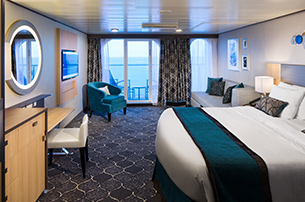
Junior Suite with Balcony J3.
Two twin beds that convert to a Royal King bed One double sofa bed in staterooms. One Pullman bed. Sleeps up to 5 guests. Stateroom: 287 sq. ft. Balcony: 80 sq. ft. 800-525-9696
for Pricing
 Suite/Deluxe
Junior Suite with Balcony J4.
Two twin beds that convert to a Royal King bed One double sofa bed in staterooms. One Pullman bed. Sleeps up to 5 guests. Stateroom: 287 sq. ft. Balcony: 80 sq. ft.
Suite/Deluxe
Junior Suite with Balcony J4.
Two twin beds that convert to a Royal King bed One double sofa bed in staterooms. One Pullman bed. Sleeps up to 5 guests. Stateroom: 287 sq. ft. Balcony: 80 sq. ft. 800-525-9696
for Pricing
Suite/Deluxe
Presidential Family Suite PS.
The largest suite on Harmony, spanning the full width of the aft section on deck 6. Four bedrooms, multiple bathrooms, grand living and dining areas, and an enormous wraparound aft balcony with whirlpool. Now marketed as Villa Suite (VS) after RCI's 2023 recategorization.
Four separate bedrooms
Multiple bathrooms including whirlpool tub
Grand piano
Separate dining room
Wraparound aft balcony (810 sq ft) with whirlpool
Royal Genie service (Star Class) 800-525-9696
for Pricing
Suite/Deluxe
Two-Bedroom Royal Family Suite FS.
Two-bedroom family suite located aft with large wraparound balcony. Master bedroom with king, second bedroom with twin beds, living/dining area, full bathroom with tub and separate shower, walk-in closets. Now marketed as GT (Grand Suite - 2 Bedroom) after RCI's 2023 recategorization.
Two separate bedrooms
Large wrap-around aft balcony (240 sq ft)
Full bathroom with bathtub and separate shower
Walk-in closets
Living room with sofa bed
Dining area
Sky Class concierge service
Suite Lounge access
Coastal Kitchen dining
Suite Sun Deck access 800-525-9696
for Pricing
 Suite/Deluxe
AquaTheater Suite with Large Balcony -1 Bedroom A4.
Bedroom area with two twin beds that convert to Royal King. One bathroom with tub, large closets, sitting area with table and sofa bed. Private balcony with seating area and private dining.
Suite/Deluxe
AquaTheater Suite with Large Balcony -1 Bedroom A4.
Bedroom area with two twin beds that convert to Royal King. One bathroom with tub, large closets, sitting area with table and sofa bed. Private balcony with seating area and private dining.Stateroom: 562 sq. ft. Balcony: 631 sq. ft.
800-525-9696
for Pricing
 Suite/Deluxe
Crown Loft Suite L2.
Bedroom area with two twin beds that convert to Royal King. One bathroom with tub, large closets, sitting area with table and sofa bed. Private balcony with seating area and private dining.
Suite/Deluxe
Crown Loft Suite L2.
Bedroom area with two twin beds that convert to Royal King. One bathroom with tub, large closets, sitting area with table and sofa bed. Private balcony with seating area and private dining.Stateroom: 545 sq. ft. Balcony: 114 sq. ft.
800-525-9696
for Pricing
Balcony
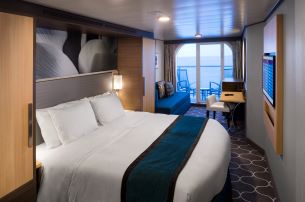 Oceanview with Balcony (2D)
All staterooms and suites come complete with bathroom, vanity area, hair-dryer, TV and phone. Two twin beds that convert to a Royal King bed One single sofa bed in staterooms with up to 3 guests Stateroom: 182 sq. ft. and Balcony: 50 sq. ft. (Decks 6, 7, 8, 9, 10, 11, 12 & 14)
800-525-9696
for Pricing
Oceanview with Balcony (4D)All staterooms and suites come complete with bathroom, vanity area, hair-dryer, TV and phone. Two twin beds that convert to a Royal King bed One single sofa bed in staterooms with up to 3 guests Stateroom: 182 sq. ft. and Balcony: 50 sq. ft. (Decks 6, 7, 8, 9, 10, 11, 12 & 14)
800-525-9696
for Pricing
 Balcony
Family Balcony FB.
Ultra-spacious family balcony stateroom designed for families of up to 6. Two twin beds convertible to queen, two Pullman fold-down beds, and a double sofa bed. Floor-to-ceiling sliding glass doors lead to a private balcony. Now marketed as 1A (Ultra-Spacious Family Balcony) after RCI's 2023 recategorization.
Two Pullman beds (fold-down upper berths)
Double sofa bed
Floor-to-ceiling sliding glass doors to balcony
Expanded living area
Private bathroom with shower
Flat-screen television
Mini bar and individual safe
Balcony
Family Balcony FB.
Ultra-spacious family balcony stateroom designed for families of up to 6. Two twin beds convertible to queen, two Pullman fold-down beds, and a double sofa bed. Floor-to-ceiling sliding glass doors lead to a private balcony. Now marketed as 1A (Ultra-Spacious Family Balcony) after RCI's 2023 recategorization.
Two Pullman beds (fold-down upper berths)
Double sofa bed
Floor-to-ceiling sliding glass doors to balcony
Expanded living area
Private bathroom with shower
Flat-screen television
Mini bar and individual safe 800-525-9696
for Pricing
 Balcony
Boardwalk Balcony B2.
Balcony stateroom with private verandah overlooking the Boardwalk entertainment neighborhood. Floor-to-ceiling sliding glass doors. Views of the carousel, dining venues, and entertainment below. Now split into 1I (quad) and 2I (double) after RCI's 2023 recategorization.
Private balcony overlooking Boardwalk neighborhood
Floor-to-ceiling sliding glass doors
Two twin beds convertible to queen
Sitting area with sofa
Private bathroom with shower
Flat-screen television
Mini bar and safe
Balcony
Boardwalk Balcony B2.
Balcony stateroom with private verandah overlooking the Boardwalk entertainment neighborhood. Floor-to-ceiling sliding glass doors. Views of the carousel, dining venues, and entertainment below. Now split into 1I (quad) and 2I (double) after RCI's 2023 recategorization.
Private balcony overlooking Boardwalk neighborhood
Floor-to-ceiling sliding glass doors
Two twin beds convertible to queen
Sitting area with sofa
Private bathroom with shower
Flat-screen television
Mini bar and safe 800-525-9696
for Pricing
 Balcony
Central Park Balcony C1.
Balcony stateroom with private verandah overlooking the Central Park garden neighborhood. Floor-to-ceiling sliding glass doors open to views of lush greenery, trees, and dining venues below. Now split into 1J (quad) and 2J (double) after RCI's 2023 recategorization.
Private balcony overlooking Central Park neighborhood
Floor-to-ceiling sliding glass doors
Two twin beds convertible to queen
Sitting area with sofa
Private bathroom with shower
Flat-screen television
Mini bar and safe
Balcony
Central Park Balcony C1.
Balcony stateroom with private verandah overlooking the Central Park garden neighborhood. Floor-to-ceiling sliding glass doors open to views of lush greenery, trees, and dining venues below. Now split into 1J (quad) and 2J (double) after RCI's 2023 recategorization.
Private balcony overlooking Central Park neighborhood
Floor-to-ceiling sliding glass doors
Two twin beds convertible to queen
Sitting area with sofa
Private bathroom with shower
Flat-screen television
Mini bar and safe 800-525-9696
for Pricing
Balcony
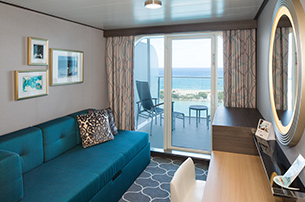
Ultra Spacious Oceanview with Large Balcony 1A.
All staterooms and suites come complete with bathroom, vanity area, hair-dryer, TV and phone. Two twin beds that convert to Royal King. One double sofa bed, One Pullman bed, private bathroom and sitting area. Sleeps up to 6 guests. Stateroom: 271 sq. ft. and Balcony: 82 sq. ft. 800-525-9696
for Pricing
 Balcony
Oceanview with Large Balcony 1C.
All staterooms and suites come complete with bathroom, vanity area, hair-dryer, TV and phone. Two twin beds that convert to Royal King, sitting area with one double sofa bed, full bathroom and private balcony. Sleeps up to 4 guests. Stateroom: 182 sq. ft. Balcony: 80 sq. ft.
Balcony
Oceanview with Large Balcony 1C.
All staterooms and suites come complete with bathroom, vanity area, hair-dryer, TV and phone. Two twin beds that convert to Royal King, sitting area with one double sofa bed, full bathroom and private balcony. Sleeps up to 4 guests. Stateroom: 182 sq. ft. Balcony: 80 sq. ft. 800-525-9696
for Pricing
Balcony
Oceanview with Balcony 1D.
All staterooms and suites come complete with bathroom, vanity area, hair-dryer, TV and phone. Two twin beds that convert to a Royal King bed. Stateroom: 182 sq. ft. Balcony: 50 sq. ft. 800-525-9696
for Pricing
 Balcony
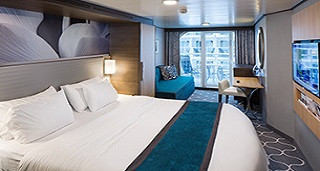
Boardwalk View with Balcony 1I.
All staterooms and suites come complete with bathroom, vanity area, hair-dryer, TV and phone. Two twin beds that convert to a Royal King bed One double sofa bed in staterooms with up to 4 guests. Stateroom: 182 sq. ft. and Balcony: 52 sq. ft.
Balcony
Boardwalk View with Balcony 1I.
All staterooms and suites come complete with bathroom, vanity area, hair-dryer, TV and phone. Two twin beds that convert to a Royal King bed One double sofa bed in staterooms with up to 4 guests. Stateroom: 182 sq. ft. and Balcony: 52 sq. ft. 800-525-9696
for Pricing
Balcony
Central Park View with Balcony 1J.
All staterooms and suites come complete with bathroom, vanity area, hair-dryer, TV and phone. Two twin beds that convert to Royal King. Boardwalk or Central Park view balcony, sitting area, and a private bathroom. Balcony: 52 sq. ft. 800-525-9696
for Pricing
Balcony
Oceanview with Large Balcony 2C.
All staterooms and suites come complete with bathroom, vanity area, hair-dryer, TV and phone. Two twin beds that convert to Royal King, sitting area with one double sofa bed, full bathroom and private balcony. Sleeps up to 4 guests. Stateroom: 182 sq. ft. Balcony: 80 sq. ft. 800-525-9696
for Pricing
Balcony
Boardwalk View with Balcony 2I.
All staterooms and suites come complete with bathroom, vanity area, hair-dryer, TV and phone. Two twin beds that convert to a Royal King bed One single sofa bed in staterooms with up to 3 guests Stateroom: 182 sq. ft. and Balcony: 52 sq. ft. 800-525-9696
for Pricing
 Balcony
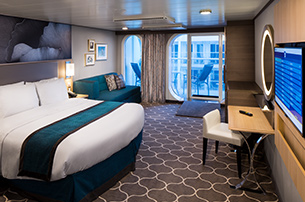
Central Park View with Balcony 2J.
All staterooms and suites come complete with bathroom, vanity area, hair-dryer, TV and phone. Two twin beds that convert to Royal King. Boardwalk or Central Park view balcony, sitting area, and a private bathroom. Balcony: 52 sq. ft.
Balcony
Central Park View with Balcony 2J.
All staterooms and suites come complete with bathroom, vanity area, hair-dryer, TV and phone. Two twin beds that convert to Royal King. Boardwalk or Central Park view balcony, sitting area, and a private bathroom. Balcony: 52 sq. ft. 800-525-9696
for Pricing
Balcony
Oceanview with Balcony 3D.
All staterooms and suites come complete with bathroom, vanity area, hair-dryer, TV and phone. Two twin beds that convert to a Royal King bed. Stateroom: 182 sq. ft. Balcony: 50 sq. ft. 800-525-9696
for Pricing
Balcony
Boardwalk View with Balcony 4I.
Two twin beds that convert to Royal King, boardwalk view balcony, sitting area, and a private bathroom.Stateroom: 182 sq. ft. Balcony: 52 sq. ft.
800-525-9696
for Pricing
Balcony
Oceanview with Balcony 5D.
Enjoy beautiful views of exotic ports, landscapes, seas and skies from your private balcony.Two twin beds that convert to Royal King, sitting area with sofa and a full bathroom .
Stateroom: 182 sq. ft. Balcony: 50 sq. ft.
800-525-9696
for Pricing
Balcony
Oceanview with Balcony 6D.
Enjoy beautiful views of exotic ports, landscapes, seas and skies from your private balcony.Two twin beds that convert to Royal King, sitting area with sofa and a full bathroom .
Stateroom: 182 sq. ft. Balcony: 50 sq. ft.
800-525-9696
for Pricing
Balcony
Oceanview with Balcony 7D.
Enjoy beautiful views of exotic ports, landscapes, seas and skies from your private balcony.Two twin beds that convert to Royal King, sitting area with sofa and a full bathroom .
Stateroom: 182 sq. ft. Balcony: 50 sq. ft.
800-525-9696
for Pricing
Balcony
Oceanview with Balcony 8D.
Enjoy beautiful views of exotic ports, landscapes, seas and skies from your private balcony.Two twin beds that convert to Royal King, sitting area with sofa and a full bathroom .
Stateroom: 182 sq. ft. Balcony: 50 sq. ft.
800-525-9696
for Pricing
Outside
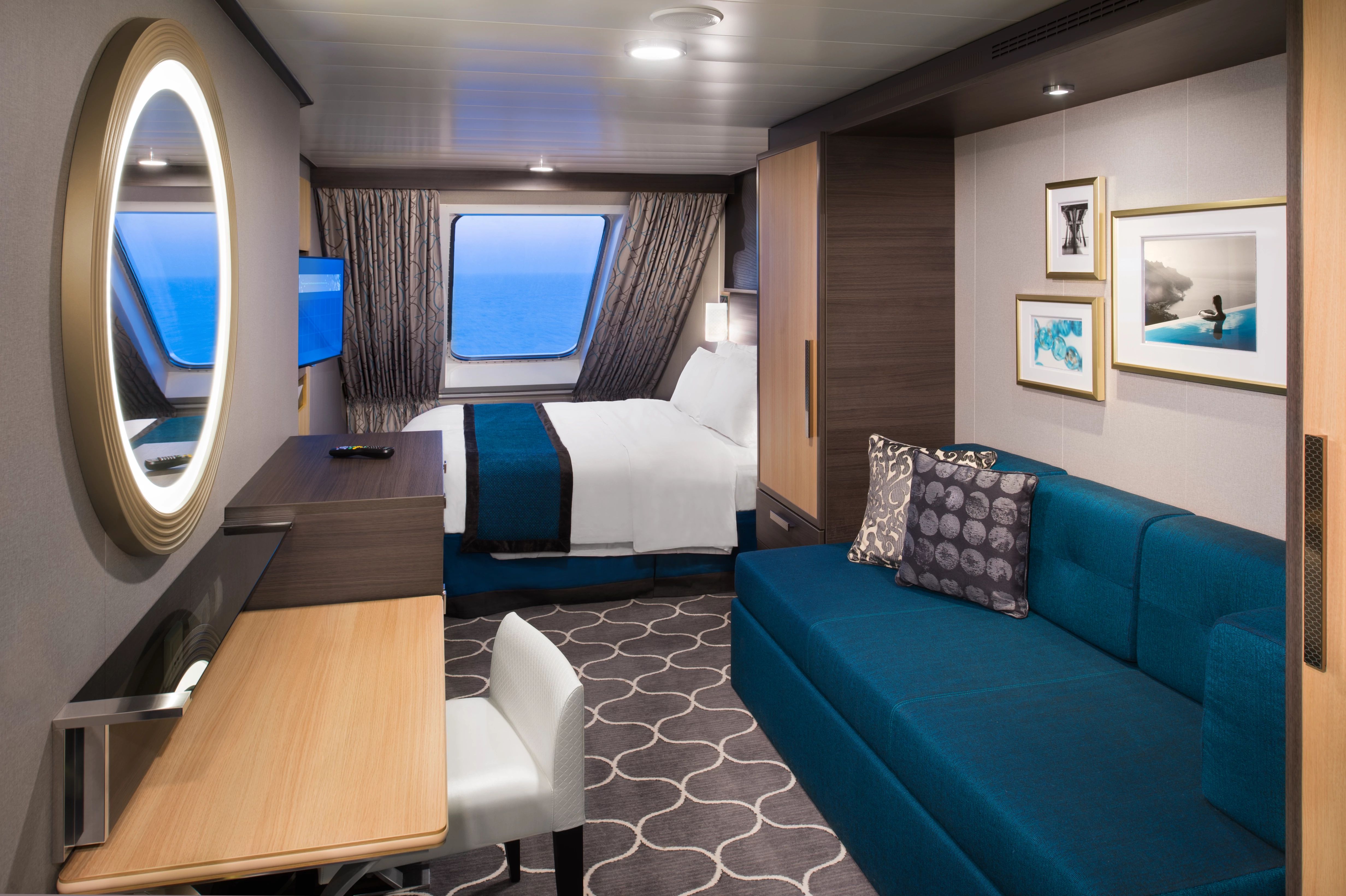 Oceanview Stateroom (4N)
All staterooms and suites come complete with bathroom, vanity area, hair-dryer, TV and phone. Two twin beds that convert to a Royal King bed. One double sofa bed in staterooms with up to 4 guests Stateroom: 179 sq. ft. (Decks 7, 8, 9, 10 & 11)
800-525-9696
for Pricing
 Outside
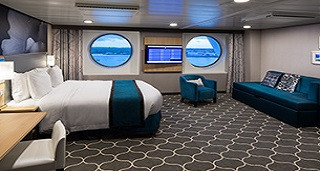
Ultra Spacious Oceanview 1K.
All staterooms and suites come complete with bathroom, vanity area, hair-dryer, TV and phone. Two twin beds that convert to a Royal King bed One double sofa bed, One Pullman bed. Sleeps up to 6 guests. Stateroom: 271 sq. ft.
Outside
Ultra Spacious Oceanview 1K.
All staterooms and suites come complete with bathroom, vanity area, hair-dryer, TV and phone. Two twin beds that convert to a Royal King bed One double sofa bed, One Pullman bed. Sleeps up to 6 guests. Stateroom: 271 sq. ft. 800-525-9696
for Pricing
 Outside
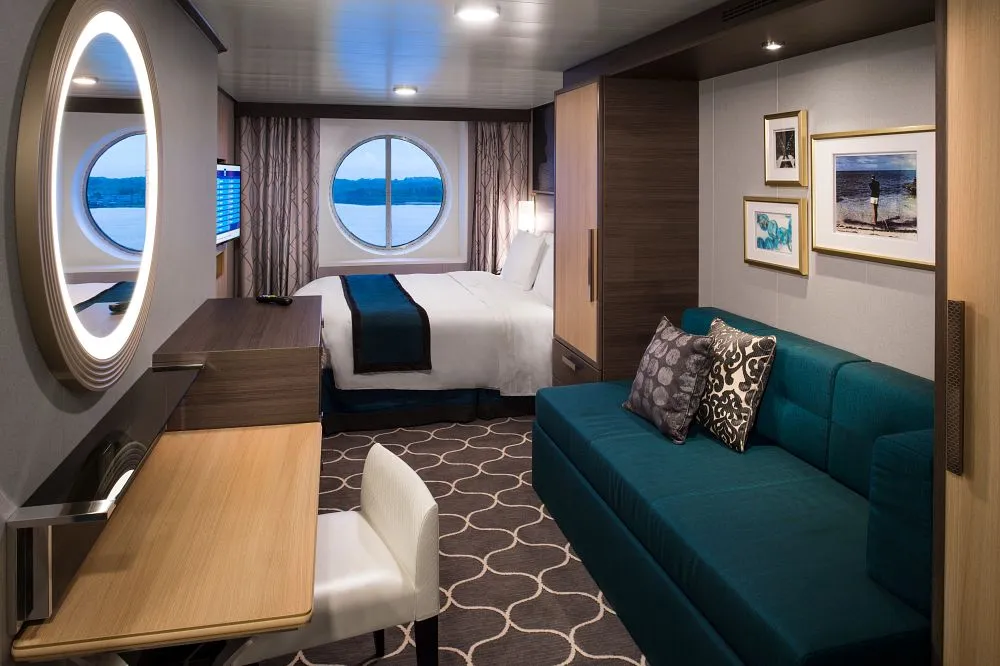
Oceanview Stateroom 1N.
All staterooms and suites come complete with bathroom, vanity area, hair-dryer, TV and phone. Two twin beds that convert to a Royal King bed. One double sofa bed in staterooms with up to 4 guests Stateroom: 179 sq. ft.
Outside
Oceanview Stateroom 1N.
All staterooms and suites come complete with bathroom, vanity area, hair-dryer, TV and phone. Two twin beds that convert to a Royal King bed. One double sofa bed in staterooms with up to 4 guests Stateroom: 179 sq. ft. 800-525-9696
for Pricing
Outside
Oceanview Stateroom 2N.
All staterooms and suites come complete with bathroom, vanity area, hair-dryer, TV and phone. Full size bed and full bathroom. Single occupancy stateroom, no single supplement required. Can sleep up to 1 guest. Stateroom: 96 sq. ft. 800-525-9696
for Pricing
 Outside
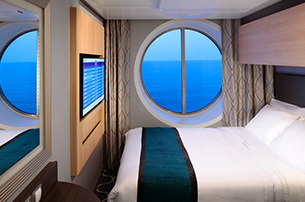
Studio Oceanview 2O.
Full size bed and full bathroom. Single occupancy stateroom.
Outside
Studio Oceanview 2O.
Full size bed and full bathroom. Single occupancy stateroom.Stateroom: 96 sq. ft.
800-525-9696
for Pricing
Outside
Oceanview Stateroom 6N.
Our Ocean View staterooms offer a gorgeous view, two twin beds that convert to Royal King and a private bathroom and sitting area. Stateroom: 179 sq. ft.
Please note that some staterooms in this class have obstructed views.
800-525-9696
for Pricing
Inside
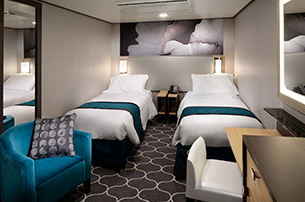 Interior Stateroom (4V)
All staterooms and suites come complete with private bathroom, vanity area, hair-dryer, closed-circuit TV, radio and phone. Two twin beds that convert to Royal King, private bathroom and sitting area with twin sofa bed. Stateroom: 260 sq. ft. (Decks 3, 4, 6, 7, 8, 9, 10, 11, 12 & 14)
800-525-9696
for Pricing
 Inside
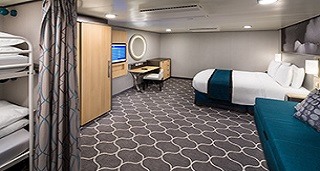
Spacious Interior 1R.
All staterooms and suites come complete with bathroom, vanity area, hair-dryer, TV and phone. Two twin beds that convert to a Royal King bed One double sofa bed, One Pullman bed. Sleeps up to 6 guests. Stateroom: 260 sq. ft.
Inside
Spacious Interior 1R.
All staterooms and suites come complete with bathroom, vanity area, hair-dryer, TV and phone. Two twin beds that convert to a Royal King bed One double sofa bed, One Pullman bed. Sleeps up to 6 guests. Stateroom: 260 sq. ft. 800-525-9696
for Pricing
 Inside
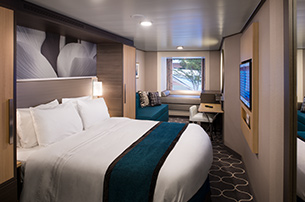
Central Park View Interior 1S.
Fabulous restaurants, shops and the tranquil gardens of the Central Park are just outside your door.
Inside
Central Park View Interior 1S.
Fabulous restaurants, shops and the tranquil gardens of the Central Park are just outside your door.Two twin beds that convert to Royal King, sitting area, and a private bathroom.
Stateroom: 191 sq. ft.
800-525-9696
for Pricing
 Inside
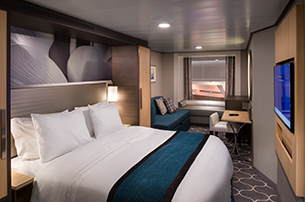
Promenade View Interior 1T.
Promenade Staterooms have bowed windows overlooking the Royal Promenade.
Inside
Promenade View Interior 1T.
Promenade Staterooms have bowed windows overlooking the Royal Promenade.Two twin beds that convert to Royal King, private bathroom and sitting area.
Stateroom: 194 sq. ft.
800-525-9696
for Pricing
 Inside
Interior Stateroom 1V.
This stateroom offers two twin beds that convert to Royal King, private bathroom and sitting area with sofa bed.
Inside
Interior Stateroom 1V.
This stateroom offers two twin beds that convert to Royal King, private bathroom and sitting area with sofa bed.Stateroom: 149 sq. ft.
800-525-9696
for Pricing
Inside
Interior Stateroom 2V.
This spacious stateroom offers two twin beds that convert to Royal King, private bathroom and sitting area with sofa bed.Stateroom: 149 sq. ft.
800-525-9696
for Pricing
 Inside
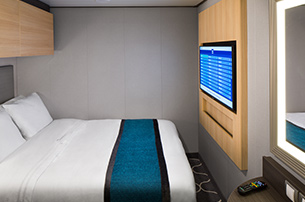
Studio Interior 2W.
Full size bed and full bathroom. Single occupancy stateroom.
Inside
Studio Interior 2W.
Full size bed and full bathroom. Single occupancy stateroom.Stateroom: 96 sq. ft.
800-525-9696
for Pricing
Inside
Interior Stateroom 3V.
All staterooms and suites come complete with bathroom, vanity area, hair-dryer, TV and phone.
Two twin beds that convert to a Royal King bed One double sofa bed in staterooms with up to 4 guests. Stateroom: 149 sq. ft. 800-525-9696
for Pricing
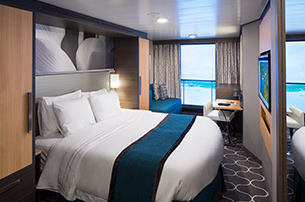 Inside
Interior with Virtual Balcony 4U.
All staterooms and suites come complete with bathroom, vanity area, hair-dryer, TV and phone. Two twin beds that convert to a Royal King bed One double sofa bed in staterooms with up to 4 guests. Real-time views of the ocean and destinations via a high-definition screen that spans nearly floor to ceiling. Stateroom: 160 sq. ft.
Inside
Interior with Virtual Balcony 4U.
All staterooms and suites come complete with bathroom, vanity area, hair-dryer, TV and phone. Two twin beds that convert to a Royal King bed One double sofa bed in staterooms with up to 4 guests. Real-time views of the ocean and destinations via a high-definition screen that spans nearly floor to ceiling. Stateroom: 160 sq. ft. 800-525-9696
for Pricing
Inside
Interior Stateroom 6V.
This stateroom offers two twin beds that convert to Royal King, private bathroom and sitting area.Stateroom: 149 sq. ft.
800-525-9696
for Pricing
Before & After Your Cruise
Hotels
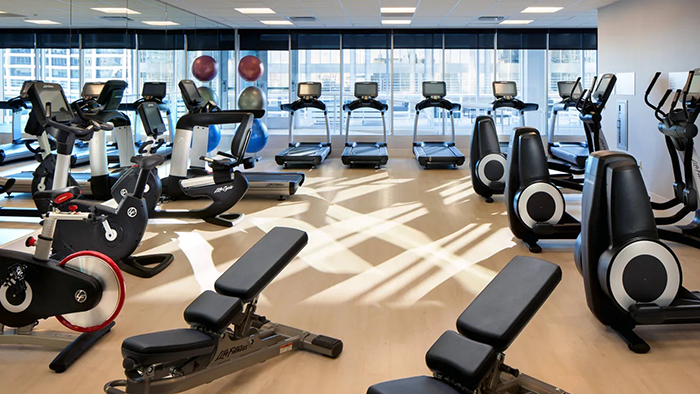
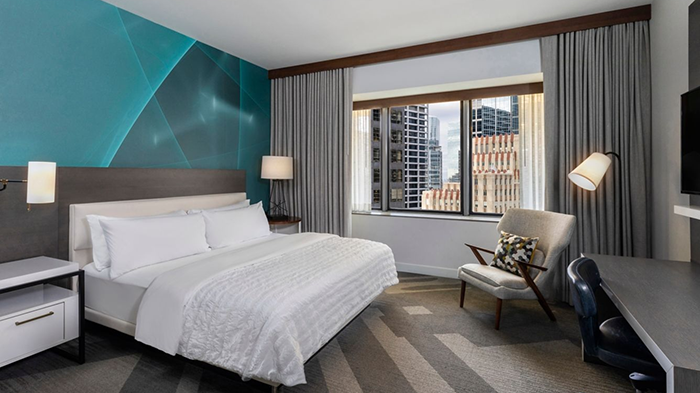
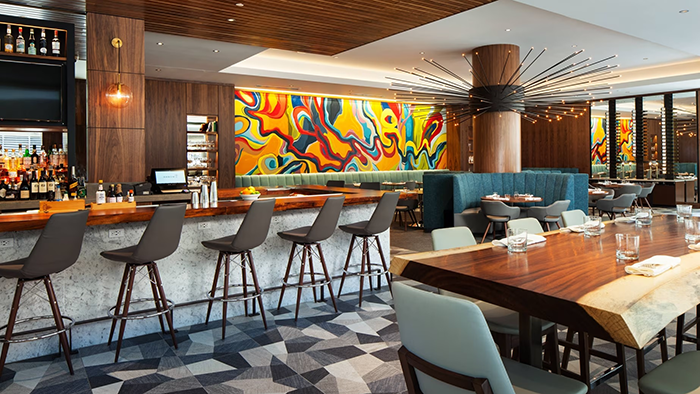
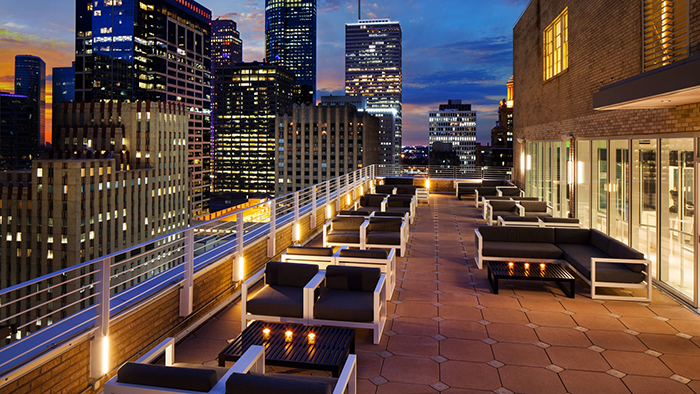
Le Méridien Houston Downtown
Southern Charm with a Mid-Century Modern Flair
1121 Walker St, Houston, TX 77002 — Galveston
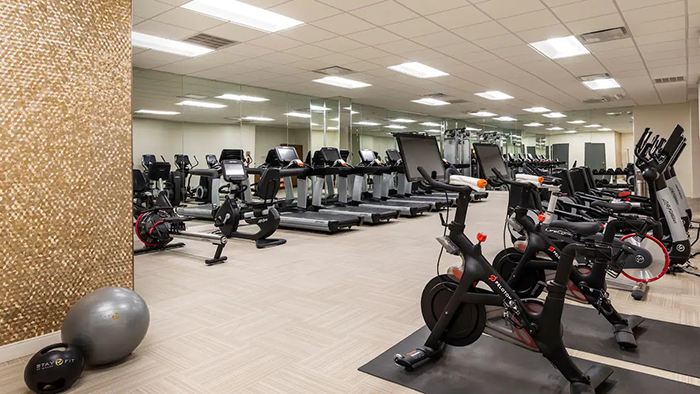
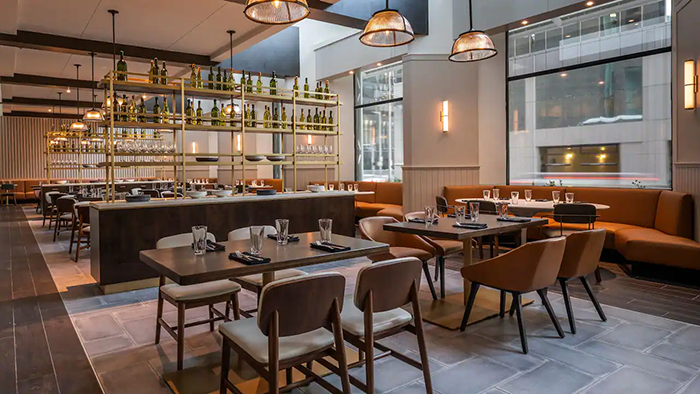
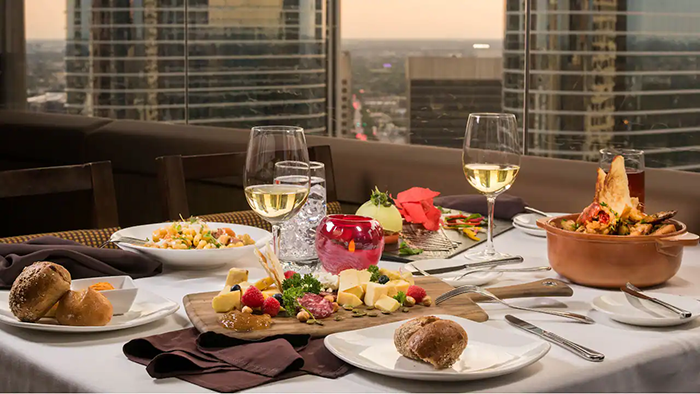
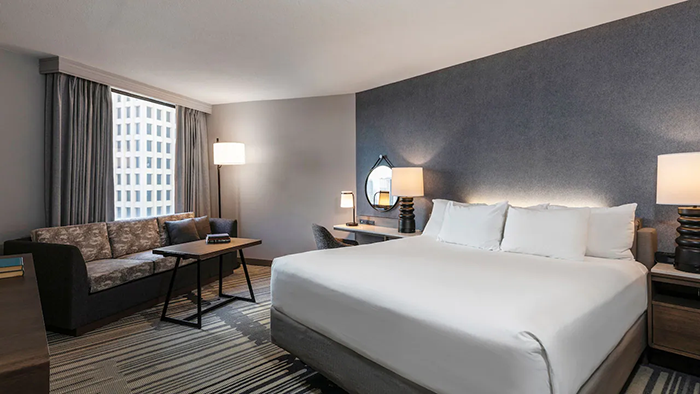
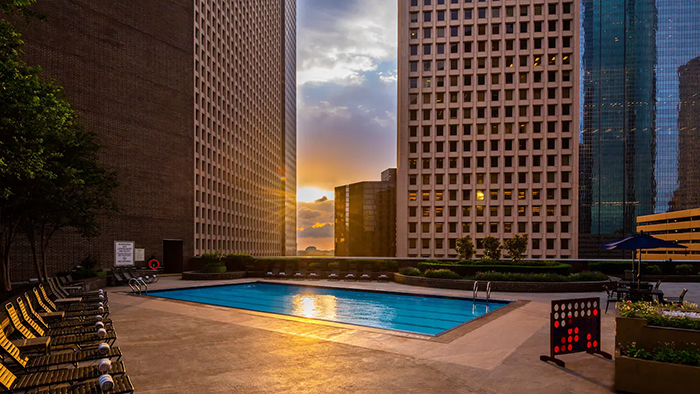
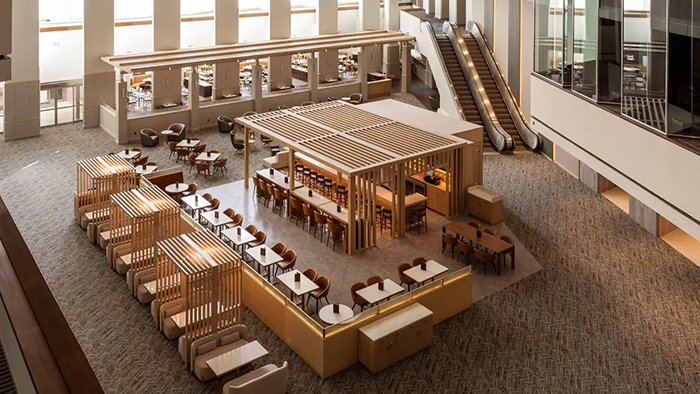
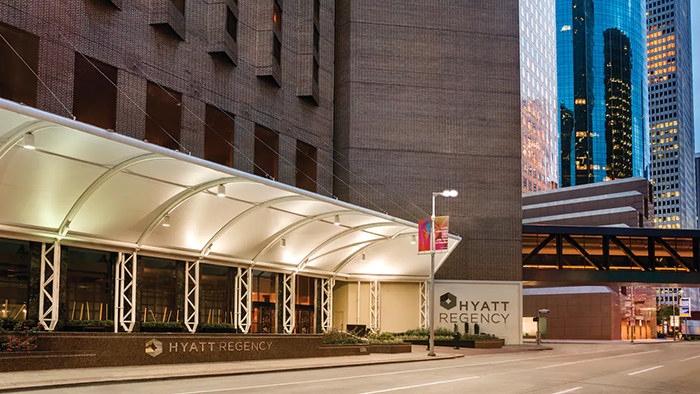
Hyatt Regency Houston
Luxury Rooms and Downtown Views
1200 Louisiana St, Houston, TX 77002 — Galveston
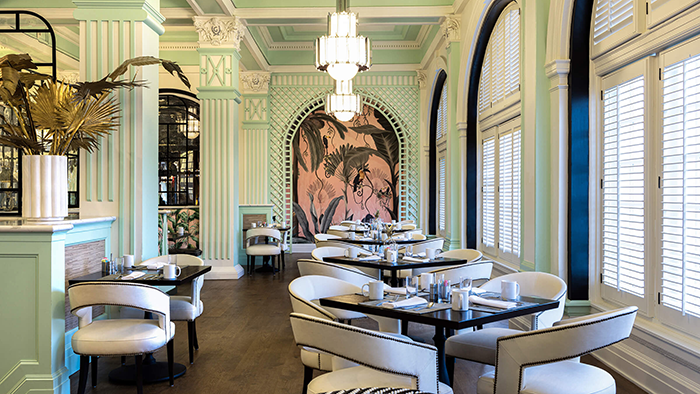
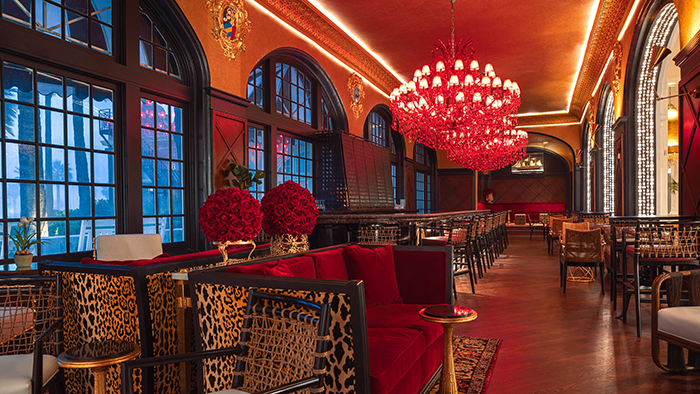
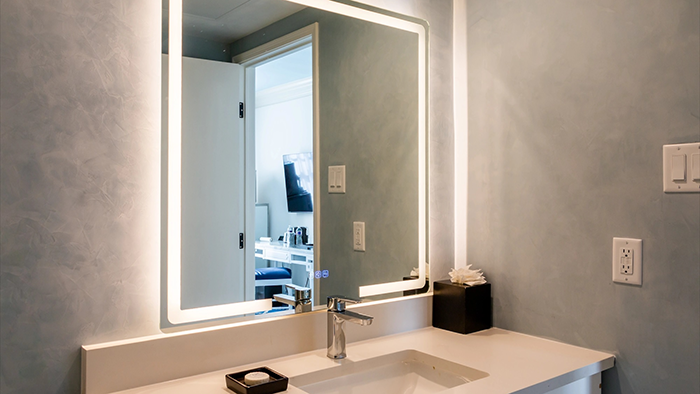
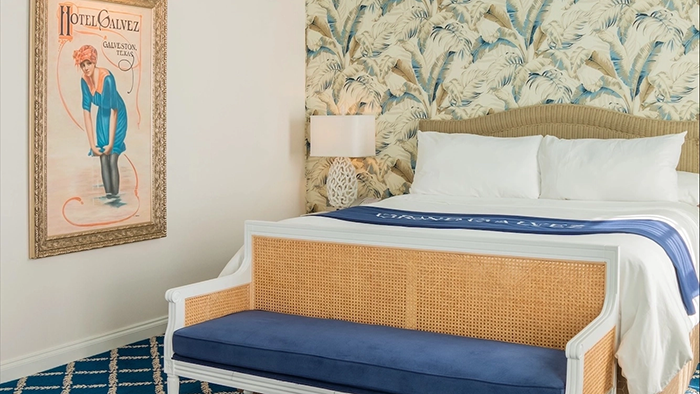
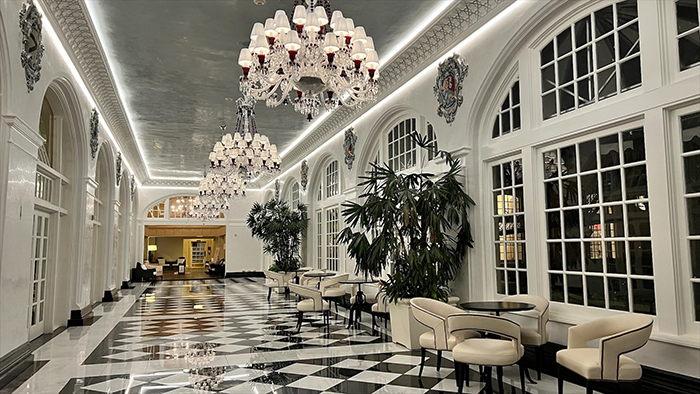
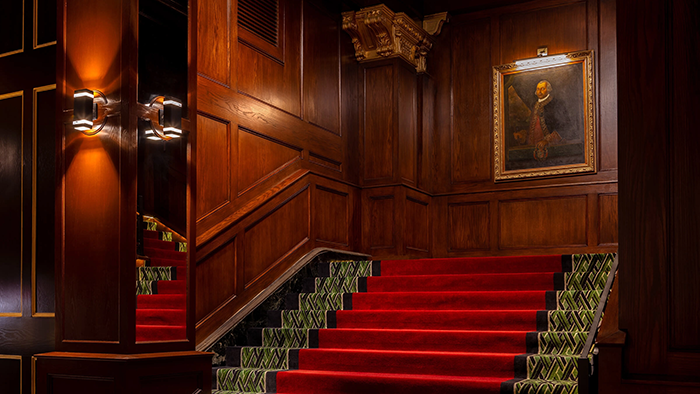
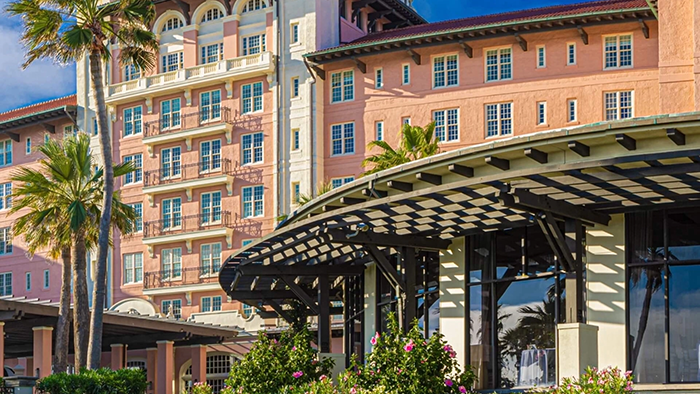
Grand Galvez
The Queen of the Gulf
2024 Seawall Blvd, Galveston, TX 77550 — Galveston
Protect Your Trip with Allianz Travel Insurance
Allianz Travel Insurance plans can give you flexibility and support when your trip doesn’t go quite as planned. From unexpected flight issues to covered trip cancellations, travel emergencies, and more, travel insurance can help you manage unforeseen events that may impact your trip—giving you peace of mind from the moment you book your trip through your return home.
For an instant quote:
- Simply provide a few short details about your trip
- Review the available protection plans
- Enjoy the peace of mind you deserve
Why Protect your Trip?
Whether you’re planning your next trip or you recently booked one, travel insurance can help smooth over many unexpected travel glitches—while putting your mind at ease, knowing you’re off the hook for covered expenses that could arise from them.
Allianz Travel Insurance plans can provide you benefits and professional support when a covered situation comes up before or during your trip. The following examples may qualify for benefits:
- Cancelling your trip after unexpectedly becoming too sick to travel
- Taking care of a sick or injured traveling companion
- Having to end your trip early due to a family emergency
- Dealing with a flight delay or cancellation
- Needing to buy personal items if your luggage is lost or stolen
- Missing your cruise departure after a covered flight delay
You also can contact our travel protection partner Allianz Global Assistance’s 24/7, award-winning customer service for on-the-go assistance with issues like a medical emergency, replacing your lost passport, or making reservations around the world. To be eligible for a time-sensitive waiver of pre-existing medical condition exclusions, purchase your travel insurance plan within 14 days of initial trip deposit (other purchase requirements and conditions apply). Specific plan benefits may vary. Please review your plan details for more information.
What Can Travel Insurance Help Protect?
Allianz Travel Insurance plans can protect you before and during your trip—keeping you, your loved ones, and your travel budget safer. Benefits vary by plan, and these are brief descriptions. Please read your plan documents for details.
TRIP CANCELLATION
Reimburses your prepaid, non-refundable travel expenses if you need to cancel your trip due to a covered reason, such as you, a family member, or traveling companion experiencing a covered illness or injury. Examples include:
- A doctor says you or a traveling companion is too sick to fly
- Your parent or child requires hospitalization
- You need to attend the birth of a family member’s child
- You have a traffic accident (not breakdown) on the way to the airport
- A storm shuts down your airport for 24 hours or more
TRIP INTERRUPTION
Reimburses your unused, non-refundable travel expenses and increased transportation costs during your trip if you have to return home early due to a covered reason, for instance when a family member has a qualifying medical emergency and needs your care. Examples include:
- You have a covered illness or injury and a doctor says you must return home
- A family member has a qualifying injury and needs your care
- A covered emergency, like a fire or flood, makes your home uninhabitable
TRAVEL DELAY
If you have a covered delay while traveling, travel insurance can reimburse you for meals, accommodations, and transportation expenses when your trip is delayed for a minimum number of consecutive hours for a covered reason. Minimum number of hours varies by plan.
EMERGENCY MEDICAL AND DENTAL CARE
Reimburses your expenses related to covered medical and dental emergencies* that might occur on your trip. This benefit can be especially helpful if you have a covered emergency outside the United States, as most health insurance policies won’t cover you outside the country. Examples include:
- You slip and break your ankle while sightseeing
- You get food poisoning while sampling the local cuisine
- You lose a filling and need immediate dental treatment*
*A sublimit and maximum apply for this benefit. Check your plan documents for details.
EMERGENCY MEDICAL TRANSPORTATION
Arranges and pays for medically necessary transportation following a covered injury or illness to the nearest appropriate medical facility to receive care and get you home after treatment.
BAGGAGE LOSS, DAMAGE, or THEFT
Reimburses the replacement of your lost, damaged, or stolen luggage and personal items while traveling.
BAGGAGE DELAY
Reimburses essential items purchased during your trip if your baggage is delayed for a minimum number of hours (varies by plan).
CHANGE FEE
Reimburses fees if you need to change your flight itinerary due to a covered reason.
24-HOUR ASSISTANCE
Provides around-the-clock support during your trip. Allianz Global Assistance’s staff of multilingual problem solvers can help you with medical, legal, and travel-related emergencies whenever they happen. Medical assistance may include, but is not limited to:
- Medical triage with referrals to local prescreened medical providers
- Ongoing medical monitoring
- Payment guarantee
- Emergency medical transportation
Additional services for travel-related emergencies can help with:
- Missed connecting flights
- Lost/stolen travel documents
- Pre-trip information
- Prescription replacements
Our Promise to You
When you purchase any Allianz Travel Insurance plan, you automatically get 15 days (or more, depending on your state of residence) to review your policy documents. Within that period, you can cancel your plan for a full refund if you’re not satisfied, as long as you haven’t filed a claim or departed on your trip.
Need Help Along the Way?
Contact Allianz Global Assistance’s award-winning team of travel experts. Call anytime for assistance navigating travel mishaps overseas or in the U.S.—or help with everything from reporting lost baggage to locating emergency medical treatment. They can also help you replace passports, refer you to legal assistance, secure cash from home in case of emergency, and guarantee payment when you need to be admitted to a hospital, in some instances.
Contact Allianz Global Assistance
Phone (24/7):
1-800-284-8300 (within the U.S., Canada, Puerto Rico, and the U.S. Virgin Islands)
1-804-281-5700 (outside of the U.S., call collect)
File or Track a Claim
It’s easy and convenient to file and track a claim, upload documents, and more online. Start your claim using your email address or policy number.
File a ClaimIf you need help filing a claim or understanding the claims process, visit the Allianz Global Assistance Claims Center.
Update Your Plan
If you need to update your travel insurance plan, such as adjusting the dates of your plan to reflect itinerary changes, please contact us or manage your plan online so your plan reflects your entire itinerary and provides the right amount of protection for your travels.
Manage My PlanAbout Allianz Global Assistance
Allianz Global Assistance is a world leader in travel insurance and assistance, helping millions of travelers across the globe every year. Allianz Global Assistance is owned by Allianz SE, the world’s largest diversified insurance company. For over 100 years, Allianz SE has helped protect important milestones in American history, insuring the Wright Brothers’ first flight and Golden Gate Bridge construction.
Terms, conditions, and exclusions apply including for pre-existing medical conditions. Insurance benefits underwritten by BCS Insurance Company (OH, Administrative Office: 2 Mid America Plaza, Suite 200, Oakbrook Terrace, IL 60181), rated “A” (Excellent) by A.M. Best Co., under BCS Form No. 52.201 series or 52.401 series, or Jefferson Insurance Company (NY, Administrative Office: 9950 Mayland Drive, Richmond, VA 23233), rated “A+” (Superior) by A.M. Best Co., under Jefferson Form No. 101-C series or 101-P series, depending on your state of residence and plan chosen. A+ (Superior) and A (Excellent) are the 2nd and 3rd highest, respectively, of A.M. Best’s 13 Financial Strength Ratings. Plans only available to U.S. residents and may not be available in all jurisdictions. Allianz Global Assistance and Allianz Travel Insurance are marks of AGA Service Company dba Allianz Global Assistance or its affiliates. Allianz Travel Insurance products are distributed by Allianz Global Assistance, the licensed producer and administrator of these plans and an affiliate of Jefferson Insurance Company. The insured shall not receive any special benefit or advantage due to the affiliation between AGA Service Company and Jefferson Insurance Company. Plans include insurance benefits and assistance services. Any Non-Insurance Assistance services purchased are provided through AGA Service Company. Except as expressly provided under your plan, you are responsible for charges you incur from third parties. Contact AGA Service Company at 800-284-8300 or 9950 Mayland Drive, Richmond, VA 23233 or customerservice@allianzassistance.com.