16 ACPE Credits
16.0 Contact Hours
Course Fees
$995 for Physicians, Attorneys, Psychologists, Doctors of Pharmacy, & Dentists$795 for Physician Assistants
$595 for Nurses, Residents, Students & Others

Our staff can assist you with all your travel arrangements.
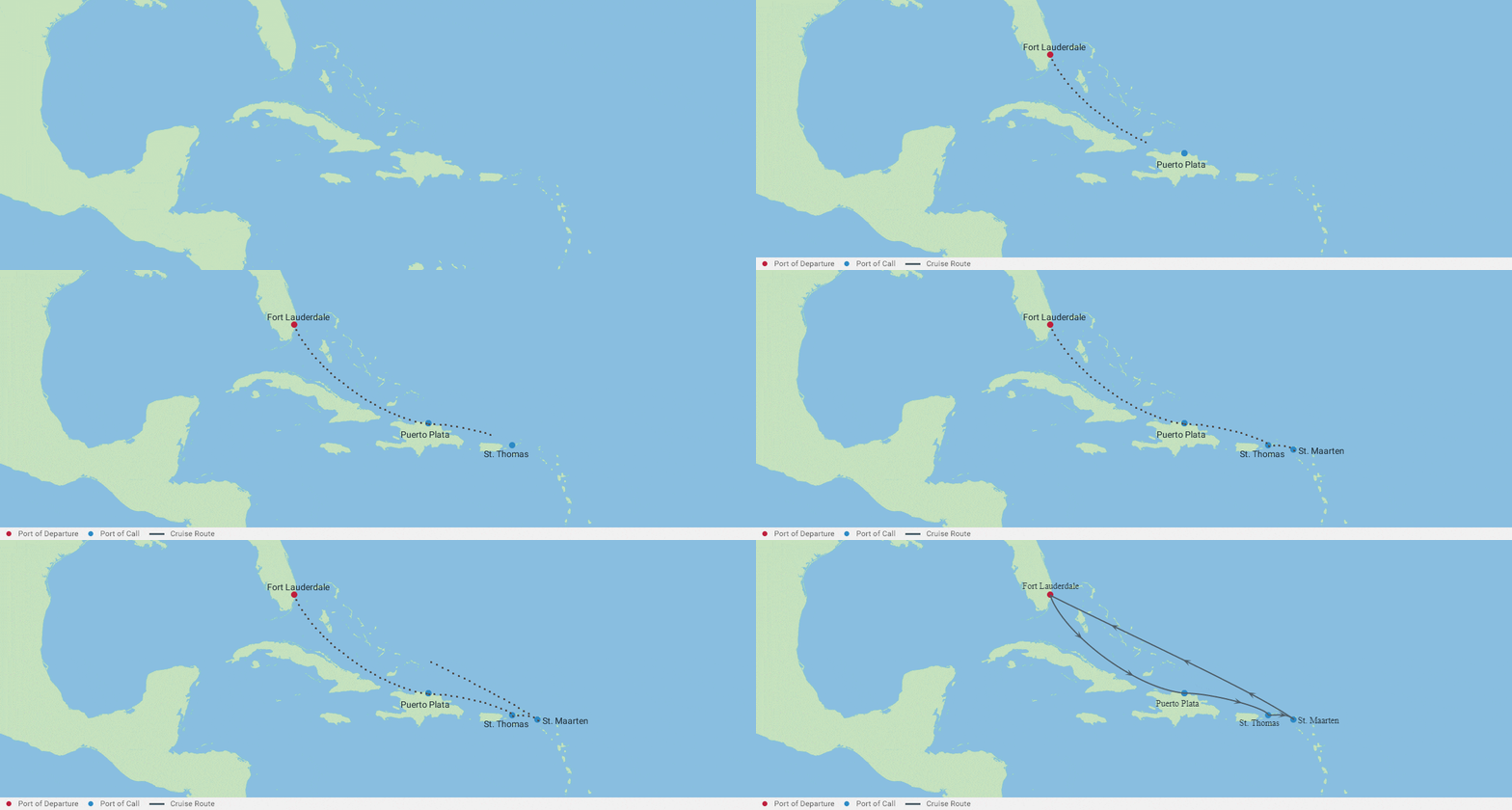
| DATE | PORT OF CALL | ARRIVE | DEPART |
|---|---|---|---|
| Sun Jan 25 | Ft. Lauderdale, Florida |
- | 4:00 pm |
| Mon Jan 26 | *At Sea - Cruising |
- | - |
| Tue Jan 27 | Puerto Plata, Dom. Rep. |
7:00 am | 3:00 pm |
| Wed Jan 28 | Charlotte Amalie, St. Thomas, U.S.V.I. |
11:30 am | 7:00 pm |
| Thu Jan 29 | Philipsburg, St. Maarten |
8:00 am | 6:00 pm |
| Fri Jan 30 | *At Sea - Cruising |
- | - |
| Sat Jan 31 | *At Sea - Cruising |
- | - |
| Sun Feb 01 | Ft. Lauderdale, Florida |
7:00 am | - |
Ft. Lauderdale, Florida - There is an abundance of things to see and do in the Ft. Lauderdale area: visit the newly redesigned Ft. Lauderdale Beach and cafes, stroll the historic Riverwalk, shop the luxurious stores on Las Olas Boulevard, or adventure to the Everglades for an intriguing air boat excursion.
At Sea - Cruising - Cruising
Puerto Plata, Dom. Rep. - In Puerto Plata, you’ll be greeted by verdant mountains, pristine beaches, and nature-filled adventures. Go for a swim at the awe-inspiring 27 Waterfalls complex. Hike through the lush, protected jungle of El Choco National Park, enjoying the park’s two lagoons. Swim with dolphins at World Ocean, the largest manmade dolphin habitat in the world, or grab a kayak and head out on the water at Manatee Reserve.
For history buffs, tour the Fortress of San Felipe and travel back in time to Spanish occupation. Don’t leave the Domincan Republic without sampling locally distilled rum or delicacies like la bandera and mofongo.
Charlotte Amalie, St. Thomas, U.S.V.I. - Named after a Danish Queen, Charlotte Amalie has one of the most breathtaking deepwater harbors in the world. The key sights of Charlotte Amalie are located within the town centre, making it easy to combine sightseeing with St. Thomas’ fantastic shopping opportunities. Eighteenth century architecture provides the perfect backdrop for walking tours and shopping here in the "Duty Free Capital of the World." For a dose of history, visit Emancipation Park, the American-Caribbean History Museum, or Bluebeard the pirate's castle at Magen’s Bay. If tropical bliss is what you're after, head to any of Charlotte Amalie’s pristine beaches, where the warm water, white sands and palm trees will lull you into deep relaxation!
Philipsburg, St. Maarten - The capital of the Dutch side of St. Maarten is the town of Philipsburg, though St. Maarten is an island with two distinct sides. To the north is the French side, whose capital is Marigot, while Philipsburg sits on the southern part of the island. When exploring on cruises that go to St. Maarten, it’s important to visit both sides to understand their customs and heritage.
You’ll quickly be charmed by all sides of the island. Of course, this Caribbean island is best known for its beaches, like Maho Beach or Great Bay Beach, one of the area’s best snorkeling spots. Sample local seafood or rum during your time in port, which have become symbols of St. Maarten life. There’s just enough to fill the day here, especially if you hop between the French and Dutch beaches.
Our staff can assist you with all your travel arrangements.
Questions? Call us at 800-422-0711.