
COURSE CREDITS & HOURS
14 CE Credits for Psychologists
14 ACPE Credits
14 ANCC Contact Hours
COURSE FEES
TARGET AUDIENCE
PROGRAM TOPICS
Dr. Buch's Topics
- Assessing Abdominal Pain: A Practical Review
- Bootcamp for Elevated Liver Tests
- Colon Cancer Evaluation and Prevention
- Difficile Dilemmas
- GI Bleeding: What You Need to Know
- Helicobacter Highlights and Peptic Ulcer Disease
- Metabolic Dysfunction-Associated Steatotic Liver Disease
Dr. Touch's Topics
- Resilience in Health Care
- Workplace Applications of Resilience
- Evidence-Based Behavioral Medicine Skills to Enhance Clinician Resilience and Patient Outcomes
- Resilient Systems: Applications of Behavioral Medicine to Improve Health Care
- Flourishing in Health
- Assessing and Addressing Burnout
- Addressing Institutional Sources of Burnout to Create Flourishing Health Care Systems
- Creating a S.M.A.R.T. Goal to Promote Flourishing
IMPORTANT INFORMATION
Faculty
Peter S. Buch, MD, FACG, AGAF, FACP

University of New England College of Osteopathic Medicine
Associate Professor of Medicine
University of Connecticut School of Medicine
Frank H. Netter, MD School of Medicine at Quinnipiac University
Manchester, CT
Dr. Peter Buch is a highly regarded medical educator and double board-certified clinical gastroenterologist with over 35 years of experience. His passion is teaching, and his style is famously case-based, practical, and interactive.
He is a Clinical Professor at the University of New England College of Osteopathic Medicine and an Associate Professor at both the University of Connecticut School of Medicine and the Frank H. Netter, MD School of Medicine. Demonstrating his leadership in medical education, he is the host of the GI Insights podcast on ReachMD and serves on the American College of Gastroenterology’s Education Affairs Committee.
Dr. Buch has been honored to present at dozens of national and international conferences. He always learns from his audience and looks forward to learning with you.
Gina Touch, Ph.D.

Associate Professor, Departments of Psychiatry and Family, Community, and Preventive Medicine, University of Arizona College of Medicine – Phoenix
Phoenix, AZ
Gina Touch, PhD, is the Behaviorist and Core Faculty for the University of Arizona College of Medicine – Phoenix (UA COM-P) Banner Family Medicine Residency, with a dedicated focus on Graduate Medical Education and Lifestyle Medicine curriculum development. She holds an appointment as an Associate Professor in the Departments of Psychiatry and Family, Community, and Preventive Medicine at UA COM-P. Her extensive academic and clinical background includes directing the Behavioral Sciences, Wellness, and Professional Identity Development curricula at the college, as well as serving as a clinical psychologist in Addiction Medicine within the Department of Obstetrics & Gynecology.
Dr. Touch graduated from the University of Houston with a doctorate in Counseling Psychology and completed a postdoctoral fellowship in Geropsychology at the Houston VA Medical Center. She has been a practicing clinical psychologist and a core faculty member in graduate psychology and medical education programs for over 25 years.
Accreditation





Cruise Itinerary
| DATE | PORT OF CALL | ARRIVE | DEPART |
|---|---|---|---|
| Friday, June 19 | Venice (Ravenna), Italy |
- | 5:00 pm |
| Saturday, June 20 | Split, Croatia |
8:00 am | 7:00 pm |
| Sunday, June 21 | Dubrovnik, Croatia |
7:00 am | 8:00 pm |
| Monday, June 22 | Kotor, Montenegro |
7:00 am | 7:00 pm |
| Tuesday, June 23 | *At Sea - Cruising Lectures 8:30 AM - 12:30 PM, 1:30 PM - 4:30 PM |
- | - |
| Wednesday, June 24 | Sicily (Messina), Italy |
7:00 am | 6:00 pm |
| Thursday, June 25 | Salerno, Italy (Amalfi Coast) |
8:00 am | 7:00 pm |
| Friday, June 26 | *At Sea - Cruising Lectures 8:30 AM - 12:30 PM, 1:30 PM - 4:30 PM |
- | - |
| Saturday, June 27 | Portofino, Italy |
7:00 am | 7:00 pm |
| Sunday, June 28 | Florence/Pisa (La Spezia), Italy |
7:00 am | 5:30 pm |
| Monday, June 29 | Rome (Civitavecchia), Italy |
5:00 am | - |

Ports of Call
Venice (Ravenna), Italy

For those accustomed to a demanding schedule, arriving a day or two before embarkation is not an indulgence; it is an essential transition. It allows you to shed the stresses of travel, acclimate to the time zone, and immerse yourself in a world of profound beauty and history, ensuring you step aboard your vessel relaxed, enriched, and ready for the experience ahead. It’s the perfect way to begin a well-deserved vacation.
Your Pre-Cruise Stay in Ravenna: A Suggested Itinerary - Arrival Day: Settling into the Heart of History
Your journey will likely begin by flying into Bologna (BLQ), the region's largest international airport, located about an hour's train ride away. The efficient Italian rail system makes the transfer simple and scenic. Alternatively, smaller airports like Forlì (FRL) or Rimini (RMI) are even closer. Upon arrival in Ravenna, settle into a hotel within the compact, walkable historic center (*centro storico*). This pedestrian-friendly core is where the city’s treasures lie, allowing you to explore with ease.
After checking in, take a leisurely stroll to the Piazza del Popolo, the city's elegant main square. Find a seat at an outdoor café, order a glass of local Sangiovese or a refreshing Aperol Spritz, and simply watch the world go by. This is the heart of Ravenna's social life, a perfect spot to decompress and absorb the gentle rhythm of the city. For dinner, forgo an elaborate plan and wander the quiet side streets to find a local trattoria. Here you can savor your first taste of Emilia-Romagna’s culinary genius: perhaps a plate of handmade *cappelletti al ragù* or a simple, perfect *piadina*, the region’s beloved flatbread, filled with prosciutto and squacquerone cheese.
Day Two: A Symphony of Gold and Color - Today is dedicated to Ravenna’s crown jewels: its breathtaking mosaics. Purchase a cumulative ticket (*biglietto unico*), which provides access to the city's most important UNESCO sites. Begin at the Basilica di San Vitale, an octagonal masterpiece of Byzantine architecture. Step inside and prepare to be mesmerized. The walls and ceilings are not merely decorated but completely enveloped in shimmering glass tiles depicting biblical scenes and the imperial court of Emperor Justinian and Empress Theodora, whose portraits gaze across the apse with an arresting, lifelike intensity.
Adjacent to the basilica is the Mausoleum of Galla Placidia. This small, unassuming brick structure hides one of the most magical interiors in all of Italy. As your eyes adjust to the dim light, a deep blue, star-spangled mosaic ceiling reveals itself, creating an intimate and ethereal atmosphere that feels a world away from the sunlit piazza outside.
From here, a short walk takes you to the Neonian Baptistery, with its stunning mosaic of the Baptism of Christ, and the Basilica di Sant'Apollinare Nuovo. Originally built for the Arian cult, its long nave is famously lined with two magnificent mosaic processions: a parade of 22 virgin martyrs departing from the port of Classe on one side, and 26 male martyrs leaving Ravenna's palace on the other, all set against a radiant gold background.
In the afternoon, pay a visit to the final resting place of a literary giant. Dante Alighieri, the author of *The Divine Comedy*, was exiled from his native Florence and spent his final years in Ravenna. His neoclassical tomb is a site of quiet pilgrimage. Nearby, you can explore the charming shops selling high-quality mosaic reproductions, local ceramics, and gourmet food products—perfect for a meaningful souvenir.
As evening approaches, indulge in an authentic culinary experience. Visit the city’s *Mercato Coperto* (covered market) to see the vibrant local produce and perhaps sample some regional specialties. For your final pre-cruise dinner, seek out a restaurant specializing in fresh Adriatic seafood, a perfect pairing for the coastal setting and a delightful prelude to your journey at sea. Ravenna is not merely a starting point; it is a destination that sets a tone of cultural depth, relaxed discovery, and exceptional quality for the entire voyage to come.
Split, Croatia


The palace's central square, the Peristyle, serves as a stunning open-air stage, flanked by the imposing Cathedral of Saint Domnius—originally Diocletian's mausoleum. A climb up its bell tower is highly recommended for breathtaking views over the terracotta roofs and the brilliant blue of the Adriatic. Below ground, explore the vast, vaulted substructures that once supported the emperor's private apartments, now often hosting markets and exhibitions.
Beyond the palace walls, the Riva promenade is the city's social artery, a wide boulevard lined with cafes perfect for people-watching over a coffee or a glass of local wine. For a taste of authentic commerce, the bustling Green Market (Pazar) offers fresh produce and regional crafts just outside the Silver Gate. Split’s core is compact and best explored by simply wandering its labyrinthine alleys, discovering hidden courtyards and soaking in an atmosphere that is both monumental and intimately human. It is an ideal port for independent exploration on foot.

Dubrovnik, Croatia

Once inside, the city unfolds along the Stradun, a wide, limestone-paved thoroughfare. While it’s tempting to follow the crowds to landmarks like the Rector’s Palace or the Franciscan Monastery, the real magic lies in exploring the labyrinth of narrow side streets and quiet courtyards. Two experiences, however, are truly essential for a day visit.

First, walk the city walls. We recommend going as early as possible or later in the afternoon to avoid the intense midday sun and the peak crowds that can make the circuit feel congested. The two-kilometer loop provides unparalleled, evolving views of the terracotta rooftops, the shimmering sea, and the nearby islands. Second, take the cable car to the summit of Mount Srđ. The panoramic vista from the top puts the city's magnificent geography into perspective and is unforgettable.
For a more active perspective, a sea kayaking tour offers a unique view of the city's scale from the water. While its recent screen fame is a popular draw, Dubrovnik’s true identity is that of the resilient Republic of Ragusa, a maritime power that has been meticulously restored. It is a world-class destination where strategic timing is the key to fully appreciating its splendor.


Kotor, Montenegro


The town is entirely encircled by formidable medieval walls that snake their way up the adjoining mountain. For the physically active, the port's signature experience is the strenuous but rewarding climb up the 1,350 steps to the Fortress of San Giovanni. The panoramic view from the top—looking down on the triangular Old Town, the bay, and the docked ships—is one of the most iconic in the Mediterranean. We recommend tackling this in the morning to avoid the midday sun and crowds.
For those preferring a more relaxed day, the Old Town itself is the main attraction. It’s a place to wander without a fixed agenda. You can visit the 12th-century Cathedral of Saint Tryphon, browse the small shops, and observe the town's famous feline residents. The true pleasure of Kotor lies in finding a quiet piazza, ordering a coffee or a glass of local Vranac wine, and simply absorbing the historic atmosphere. For a change of scenery, a short boat or taxi ride to the impossibly picturesque village of Perast offers a quieter, equally beautiful alternative.


At Sea - Cruising
Sicily (Messina), Italy
For a more elemental experience, an excursion to Mount Etna reveals the raw power of Europe's most active volcano. Ascending its slopes, the landscape transforms into a stark, lunar-like environment of black lava rock and volcanic craters. Wineries thriving in the fertile, mineral-rich soil on the volcano's lower flanks offer tastings that provide a literal taste of the terroir.
However, Messina itself should not be overlooked. It presents a grittier, more workaday Sicilian reality. The city’s heart is the Piazza del Duomo, home to a magnificent Norman cathedral and the world's largest astronomical clock. Be sure to arrive just before noon to witness the captivating spectacle as its gilded bronze figures animate to tell stories from the city’s history. A short walk from the port, you can savor classic Sicilian street food like arancini or a refreshing granita, experiencing a slice of local life far from the polish of Taormina. Messina offers a genuine crossroads: choose world-famous beauty or stay for a taste of an authentic port city.
Salerno, Italy (Amalfi Coast)

The most popular choice is, of course, the Amalfi Coast. We strongly recommend taking a ferry directly from the port area. It’s the most scenic and practical way to bypass the notoriously congested coastal roads, offering breathtaking views as you approach the iconic towns. The first stop is often Positano, a near-vertical cascade of pastel houses and chic boutiques tumbling down to a pebbled beach. Further on, the historic maritime republic of Amalfi presents its magnificent Arab-Norman cathedral and a charming central piazza.

For an equally profound but often less crowded experience, consider heading south to the archaeological park of Paestum. Here, three of the world's most astonishingly well-preserved ancient Greek temples stand in a tranquil field. Walking among these Doric masterpieces, which predate the Parthenon, is a powerful and unforgettable journey into Magna Graecia.
Should you prefer a more relaxed day, Salerno itself is a genuinely pleasant city. Its medieval old town (Centro Storico) is a delightful labyrinth of narrow lanes, and the impressive Duomo di Salerno houses the crypt of Saint Matthew. A leisurely stroll along the Lungomare Trieste, a grand tree-lined seaside promenade, offers a perfect, authentic slice of southern Italian life.
Portofino, Italy

For the best views, a short but steep uphill walk leads to Castello Brown, a 16th-century fortress offering panoramic vistas of the village and the Ligurian coast. Nearby, the Church of St. George provides another beautiful vantage point. While the village is known for its luxury boutiques, its true charm lies in its compact beauty. Be prepared for crowds, especially on days when ships are in port, and for premium prices at the waterfront cafes. Portofino is not a destination for a long checklist of sights; it's a place to stroll, savor a view, and experience a small, concentrated dose of *la dolce vita*.


Florence/Pisa (La Spezia), Italy


The premier excursion is, without question, the Cinque Terre. This string of five ancient seaside villages, clinging to cliffs along the Italian Riviera, is a UNESCO World Heritage site for good reason. The most effective way to visit is by a short train ride from La Spezia Centrale station, which connects all five villages. You can hop on and off, perhaps hiking a portion of the scenic coastal trail (check for trail closures beforehand) or simply enjoying the unique character of each town, from the vibrant harbor of Vernazza to the iconic vistas of Manarola. A ferry from La Spezia’s port also offers a beautiful perspective from the sea, though it is slower and weather-dependent.

For those with an ambition for Renaissance art and architecture, both Pisa and Florence are viable, albeit long, day trips. A visit to Pisa is focused on its magnificent Piazza dei Miracoli (“Square of Miracles”), where the Leaning Tower, the Duomo, and the Baptistery form a stunning architectural ensemble. Florence, further afield, demands a full and fast-paced day. It offers an immersion into the heart of the Renaissance, with the chance to see Michelangelo’s David, Brunelleschi's Duomo, and the Ponte Vecchio. Given the travel time, a structured tour is often the most pragmatic way to experience these Tuscan cities from the port.
Should you prefer a more relaxed day, or if you’ve previously visited the main attractions, La Spezia itself offers an authentic slice of modern Italian life. Stroll the palm-lined waterfront promenade, explore the pedestrianized shopping streets of Via del Prione, and experience the bustling daily food market in Piazza Cavour. It’s an excellent opportunity to enjoy regional specialties like focaccia and fresh pesto without the crowds of the more famous nearby destinations.


Rome (Civitavecchia), Italy


From Port to City Center - The transition from the ship to Rome requires a bit of planning. Civitavecchia is approximately 50 miles northwest of the city. For those prioritizing comfort and ease—especially with cruise luggage—a private car transfer is the superior choice, offering door-to-door service to your hotel in about 75 to 90 minutes. Alternatively, the 'Civitavecchia Express' train is a reliable option for independent travelers, connecting the port station to Rome’s San Pietro and Termini stations. It is efficient, though it requires navigating the transfer from the pier to the station with your bags.
A Suggested Post-Cruise Itinerary - Day 1: The Ancient Core
After settling into your hotel, dedicate your first day to the origins of the empire. The Colosseum, Roman Forum, and Palatine Hill form a massive archaeological park. We cannot overstate the importance of pre-booking timed-entry tickets weeks in advance; the standby lines are grueling and a poor use of your limited time. Walk the Via Sacra in the Forum where Caesars once celebrated triumphs, then ascend Palatine Hill for a view over the Circus Maximus.

As the sun sets, the city cools and the light softens. This is the ideal time to visit the Pantheon. Standing beneath its unreinforced concrete dome—the largest in the world for nearly two millennia—is a humbling architectural experience. End your evening with a walk to the Trevi Fountain, then seek out dinner in the Monti district. Look for *Carciofi alla giudia* (Jewish-style fried artichokes) and *Cacio e pepe* to taste the true flavors of the region.

Day 2: The Vatican and Trastevere
Cross the Tiber River to Vatican City. This is the smallest sovereign state in the world and home to an overwhelming concentration of artistic wealth. A guided tour is highly recommended here, not just to skip lines, but to provide context for the miles of galleries leading to the Sistine Chapel. St. Peter's Basilica requires a separate queue but is essential viewing; the sheer scale of the interior is difficult to comprehend until you are standing inside it.
In the afternoon, escape the heavy tourist traffic by heading south to Trastevere. This neighborhood, with its ivy-draped ochre buildings and cobblestone lanes, retains a village-like atmosphere. It is the perfect setting for the Italian ritual of *aperitivo*. Find a table in Piazza di Santa Maria, order a Spritz or a Negroni, and engage in people-watching before enjoying a leisurely dinner at a local trattoria.

Day 3: Baroque Elegance and Departure
If your schedule allows a third day, slow the pace. The Borghese Gallery, set within a sprawling park, offers a more intimate art experience than the Vatican. Reservations are mandatory and strictly limited, ensuring you can view Bernini’s sculptures and Caravaggio’s paintings without fighting crowds. Afterward, explore the high-end boutiques near the Spanish Steps or simply wander through Piazza Navona to admire Bernini’s Fountain of the Four Rivers.
Airport Logistics
When it is finally time to return home, Rome offers straightforward connections to Leonardo da Vinci–Fiumicino Airport (FCO). The Leonardo Express train from Termini Station is the most reliable public option, taking 32 minutes non-stop. Taxis operate on a fixed-fare system from within the Aurelian Walls to the airport, though traffic can be unpredictable. By staying these extra days, you ensure your final memories of Italy are not of a rushed bus ride to the airport, but of a sunset over the Tiber and the taste of genuine gelato.


We can assist you with all your travel arrangements. We'd be happy to help you plan your flights, hotels, or tours before and/or after your cruise conference.
PLEASE NOTE: To attend the conference, participants must book their cruise accommodations through University at Sea®. This ensures we can provide full conference services and complimentary social amenities to meeting participants and guests. Participants' family and friends are welcome to book within our group allotment and take advantage of our typically excellent rates.
Request a Quote online or by voice at 800-525-9696 (US/Can) or direct/int'l tel +1-727-526-1571.
Prices below are for the full cruise including meals and evening entertainment
Suites
 Suite/Deluxe
Penthouse Suite PS.
Unwind in modern spaces that will make you feel on top of the world. Relax in ultimate luxury on your private veranda. Lounge in the king-size* mattress in your bedroom. Enjoy VIP treatment with your butler, expansive lounge areas and much more.
So much more than a suite, The Retreat® isn’t a place. It isn’t an amenity. It isn’t a service. It’s all of this and more. The Retreat includes stunning accommodations, a private restaurant, and exclusive lounge and sundeck* that rival any high-end resort. Your dedicated team of attendants, concierges, and your Personal Retreat Host will do everything to ensure you never have to lift a finger on vacation.
Escape to this spacious suite with living and dining areas and a private terrace with a hot tub.
Suite/Deluxe
Penthouse Suite PS.
Unwind in modern spaces that will make you feel on top of the world. Relax in ultimate luxury on your private veranda. Lounge in the king-size* mattress in your bedroom. Enjoy VIP treatment with your butler, expansive lounge areas and much more.
So much more than a suite, The Retreat® isn’t a place. It isn’t an amenity. It isn’t a service. It’s all of this and more. The Retreat includes stunning accommodations, a private restaurant, and exclusive lounge and sundeck* that rival any high-end resort. Your dedicated team of attendants, concierges, and your Personal Retreat Host will do everything to ensure you never have to lift a finger on vacation.
Escape to this spacious suite with living and dining areas and a private terrace with a hot tub. 800-525-9696
for Pricing
 Suite/Deluxe
Royal Suite RS.
Unwind in a luxuriously large living and dining area featuring floor to ceiling panoramic windows, a Primary bedroom featuring a king-size* mattress with Celebrity’s eXhale® bedding , a Primary bathroom with a large soaking tub, a separate shower, and a double sink vanity, and a spacious private veranda. No matter where you are in this suite, you’ll enjoy stunning views of the sea.
So much more than a suite, The Retreat® isn’t a place. It isn’t an amenity. It isn’t a service. It’s all of this and more. The Retreat includes stunning accommodations, a private restaurant, and exclusive lounge and sundeck* that rival any high-end resort. Your dedicated team of attendants, concierges, and your Personal Retreat Host will do everything to ensure you never have to lift a finger on vacation.
This two-room suite features a large living and dining area with floor-to-ceiling panoramic windows for stunning views from every angle.
Suite/Deluxe
Royal Suite RS.
Unwind in a luxuriously large living and dining area featuring floor to ceiling panoramic windows, a Primary bedroom featuring a king-size* mattress with Celebrity’s eXhale® bedding , a Primary bathroom with a large soaking tub, a separate shower, and a double sink vanity, and a spacious private veranda. No matter where you are in this suite, you’ll enjoy stunning views of the sea.
So much more than a suite, The Retreat® isn’t a place. It isn’t an amenity. It isn’t a service. It’s all of this and more. The Retreat includes stunning accommodations, a private restaurant, and exclusive lounge and sundeck* that rival any high-end resort. Your dedicated team of attendants, concierges, and your Personal Retreat Host will do everything to ensure you never have to lift a finger on vacation.
This two-room suite features a large living and dining area with floor-to-ceiling panoramic windows for stunning views from every angle. 800-525-9696
for Pricing
 Suite/Deluxe
Celebrity Suite CS.
These two-room suites feature a large living area with floor to ceiling panoramic windows, private veranda, and a primary bedroom with a king-size* mattress. When you stay in a Celebrity Suite, you'll enjoy the luxury of a butler. This includes assistance with unpacking and packing. In-suite lunch and dinner service. Afternoon tea. Evening hors d'oeuvres and complimentary in-suite specialty coffees from Café al Bacio. So much more than a suite, The Retreat® isn’t a place. It isn’t an amenity. It isn’t a service. It’s all of this and more. The Retreat includes stunning accommodations, a private restaurant, and exclusive lounge and sundeck* that rival any high-end resort. Your dedicated team of attendants, concierges, and your Personal Retreat Host will do everything to ensure you never have to lift a finger on vacation. Spacious two-room suites that feature a large living and dining area with floor-to-ceiling panoramic windows for stunning views from every angle.
Suite/Deluxe
Celebrity Suite CS.
These two-room suites feature a large living area with floor to ceiling panoramic windows, private veranda, and a primary bedroom with a king-size* mattress. When you stay in a Celebrity Suite, you'll enjoy the luxury of a butler. This includes assistance with unpacking and packing. In-suite lunch and dinner service. Afternoon tea. Evening hors d'oeuvres and complimentary in-suite specialty coffees from Café al Bacio. So much more than a suite, The Retreat® isn’t a place. It isn’t an amenity. It isn’t a service. It’s all of this and more. The Retreat includes stunning accommodations, a private restaurant, and exclusive lounge and sundeck* that rival any high-end resort. Your dedicated team of attendants, concierges, and your Personal Retreat Host will do everything to ensure you never have to lift a finger on vacation. Spacious two-room suites that feature a large living and dining area with floor-to-ceiling panoramic windows for stunning views from every angle. 800-525-9696
for Pricing
 Suite/Deluxe
Sky Suite S1.
The perfectly designed Sky Suite offers a blend of expansive views and intimate luxury. These large suites feature a king-size* mattress and a spacious, private veranda. Be welcomed with a bottle of sparkling wine and enjoy the luxury of your butler throughout your stay. Plus, enjoy exclusive access to Luminaeand The Retreat® Lounge, reserved only for guests of The Retreat.
So much more than a suite, The Retreat® isn’t a place. It isn’t an amenity. It isn’t a service. It’s all of this and more. The Retreat includes stunning accommodations, a private restaurant, and exclusive lounge and sundeck* that rival any high-end resort. Your dedicated team of attendants, concierges, and your Personal Retreat Host will do everything to ensure you never have to lift a finger on vacation. These suites feature a king-sized bed that faces the floor-to-ceiling window and sliding glass door that leads to a private veranda.
Suite/Deluxe
Sky Suite S1.
The perfectly designed Sky Suite offers a blend of expansive views and intimate luxury. These large suites feature a king-size* mattress and a spacious, private veranda. Be welcomed with a bottle of sparkling wine and enjoy the luxury of your butler throughout your stay. Plus, enjoy exclusive access to Luminaeand The Retreat® Lounge, reserved only for guests of The Retreat.
So much more than a suite, The Retreat® isn’t a place. It isn’t an amenity. It isn’t a service. It’s all of this and more. The Retreat includes stunning accommodations, a private restaurant, and exclusive lounge and sundeck* that rival any high-end resort. Your dedicated team of attendants, concierges, and your Personal Retreat Host will do everything to ensure you never have to lift a finger on vacation. These suites feature a king-sized bed that faces the floor-to-ceiling window and sliding glass door that leads to a private veranda. 800-525-9696
for Pricing
 Suite/Deluxe
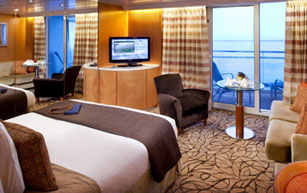
Sky Suite S2.
When you stay in a Sky Suite, you'll enjoy the luxury of private butler service. This includes assistance with unpacking and packing. In-suite lunch and dinner service. Afternoon tea. Evening hors d'oeuvres and complimentary in-suite espresso and cappuccino from Café al Bacio. Stateroom: 251 sq. ft. Veranda: 57 sq. ft.
Suite/Deluxe
Sky Suite S2.
When you stay in a Sky Suite, you'll enjoy the luxury of private butler service. This includes assistance with unpacking and packing. In-suite lunch and dinner service. Afternoon tea. Evening hors d'oeuvres and complimentary in-suite espresso and cappuccino from Café al Bacio. Stateroom: 251 sq. ft. Veranda: 57 sq. ft. 800-525-9696
for Pricing
Suite/Deluxe
Aqua Sky Suite AS.
Introducing our Aqua Sky Suites, which combine our well-being inspired AquaClass experience with exclusive spaces, services, and amenities of The Retreat® to leave you more renewed than ever.
So much more than a suite, The Retreat® isn’t a place. It isn’t an amenity. It isn’t a service. It’s all of this and more. The Retreat includes stunning accommodations, a private restaurant, and exclusive lounge and sundeck* that rival any high-end resort. Your dedicated team of attendants, concierges, and your Personal Retreat Host will do everything to ensure you never have to lift a finger on vacation. The perfectly designed Aqua Sky Suite offers a blend of wellness, expansive views and intimate luxury.
These large suites feature a king-size bed with our signature CashmereTM Mattress and a spacious, private veranda. The split bathroom features a large spa tub with shower. 800-525-9696
for Pricing
 Suite/Deluxe
Sunset Suite SN.
Spacious suites located in the aft of the ship, offer expansive views with its own large private veranda to enjoy the beautiful sunsets.
Suite/Deluxe
Sunset Suite SN.
Spacious suites located in the aft of the ship, offer expansive views with its own large private veranda to enjoy the beautiful sunsets. 800-525-9696
for Pricing
Balcony
 AquaClass (A2)
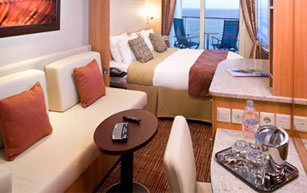
Wellness is so fundamental to our philosophy, we offer AquaClass® staterooms for a fully immersive, next-level wellness experience. Elements are thoughtfully infused throughout your stateroom. Savor clean cuisine, including new healthy options, at your exclusive restaurant, Blu. Plus, you’ll enjoy access to the Persian Garden, a spa concierge, a complimentary fitness pass, preferential rates on AquaClass spa packages, daily in-room bottled water service, healthy room-service menu options, and a yoga mat for use on board. We’ve thought of everything so that you can focus on nourishing your mind, body, and spirit. (Deck Sky)
800-525-9696
for Pricing
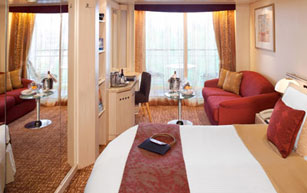 Concierge Class (C2)
Little details make a world of difference, and now our meticulously thought out Concierge Class staterooms are even better. Featuring new services, amenities, and exclusive events, step inside and discover a space that is so much more than a room—it’s an experience. As a Concierge Class guest, your team of dedicated professionals will take care of all your vacation needs. (Decks Vista, Sky & Panorama)
800-525-9696
for Pricing
Prime Veranda Stateroom (V1)Indoor and outdoor space come together to create your private sanctuary at sea. Relax in a spacious stateroom and enjoy amenities that all contribute to your luxury experience. Prime Veranda staterooms are well-appointed, personal retreats located in the most-desirable locations on the ship. Indoor and outdoor space come together to create your private sanctuary at sea. Relax in a spacious stateroom and enjoy amenities that all contribute to your luxury experience. Prime Veranda staterooms are well-appointed, personal retreats located in the most-desirable locations on the ship. (Decks Vista & Sky)
800-525-9696
for Pricing
 Balcony
AquaClass A1.
Wellness is so fundamental to our philosophy, we offer AquaClass® staterooms for a fully immersive, next-level wellness experience. Prime AquaClass staterooms are well-appointed, personal retreats located in the most-desirable locations on the ship. Savor clean cuisine, including new healthy options, at your exclusive restaurant, Blu. Plus, you’ll enjoy access to the Persian Garden, a spa concierge, a complimentary fitness pass, preferential rates on AquaClass spa packages, daily in-room bottled water service, healthy room-service menu options, and a yoga mat for use on board. We’ve thought of everything so that you can focus on nourishing your mind, body, and spirit.
Balcony
AquaClass A1.
Wellness is so fundamental to our philosophy, we offer AquaClass® staterooms for a fully immersive, next-level wellness experience. Prime AquaClass staterooms are well-appointed, personal retreats located in the most-desirable locations on the ship. Savor clean cuisine, including new healthy options, at your exclusive restaurant, Blu. Plus, you’ll enjoy access to the Persian Garden, a spa concierge, a complimentary fitness pass, preferential rates on AquaClass spa packages, daily in-room bottled water service, healthy room-service menu options, and a yoga mat for use on board. We’ve thought of everything so that you can focus on nourishing your mind, body, and spirit. 800-525-9696
for Pricing
Balcony
Ultra Deluxe Concierge Class UC.
Our meticulously thought out Concierge Class staterooms, where the little details make a world of difference, are now even better. Ultra Deluxe Concierge Class staterooms are well-appointed, personal retreats with an expanded veranda. Featuring services, amenities, and exclusive events, step inside and discover a room that’s so much more than a room—it’s an experience.
As a Concierge Class guest, your team of dedicated professionals will take care of all your vacation needs. 800-525-9696
for Pricing
 Balcony
Concierge Class C1.
Sleeps 2-3. Studio, 1 bath. Stateroom: 209 sqft. Veranda: 42 sqft. Majority are midship. Limited number face aft. Central location. Priority Debarkation. Our meticulously thought out Prime Concierge Class staterooms with infinite veranda, where the little details make a world of difference, are now even better. Featuring services, amenities, and exclusive events, step inside and discover a room that’s so much more than a room—it’s an experience. Prime Concierge Class staterooms are well-appointed, personal retreats located in the most-desirable locations on the ship.
As a Concierge Class guest, your team of dedicated professionals will take care of all your vacation needs. The in-room automation allows you to control everything from lighting, to shades, to temperature, and service with a simple touch screen. You can even choose a setting that will tuck you in and gently wake you in the morning. It’s world-class service at the touch of a button.
Service:
Enhanced room service breakfast menu
Personalized Concierge service
Exclusive Destination Seminar
Complimentary shoeshine service
Dining:
Main seating time preferences
Exclusive Concierge Class lunch
Amenities:
Welcome sparkling wine*
Daily delectable delights
Pillow selection upon request
Use of golf umbrella and binoculars
Celebrity embossed key holder
Plush 100% cotton towels and bathrobes
Laundry service (with a charge) and complimentary beach towel service
Hairdryer
Custom blended bath products* (shampoo, conditioner, body lotion, soap, shower cap)
Stateroom Features:
Floor-to-ceiling sliding glass door
Sitting area with sofa
Veranda with lounge seating
Balcony
Concierge Class C1.
Sleeps 2-3. Studio, 1 bath. Stateroom: 209 sqft. Veranda: 42 sqft. Majority are midship. Limited number face aft. Central location. Priority Debarkation. Our meticulously thought out Prime Concierge Class staterooms with infinite veranda, where the little details make a world of difference, are now even better. Featuring services, amenities, and exclusive events, step inside and discover a room that’s so much more than a room—it’s an experience. Prime Concierge Class staterooms are well-appointed, personal retreats located in the most-desirable locations on the ship.
As a Concierge Class guest, your team of dedicated professionals will take care of all your vacation needs. The in-room automation allows you to control everything from lighting, to shades, to temperature, and service with a simple touch screen. You can even choose a setting that will tuck you in and gently wake you in the morning. It’s world-class service at the touch of a button.
Service:
Enhanced room service breakfast menu
Personalized Concierge service
Exclusive Destination Seminar
Complimentary shoeshine service
Dining:
Main seating time preferences
Exclusive Concierge Class lunch
Amenities:
Welcome sparkling wine*
Daily delectable delights
Pillow selection upon request
Use of golf umbrella and binoculars
Celebrity embossed key holder
Plush 100% cotton towels and bathrobes
Laundry service (with a charge) and complimentary beach towel service
Hairdryer
Custom blended bath products* (shampoo, conditioner, body lotion, soap, shower cap)
Stateroom Features:
Floor-to-ceiling sliding glass door
Sitting area with sofa
Veranda with lounge seating 800-525-9696
for Pricing
Balcony
Concierge Class C3.
Concierge Class staterooms are well-appointed, personal retreats located in some of the most-desirable locations on the ship. As a Concierge Class guest, your team of dedicated professionals will take care of all your vacation needs. From Priority Check-In — when you're greeted by your Concierge — to the moment you head back home, we're there to assist you.Stateroom: 204 sq. ft. Veranda: 42 sq. ft.
800-525-9696
for Pricing
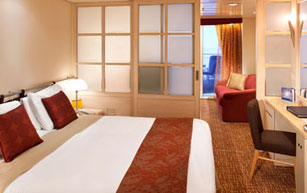 Balcony
Ultra Deluxe Veranda UV.
Spacious staterooms located in the aft of the ship, each with its own extra-large private veranda to enjoy the beautiful sunsets. Ultra Deluxe Veranda Staterooms have the largest veranda of any Millennium Series stateroom offering superb ocean views at the stern of the ship. 2 room (partition), 1 bath. 296 sqft. Balcony: 210 sqft. Massive veranda fits whole family or friend group. Faces aft. Mid to high decks. Just you and sunsets.
Balcony
Ultra Deluxe Veranda UV.
Spacious staterooms located in the aft of the ship, each with its own extra-large private veranda to enjoy the beautiful sunsets. Ultra Deluxe Veranda Staterooms have the largest veranda of any Millennium Series stateroom offering superb ocean views at the stern of the ship. 2 room (partition), 1 bath. 296 sqft. Balcony: 210 sqft. Massive veranda fits whole family or friend group. Faces aft. Mid to high decks. Just you and sunsets. 800-525-9696
for Pricing
Balcony
Veranda Stateroom V2.
Indoor and outdoor space come together to create your private sanctuary at sea. Relax in a spacious stateroom and enjoy amenities that all contribute to your luxury experience. Your personal veranda lets you greet the day and enjoy fresh sea breezes.
Your personal veranda lets you greet the day and enjoy fresh sea breezes. 800-525-9696
for Pricing
Balcony
Deluxe Oceanview Stateroom with Veranda DV.
Ample indoor and outdoor space come together to create your private sanctuary at sea. Relax on your spacious veranda and enjoy amenities that all contribute to your luxury experience. Your personal veranda lets you greet the day and enjoy fresh sea breezes. Studio, 1 bath. Stateroom: 175 sqft. Veranda: 38 sqft. Larger veranda to stretch out even further. 800-525-9696
for Pricing
Balcony
Family Oceanview Stateroom with Veranda FV.
Plenty of room for you and the family. Ample indoor and outdoor space come together to create your private sanctuary at sea. Relax in a spacious lounge and enjoy amenities that all contribute to your modern luxury experience. Your veranda lets you greet the day, enjoy fresh sea breezes, and soak in breathtaking sunsets. Each veranda stateroom includes world-class amenities that all contribute to your modern luxury experience. Stateroom: 270 sq. ft. Veranda: 112 or 191 sq. ft. 800-525-9696
for Pricing
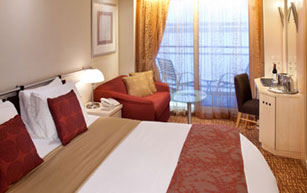 Balcony
Deluxe Oceanview Stateroom with Veranda 2A.
Ample indoor and outdoor space come together to create your private sanctuary at sea. Relax in a spacious lounge and enjoy amenities that all contribute to your modern luxury experience. Your personal veranda lets you greet the day, enjoy fresh sea breezes, and soak in breathtaking sunsets. Each veranda stateroom includes world-class amenities that all contribute to your modern luxury experience. From thoughtful in-room additions to personalized service, enjoy the signature touches you'll only find when you sail with Celebrity Cruises. Stateroom: 170 sq. ft. Veranda: 38 sq. ft.
Balcony
Deluxe Oceanview Stateroom with Veranda 2A.
Ample indoor and outdoor space come together to create your private sanctuary at sea. Relax in a spacious lounge and enjoy amenities that all contribute to your modern luxury experience. Your personal veranda lets you greet the day, enjoy fresh sea breezes, and soak in breathtaking sunsets. Each veranda stateroom includes world-class amenities that all contribute to your modern luxury experience. From thoughtful in-room additions to personalized service, enjoy the signature touches you'll only find when you sail with Celebrity Cruises. Stateroom: 170 sq. ft. Veranda: 38 sq. ft. 800-525-9696
for Pricing
Balcony
Deluxe Oceanview Stateroom with Veranda 2B.
Ample indoor and outdoor space come together to create your private sanctuary at sea. Relax in a spacious lounge and enjoy amenities that all contribute to your modern luxury experience. Your personal veranda lets you greet the day, enjoy fresh sea breezes, and soak in breathtaking sunsets. Each veranda stateroom includes world-class amenities that all contribute to your modern luxury experience. From thoughtful in-room additions to personalized service, enjoy the signature touches you'll only find when you sail with Celebrity Cruises. Stateroom: 170 sq. ft. Veranda: 38 sq. ft. 800-525-9696
for Pricing
Balcony
Deluxe Oceanview Stateroom with Veranda 2C.
Ample indoor and outdoor space come together to create your private sanctuary at sea. Relax in a spacious lounge and enjoy amenities that all contribute to your modern luxury experience. Your personal veranda lets you greet the day, enjoy fresh sea breezes, and soak in breathtaking sunsets. Each veranda stateroom includes world-class amenities that all contribute to your modern luxury experience. From thoughtful in-room additions to personalized service, enjoy the signature touches you'll only find when you sail with Celebrity Cruises. Stateroom: 170 sq. ft. Veranda: 38 sq. ft. 800-525-9696
for Pricing
800-525-9696
for Pricing
800-525-9696
for Pricing
Outside
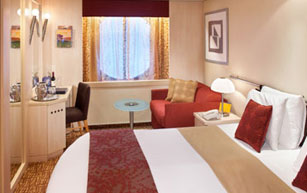 Ocean View Stateroom (O2)
These perfectly indulgent spaces come furnished with Celebrity’s eXhale(R) bedding featuring the luxury king sized* CashmereTM Mattress and everything else a modern traveler needs. (Decks Continental & Plaza)
800-525-9696
for Pricing
Outside
Deluxe Oceanview Stateroom DO.
Expansive views make Ocean View Staterooms the ideal place to unwind at sea.
These perfectly indulgent spaces come furnished with Celebrity’s eXhale(R) bedding featuring the luxury king sized* CashmereTM Mattress and everything else a modern traveler needs. 800-525-9696
for Pricing
Outside
Prime Oceanview Stateroom O1.
Sleeps 2-4. Studio, 1 bath. 170 sqft. Large porthole window. Forward on higher decks. Or midship on lower decks. Expansive views make Ocean View Staterooms the ideal place to unwind at sea. These perfectly indulgent spaces come furnished with Celebrity’s eXhale(R) bedding featuring the luxury king sized* CashmereTM Mattress and everything else a modern traveler needs. Prime Ocean View staterooms are well-appointed, personal retreats located in the most-desirable locations on the ship. 800-525-9696
for Pricing
Inside
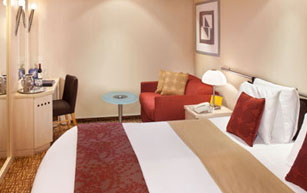 Inside
Prime Inside Stateroom I1.
Your escape at sea, Inside Staterooms offer ample living space, including a sitting area and a flat screen TV. Each inside stateroom on board Celebrity includes world-class amenities.
Prime Inside staterooms are well-appointed, personal retreats located in the most-desirable locations on the ship.
Inside
Prime Inside Stateroom I1.
Your escape at sea, Inside Staterooms offer ample living space, including a sitting area and a flat screen TV. Each inside stateroom on board Celebrity includes world-class amenities.
Prime Inside staterooms are well-appointed, personal retreats located in the most-desirable locations on the ship. 800-525-9696
for Pricing
Inside
Inside Stateroom I2.
Your escape at sea, Inside Staterooms offer ample living space, including a sitting area and a flat screen TV. Each inside stateroom on board Celebrity includes world-class amenities. 800-525-9696
for Pricing
Before & After Your Cruise
Embarkation City: Venice
Hotels
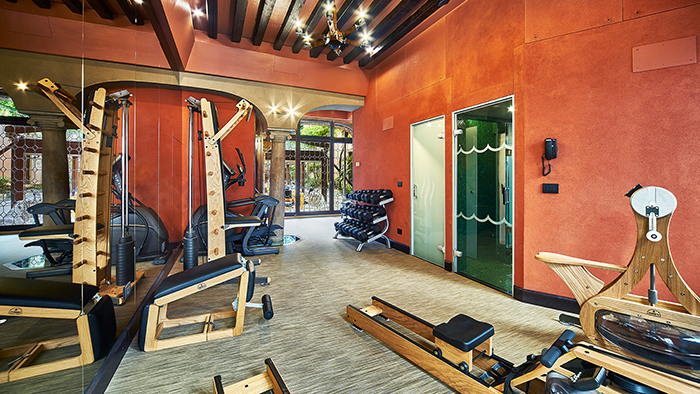
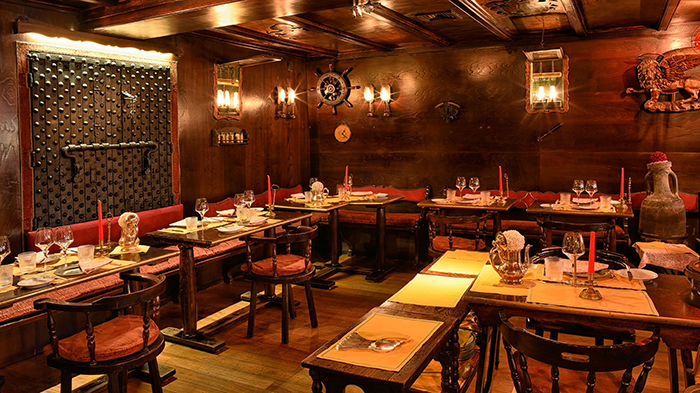
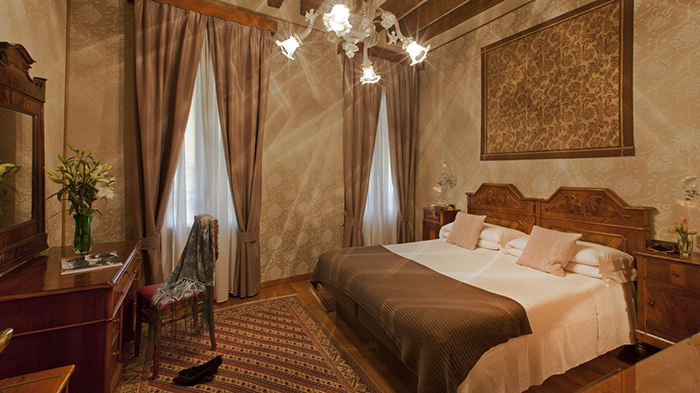
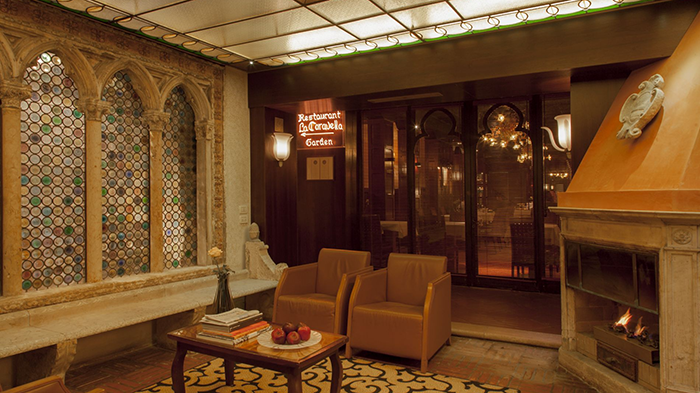
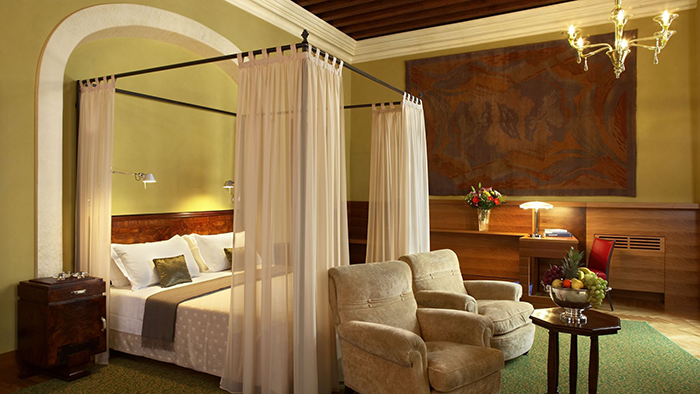
Hotel Saturnia & International Venezia
A Historic, Family-Run Establishment
Calle Larga XXII Marzo, 2398, 30124 Venezia VE, Italy — Venice
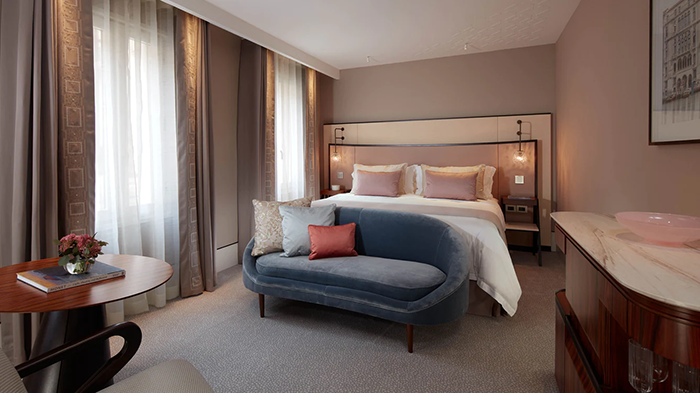
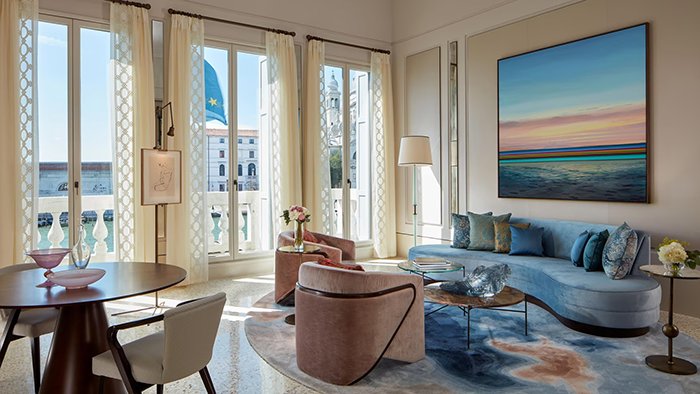
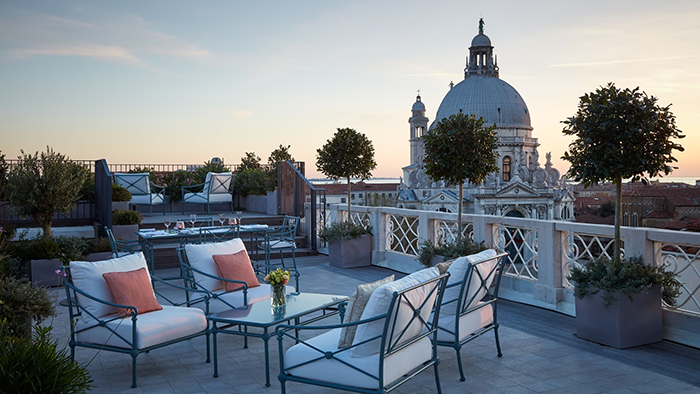
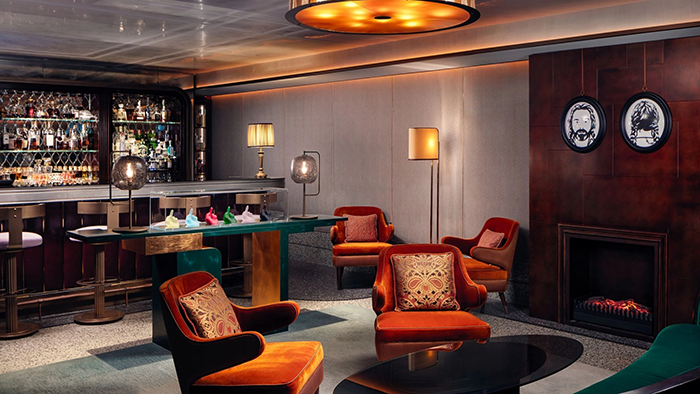
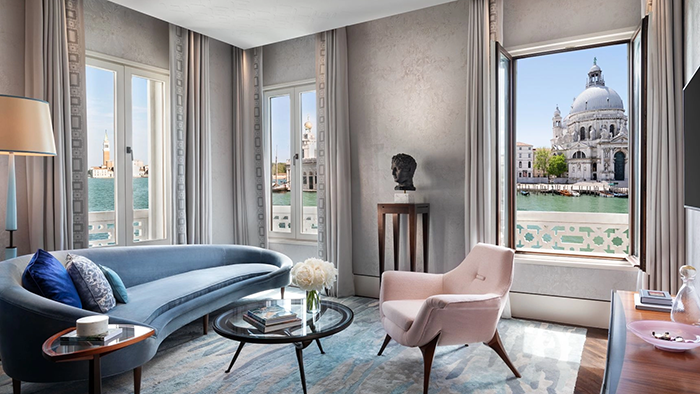
The St. Regis Venice
A 5-Star Family Friendly Hotel
P.za San Marco, 2159, 30124 Venezia VE, Italy — Venice
Debarkation City: Rome
Hotels
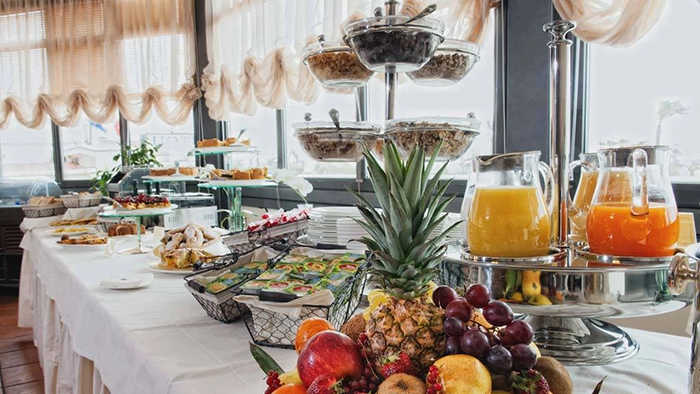
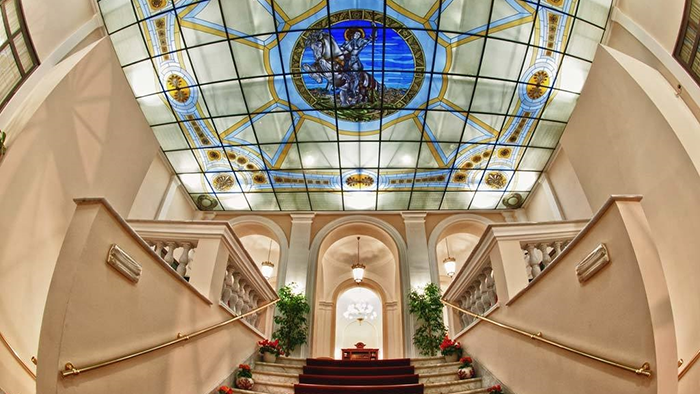
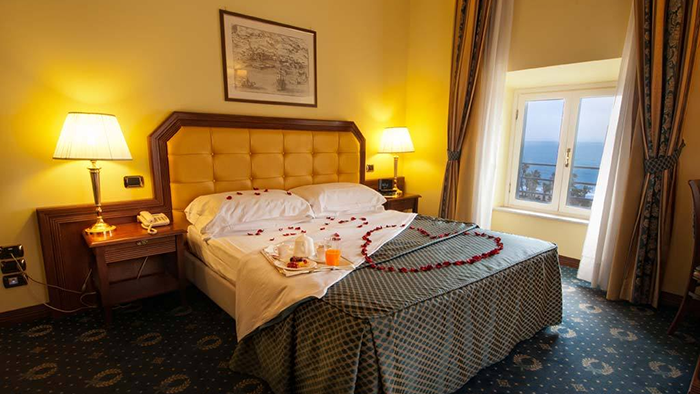
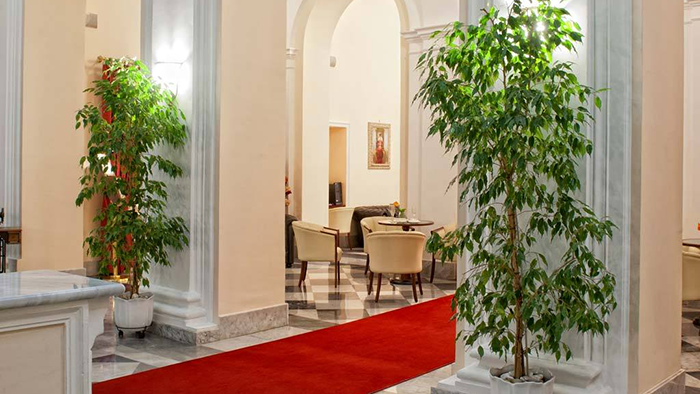
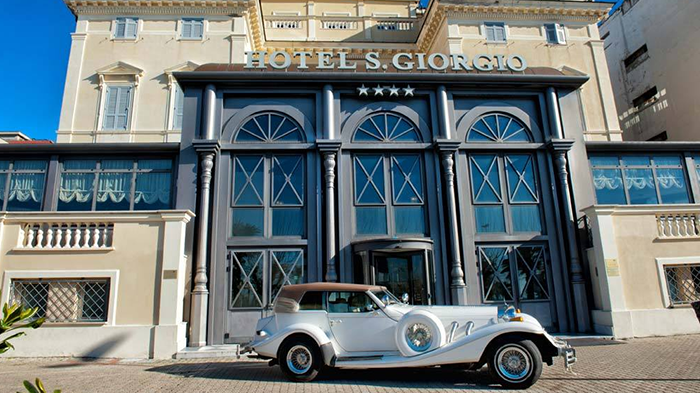
Hotel San Giorgio
Coastal Comfort Near the Cruise Port
Viale Giuseppe Garibaldi, 34, 00053 Civitavecchia RM, Italy — Rome
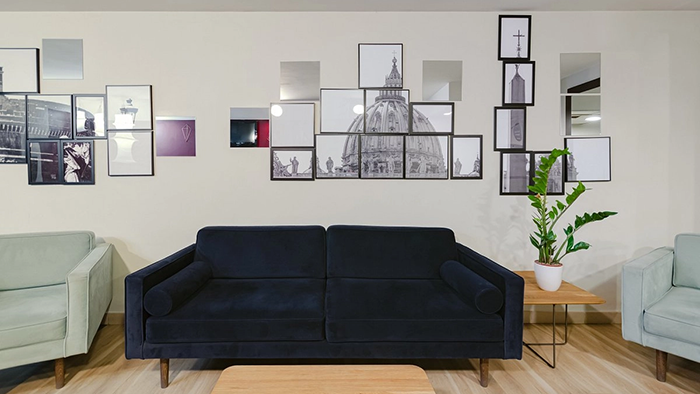
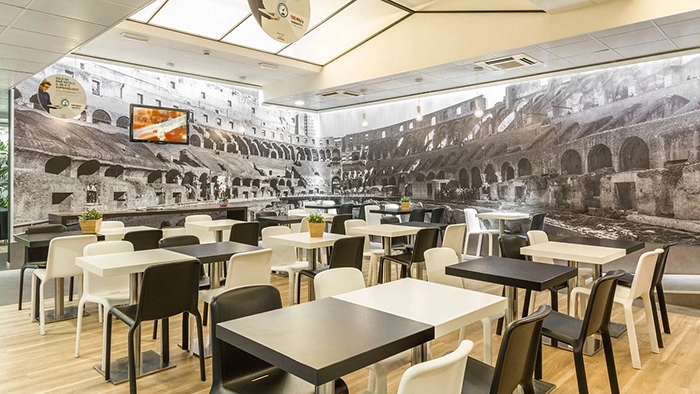
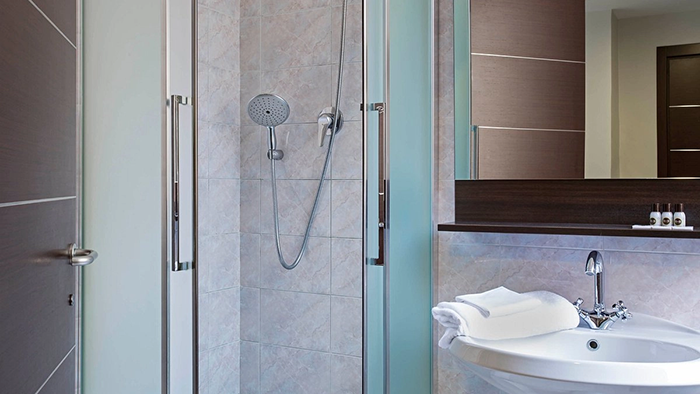
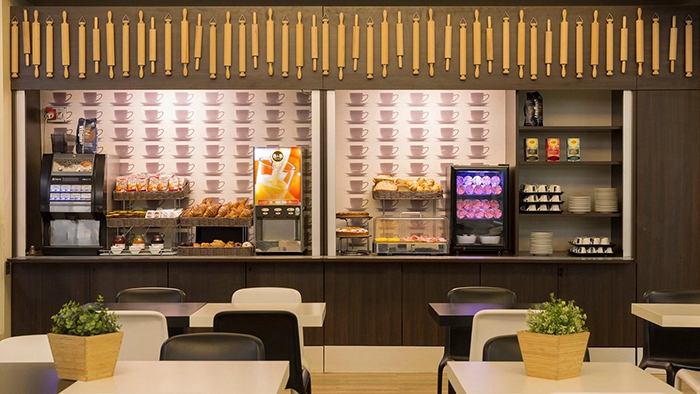
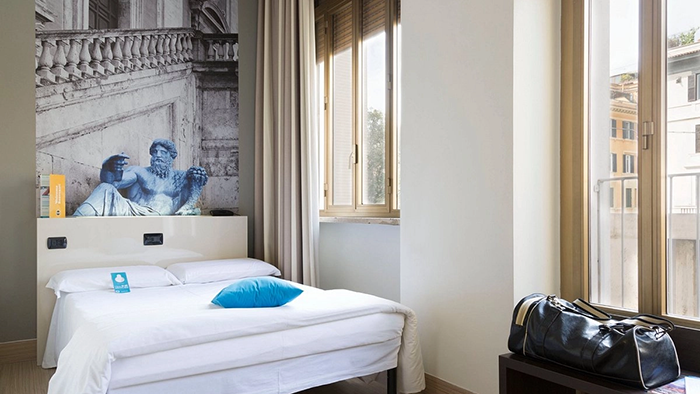
B&B Hotel Roma Trastevere
A 3-Star Hotel Close to the City Center
Viale di Trastevere, 249d, 00153 Roma RM, Italy — Rome
Protect Your Trip with Allianz Travel Insurance
Allianz Travel Insurance plans can give you flexibility and support when your trip doesn’t go quite as planned. From unexpected flight issues to covered trip cancellations, travel emergencies, and more, travel insurance can help you manage unforeseen events that may impact your trip—giving you peace of mind from the moment you book your trip through your return home.
For an instant quote:
- Simply provide a few short details about your trip
- Review the available protection plans
- Enjoy the peace of mind you deserve
Why Protect your Trip?
Whether you’re planning your next trip or you recently booked one, travel insurance can help smooth over many unexpected travel glitches—while putting your mind at ease, knowing you’re off the hook for covered expenses that could arise from them.
Allianz Travel Insurance plans can provide you benefits and professional support when a covered situation comes up before or during your trip. The following examples may qualify for benefits:
- Cancelling your trip after unexpectedly becoming too sick to travel
- Taking care of a sick or injured traveling companion
- Having to end your trip early due to a family emergency
- Dealing with a flight delay or cancellation
- Needing to buy personal items if your luggage is lost or stolen
- Missing your cruise departure after a covered flight delay
You also can contact our travel protection partner Allianz Global Assistance’s 24/7, award-winning customer service for on-the-go assistance with issues like a medical emergency, replacing your lost passport, or making reservations around the world. To be eligible for a time-sensitive waiver of pre-existing medical condition exclusions, purchase your travel insurance plan within 14 days of initial trip deposit (other purchase requirements and conditions apply). Specific plan benefits may vary. Please review your plan details for more information.
What Can Travel Insurance Help Protect?
Allianz Travel Insurance plans can protect you before and during your trip—keeping you, your loved ones, and your travel budget safer. Benefits vary by plan, and these are brief descriptions. Please read your plan documents for details.
TRIP CANCELLATION
Reimburses your prepaid, non-refundable travel expenses if you need to cancel your trip due to a covered reason, such as you, a family member, or traveling companion experiencing a covered illness or injury. Examples include:
- A doctor says you or a traveling companion is too sick to fly
- Your parent or child requires hospitalization
- You need to attend the birth of a family member’s child
- You have a traffic accident (not breakdown) on the way to the airport
- A storm shuts down your airport for 24 hours or more
TRIP INTERRUPTION
Reimburses your unused, non-refundable travel expenses and increased transportation costs during your trip if you have to return home early due to a covered reason, for instance when a family member has a qualifying medical emergency and needs your care. Examples include:
- You have a covered illness or injury and a doctor says you must return home
- A family member has a qualifying injury and needs your care
- A covered emergency, like a fire or flood, makes your home uninhabitable
TRAVEL DELAY
If you have a covered delay while traveling, travel insurance can reimburse you for meals, accommodations, and transportation expenses when your trip is delayed for a minimum number of consecutive hours for a covered reason. Minimum number of hours varies by plan.
EMERGENCY MEDICAL AND DENTAL CARE
Reimburses your expenses related to covered medical and dental emergencies* that might occur on your trip. This benefit can be especially helpful if you have a covered emergency outside the United States, as most health insurance policies won’t cover you outside the country. Examples include:
- You slip and break your ankle while sightseeing
- You get food poisoning while sampling the local cuisine
- You lose a filling and need immediate dental treatment*
*A sublimit and maximum apply for this benefit. Check your plan documents for details.
EMERGENCY MEDICAL TRANSPORTATION
Arranges and pays for medically necessary transportation following a covered injury or illness to the nearest appropriate medical facility to receive care and get you home after treatment.
BAGGAGE LOSS, DAMAGE, or THEFT
Reimburses the replacement of your lost, damaged, or stolen luggage and personal items while traveling.
BAGGAGE DELAY
Reimburses essential items purchased during your trip if your baggage is delayed for a minimum number of hours (varies by plan).
CHANGE FEE
Reimburses fees if you need to change your flight itinerary due to a covered reason.
24-HOUR ASSISTANCE
Provides around-the-clock support during your trip. Allianz Global Assistance’s staff of multilingual problem solvers can help you with medical, legal, and travel-related emergencies whenever they happen. Medical assistance may include, but is not limited to:
- Medical triage with referrals to local prescreened medical providers
- Ongoing medical monitoring
- Payment guarantee
- Emergency medical transportation
Additional services for travel-related emergencies can help with:
- Missed connecting flights
- Lost/stolen travel documents
- Pre-trip information
- Prescription replacements
Our Promise to You
When you purchase any Allianz Travel Insurance plan, you automatically get 15 days (or more, depending on your state of residence) to review your policy documents. Within that period, you can cancel your plan for a full refund if you’re not satisfied, as long as you haven’t filed a claim or departed on your trip.
Need Help Along the Way?
Contact Allianz Global Assistance’s award-winning team of travel experts. Call anytime for assistance navigating travel mishaps overseas or in the U.S.—or help with everything from reporting lost baggage to locating emergency medical treatment. They can also help you replace passports, refer you to legal assistance, secure cash from home in case of emergency, and guarantee payment when you need to be admitted to a hospital, in some instances.
Contact Allianz Global Assistance
Phone (24/7):
1-800-284-8300 (within the U.S., Canada, Puerto Rico, and the U.S. Virgin Islands)
1-804-281-5700 (outside of the U.S., call collect)
File or Track a Claim
It’s easy and convenient to file and track a claim, upload documents, and more online. Start your claim using your email address or policy number.
File a ClaimIf you need help filing a claim or understanding the claims process, visit the Allianz Global Assistance Claims Center.
Update Your Plan
If you need to update your travel insurance plan, such as adjusting the dates of your plan to reflect itinerary changes, please contact us or manage your plan online so your plan reflects your entire itinerary and provides the right amount of protection for your travels.
Manage My PlanAbout Allianz Global Assistance
Allianz Global Assistance is a world leader in travel insurance and assistance, helping millions of travelers across the globe every year. Allianz Global Assistance is owned by Allianz SE, the world’s largest diversified insurance company. For over 100 years, Allianz SE has helped protect important milestones in American history, insuring the Wright Brothers’ first flight and Golden Gate Bridge construction.
Terms, conditions, and exclusions apply including for pre-existing medical conditions. Insurance benefits underwritten by BCS Insurance Company (OH, Administrative Office: 2 Mid America Plaza, Suite 200, Oakbrook Terrace, IL 60181), rated “A” (Excellent) by A.M. Best Co., under BCS Form No. 52.201 series or 52.401 series, or Jefferson Insurance Company (NY, Administrative Office: 9950 Mayland Drive, Richmond, VA 23233), rated “A+” (Superior) by A.M. Best Co., under Jefferson Form No. 101-C series or 101-P series, depending on your state of residence and plan chosen. A+ (Superior) and A (Excellent) are the 2nd and 3rd highest, respectively, of A.M. Best’s 13 Financial Strength Ratings. Plans only available to U.S. residents and may not be available in all jurisdictions. Allianz Global Assistance and Allianz Travel Insurance are marks of AGA Service Company dba Allianz Global Assistance or its affiliates. Allianz Travel Insurance products are distributed by Allianz Global Assistance, the licensed producer and administrator of these plans and an affiliate of Jefferson Insurance Company. The insured shall not receive any special benefit or advantage due to the affiliation between AGA Service Company and Jefferson Insurance Company. Plans include insurance benefits and assistance services. Any Non-Insurance Assistance services purchased are provided through AGA Service Company. Except as expressly provided under your plan, you are responsible for charges you incur from third parties. Contact AGA Service Company at 800-284-8300 or 9950 Mayland Drive, Richmond, VA 23233 or customerservice@allianzassistance.com.