
COURSE CREDITS & HOURS
18 ACPE Credits
18 ANCC Contact Hours
COURSE FEES
TARGET AUDIENCE
PROGRAM TOPICS
Dr. Wolf's Topics
- Hematuria Evaluation and Urologic Cancers
- Describe motivations behind hematuria evaluation, and outline its best practice
- Summarize important features, including screening strategies, of 4 most common urologic cancers
- Urinary Calculi
- Describe the epidemiology, impact and pathophysiology of urinary calculi
- Differentiate indications for referral versus primary management of patients with urinary calculi, and identify appropriate treatment modalities
- Evaluate strategies for secondary prevention of urinary calculi
- Urinary Tract Infections
- Explain how to distinguish asymptomatic bacteriuria (ASB) from a urinary tract infection (UTI), and identify who should and should not be tested and treated for ASB
- Recommend appropriate evaluation and empiric treatments for UTIs
- Determine when referral to a specialist should be made, and propose strategies for management of recurrent UTIs
- Male Sexual Health and Penoscrotal Pathology
- Explain the management of penile issues including erectile dysfunction, premature ejaculation, Peyronie's disease, and priapism
- Formulate a guideline-based assessment and treatment of male hypogonadism
- Describe the male factor contributions to infertility
- Summarize an overview of common penoscrotal pathology
- Lower Urinary Tract: Obstruction and incontinence
- Outline the differential diagnosis and evaluation of lower urinary tract obstruction in men and women, and compare management options
- Provide a step-wise approach to the management of lower urinary tract symptoms in men and women
- Explain the treatment strategies for urinary incontinence in women
- Upper Urinary Tract
- Differentiate between obstructive and non-obstructive hydronephrosis
- Propose strategies for managing upper urinary tract obstruction
- Evaluate renal masses and cysts, and outline their general management
- Chronic Pelvic Pain Syndrome & Chronic Scrotal Contents Pain in Men
- Describe the demographics and etiology of chronic pelvic pain syndromes and chronic scrotal contents pain in men
- Outline the evaluation and assessment of chronic pelvic pain syndromes and chronic scrotal contents pain in men
- Determine primary-care management of chronic pelvic pain syndromes and chronic scrotal contents pain in men
- Artificial Intelligence in Healthcare
- Define the basics of AI, ML, and LLMs
- Identify current applications of AI in healthcare
- Analyze future applications and ethical concerns
- Genitourinary Syndrome of Menopause
- Explain the pathophysiology of GSM and formulate a diagnostic approach based on a focused history and physical examination.
- Summarize the evidence-based hormonal and non-hormonal treatment options for GSM.
- Develop counseling strategies for patients with GSM, including addressing common safety concerns and managing special populations.
Dr. Rodgers' Topics
- Cardiometabolic Syndrome and GLP-1 Agonists
- Explain the mechanisms by which obesity—particularly visceral adiposity—drives cardiometabolic risk, including insulin resistance, inflammation, dyslipidemia, and cardiovascular remodeling.
- Interpret clinical trial and meta-analysis data to assess the impact of GLP-1 receptor agonists and dual GIP/GLP-1 agonists on cardiovascular, renal, and metabolic outcomes in patients with and without diabetes.
- Apply evidence-based guidelines to select appropriate patients for GLP-1–based therapies, incorporating efficacy, safety, contraindications, and cardiometabolic risk reduction.
- Diet and Heart Disease
- Assess cardiovascular risk using clinical data (family history, lipid profile, metabolic syndrome criteria, and coronary artery calcium scoring) to guide prevention strategies in asymptomatic adults.
- Compare and interpret the evidence supporting major dietary patterns (Mediterranean, DASH, Ornish/plant-based) in reducing cardiovascular events, blood pressure, and progression to diabetes.
- Apply practical, evidence-based nutritional recommendations—including fat quality, glycemic load, fiber, and sodium intake—to reduce cardiometabolic risk, particularly in patients who are statin-intolerant or have metabolic syndrome.
- Hypertension Update
- Diagnose and classify hypertension by accurately interpreting blood pressure measurements, staging severity, and identifying hypertensive urgency or emergency.
- Evaluate evidence from major trials and guidelines (including SPRINT and ACC/AHA recommendations) to determine individualized blood pressure targets, weighing cardiovascular benefit against potential harms.
- Apply a stepwise, patient-centered treatment strategy for hypertension—including lifestyle modification, pharmacologic therapy, and evaluation for secondary causes—across diverse clinical scenarios.
- Chest Pain Evaluation
- Differentiate life-threatening and non-life-threatening causes of chest pain by integrating history, ECG findings, cardiac biomarkers, and bedside imaging in the acute care setting.
- Interpret troponin patterns, ECG changes, and imaging results to classify myocardial infarction subtypes (including STEMI, NSTEMI, MINOCA, and INOCA) and guide further diagnostic testing.
- Apply a risk-based chest pain algorithm to select appropriate diagnostic strategies (stress testing, coronary CT angiography, invasive angiography, or coronary calcium scoring) for low-, intermediate-, and high-risk patients.
- Pre-operative Evaluation
- Assess perioperative cardiovascular risk by integrating patient-specific factors, functional capacity, and procedure-related risk using established risk indices and ACC/AHA guidelines.
- Interpret perioperative troponin elevations, ECG findings, and clinical context to identify perioperative myocardial infarction and distinguish ischemic injury from nonischemic causes.
- Apply evidence-based decision-making to preoperative testing, revascularization, and perioperative medication management (beta blockers, statins, antiplatelet therapy) to minimize cardiac and bleeding risk in noncardiac surgery.
- Erectile Dysfunction: A Cardiologist's Perspective
- Describe the epidemiology, risk factors, and underlying physiology of erectile dysfunction, with emphasis on endothelial dysfunction and its relationship to cardiovascular disease.
- Evaluate men with erectile dysfunction by interpreting validated assessment tools (IIEF-5), clinical history, laboratory testing, and medication effects to distinguish physiologic from psychogenic causes.
- Apply evidence-based treatment strategies for erectile dysfunction, including lifestyle modification, PDE-5 inhibitor selection and safety considerations, and referral for second-line or advanced therapies when indicated.
- Statin Intolerance
- Differentiate true statin intolerance from perceived or secondary causes of muscle symptoms by interpreting clinical patterns, laboratory findings, and the Statin Myalgia Index.
- Evaluate cardiovascular risk and LDL-cholesterol goals to determine appropriate lipid-lowering strategies, including statin rechallenge, dose modification, and combination therapy.
- Apply evidence-based nonstatin therapies (ezetimibe, bempedoic acid, PCSK9 inhibitors, and dietary interventions) to achieve LDL reduction and reduce cardiovascular risk in patients with statin intolerance.
- Heart Failure Part I
- Describe heart failure as a progressive clinical syndrome by identifying its epidemiology, stages, and characteristic signs and symptoms.
- Explain the underlying pathophysiology of heart failure, including neurohormonal activation and cardiac remodeling, and differentiate HFrEF from HFpEF.
- Evaluate patients with suspected or established heart failure to identify etiology and disease stage, using appropriate imaging and diagnostic strategies to guide management.
- Heart Failure Part II
- Compare evidence-based pharmacologic and device therapies for HFrEF by distinguishing treatments that improve survival from those that primarily improve quality of life or confer harm.
- Apply guideline-directed medical therapy (GDMT) for heart failure by selecting and sequencing ACE inhibitors/ARBs/ARNIs, beta-blockers, MRAs, SGLT-2 inhibitors, and device therapies based on disease stage and patient characteristics.
- Evaluate patients with HFpEF or special etiologies (e.g., amyloidosis, hypertrophic cardiomyopathy, obesity-related HF) to individualize management strategies that optimize symptoms and clinical outcomes.
IMPORTANT INFORMATION
Faculty
George P. Rodgers, MD, MACC

The University of Texas at Austin Dell Medical School
Cardiologist, Ascension Texas Cardiovascular
Austin, TX
Dr. George P. Rodgers is a practicing cardiologist with Ascension Texas Cardiovascular and a Professor of Medicine and the Associate Chief of Cardiology for Education at The University of Texas at Austin Dell Medical School. Trained in general and interventional cardiology, his current clinical practice focuses on general consultative cardiology and the prevention and early detection of heart disease. Dr. Rodgers received his medical degree and completed his internal medicine residency at The University of Texas Southwestern Medical School in Dallas, followed by a cardiology fellowship at Baylor College of Medicine in Houston. He has been serving patients in the Austin area since 1989.
A passionate medical educator, Dr. Rodgers led the development of the cardiovascular curriculum for the new Dell Medical School. He teaches medical students, residents, and cardiology fellows on a regular basis, acting as the director of selectives and electives for internal medicine, as well as the director of cardiology education for internal medicine residents. Beyond his work in education, Dr. Rodgers is deeply engaged in initiatives to improve access to specialty cardiology care for vulnerable and impoverished populations in Central Texas. He has been instrumental in developing eConsults to improve communication with primary care physicians and is pioneering team-based care strategies to enhance the delivery of value-based care.
Dr. Rodgers has been highly active in the American College of Cardiology (ACC) for over 25 years. Throughout his distinguished tenure, he has served on the Board of Trustees for eight years, acted as Chair of the Board of Governors in 2007, co-chaired the Leadership Council of the Cardiovascular Team, and served on numerous national committees and writing groups. In recognition of his extensive contributions to the field, he was awarded the Distinguished Fellow of the American College of Cardiology Award in 2017 and was elevated to Master of the American College of Cardiology in 2022.
J. Stuart Wolf, Jr., MD, FACS

Chief, Division of Surgical Specialties, Department of Surgery and Perioperative Care
Dell Medical School, University of Texas at Austin
Austin, TX
After receiving his M.D. from Northwestern University, Dr. Wolf completed a Urology residency at UCSF and then an Endourology/Laparoscopy Fellowship with Ralph Clayman. He joined the University of Michigan in 1996, and over the ensuing 20 years, he served as the Director of the Division of Endourology, the Director of the Endourology/Laparoscopy Fellowship, and the Associate Urology Department Chair for Surgical Services. In 2016, he joined the Department of Surgery and Perioperative Care at the Dell Medical School of the University of Texas at Austin, where he serves as the Associate Chair for Clinical Integration and Operations, Executive Associate Chair, and Chief of the Division of Surgical Specialties.
Dr. Wolf has served on the Boards of Directors of the Michigan Urologic Society, the Endourological Society, the Society of Academic Urologists, and the Texas Urological Society. He chaired the American Urological Association (AUA) Practice Guidelines Committee and was the inaugural chair of the AUA Science & Quality Council. At the University of Michigan, Dr. Wolf received the Silver Cystoscope Award for Urology Residency Teaching Excellence three times (1999, 2002, and 2005). He was appointed the inaugural David A. Bloom Professor of Urology in 2006. The Department of Urology awarded him the Faculty Service Award in 2011 and the Outstanding Achievement Award in 2012. He was inducted into the League of Educational Excellence of the University of Michigan Medical School in 2015, and that year he also received the inaugural Program Director's Award from the Endourological Society and was the Malcolm Coptcoat Lecturer for The British Association of Urologic Surgeons. In 2010, Dr. Wolf was elected to the American Association of Genitourinary Surgeons. In 2018, he started a 6-year term as a Trustee of the American Board of Urology, assumed the role of President-Elect in 2022, and served as President in 2023. Dr. Wolf received a Distinguished Service Award from the AUA in 2019.
An author of over 325 peer-reviewed articles and videos, and over 175 invited publications, Dr. Wolf has served on the editorial boards of 12 journals. His scholarly work has been recognized by awards and/or research grants from the American Foundation for Urologic Disease, the Department of Veterans Affairs, the Endourological Society, the American Society of Transplant Surgeons, and the AUA and 2 of its Sections.
Accreditation




Cruise Itinerary
| DATE | PORT OF CALL | ARRIVE | DEPART |
|---|---|---|---|
| Wednesday, August 26 | Amsterdam, Netherlands |
- | 5:00 pm |
| Thursday, August 27 | *At Sea - Cruising Lectures 9:00 AM - 12:00 PM, 1:00 PM - 4:00 PM |
- | - |
| Friday, August 28 | Paris (Le Havre), France |
7:00 am | 8:00 pm |
| Saturday, August 29 | *At Sea - Cruising Lectures 9:00 AM - 12:00 PM, 1:00 PM - 4:00 PM |
- | - |
| Sunday, August 30 | La Coruna, Spain |
8:00 am | 6:00 pm |
| Monday, August 31 | Porto Leixoes, Portugal |
8:00 am | 6:00 pm |
| Tuesday, September 1 | Lisbon, Portugal |
8:00 am | - |
| Wednesday, September 2 | Lisbon, Portugal |
- | 4:00 pm |
| Thursday, September 3 | Cadiz (Seville), Spain |
9:00 am | 7:00 pm |
| Friday, September 4 | Gibraltar |
7:00 am | 5:00 pm |
| Saturday, September 5 | *At Sea - Cruising Lectures 9:00 AM - 12:00 PM, 1:00 PM - 4:00 PM |
- | - |
| Sunday, September 6 | Palma De Mallorca, Spain |
8:00 am | 6:00 pm |
| Monday, September 7 | Barcelona, Spain |
5:00 am | - |

Ports of Call
Amsterdam, Netherlands


Upon arriving at Amsterdam Airport Schiphol (AMS), you’ll find the transition into the city seamless. A short and efficient train ride delivers you directly to Centraal Station, the city’s vibrant heart. From here, the city’s treasures are at your feet. Arriving early provides a crucial buffer against potential travel delays and allows you to acclimate to the new time zone, ensuring you board your ship feeling refreshed and ready to engage with your conference sessions.
Your Pre-Cruise Amsterdam Itinerary - Day 1: Arrival & Canal-Side Immersion

After checking into your hotel, resist the urge for a nap. Instead, embrace the city’s energy with a gentle introduction. The best way to orient yourself and appreciate Amsterdam’s unique topography is from the water. A canal cruise is an essential first activity; gliding beneath historic bridges and alongside the iconic 17th-century gabled houses of the Grachtengordel (Canal Ring), a UNESCO World-hertitage site, is both relaxing and utterly captivating. It’s the perfect, low-effort way to absorb the city’s atmosphere after a long flight.

Disembark and allow yourself to get lost in the Jordaan district. Once a working-class neighborhood, it is now a charming labyrinth of narrow streets, tranquil canals, independent art galleries, and unique boutiques. Duck into a traditional *bruin café* (brown café) for a local beer or coffee. These cozy, wood-paneled pubs are the living rooms of the city and offer a taste of authentic Amsterdam *gezelligheid*—a Dutch quality of convivial coziness.
For dinner, consider an Indonesian *rijsttafel* (“rice table”). This elaborate meal, a culinary legacy of the Dutch colonial era, features dozens of small, flavorful dishes and is a memorable cultural and dining experience. It’s a wonderful way to connect with a significant part of Dutch history.

Day 2: A Masterclass in Art & History - Dedicate your morning to the Museumplein (Museum Quarter), home to a trio of world-class institutions. To make the most of your time, book tickets online well in advance.
- The Rijksmuseum: This is the national museum of the Netherlands, and its grand halls tell the story of 800 years of Dutch art and history. Stand in awe before Rembrandt’s monumental “The Night Watch” and lose yourself in the serene, light-filled domestic scenes of Vermeer. It’s an experience that is both intellectually stimulating and deeply moving.
- The Van Gogh Museum: Home to the world’s largest collection of Vincent van Gogh’s work, this museum offers an intimate and powerful journey through the artist’s life and evolution. Witness his vibrant genius and emotional turmoil through masterpieces like “Sunflowers” and “The Potato Eaters.”
- Anne Frank House: A visit here is a poignant and essential experience. Step behind the bookcase into the secret annex where Anne and her family hid for two years. This is a powerful moment of reflection on history that resonates long after you leave. Tickets sell out months in advance, so booking this is the first thing you should do when planning your pre-cruise stay.
As your pre-cruise stay concludes, you’ll find the transfer to the cruise terminal is simple and efficient. You will arrive at the port not with the fatigue of a long-haul flight, but with the enrichment of a cultural deep-dive, ready to begin the next phase of your adventure with a clear mind and an inspired spirit.

At Sea - Cruising
Paris (Le Havre), France
A day trip to Paris is feasible, but it is a significant commitment. The journey is typically 2.5 to 3 hours each way by bus or train, consuming a large portion of your day. This leaves a condensed window to experience one of the world's great capitals. A realistic Paris day involves seeing iconic landmarks from the exterior—the Eiffel Tower, Arc de Triomphe, the Champs-Élysées—and perhaps a brief stroll through a charming neighborhood like Le Marais or Saint-Germain-des-Prés. A deep dive into the Louvre or a leisurely multi-course meal is generally not practical. It is a day for impressions, not immersion.
Alternatively, the surrounding region of Normandy offers rich, more accessible rewards. The charming port of Honfleur, with its slate-fronted houses and vibrant harbor painted by Monet, is less than 30 minutes away. The historic city of Rouen, where Joan of Arc was tried and martyred, boasts a magnificent Gothic cathedral and a beautifully preserved medieval center. For those interested in 20th-century history, the D-Day landing beaches are a powerful and moving full-day excursion. Visiting Omaha Beach and the American Cemetery at Colleville-sur-Mer provides a somber, unforgettable perspective on the sacrifices made here. Le Havre itself, a UNESCO World Heritage site for its post-war modernist architecture, offers a unique look at urban renewal for those seeking a low-key day.
La Coruna, Spain

If you remain in La Coruña, the undisputed highlight is the Tower of Hercules. This UNESCO World Heritage site is the world's oldest functioning Roman lighthouse, and climbing its steps rewards you with commanding views of the rugged coastline. From there, a stroll along the expansive Paseo Marítimo seaside promenade leads to the city’s historic heart. The Old Town (Ciudad Vieja) is a delightful maze of stone lanes, quiet squares, and Romanesque churches. It eventually opens onto the grand Plaza de María Pita, the city’s main square, dominated by its stately city hall. Don’t miss the iconic 'galerías'—glass-enclosed balconies that line the harbor front, earning La Coruña the nickname “The Crystal City.” Galician cuisine is a highlight; seek out a local restaurant for exceptional seafood, particularly *pulpo a feira* (market-style octopus), paired with a crisp Albariño wine.
Alternatively, a full-day excursion to Santiago de Compostela is a truly worthwhile endeavor. As the final destination of the Camino de Santiago pilgrimage, the city has a palpable spiritual and historical weight. The magnificent Cathedral, which houses the tomb of St. James, is the breathtaking centerpiece of a city built from granite and faith. La Coruña offers a genuine taste of a different Spain—one defined by its Celtic roots, Atlantic soul, and profound history.
Porto Leixoes, Portugal

The historic heart is the Ribeira district, a captivating tangle of medieval alleys tumbling down to the Douro River. For the best orientation, walk across the upper deck of the Dom Luís I Bridge. This Eiffel-inspired masterpiece connects you to Vila Nova de Gaia, the historic headquarters of the Port wine trade. We highly recommend prioritizing a visit to a prestigious lodge such as Graham’s, Taylor’s, or Sandeman. These tours offer essential insight into the region's viticulture and provide a relaxing counterpoint to the busy city streets.
Back in Porto, the São Bento train station is a mandatory quick stop to view the stunning azulejo tile panels depicting Portuguese history. Architecture enthusiasts should prioritize the Palácio da Bolsa (Stock Exchange Palace) to see the intricate Arabian Room. A note of caution regarding the famous Livraria Lello bookstore: while beautiful, the queues can consume hours of your limited port time. Unless it is a bucket-list item, we advise spending that time enjoying a local white port and tonic or exploring the fresh seafood restaurants in Matosinhos near the ship before departure.
Lisbon, Portugal


For a single day in port, strategic planning is vital as the city's attractions are spread out. The historic district of Belém is a top priority for many, housing the architectural jewels of the Age of Discovery. The Jerónimos Monastery and Belém Tower are UNESCO World Heritage sites that require time to appreciate properly. While there, the Antiga Confeitaria de Belém is the pilgrimage site for pastéis de nata (custard tarts), a culinary benchmark against which all others are measured.

Alternatively, the Alfama district offers a journey into the city’s Moorish past. This labyrinth of narrow alleys survived the 1755 earthquake and remains the city's soulful core. It is best explored by getting intentionally lost, eventually finding your way up to the Castelo de São Jorge or one of the famous miradouros (viewpoints) like Portas do Sol, which offer sweeping panoramas of red-tiled roofs meeting the river.
Downtown, the Baixa district showcases 18th-century rationalist planning, while the elegant Chiado neighborhood offers sophisticated shopping and historic cafés. For lunch, avoid the tourist traps on the main pedestrian drag; instead, seek out the Time Out Market for a curated selection of the city's best chefs, or find a modest tasca for grilled sardines and crisp Vinho Verde. Lisbon is dense with history and culture; rather than rushing to check every box, we recommend selecting one distinct area—Belém, Alfama, or Chiado—to experience fully without exhaustion.


Cadiz (Seville), Spain


Seville is the undisputed star of Andalusia, but it demands energy. The 90-minute transit each way leaves a compressed window for exploration, yet the rewards are substantial. The city boasts three UNESCO World Heritage sites: the Real Alcázar, a complex of palaces and gardens that rivals the Alhambra; the massive Gothic Cathedral, resting place of Columbus; and the Archivo de Indias. A visit to the Plaza de España is essential for its architectural grandeur. This is the correct choice for first-time visitors determined to see the icons, but be prepared for significant walking and, in summer, intense heat.
For those who prefer a relaxed pace over a bus schedule, Cadiz is a sophisticated delight. As one of Western Europe's oldest continuously inhabited cities, it is entirely walkable from the ship. The experience here is about atmosphere rather than checking boxes. We recommend starting at the Torre Tavira for a unique Camera Obscura view of the city's layout. From there, navigate the narrow streets to the golden-domed Cathedral and the seaside Castillo de San Sebastián. The culinary scene is a major draw; visit the Mercado Central for authentic tapas and sherry, or find a local freiduría for the city's renowned fried fish. Cadiz offers a genuine, stress-free Spanish experience that many travelers end up preferring over the rush to Seville.
Gibraltar
The primary objective here is to ascend the Rock. The most efficient method is the cable car, which provides a swift, scenic journey to the top. From the summit, the views are genuinely breathtaking, a panoramic sweep across the Strait of Gibraltar to the mountains of Morocco in Africa, with the Atlantic on one side and the Mediterranean on the other. While at the top, explore the Upper Rock Nature Reserve. St. Michael's Cave, a natural grotto transformed into an auditorium with a stunning light show, is a must-see. For history enthusiasts, the Great Siege Tunnels offer a fascinating glimpse into the Rock's military past, a testament to ingenuity and endurance.
Of course, no visit is complete without an encounter with the famous Barbary macaques, the only wild monkey population in Europe. They are undeniably charming but also opportunistic; keep a firm grip on your belongings and avoid carrying food. Back at sea level, the town itself is easily explored on foot. Main Street offers a unique, VAT-free shopping experience, while Casemates Square is a lively hub of pubs and cafes perfect for enjoying a pint and reflecting on the singular geography and history of this remarkable port.
Palma De Mallorca, Spain

The skyline is dominated by the Catedral-Basílica de Santa María, known locally as La Seu. This sandstone leviathan is essential viewing, not just for its exterior dominance but for the interior dialogue between history and modernity; Antoni Gaudí’s unfinished wrought-iron canopy hangs above the altar, while Miquel Barceló’s ceramic chapel adds a controversial contemporary layer. Just below, the Parc de la Mar offers the perfect vantage point for photography.

Beyond the cathedral lies the Casco Antiguo (Old Town), a labyrinth of narrow streets best explored without a map. Look for the traditional Mallorcan courtyards (patios) visible through iron gates of aristocratic homes. A stop at the Banys Àrabs (Arab Baths) provides a quiet glimpse into the city’s Moorish past. For a pause, the tree-lined Passeig del Born is the city’s living room, ideal for coffee and people-watching.
For panoramic context, a taxi to Castell de Bellver is recommended. As one of Europe’s few circular castles, it offers 360-degree views of the bay and pine forests. Regarding logistics: The cruise pier is an industrial stretch about three miles from the historic center. We strongly advise utilizing a taxi or the port shuttle rather than attempting the walk, maximizing your time for tapas and exploration.
Barcelona, Spain


To help you navigate this sprawling metropolis efficiently, we have curated a post-cruise itinerary that balances the absolute must-sees with the atmospheric wandering that makes Barcelona so special.
Day 1: The Gothic Core & Picasso - After transferring from the port to your hotel—we recommend the Eixample district for Art Nouveau elegance or the Gothic Quarter for historic immersion—start where the city began: the Barri Gòtic. This is a neighborhood best explored without a map. Wander the labyrinth of medieval streets, eventually finding the Cathedral of the Holy Cross and Saint Eulalia (La Seu). Unlike the famous Sagrada Família, this is a classic Gothic masterpiece with a stunning cloister inhabited by 13 white geese.

In the afternoon, cross Via Laietana into the El Born district. This area feels more bohemian and houses the Picasso Museum. Housed across five medieval stone palaces, the museum focuses heavily on Picasso’s formative years, offering context to his genius that you won't find elsewhere. For dinner, embrace the local rhythm. Dinner is late here (9:00 PM or later). Spend the evening hopping between tapas bars in El Born or Barceloneta. Look for *pintxos* bars (Basque-style tapas on bread), where you help yourself and pay based on the number of toothpicks left on your plate.
Day 2: The Architecture of Antoni Gaudí - Barcelona is synonymous with Antoni Gaudí, and seeing his work requires strategy. His unfinished masterpiece, La Sagrada Família, is the city's most visited site. Critical Advice: You must book tickets online weeks in advance for a specific entry time. Walk-up tickets are virtually non-existent. The interior, a forest of stone columns bathed in light from stained glass, is a spiritual and architectural marvel that justifies the hype.

Afterward, head to Passeig de Gràcia. This broad boulevard is home to high-end shopping and two more Gaudí icons: Casa Batlló and Casa Milà (La Pedrera). Even if you do not tour the interiors, the exteriors are essential viewing. If you have the energy, end your day at Park Güell. Located further uptown, this garden complex offers whimsical mosaics and sweeping views of the city and sea. Like the basilica, advance booking here is mandatory to enter the Monumental Zone.
Day 3: Montjuïc Art or Mountain Retreats - If you have a third day, choose your own adventure. For art and views, take the funicular up Montjuïc Hill. Here you will find the Fundació Joan Miró and the palatial Museu Nacional d'Art de Catalunya (MNAC), which holds an incredible collection of Romanesque frescoes. The views from the museum steps at sunset are spectacular.

Alternatively, for a complete change of pace, take the train from Plaça d'Espanya to Montserrat (approx. 1 hour). This Benedictine monk mountain retreat, nestled in serrated rock formations, offers superb hiking and the chance to see the Black Madonna. It is a profound contrast to the bustle of the city.
Logistics & Departure - From Ship to City: The cruise terminals at Moll Adossat are about 2km from the bottom of La Rambla. Walking with luggage is not recommended due to the bridge length and heat. A taxi is the most direct option (approx. €30-€40 to the center). The 'Cruise Bus' (Portbus) is a budget-friendly shuttle that drops you at the Columbus Monument, where you can catch a taxi or metro.

Getting Around: Barcelona is very walkable, but the Metro is clean, safe, and efficient for longer distances. Be aware that pickpocketing is a genuine issue in tourist hubs (La Rambla, Metro stations); keep wallets in front pockets and bags zipped.
To the Airport: When departing, the Aerobus is an excellent service running from Plaça de Catalunya to both T1 and T2 every 5-10 minutes. Taxis are also plentiful and offer a fixed rate or metered fare depending on luggage.


We can assist you with all your travel arrangements. We'd be happy to help you plan your flights, hotels, or tours before and/or after your cruise conference.
PLEASE NOTE: To attend the conference, participants must book their cruise accommodations through University at Sea®. This ensures we can provide full conference services and complimentary social amenities to meeting participants and guests. Participants' family and friends are welcome to book within our group allotment and take advantage of our typically excellent rates.
Request a Quote online or by voice at 800-525-9696 (US/Can) or direct/int'l tel +1-727-526-1571.
Prices below are for the full cruise including meals and evening entertainment
Suites
 Suite/Deluxe
Penthouse Suite PS.
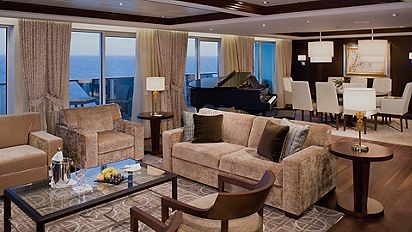
Unwind in modern spaces that will make you feel on top of the world. Relax in ultimate luxury on your private veranda. Lounge in the king-size mattress in your bedroom. Enjoy VIP treatment with your butler, expansive lounge areas and much more.
So much more than a suite, The Retreat® isn’t a place. It isn’t an amenity. It isn’t a service. It’s all of this and more. The Retreat includes stunning accommodations, a private restaurant, and exclusive lounge and sundeck* that rival any high-end resort. Your dedicated team of attendants, concierges, and your Personal Retreat Host will do everything to ensure you never have to lift a finger on vacation.
Escape to this spacious suite with living and dining areas and a private terrace with a hot tub.
Suite/Deluxe
Penthouse Suite PS.
Unwind in modern spaces that will make you feel on top of the world. Relax in ultimate luxury on your private veranda. Lounge in the king-size mattress in your bedroom. Enjoy VIP treatment with your butler, expansive lounge areas and much more.
So much more than a suite, The Retreat® isn’t a place. It isn’t an amenity. It isn’t a service. It’s all of this and more. The Retreat includes stunning accommodations, a private restaurant, and exclusive lounge and sundeck* that rival any high-end resort. Your dedicated team of attendants, concierges, and your Personal Retreat Host will do everything to ensure you never have to lift a finger on vacation.
Escape to this spacious suite with living and dining areas and a private terrace with a hot tub. 800-525-9696
for Pricing
 Suite/Deluxe
Royal Suite RS.
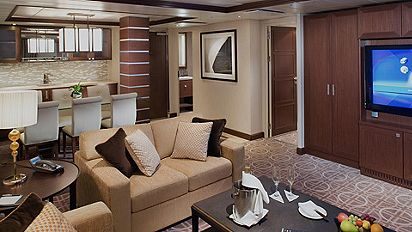
Unwind in a luxuriously large living and dining area featuring floor to ceiling panoramic windows, a Primary bedroom featuring a king-sized mattress with Celebrity’s eXhale® bedding , a Primary bathroom with a large soaking tub, a separate shower, and a double sink vanity, and a spacious private veranda. No matter where you are in this suite, you’ll enjoy stunning views of the sea.
So much more than a suite, The Retreat® isn’t a place. It isn’t an amenity. It isn’t a service. It’s all of this and more. The Retreat includes stunning accommodations, a private restaurant, and exclusive lounge and sundeck* that rival any high-end resort. Your dedicated team of attendants, concierges, and your Personal Retreat Host will do everything to ensure you never have to lift a finger on vacation.
Suite/Deluxe
Royal Suite RS.
Unwind in a luxuriously large living and dining area featuring floor to ceiling panoramic windows, a Primary bedroom featuring a king-sized mattress with Celebrity’s eXhale® bedding , a Primary bathroom with a large soaking tub, a separate shower, and a double sink vanity, and a spacious private veranda. No matter where you are in this suite, you’ll enjoy stunning views of the sea.
So much more than a suite, The Retreat® isn’t a place. It isn’t an amenity. It isn’t a service. It’s all of this and more. The Retreat includes stunning accommodations, a private restaurant, and exclusive lounge and sundeck* that rival any high-end resort. Your dedicated team of attendants, concierges, and your Personal Retreat Host will do everything to ensure you never have to lift a finger on vacation. 800-525-9696
for Pricing
 Suite/Deluxe
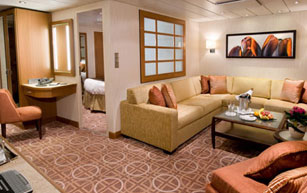
Celebrity Suite CS.
These two-room suites feature a large living area with floor to ceiling panoramic windows, private veranda, and a primary bedroom with a king-sized mattress. When you stay in a Celebrity Suite, you'll enjoy the luxury of a butler. This includes assistance with unpacking and packing. In-suite lunch and dinner service. Afternoon tea. Evening hors d'oeuvres and complimentary in-suite specialty coffees from Café al Bacio.
So much more than a suite, The Retreat® isn’t a place. It isn’t an amenity. It isn’t a service. It’s all of this and more. The Retreat includes stunning accommodations, a private restaurant, and exclusive lounge and sundeck* that rival any high-end resort. Your dedicated team of attendants, concierges, and your Personal Retreat Host will do everything to ensure you never have to lift a finger on vacation.
Spacious two-room suites that feature a large living and dining area with floor-to-ceiling panoramic windows for stunning views from every angle.
Suite/Deluxe
Celebrity Suite CS.
These two-room suites feature a large living area with floor to ceiling panoramic windows, private veranda, and a primary bedroom with a king-sized mattress. When you stay in a Celebrity Suite, you'll enjoy the luxury of a butler. This includes assistance with unpacking and packing. In-suite lunch and dinner service. Afternoon tea. Evening hors d'oeuvres and complimentary in-suite specialty coffees from Café al Bacio.
So much more than a suite, The Retreat® isn’t a place. It isn’t an amenity. It isn’t a service. It’s all of this and more. The Retreat includes stunning accommodations, a private restaurant, and exclusive lounge and sundeck* that rival any high-end resort. Your dedicated team of attendants, concierges, and your Personal Retreat Host will do everything to ensure you never have to lift a finger on vacation.
Spacious two-room suites that feature a large living and dining area with floor-to-ceiling panoramic windows for stunning views from every angle. 800-525-9696
for Pricing
 Suite/Deluxe
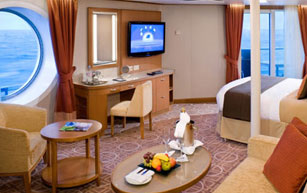
Sunset Sky Suite SS.
The perfectly designed Sky Suite offers a blend of expansive views and intimate luxury. These large suites feature a king-sized* bed with our signature eXhale(R) bedding and a spacious, private veranda. Be welcomed with a bottle of sparkling wine and enjoy the luxury of your butler throughout your stay. Plus, enjoy access to Luminae and The Retreat Lounge, exclusive for guests of The Retreat.
So much more than a suite, The Retreat® isn’t a place. It isn’t an amenity. It isn’t a service. It’s all of this and more. The Retreat includes stunning accommodations, a private restaurant, and exclusive lounge and sundeck* that rival any high-end resort. Your dedicated team of attendants, concierges, and your Personal Retreat Host will do everything to ensure you never have to lift a finger on vacation.
Unwind in a Sunset Suite where you’ll begin your journey with a welcome bottle of sparkling wine to help you ease into vacation bliss.
Suite/Deluxe
Sunset Sky Suite SS.
The perfectly designed Sky Suite offers a blend of expansive views and intimate luxury. These large suites feature a king-sized* bed with our signature eXhale(R) bedding and a spacious, private veranda. Be welcomed with a bottle of sparkling wine and enjoy the luxury of your butler throughout your stay. Plus, enjoy access to Luminae and The Retreat Lounge, exclusive for guests of The Retreat.
So much more than a suite, The Retreat® isn’t a place. It isn’t an amenity. It isn’t a service. It’s all of this and more. The Retreat includes stunning accommodations, a private restaurant, and exclusive lounge and sundeck* that rival any high-end resort. Your dedicated team of attendants, concierges, and your Personal Retreat Host will do everything to ensure you never have to lift a finger on vacation.
Unwind in a Sunset Suite where you’ll begin your journey with a welcome bottle of sparkling wine to help you ease into vacation bliss. 800-525-9696
for Pricing
 Suite/Deluxe
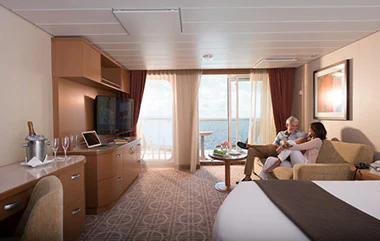
Sky Suite S1.
The perfectly designed Sky Suite offers a blend of expansive views and intimate luxury. These large suites feature a king-sized* bed with our signature eXhale(R) bedding and a spacious, private veranda. Be welcomed with a bottle of sparkling wine and enjoy the luxury of your butler throughout your stay. Plus, enjoy access to Luminae and The Retreat Lounge, exclusive for guests of The Retreat.
So much more than a suite, The Retreat® isn’t a place. It isn’t an amenity. It isn’t a service. It’s all of this and more. The Retreat includes stunning accommodations, a private restaurant, and exclusive lounge and sundeck* that rival any high-end resort. Your dedicated team of attendants, concierges, and your Personal Retreat Host will do everything to ensure you never have to lift a finger on vacation.
These suites feature a king-sized bed that faces the floor-to-ceiling window and sliding glass door that leads to a private veranda.
Suite/Deluxe
Sky Suite S1.
The perfectly designed Sky Suite offers a blend of expansive views and intimate luxury. These large suites feature a king-sized* bed with our signature eXhale(R) bedding and a spacious, private veranda. Be welcomed with a bottle of sparkling wine and enjoy the luxury of your butler throughout your stay. Plus, enjoy access to Luminae and The Retreat Lounge, exclusive for guests of The Retreat.
So much more than a suite, The Retreat® isn’t a place. It isn’t an amenity. It isn’t a service. It’s all of this and more. The Retreat includes stunning accommodations, a private restaurant, and exclusive lounge and sundeck* that rival any high-end resort. Your dedicated team of attendants, concierges, and your Personal Retreat Host will do everything to ensure you never have to lift a finger on vacation.
These suites feature a king-sized bed that faces the floor-to-ceiling window and sliding glass door that leads to a private veranda. 800-525-9696
for Pricing
Suite/Deluxe
Aqua Sky Suite AS.
Introducing our Aqua Sky Suites, which combine our well-being inspired AquaClass experience with exclusive spaces, services, and amenities of The Retreat® to leave you more renewed than ever.
So much more than a suite, The Retreat® isn’t a place. It isn’t an amenity. It isn’t a service. It’s all of this and more. The Retreat includes stunning accommodations, a private restaurant, and exclusive lounge and sundeck* that rival any high-end resort. Your dedicated team of attendants, concierges, and your Personal Retreat Host will do everything to ensure you never have to lift a finger on vacation. The perfectly designed Aqua Sky Suite offers a blend of wellness, expansive views and intimate luxury.
These large suites feature a king-size bed with our signature CashmereTM Mattress and a spacious, private veranda. The split bathroom features a large spa tub with shower. 800-525-9696
for Pricing
800-525-9696
for Pricing
Balcony
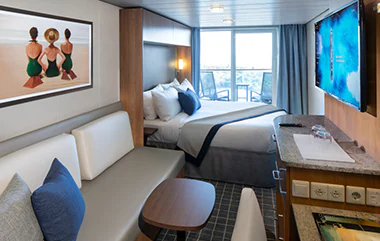 AquaClass Stateroom (A2)
Each AquaClass stateroom includes the following world-class amenities: Expanded room service breakfast menu. Special invitation to a VIP tour of the spa on embarkation day. Specialty restaurant Blu, serving complimentary, healthy continental breakfast daily and complimentary dinner nightly. Grohe® "shower tower". Aromatherapy diffuser, Euro Face towel. Additional custom blended bath products: facial spray and lip balm. Pillow menu to customize your night’s sleep. Welcome bottle water (upon arrival). Daily delivery of flavored tea. Plush 100% cotton bathrobes and slippers. Double occupancy. Premium ship location close to Canyon Ranch SpaClub®. Two twin beds that are convertible to queen-size (unless stated otherwise) and sitting area, private mini-bar*, interactive Samsung flat-screen television system to view and select shore excursions, order room service, and watch movies*, private safe, and dual voltage 110/220AC outlets. Stateroom: 194 sq. ft., Veranda 54 sq. ft. *Additional charges apply. (Deck Penthouse)
800-525-9696
for Pricing
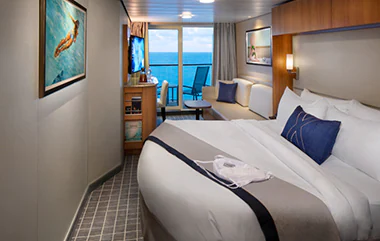 Concierge Class Stateroom (C2)
All staterooms and suites come complete with private bathroom, vanity area, hair-dryer, interactive TV, radio and phone. Personalized Concierge service. Priority check-in Exclusive embarkation day lunch. Destination Seminar. Exclusive pre-departure lounge. Priority debarkation. Main & specialty restaurant seating time preferences. Welcome sparkling wine and fresh fruit. Daily delivery of afternoon savories. Stateroom: 192 sq ft. veranda 54 sq ft. *Additional charges apply. (Decks Sky & Panorama)
800-525-9696
for Pricing
Balcony
Prime AquaClass Stateroom A1.
Sleeps 2. Studio, 1 bath. Stateroom: 192 sqft. Veranda: 54 sqft. High deck for expansive views. Midship locations. Dedicated Spa Concierge. Wellness is so fundamental to our philosophy, we offer AquaClass® staterooms for a fully immersive, next-level wellness experience. Prime AquaClass staterooms are well-appointed, personal retreats located in the most-desirable locations on the ship. Savor clean cuisine, including new healthy options, at your exclusive restaurant, Blu. Plus, you’ll enjoy access to the Persian Garden, a spa concierge, a complimentary fitness pass, preferential rates on AquaClass spa packages, daily in-room bottled water service, healthy room-service menu options, and a yoga mat for use on board. We’ve thought of everything so that you can focus on nourishing your mind, body, and spirit. 800-525-9696
for Pricing
800-525-9696
for Pricing
Balcony
Sunset Concierge Class Stateroom SC.
Sleeps 4. Studio, 1 bath. Stateroom: 192 sqft. Veranda: 54 sqft. Aft-facing veranda: mesmerizing views. Priority Debarkation. Little details make a world of difference, and now our meticulously thought out Concierge Class staterooms are even better. Featuring new services, amenities, and exclusive events, step inside and discover a space that is so much more than a room—it’s an experience. As a Concierge Class guest, your team of dedicated professionals will take care of all your vacation needs. 800-525-9696
for Pricing
Balcony
Prime Concierge Class Stateroom C1.
Sleeps 2-4. Studio, 1 bath. Stateroom: 192 sqft. Veranda: 54 sqft. Higher decks (even more expansive views) and/or midship Priority Debarkation. Our meticulously thought out Prime Concierge Class staterooms with infinite veranda, where the little details make a world of difference, are now even better. Featuring services, amenities, and exclusive events, step inside and discover a room that’s so much more than a room—it’s an experience. Prime Concierge Class staterooms are well-appointed, personal retreats located in the most-desirable locations on the ship.
As a Concierge Class guest, your team of dedicated professionals will take care of all your vacation needs. The in-room automation allows you to control everything from lighting, to shades, to temperature, and service with a simple touch screen. You can even choose a setting that will tuck you in and gently wake you in the morning. It’s world-class service at the touch of a button.
Service:
Enhanced room service breakfast menu
Personalized Concierge service
Exclusive Destination Seminar
Complimentary shoeshine service
Dining:
Main seating time preferences
Exclusive Concierge Class lunch
Amenities:
Welcome sparkling wine*
Daily delectable delights
Pillow selection upon request
Use of golf umbrella and binoculars
Celebrity embossed key holder
Plush 100% cotton towels and bathrobes
Laundry service (with a charge) and complimentary beach towel service
Hairdryer
Custom blended bath products* (shampoo, conditioner, body lotion, soap, shower cap)
Stateroom Features:
Floor-to-ceiling sliding glass door
Sitting area with sofa
Veranda with lounge seating 800-525-9696
for Pricing
Balcony
Sunset Veranda Stateroom SV.
All staterooms and suites come complete with private bathroom, vanity area, hair-dryer, interactive TV, radio and phone.
Twice daily service (makeup and turndown). Celebrity eXhale™ bedding. Private safe. 24-hour room service. Private mini-bar. Complimentary tote bag. Custom blended bath products. Interactive Samsung flat-screen television. Personal veranda. Our signature, personalized service. Daily makeup and turndown service. 24-hour room service. Complimentary robe and tote bag. Celebrity eXhale™ bedding. Private mini-bar. Interactive Samsung flat-screen television. Private safe. Custom blended bath products.
*Additional charges apply. 800-525-9696
for Pricing
 Balcony
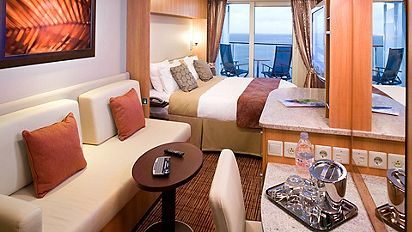
Deluxe Veranda Stateroom DV.
Sleeps 2-4. 192 sqft/52 sqft. Floor-to-ceiling windows and glass doors. Veranda with lounge seating
Ample indoor and outdoor space come together to create your private sanctuary at sea. Relax on your spacious veranda and enjoy amenities that all contribute to your luxury experience. Your personal veranda lets you greet the day and enjoy fresh sea breezes.
Balcony
Deluxe Veranda Stateroom DV.
Sleeps 2-4. 192 sqft/52 sqft. Floor-to-ceiling windows and glass doors. Veranda with lounge seating
Ample indoor and outdoor space come together to create your private sanctuary at sea. Relax on your spacious veranda and enjoy amenities that all contribute to your luxury experience. Your personal veranda lets you greet the day and enjoy fresh sea breezes. 800-525-9696
for Pricing
Balcony
Prime Veranda Stateroom V1.
Sleeps 2-4. Studio, 1 bath. Stateroom: 192 sqft. Veranda: 54 sqft. Higher decks (even more expansive views) and/or midship. Add convenience, space: midship rooms can connect. Indoor and outdoor space come together to create your private sanctuary at sea. Relax in a spacious stateroom and enjoy amenities that all contribute to your luxury experience. Prime Veranda staterooms are well-appointed, personal retreats located in the most-desirable locations on the ship. 800-525-9696
for Pricing
Balcony
Veranda Stateroom V2.
Sleeps 2-4. Studio, 1 bath. Stateroom: 192 sqft. Veranda: 54 sqft. Central location: easy access to all decks. Match your preference: midship, forward & aft options. Indoor and outdoor space come together to create your private sanctuary at sea. Relax in a spacious stateroom and enjoy amenities that all contribute to your luxury experience. Your personal veranda lets you greet the day and enjoy fresh sea breezes. 800-525-9696
for Pricing
 Balcony
Veranda (Partial View) V3.
Sleeps 2-4. Studio, 1 bath. Stateroom: 192 sqft. Veranda: 54 sqft. View partially blocked on lower deck. Location options span deck 6. Indoor and outdoor space come together to create your private sanctuary at sea. Relax in a spacious stateroom and enjoy amenities that all contribute to your luxury experience. Your personal veranda lets you greet the day and enjoy fresh sea breezes.
Balcony
Veranda (Partial View) V3.
Sleeps 2-4. Studio, 1 bath. Stateroom: 192 sqft. Veranda: 54 sqft. View partially blocked on lower deck. Location options span deck 6. Indoor and outdoor space come together to create your private sanctuary at sea. Relax in a spacious stateroom and enjoy amenities that all contribute to your luxury experience. Your personal veranda lets you greet the day and enjoy fresh sea breezes. 800-525-9696
for Pricing
800-525-9696
for Pricing
 Balcony
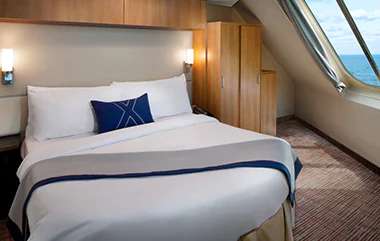
Ultra Deluxe Veranda Stateroom UV.
Spacious staterooms located in the aft of the ship, each with its own extra-large private veranda to enjoy the beautiful sunsets. Two bedroom, one bath. Expanded living space and dining area. 575 sqft with 53 sqft veranda.
Balcony
Ultra Deluxe Veranda Stateroom UV.
Spacious staterooms located in the aft of the ship, each with its own extra-large private veranda to enjoy the beautiful sunsets. Two bedroom, one bath. Expanded living space and dining area. 575 sqft with 53 sqft veranda. 800-525-9696
for Pricing
Outside
 Outside
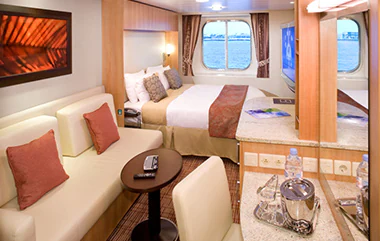
Prime Ocean View Stateroom O1.
Sleeps 2-4. Studio, 1 bath. Stateroom: 176 sqft. Unique forward-facing window on higher decks. Or midship on Deck 3. Expansive views make Ocean View staterooms the ideal place to unwind at sea. These perfectly indulgent spaces come furnished with Celebrity’s eXhale(R) bedding featuring the luxury king sized* mattress and everything else a modern traveler needs. Prime Ocean View staterooms are well-appointed, personal retreats located in the most-desirable locations on the ship.
Outside
Prime Ocean View Stateroom O1.
Sleeps 2-4. Studio, 1 bath. Stateroom: 176 sqft. Unique forward-facing window on higher decks. Or midship on Deck 3. Expansive views make Ocean View staterooms the ideal place to unwind at sea. These perfectly indulgent spaces come furnished with Celebrity’s eXhale(R) bedding featuring the luxury king sized* mattress and everything else a modern traveler needs. Prime Ocean View staterooms are well-appointed, personal retreats located in the most-desirable locations on the ship. 800-525-9696
for Pricing
Outside
Ocean View Stateroom O2.
Sleeps 2-4. Studio, 1 bath. Stateroom: 176 sqft. Large porthole window. Forward on Deck 3. Ocean View staterooms, the ideal place to unwind at sea. These perfectly indulgent spaces come furnished with Celebrity’s eXhale(R) bedding featuring the luxury king sized* mattress and everything else a modern traveler needs. 800-525-9696
for Pricing
Inside
 Inside
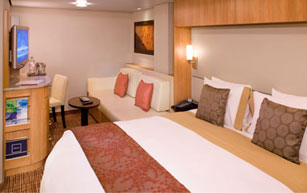
Prime Inside Stateroom I1.
Sleeps 2. Studio, 1 bath. 183 sqft. Higher decks: closer to pool, other outdoor venues. Midship, forward & aft options. Your escape at sea, Inside staterooms offer ample living space, including a sitting area and a flat screen TV. Each inside stateroom on board Celebrity includes world-class amenities. Prime Inside staterooms are well-appointed, personal retreats located in the most-desirable locations on the ship.
Inside
Prime Inside Stateroom I1.
Sleeps 2. Studio, 1 bath. 183 sqft. Higher decks: closer to pool, other outdoor venues. Midship, forward & aft options. Your escape at sea, Inside staterooms offer ample living space, including a sitting area and a flat screen TV. Each inside stateroom on board Celebrity includes world-class amenities. Prime Inside staterooms are well-appointed, personal retreats located in the most-desirable locations on the ship. 800-525-9696
for Pricing
Inside
Inside Stateroom I2.
Sleeps 2-4. Studio, 1 bath. 183 sqft. Central or lower decks. Forward, midship & aft options. Limited number are midship on Deck 3. Your escape at sea, Inside staterooms offer ample living space, including a sitting area and a flat screen TV. Each inside stateroom on board Celebrity includes world-class amenities. 800-525-9696
for Pricing
Before & After Your Cruise
Embarkation City: Amsterdam
Hotels
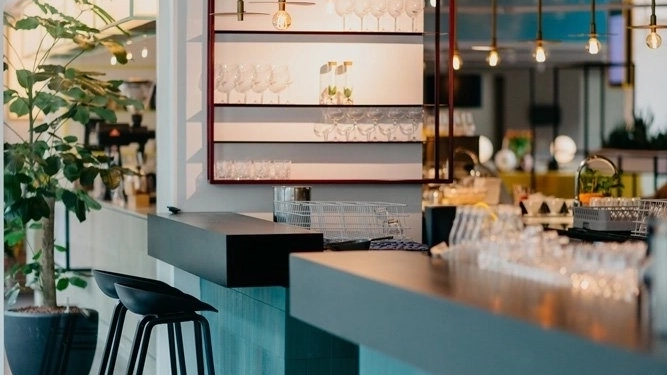

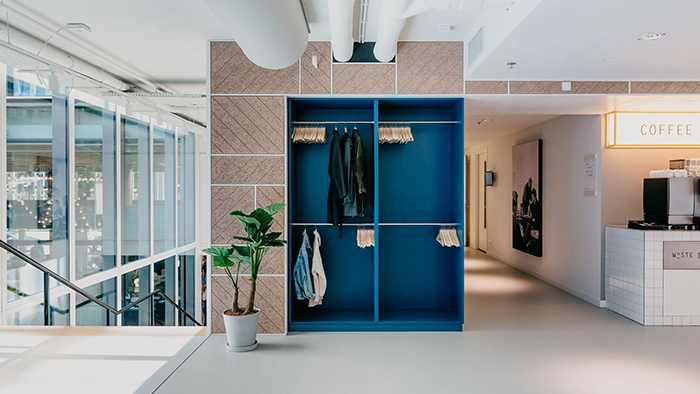
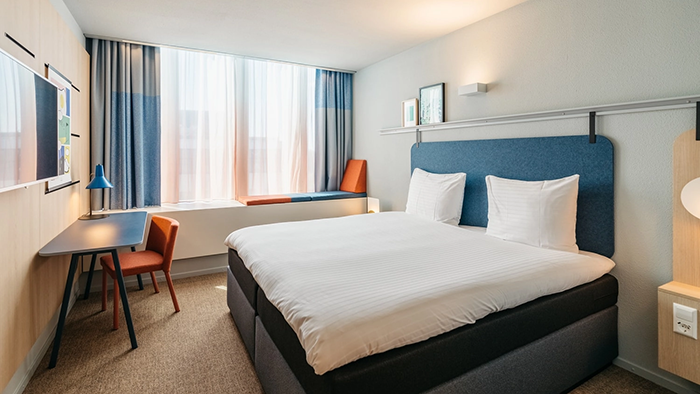

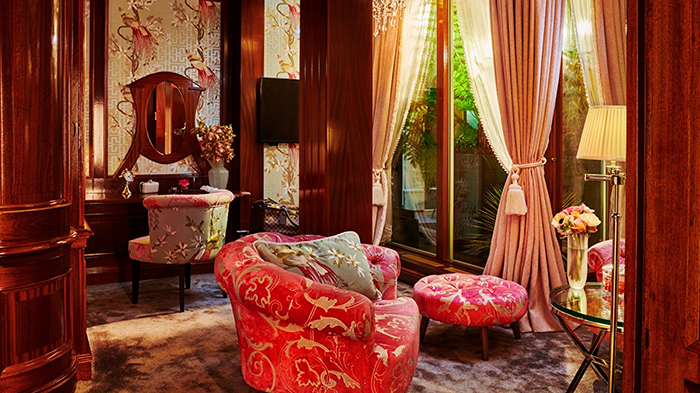
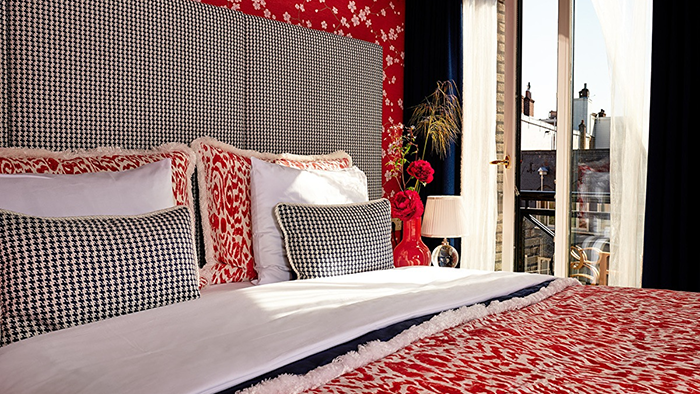
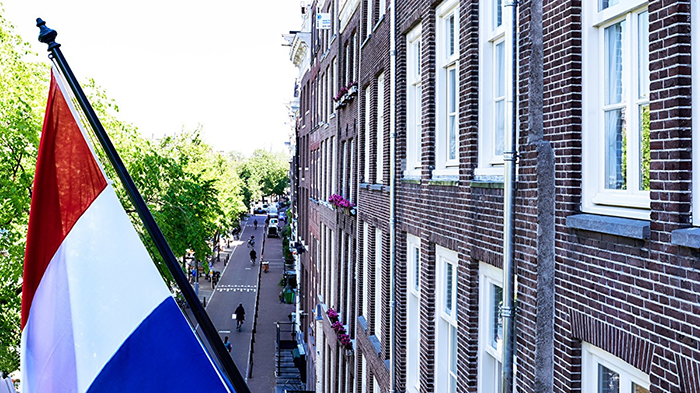
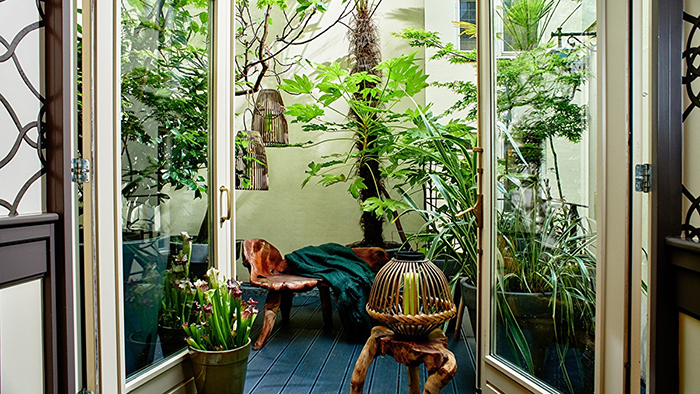
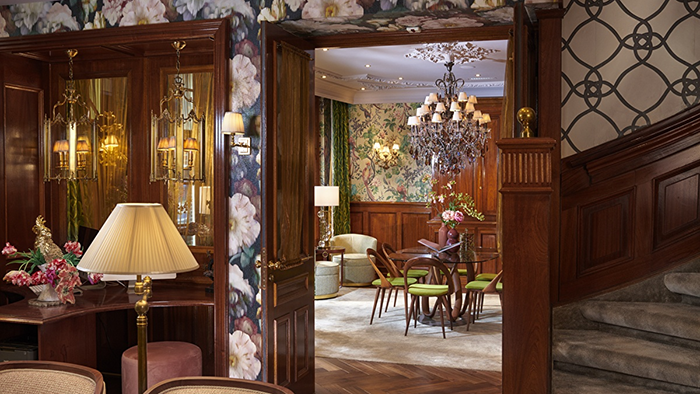
Hotel Casa Amsterdam
Away from the Ordinary
Eerste Ringdijkstraat 4, 1097 BC Amsterdam, Netherlands — Amsterdam
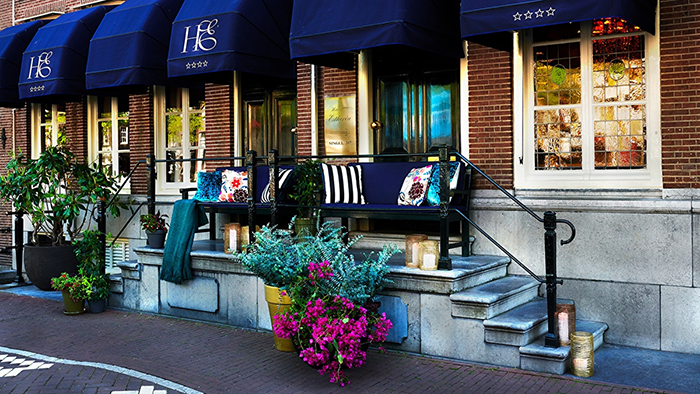
Hotel Estherea
Family Run for Over 80 Years
Singel 303-309, 1012 WJ Amsterdam, Netherlands — Amsterdam
Debarkation City: Barcelona
Hotels
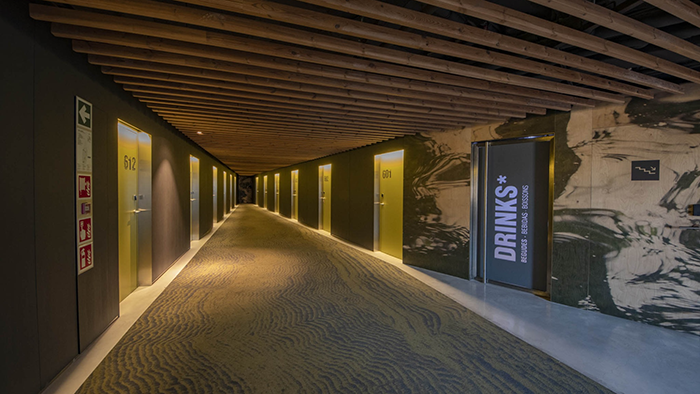

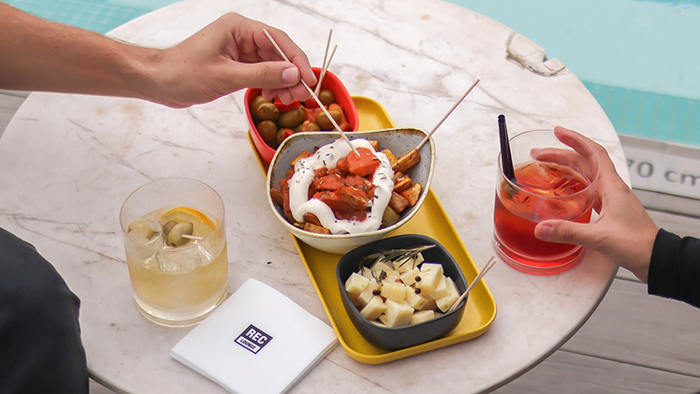
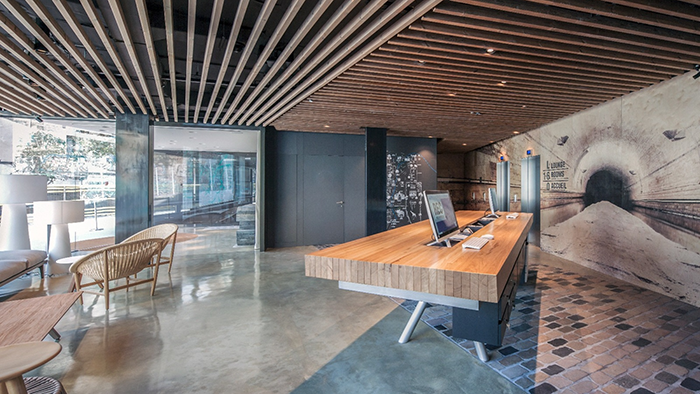
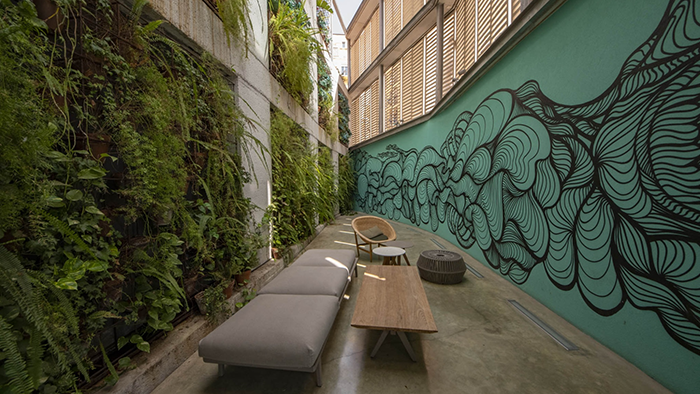
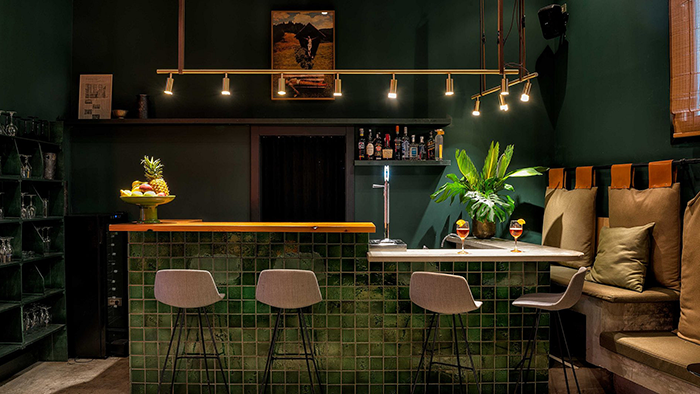
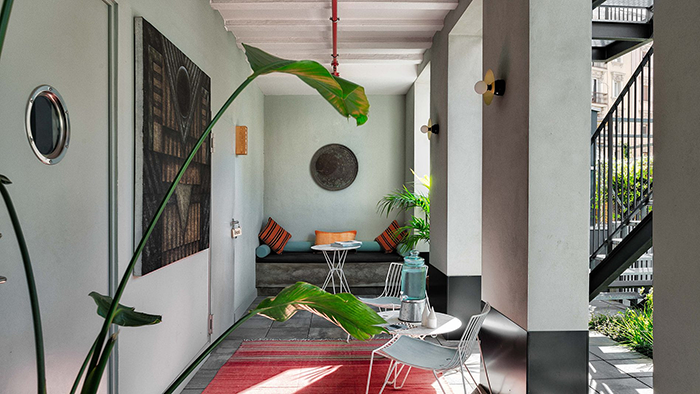
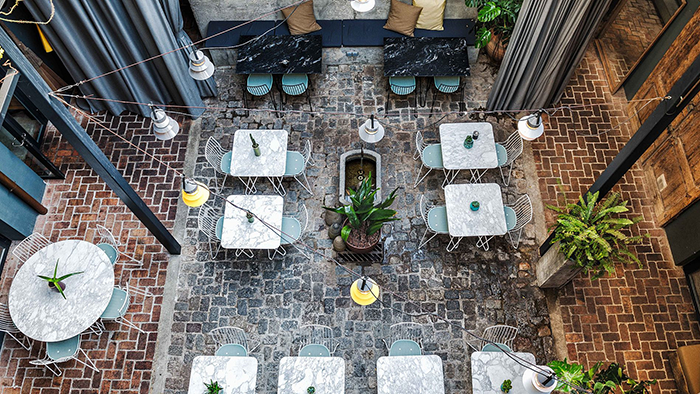
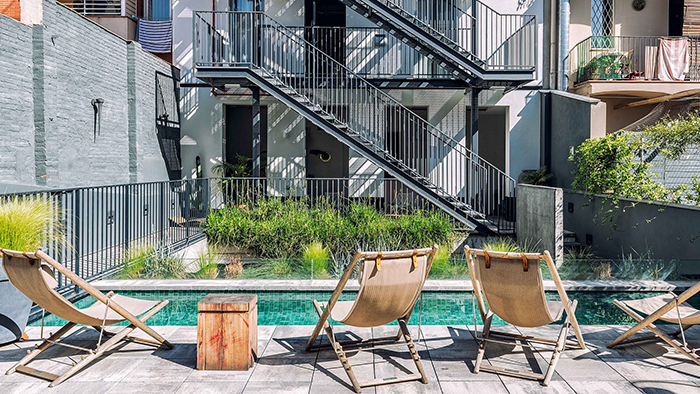
Hotel REC Barcelona
A Modern Adults-Only Hotel
Carrer del Rec Comtal, 19, 08003 Barcelona, Spain — Barcelona
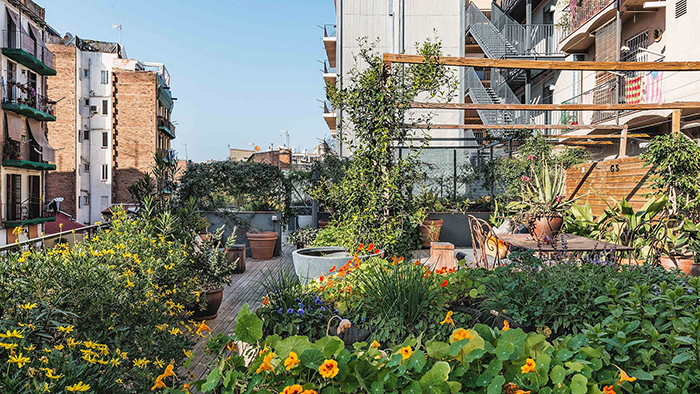
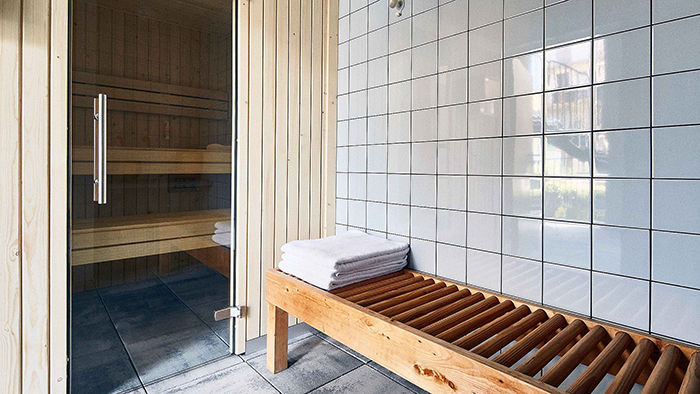
Hotel Brummell
A Cozy Urban Oasis
C/ Nou de la Rambla, 174, 08004 Barcelona, Spain — Barcelona
Protect Your Trip with Allianz Travel Insurance
Allianz Travel Insurance plans can give you flexibility and support when your trip doesn’t go quite as planned. From unexpected flight issues to covered trip cancellations, travel emergencies, and more, travel insurance can help you manage unforeseen events that may impact your trip—giving you peace of mind from the moment you book your trip through your return home.
For an instant quote:
- Simply provide a few short details about your trip
- Review the available protection plans
- Enjoy the peace of mind you deserve
Why Protect your Trip?
Whether you’re planning your next trip or you recently booked one, travel insurance can help smooth over many unexpected travel glitches—while putting your mind at ease, knowing you’re off the hook for covered expenses that could arise from them.
Allianz Travel Insurance plans can provide you benefits and professional support when a covered situation comes up before or during your trip. The following examples may qualify for benefits:
- Cancelling your trip after unexpectedly becoming too sick to travel
- Taking care of a sick or injured traveling companion
- Having to end your trip early due to a family emergency
- Dealing with a flight delay or cancellation
- Needing to buy personal items if your luggage is lost or stolen
- Missing your cruise departure after a covered flight delay
You also can contact our travel protection partner Allianz Global Assistance’s 24/7, award-winning customer service for on-the-go assistance with issues like a medical emergency, replacing your lost passport, or making reservations around the world. To be eligible for a time-sensitive waiver of pre-existing medical condition exclusions, purchase your travel insurance plan within 14 days of initial trip deposit (other purchase requirements and conditions apply). Specific plan benefits may vary. Please review your plan details for more information.
What Can Travel Insurance Help Protect?
Allianz Travel Insurance plans can protect you before and during your trip—keeping you, your loved ones, and your travel budget safer. Benefits vary by plan, and these are brief descriptions. Please read your plan documents for details.
TRIP CANCELLATION
Reimburses your prepaid, non-refundable travel expenses if you need to cancel your trip due to a covered reason, such as you, a family member, or traveling companion experiencing a covered illness or injury. Examples include:
- A doctor says you or a traveling companion is too sick to fly
- Your parent or child requires hospitalization
- You need to attend the birth of a family member’s child
- You have a traffic accident (not breakdown) on the way to the airport
- A storm shuts down your airport for 24 hours or more
TRIP INTERRUPTION
Reimburses your unused, non-refundable travel expenses and increased transportation costs during your trip if you have to return home early due to a covered reason, for instance when a family member has a qualifying medical emergency and needs your care. Examples include:
- You have a covered illness or injury and a doctor says you must return home
- A family member has a qualifying injury and needs your care
- A covered emergency, like a fire or flood, makes your home uninhabitable
TRAVEL DELAY
If you have a covered delay while traveling, travel insurance can reimburse you for meals, accommodations, and transportation expenses when your trip is delayed for a minimum number of consecutive hours for a covered reason. Minimum number of hours varies by plan.
EMERGENCY MEDICAL AND DENTAL CARE
Reimburses your expenses related to covered medical and dental emergencies* that might occur on your trip. This benefit can be especially helpful if you have a covered emergency outside the United States, as most health insurance policies won’t cover you outside the country. Examples include:
- You slip and break your ankle while sightseeing
- You get food poisoning while sampling the local cuisine
- You lose a filling and need immediate dental treatment*
*A sublimit and maximum apply for this benefit. Check your plan documents for details.
EMERGENCY MEDICAL TRANSPORTATION
Arranges and pays for medically necessary transportation following a covered injury or illness to the nearest appropriate medical facility to receive care and get you home after treatment.
BAGGAGE LOSS, DAMAGE, or THEFT
Reimburses the replacement of your lost, damaged, or stolen luggage and personal items while traveling.
BAGGAGE DELAY
Reimburses essential items purchased during your trip if your baggage is delayed for a minimum number of hours (varies by plan).
CHANGE FEE
Reimburses fees if you need to change your flight itinerary due to a covered reason.
24-HOUR ASSISTANCE
Provides around-the-clock support during your trip. Allianz Global Assistance’s staff of multilingual problem solvers can help you with medical, legal, and travel-related emergencies whenever they happen. Medical assistance may include, but is not limited to:
- Medical triage with referrals to local prescreened medical providers
- Ongoing medical monitoring
- Payment guarantee
- Emergency medical transportation
Additional services for travel-related emergencies can help with:
- Missed connecting flights
- Lost/stolen travel documents
- Pre-trip information
- Prescription replacements
Our Promise to You
When you purchase any Allianz Travel Insurance plan, you automatically get 15 days (or more, depending on your state of residence) to review your policy documents. Within that period, you can cancel your plan for a full refund if you’re not satisfied, as long as you haven’t filed a claim or departed on your trip.
Need Help Along the Way?
Contact Allianz Global Assistance’s award-winning team of travel experts. Call anytime for assistance navigating travel mishaps overseas or in the U.S.—or help with everything from reporting lost baggage to locating emergency medical treatment. They can also help you replace passports, refer you to legal assistance, secure cash from home in case of emergency, and guarantee payment when you need to be admitted to a hospital, in some instances.
Contact Allianz Global Assistance
Phone (24/7):
1-800-284-8300 (within the U.S., Canada, Puerto Rico, and the U.S. Virgin Islands)
1-804-281-5700 (outside of the U.S., call collect)
File or Track a Claim
It’s easy and convenient to file and track a claim, upload documents, and more online. Start your claim using your email address or policy number.
File a ClaimIf you need help filing a claim or understanding the claims process, visit the Allianz Global Assistance Claims Center.
Update Your Plan
If you need to update your travel insurance plan, such as adjusting the dates of your plan to reflect itinerary changes, please contact us or manage your plan online so your plan reflects your entire itinerary and provides the right amount of protection for your travels.
Manage My PlanAbout Allianz Global Assistance
Allianz Global Assistance is a world leader in travel insurance and assistance, helping millions of travelers across the globe every year. Allianz Global Assistance is owned by Allianz SE, the world’s largest diversified insurance company. For over 100 years, Allianz SE has helped protect important milestones in American history, insuring the Wright Brothers’ first flight and Golden Gate Bridge construction.
Terms, conditions, and exclusions apply including for pre-existing medical conditions. Insurance benefits underwritten by BCS Insurance Company (OH, Administrative Office: 2 Mid America Plaza, Suite 200, Oakbrook Terrace, IL 60181), rated “A” (Excellent) by A.M. Best Co., under BCS Form No. 52.201 series or 52.401 series, or Jefferson Insurance Company (NY, Administrative Office: 9950 Mayland Drive, Richmond, VA 23233), rated “A+” (Superior) by A.M. Best Co., under Jefferson Form No. 101-C series or 101-P series, depending on your state of residence and plan chosen. A+ (Superior) and A (Excellent) are the 2nd and 3rd highest, respectively, of A.M. Best’s 13 Financial Strength Ratings. Plans only available to U.S. residents and may not be available in all jurisdictions. Allianz Global Assistance and Allianz Travel Insurance are marks of AGA Service Company dba Allianz Global Assistance or its affiliates. Allianz Travel Insurance products are distributed by Allianz Global Assistance, the licensed producer and administrator of these plans and an affiliate of Jefferson Insurance Company. The insured shall not receive any special benefit or advantage due to the affiliation between AGA Service Company and Jefferson Insurance Company. Plans include insurance benefits and assistance services. Any Non-Insurance Assistance services purchased are provided through AGA Service Company. Except as expressly provided under your plan, you are responsible for charges you incur from third parties. Contact AGA Service Company at 800-284-8300 or 9950 Mayland Drive, Richmond, VA 23233 or customerservice@allianzassistance.com.