
COURSE CREDITS & HOURS
14 ACPE Credits
14 ANCC Contact Hours
COURSE FEES
TARGET AUDIENCE
PROGRAM TOPICS
Dr. Clum's Topics
- Asthma
- COPD
- ARDS and Acute Hypoxic Respiratory Failure
- IPF and Progressive Pulmonary Fibrosis
- Pulmonary Embolism: Applying Evidence-Based Guidelines for Risk Stratification and Treatment
- Pulmonary Nodules and Lung Cancer Screening
- Sleep Apnea Treatment Options: PAP, Pacers, and Beyond
Dr. Osborne's Topics
- Something Hurts "Down There": A Guide to Vulvar Lesions
- The Second Victim: Helping Providers Cope with Medical Errors or Tragic Outcomes
- Prevention, Detection, and Management of Endometrial Cancer
- Hereditary Cancer Syndromes Part 1: BRCA and Beyond
- Hereditary Cancer Syndromes Part 2: Lynch and Others
- Contemporary Menopause Management: What We Know Now Versus What We Feared
- Evaluation of Pelvic Masses
IMPORTANT INFORMATION
Faculty
Stephen R. Clum, MD, PhD

Assistant Professor of Internal Medicine, University of South Florida
Associate Professor of Medicine, University of Central Florida
St. Petersburg, FL
Dr. Clum earned his PhD in biochemistry at the University of Kansas. His PhD studies involved the characterization of the dengue virus type II serine protease. After completing his PhD, he pursued his medical degree at the University of Kansas. Following the completion of his medical school training, he completed a combined residency in Internal Medicine and Pediatrics at the University of South Florida. He remained at the University of South Florida for fellowship training in Pulmonary, Critical Care, and Sleep Medicine.
After completing his fellowship, he moved to Springfield, Missouri, where he joined a multispecialty group. His practice encompassed Pulmonary, Critical Care, and Sleep Medicine, including an active pediatric sleep practice. In 2014, he returned to the University of South Florida to join the faculty in the Division of Pulmonary, Critical Care, and Sleep Medicine, where he served as the associate division director. In this role, he was actively involved in the expansion of inpatient and outpatient services at Tampa General Hospital and USF.
Following the retirement of his mentor, he served as the interim division director until the fall of 2020, when he joined the Bay Pines VA Healthcare System as the Chief of Pulmonary and Sleep Medicine. In his current role, he has helped develop robust pulmonary nodule, COPD, and ILD programs. At both the University of South Florida and Bay Pines VA, Dr. Clum serves as a core faculty member involved in the education of Pulmonary, Critical Care, and Sleep Medicine fellows.
Janet Osborne, MD

Carilion Clinic - Dept of Obstetrics and Gynecology
Associate Professor - VTC School of Medicine
Roanoke, VA
Dr. Janet Osborne is the Chief of Gynecologic Oncology at Carilion Clinic and an Associate Professor at Carilion Virginia Tech School of Medicine in Roanoke, VA. She received her medical degree from the Medical School of Wisconsin in Milwaukee and did her residency in Obstetrics and Gynecology at the University of Minnesota and fellowship training in Gynecologic Oncology at the University of Michigan.
Prior to joining Carilion in 2011, Dr. Osborne was the Director of Gynecologic Oncology at the Medical College of Wisconsin for 11 years. She is also board certified in hospice and palliative care. In addition to patient care, Dr Osborne is very involved in training medical students and residents. She is the site principal investigator for many clinical trials and has multiple publications including several book chapters. She loves traveling, the Green Bay Packers, and relaxing at Smith Mountain Lake with her two dogs.
Accreditation




Cruise Itinerary
| DATE | PORT OF CALL | ARRIVE | DEPART |
|---|---|---|---|
| Sunday, September 13 | Athens (Piraeus), Greece |
- | 5:00 pm |
| Monday, September 14 | Santorini, Greece |
7:00 am | 10:00 pm |
| Tuesday, September 15 | Kusadasi (Ephesus), Turkey |
8:00 am | 7:00 pm |
| Wednesday, September 16 | Mykonos, Greece |
7:00 am | 6:00 pm |
| Thursday, September 17 | Rhodes, Greece |
7:00 am | 5:00 pm |
| Friday, September 18 | *At Sea - Cruising Lectures 8:00 AM - 12:00 PM, 1:00 PM - 4:00 PM |
- | - |
| Saturday, September 19 | Valletta, Malta |
7:00 am | 5:00 pm |
| Sunday, September 20 | *At Sea - Cruising Lectures 8:00 AM - 12:00 PM, 1:00 PM - 4:00 PM |
- | - |
| Monday, September 21 | Barcelona, Spain |
5:00 am | - |

Ports of Call
Athens (Piraeus), Greece

Logistics: Arrival and Accommodation - Upon landing at Athens International Airport (ATH), the journey to the city center takes approximately 40 to 60 minutes. While the Metro (Line 3) is efficient and affordable, it can be crowded. For travelers with cruise luggage, a pre-booked private transfer or a taxi is often the wiser choice to avoid navigating stairs and crowds in the summer heat.

Regarding accommodation, a critical distinction must be made: Piraeus is the port, but Athens is the destination. Piraeus is a bustling industrial hub with limited touristic appeal beyond the harbor itself. To maximize your experience, book a hotel in central Athens—specifically in the Plaka, Monastiraki, or Koukaki neighborhoods. These areas place you within walking distance of the major archaeological sites and the best dining, allowing you to immerse yourself in the city's atmosphere immediately.
Day 1: The Acropolis and The Old City - Your first morning should be dedicated to the Acropolis. The strategy here is simple: go early. Arriving at the entrance by 8:00 AM allows you to ascend the sacred rock before the midday heat and the heaviest crowds arrive. Standing before the Parthenon, the Erechtheion, and the Propylaea offers a humbling perspective on human achievement. The view of the sprawling white city against the Aegean Sea is spectacular.
Descend directly to the Acropolis Museum. This modern architectural gem provides the necessary context for what you have just seen, housing the original Caryatids and the Parthenon Marbles in a space flooded with natural light. It is a masterclass in making ancient history accessible.

Spend your afternoon in the Plaka. While parts of it cater heavily to tourists, it remains the most charming district for aimless wandering. Seek out the Anafiotika neighborhood, a tiny cluster of whitewashed houses built by islanders from Anafi, which feels like a Cycladic village hidden beneath the Acropolis. For dinner, look for rooftop dining in Monastiraki to watch the Parthenon illuminate at dusk—a sight that never loses its power.
Day 2: Democracy, Markets, and Modern Life - Begin your second day at the Ancient Agora. Often less crowded than the Acropolis, this was the actual heart of public life where Socrates taught and democracy was debated. The Temple of Hephaestus here is among the best-preserved Doric temples in Greece.

From the quiet of the Agora, transition to the noise of the Monastiraki Flea Market. It is a sensory overload of antiques, vinyl records, and souvenirs that showcases the city's commercial spirit. A short walk leads to Syntagma Square to witness the Changing of the Guard at the Tomb of the Unknown Soldier, a ceremony of precision and tradition.
For your final pre-cruise meal, venture into Psiri. This neighborhood has transformed from a working-class district into a hub of nightlife and gastronomy. It offers excellent tavernas serving authentic meze—grilled octopus, fava, and lamb chops—often accompanied by live Rembetika music.
Embarkation Day - On the day of departure, allow ample time to reach the Port of Piraeus. Traffic in Athens is unpredictable. A taxi or private transfer from the city center typically takes 30 to 45 minutes. By arriving in Athens early, you step onto your ship not as a weary traveler rushing from the airport, but as an acclimated explorer, already enriched by the history and culture of this enduring city.
Santorini, Greece


To maximize your time and minimize frustration, we strongly recommend arranging a boat transfer to Oia or a pre-booked excursion that includes transportation from the tender pier. This strategy bypasses the initial cable car queue, which can consume hours of your morning. Once you have ascended, the island offers distinct experiences. Oia, on the northern tip, is the famous "postcard" village with blue-domed churches and marble streets. It is undeniably beautiful but frequently overwhelmed by crowds; visit early or late if possible. Fira, the capital, offers similar views with more bustle, museums, and shopping, serving as the central hub for the return descent.
For a reprieve from the congestion, the archaeological site of Akrotiri offers a world-class window into the Bronze Age, preserved under volcanic ash. Alternatively, the island’s viticulture is unique; vines are basket-woven low to the ground to survive the wind. Visiting a local estate to taste crisp, volcanic Assyrtiko wine provides a sophisticated, relaxing counterpoint to the busy towns. Santorini is a destination that rewards preparation; with the logistics managed, the views are truly unparalleled.
Kusadasi (Ephesus), Turkey


For a truly immersive experience, we strongly advise securing tickets to the Terrace Houses. Located within the archaeological site but often requiring a separate entrance fee, these covered excavations reveal the domestic lives of the Ephesian elite. The preserved frescoes and intricate mosaics here offer an intimate counterpoint to the monumental public buildings outside and are well worth the extra cost.

From a practical standpoint, Ephesus demands preparation. The site offers very little shade, and the white marble reflects the intense summer heat. High-quality walking shoes are essential due to uneven, slippery surfaces. Beyond the ancient city, the House of the Virgin Mary offers a quiet, spiritual experience in the hills above, while the Basilica of St. John in nearby Selçuk provides further historical context.
Upon returning to the port, Kusadasi itself offers a functional, if commercial, conclusion to the day. The Grand Bazaar is famous for leather goods and Turkish rugs, though the sales tactics can be aggressive. For a more relaxed end to your visit, bypass the high-pressure shops for a seat along the waterfront promenade to enjoy a strong Turkish coffee and baklava while overlooking the Aegean.

Mykonos, Greece


Navigate toward the waterfront to witness the iconic Kato Mili (windmills) standing sentinel on the hill. Just below lies Little Venice, where medieval houses with colorful balconies hover directly over the sea. It is the prime location for a coffee or cocktail, though be prepared for premium pricing that reflects the world-class view.

For our clients with a deep interest in history, Mykonos is the gateway to something far more significant: Delos. A short ferry ride away, this UNESCO World Heritage site is the mythological birthplace of Apollo and Artemis and one of the most important archaeological sites in the Mediterranean. If you prioritize ancient history over high-end shopping, a guided excursion here is non-negotiable.
If a beach day is preferred, manage your expectations regarding crowds and cost. The famous Paradise Beach is high-energy; for a more refined, family-friendly atmosphere, Ornos or Platis Gialos are superior choices, accessible via local bus or water taxi. Finally, a logistical note: if your ship docks at the New Port (Tourlos) rather than tendering, the local SeaBus is the most efficient transfer to the town center, bypassing the often-gridlocked taxi queues.


Rhodes, Greece

The main artery is the Street of the Knights, a remarkably intact medieval thoroughfare leading to the imposing Palace of the Grand Master. This fortress-palace, rebuilt by the Italians in the 20th century, offers a glimpse into the lives of the Knights of St. John with its grand halls and Hellenistic mosaics. The nearby Archaeological Museum, housed in the former Hospital of the Knights, provides further context to the island's rich history.
For those seeking classical antiquity, a short taxi ride uphill leads to the Acropolis of Rhodes on Monte Smith, where the remains of a Temple of Apollo, a stadium, and a small theater offer panoramic views over the city and sea. The Mandraki Harbour, where the legendary Colossus of Rhodes is said to have stood, is now a pleasant waterfront promenade marked by statues of deer.
Many are tempted by the famous village of Lindos, with its whitewashed houses and clifftop acropolis. It is undeniably stunning, but be aware that the one-hour drive each way, combined with significant crowds, will consume the majority of your day. A choice must be made: a deep, immersive exploration of the magnificent Old Town, or a dedicated excursion to Lindos. For a truly rewarding day, embracing the historical tapestry at your feet in Rhodes Town is often the more satisfying option.
At Sea - Cruising
Valletta, Malta

The city is compact and walkable, though visitors should be prepared for stairs and inclines. The primary cultural destination is St. John's Co-Cathedral. Its austere façade belies a jaw-dropping interior of High Baroque opulence, with every surface covered in intricate carvings, gold leaf, and marble. The cathedral’s true masterpiece is Caravaggio’s monumental painting, “The Beheading of Saint John the Baptist,” a profoundly moving work that justifies the entry fee alone.

For the best views, the Upper Barrakka Gardens offer a stunning panorama of the harbor and the historic Three Cities across the water. Time your visit for the daily cannon firing at noon or 4:00 PM from the Saluting Battery below. Beyond the major sites, the real joy of Valletta is wandering its streets, admiring the traditional enclosed wooden balconies (*gallariji*), and stopping at a historic venue like Caffe Cordina. Be sure to try a *pastizz*—a flaky, savory pastry filled with ricotta or peas—which is the quintessential local snack.
If you prefer a quieter, medieval atmosphere over the bustle of the capital, a taxi ride to the fortified city of Mdina is a worthwhile alternative. Known as the “Silent City,” its labyrinthine alleys and noble palaces offer a peaceful contrast to Valletta's energy. For a unique perspective, take a traditional *dghajsa* (water taxi) across the harbor to explore Birgu, one of the Three Cities, which offers immense history with fewer crowds.
Barcelona, Spain


To help you navigate this sprawling metropolis efficiently, we have curated a post-cruise itinerary that balances the absolute must-sees with the atmospheric wandering that makes Barcelona so special.
Day 1: The Gothic Core & Picasso - After transferring from the port to your hotel—we recommend the Eixample district for Art Nouveau elegance or the Gothic Quarter for historic immersion—start where the city began: the Barri Gòtic. This is a neighborhood best explored without a map. Wander the labyrinth of medieval streets, eventually finding the Cathedral of the Holy Cross and Saint Eulalia (La Seu). Unlike the famous Sagrada Família, this is a classic Gothic masterpiece with a stunning cloister inhabited by 13 white geese.

In the afternoon, cross Via Laietana into the El Born district. This area feels more bohemian and houses the Picasso Museum. Housed across five medieval stone palaces, the museum focuses heavily on Picasso’s formative years, offering context to his genius that you won't find elsewhere. For dinner, embrace the local rhythm. Dinner is late here (9:00 PM or later). Spend the evening hopping between tapas bars in El Born or Barceloneta. Look for *pintxos* bars (Basque-style tapas on bread), where you help yourself and pay based on the number of toothpicks left on your plate.
Day 2: The Architecture of Antoni Gaudí - Barcelona is synonymous with Antoni Gaudí, and seeing his work requires strategy. His unfinished masterpiece, La Sagrada Família, is the city's most visited site. Critical Advice: You must book tickets online weeks in advance for a specific entry time. Walk-up tickets are virtually non-existent. The interior, a forest of stone columns bathed in light from stained glass, is a spiritual and architectural marvel that justifies the hype.

Afterward, head to Passeig de Gràcia. This broad boulevard is home to high-end shopping and two more Gaudí icons: Casa Batlló and Casa Milà (La Pedrera). Even if you do not tour the interiors, the exteriors are essential viewing. If you have the energy, end your day at Park Güell. Located further uptown, this garden complex offers whimsical mosaics and sweeping views of the city and sea. Like the basilica, advance booking here is mandatory to enter the Monumental Zone.
Day 3: Montjuïc Art or Mountain Retreats - If you have a third day, choose your own adventure. For art and views, take the funicular up Montjuïc Hill. Here you will find the Fundació Joan Miró and the palatial Museu Nacional d'Art de Catalunya (MNAC), which holds an incredible collection of Romanesque frescoes. The views from the museum steps at sunset are spectacular.

Alternatively, for a complete change of pace, take the train from Plaça d'Espanya to Montserrat (approx. 1 hour). This Benedictine monk mountain retreat, nestled in serrated rock formations, offers superb hiking and the chance to see the Black Madonna. It is a profound contrast to the bustle of the city.
Logistics & Departure - From Ship to City: The cruise terminals at Moll Adossat are about 2km from the bottom of La Rambla. Walking with luggage is not recommended due to the bridge length and heat. A taxi is the most direct option (approx. €30-€40 to the center). The 'Cruise Bus' (Portbus) is a budget-friendly shuttle that drops you at the Columbus Monument, where you can catch a taxi or metro.

Getting Around: Barcelona is very walkable, but the Metro is clean, safe, and efficient for longer distances. Be aware that pickpocketing is a genuine issue in tourist hubs (La Rambla, Metro stations); keep wallets in front pockets and bags zipped.
To the Airport: When departing, the Aerobus is an excellent service running from Plaça de Catalunya to both T1 and T2 every 5-10 minutes. Taxis are also plentiful and offer a fixed rate or metered fare depending on luggage.


We can assist you with all your travel arrangements. We'd be happy to help you plan your flights, hotels, or tours before and/or after your cruise conference.
PLEASE NOTE: To attend the conference, participants must book their cruise accommodations through University at Sea®. This ensures we can provide full conference services and complimentary social amenities to meeting participants and guests. Participants' family and friends are welcome to book within our group allotment and take advantage of our typically excellent rates.
Request a Quote online or by voice at 800-525-9696 (US/Can) or direct/int'l tel +1-727-526-1571.
Prices below are for the full cruise including meals and evening entertainment
Suites
 Suite/Deluxe
Iconic Suite IC.
Positioned high above the bridge, these all-new suites offer panoramic views from front to back. And with over 2,500 square feet of indoor and outdoor opulence, Iconic Suites are also the most luxurious and largest in our fleet.
So much more than a suite, The Retreat® isn’t a place. It isn’t an amenity. It isn’t a service. It’s all of this and more. The Retreat includes stunning accommodations, a private restaurant, and exclusive lounge and sundeck* that rival any high-end resort. Your dedicated team of attendants, concierges, and your Personal Retreat Host will do everything to ensure you never have to lift a finger on vacation.
Iconic Suite is the largest most luxurious suite in our entire fleet offers panoramic views from atop the captain’s bridge.
Suite/Deluxe
Iconic Suite IC.
Positioned high above the bridge, these all-new suites offer panoramic views from front to back. And with over 2,500 square feet of indoor and outdoor opulence, Iconic Suites are also the most luxurious and largest in our fleet.
So much more than a suite, The Retreat® isn’t a place. It isn’t an amenity. It isn’t a service. It’s all of this and more. The Retreat includes stunning accommodations, a private restaurant, and exclusive lounge and sundeck* that rival any high-end resort. Your dedicated team of attendants, concierges, and your Personal Retreat Host will do everything to ensure you never have to lift a finger on vacation.
Iconic Suite is the largest most luxurious suite in our entire fleet offers panoramic views from atop the captain’s bridge. 800-525-9696
for Pricing
 Suite/Deluxe
Penthouse Suite PS.
Penthouse Suites include a Primary bedroom, bathroom, and dressing room, living/dining area, guest bedroom and bathroom, terrace and private hot tub, plus an attentive butler on hand to ensure you never have to lift a finger during your vacation. For the interior design, we enlisted Kelly Hoppen, CBE, to bring her unparalleled vision to the table. Together, we created personal environments that rival the best boutique hotels in the world—many of which she’s designed for. Our Penthouse Suites also offer the latest technology, allowing you to precisely adjust nearly every comfort feature. With a simple touch screen, the in-room automation allows you to control everything from lighting to shades to temperature. You can even choose a setting that will tuck you in and gently wake you in the morning. It’s world-class service at the touch of a button.
So much more than a suite, The Retreat® isn’t a place. It isn’t an amenity. It isn’t a service. It’s all of this and more. The Retreat includes stunning accommodations, a private restaurant, and exclusive lounge and sundeck* that rival any high-end resort. Your dedicated team of attendants, concierges, and your Personal Retreat Host will do everything to ensure you never have to lift a finger on vacation.
Escape to this spacious suite with living and dining areas and a private terrace with a hot tub.
Suite/Deluxe
Penthouse Suite PS.
Penthouse Suites include a Primary bedroom, bathroom, and dressing room, living/dining area, guest bedroom and bathroom, terrace and private hot tub, plus an attentive butler on hand to ensure you never have to lift a finger during your vacation. For the interior design, we enlisted Kelly Hoppen, CBE, to bring her unparalleled vision to the table. Together, we created personal environments that rival the best boutique hotels in the world—many of which she’s designed for. Our Penthouse Suites also offer the latest technology, allowing you to precisely adjust nearly every comfort feature. With a simple touch screen, the in-room automation allows you to control everything from lighting to shades to temperature. You can even choose a setting that will tuck you in and gently wake you in the morning. It’s world-class service at the touch of a button.
So much more than a suite, The Retreat® isn’t a place. It isn’t an amenity. It isn’t a service. It’s all of this and more. The Retreat includes stunning accommodations, a private restaurant, and exclusive lounge and sundeck* that rival any high-end resort. Your dedicated team of attendants, concierges, and your Personal Retreat Host will do everything to ensure you never have to lift a finger on vacation.
Escape to this spacious suite with living and dining areas and a private terrace with a hot tub. 800-525-9696
for Pricing
 Suite/Deluxe
Edge Villa EV.
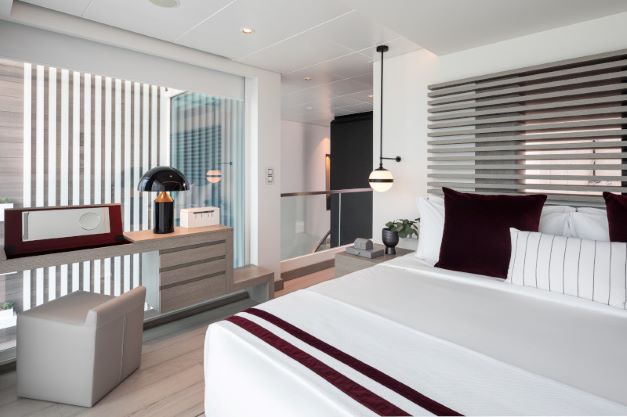
The Edge Villa offers a spacious 739 square feet of split-level splendor, plus one bedroom and two bathrooms—perfect for up to four guests. The unique design of the Edge Villas seamlessly blends indoor and outdoor living. With two stories of windows that look out over the terrace (featuring a three-feet-deep plunge pool and inviting lounge furniture) to the incredible ocean views beyond, it’s an open and airy environment that truly invites the outside in, and vice versa. Edge Villas not only offer private outdoor terraces, but they also have direct access to The Retreat, an exclusive sanctuary for guests of The Retreat. Step right out to The Retreat Sundeck and The Retreat Pool and bar, or retreat to your own private oceanfront villa.
So much more than a suite, The Retreat® isn’t a place. It isn’t an amenity. It isn’t a service. It’s all of this and more. The Retreat includes stunning accommodations, a private restaurant, and exclusive lounge and sundeck* that rival any high-end resort. Your dedicated team of attendants, concierges, and your Personal Retreat Host will do everything to ensure you never have to lift a finger on vacation.
Unwind in this two-story suite, complete with a private terrace and plunge pool.
Suite/Deluxe
Edge Villa EV.
The Edge Villa offers a spacious 739 square feet of split-level splendor, plus one bedroom and two bathrooms—perfect for up to four guests. The unique design of the Edge Villas seamlessly blends indoor and outdoor living. With two stories of windows that look out over the terrace (featuring a three-feet-deep plunge pool and inviting lounge furniture) to the incredible ocean views beyond, it’s an open and airy environment that truly invites the outside in, and vice versa. Edge Villas not only offer private outdoor terraces, but they also have direct access to The Retreat, an exclusive sanctuary for guests of The Retreat. Step right out to The Retreat Sundeck and The Retreat Pool and bar, or retreat to your own private oceanfront villa.
So much more than a suite, The Retreat® isn’t a place. It isn’t an amenity. It isn’t a service. It’s all of this and more. The Retreat includes stunning accommodations, a private restaurant, and exclusive lounge and sundeck* that rival any high-end resort. Your dedicated team of attendants, concierges, and your Personal Retreat Host will do everything to ensure you never have to lift a finger on vacation.
Unwind in this two-story suite, complete with a private terrace and plunge pool. 800-525-9696
for Pricing
 Suite/Deluxe
Royal Suite RS.
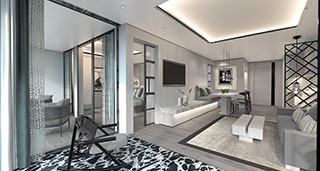
Unwind in a luxuriously large living and dining area featuring floor to ceiling panoramic windows, a primary bedroom with Celebrity’s eXhale® bedding featuring the luxury king-sized Cashmere™ Mattress, a bathroom with a large soaking tub, a separate shower, and a double sink vanity, and a spacious private veranda. No matter where you are in this suite, you’ll enjoy stunning views of the sea.
So much more than a suite, The Retreat® isn’t a place. It isn’t an amenity. It isn’t a service. It’s all of this and more. The Retreat includes stunning accommodations, a private restaurant, and exclusive lounge and sundeck* that rival any high-end resort. Your dedicated team of attendants, concierges, and your Personal Retreat Host will do everything to ensure you never have to lift a finger on vacation.
Suite/Deluxe
Royal Suite RS.
Unwind in a luxuriously large living and dining area featuring floor to ceiling panoramic windows, a primary bedroom with Celebrity’s eXhale® bedding featuring the luxury king-sized Cashmere™ Mattress, a bathroom with a large soaking tub, a separate shower, and a double sink vanity, and a spacious private veranda. No matter where you are in this suite, you’ll enjoy stunning views of the sea.
So much more than a suite, The Retreat® isn’t a place. It isn’t an amenity. It isn’t a service. It’s all of this and more. The Retreat includes stunning accommodations, a private restaurant, and exclusive lounge and sundeck* that rival any high-end resort. Your dedicated team of attendants, concierges, and your Personal Retreat Host will do everything to ensure you never have to lift a finger on vacation. 800-525-9696
for Pricing
 Suite/Deluxe
Celebrity Suite CS.
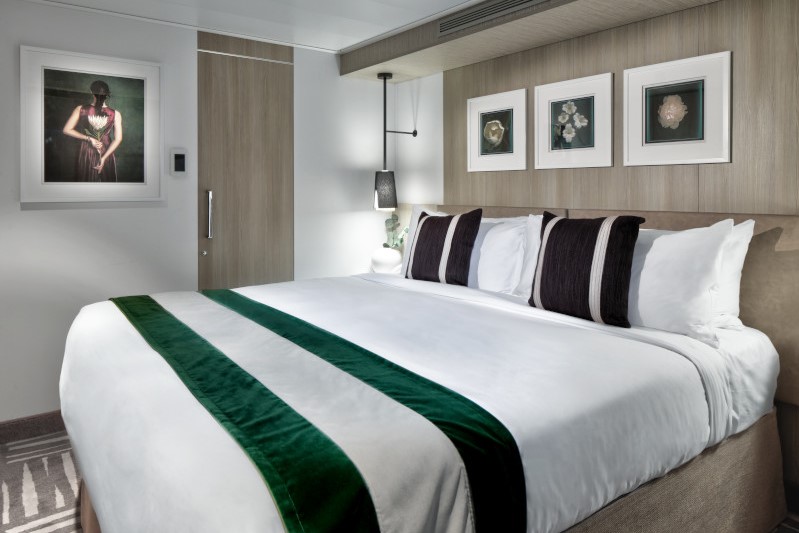
These two-room suites feature a large living area with floor to ceiling panoramic windows, private veranda, and a separate bedroom with Celebrity’s eXhale® bedding featuring the luxury king-sized Cashmere™ Mattress. When you stay in a Celebrity Suite, you'll enjoy the luxury of a butler. This includes assistance with unpacking and packing. In-suite lunch and dinner service. Afternoon tea. Evening hors d'oeuvres and complimentary in-suite specialty coffees from Café al Bacio.
So much more than a suite, The Retreat® isn’t a place. It isn’t an amenity. It isn’t a service. It’s all of this and more. The Retreat includes stunning accommodations, a private restaurant, and exclusive lounge and sundeck* that rival any high-end resort. Your dedicated team of attendants, concierges, and your Personal Retreat Host will do everything to ensure you never have to lift a finger on vacation.
Spacious two-room suites that feature a large living and dining area with floor-to-ceiling panoramic windows for stunning views from every angle.
Suite/Deluxe
Celebrity Suite CS.
These two-room suites feature a large living area with floor to ceiling panoramic windows, private veranda, and a separate bedroom with Celebrity’s eXhale® bedding featuring the luxury king-sized Cashmere™ Mattress. When you stay in a Celebrity Suite, you'll enjoy the luxury of a butler. This includes assistance with unpacking and packing. In-suite lunch and dinner service. Afternoon tea. Evening hors d'oeuvres and complimentary in-suite specialty coffees from Café al Bacio.
So much more than a suite, The Retreat® isn’t a place. It isn’t an amenity. It isn’t a service. It’s all of this and more. The Retreat includes stunning accommodations, a private restaurant, and exclusive lounge and sundeck* that rival any high-end resort. Your dedicated team of attendants, concierges, and your Personal Retreat Host will do everything to ensure you never have to lift a finger on vacation.
Spacious two-room suites that feature a large living and dining area with floor-to-ceiling panoramic windows for stunning views from every angle. 800-525-9696
for Pricing
 Suite/Deluxe
Sunset Sky Suite SS.
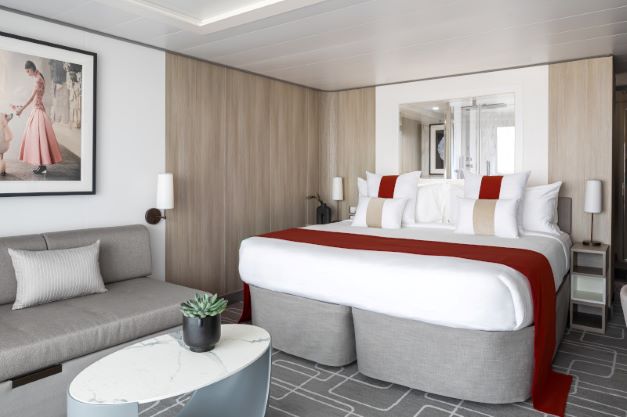
The Sunset Sky Suite offers a blend of expansive stern views and intimate luxury. These large suites feature a king-sized bed from our signature Cashmere™ Mattress and a spacious, private veranda - the largest Sky Suite veranda on Edge series. The split bathroom features a large spa tub with shower. Sky Suites offer the latest technology that allows you to precisely adjust nearly every comfort feature in your stateroom. The in-room automation allows you to control everything from lighting, to shades, to temperature, and service with a simple touch screen. You can even choose a setting that will tuck you in and gently wake you in the morning. It’s world-class service at the touch of a button.
So much more than a suite, The Retreat® isn’t a place. It isn’t an amenity. It isn’t a service. It’s all of this and more. The Retreat includes stunning accommodations, a private restaurant, and exclusive lounge and sundeck* that rival any high-end resort. Your dedicated team of attendants, concierges, and your Personal Retreat Host will do everything to ensure you never have to lift a finger on vacation.
Unwind in a Sunset Suite where you’ll begin your journey with a welcome bottle of sparkling wine to help you ease into vacation bliss.
Suite/Deluxe
Sunset Sky Suite SS.
The Sunset Sky Suite offers a blend of expansive stern views and intimate luxury. These large suites feature a king-sized bed from our signature Cashmere™ Mattress and a spacious, private veranda - the largest Sky Suite veranda on Edge series. The split bathroom features a large spa tub with shower. Sky Suites offer the latest technology that allows you to precisely adjust nearly every comfort feature in your stateroom. The in-room automation allows you to control everything from lighting, to shades, to temperature, and service with a simple touch screen. You can even choose a setting that will tuck you in and gently wake you in the morning. It’s world-class service at the touch of a button.
So much more than a suite, The Retreat® isn’t a place. It isn’t an amenity. It isn’t a service. It’s all of this and more. The Retreat includes stunning accommodations, a private restaurant, and exclusive lounge and sundeck* that rival any high-end resort. Your dedicated team of attendants, concierges, and your Personal Retreat Host will do everything to ensure you never have to lift a finger on vacation.
Unwind in a Sunset Suite where you’ll begin your journey with a welcome bottle of sparkling wine to help you ease into vacation bliss. 800-525-9696
for Pricing
Suite/Deluxe
Sky Suite S1.
The perfectly designed Sky Suite offers a blend of expansive views and intimate luxury. These large suites feature a king-sized bed from our signature Cashmere™ Mattress and a spacious, private veranda. The split bathroom features a large spa tub with shower. Sky Suites offer the latest technology that allows you to precisely adjust nearly every comfort feature in your stateroom. The in-room automation allows you to control everything from lighting, to shades, to temperature, and service with a simple touch screen. You can even choose a setting that will tuck you in and gently wake you in the morning. It’s world-class service at the touch of a button.
So much more than a suite, The Retreat® isn’t a place. It isn’t an amenity. It isn’t a service. It’s all of this and more. The Retreat includes stunning accommodations, a private restaurant, and exclusive lounge and sundeck* that rival any high-end resort. Your dedicated team of attendants, concierges, and your Personal Retreat Host will do everything to ensure you never have to lift a finger on vacation.
These suites feature a king-sized bed that faces the floor-to-ceiling window and sliding glass door that leads to a private veranda. 800-525-9696
for Pricing
 Suite/Deluxe
Magic Carpet Sky Suite MS.
The Magic Carpet Sky Suite offers a unique view of the Magic Carpet. These large suites feature a king-sized bed from our signature Cashmere Mattress™ and a spacious, private veranda. The split bathroom features a large spa tub with shower. Sky Suites offer the latest technology that allows you to precisely adjust nearly every comfort feature in your stateroom. The in-room automation allows you to control everything from lighting, to shades, to temperature, and service with a simple touch screen. You can even choose a setting that will tuck you in and gently wake you in the morning. It’s world-class service at the touch of a button.
So much more than a suite, The Retreat® isn’t a place. It isn’t an amenity. It isn’t a service. It’s all of this and more. The Retreat includes stunning accommodations, a private restaurant, and exclusive lounge and sundeck* that rival any high-end resort. Your dedicated team of attendants, concierges, and your Personal Retreat Host will do everything to ensure you never have to lift a finger on vacation.
Suite/Deluxe
Magic Carpet Sky Suite MS.
The Magic Carpet Sky Suite offers a unique view of the Magic Carpet. These large suites feature a king-sized bed from our signature Cashmere Mattress™ and a spacious, private veranda. The split bathroom features a large spa tub with shower. Sky Suites offer the latest technology that allows you to precisely adjust nearly every comfort feature in your stateroom. The in-room automation allows you to control everything from lighting, to shades, to temperature, and service with a simple touch screen. You can even choose a setting that will tuck you in and gently wake you in the morning. It’s world-class service at the touch of a button.
So much more than a suite, The Retreat® isn’t a place. It isn’t an amenity. It isn’t a service. It’s all of this and more. The Retreat includes stunning accommodations, a private restaurant, and exclusive lounge and sundeck* that rival any high-end resort. Your dedicated team of attendants, concierges, and your Personal Retreat Host will do everything to ensure you never have to lift a finger on vacation. 800-525-9696
for Pricing
Suite/Deluxe
Aqua Sky Suite AS.
Introducing our Aqua Sky Suites, which combine our well-being inspired AquaClass experience with exclusive spaces, services, and amenities of The Retreat® to leave youmore renewed than ever.
So much more than a suite, The Retreat® isn’t a place. It isn’t an amenity. It isn’t a service. It’s all of this and more. The Retreat includes stunning accommodations, a private restaurant, and exclusive lounge and sundeck* that rival any high-end resort. Your dedicated team of attendants, concierges, and your Personal Retreat Host will do everything to ensure you never have to lift a finger on vacation.
The perfectly designed Aqua Sky Suite offers a blend of wellness, expansive views and intimate luxury. These large suites feature a king-size bed with our signature CashmereTM Mattress and a spacious, private veranda. The split bathroom features a large spa tub with shower. 800-525-9696
for Pricing
800-525-9696
for Pricing
Balcony
 Aqua Class (A2)
All staterooms and suites come complete with private bathroom, vanity area, interactive TV, safe, phone, and hairdryer. The perfect way to unwind on vacation, these spa-inspired staterooms indulge you at every turn and include complimentary access to the SEA Thermal Suite in The Spa and exclusive dining at Blu. (Decks 8, 9 & 10)
800-525-9696
for Pricing
Prime Concierge Class (C1)Sleeps 2-4. Studio, 1 bath. Stateroom: 201 sqft. Veranda: 42 sqft. High deck for expansive views. Midship locations. Infinite Veranda merges inside and outside space. Our meticulously thought out Prime Concierge Class staterooms with infinite veranda, where the little details make a world of difference, are now even better. Featuring services, amenities, and exclusive events, step inside and discover a room that’s so much more than a room—it’s an experience. Prime Concierge Class staterooms are well-appointed, personal retreats located in the most-desirable locations on the ship. As a Concierge Class guest, your team of dedicated professionals will take care of all your vacation needs. The in-room automation allows you to control everything from lighting, to shades, to temperature, and service with a simple touch screen. You can even choose a setting that will tuck you in and gently wake you in the morning. It’s world-class service at the touch of a button. Service: Enhanced room service breakfast menu Personalized Concierge service Exclusive Destination Seminar Complimentary shoeshine service Dining: Main seating time preferences Exclusive Concierge Class lunch Amenities: Welcome sparkling wine* Daily delectable delights Pillow selection upon request Use of golf umbrella and binoculars Celebrity embossed key holder Plush 100% cotton towels and bathrobes Laundry service (with a charge) and complimentary beach towel service Hairdryer Custom blended bath products* (shampoo, conditioner, body lotion, soap, shower cap) Stateroom Features: Floor-to-ceiling sliding glass door Sitting area with sofa Veranda with lounge seating (Decks 11 & 12)
800-525-9696
for Pricing
Edge Strm w/Infinite Veranda (E2)All staterooms come complete with private bathroom, vanity area, interactive TV, safe, phone, and hairdryer. Veranda staterooms feature: Private veranda that opens up to outdoor seating; Floor-to-ceiling windows and glass doors; King-sized CashmereTM Mattress & eXhale® bedding. One of the largest veranda staterooms at sea with seating area. Innovative design merges inside and outside space. Enjoy an even closer connection to the ocean. Celebrity eXhaleTM bedding featuring Cashmere Mattress. Enjoy open air access to the sea and bring the outside inside with the touch of a button in our revolutionary Infinite Veranda staterooms. These staterooms feature the latest in design and technology, and they’re 23% larger than our award-winning Solstice® Series veranda staterooms. Two lower double beds convertible to King (except as noted). Some staterooms may have a trundle bed. Plentiful storage space in your bathroom and wardrobe. Interactive television system. Mini-fridge*, individual safe, dual voltage 110/220 AC and hair dryer. Total living space: 201 sq. ft. and Veranda: 42 sq. ft. *Additional charges apply. (Decks 6, 7 & 8)
800-525-9696
for Pricing
Balcony
Prime AquaClass A1.
Sleeps 2. Studio, 1 bath. Stateroom: 201 sqft. Veranda: 42 sqft. High deck for expansive views. Midship locations. Dedicated Spa Concierge. Wellness is so fundamental to our philosophy, we offer Prime AquaClass® staterooms for a fully immersive, next-level wellness experience. Elements are thoughtfully infused throughout your stateroom, from verandas that allow you to walk right out to the water’s edge to a Cashmere™ mattress and pillow menus. Prime AquaClass® staterooms are well-appointed, personal retreats located in the most-desirable locations on the ship. Savor clean cuisine, including new healthy options, at your exclusive restaurant, Blu. Plus, you’ll enjoy access to the SEA Thermal Suite, a spa concierge, a complimentary fitness pass, preferential rates on AquaClass® spa packages, daily in-room bottled water service, healthy room-service menu options, and a yoga mat for use on board. We’ve thought of everything so that you can focus on nourishing your mind, body, and spirit. 800-525-9696
for Pricing
800-525-9696
for Pricing
Balcony
Concierge Class C2.
All staterooms and suites come complete with private bathroom, vanity area, hair-dryer, interactive TV, radio and phone. Discover a stateroom where service makes all the difference. It’s the little things that make a big difference, such as priority check-in, a welcome lunch, and dedicated service throughout your journey. 800-525-9696
for Pricing
800-525-9696
for Pricing
Balcony
Prime Edge Strm w/Infinite Ver E1.
These incredible staterooms take our standard veranda stateroom and, with the touch of a button, blur—even erase—the boundaries between inside and outside living space. Your entire living space becomes the veranda, letting you walk right out to the water’s edge. This brilliant innovation gives you luxurious open air access to the sea, whenever you wish. Edge Staterooms offer the latest technology that allows you to precisely adjust nearly every comfort feature in your stateroom. The in-room automation allows you to control everything from lighting, to shades, to temperature, and service with a simple touch screen. You can even choose a setting that will tuck you in and gently wake you in the morning. It’s world-class service at the touch of a button. Not only do these staterooms feature the latest in design and technology, but they’re even more spacious. In fact, they’re 23% larger than our award-winning Celebrity Solstice® Class veranda staterooms. The added space allowed us to include a luxurious king-sized bed from our new Cashmere Bedding CollectionTM. Bigger rooms called for larger bathrooms, too. So, we expanded them almost 20% and included even larger modern showers.
Prime Edge Stateroom with infinite Veranda are located in the most-desirable locations on the ship. 800-525-9696
for Pricing
800-525-9696
for Pricing
 Balcony
Edge Single Strm wInfinite Ver ES.
All staterooms come complete with private bathroom, vanity area, interactive TV, safe, phone, and hairdryer. Veranda staterooms feature: Private veranda that opens up to outdoor seating; Floor-to-ceiling windows and glass doors; Queen-sized CashmereTM Mattress & eXhale® bedding. Perfect for solo travelers, with a full-sized veranda. Innovative design merges inside and outside space. Enjoy an even closer connection to the ocean. Celebrity eXhale™ bedding. Private safe. 24-hour room service. Private mini-bar. Complimentary tote bag. Custom blended bath products. Interactive Samsung flat-screen television. Personal veranda. New Cashmere Collection luxury queen-sized bed. Some staterooms may have a trundle bed. Dual voltage 110/220 AC. Plentiful storage space in your bathroom and wardrobe. Smart TV, individual safe and mini-fridge*. Total living space: 142 sq. ft and Veranda: 42 sq. ft. *Additional charges apply.
Balcony
Edge Single Strm wInfinite Ver ES.
All staterooms come complete with private bathroom, vanity area, interactive TV, safe, phone, and hairdryer. Veranda staterooms feature: Private veranda that opens up to outdoor seating; Floor-to-ceiling windows and glass doors; Queen-sized CashmereTM Mattress & eXhale® bedding. Perfect for solo travelers, with a full-sized veranda. Innovative design merges inside and outside space. Enjoy an even closer connection to the ocean. Celebrity eXhale™ bedding. Private safe. 24-hour room service. Private mini-bar. Complimentary tote bag. Custom blended bath products. Interactive Samsung flat-screen television. Personal veranda. New Cashmere Collection luxury queen-sized bed. Some staterooms may have a trundle bed. Dual voltage 110/220 AC. Plentiful storage space in your bathroom and wardrobe. Smart TV, individual safe and mini-fridge*. Total living space: 142 sq. ft and Veranda: 42 sq. ft. *Additional charges apply. 800-525-9696
for Pricing
800-525-9696
for Pricing
 Balcony
Sunset Veranda Stateroom SV.
All staterooms come complete with private bathroom, vanity area, interactive TV, safe, phone, and hairdryer. Veranda staterooms feature: Private veranda that opens up to outdoor seating; Floor-to-ceiling windows and glass doors; King-sized CashmereTM Mattress & eXhale® bedding. Located at the aft of the ship. Perfect for sunset views. Most spacious of all Edge series verandas. Floor-to-ceiling window and sliding glass door. Interactive Samsung flat-screen television. Personal veranda. New Cashmere Collection luxury king-sized mattress. Two lower double beds convertible to King (except as noted). Some staterooms may have a trundle bed. Plentiful storage space in your bathroom and wardrobe. Individual safe. Mini-fridge. Stateroom: 228 sq. ft. and Veranda: 89 sq. ft.
Balcony
Sunset Veranda Stateroom SV.
All staterooms come complete with private bathroom, vanity area, interactive TV, safe, phone, and hairdryer. Veranda staterooms feature: Private veranda that opens up to outdoor seating; Floor-to-ceiling windows and glass doors; King-sized CashmereTM Mattress & eXhale® bedding. Located at the aft of the ship. Perfect for sunset views. Most spacious of all Edge series verandas. Floor-to-ceiling window and sliding glass door. Interactive Samsung flat-screen television. Personal veranda. New Cashmere Collection luxury king-sized mattress. Two lower double beds convertible to King (except as noted). Some staterooms may have a trundle bed. Plentiful storage space in your bathroom and wardrobe. Individual safe. Mini-fridge. Stateroom: 228 sq. ft. and Veranda: 89 sq. ft. 800-525-9696
for Pricing
Balcony
Prime Veranda V1.
Indoor and outdoor spaces come together to create your private sanctuary at sea. Relax in a spacious stateroom and enjoy amenities that all contribute to your luxury experience. Prime Veranda staterooms are well-appointed, personal retreats located in the most desirable locations on the ship.
Prime Edge Stateroom with infinite Veranda are located in the most-desirable locations on the ship. 800-525-9696
for Pricing
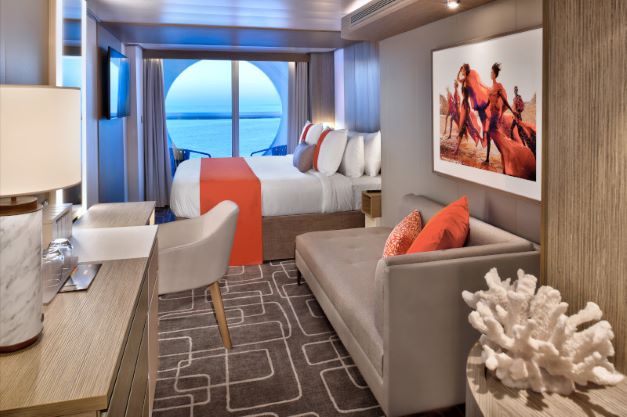 Balcony
Deluxe Porthole view w/Veranda P1.
All staterooms come complete with private bathroom, vanity area, interactive TV, safe, phone, and hairdryer. Veranda staterooms feature: Private veranda that opens up to outdoor seating; Floor-to-ceiling windows and glass doors; King-sized CashmereTM Mattress & eXhale® bedding. Floor-to-ceiling porthole view with private veranda. Centrally located for easy access to all decks. Limited number of staterooms have this unique view. New Cashmere CollectionSMluxury king-sized mattress. Two lower double beds convertible to King (except as noted). Some staterooms may have a trundle bed. Dual voltage 110/220 AC. Plentiful storage space in your bathroom and wardrobe. Smart TV, individual safe and mini-fridge*.
Balcony
Deluxe Porthole view w/Veranda P1.
All staterooms come complete with private bathroom, vanity area, interactive TV, safe, phone, and hairdryer. Veranda staterooms feature: Private veranda that opens up to outdoor seating; Floor-to-ceiling windows and glass doors; King-sized CashmereTM Mattress & eXhale® bedding. Floor-to-ceiling porthole view with private veranda. Centrally located for easy access to all decks. Limited number of staterooms have this unique view. New Cashmere CollectionSMluxury king-sized mattress. Two lower double beds convertible to King (except as noted). Some staterooms may have a trundle bed. Dual voltage 110/220 AC. Plentiful storage space in your bathroom and wardrobe. Smart TV, individual safe and mini-fridge*. 800-525-9696
for Pricing
Balcony
Deluxe Porthole view w/Veranda P2.
All staterooms come complete with private bathroom, vanity area, interactive TV, safe, phone, and hairdryer. Veranda staterooms feature: Private veranda that opens up to outdoor seating; Floor-to-ceiling windows and glass doors; King-sized CashmereTM Mattress & eXhale® bedding. Floor-to-ceiling porthole view with private veranda. Centrally located for easy access to all decks. Limited number of staterooms have this unique view. New Cashmere CollectionSMluxury king-sized mattress. Two lower double beds convertible to King (except as noted). Some staterooms may have a trundle bed. Dual voltage 110/220 AC. Plentiful storage space in your bathroom and wardrobe. Smart TV, individual safe and mini-fridge 800-525-9696
for Pricing
800-525-9696
for Pricing
800-525-9696
for Pricing
Outside
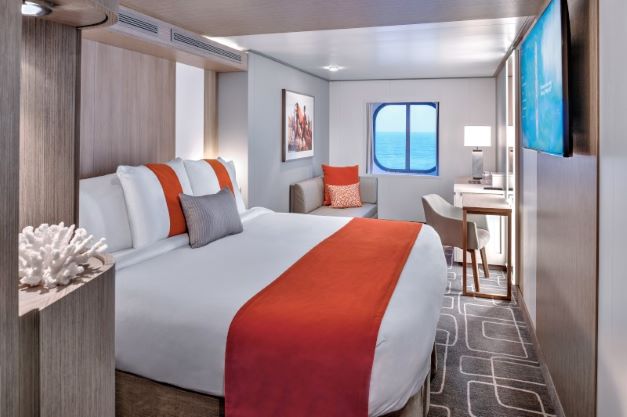 Ocean View Stateroom (O2)
With the largest veranda of any Edge Series stateroom, these offer superb ocean views at the stern of the ship. Take in the stunning views while you relax in your Ocean View Stateroom. Like all Edge Class Staterooms, this stateroom is furnished with pure luxury in mind. From spacious living areas to the comfortable king-sized CashmereSM Mattress you will feel right at home after your day of adventure. Two lower double beds convertible to King (except as noted). Some staterooms may have a trundle bed. Plentiful storage space in your bathroom and wardrobe. Smart TV, individual safe and mini-fridge (Deck 3)
800-525-9696
for Pricing
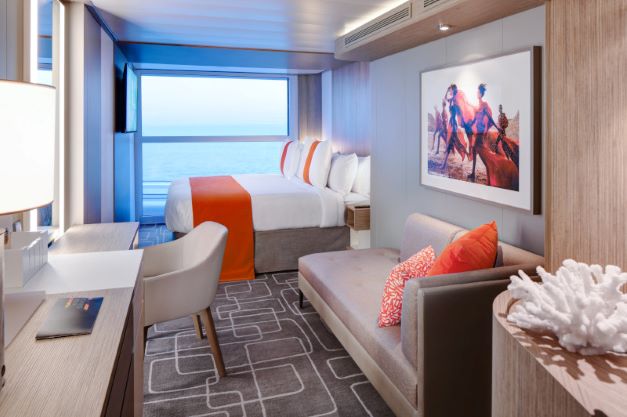 Outside
Panoramic Oceanview Stateroom PO.
All staterooms come complete with private bathroom, vanity area, interactive TV, safe, phone, and hairdryer. Enjoy ever-changing vistas through floor-to-ceiling windows, plus more space than our standard Ocean View Stateroom. Panoramic Ocean View Staterooms are ideal for families and travelers looking to relax in unique luxury. They’re conveniently located forward and mid-ship and furnished for pure indulgence. Private safe and mini-bar
Outside
Panoramic Oceanview Stateroom PO.
All staterooms come complete with private bathroom, vanity area, interactive TV, safe, phone, and hairdryer. Enjoy ever-changing vistas through floor-to-ceiling windows, plus more space than our standard Ocean View Stateroom. Panoramic Ocean View Staterooms are ideal for families and travelers looking to relax in unique luxury. They’re conveniently located forward and mid-ship and furnished for pure indulgence. Private safe and mini-bar 800-525-9696
for Pricing
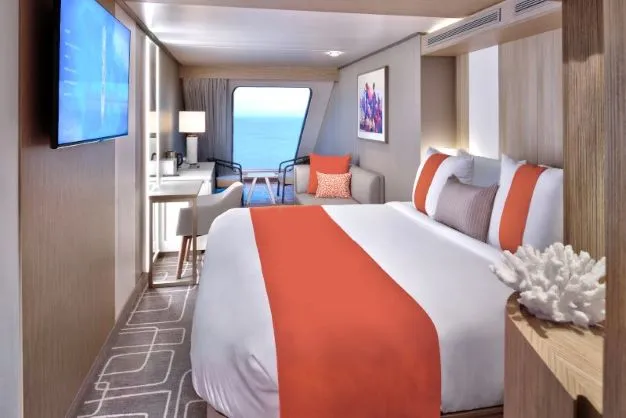 Outside
Deluxe Oceanview Stateroom DO.
Sleeps 2-4. Studio, 1 bath. Stateroom: 238 sqft. Even more space to stretch out. Match your preference: midship, forward & aft options. With ample living space, bigger bathrooms, and more drawer space, Deluxe Inside Staterooms will become your home away from home while on board. Relax at sea after a day that’s as busy or laid back as you wish. Enjoy in-room automation that allows you to control everything from lighting, to temperature, and service with a simple touch screen. You can even choose a setting that will tuck you in and gently wake you in the morning. It’s world-class service at the touch of a button.
Outside
Deluxe Oceanview Stateroom DO.
Sleeps 2-4. Studio, 1 bath. Stateroom: 238 sqft. Even more space to stretch out. Match your preference: midship, forward & aft options. With ample living space, bigger bathrooms, and more drawer space, Deluxe Inside Staterooms will become your home away from home while on board. Relax at sea after a day that’s as busy or laid back as you wish. Enjoy in-room automation that allows you to control everything from lighting, to temperature, and service with a simple touch screen. You can even choose a setting that will tuck you in and gently wake you in the morning. It’s world-class service at the touch of a button. 800-525-9696
for Pricing
Outside
Prime Ocean View O1.
Sleeps 2-4. Studio, 1 bath. Stateroom: 200 sqft. Large porthole window. Midship on Deck 3. Staterooms with a large window and a sitting area where you can kick back and relax after a day that has been as busy or relaxing as you want it. Prime Ocean View Staterooms are located in the most-desirable locations on the ship. Enjoy in-room automation that allows you to control everything from lighting, to temperature, and service with a simple touch screen. You can even choose a setting that will tuck you in and gently wake you in the morning. It’s world-class service at the touch of a button. 800-525-9696
for Pricing
Inside
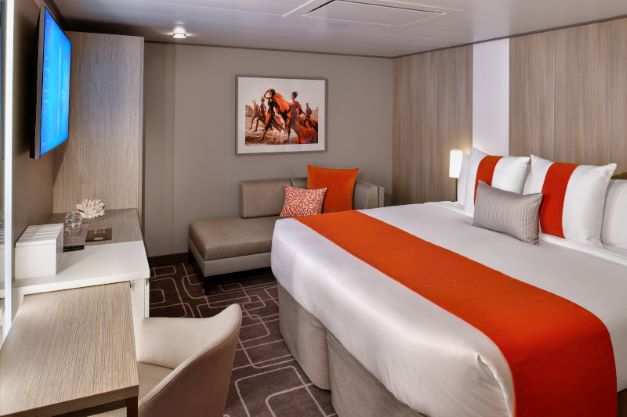 Inside Stateroom (I2)
All staterooms and suites come complete with private bathroom, vanity area, hair-dryer, interactive TV, radio and phone. Celebrity’s eXhale™ bedding featuring the Cashmere Mattress. Two lower double beds convertible to King (except as noted). Some staterooms may have a trundle bed. Dual voltage 110/220 AC. Plentiful storage space in your bathroom and wardrobe. Smart TV, individual safe and mini-fridge*. Stateroom: 181 sq ft. (Decks 3, 6, 7, 8, 9, 10, 11 & 12)
800-525-9696
for Pricing
 Inside
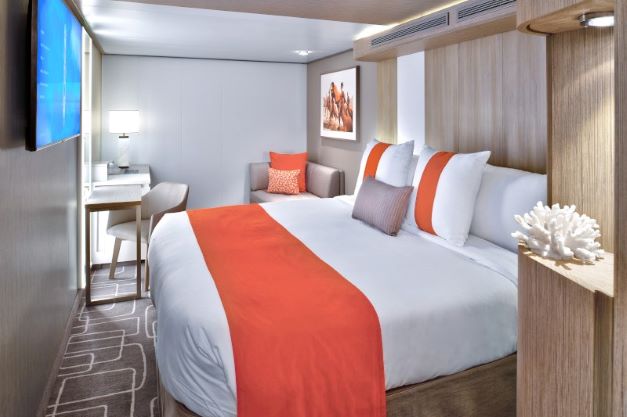
Deluxe Inside Stateroom DI.
Sleeps 2-4. Studio, 1 bath. Stateroom: 202 sqft. Even more space to stretch out. Match your preference: midship, forward & aft options. With ample living space, bigger bathrooms, and more drawer space, Deluxe Inside Staterooms will become your home away from home while on board. Relax at sea after a day that’s as busy or laid back as you wish. Enjoy in-room automation that allows you to control everything from lighting, to temperature, and service with a simple touch screen. You can even choose a setting that will tuck you in and gently wake you in the morning. It’s world-class service at the touch of a button.
Inside
Deluxe Inside Stateroom DI.
Sleeps 2-4. Studio, 1 bath. Stateroom: 202 sqft. Even more space to stretch out. Match your preference: midship, forward & aft options. With ample living space, bigger bathrooms, and more drawer space, Deluxe Inside Staterooms will become your home away from home while on board. Relax at sea after a day that’s as busy or laid back as you wish. Enjoy in-room automation that allows you to control everything from lighting, to temperature, and service with a simple touch screen. You can even choose a setting that will tuck you in and gently wake you in the morning. It’s world-class service at the touch of a button. 800-525-9696
for Pricing
800-525-9696
for Pricing
Before & After Your Cruise
Embarkation City: Athens
Hotels
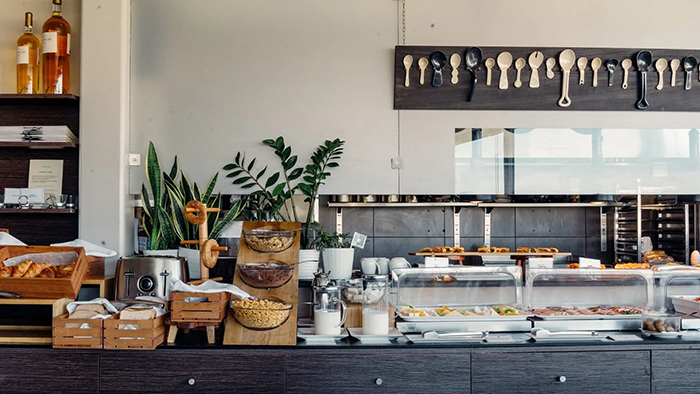
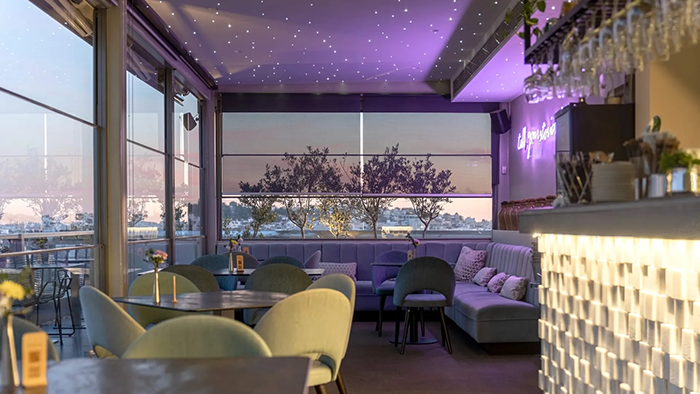
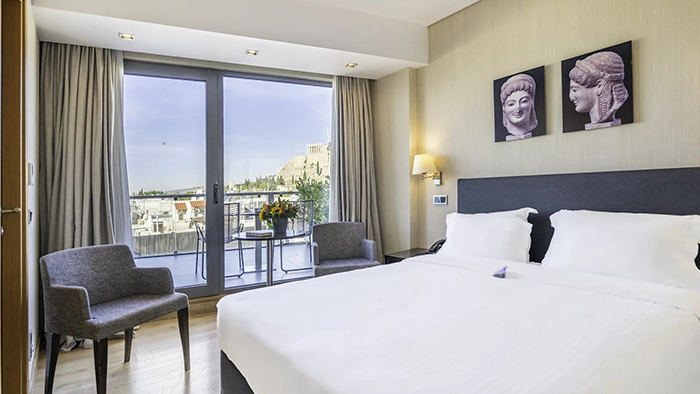
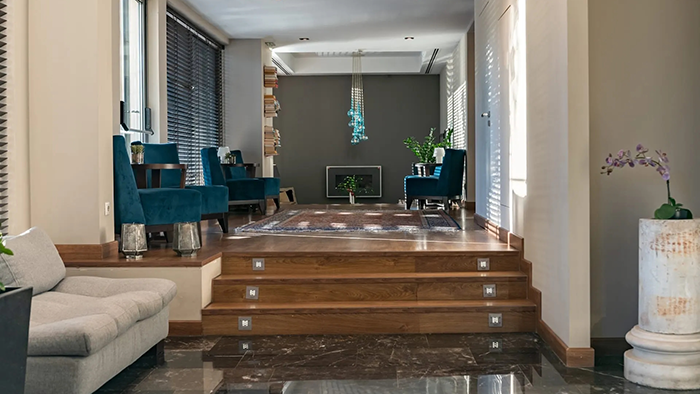
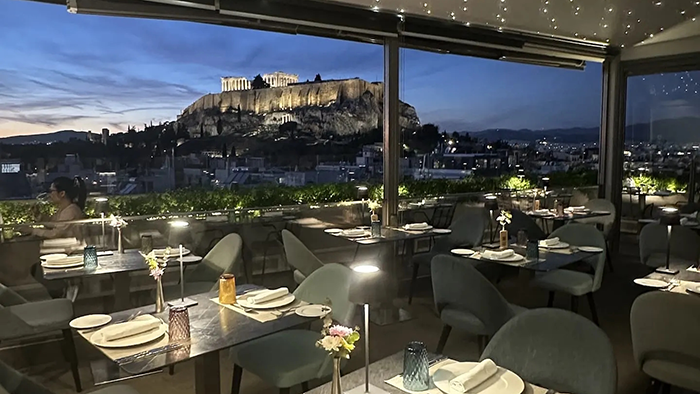
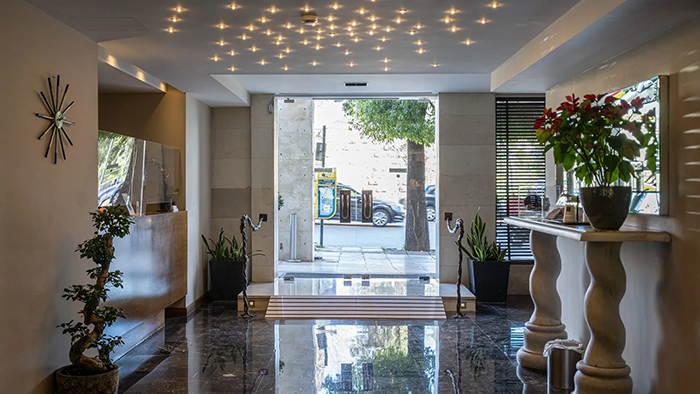
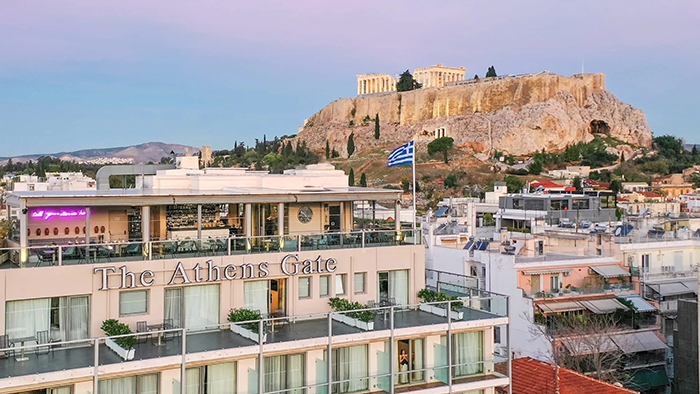
The Athens Gate Hotel
Your Step into History
Athina 117 42, Greece — Athens
![A guest bathroom at in[n]Athens hotel sporting a modern design and a small succulent plant.](https://continuingeducation.net/images/Hotels/ht-innathens-9.webp "A guest bathroom at in[n]Athens hotel sporting a modern design and a small succulent plant.")
![A guest room at in[n]Athens hotel featuring two twin beds and a window with a view of a historic church.](https://continuingeducation.net/images/Hotels/ht-innathens-8.webp)
![A guest room at in[n]Athens hotel featuring a large bed, a sofa, and a sliding door leading to the bathroom.](https://continuingeducation.net/images/Hotels/ht-innathens-7.webp)
![The view of the front of in[n]Athens hotel from across the street.](https://continuingeducation.net/images/Hotels/ht-innathens-6.webp)
![A lemon tree growing at the center of the courtyard at in[n]Athens hotel.](https://continuingeducation.net/images/Hotels/ht-innathens-5.webp)
![A common seating area at in[n]Athens hotel. Stools surround several tables, with bookshelves covered in trinkets built into the walls.](https://continuingeducation.net/images/Hotels/ht-innathens-4.webp)
![Room service being delivered to a guest room at in[n]Athens hotel. A staff member in a beige shirt carries an open faced sandwich with prosciutto, lettuce, tomato, and a balsamic vinaigrette drizzle.](https://continuingeducation.net/images/Hotels/ht-innathens-3.webp)
![The check-in desk at in[n]Athens hotel. A staff member in a purple shirt works at a computer while he waits for the next guest to arrive.](https://continuingeducation.net/images/Hotels/ht-innathens-2.webp)
![The courtyard at in[n]Athens hotel. Guest room balconies overlook the serene space.](https://continuingeducation.net/images/Hotels/ht-innathens-1.webp)
in[n]Athens
Urban Living next to the Acropolis
Souri 3, Athina 105 57, Greece — Athens
At in[n]Athens, you will feel comfortable and at home in a way that your stay will be part of a unique experience in your visit to Athens.
Debarkation City: Barcelona
Hotels
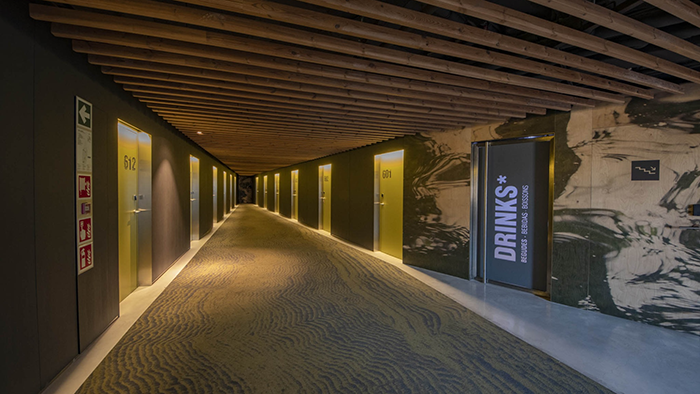

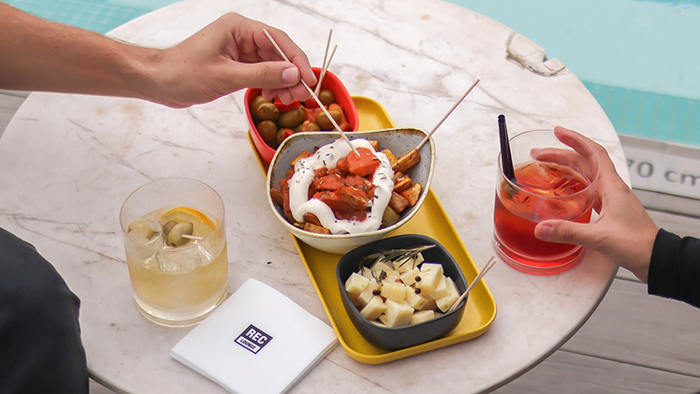
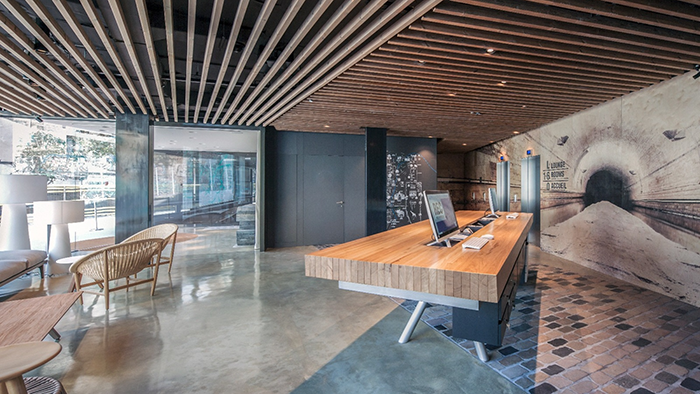
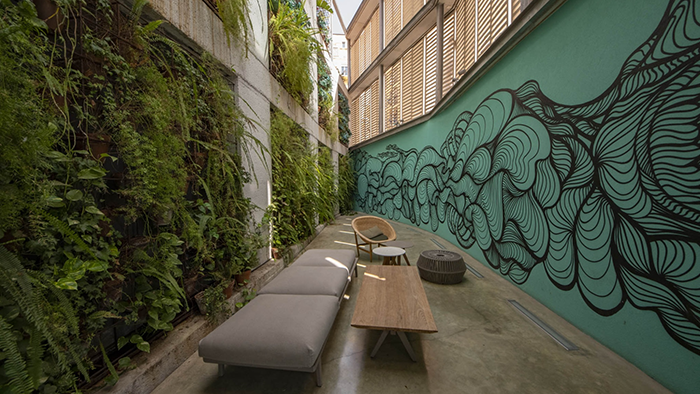
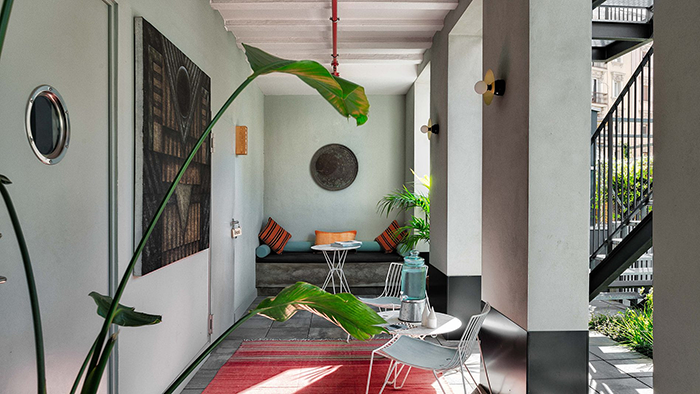
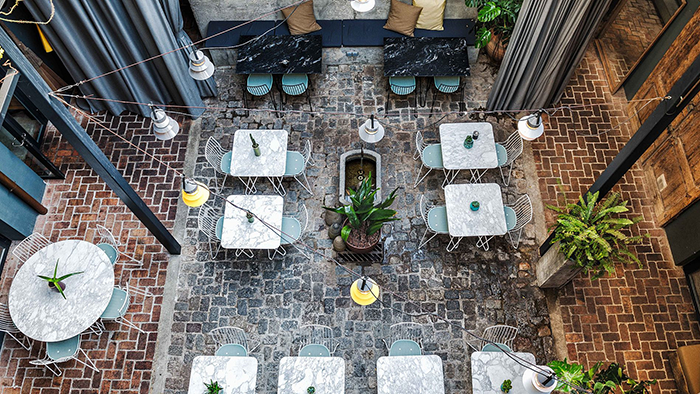
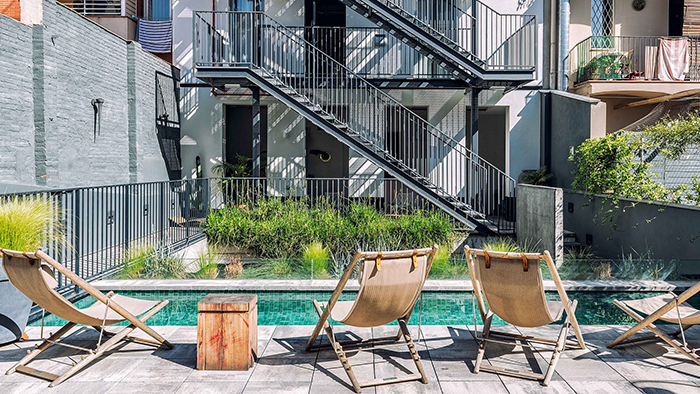
Hotel REC Barcelona
A Modern Adults-Only Hotel
Carrer del Rec Comtal, 19, 08003 Barcelona, Spain — Barcelona
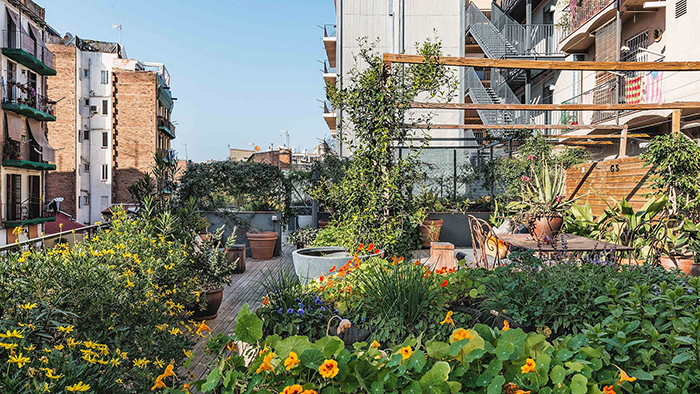
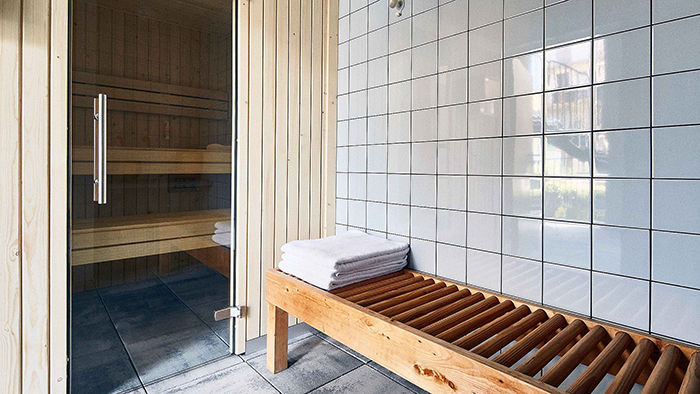
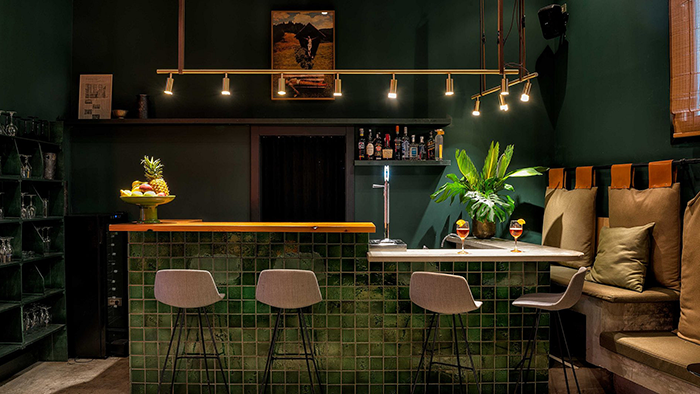
Hotel Brummell
A Cozy Urban Oasis
C/ Nou de la Rambla, 174, 08004 Barcelona, Spain — Barcelona
Protect Your Trip with Allianz Travel Insurance
Allianz Travel Insurance plans can give you flexibility and support when your trip doesn’t go quite as planned. From unexpected flight issues to covered trip cancellations, travel emergencies, and more, travel insurance can help you manage unforeseen events that may impact your trip—giving you peace of mind from the moment you book your trip through your return home.
For an instant quote:
- Simply provide a few short details about your trip
- Review the available protection plans
- Enjoy the peace of mind you deserve
Why Protect your Trip?
Whether you’re planning your next trip or you recently booked one, travel insurance can help smooth over many unexpected travel glitches—while putting your mind at ease, knowing you’re off the hook for covered expenses that could arise from them.
Allianz Travel Insurance plans can provide you benefits and professional support when a covered situation comes up before or during your trip. The following examples may qualify for benefits:
- Cancelling your trip after unexpectedly becoming too sick to travel
- Taking care of a sick or injured traveling companion
- Having to end your trip early due to a family emergency
- Dealing with a flight delay or cancellation
- Needing to buy personal items if your luggage is lost or stolen
- Missing your cruise departure after a covered flight delay
You also can contact our travel protection partner Allianz Global Assistance’s 24/7, award-winning customer service for on-the-go assistance with issues like a medical emergency, replacing your lost passport, or making reservations around the world. To be eligible for a time-sensitive waiver of pre-existing medical condition exclusions, purchase your travel insurance plan within 14 days of initial trip deposit (other purchase requirements and conditions apply). Specific plan benefits may vary. Please review your plan details for more information.
What Can Travel Insurance Help Protect?
Allianz Travel Insurance plans can protect you before and during your trip—keeping you, your loved ones, and your travel budget safer. Benefits vary by plan, and these are brief descriptions. Please read your plan documents for details.
TRIP CANCELLATION
Reimburses your prepaid, non-refundable travel expenses if you need to cancel your trip due to a covered reason, such as you, a family member, or traveling companion experiencing a covered illness or injury. Examples include:
- A doctor says you or a traveling companion is too sick to fly
- Your parent or child requires hospitalization
- You need to attend the birth of a family member’s child
- You have a traffic accident (not breakdown) on the way to the airport
- A storm shuts down your airport for 24 hours or more
TRIP INTERRUPTION
Reimburses your unused, non-refundable travel expenses and increased transportation costs during your trip if you have to return home early due to a covered reason, for instance when a family member has a qualifying medical emergency and needs your care. Examples include:
- You have a covered illness or injury and a doctor says you must return home
- A family member has a qualifying injury and needs your care
- A covered emergency, like a fire or flood, makes your home uninhabitable
TRAVEL DELAY
If you have a covered delay while traveling, travel insurance can reimburse you for meals, accommodations, and transportation expenses when your trip is delayed for a minimum number of consecutive hours for a covered reason. Minimum number of hours varies by plan.
EMERGENCY MEDICAL AND DENTAL CARE
Reimburses your expenses related to covered medical and dental emergencies* that might occur on your trip. This benefit can be especially helpful if you have a covered emergency outside the United States, as most health insurance policies won’t cover you outside the country. Examples include:
- You slip and break your ankle while sightseeing
- You get food poisoning while sampling the local cuisine
- You lose a filling and need immediate dental treatment*
*A sublimit and maximum apply for this benefit. Check your plan documents for details.
EMERGENCY MEDICAL TRANSPORTATION
Arranges and pays for medically necessary transportation following a covered injury or illness to the nearest appropriate medical facility to receive care and get you home after treatment.
BAGGAGE LOSS, DAMAGE, or THEFT
Reimburses the replacement of your lost, damaged, or stolen luggage and personal items while traveling.
BAGGAGE DELAY
Reimburses essential items purchased during your trip if your baggage is delayed for a minimum number of hours (varies by plan).
CHANGE FEE
Reimburses fees if you need to change your flight itinerary due to a covered reason.
24-HOUR ASSISTANCE
Provides around-the-clock support during your trip. Allianz Global Assistance’s staff of multilingual problem solvers can help you with medical, legal, and travel-related emergencies whenever they happen. Medical assistance may include, but is not limited to:
- Medical triage with referrals to local prescreened medical providers
- Ongoing medical monitoring
- Payment guarantee
- Emergency medical transportation
Additional services for travel-related emergencies can help with:
- Missed connecting flights
- Lost/stolen travel documents
- Pre-trip information
- Prescription replacements
Our Promise to You
When you purchase any Allianz Travel Insurance plan, you automatically get 15 days (or more, depending on your state of residence) to review your policy documents. Within that period, you can cancel your plan for a full refund if you’re not satisfied, as long as you haven’t filed a claim or departed on your trip.
Need Help Along the Way?
Contact Allianz Global Assistance’s award-winning team of travel experts. Call anytime for assistance navigating travel mishaps overseas or in the U.S.—or help with everything from reporting lost baggage to locating emergency medical treatment. They can also help you replace passports, refer you to legal assistance, secure cash from home in case of emergency, and guarantee payment when you need to be admitted to a hospital, in some instances.
Contact Allianz Global Assistance
Phone (24/7):
1-800-284-8300 (within the U.S., Canada, Puerto Rico, and the U.S. Virgin Islands)
1-804-281-5700 (outside of the U.S., call collect)
File or Track a Claim
It’s easy and convenient to file and track a claim, upload documents, and more online. Start your claim using your email address or policy number.
File a ClaimIf you need help filing a claim or understanding the claims process, visit the Allianz Global Assistance Claims Center.
Update Your Plan
If you need to update your travel insurance plan, such as adjusting the dates of your plan to reflect itinerary changes, please contact us or manage your plan online so your plan reflects your entire itinerary and provides the right amount of protection for your travels.
Manage My PlanAbout Allianz Global Assistance
Allianz Global Assistance is a world leader in travel insurance and assistance, helping millions of travelers across the globe every year. Allianz Global Assistance is owned by Allianz SE, the world’s largest diversified insurance company. For over 100 years, Allianz SE has helped protect important milestones in American history, insuring the Wright Brothers’ first flight and Golden Gate Bridge construction.
Terms, conditions, and exclusions apply including for pre-existing medical conditions. Insurance benefits underwritten by BCS Insurance Company (OH, Administrative Office: 2 Mid America Plaza, Suite 200, Oakbrook Terrace, IL 60181), rated “A” (Excellent) by A.M. Best Co., under BCS Form No. 52.201 series or 52.401 series, or Jefferson Insurance Company (NY, Administrative Office: 9950 Mayland Drive, Richmond, VA 23233), rated “A+” (Superior) by A.M. Best Co., under Jefferson Form No. 101-C series or 101-P series, depending on your state of residence and plan chosen. A+ (Superior) and A (Excellent) are the 2nd and 3rd highest, respectively, of A.M. Best’s 13 Financial Strength Ratings. Plans only available to U.S. residents and may not be available in all jurisdictions. Allianz Global Assistance and Allianz Travel Insurance are marks of AGA Service Company dba Allianz Global Assistance or its affiliates. Allianz Travel Insurance products are distributed by Allianz Global Assistance, the licensed producer and administrator of these plans and an affiliate of Jefferson Insurance Company. The insured shall not receive any special benefit or advantage due to the affiliation between AGA Service Company and Jefferson Insurance Company. Plans include insurance benefits and assistance services. Any Non-Insurance Assistance services purchased are provided through AGA Service Company. Except as expressly provided under your plan, you are responsible for charges you incur from third parties. Contact AGA Service Company at 800-284-8300 or 9950 Mayland Drive, Richmond, VA 23233 or customerservice@allianzassistance.com.