
COURSE CREDITS & HOURS
16 ACPE Credits
16 ANCC Contact Hours
COURSE FEES
TARGET AUDIENCE
PROGRAM TOPICS
Dr. Hochman's Topics
- Update in the Management of Heart Failure
- Update in the Identification and Treatment of Sepsis
- Opioid Stewardship: A Review of the Epidemiology and Guidelines
- Update in the Management of C. Difficile Colitis
- Update in the Management of COPD Exacerbations
- Staying on Top of Your Game: Most Impactful Articles in Hospital Medicine in 2025-26
- Hospitalists as Change Agents: How Hospital Medicine Drives Quality, Safety, and Value
- Working Smarter, Not Harder: How AI Is Disrupting Medicine for (Mostly) Good
Dr. Rodriguez-Cué's Topics
- Waking Up to the Importance of Sleep
- Discuss the importance of sleep and its link to multiple health conditions
- Recognize how important and common sleep disorders are
- Narcolepsy Evaluation and Management
- Discuss basic knowledge on the diagnosis, pathophysiology, and treatment of narcolepsy
- The Mediterranean and Japanese Diet
- List the basic components of the Mediterranean diet and its health benefits
- Recognize the benefits of the Japanese diet
- Sleep Apnea Diagnosis and Management: Why Primary Care Is Crucial
- Describe the importance of OSA diagnosis and management
- Three Vital Peptides for Sleep and Energy Balance: Leptin, GLP, Orexin
- Provide a basic review of Leptin, GLP, and Orexin
- REM Sleep Behavior Disorder (RBD)
- Understand the clinical features, diagnosis, risk factors, neurodegenerative associations, and treatment of Rem Sleep Behavior Disorder (RBD)
- Use of Telemedicine in Practice
- Identify patients for whom telemedicine is an appropriate method for care
- Provide care using telemedicine
- Chronic Insomnia: Diagnosis and Management
- Review DSM-5 and ICSD-3 diagnostic criteria for insomnia and discuss the safest FDA-approved treatments
IMPORTANT INFORMATION
Faculty
Katherine A. Hochman, MD, MBA, FHM

Associate Chair for Quality
Director, Division of Hospital Medicine
New York, NY
Katherine A. Hochman, MD, MBA, FHM, is an Associate Professor of Medicine at NYU Langone Health, where she serves as the Associate Chair for Quality and the inaugural Director for the Division of Hospital Medicine. She earned her dual undergraduate degree in Biology and English from the University of Pennsylvania before completing her MD and MBA at the University of Miami. Dr. Hochman completed her internal medicine training at the NYU/Bellevue Residency Program, where she was subsequently selected to serve as Chief Medical Resident.
A prominent leader in hospital medicine, Dr. Hochman founded the Hospitalist program at NYU Tisch Hospital in 2004 and has since scaled it into a massive division encompassing over 350 physicians across six hospitals. Her leadership and focus on quality have directly contributed to NYU Langone maintaining a number-one Vizient rank for comprehensive academic hospitals for four consecutive years.
Dr. Hochman’s research and clinical interests focus on creating a culture of safety, enhancing teamwork, refining models of care delivery, and maximizing hospital operational efficiency. Her innovative work on "Discharge Before Noon" has been widely disseminated, and she frequently speaks nationally on these administrative and quality-improvement topics.
Domingo Rodriguez-Cue, MD

Medical Director, SleepWorks Inc. and Martin General Hospital Sleep Center
Sleep Physician, WakeMed Hospital
Adjunct Faculty, UNC School of Dentistry
Raleigh, NC
Dr. Domingo Rodriguez-Cue is a board-certified physician in sleep medicine and family medicine who has dedicated his career to the holistic pillars of health. After earning his medical degree in San Pedro de Macoris in the Dominican Republic, he completed general surgery training at Morristown Memorial Hospital in New Jersey before transferring to East Carolina University (ECU). At ECU, he completed a rural residency program and a faculty development fellowship. Dr. Rodriguez-Cue spent the early part of his career training students and residents at ECU before entering private practice in Williamston, North Carolina. There, he served as Chief of Staff for seven years and provided comprehensive family medicine care, ranging from obstetrics to intensive care. His innovative use of telemedicine in rural practice was also notably featured on ABC’s World News Tonight.
Recognizing sleep as a critical component of overall well-being alongside diet and exercise, Dr. Rodriguez-Cue transitioned his clinical focus and completed specialized training at the Atlanta Sleep School at Northside Hospital. Today, he operates a dedicated sleep practice spanning multiple locations across North Carolina. His clinical work includes a strong pediatric focus and specializes in non-pharmacologic approaches to insomnia, movement disorders, sleep apnea, narcolepsy, and circadian rhythm disorders. He is highly experienced in interpreting comprehensive Level I polysomnograms as well as Level II-IV home-based tests, frequently collaborating with dentists to provide oral appliance therapies alongside traditional CPAP treatments. An active member of the American Academy of Sleep Medicine, the American Academy of Dental Sleep Medicine, CHEST, and the AAFP, Dr. Rodriguez-Cue is also a published author, having contributed a chapter on sleep diagnosis and home sleep apnea testing to the textbook Dental Sleep Medicine: A Clinical Guide.
Accreditation




Cruise Itinerary
| DATE | PORT OF CALL | ARRIVE | DEPART |
|---|---|---|---|
| Wednesday, September 23 | Tokyo (Yokohama), Japan |
- | 4:30 pm |
| Thursday, September 24 | Shimizu (Mt. Fuji), Japan |
7:00 am | 4:00 pm |
| Friday, September 25 | Kyoto (Osaka), Japan Lectures 8:30 AM - 10:30 AM |
11:00 am | - |
| Saturday, September 26 | Kyoto (Osaka), Japan |
- | 6:00 pm |
| Sunday, September 27 | Kochi, Japan |
8:00 am | 5:00 pm |
| Monday, September 28 | Hiroshima, Japan |
9:00 am | 6:00 pm |
| Tuesday, September 29 | *At Sea - Cruising Lectures 8:30 AM - 12:30 PM, 1:30 PM - 4:30 PM |
- | - |
| Wednesday, September 30 | Kagoshima, Japan |
7:00 am | 6:00 pm |
| Thursday, October 1 | Nagasaki, Japan |
8:00 am | 6:00 pm |
| Friday, October 2 | Fukuoka, Japan |
8:00 am | 5:00 pm |
| Saturday, October 3 | Busan, South Korea |
7:00 am | 6:00 pm |
| Sunday, October 4 | *At Sea - Cruising Lectures 8:30 AM - 12:30 PM, 1:30 PM - 4:30 PM |
- | - |
| Monday, October 5 | Seoul (Incheon), South Korea |
5:00 am | - |

Ports of Call
Tokyo (Yokohama), Japan


Seamless Arrival and Acclimatization - Navigating from either Narita (NRT) or Haneda (HND) airport into the city is a masterclass in Japanese efficiency. The Narita Express (N'EX) train offers a swift, comfortable journey directly to major hubs like Tokyo Station and Shinjuku. Alternatively, Airport Limousine Buses provide direct, stress-free service to many major hotels. Once settled, the city's immaculate and punctual subway system makes exploration both simple and intuitive. A prepaid Suica or Pasmo card is your key to unlocking the city, allowing you to tap and go on virtually all trains and buses.
A Suggested 48-Hour Pre-Cruise Itinerary - This mini-itinerary is designed for discovery and enjoyment, allowing you to experience the city's multifaceted character without feeling rushed.

Day 1: The Soul of Old Tokyo
- Morning in Asakusa: Begin your cultural immersion at Senso-ji, Tokyo's oldest and most significant Buddhist temple. Approach through the Kaminarimon (Thunder Gate) and walk the vibrant Nakamise-dori, a bustling market street lined with stalls selling traditional crafts and delectable snacks. This is a perfect, accessible introduction to Japan’s spiritual heart.
- Afternoon on the Sumida River: After the energy of Asakusa, find tranquility with a scenic cruise on the Sumida River. This offers a unique vantage point of the city's architecture, from traditional structures to the soaring Tokyo Skytree, providing a relaxing way to absorb the cityscape.
- Evening in Ueno: Disembark near Ueno Park, a sprawling green space that is the cultural core of the city. It hosts a collection of superb museums, including the Tokyo National Museum, which houses the world's largest collection of Japanese art. For dinner, consider a refined meal in the area, perhaps your first taste of authentic, high-quality sushi or a multi-course *kaiseki* dinner that is as much a feast for the eyes as it is for the palate.
- Morning at Shibuya Crossing: Witness an icon of modern urban life. Find a spot at the second-floor window of the Starbucks overlooking the intersection and watch the mesmerizing, organized chaos of the world's busiest pedestrian crossing. It’s a powerful symbol of Tokyo's energy and precision. Don't forget to visit the nearby statue of Hachiko, the loyal dog whose story has touched hearts worldwide.
- Afternoon in Ginza & Harajuku: From the kinetic energy of Shibuya, transition to the sophisticated elegance of Ginza. This is Tokyo's premier luxury shopping district, where flagship stores of global brands sit beside centuries-old artisan shops and prestigious art galleries. For a complete contrast, take the train one stop from Shibuya to Harajuku. While known for its youth fashion on Takeshita Street, the adjacent Meiji Jingu shrine offers a serene escape. Dedicated to Emperor Meiji and Empress Shoken, this peaceful, forested oasis is a powerful reminder of the reverence for nature and tradition that coexists with urban life.
- Evening in Shinjuku: For your final evening, experience the dynamic district of Shinjuku. Ascend the Tokyo Metropolitan Government Building for breathtaking, and entirely free, panoramic views of the city. As dusk falls, the city lights begin to sparkle. For dinner, the options are limitless. For an authentic, lively experience, navigate the narrow lanes of Omoide Yokocho (“Memory Lane”), where tiny eateries serve up delicious yakitori (grilled skewers). For a more polished finale, choose one of the superb restaurants in the skyscrapers of West Shinjuku, enjoying world-class cuisine with a stunning city view.

Tokyo is a paradise for discerning palates. Beyond Michelin-starred restaurants, the city’s culinary excellence is found everywhere. Savor a bowl of rich, complex ramen in a tiny neighborhood shop, enjoy delicate tempura at a counter-style restaurant, or explore the dazzling *depachika* (basement food halls) of major department stores like Isetan or Mitsukoshi. These are treasure troves of gourmet foods, from perfect pastries to exquisite bento boxes, offering a high-quality, curated taste of Japan's food culture.
By investing in a pre-cruise stay, you are giving yourself the gift of time—time to decompress from the demands of daily life, to connect with a fascinating culture, and to begin your vacation with a sense of wonder and discovery. You will board your ship not in a rush, but with the rich sights, sounds, and flavors of Tokyo as the perfect foundation for the incredible journey ahead.


Shimizu (Mt. Fuji), Japan

Should Fuji remain hidden, the region still offers rich cultural experiences. Shizuoka Prefecture is the heart of Japan's green tea production; a visit to a local plantation provides insight into this revered tradition, from leaf to cup. Nearby Shizuoka City is home to Sunpu Castle Park, the former stronghold of the powerful shogun Tokugawa Ieyasu. While the main keep is a reconstruction, the grounds and moats evoke a strong sense of feudal history. For those seeking a more relaxed day, the area immediately around the port has the S-Pulse Dream Plaza, a modern complex with shops, a Ferris wheel, and a small, enjoyable sushi museum. The true reward of a day in Shimizu is that unforgettable glimpse of Fuji-san, but the area's deep connection to history and nature provides a worthy journey in its own right.
Kyoto (Osaka), Japan


A single day in Kyoto can only scratch the surface of its immense cultural wealth, so a focused plan is paramount. To see the most iconic sites, prioritize the shimmering Golden Pavilion (Kinkaku-ji) and the seemingly endless corridor of red torii gates at Fushimi Inari Shrine. This ambitious route will be rewarding but fast-paced. For a more contemplative experience, consider dedicating your time to the Arashiyama district on Kyoto's western edge, where you can walk through the famed Bamboo Grove and visit the serene Tenryu-ji Temple and its exquisite garden. Alternatively, explore the historic Gion district, the center of geisha culture, and walk the preserved streets of Ninenzaka and Sannenzaka leading up to the grand Kiyomizu-dera Temple.

Do not overlook the merits of staying in Osaka. This city is a destination in its own right, famous for its incredible food scene and dynamic atmosphere. Explore the formidable Osaka Castle, a grand reconstruction of a historic landmark, and then dive into the neon-lit chaos and culinary delights of the Dotonbori district. Here, street food stalls and restaurants serve up local specialties like takoyaki and okonomiyaki. Osaka offers a powerful, modern contrast to Kyoto's preserved traditions and is a far more logistically simple day.
We recommend choosing one city and dedicating your day to it. Attempting to see highlights of both will result in a frantic day spent mostly in transit. Whether you seek the ancient tranquility of Kyoto or the modern pulse of Osaka, a well-planned day will deliver an unforgettable Japanese experience.
Kochi, Japan

The undisputed highlight is Kochi Castle, one of only twelve original castles remaining in Japan. Its wooden keep and preserved palace offer a rare look into the nation's feudal past. The climb to the top rewards with panoramic views of the city and surrounding mountains.
A short walk from the castle is the city's lively culinary heart: Hirome Market. This bustling indoor hall is where locals gather to eat, drink, and socialize. It’s the best place to try the regional specialty, *katsuo no tataki*—bonito seared over a straw fire and served with garlic and citrus. Grab a seat at one of the communal tables for a truly local experience.
For a change of scenery, a bus or taxi ride leads to the picturesque Katsurahama Beach. While not for swimming due to strong currents, its pine-fringed shore and famous statue of samurai visionary Sakamoto Ryoma make it a worthwhile excursion. Kochi provides a manageable and rewarding day focused on genuine history and exceptional local food.
Hiroshima, Japan

The essential starting point is the Peace Memorial Park, a vast and beautifully maintained area in the city center. Here you will find the skeletal A-Bomb Dome (Genbaku Dome), a UNESCO World Heritage Site left standing as a stark reminder of the events of 1945. The park also contains the Children's Peace Monument and the eternal Peace Flame. The adjacent Hiroshima Peace Memorial Museum is a deeply moving, unflinching account of the bombing and its aftermath. We advise allocating sufficient time and emotional space for this visit; its impact is significant and lasting.
Beyond its history, Hiroshima is a vibrant, modern city. A short tram ride away, you can experience its lively culture through its signature dish: Hiroshima-style okonomiyaki. This savory, layered pancake with noodles, cabbage, and various toppings is a delicious and authentic taste of local life.
For many, the highlight is a short ferry ride to the sacred island of Miyajima, home to the Itsukushima Shrine. Its iconic vermilion torii gate, which appears to float on the water at high tide, is one of Japan's most famous sights. With its major restoration now complete, the gate stands in its full, unobscured glory. The island itself is a delight, with friendly wild deer, traditional shops, and the beautiful Daisho-in Temple at the base of Mount Misen. A day trip that includes both the Peace Park and Miyajima is ambitious but achievable with an early start and efficient use of the excellent local tram and ferry network.
At Sea - Cruising
Kagoshima, Japan
Back on the mainland, the city’s other essential experience is Sengan-en Garden. This beautifully preserved landscape garden was the villa of the powerful Shimazu clan, who ruled the region for centuries. The garden masterfully uses the technique of “borrowed scenery,” incorporating the bay and Sakurajima into its design to create breathtaking, perfectly framed views. The adjacent Shoko Shuseikan Museum, a UNESCO World Heritage site, details the clan’s pivotal role in Japan’s industrial revolution and modernization.
Beyond these two highlights, Kagoshima offers a deeper look into a crucial period of Japanese history. The Museum of the Meiji Restoration explores the city’s role as the home of influential samurai like Saigo Takamori, who helped overthrow the shogunate. For a taste of local life, explore the Tenmonkan shopping arcade, and be sure to try regional culinary specialties like tonkatsu made with succulent *kurobuta* (black pork) or a glass of the local sweet potato shochu. Kagoshima provides a compelling blend of raw nature, refined aesthetics, and pivotal history.
Nagasaki, Japan

The city’s most significant sites are dedicated to remembrance. The Nagasaki Peace Park and the adjacent Atomic Bomb Museum are powerful, somber, and impeccably curated. They present the events of August 9, 1945, with a focus on peace and the abolition of nuclear weapons. While emotionally challenging, this experience is fundamental to grasping the city's spirit of resilience.

Beyond this solemn history, Nagasaki reveals a fascinating past as one of the few Japanese ports open to foreign trade during the country's long period of isolation. This legacy is best explored at Glover Garden, an open-air museum of 19th-century Western-style mansions set on a hillside with panoramic views of the harbor. It was in one of these homes that the story of Puccini's *Madame Butterfly* is said to have been inspired. Nearby, the reconstructed island of Dejima offers a glimpse into the lives of the Dutch traders who were confined there for over 200 years.
Nagasaki’s unique culture is also evident in its cuisine. Be sure to try *champon*, a hearty noodle soup born from the city’s Chinese influences, and the delicate *castella* sponge cake, a sweet legacy of Portuguese merchants. The city’s compact layout and excellent streetcar system make it easy to explore these distinct historical layers in a single, memorable day.
Fukuoka, Japan

The city's true heart, however, is its culinary scene. Fukuoka is the undisputed birthplace of tonkotsu (pork bone broth) ramen, and sampling a bowl of rich, creamy Hakata ramen is an essential experience. For a truly local atmosphere, seek out the yatai—open-air food stalls—that line the streets of the Nakasu and Tenjin districts, offering everything from grilled skewers to tempura in a lively, informal setting.

Beyond the food, history is easily within reach. The serene grounds of Shofukuji, Japan's first Zen temple, offer a peaceful retreat from the city bustle. Nearby, the venerable Kushida Shrine, a guardian deity of the city, provides a glimpse into local spiritual life. For a pleasant walk, explore the stone walls and foundations of the Fukuoka Castle Ruins, set within the spacious Ohori Park, which also features a beautiful traditional Japanese garden.
Fukuoka's primary appeal lies in its manageability. The city center is compact and served by an efficient subway system, making it an excellent port for independent exploration. It provides a genuine, unpretentious look at a thriving Japanese city where ancient traditions and modern life comfortably coexist.
Busan, South Korea
For a profound sense of history, visit Beomeo-sa Temple, a sprawling complex founded in the 7th century that offers a peaceful retreat from the city's pace. Alternatively, Haedong Yonggungsa Temple presents a dramatic scene, uniquely built into the coastal cliffs overlooking the sea—a rare and beautiful setting for a Buddhist temple.
To experience the city's vibrant daily life, immerse yourself in the Jagalchi Fish Market. It is an exhilarating sensory experience where you can witness the local seafood trade and even sample the fresh catch at an upstairs restaurant. Nearby, the sprawling Gukje Market offers everything from traditional goods to modern fashion, reflecting the city's long history as a center of commerce.
A short journey away, the Gamcheon Culture Village is a highlight. Once a hillside slum, it has been transformed into a living art installation, with brightly colored houses, narrow winding alleys, and whimsical sculptures creating a truly unique and photogenic landscape. For a glimpse of modern Busan, Haeundae Beach is a wide stretch of sand backed by a gleaming skyline. While it's a bustling urban beach, it provides a pleasant place to observe contemporary Korean leisure. Busan offers a rich, accessible slice of culture that more than fills a day in port.
Seoul (Incheon), South Korea
As your cruise concludes in the port of Incheon, the gateway to this metropolis, your journey is far from over. Consider this not an end, but an invitation to immerse yourself in the captivating soul of South Korea. A post-cruise stay of one to three days is the perfect coda to your voyage, offering a seamless transition from sea to city and a chance to experience a culture that masterfully blends ancient tradition with hyper-modern innovation. After days of intellectual engagement at your conference, this is your opportunity to fully unwind and explore.
Transitioning from the port to the city is remarkably efficient. A direct AREX express train connects Incheon to Seoul Station in under an hour, while comfortable limousine buses and readily available taxis offer convenient alternatives. This logistical ease allows you to maximize your time, diving straight into your exploration.
A Suggested Itinerary for Your Extended Stay: - Day 1: A Journey into Royal History & Tradition
Dedicate your first day to the city’s dynastic heart. Begin at Gyeongbokgung Palace, the grandest of the Joseon Dynasty’s Five Grand Palaces. Witness the stirring Royal Guard Changing Ceremony, a vibrant display of historical pageantry that brings the past to life. From there, wander into the adjacent Bukchon Hanok Village. Here, time seems to slow as you navigate the quiet, hilly lanes lined with hundreds of traditional Korean houses (*hanok*). For a truly memorable experience, consider renting a colorful *hanbok* (traditional attire) to wear as you explore. In the afternoon, meander through the charming streets of Insadong, a neighborhood brimming with art galleries, traditional teahouses, and artisan shops perfect for finding a unique, handcrafted souvenir. Conclude your day with a *hanjeongsik*, a traditional Korean set meal, featuring a dazzling array of small, flavorful dishes that offer a comprehensive taste of the nation's cuisine.
Day 2: The Pulse of Modern Seoul & Culinary Adventure - After a day steeped in history, experience the exhilarating pulse of modern Seoul. Head to the famed Gangnam district, a symbol of the city's economic prowess, known for its upscale boutiques and the stunning Starfield Library inside the COEX mall—a book lover's paradise. As evening approaches, immerse yourself in the neon-lit energy of Myeongdong. This district is a global hub for K-beauty, with countless shops offering innovative skincare products. But it’s the street food that truly steals the show. Graze your way through a culinary wonderland, sampling everything from spicy *tteokbokki* (rice cakes) and sweet *hotteok* (filled pancakes) to savory chicken skewers. For a breathtaking panoramic view of the sprawling cityscape, take the cable car up to N Seoul Tower on Namsan Mountain, timing your visit for sunset. For dinner, a classic Korean BBQ experience, where you grill marinated meats at your table, is an essential and social culinary ritual.
Day 3: Deeper Insights & Departure - On your final day, choose an experience that resonates with you. For a profound understanding of modern Korean history, a pre-booked tour to the Demilitarized Zone (DMZ) offers a sobering and unforgettable look at the world's most heavily fortified border. If your interests are more culinary, dive into the controlled chaos of Gwangjang Market, one of the oldest and largest traditional markets in Seoul. Join locals at a food stall to savor authentic *bindaetteok* (mung bean pancakes) and *mayak gimbap* (addictive mini seaweed rolls). Alternatively, the National Museum of Korea provides a serene and comprehensive journey through the country's art and history. When it’s time to depart, the city’s excellent transportation network ensures a stress-free journey to Incheon International Airport (ICN), leaving you with rich memories of a city that is as deeply historic as it is dynamically futuristic. Don't rush home; allow Seoul to reveal its many layers. It’s the perfect, enriching conclusion to your time away.
We can assist you with all your travel arrangements. We'd be happy to help you plan your flights, hotels, or tours before and/or after your cruise conference.
PLEASE NOTE: To attend the conference, participants must book their cruise accommodations through University at Sea®. This ensures we can provide full conference services and complimentary social amenities to meeting participants and guests. Participants' family and friends are welcome to book within our group allotment and take advantage of our typically excellent rates.
Request a Quote online or by voice at 800-525-9696 (US/Can) or direct/int'l tel +1-727-526-1571.
Prices below are for the full cruise including meals and evening entertainment
Suites
 Suite/Deluxe
Penthouse Suite PS.
Unwind in modern spaces that will make you feel on top of the world. Relax in ultimate luxury on your private veranda. Lounge in the king-size Cashmere™ Mattress in your bedroom. Enjoy VIP treatment with your butler, expansive lounge areas and much more.
So much more than a suite, The Retreat® isn’t a place. It isn’t an amenity. It isn’t a service. It’s all of this and more. The Retreat includes stunning accommodations, a private restaurant, and exclusive lounge and sundeck* that rival any high-end resort. Your dedicated team of attendants, concierges, and your Personal Retreat Host will do everything to ensure you never have to lift a finger on vacation.
Escape to this spacious suite with living and dining areas and a private terrace with a hot tub.
Suite/Deluxe
Penthouse Suite PS.
Unwind in modern spaces that will make you feel on top of the world. Relax in ultimate luxury on your private veranda. Lounge in the king-size Cashmere™ Mattress in your bedroom. Enjoy VIP treatment with your butler, expansive lounge areas and much more.
So much more than a suite, The Retreat® isn’t a place. It isn’t an amenity. It isn’t a service. It’s all of this and more. The Retreat includes stunning accommodations, a private restaurant, and exclusive lounge and sundeck* that rival any high-end resort. Your dedicated team of attendants, concierges, and your Personal Retreat Host will do everything to ensure you never have to lift a finger on vacation.
Escape to this spacious suite with living and dining areas and a private terrace with a hot tub. 800-525-9696
for Pricing
 Suite/Deluxe
Royal Suite RS.
Unwind in a luxuriously large living and dining area featuring floor to ceiling panoramic windows, a Primary bedroom featuring a king-sized Cashmere™ Mattress with Celebrity’s eXhale® bedding , a Primary bathroom with a large soaking tub, a separate shower, and a double sink vanity, and a spacious private veranda. No matter where you are in this suite, you’ll enjoy stunning views of the sea.
So much more than a suite, The Retreat® isn’t a place. It isn’t an amenity. It isn’t a service. It’s all of this and more. The Retreat includes stunning accommodations, a private restaurant, and exclusive lounge and sundeck* that rival any high-end resort. Your dedicated team of attendants, concierges, and your Personal Retreat Host will do everything to ensure you never have to lift a finger on vacation.
Unwind in this two-room suite that features a large living and dining area with floor-to-ceiling panoramic windows for stunning views from every angle.
Suite/Deluxe
Royal Suite RS.
Unwind in a luxuriously large living and dining area featuring floor to ceiling panoramic windows, a Primary bedroom featuring a king-sized Cashmere™ Mattress with Celebrity’s eXhale® bedding , a Primary bathroom with a large soaking tub, a separate shower, and a double sink vanity, and a spacious private veranda. No matter where you are in this suite, you’ll enjoy stunning views of the sea.
So much more than a suite, The Retreat® isn’t a place. It isn’t an amenity. It isn’t a service. It’s all of this and more. The Retreat includes stunning accommodations, a private restaurant, and exclusive lounge and sundeck* that rival any high-end resort. Your dedicated team of attendants, concierges, and your Personal Retreat Host will do everything to ensure you never have to lift a finger on vacation.
Unwind in this two-room suite that features a large living and dining area with floor-to-ceiling panoramic windows for stunning views from every angle. 800-525-9696
for Pricing
 Suite/Deluxe
Celebrity Suite CS.
These two-room suites feature a large living area with floor to ceiling panoramic windows, private veranda, and a primary bedroom with a king-sized bed from our signature CashmereTM Mattress. When you stay in a Celebrity Suite, you'll enjoy the luxury of a butler. This includes assistance with unpacking and packing. In-suite lunch and dinner service. Afternoon tea. Evening hors d'oeuvres and complimentary in-suite specialty coffees from Café al Bacio.
So much more than a suite, The Retreat® isn’t a place. It isn’t an amenity. It isn’t a service. It’s all of this and more. The Retreat includes stunning accommodations, a private restaurant, and exclusive lounge and sundeck* that rival any high-end resort. Your dedicated team of attendants, concierges, and your Personal Retreat Host will do everything to ensure you never have to lift a finger on vacation.
Spacious two-room suites that feature a large living and dining area with floor-to-ceiling panoramic windows for stunning views from every angle.
Suite/Deluxe
Celebrity Suite CS.
These two-room suites feature a large living area with floor to ceiling panoramic windows, private veranda, and a primary bedroom with a king-sized bed from our signature CashmereTM Mattress. When you stay in a Celebrity Suite, you'll enjoy the luxury of a butler. This includes assistance with unpacking and packing. In-suite lunch and dinner service. Afternoon tea. Evening hors d'oeuvres and complimentary in-suite specialty coffees from Café al Bacio.
So much more than a suite, The Retreat® isn’t a place. It isn’t an amenity. It isn’t a service. It’s all of this and more. The Retreat includes stunning accommodations, a private restaurant, and exclusive lounge and sundeck* that rival any high-end resort. Your dedicated team of attendants, concierges, and your Personal Retreat Host will do everything to ensure you never have to lift a finger on vacation.
Spacious two-room suites that feature a large living and dining area with floor-to-ceiling panoramic windows for stunning views from every angle. 800-525-9696
for Pricing
 Suite/Deluxe
Sky Suite S1.
The perfectly designed Sky Suite offers a blend of expansive views and intimate luxury. These large suites feature a king-sized* bed from our signature Cashmere™ Mattress and a spacious, private veranda. Be welcomed with a bottle of sparkling wine and enjoy the luxury of your butler throughout your stay. Plus, enjoy exclusive access to Luminae, sundeck and lounge, reserved only for guests of The Retreat.
So much more than a suite, The Retreat® isn’t a place. It isn’t an amenity. It isn’t a service. It’s all of this and more. The Retreat includes stunning accommodations, a private restaurant, and exclusive lounge and sundeck* that rival any high-end resort. Your dedicated team of attendants, concierges, and your Personal Retreat Host will do everything to ensure you never have to lift a finger on vacation. These suites feature a king-sized bed that faces the floor-to-ceiling window and sliding glass door that leads to a private veranda.
Suite/Deluxe
Sky Suite S1.
The perfectly designed Sky Suite offers a blend of expansive views and intimate luxury. These large suites feature a king-sized* bed from our signature Cashmere™ Mattress and a spacious, private veranda. Be welcomed with a bottle of sparkling wine and enjoy the luxury of your butler throughout your stay. Plus, enjoy exclusive access to Luminae, sundeck and lounge, reserved only for guests of The Retreat.
So much more than a suite, The Retreat® isn’t a place. It isn’t an amenity. It isn’t a service. It’s all of this and more. The Retreat includes stunning accommodations, a private restaurant, and exclusive lounge and sundeck* that rival any high-end resort. Your dedicated team of attendants, concierges, and your Personal Retreat Host will do everything to ensure you never have to lift a finger on vacation. These suites feature a king-sized bed that faces the floor-to-ceiling window and sliding glass door that leads to a private veranda. 800-525-9696
for Pricing
Suite/Deluxe
Aqua Sky Suite AS.
Introducing our Aqua Sky Suites, which combine our well-being inspired AquaClass experience with exclusive spaces, services, and amenities of The Retreat® to leave you more renewed than ever.
So much more than a suite, The Retreat® isn’t a place. It isn’t an amenity. It isn’t a service. It’s all of this and more. The Retreat includes stunning accommodations, a private restaurant, and exclusive lounge and sundeck* that rival any high-end resort. Your dedicated team of attendants, concierges, and your Personal Retreat Host will do everything to ensure you never have to lift a finger on vacation. The perfectly designed Aqua Sky Suite offers a blend of wellness, expansive views and intimate luxury.
These large suites feature a king-size bed with our signature CashmereTM Mattress and a spacious, private veranda. The split bathroom features a large spa tub with shower. 800-525-9696
for Pricing
Balcony
 AquaClass Stateroom (A2)
All staterooms and suites come complete with private bathroom, vanity area, hair-dryer, interactive TV, radio and phone. Specialty restaurant Blu, only for AquaClass guests. Unlimited access to Persian Garden spa lounge. Personal spa concierge. Hansgrohe shower panel. Wellness Channel - On Demand AquaClass Programming (only available on SL Class Ships). Daily delivery of flavored tea. Stateroom: 209 sq ft. veranda 42 sq ft. *Additional charges apply. (Deck Sky)
800-525-9696
for Pricing
Prime Concierge Class Stateroom (C1)Sleeps 2-3. Studio, 1 bath. Stateroom: 209 sqft. Veranda: 42 sqft. Majority are midship. Limited number face aft. Central location. Priority Debarkation. Our meticulously thought out Prime Concierge Class staterooms with infinite veranda, where the little details make a world of difference, are now even better. Featuring services, amenities, and exclusive events, step inside and discover a room that’s so much more than a room—it’s an experience. Prime Concierge Class staterooms are well-appointed, personal retreats located in the most-desirable locations on the ship. As a Concierge Class guest, your team of dedicated professionals will take care of all your vacation needs. The in-room automation allows you to control everything from lighting, to shades, to temperature, and service with a simple touch screen. You can even choose a setting that will tuck you in and gently wake you in the morning. It’s world-class service at the touch of a button. Service: Enhanced room service breakfast menu Personalized Concierge service Exclusive Destination Seminar Complimentary shoeshine service Dining: Main seating time preferences Exclusive Concierge Class lunch Amenities: Welcome sparkling wine* Daily delectable delights Pillow selection upon request Use of golf umbrella and binoculars Celebrity embossed key holder Plush 100% cotton towels and bathrobes Laundry service (with a charge) and complimentary beach towel service Hairdryer Custom blended bath products* (shampoo, conditioner, body lotion, soap, shower cap) Stateroom Features: Floor-to-ceiling sliding glass door Sitting area with sofa Veranda with lounge seating . (Also available as: Triple) (Decks Panorama & Vista)
800-525-9696
for Pricing
Prime Concierge Class Stateroom (C1)Sleeps 2-3. Studio, 1 bath. Stateroom: 209 sqft. Veranda: 42 sqft. Majority are midship. Limited number face aft. Central location. Priority Debarkation. Our meticulously thought out Prime Concierge Class staterooms with infinite veranda, where the little details make a world of difference, are now even better. Featuring services, amenities, and exclusive events, step inside and discover a room that’s so much more than a room—it’s an experience. Prime Concierge Class staterooms are well-appointed, personal retreats located in the most-desirable locations on the ship. As a Concierge Class guest, your team of dedicated professionals will take care of all your vacation needs. The in-room automation allows you to control everything from lighting, to shades, to temperature, and service with a simple touch screen. You can even choose a setting that will tuck you in and gently wake you in the morning. It’s world-class service at the touch of a button. Service: Enhanced room service breakfast menu Personalized Concierge service Exclusive Destination Seminar Complimentary shoeshine service Dining: Main seating time preferences Exclusive Concierge Class lunch Amenities: Welcome sparkling wine* Daily delectable delights Pillow selection upon request Use of golf umbrella and binoculars Celebrity embossed key holder Plush 100% cotton towels and bathrobes Laundry service (with a charge) and complimentary beach towel service Hairdryer Custom blended bath products* (shampoo, conditioner, body lotion, soap, shower cap) Stateroom Features: Floor-to-ceiling sliding glass door Sitting area with sofa Veranda with lounge seating (Decks Panorama & Vista)
800-525-9696
for Pricing
Balcony
Prime AquaClass Stateroom A1.
Sleeps 2. Studio, 1 bath. Stateroom: 191 sqft. Veranda: 62 sqft. Highest decks: even more expansive views. Limited number face aft for mesmerizing views. Wellness is so fundamental to our philosophy, we offer AquaClass® staterooms for a fully immersive, next-level wellness experience. Prime AquaClass staterooms are well-appointed, personal retreats located in the most-desirable locations on the ship. Savor clean cuisine, including new healthy options, at your exclusive restaurant, Blu. Plus, you’ll enjoy access to the Persian Garden, a spa concierge, a complimentary fitness pass, preferential rates on AquaClass spa packages, daily in-room bottled water service, healthy room-service menu options, and a yoga mat for use on board. We’ve thought of everything so that you can focus on nourishing your mind, body, and spirit. 800-525-9696
for Pricing
 Balcony
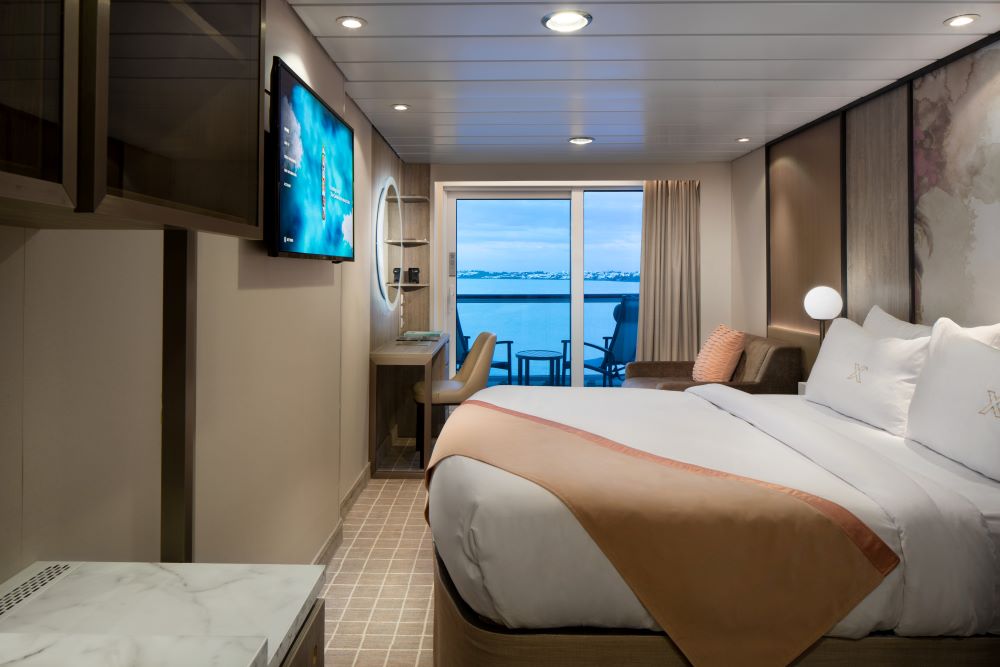
Ultra Deluxe Concierge Class Stateroom UC.
Sleeps 2. Studio, 1 bath. Stateroom: 209 sqft. Veranda: 42 sqft. Expanded veranda: even more space to stretch out. Limited number. Priority Debarkation. Our meticulously thought out Concierge Class staterooms, where the little details make a world of difference, are now even better. Ultra Deluxe Concierge Class staterooms are well-appointed, personal retreats with an expanded veranda. Featuring services, amenities, and exclusive events, step inside and discover a room that’s so much more than a room—it’s an experience. As a Concierge Class guest, your team of dedicated professionals will take care of all your vacation needs.
Balcony
Ultra Deluxe Concierge Class Stateroom UC.
Sleeps 2. Studio, 1 bath. Stateroom: 209 sqft. Veranda: 42 sqft. Expanded veranda: even more space to stretch out. Limited number. Priority Debarkation. Our meticulously thought out Concierge Class staterooms, where the little details make a world of difference, are now even better. Ultra Deluxe Concierge Class staterooms are well-appointed, personal retreats with an expanded veranda. Featuring services, amenities, and exclusive events, step inside and discover a room that’s so much more than a room—it’s an experience. As a Concierge Class guest, your team of dedicated professionals will take care of all your vacation needs. 800-525-9696
for Pricing
Balcony
Concierge Class Stateroom C2.
All staterooms and suites come complete with private bathroom, vanity area, hair-dryer, interactive TV, radio and phone. Personalized Concierge service. Priority check-in Exclusive embarkation day lunch. Destination Seminar. Exclusive pre-departure lounge. Priority debarkation. Main & specialty restaurant seating time preferences. Welcome sparkling wine and fresh fruit. Daily delivery of afternoon savories. Stateroom: 204 sq ft. veranda 42 sq ft.
*Additional charges apply. 800-525-9696
for Pricing
 Balcony
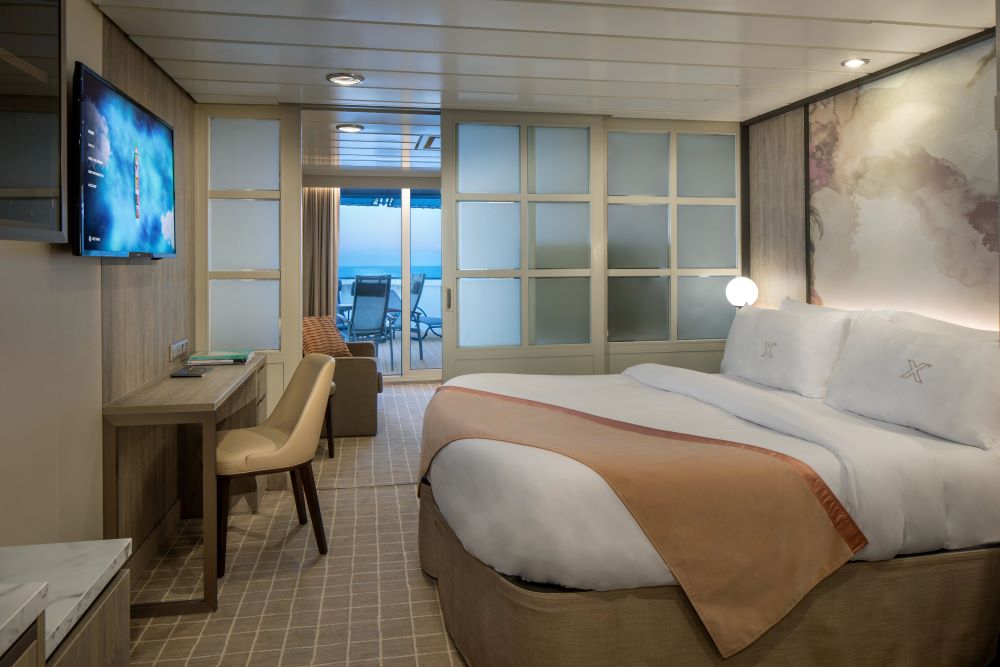
Ultra Deluxe Veranda Stateroom UV.
Sleeps 5. 2 room (partition), 1 bath. Stateroom: 296 sqft. Veranda: 210 sqft. Massive veranda fits whole family or friend group. Faces aft. Mid to high decks. Just you and sunsets. Spacious staterooms located in the aft of the ship, each with its own extra-large private veranda to enjoy the beautiful sunsets. Ultra Deluxe Veranda Staterooms have the largest veranda of any Millennium Series stateroom offering superb ocean views at the stern of the ship.
Balcony
Ultra Deluxe Veranda Stateroom UV.
Sleeps 5. 2 room (partition), 1 bath. Stateroom: 296 sqft. Veranda: 210 sqft. Massive veranda fits whole family or friend group. Faces aft. Mid to high decks. Just you and sunsets. Spacious staterooms located in the aft of the ship, each with its own extra-large private veranda to enjoy the beautiful sunsets. Ultra Deluxe Veranda Staterooms have the largest veranda of any Millennium Series stateroom offering superb ocean views at the stern of the ship. 800-525-9696
for Pricing
Balcony
Sunset Veranda Stateroom SV.
All staterooms and suites come complete with private bathroom, vanity area, interactive TV, safe, phone, and hairdryer. Enjoy fresh sea breezes and soak in superb ocean views at the stern of the ship. Premium bath products, Interactive TV, Twice daily service (makeup and turndown). Celebrity eXhaleTM Bedding. 24-hour room service. Complimentary shopping bag. Mini-bar*. Stateroom: 209 sq ft. / Veranda: 42 sq ft.
*Additional charges apply. 800-525-9696
for Pricing
Balcony
Deluxe Veranda Stateroom DV.
Sleeps 2-3. Studio, 1 bath. Stateroom: 175 sqft. Veranda: 38 sqft. Larger veranda to stretch out even further. Forward and aft options. Ample indoor and outdoor space come together to create your private sanctuary at sea. Relax on your spacious veranda and enjoy amenities that all contribute to your luxury experience. Your personal veranda lets you greet the day and enjoy fresh sea breezes. 800-525-9696
for Pricing
Balcony
Prime Veranda Stateroom V1.
Sleeps 2-3. Studio, 1 bath. Stateroom: 175 sqft. Veranda: 38 sqft. Higher decks for even more expansive views. Or midship on central deck for easy access to all decks. Indoor and outdoor space come together to create your private sanctuary at sea. Relax in a spacious stateroom and enjoy amenities that all contribute to your luxury experience. Prime Veranda staterooms are well-appointed, personal retreats located in the most-desirable locations on the ship. 800-525-9696
for Pricing
Balcony
Veranda Stateroom V2.
Sleeps 2-4. Studio, 1 bath. Stateroom: 175 sqft. Veranda: 38 sqft. Match your preference w/several location options. Add convenience, space: some have option to connect. Indoor and outdoor space come together to create your private sanctuary at sea. Relax in a spacious stateroom and enjoy amenities that all contribute to your luxury experience. Your personal veranda lets you greet the day and enjoy fresh sea breezes. 800-525-9696
for Pricing
Outside
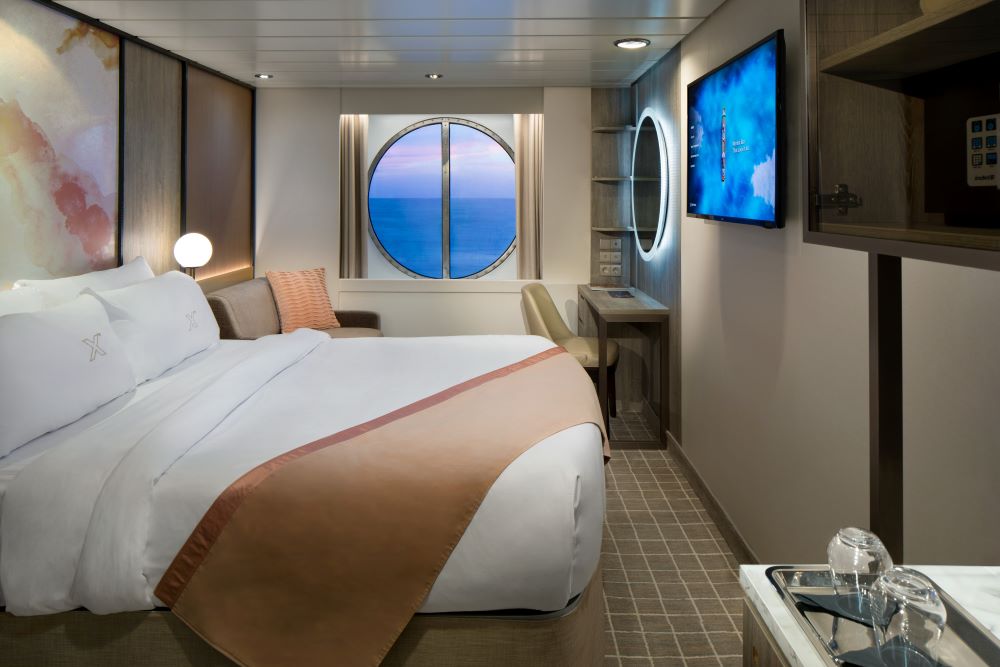 Prime Oceanview Stateroom (O1)
Sleeps 2-4. Studio, 1 bath. 170 sqft. Large porthole window. Forward on higher decks. Or midship on lower decks. Expansive views make Ocean View Staterooms the ideal place to unwind at sea. These perfectly indulgent spaces come furnished with Celebrity’s eXhale(R) bedding featuring the luxury king sized* CashmereTM Mattress and everything else a modern traveler needs. Prime Ocean View staterooms are well-appointed, personal retreats located in the most-desirable locations on the ship. (Decks Penthouse, Continental, Plaza & Vista)
800-525-9696
for Pricing
Oceanview Stateroom (O2)Sleeps 2-4. Studio, 1 bath. 171 sqft. Large porthole window. Forward and aft on lower decks. Ocean View Staterooms, the ideal place to unwind at sea. These perfectly indulgent spaces come furnished with Celebrity’s eXhale(R) bedding featuring the luxury king sized* CashmereTM Mattress and everything else a modern traveler needs. . (Also available as: Quad) (Decks Continental & Plaza)
800-525-9696
for Pricing
Oceanview Stateroom (O2)Sleeps 2-4. Studio, 1 bath. 171 sqft. Large porthole window. Forward and aft on lower decks. Ocean View Staterooms, the ideal place to unwind at sea. These perfectly indulgent spaces come furnished with Celebrity’s eXhale(R) bedding featuring the luxury king sized* CashmereTM Mattress and everything else a modern traveler needs. (Decks Continental & Plaza)
800-525-9696
for Pricing
Outside
Deluxe Oceanview Stateroom DO.
Sleeps 2. Studio, 1 bath. 171 sqft. Even more space for everyone to stretch out Central location: easy access to all decks. Expansive views make Ocean View Staterooms the ideal place to unwind at sea. These perfectly indulgent spaces come furnished with Celebrity’s eXhale(R) bedding featuring the luxury king sized* CashmereTM Mattress and everything else a modern traveler needs. 800-525-9696
for Pricing
Inside
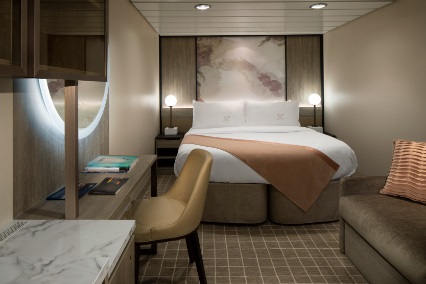 Inside Stateroom (I2)
All staterooms and suites come complete with private bathroom, vanity area, hair-dryer, interactive TV, radio and phone. Our signature friendly, personalized service. Custom blended bath products. Interactive Samsung flat-screen television. Twice daily service (makeup and turndown). Celebrity eXhale™ bedding. Private safe. 24-hour room service. Private mini-bar. Complimentary tote bag. *Additional charges apply. (Decks Continental & Plaza)
800-525-9696
for Pricing
Inside
Prime Inside Stateroom I1.
Sleeps 2-4. Studio, 1 bath. 170 sqft. Higher decks: closer to pool, other outdoor venues. Add convenience, space: some have option to connect. Your escape at sea, Inside Staterooms offer ample living space, including a sitting area and a flat screen TV. Each inside stateroom on board Celebrity includes world-class amenities. Prime Inside staterooms are well-appointed, personal retreats located in the most-desirable locations on the ship. 800-525-9696
for Pricing
Before & After Your Cruise
Embarkation City: Tokyo
Hotels
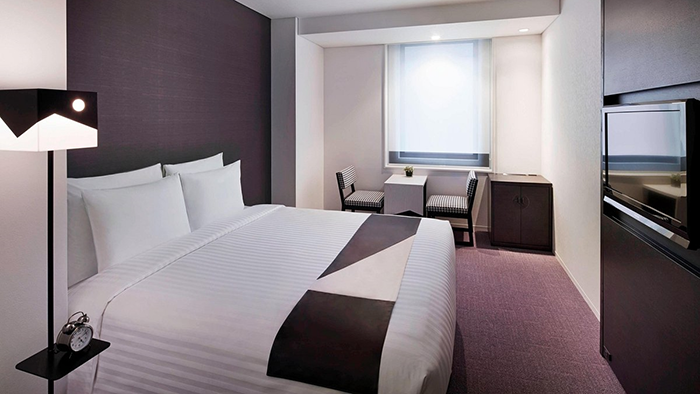
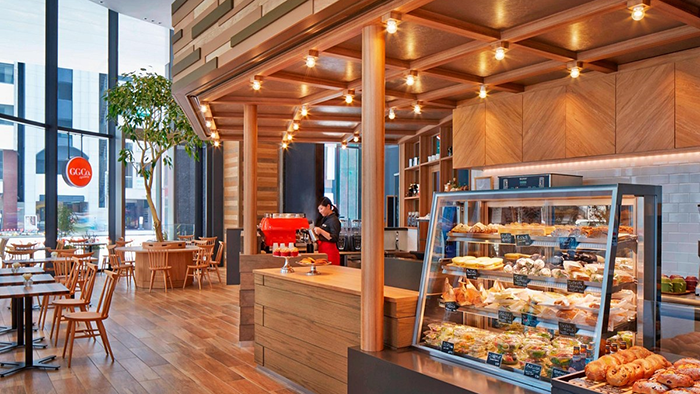
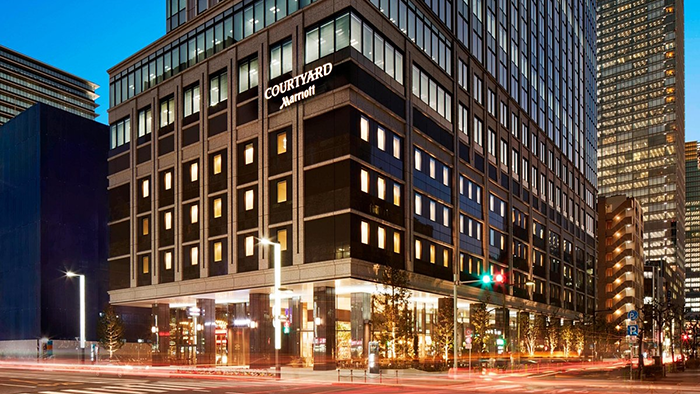
Courtyard Tokyo Station
Modern Hotel Living in the Heart of Tokyo
2-1-3 Kyobashi, Chuo-ku, Tokyo, Japan — Tokyo
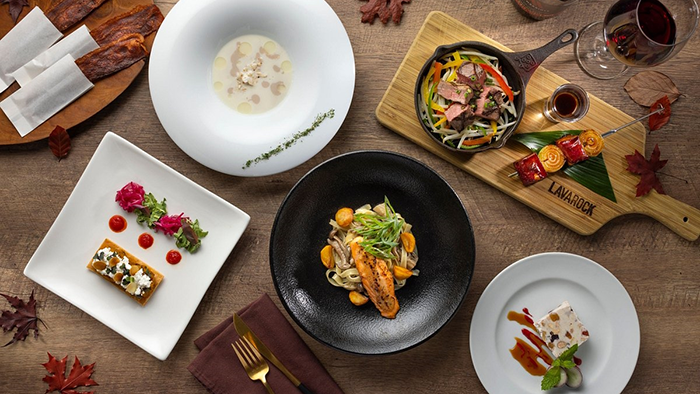
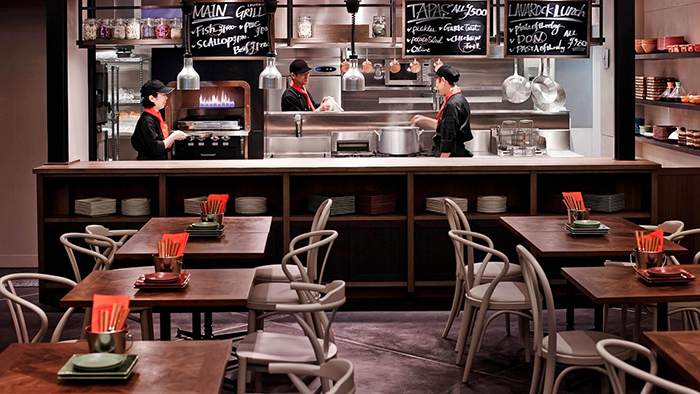
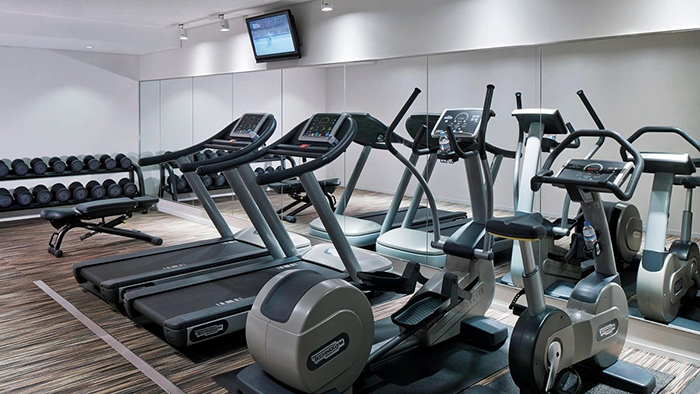
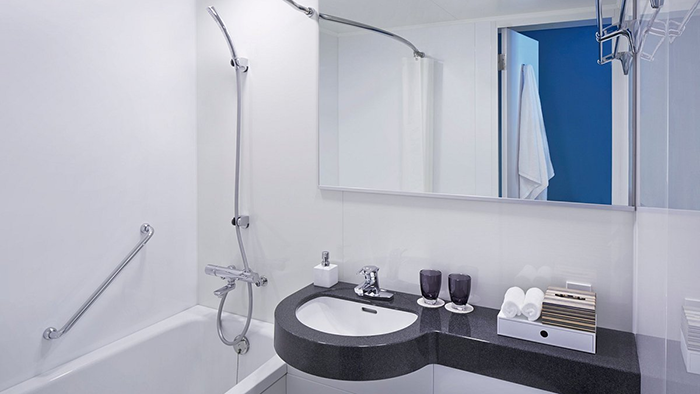
Hotel rooms include deluxe beds, flat-screen TVs, room service and well-lit desks. The outdoor seating area provides an enticing gathering spot for travelers to indulge in light refreshments of specialties from the street-level restaurant and cafe. Find everything you need to move forward in a hotel at Courtyard Tokyo Station.
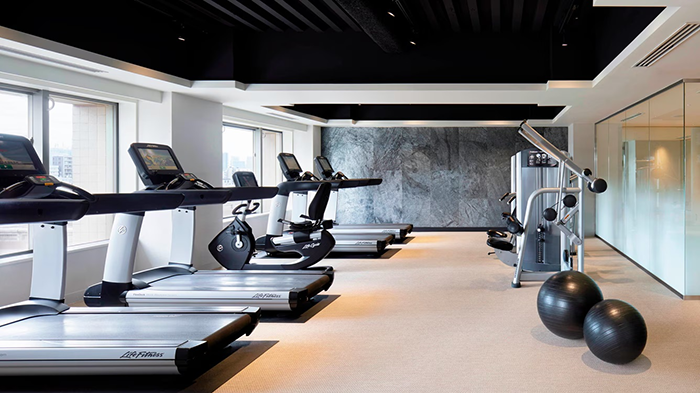
The Westin Tokyo
Revel in the Luxury of Shibuya, Tokyo, Japan
1 Chome-4-1 Mita, Meguro City, Tokyo 153-0062, Japan — Tokyo
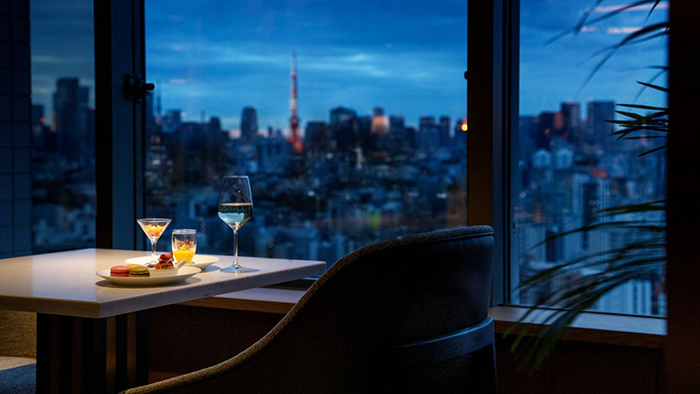
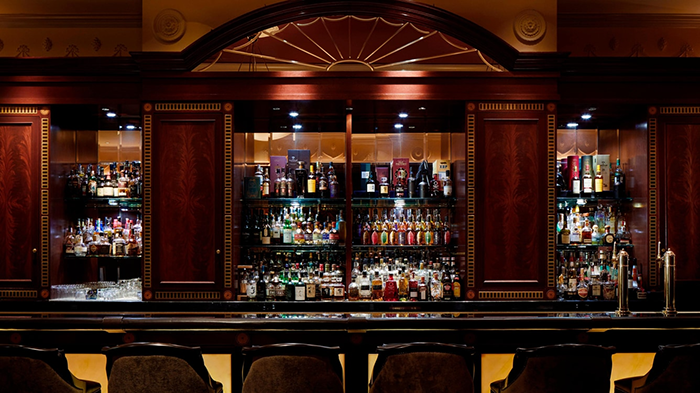
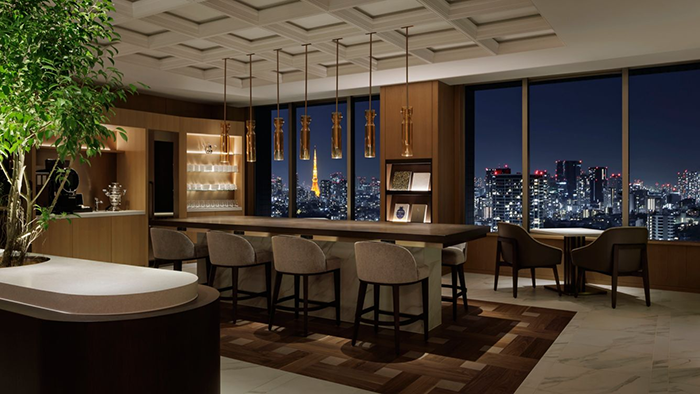
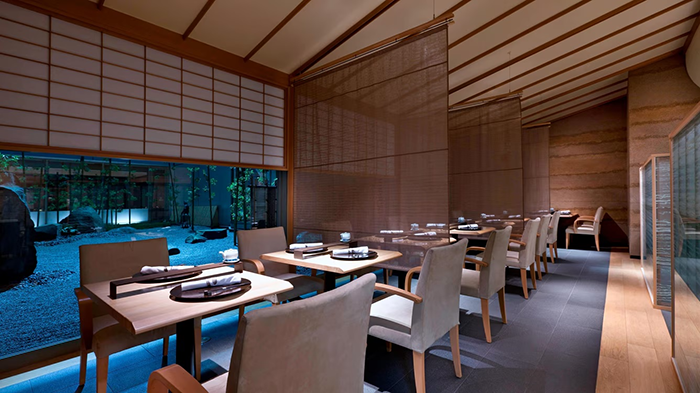
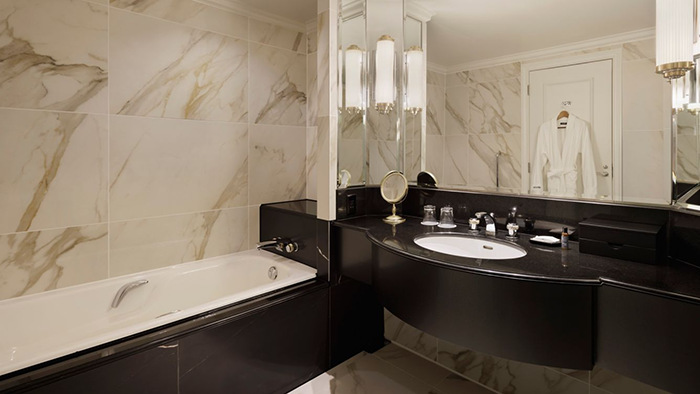
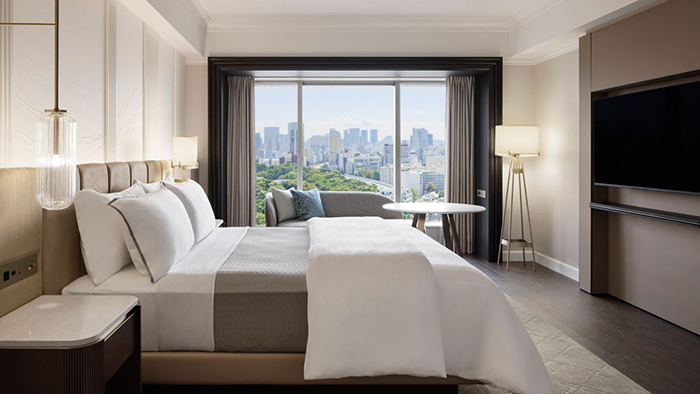
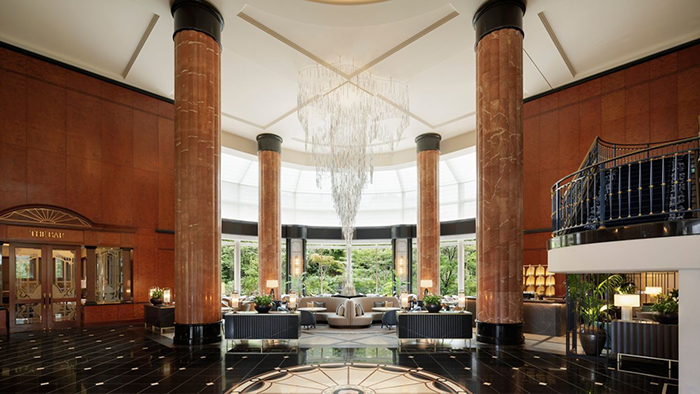
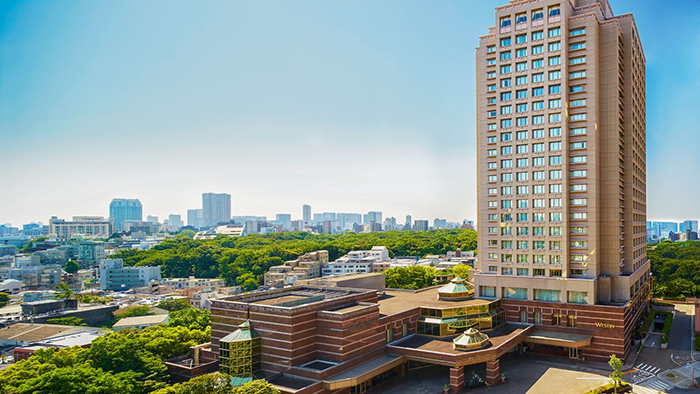
With its strategic location and thoughtful amenities, The Westin Tokyo proudly stands in the ranks of some of the best hotels in Tokyo. Our hospitality embodies a modern sophistication that stays true to traditional Japanese values. Classic European décor adorns each room, accompanied by the signature Heavenly® Bed to ensure you leave feeling better than when you arrived. Selected rooms and suites allow you to enjoy views of the iconic Tokyo Tower and to truly embrace the Japanese capital. Just minutes away from JR Ebisu Station, corporate offices, shopping and entertainment centers, The Westin Tokyo holds one of the best locations in the city, making it a simple decision when considering where to stay in Tokyo.
Protect Your Trip with Allianz Travel Insurance
Allianz Travel Insurance plans can give you flexibility and support when your trip doesn’t go quite as planned. From unexpected flight issues to covered trip cancellations, travel emergencies, and more, travel insurance can help you manage unforeseen events that may impact your trip—giving you peace of mind from the moment you book your trip through your return home.
For an instant quote:
- Simply provide a few short details about your trip
- Review the available protection plans
- Enjoy the peace of mind you deserve
Why Protect your Trip?
Whether you’re planning your next trip or you recently booked one, travel insurance can help smooth over many unexpected travel glitches—while putting your mind at ease, knowing you’re off the hook for covered expenses that could arise from them.
Allianz Travel Insurance plans can provide you benefits and professional support when a covered situation comes up before or during your trip. The following examples may qualify for benefits:
- Cancelling your trip after unexpectedly becoming too sick to travel
- Taking care of a sick or injured traveling companion
- Having to end your trip early due to a family emergency
- Dealing with a flight delay or cancellation
- Needing to buy personal items if your luggage is lost or stolen
- Missing your cruise departure after a covered flight delay
You also can contact our travel protection partner Allianz Global Assistance’s 24/7, award-winning customer service for on-the-go assistance with issues like a medical emergency, replacing your lost passport, or making reservations around the world. To be eligible for a time-sensitive waiver of pre-existing medical condition exclusions, purchase your travel insurance plan within 14 days of initial trip deposit (other purchase requirements and conditions apply). Specific plan benefits may vary. Please review your plan details for more information.
What Can Travel Insurance Help Protect?
Allianz Travel Insurance plans can protect you before and during your trip—keeping you, your loved ones, and your travel budget safer. Benefits vary by plan, and these are brief descriptions. Please read your plan documents for details.
TRIP CANCELLATION
Reimburses your prepaid, non-refundable travel expenses if you need to cancel your trip due to a covered reason, such as you, a family member, or traveling companion experiencing a covered illness or injury. Examples include:
- A doctor says you or a traveling companion is too sick to fly
- Your parent or child requires hospitalization
- You need to attend the birth of a family member’s child
- You have a traffic accident (not breakdown) on the way to the airport
- A storm shuts down your airport for 24 hours or more
TRIP INTERRUPTION
Reimburses your unused, non-refundable travel expenses and increased transportation costs during your trip if you have to return home early due to a covered reason, for instance when a family member has a qualifying medical emergency and needs your care. Examples include:
- You have a covered illness or injury and a doctor says you must return home
- A family member has a qualifying injury and needs your care
- A covered emergency, like a fire or flood, makes your home uninhabitable
TRAVEL DELAY
If you have a covered delay while traveling, travel insurance can reimburse you for meals, accommodations, and transportation expenses when your trip is delayed for a minimum number of consecutive hours for a covered reason. Minimum number of hours varies by plan.
EMERGENCY MEDICAL AND DENTAL CARE
Reimburses your expenses related to covered medical and dental emergencies* that might occur on your trip. This benefit can be especially helpful if you have a covered emergency outside the United States, as most health insurance policies won’t cover you outside the country. Examples include:
- You slip and break your ankle while sightseeing
- You get food poisoning while sampling the local cuisine
- You lose a filling and need immediate dental treatment*
*A sublimit and maximum apply for this benefit. Check your plan documents for details.
EMERGENCY MEDICAL TRANSPORTATION
Arranges and pays for medically necessary transportation following a covered injury or illness to the nearest appropriate medical facility to receive care and get you home after treatment.
BAGGAGE LOSS, DAMAGE, or THEFT
Reimburses the replacement of your lost, damaged, or stolen luggage and personal items while traveling.
BAGGAGE DELAY
Reimburses essential items purchased during your trip if your baggage is delayed for a minimum number of hours (varies by plan).
CHANGE FEE
Reimburses fees if you need to change your flight itinerary due to a covered reason.
24-HOUR ASSISTANCE
Provides around-the-clock support during your trip. Allianz Global Assistance’s staff of multilingual problem solvers can help you with medical, legal, and travel-related emergencies whenever they happen. Medical assistance may include, but is not limited to:
- Medical triage with referrals to local prescreened medical providers
- Ongoing medical monitoring
- Payment guarantee
- Emergency medical transportation
Additional services for travel-related emergencies can help with:
- Missed connecting flights
- Lost/stolen travel documents
- Pre-trip information
- Prescription replacements
Our Promise to You
When you purchase any Allianz Travel Insurance plan, you automatically get 15 days (or more, depending on your state of residence) to review your policy documents. Within that period, you can cancel your plan for a full refund if you’re not satisfied, as long as you haven’t filed a claim or departed on your trip.
Need Help Along the Way?
Contact Allianz Global Assistance’s award-winning team of travel experts. Call anytime for assistance navigating travel mishaps overseas or in the U.S.—or help with everything from reporting lost baggage to locating emergency medical treatment. They can also help you replace passports, refer you to legal assistance, secure cash from home in case of emergency, and guarantee payment when you need to be admitted to a hospital, in some instances.
Contact Allianz Global Assistance
Phone (24/7):
1-800-284-8300 (within the U.S., Canada, Puerto Rico, and the U.S. Virgin Islands)
1-804-281-5700 (outside of the U.S., call collect)
File or Track a Claim
It’s easy and convenient to file and track a claim, upload documents, and more online. Start your claim using your email address or policy number.
File a ClaimIf you need help filing a claim or understanding the claims process, visit the Allianz Global Assistance Claims Center.
Update Your Plan
If you need to update your travel insurance plan, such as adjusting the dates of your plan to reflect itinerary changes, please contact us or manage your plan online so your plan reflects your entire itinerary and provides the right amount of protection for your travels.
Manage My PlanAbout Allianz Global Assistance
Allianz Global Assistance is a world leader in travel insurance and assistance, helping millions of travelers across the globe every year. Allianz Global Assistance is owned by Allianz SE, the world’s largest diversified insurance company. For over 100 years, Allianz SE has helped protect important milestones in American history, insuring the Wright Brothers’ first flight and Golden Gate Bridge construction.
Terms, conditions, and exclusions apply including for pre-existing medical conditions. Insurance benefits underwritten by BCS Insurance Company (OH, Administrative Office: 2 Mid America Plaza, Suite 200, Oakbrook Terrace, IL 60181), rated “A” (Excellent) by A.M. Best Co., under BCS Form No. 52.201 series or 52.401 series, or Jefferson Insurance Company (NY, Administrative Office: 9950 Mayland Drive, Richmond, VA 23233), rated “A+” (Superior) by A.M. Best Co., under Jefferson Form No. 101-C series or 101-P series, depending on your state of residence and plan chosen. A+ (Superior) and A (Excellent) are the 2nd and 3rd highest, respectively, of A.M. Best’s 13 Financial Strength Ratings. Plans only available to U.S. residents and may not be available in all jurisdictions. Allianz Global Assistance and Allianz Travel Insurance are marks of AGA Service Company dba Allianz Global Assistance or its affiliates. Allianz Travel Insurance products are distributed by Allianz Global Assistance, the licensed producer and administrator of these plans and an affiliate of Jefferson Insurance Company. The insured shall not receive any special benefit or advantage due to the affiliation between AGA Service Company and Jefferson Insurance Company. Plans include insurance benefits and assistance services. Any Non-Insurance Assistance services purchased are provided through AGA Service Company. Except as expressly provided under your plan, you are responsible for charges you incur from third parties. Contact AGA Service Company at 800-284-8300 or 9950 Mayland Drive, Richmond, VA 23233 or customerservice@allianzassistance.com.