
COURSE CREDITS & HOURS
16 CE Credits for Psychologists
16 ACPE Credits
16 ANCC Contact Hours
16 ASWB ACE Credits
COURSE FEES
TARGET AUDIENCE
PROGRAM TOPICS
Dr. Kaide's Topics
- Syndromes You Can't Afford to Miss
- Toxicology (Pick Your Poisons)
- Emergencies in Hematology and Oncology
- Environmental Emergencies Part 1 (When Nature Strikes)
- Environmental Emergencies Part 2 (When Nature Strikes)
- Electrical Injuries (A Shocking Experience)
- Hyperbaric Medicine (Under Pressure)
Dr. Sareen's Topics
- Post-Traumatic Stress Disorder
- Generalized Anxiety Disorder
- Panic Disorder
- Suicide Risk Assessment
- Suicide Prevention and Treatment
- Cognitive Behavior Therapy with Mindfulness for Prevention
- CBT for Mood and Anxiety Disorders
IMPORTANT INFORMATION
Faculty
Colin G. Kaide, MD, FACEP, FAAEM, UHM

The Wexner Medical Center at The Ohio State University
Columbus, OH
Colin G. Kaide, MD, FACEP, FAAEM, UHM, is a professor of Emergency Medicine at the Wexner Medical Center at The Ohio State University. A native of Chicago, Illinois, he completed his undergraduate studies and medical school at the University of Illinois Urbana-Champaign before completing his residency in Emergency Medicine at The Ohio State University from 1993 to 1996. After residency, he served as the assistant director of the emergency department in Lima, Ohio, for three years while working as part-time faculty at OSU. In 2000, he joined the OSU department as a full-time faculty member. Dr. Kaide is board-certified in Emergency Medicine and Hyperbaric Medicine. Additionally, he completed advanced training in wound care, is certified by the Council for Medical Education and Testing, and practices at the Ohio State Comprehensive Wound Center.
Dr. Kaide’s academic interests include medical education, rapid-sequence intubation and advanced management of the difficult airway, hematological and oncological disorders, anticoagulation and its reversal, procedural sedation, hyperbaric medicine, and chronic wound care. He serves as core faculty in the Emergency Medicine residency program at OSU and is a highly decorated educator. Most recently, he received the 2020 Emergency Physician Medical Education Award from the Ohio Chapter of the American College of Emergency Physicians (Ohio ACEP) for his contributions as an exemplary physician educator. He has also been honored as "Teacher of the Year" for the Department of Emergency Medicine (2008) and has received the OSU College of Medicine Excellence in Teaching Award (2004) and Outstanding Teaching Award (2008).
Outside of medicine, Dr. Kaide is an avid martial artist who has participated in combative arts since 1978, holding a third-degree black belt in Goshin Jitsu. He has taught self-defense since high school and developed a specialized course tailored for EMS providers and healthcare professionals. Furthermore, he has served as a principal developer and Chief Medical Editor for a medical software company, producing a computer-based electronic medical record product that generates computerized ED and inpatient discharge instructions, prescriptions, and work excuses utilized by over 800 hospitals.
Jitender Sareen, MD, FRCPC

Medical Director, Winnipeg Regional Health Authority Mental Health Program
Provincial Co-Lead, Mental Health and Addictions, Shared Health
Winnipeg, Manitoba
Dr. Sareen is Professor and Head of the Department of Psychiatry at the University of Manitoba, Provincial Specialty Lead for Mental Health and Addictions, Shared Health. He has published over 450 peer-reviewed publications in the areas of traumatic stress, anxiety disorders, indigenous suicide prevention, and military and veteran mental health.
Accreditation




Cruise Itinerary
| DATE | PORT OF CALL | ARRIVE | DEPART |
|---|---|---|---|
| Saturday, August 29 | Seattle, Washington |
- | 3:00 pm |
| Sunday, August 30 | *At Sea - Cruising Lectures 8:30 AM - 12:30 PM, 1:30 PM - 4:30 PM |
- | - |
| Monday, August 31 | Stephens Passage |
- | - |
| Monday, August 31 | Juneau, Alaska |
12:30 pm | 10:00 pm |
| Tuesday, September 1 | Glacier Bay, Alaska |
7:00 am | 4:00 pm |
| Tuesday, September 1 | Icy Strait Point, Alaska |
6:00 pm | 10:00 pm |
| Wednesday, September 2 | Sitka, Alaska |
8:00 am | 4:00 pm |
| Thursday, September 3 | Ketchikan, Alaska Lectures 2:30 PM - 4:30 PM |
6:30 am | 1:00 pm |
| Friday, September 4 | Victoria, British Columbia Lectures 8:30 AM - 12:30 PM, 1:30 PM - 4:30 PM |
8:00 pm | 11:59 pm |
| Saturday, September 5 | Seattle, Washington |
7:00 am | - |

Ports of Call
Seattle, Washington

Logistics and Layout: The Tale of Two Terminals - Before planning your itinerary, it is vital to know your departure point. Seattle utilizes two primary cruise terminals located miles apart. Pier 66 (Bell Street) is located directly on the downtown waterfront, walkable to Pike Place Market and many hotels. Pier 91 (Smith Cove) is located in Interbay, north of downtown, requiring a taxi or rideshare to reach the city center. Knowing your specific terminal is crucial for hotel selection and embarkation day planning. From Seattle-Tacoma International Airport (Sea-Tac), the Link Light Rail provides reliable, traffic-free transit to downtown (Westlake Station) for a fraction of the cost of a cab, though a rideshare is recommended if you have heavy luggage.
A Curated 48-Hour Pre- or Post-Cruise Itinerary - Day 1: The Market, The Waterfront, and The Glass

Start your morning early at Pike Place Market. While often crowded, it remains the authentic beating heart of the city. Arrive by 8:00 AM to watch the vendors set up before the tourist crush. Beyond the famous fish toss, explore the lower levels where eclectic shops hide in the labyrinthine architecture. For breakfast, bypass the original Starbucks line (it is merely a storefront) and instead visit Le Panier for French pastries or Lowell’s for seafood hangtown fry with water views. If you appreciate culinary history, a stop at Beecher’s Handmade Cheese to watch the cheddar-making process is essential.
From the market, descend the Pike Street Hillclimb to the waterfront. The area has undergone massive renovation. Walk north through the Olympic Sculpture Park, a free, open-air museum where monumental art frames the view of the Olympic Mountains across Puget Sound. It is a serene counterpoint to the market's bustle.
In the afternoon, head to the Seattle Center. While the Space Needle offers iconic views, the true artistic highlight is Chihuly Garden and Glass. The vibrant, organic glass sculptures by Dale Chihuly are displayed in a way that blurs the line between art and nature. It is a visually stunning experience that consistently ranks as a client favorite. Adjacent is the Museum of Pop Culture (MoPOP), a Frank Gehry-designed structure housing immersive exhibits on music, sci-fi, and pop culture—worth a visit if you have specific interests in Nirvana, Jimi Hendrix, or cinema history.
Day 2: Maritime Heritage and Neighborhood Culture - Seattle’s true character lives in its neighborhoods. Dedicate your second day to exploring beyond the downtown core.

*Option A: The Maritime Soul (Ballard)*
Take a rideshare to Ballard, a historic Scandinavian fishing neighborhood. Start at the Hiram M. Chittenden Locks (Ballard Locks). Watching vessels of all sizes traverse the locks between the saltwater sound and freshwater lakes is fascinating engineering theater. In late summer, the fish ladder offers a viewing window to watch salmon migrating upstream—a perfect primer for an Alaska voyage. Afterward, explore Ballard Avenue, lined with boutiques and some of the city's best dining. This area is also the heart of Seattle's brewery scene; a stop at a local taproom offers a taste of the region's craft beer culture.
*Option B: The Island Escape (Bainbridge)*
For a change of pace, walk to the ferry terminal on the downtown waterfront and board a Washington State Ferry to Bainbridge Island. The 35-minute crossing offers the single best view of the Seattle skyline and, on clear days, Mount Rainier. This is not a tour boat; it is public transit, offering an authentic slice of local life. Upon docking, the town of Winslow is a short walk away. It is sophisticated yet small-town, filled with bookstores, bakeries (Blackbird Bakery is a standout), and wine tasting rooms. It is the perfect way to decompress before boarding a busy cruise ship.
*Option C: History and Architecture (Pioneer Square)*
For history enthusiasts, Pioneer Square offers a look at Seattle’s origins. The architecture here is Romanesque Revival, distinct from the glass towers uptown. We recommend the Underground Tour—while campy, it provides a genuine look at the city’s history of burning down and rebuilding on top of itself. Be aware that this neighborhood can feel grittier than others, reflecting the complex urban realities of the West Coast.

Dining and Coffee Culture - Seattle takes food seriously. For a quintessential Pacific Northwest dinner, look for menus highlighting Dungeness crab, Penn Cove mussels, and Copper River salmon. The Pink Door in Pike Place (reservations required weeks in advance) offers Italian-American classics with entertainment, while The Walrus and the Carpenter in Ballard is the gold standard for oysters.
Regarding coffee: You are in the coffee capital of the U.S. While Starbucks is ubiquitous, seek out the Starbucks Reserve Roastery on Capitol Hill for a theatrical, high-end coffee experience that differs vastly from the corner shop. Alternatively, support independent roasters like Victrola, Espresso Vivace, or Storyville for a superior cup.
Honest Expectations - Seattle is a city of hills; comfortable walking shoes are non-negotiable. The weather is famously changeable. Summer days are often glorious and dry, but the "shoulder seasons" (May and September) can bring the signature grey drizzle. Pack layers and a light rain jacket rather than an umbrella, which marks you instantly as a tourist. Finally, like many major West Coast cities, downtown Seattle faces challenges with homelessness. While generally safe, it is wise to stay aware of your surroundings, particularly in the Pioneer Square and 3rd Avenue areas at night.
By dedicating time to Seattle, you ground your vacation in the culture of the Pacific Northwest, ensuring your cruise is a continuation of the journey rather than the only event.
At Sea - Cruising
Stephens Passage
Juneau, Alaska


The Mendenhall Glacier is the undisputed centerpiece. While the Visitor Center offers a solid introduction, the glacier has receded significantly in recent years. To truly grasp the scale of the Juneau Icefield, we recommend a helicopter excursion. Landing on the glacier or dog sledding on the ice cap is a significant investment, but it provides a visceral connection to the landscape that a distant view from the visitor center cannot match. If you prefer to stay grounded, the hike to Nugget Falls offers a powerful view of the glacier's face and a roaring waterfall without the flight costs.
Juneau’s waters are among the most productive feeding grounds for humpback whales in the world. Sightings in Auke Bay are exceptionally reliable during the cruise season. If you have not booked a wildlife excursion elsewhere on your itinerary, this is the place to do it.

Downtown Juneau is compact and historic, though South Franklin Street can feel congested when multiple ships are in port. For a sophisticated cultural break, the Alaska State Museum is outstanding, housing world-class exhibits on Native Alaskan heritage and Russian history. The Mount Roberts Tramway, located right at the dock, offers sweeping views, but we advise purchasing tickets only after assessing the cloud cover; the view is spectacular, but non-existent in heavy fog.
For a culinary finish, skip the generic tourist traps and visit Tracy’s King Crab Shack for genuine local flavor. Juneau is a wet city—it lies in a temperate rainforest—so dress in waterproof layers to enjoy this spectacular intersection of civilization and wild frontier.


Glacier Bay, Alaska


The 65-mile journey up the fjord reveals a world in constant, dramatic change. You’ll pass forested shorelines where brown bears and mountain goats can sometimes be spotted, and rocky outcrops where puffins and other seabirds nest. The true spectacle, however, awaits at the bay's terminus. Here, you will spend hours in the presence of massive tidewater glaciers like Margerie and Grand Pacific. The experience is multi-sensory: the sight of the impossibly blue ice, the crisp, clean air, and the deep silence, punctuated only by the thunderous crack of calving ice. Witnessing a skyscraper-sized block of ice shear off a glacier's face and crash into the sea is a humbling, unforgettable display of nature's power. Keep a keen eye on the water for humpback whales, orcas, and harbor seals resting on floating ice floes. A day in Glacier Bay is a meditative encounter with a raw, primordial world.

Icy Strait Point, Alaska
The primary draw here is the incredible access to wildlife. The nutrient-rich waters of Port Frederick are a summer feeding ground for humpback whales, making whale-watching tours exceptionally rewarding. For those hoping to see terrestrial giants, guided excursions search for the island's dense population of coastal brown bears in their natural habitat.
For a dose of adrenaline, the ZipRider is one of the longest in the world, offering a breathtaking flight over the rainforest canopy with spectacular views of the port. Beyond the thrills, the port provides genuine cultural immersion. You can witness traditional Tlingit storytelling and dance performances, observe master carvers at work on totem poles, and learn about the deep connection between the people and this land. The port is easily navigable, with two dock areas connected by scenic gondolas. While the nearby village of Hoonah is accessible, most visitors find the port's self-contained offerings provide a full and satisfying day.
Sitka, Alaska


Once in town, the Russian influence is unmistakable. St. Michael’s Cathedral remains the visual anchor, but we specifically recommend visiting the Russian Bishop’s House. Managed by the National Park Service, it offers a meticulously restored look into the 19th-century colonial era that appeals to history enthusiasts. A short, flat walk from the center leads to Sitka National Historical Park. Here, Tlingit and Haida totem poles stand amidst towering spruce and hemlock trees along a scenic coastal trail, marking the site of the 1804 battle between the Tlingit Kiks.ádi clan and Russian traders.
For wildlife, Sitka is arguably the best port for guaranteed sightings through ethical rehabilitation centers. The Alaska Raptor Center provides a world-class hospital setting for injured birds of prey, allowing visitors to see bald eagles up close in a way that feels respectful rather than exploitative. Similarly, the Fortress of the Bear offers a second chance for orphaned brown bear cubs in a repurposed pulp mill setting. Whether exploring these sanctuaries or simply watching for sea otters bobbing in the harbor, Sitka feels less like a tourist hub and more like a genuine community living on the edge of the wilderness.

Ketchikan, Alaska


For a relaxed day, the town is highly walkable. The centerpiece is Creek Street, a historic boardwalk built on pilings over the water. Formerly the city's notorious red-light district, it is now a charming, albeit busy, collection of galleries and local shops. In late summer, looking over the rails offers a front-row seat to thousands of salmon fighting their way upstream; the nearby fish ladder provides a fascinating, close-up view of this biological struggle.

To engage with the region's history beyond the souvenir shops, we recommend the Totem Heritage Center. Located a short walk or quick taxi ride from the bustle of the port, it houses an unparalleled collection of original 19th-century totem poles retrieved from deserted villages. Unlike the brightly repainted replicas found in parks, these are preserved in their natural, weathered state, offering a somber and powerful insight into Native artistry.
While the town is engaging, the true grandeur of this stop lies in the surrounding wilderness. If logistics and budget permit, a floatplane excursion to Misty Fjords National Monument is the definitive Ketchikan experience. Soaring past sheer granite cliffs and cascading waterfalls provides a perspective on Alaska’s scale that ground tours simply cannot match. Whether you explore the boardwalks or fly into the fjords, Ketchikan delivers a dense, accessible dose of the frontier.

Victoria, British Columbia

For many, the headline attraction is Butchart Gardens. While truly a horticultural masterpiece, we advise caution regarding logistics: the gardens are located 35-45 minutes from the port. Visiting requires a dedicated block of four hours, leaving little time for the city itself. If you are a devoted gardener, it is worth the journey; if you prefer a relaxed pace, the city center offers ample rewards without the commute.

The Royal BC Museum is a standout recommendation for this demographic. It is one of North America's finest museums, featuring immersive exhibits on First Nations history and the region's natural evolution that are intellectually satisfying without being dry. Nearby, Government Street offers sophisticated strolling; look for Munro’s Books—set in a magnificent neoclassical building—and Rogers’ Chocolates for local heritage.
For a casual interlude, a short walk leads to Fisherman’s Wharf, where colorful houseboats and fresh halibut and chips offer a looser vibe. Whether you opt for High Tea at the Empress or a quiet walk through Beacon Hill Park to see the world’s tallest free-standing totem pole, Victoria delivers a polished, high-quality experience that respects your time.

We can assist you with all your travel arrangements. We'd be happy to help you plan your flights, hotels, or tours before and/or after your cruise conference.
PLEASE NOTE: To attend the conference, participants must book their cruise accommodations through University at Sea®. This ensures we can provide full conference services and complimentary social amenities to meeting participants and guests. Participants' family and friends are welcome to book within our group allotment and take advantage of our typically excellent rates.
Request a Quote online or by voice at 800-525-9696 (US/Can) or direct/int'l tel +1-727-526-1571.
Prices below are for the full cruise including meals and evening entertainment
Suites
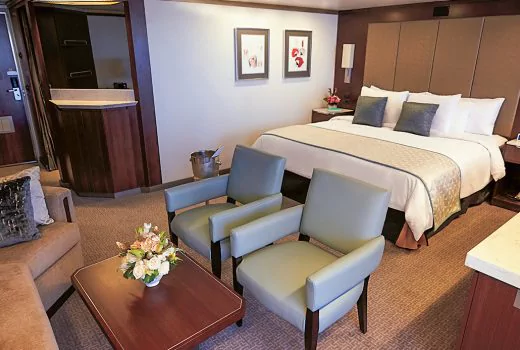 Neptune Suite (SA)
Spacious suite with private verandah and expansive sitting areas. Features Mariner's Dream bed, double-sink bathroom with whirlpool tub and separate shower stall. Floor-to-ceiling windows open to a generous private balcony. SA designation indicates premium deck location on Deck 7 Rotterdam midship. Two twins converting to king-size bed Private bath with double sink Whirlpool tub Additional separate shower stall Hair dryer Floor-to-ceiling windows opening to private verandah Sitting area with sofa Flat-panel TV with Video On Demand Safety deposit box Multi-channel music Phone Exclusive Neptune Lounge access Personal concierge Priority check-in Priority debarkation Priority tender boarding Priority dining reservations Priority theater seating requests Priority Main Dining Room seating with expanded menu Exclusive daily breakfast service Afternoon canapes Afternoon tea Cocktail party with ship's officers Complimentary laundry, pressing, and dry cleaning Welcome champagne Complimentary mimosas with in-suite breakfast Complimentary bottled water at embarkation In-suite coffee maker and espresso machine Thick cotton robes and slippers Pillow menu Premium duvet Over-sized bath towels Fresh flowers Signature Mariner's Dream bed with plush euro-top mattress Finely woven cotton linens Lighted magnifying mirrors Massage showerheads Salon-quality hair dryer Elemis Aromapure bath products Personalized cruise stationery Umbrella and binoculars for use Corsages and boutonnieres for first formal night Bose docking station Complimentary shoe shine (Deck 7 Rotterdam)
800-525-9696
for Pricing
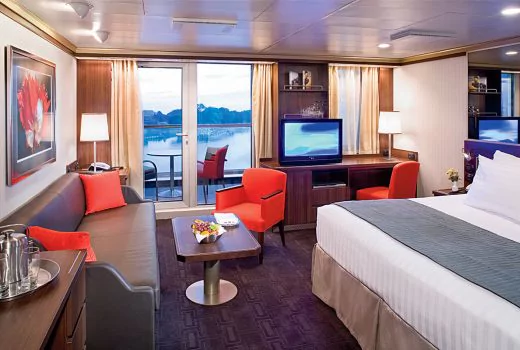 Signature Suite (SS)
Suite with sitting area featuring floor-to-ceiling glass doors opening to a private verandah. Includes full-size whirlpool bath with separate shower stall, double-sink vanity, and Mariner's Dream bed in convertible queen or twin configuration. Does NOT include Neptune Lounge access, concierge service, Club Orange, or priority boarding. Two twins converting to queen-size bed Private bath with double sink Whirlpool tub Additional separate shower stall Hair dryer Floor-to-ceiling windows opening to private verandah Sitting area with sofa Refrigerator Flat-panel TV with Video On Demand Safety deposit box Multi-channel music Phone Thick cotton robes Pillow menu Signature Mariner's Dream bed with plush euro-top mattress Finely woven cotton linens Lighted magnifying mirrors Massage showerheads Salon-quality hair dryer Elemis Aromapure bath products Flat-panel TV and DVD player Personalized cruise stationery Umbrella for use Binoculars for use Bose docking station Complimentary mimosas with in-suite breakfast In-suite coffee maker and espresso machine No-host mini-bar Oversized cotton bath towels Complimentary shoe shine (Decks 5 Verandah & 6 Upper Verandah)
800-525-9696
for Pricing
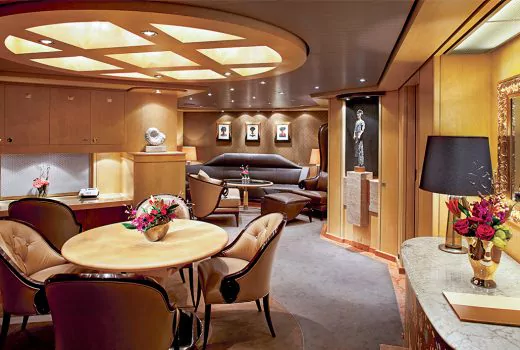 Suite/Deluxe
Pinnacle Suite PS.
The premier suite on ms Eurodam at approximately 1,318 sq. ft. total. Features floor-to-ceiling glass doors, a large private whirlpool verandah, separate living room, dining room, and dressing room, with luxurious Duxiana king bed. Includes a deep soaking tub, independent full-size shower stall, dual-sink vanities, and guest bath.
King-size Duxiana bed
Private bath with oversized whirlpool tub
Separate full-size shower stall
Dual-sink vanities
Dressing room
Floor-to-ceiling windows opening to private verandah with whirlpool
Living room with sofa bed
Dining room
Guest bath
Refrigerator
Microwave
Flat-panel TV with Video On Demand
Safety deposit box
Multi-channel music
Data port
Phone
Exclusive Neptune Lounge access
Personal concierge
Priority check-in
Priority debarkation
Priority tender boarding
Priority dining reservations
Priority theater seating requests
Priority Main Dining Room seating with expanded menu
Pinnacle Grill complimentary breakfast
Exclusive daily breakfast service
Afternoon canapes
Afternoon tea
Cocktail party with ship's officers
Complimentary laundry, pressing, and dry cleaning
Welcome champagne
Complimentary mimosas with in-suite breakfast
Complimentary bottled water at embarkation
In-suite coffee maker and espresso machine
Thick cotton robes and slippers
Pillow menu
Premium duvet
Over-sized bath towels
Fresh flowers
Expanded Marie-Stella-Maris amenities
Signature Mariner's Dream bed with plush euro-top mattress
Finely woven cotton linens
Lighted magnifying mirrors
Massage showerheads
Salon-quality hair dryer
Elemis Aromapure bath products
Personalized cruise stationery
Umbrella and binoculars for use
Corsages and boutonnieres for first formal night
Bose docking station
Complimentary shoe shine
Exclusive tote bag
Suite/Deluxe
Pinnacle Suite PS.
The premier suite on ms Eurodam at approximately 1,318 sq. ft. total. Features floor-to-ceiling glass doors, a large private whirlpool verandah, separate living room, dining room, and dressing room, with luxurious Duxiana king bed. Includes a deep soaking tub, independent full-size shower stall, dual-sink vanities, and guest bath.
King-size Duxiana bed
Private bath with oversized whirlpool tub
Separate full-size shower stall
Dual-sink vanities
Dressing room
Floor-to-ceiling windows opening to private verandah with whirlpool
Living room with sofa bed
Dining room
Guest bath
Refrigerator
Microwave
Flat-panel TV with Video On Demand
Safety deposit box
Multi-channel music
Data port
Phone
Exclusive Neptune Lounge access
Personal concierge
Priority check-in
Priority debarkation
Priority tender boarding
Priority dining reservations
Priority theater seating requests
Priority Main Dining Room seating with expanded menu
Pinnacle Grill complimentary breakfast
Exclusive daily breakfast service
Afternoon canapes
Afternoon tea
Cocktail party with ship's officers
Complimentary laundry, pressing, and dry cleaning
Welcome champagne
Complimentary mimosas with in-suite breakfast
Complimentary bottled water at embarkation
In-suite coffee maker and espresso machine
Thick cotton robes and slippers
Pillow menu
Premium duvet
Over-sized bath towels
Fresh flowers
Expanded Marie-Stella-Maris amenities
Signature Mariner's Dream bed with plush euro-top mattress
Finely woven cotton linens
Lighted magnifying mirrors
Massage showerheads
Salon-quality hair dryer
Elemis Aromapure bath products
Personalized cruise stationery
Umbrella and binoculars for use
Corsages and boutonnieres for first formal night
Bose docking station
Complimentary shoe shine
Exclusive tote bag 800-525-9696
for Pricing
Suite/Deluxe
Neptune Suite SB.
Spacious suite with private verandah and expansive sitting areas. Features Mariner's Dream bed, double-sink bathroom with whirlpool tub and separate shower stall. Floor-to-ceiling windows open to a generous private balcony. SB designation spans multiple decks with varying locations.
Two twins converting to king-size bed
Private bath with double sink
Whirlpool tub
Additional separate shower stall
Hair dryer
Floor-to-ceiling windows opening to private verandah
Sitting area with sofa
Flat-panel TV with Video On Demand
Safety deposit box
Multi-channel music
Phone
Exclusive Neptune Lounge access
Personal concierge
Priority check-in
Priority debarkation
Priority tender boarding
Priority dining reservations
Priority theater seating requests
Priority Main Dining Room seating with expanded menu
Exclusive daily breakfast service
Afternoon canapes
Afternoon tea
Cocktail party with ship's officers
Complimentary laundry, pressing, and dry cleaning
Welcome champagne
Complimentary mimosas with in-suite breakfast
Complimentary bottled water at embarkation
In-suite coffee maker and espresso machine
Thick cotton robes and slippers
Pillow menu
Premium duvet
Over-sized bath towels
Fresh flowers
Signature Mariner's Dream bed with plush euro-top mattress
Finely woven cotton linens
Lighted magnifying mirrors
Massage showerheads
Salon-quality hair dryer
Elemis Aromapure bath products
Personalized cruise stationery
Umbrella and binoculars for use
Corsages and boutonnieres for first formal night
Bose docking station
Complimentary shoe shine 800-525-9696
for Pricing
Suite/Deluxe
Neptune Suite SC.
Spacious suite with private verandah and expansive sitting areas. Features Mariner's Dream bed, double-sink bathroom with whirlpool tub and separate shower stall. Floor-to-ceiling windows open to a generous private balcony. SC designation indicates value-tier Neptune Suite locations.
Two twins converting to king-size bed
Private bath with double sink
Whirlpool tub
Additional separate shower stall
Hair dryer
Floor-to-ceiling windows opening to private verandah
Sitting area with sofa
Flat-panel TV with Video On Demand
Safety deposit box
Multi-channel music
Phone
Exclusive Neptune Lounge access
Personal concierge
Priority check-in
Priority debarkation
Priority tender boarding
Priority dining reservations
Priority theater seating requests
Priority Main Dining Room seating with expanded menu
Exclusive daily breakfast service
Afternoon canapes
Afternoon tea
Cocktail party with ship's officers
Complimentary laundry, pressing, and dry cleaning
Welcome champagne
Complimentary mimosas with in-suite breakfast
Complimentary bottled water at embarkation
In-suite coffee maker and espresso machine
Thick cotton robes and slippers
Pillow menu
Premium duvet
Over-sized bath towels
Fresh flowers
Signature Mariner's Dream bed with plush euro-top mattress
Finely woven cotton linens
Lighted magnifying mirrors
Massage showerheads
Salon-quality hair dryer
Elemis Aromapure bath products
Personalized cruise stationery
Umbrella and binoculars for use
Corsages and boutonnieres for first formal night
Bose docking station
Complimentary shoe shine 800-525-9696
for Pricing
Suite/Deluxe
Signature Suite SU.
Suite with sitting area featuring floor-to-ceiling glass doors opening to a private verandah. Includes full-size whirlpool bath with separate shower stall, double-sink vanity, and Mariner's Dream bed in convertible queen or twin configuration. SU is exclusive to Signature-class ships. Does NOT include Neptune Lounge access, concierge service, Club Orange, or priority boarding.
Two twins converting to queen-size bed
Private bath with double sink
Whirlpool tub
Additional separate shower stall
Hair dryer
Floor-to-ceiling windows opening to private verandah
Sitting area with sofa
Refrigerator
Flat-panel TV with Video On Demand
Safety deposit box
Multi-channel music
Phone
Thick cotton robes
Pillow menu
Signature Mariner's Dream bed with plush euro-top mattress
Finely woven cotton linens
Lighted magnifying mirrors
Massage showerheads
Salon-quality hair dryer
Elemis Aromapure bath products
Flat-panel TV and DVD player
Personalized cruise stationery
Umbrella for use
Binoculars for use
Bose docking station
Complimentary mimosas with in-suite breakfast
In-suite coffee maker and espresso machine
No-host mini-bar
Oversized cotton bath towels
Complimentary shoe shine 800-525-9696
for Pricing
Suite/Deluxe
Signature Suite SY.
Suite with sitting area featuring floor-to-ceiling glass doors opening to a private verandah. Includes full-size whirlpool bath with separate shower stall, double-sink vanity, and Mariner's Dream bed in convertible queen or twin configuration. Does NOT include Neptune Lounge access, concierge service, Club Orange, or priority boarding.
Two twins converting to queen-size bed
Private bath with double sink
Whirlpool tub
Additional separate shower stall
Hair dryer
Floor-to-ceiling windows opening to private verandah
Sitting area with sofa
Refrigerator
Flat-panel TV with Video On Demand
Safety deposit box
Multi-channel music
Phone
Thick cotton robes
Pillow menu
Signature Mariner's Dream bed with plush euro-top mattress
Finely woven cotton linens
Lighted magnifying mirrors
Massage showerheads
Salon-quality hair dryer
Elemis Aromapure bath products
Flat-panel TV and DVD player
Personalized cruise stationery
Umbrella for use
Binoculars for use
Bose docking station
Complimentary mimosas with in-suite breakfast
In-suite coffee maker and espresso machine
No-host mini-bar
Oversized cotton bath towels
Complimentary shoe shine 800-525-9696
for Pricing
Suite/Deluxe
Signature Suite SZ.
Suite with sitting area featuring floor-to-ceiling glass doors opening to a private verandah. Includes full-size whirlpool bath with separate shower stall, double-sink vanity, and Mariner's Dream bed in convertible queen or twin configuration. Does NOT include Neptune Lounge access, concierge service, Club Orange, or priority boarding. SZ is the value-tier Signature Suite.
Two twins converting to queen-size bed
Private bath with double sink
Whirlpool tub
Additional separate shower stall
Hair dryer
Floor-to-ceiling windows opening to private verandah
Sitting area with sofa
Refrigerator
Flat-panel TV with Video On Demand
Safety deposit box
Multi-channel music
Phone
Thick cotton robes
Pillow menu
Signature Mariner's Dream bed with plush euro-top mattress
Finely woven cotton linens
Lighted magnifying mirrors
Massage showerheads
Salon-quality hair dryer
Elemis Aromapure bath products
Flat-panel TV and DVD player
Personalized cruise stationery
Umbrella for use
Binoculars for use
Bose docking station
Complimentary mimosas with in-suite breakfast
In-suite coffee maker and espresso machine
No-host mini-bar
Oversized cotton bath towels
Complimentary shoe shine 800-525-9696
for Pricing
Balcony
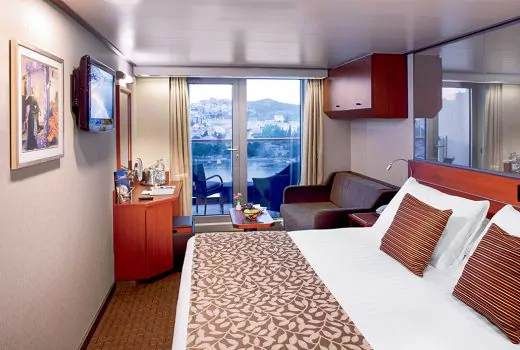 Verandah Stateroom (VA)
Comfortable stateroom with floor-to-ceiling glass doors opening to a private balcony with ocean views. Features Mariner's Dream bed, spacious sitting area with sofa, and private bath. VA designation indicates premium verandah locations. Two twins converting to queen-size bed Floor-to-ceiling windows opening to private verandah Private bath with tub and/or shower Hair dryer Sitting area with sofa Flat-panel TV with Video On Demand Multi-channel music Mini-bar Safety deposit box Phone Signature Mariner's Dream bed with plush euro-top mattress Finely woven cotton linens Thick cotton robes Lighted magnifying mirrors Massage showerheads Salon-quality hair dryer Elemis Aromapure bath products Flat-panel TV and DVD player Fresh fruit on request Complimentary shoe shine (Decks 4 Upper Promenade, 5 Verandah, 6 Upper Verandah & 8 Navigation)
800-525-9696
for Pricing
Verandah Stateroom (VB)Comfortable stateroom with floor-to-ceiling glass doors opening to a private balcony with ocean views. Features Mariner's Dream bed, spacious sitting area with sofa, and private bath. Two twins converting to queen-size bed Floor-to-ceiling windows opening to private verandah Private bath with tub and/or shower Hair dryer Sitting area with sofa Flat-panel TV with Video On Demand Multi-channel music Mini-bar Safety deposit box Phone Signature Mariner's Dream bed with plush euro-top mattress Finely woven cotton linens Thick cotton robes Lighted magnifying mirrors Massage showerheads Salon-quality hair dryer Elemis Aromapure bath products Flat-panel TV and DVD player Fresh fruit on request Complimentary shoe shine (Decks 4 Upper Promenade, 5 Verandah, 6 Upper Verandah, 7 Rotterdam & 10 Panorama)
800-525-9696
for Pricing
Verandah Stateroom (VC)Comfortable stateroom with floor-to-ceiling glass doors opening to a private balcony with ocean views. Features Mariner's Dream bed, spacious sitting area with sofa, and private bath. Two twins converting to queen-size bed Floor-to-ceiling windows opening to private verandah Private bath with tub and/or shower Hair dryer Sitting area with sofa Flat-panel TV with Video On Demand Multi-channel music Mini-bar Safety deposit box Phone Signature Mariner's Dream bed with plush euro-top mattress Finely woven cotton linens Thick cotton robes Lighted magnifying mirrors Massage showerheads Salon-quality hair dryer Elemis Aromapure bath products Flat-panel TV and DVD player Fresh fruit on request Complimentary shoe shine (Decks 4 Upper Promenade, 5 Verandah & 8 Navigation)
800-525-9696
for Pricing
Verandah Stateroom (VD)Comfortable stateroom with floor-to-ceiling glass doors opening to a private balcony with ocean views. Features Mariner's Dream bed, spacious sitting area with sofa, and private bath. Two twins converting to queen-size bed Floor-to-ceiling windows opening to private verandah Private bath with tub and/or shower Hair dryer Sitting area with sofa Flat-panel TV with Video On Demand Multi-channel music Mini-bar Safety deposit box Phone Signature Mariner's Dream bed with plush euro-top mattress Finely woven cotton linens Thick cotton robes Lighted magnifying mirrors Massage showerheads Salon-quality hair dryer Elemis Aromapure bath products Flat-panel TV and DVD player Fresh fruit on request Complimentary shoe shine (Decks 6 Upper Verandah & 7 Rotterdam)
800-525-9696
for Pricing
Verandah Stateroom (VE)Comfortable stateroom with floor-to-ceiling glass doors opening to a private balcony. Features Mariner's Dream bed, spacious sitting area with sofa, and private bath. Note: Some VE verandahs have solid steel railings rather than glass. Two twins converting to queen-size bed Floor-to-ceiling windows opening to private verandah Private bath with tub and/or shower Hair dryer Sitting area with sofa Flat-panel TV with Video On Demand Multi-channel music Mini-bar Safety deposit box Phone Signature Mariner's Dream bed with plush euro-top mattress Finely woven cotton linens Thick cotton robes Lighted magnifying mirrors Massage showerheads Salon-quality hair dryer Elemis Aromapure bath products Flat-panel TV and DVD player Fresh fruit on request Complimentary shoe shine (Decks 4 Upper Promenade, 7 Rotterdam & 8 Navigation)
800-525-9696
for Pricing
Verandah Stateroom (VF)Comfortable stateroom with floor-to-ceiling glass doors opening to a private balcony with ocean views. Features Mariner's Dream bed, spacious sitting area with sofa, and private bath. Two twins converting to queen-size bed Floor-to-ceiling windows opening to private verandah Private bath with tub and/or shower Hair dryer Sitting area with sofa Flat-panel TV with Video On Demand Multi-channel music Mini-bar Safety deposit box Phone Signature Mariner's Dream bed with plush euro-top mattress Finely woven cotton linens Thick cotton robes Lighted magnifying mirrors Massage showerheads Salon-quality hair dryer Elemis Aromapure bath products Flat-panel TV and DVD player Fresh fruit on request Complimentary shoe shine (Decks 4 Upper Promenade & 8 Navigation)
800-525-9696
for Pricing
Balcony
Verandah Stateroom VT.
Comfortable stateroom with floor-to-ceiling glass doors opening to a private balcony with ocean views. Features Mariner's Dream bed, spacious sitting area with sofa, and private bath. VT designation is exclusive to Signature-class ships and indicates premium upper-deck verandah locations.
Two twins converting to queen-size bed
Floor-to-ceiling windows opening to private verandah
Private bath with tub and/or shower
Hair dryer
Sitting area with sofa
Flat-panel TV with Video On Demand
Multi-channel music
Mini-bar
Safety deposit box
Phone
Signature Mariner's Dream bed with plush euro-top mattress
Finely woven cotton linens
Thick cotton robes
Lighted magnifying mirrors
Massage showerheads
Salon-quality hair dryer
Elemis Aromapure bath products
Flat-panel TV and DVD player
Fresh fruit on request
Complimentary shoe shine 800-525-9696
for Pricing
Balcony
Verandah Stateroom V.
Comfortable stateroom with floor-to-ceiling glass doors opening to a private balcony with ocean views. Features Mariner's Dream bed, spacious sitting area with sofa, and private bath.
Two twins converting to queen-size bed
Floor-to-ceiling windows opening to private verandah
Private bath with tub and/or shower
Hair dryer
Sitting area with sofa
Flat-panel TV with Video On Demand
Multi-channel music
Mini-bar
Safety deposit box
Phone
Signature Mariner's Dream bed with plush euro-top mattress
Finely woven cotton linens
Thick cotton robes
Lighted magnifying mirrors
Massage showerheads
Salon-quality hair dryer
Elemis Aromapure bath products
Flat-panel TV and DVD player
Fresh fruit on request
Complimentary shoe shine 800-525-9696
for Pricing
Balcony
Verandah Stateroom VH.
Comfortable stateroom with floor-to-ceiling glass doors opening to a private balcony. Features Mariner's Dream bed, spacious sitting area with sofa, and private bath. Note: Some VH verandahs have solid steel railings rather than glass.
Two twins converting to queen-size bed
Floor-to-ceiling windows opening to private verandah
Private bath with tub and/or shower
Hair dryer
Sitting area with sofa
Flat-panel TV with Video On Demand
Multi-channel music
Mini-bar
Safety deposit box
Phone
Signature Mariner's Dream bed with plush euro-top mattress
Finely woven cotton linens
Thick cotton robes
Lighted magnifying mirrors
Massage showerheads
Salon-quality hair dryer
Elemis Aromapure bath products
Flat-panel TV and DVD player
Fresh fruit on request
Complimentary shoe shine 800-525-9696
for Pricing
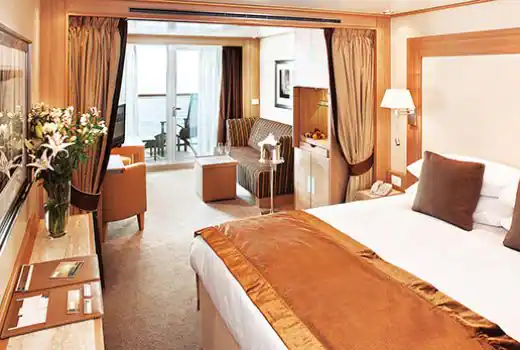 Balcony
Veranda Suite V3.
All Veranda Suites feature a glass door to a private veranda, a queen-size bed or two twin beds, a dining table, a walk-in-closet, and a flat-screen TV. Approx. 300 sq ft, plus veranda of 65 sq ft.
Balcony
Veranda Suite V3.
All Veranda Suites feature a glass door to a private veranda, a queen-size bed or two twin beds, a dining table, a walk-in-closet, and a flat-screen TV. Approx. 300 sq ft, plus veranda of 65 sq ft. 800-525-9696
for Pricing
Balcony
Veranda Spa Stateroom VQ.
Featuring modern spa amenities. Filled with light from floor-to-ceiling windows overlooking a private verandah, these staterooms include a sitting area, two lower beds convertible to one queen-size bed — our signature Mariner's Dream™ bed with plush Euro-Top mattresses, and bath tub with premium massage showerheads. The view is partially obstructed. Stateroom: 212-359 sq. ft. including verandah. 800-525-9696
for Pricing
Outside
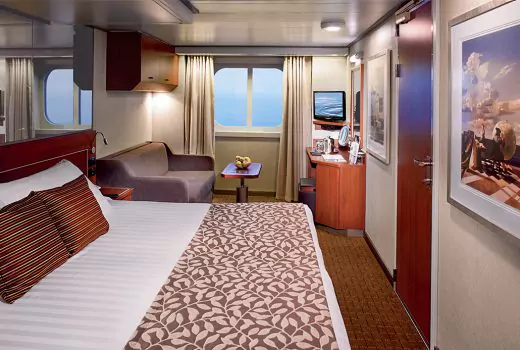 Large Oceanview Stateroom (C)
Stateroom with picture window providing ocean views. Features Mariner's Dream bed in convertible queen or twin configuration, sitting area with small sofa, and private bath. Located on Deck 1 Main with unobstructed views. Two twins converting to queen-size bed Window with ocean view Private bath with tub and/or shower Hair dryer Sitting area with small sofa Flat-panel TV with Video On Demand Multi-channel music Mini-bar Safety deposit box Phone Signature Mariner's Dream bed with plush euro-top mattress Finely woven cotton linens Thick cotton robes Lighted magnifying mirrors Massage showerheads Salon-quality hair dryer Elemis Aromapure bath products Flat-panel TV and DVD player Fresh fruit on request Complimentary shoe shine Oversized cotton bath towels Ice service Personal cruise stationery (Deck 1 Main)
800-525-9696
for Pricing
Outside
Large Oceanview Stateroom D.
Stateroom with picture window providing ocean views. Features Mariner's Dream bed in convertible queen or twin configuration, sitting area with small sofa, and private bath.
Two twins converting to queen-size bed
Window with ocean view
Private bath with tub and/or shower
Hair dryer
Sitting area with small sofa
Flat-panel TV with Video On Demand
Multi-channel music
Mini-bar
Safety deposit box
Phone
Signature Mariner's Dream bed with plush euro-top mattress
Finely woven cotton linens
Thick cotton robes
Lighted magnifying mirrors
Massage showerheads
Salon-quality hair dryer
Elemis Aromapure bath products
Flat-panel TV and DVD player
Fresh fruit on request
Complimentary shoe shine
Oversized cotton bath towels
Ice service
Personal cruise stationery 800-525-9696
for Pricing
800-525-9696
for Pricing
Outside
Large Oceanview Stateroom (Obstructed View) DD.
Stateroom with window, though the view may be partially or fully obstructed by lifeboats or ship structure. Features Mariner's Dream bed in convertible queen or twin configuration, sitting area with small sofa, and private bath.
Two twins converting to queen-size bed
Window (view obstructed)
Private bath with tub and/or shower
Hair dryer
Sitting area with small sofa
Flat-panel TV with Video On Demand
Multi-channel music
Mini-bar
Safety deposit box
Phone
Signature Mariner's Dream bed with plush euro-top mattress
Finely woven cotton linens
Thick cotton robes
Lighted magnifying mirrors
Massage showerheads
Salon-quality hair dryer
Elemis Aromapure bath products
Flat-panel TV and DVD player
Fresh fruit on request
Complimentary shoe shine
Oversized cotton bath towels
Ice service
Personal cruise stationery 800-525-9696
for Pricing
Outside
Oceanview Stateroom E.
Stateroom with window providing ocean views. Features Mariner's Dream bed in convertible queen or twin configuration, sitting area with small sofa, and private bath.
Two twins converting to queen-size bed
Window with ocean view
Private bath with tub and/or shower
Hair dryer
Sitting area with small sofa
Flat-panel TV with Video On Demand
Multi-channel music
Mini-bar
Safety deposit box
Phone
Signature Mariner's Dream bed with plush euro-top mattress
Finely woven cotton linens
Thick cotton robes
Lighted magnifying mirrors
Massage showerheads
Salon-quality hair dryer
Elemis Aromapure bath products
Flat-panel TV and DVD player
Fresh fruit on request
Complimentary shoe shine
Oversized cotton bath towels
Ice service
Personal cruise stationery 800-525-9696
for Pricing
800-525-9696
for Pricing
Outside
Oceanview Spa Stateroom CQ.
These ocean-view staterooms offer spa amenities such as yoga mats and an iPod® docking station, with exclusive spa treatments from the nearby Greenhouse Spa and Salon. It includes two lower beds convertible to one queen-size bed — our signature Mariner's Dream™ bed with plush Euro-Top mattresses, a bathtub and shower. The configuration of staterooms may vary from the images shown. Stateroom: 169-267 sq. ft. 800-525-9696
for Pricing
Outside
Oceanview Stateroom F.
These expansive staterooms include include two lower beds convertible to one queen-size bed—our Signature Mariner's Dream™ bed with plush Euro-Top mattresses, premium massage shower heads, a host of amenities and an ocean view. The configuration of staterooms may vary from the images shown.Stateroom: 169-267 sq. ft.
800-525-9696
for Pricing
Outside
Oceanview Stateroom / Partial Seaview G.
These staterooms feature a partial sea view and include two lower beds convertible to one queen-size bed — our signature Mariner's Dream™ bed with plush Euro-Top mattresses, plus premium massage shower heads and a variety of amenities. The configuration of staterooms may vary from the images shown. Stateroom: 169-267 sq. ft. 800-525-9696
for Pricing
Outside
Oceanview Stateroom / Fully Obstructed View HH.
These large staterooms include two lower beds convertible to one queen-size bed — our Signature Mariner's Dream™ bed with plush Euro-Top mattresses, premium massage shower heads and a host of amenities. The view is fully obstructed. The configuration of staterooms may vary from the images shown. Stateroom: 169-267 sq. ft. 800-525-9696
for Pricing
Inside
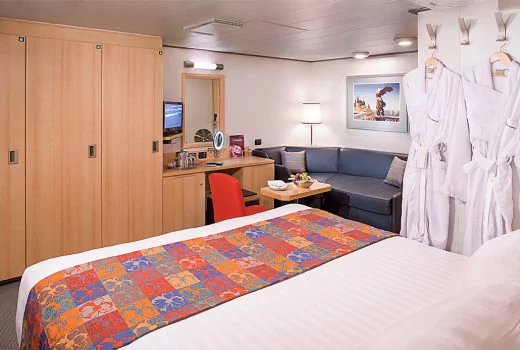 Large Interior Stateroom (I)
Comfortable interior stateroom with no window. Features Mariner's Dream bed in convertible queen or twin configuration, sitting area with small sofa, ample storage, and private bath with tub and shower. I designation indicates premium interior locations on upper decks. Two twins converting to queen-size bed No window Private bath with tub and shower Hair dryer Sitting area with small sofa Flat-panel TV with Video On Demand Multi-channel music Mini-bar Safety deposit box Phone Signature Mariner's Dream bed with plush euro-top mattress Finely woven cotton linens Thick cotton robes Lighted magnifying mirrors Massage showerheads Salon-quality hair dryer Elemis Aromapure bath products Flat-panel TV and DVD player Fresh fruit on request Complimentary shoe shine Oversized cotton bath towels Ice service Personal cruise stationery (Decks 6 Upper Verandah, 7 Rotterdam & 8 Navigation)
800-525-9696
for Pricing
Interior Stateroom (J)Comfortable interior stateroom with no window. Features Mariner's Dream bed in convertible queen or twin configuration, sitting area with small sofa, ample storage, and private bath with tub and shower. Two twins converting to queen-size bed No window Private bath with tub and shower Hair dryer Sitting area with small sofa Flat-panel TV with Video On Demand Multi-channel music Mini-bar Safety deposit box Phone Signature Mariner's Dream bed with plush euro-top mattress Finely woven cotton linens Thick cotton robes Lighted magnifying mirrors Massage showerheads Salon-quality hair dryer Elemis Aromapure bath products Flat-panel TV and DVD player Fresh fruit on request Complimentary shoe shine Oversized cotton bath towels Ice service Personal cruise stationery (Deck 1 Main)
800-525-9696
for Pricing
Interior Stateroom (L)Comfortable interior stateroom with no window. Features Mariner's Dream bed in convertible queen or twin configuration, sitting area with small sofa, ample storage, and private bath with tub and shower. Two twins converting to queen-size bed No window Private bath with tub and shower Hair dryer Sitting area with small sofa Flat-panel TV with Video On Demand Multi-channel music Mini-bar Safety deposit box Phone Signature Mariner's Dream bed with plush euro-top mattress Finely woven cotton linens Thick cotton robes Lighted magnifying mirrors Massage showerheads Salon-quality hair dryer Elemis Aromapure bath products Flat-panel TV and DVD player Fresh fruit on request Complimentary shoe shine Oversized cotton bath towels Ice service Personal cruise stationery (Decks 4 Upper Promenade, 5 Verandah, 6 Upper Verandah & 7 Rotterdam)
800-525-9696
for Pricing
800-525-9696
for Pricing
Inside
Interior Stateroom K.
Comfortable interior stateroom with no window. Features Mariner's Dream bed in convertible queen or twin configuration, sitting area with small sofa, ample storage, and private bath with tub and shower.
Two twins converting to queen-size bed
No window
Private bath with tub and shower
Hair dryer
Sitting area with small sofa
Flat-panel TV with Video On Demand
Multi-channel music
Mini-bar
Safety deposit box
Phone
Signature Mariner's Dream bed with plush euro-top mattress
Finely woven cotton linens
Thick cotton robes
Lighted magnifying mirrors
Massage showerheads
Salon-quality hair dryer
Elemis Aromapure bath products
Flat-panel TV and DVD player
Fresh fruit on request
Complimentary shoe shine
Oversized cotton bath towels
Ice service
Personal cruise stationery 800-525-9696
for Pricing
Inside
Interior Stateroom M.
Comfortable interior stateroom with no window. Features Mariner's Dream bed in convertible queen or twin configuration, sitting area with small sofa, ample storage, and private bath with tub and shower.
Two twins converting to queen-size bed
No window
Private bath with tub and shower
Hair dryer
Sitting area with small sofa
Flat-panel TV with Video On Demand
Multi-channel music
Mini-bar
Safety deposit box
Phone
Signature Mariner's Dream bed with plush euro-top mattress
Finely woven cotton linens
Thick cotton robes
Lighted magnifying mirrors
Massage showerheads
Salon-quality hair dryer
Elemis Aromapure bath products
Flat-panel TV and DVD player
Fresh fruit on request
Complimentary shoe shine
Oversized cotton bath towels
Ice service
Personal cruise stationery 800-525-9696
for Pricing
Inside
Interior Stateroom N.
Comfortable interior stateroom with no window. Features Mariner's Dream bed in convertible queen or twin configuration, sitting area with small sofa, ample storage, and private bath with tub and shower.
Two twins converting to queen-size bed
No window
Private bath with tub and shower
Hair dryer
Sitting area with small sofa
Flat-panel TV with Video On Demand
Multi-channel music
Mini-bar
Safety deposit box
Phone
Signature Mariner's Dream bed with plush euro-top mattress
Finely woven cotton linens
Thick cotton robes
Lighted magnifying mirrors
Massage showerheads
Salon-quality hair dryer
Elemis Aromapure bath products
Flat-panel TV and DVD player
Fresh fruit on request
Complimentary shoe shine
Oversized cotton bath towels
Ice service
Personal cruise stationery 800-525-9696
for Pricing
800-525-9696
for Pricing
Inside
Spa Inside Stateroom IQ.
These staterooms feature spa amenities such as yoga mats and an iPod ® docking station and include access to spa treatments from the Greenhouse Spa & Salon. There are two lower beds convertible to one queen-size bed — our Signature Mariner's Dream™ bed with plush Euro-Top mattresses. Stateroom: 169-267 sq. ft. 800-525-9696
for Pricing
Inside
Inside Stateroom MM.
Two lower beds convertible to one queen-size bed — our signature Mariner's Dream™ bed with plush Euro-Top mattresses, premium massage shower heads and a host of amenities are featured in these comfortable staterooms. Stateroom: 141-284 sq. ft. 800-525-9696
for Pricing
Before & After Your Cruise
Hotels


The Paramount Hotel Seattle
724 Pine Street<br>Seattle, WA 98101 US — Seattle
CHECK-IN / CHECK-OUT: Check-in time is any time after 4:00 PM. Guests arriving before 4:00 PM will be accommodated, as room become available. Checkout time is 12:00 PM. We request that guests attending functions on the day of departure check out before 12:00 PM.
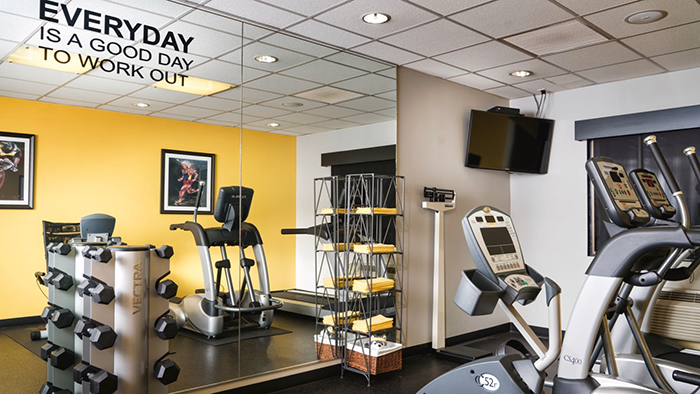
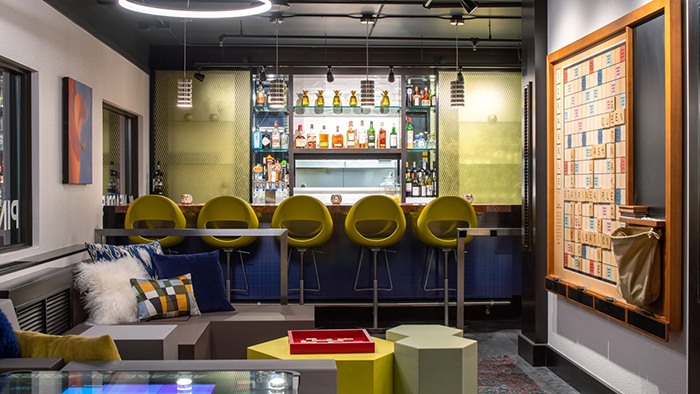
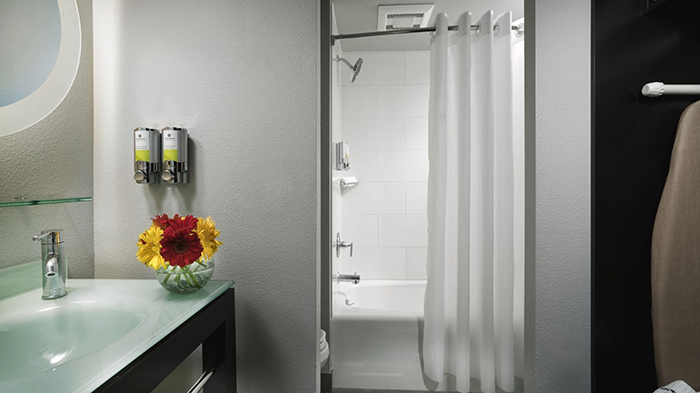
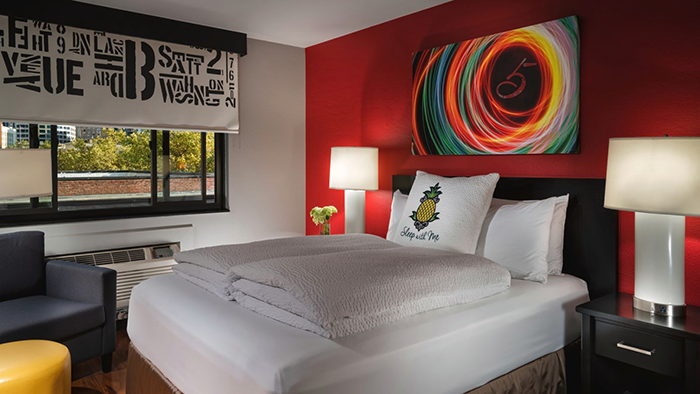
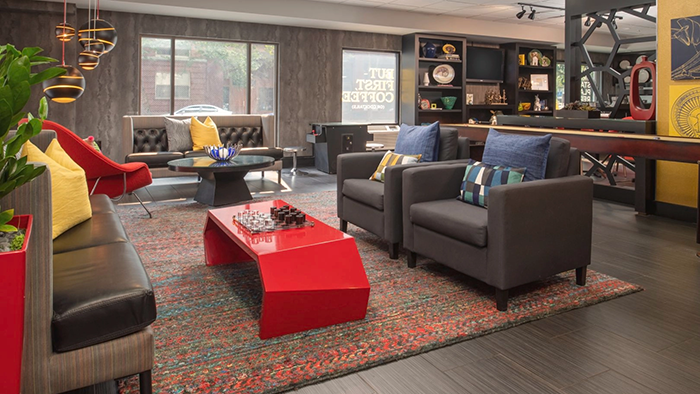
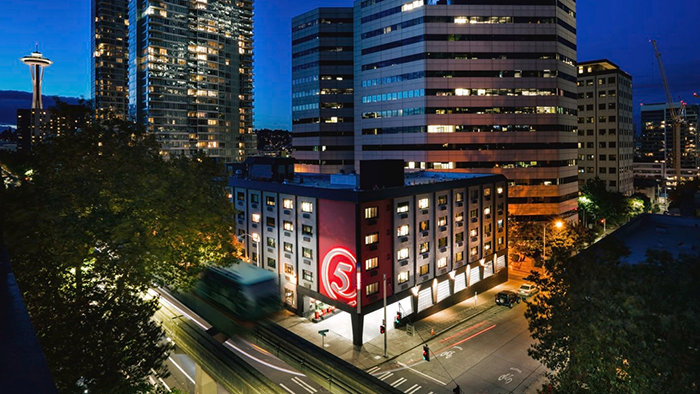
Hotel Five - A Staypineapple Hotel
Get Down With Downtown
2200 5th Ave, Seattle, WA 98121 — Seattle
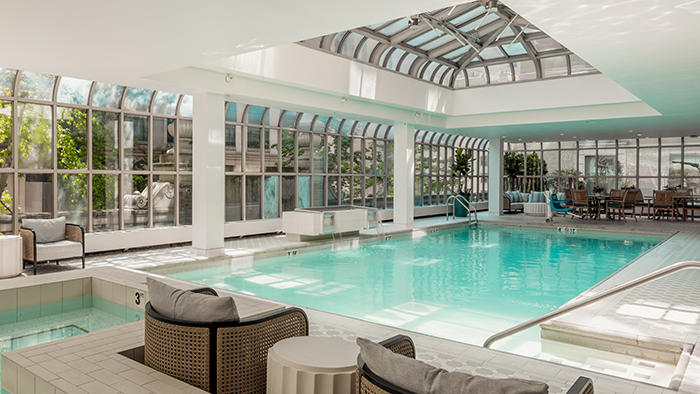
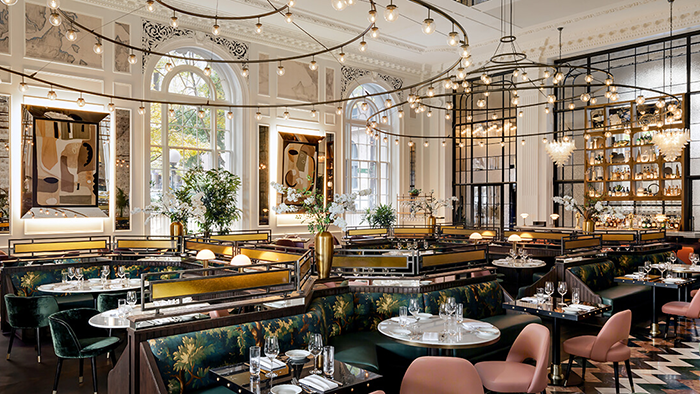
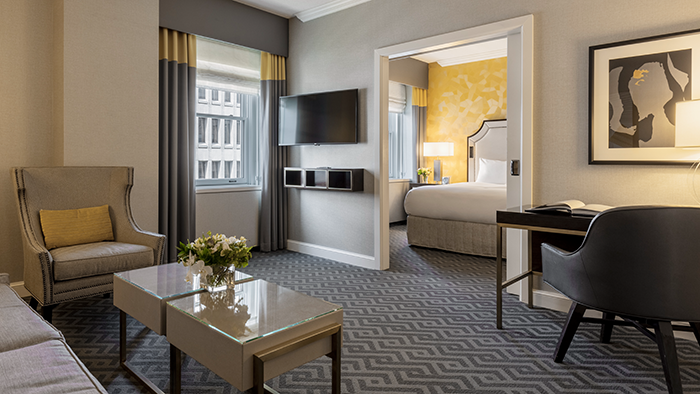
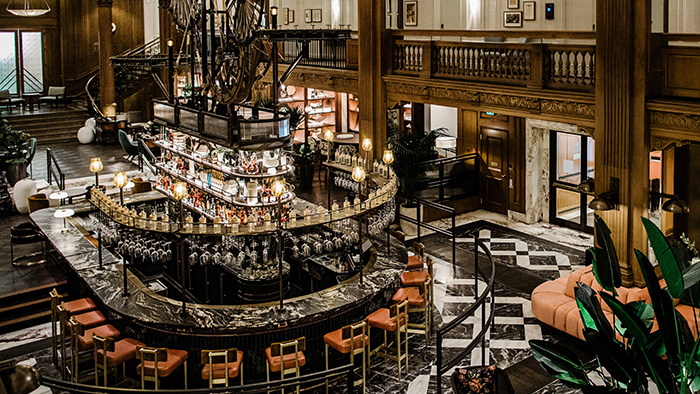
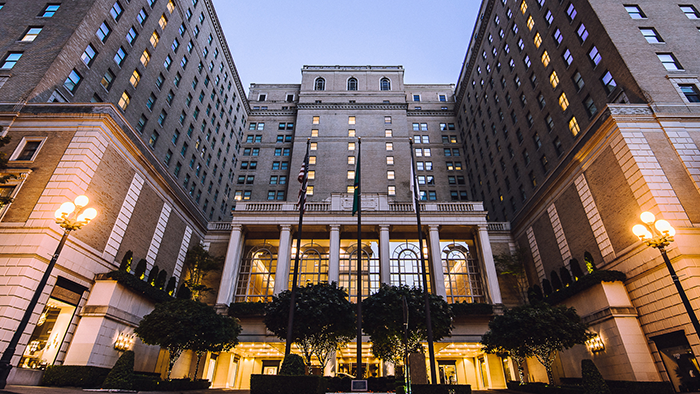
Fairmont Olympic Hotel
An Iconic 5-Star Hotel Near Pike Place Market
411 University St, Seattle, WA 98101 — Seattle
Protect Your Trip with Allianz Travel Insurance
Allianz Travel Insurance plans can give you flexibility and support when your trip doesn’t go quite as planned. From unexpected flight issues to covered trip cancellations, travel emergencies, and more, travel insurance can help you manage unforeseen events that may impact your trip—giving you peace of mind from the moment you book your trip through your return home.
For an instant quote:
- Simply provide a few short details about your trip
- Review the available protection plans
- Enjoy the peace of mind you deserve
Why Protect your Trip?
Whether you’re planning your next trip or you recently booked one, travel insurance can help smooth over many unexpected travel glitches—while putting your mind at ease, knowing you’re off the hook for covered expenses that could arise from them.
Allianz Travel Insurance plans can provide you benefits and professional support when a covered situation comes up before or during your trip. The following examples may qualify for benefits:
- Cancelling your trip after unexpectedly becoming too sick to travel
- Taking care of a sick or injured traveling companion
- Having to end your trip early due to a family emergency
- Dealing with a flight delay or cancellation
- Needing to buy personal items if your luggage is lost or stolen
- Missing your cruise departure after a covered flight delay
You also can contact our travel protection partner Allianz Global Assistance’s 24/7, award-winning customer service for on-the-go assistance with issues like a medical emergency, replacing your lost passport, or making reservations around the world. To be eligible for a time-sensitive waiver of pre-existing medical condition exclusions, purchase your travel insurance plan within 14 days of initial trip deposit (other purchase requirements and conditions apply). Specific plan benefits may vary. Please review your plan details for more information.
What Can Travel Insurance Help Protect?
Allianz Travel Insurance plans can protect you before and during your trip—keeping you, your loved ones, and your travel budget safer. Benefits vary by plan, and these are brief descriptions. Please read your plan documents for details.
TRIP CANCELLATION
Reimburses your prepaid, non-refundable travel expenses if you need to cancel your trip due to a covered reason, such as you, a family member, or traveling companion experiencing a covered illness or injury. Examples include:
- A doctor says you or a traveling companion is too sick to fly
- Your parent or child requires hospitalization
- You need to attend the birth of a family member’s child
- You have a traffic accident (not breakdown) on the way to the airport
- A storm shuts down your airport for 24 hours or more
TRIP INTERRUPTION
Reimburses your unused, non-refundable travel expenses and increased transportation costs during your trip if you have to return home early due to a covered reason, for instance when a family member has a qualifying medical emergency and needs your care. Examples include:
- You have a covered illness or injury and a doctor says you must return home
- A family member has a qualifying injury and needs your care
- A covered emergency, like a fire or flood, makes your home uninhabitable
TRAVEL DELAY
If you have a covered delay while traveling, travel insurance can reimburse you for meals, accommodations, and transportation expenses when your trip is delayed for a minimum number of consecutive hours for a covered reason. Minimum number of hours varies by plan.
EMERGENCY MEDICAL AND DENTAL CARE
Reimburses your expenses related to covered medical and dental emergencies* that might occur on your trip. This benefit can be especially helpful if you have a covered emergency outside the United States, as most health insurance policies won’t cover you outside the country. Examples include:
- You slip and break your ankle while sightseeing
- You get food poisoning while sampling the local cuisine
- You lose a filling and need immediate dental treatment*
*A sublimit and maximum apply for this benefit. Check your plan documents for details.
EMERGENCY MEDICAL TRANSPORTATION
Arranges and pays for medically necessary transportation following a covered injury or illness to the nearest appropriate medical facility to receive care and get you home after treatment.
BAGGAGE LOSS, DAMAGE, or THEFT
Reimburses the replacement of your lost, damaged, or stolen luggage and personal items while traveling.
BAGGAGE DELAY
Reimburses essential items purchased during your trip if your baggage is delayed for a minimum number of hours (varies by plan).
CHANGE FEE
Reimburses fees if you need to change your flight itinerary due to a covered reason.
24-HOUR ASSISTANCE
Provides around-the-clock support during your trip. Allianz Global Assistance’s staff of multilingual problem solvers can help you with medical, legal, and travel-related emergencies whenever they happen. Medical assistance may include, but is not limited to:
- Medical triage with referrals to local prescreened medical providers
- Ongoing medical monitoring
- Payment guarantee
- Emergency medical transportation
Additional services for travel-related emergencies can help with:
- Missed connecting flights
- Lost/stolen travel documents
- Pre-trip information
- Prescription replacements
Our Promise to You
When you purchase any Allianz Travel Insurance plan, you automatically get 15 days (or more, depending on your state of residence) to review your policy documents. Within that period, you can cancel your plan for a full refund if you’re not satisfied, as long as you haven’t filed a claim or departed on your trip.
Need Help Along the Way?
Contact Allianz Global Assistance’s award-winning team of travel experts. Call anytime for assistance navigating travel mishaps overseas or in the U.S.—or help with everything from reporting lost baggage to locating emergency medical treatment. They can also help you replace passports, refer you to legal assistance, secure cash from home in case of emergency, and guarantee payment when you need to be admitted to a hospital, in some instances.
Contact Allianz Global Assistance
Phone (24/7):
1-800-284-8300 (within the U.S., Canada, Puerto Rico, and the U.S. Virgin Islands)
1-804-281-5700 (outside of the U.S., call collect)
File or Track a Claim
It’s easy and convenient to file and track a claim, upload documents, and more online. Start your claim using your email address or policy number.
File a ClaimIf you need help filing a claim or understanding the claims process, visit the Allianz Global Assistance Claims Center.
Update Your Plan
If you need to update your travel insurance plan, such as adjusting the dates of your plan to reflect itinerary changes, please contact us or manage your plan online so your plan reflects your entire itinerary and provides the right amount of protection for your travels.
Manage My PlanAbout Allianz Global Assistance
Allianz Global Assistance is a world leader in travel insurance and assistance, helping millions of travelers across the globe every year. Allianz Global Assistance is owned by Allianz SE, the world’s largest diversified insurance company. For over 100 years, Allianz SE has helped protect important milestones in American history, insuring the Wright Brothers’ first flight and Golden Gate Bridge construction.
Terms, conditions, and exclusions apply including for pre-existing medical conditions. Insurance benefits underwritten by BCS Insurance Company (OH, Administrative Office: 2 Mid America Plaza, Suite 200, Oakbrook Terrace, IL 60181), rated “A” (Excellent) by A.M. Best Co., under BCS Form No. 52.201 series or 52.401 series, or Jefferson Insurance Company (NY, Administrative Office: 9950 Mayland Drive, Richmond, VA 23233), rated “A+” (Superior) by A.M. Best Co., under Jefferson Form No. 101-C series or 101-P series, depending on your state of residence and plan chosen. A+ (Superior) and A (Excellent) are the 2nd and 3rd highest, respectively, of A.M. Best’s 13 Financial Strength Ratings. Plans only available to U.S. residents and may not be available in all jurisdictions. Allianz Global Assistance and Allianz Travel Insurance are marks of AGA Service Company dba Allianz Global Assistance or its affiliates. Allianz Travel Insurance products are distributed by Allianz Global Assistance, the licensed producer and administrator of these plans and an affiliate of Jefferson Insurance Company. The insured shall not receive any special benefit or advantage due to the affiliation between AGA Service Company and Jefferson Insurance Company. Plans include insurance benefits and assistance services. Any Non-Insurance Assistance services purchased are provided through AGA Service Company. Except as expressly provided under your plan, you are responsible for charges you incur from third parties. Contact AGA Service Company at 800-284-8300 or 9950 Mayland Drive, Richmond, VA 23233 or customerservice@allianzassistance.com.