


COURSE CREDITS & HOURS
50 ACPE Credits
50 ANCC Contact Hours
6 Credits are live, and the remainder are virtual
COURSE FEES
$850.00 Physician Assistants & Nurse Practitioners
$695.00 for Nurses (RN/LPN), Residents, Students, & Others
TARGET AUDIENCE
PROGRAM TOPICS
Conference Schedule
| Date | Time | Activity |
|---|---|---|
| Saturday, August 8 | 6:00 pm | Meet & Greet Cocktail Party (Families Welcome) Pink Champagne Bar • Deck 6 Midship |
| 7:00 pm | Departure from Honolulu (Oahu) | |
| Sunday, August 9 | 8:00 am | Arrival: Kahului (Maui) - Overnight Stay |
| Monday, August 10 | 4:00 pm | Colorectal Cancer Screening Benjamin Lebwohl, MD, MS Shuffles Card Room • Deck 6 Forward |
| 5:00 pm | MASLD: Updates to Diagnosis & Treatment Elizabeth C. Verna, MD, MSc Shuffles Card Room • Deck 6 Forward |
|
| 6:00 pm | Cruise Ship Departure | |
| Tuesday, August 11 | 8:00 am | Arrival: Hilo (Island of Hawaii) |
| 6:00 pm | Cruise Ship Departure | |
| Wednesday, August 12 | 7:00 am | Arrival: Kailua-Kona (Island of Hawaii) |
| 4:00 pm | Recommendations in Cirrhosis & Liver Transplant Elizabeth C. Verna, MD, MSc Shuffles Card Room • Deck 6 Forward |
|
| 5:00 pm | Community Acquired Pneumonia Marcus R. Pereira, MD, MPH Shuffles Card Room • Deck 6 Forward |
|
| 5:30 pm | Cruise Ship Departure | |
| Thursday, August 13 | 8:00 am | Arrival: Nawiliwili (Kauai) - Overnight Stay |
| 8:00 am | Updates on Infective Endocarditis Marcus R. Pereira, MD, MPH Shuffles Card Room • Deck 6 Forward |
|
| 9:00 am | Celiac Disease: Diagnosis & Treatment Benjamin Lebwohl, MD, MS Shuffles Card Room • Deck 6 Forward |
|
| Friday, August 14 | 5:30 pm | Cruise Ship Departure: Nawiliwili (Kauai) |
| 6:00 pm | Farewell Cocktails & Q&A Pink Champagne Bar • Deck 6 Midship |
|
| Saturday, August 15 | 7:00 am | Arrival: Honolulu (Oahu) |
Virtual Program
The Virtual Program is provided by the Columbia Medicine CME Team.
Cardiology & Neurology
- Arrhythmia Management: Best Practices
- Noninvasive Testing in CVD: Case Based Approach
- Syncope
- Valvular Disease: Modern Management
- Telemedicine During the Pandemic & Beyond
- Treatment of Common & Rare Lipid Disorders
- Acute Coronary Syndromes: STEMI
- Cardiac Amyloidosis: From Diagnosis to Therapy
- Acute Coronary Syndromes: Non-STEMI
- Aortic Aneurysms
- Heart Failure Management for the Internist
- Cardio-Kidney-Metabolic Syndrome
- Update on Alzheimer's Disease
- When Seconds Count: Rapid Response
- Migraine Update: Diagnostic Criteria
- Stroke & Neurological Emergencies
- Acute Seizures: Diagnosis & Management
- Perioperative Management for Medical Consultants
Endocrine & Gastroenterology
- Algorithmic Approach: Type 2 Diabetes
- Obesity Medications: What's New, What Works
- Hypo, Hyper & More: Managing Thyroid Disease
- Adrenal Disorders: What Not to Miss
- Diagnosing & Treating Bone Disorders
- Upper GI Disorders: Practical Office Management
- Evaluating Lower GI Complaints in Primary Care
- Cirrhosis 2026
- Chronic Diarrhea: Is It Celiac or Something Else?
- Maximizing Efficacy: IBD Treatments
- Updates in Cholestatic Liver Disease
- Managing GI Bleeds
- Pancreatic Disease: When to Worry, When to Refer
- Colorectal Cancer: Screening Updates
- Leveling Up on MASLD
- Musculoskeletal Medicine for the Internist
- Opioid Use Disorder 101
Nephrology
- Practical Pearls in Hypertension Control
- Infections of Cutaneous Significance
- Endothelin & Aldosterone Blockade
- A Clinical Approach to Glomerular Diseases
- Chronic Kidney Disease
- Male LUTS: Evaluation & Management
- Diuretics: HF & Kidney Disease
- Nephrolithiasis: Diagnosis & Treatment
- Prerenal to ATN: Acute Kidney Injury
- Disorders of Sodium & Potassium
- When to Screen, When to Refer for Hearing Loss
- Management of Agitation
- Frailty, Falls, Function: Geriatric Issues
- Resistant Hypertension
- Delirium in Hospitalized Patients
- Palliative Care & Chronic Disease Management
- AI Now
- Renal Denervation for Hypertension
- When UTIs Don't Go Away
Pulmonary & Infectious Disease
- COPD: Practical Outpatient Management
- Interstitial Lung Disease: How to Confirm
- Asthma 2026: Biologics & Personalized Care
- Long COVID: Concepts & Care Strategies
- Sleep Related Breathing Disorders
- Chronic Cough: Evaluation & Treatment
- Pulmonary Function Tests Made Simple
- Emerging Respiratory Viral Infections
- HIV 2026: Treatment, Prevention, Screening
- Preventing Hospital Infections: CLABSI, CAUTI & VAP
- Infective Endocarditis: Diagnosis & Therapy
- Update on Travel Medicine & Vaccines
- Community Acquired Pneumonia 2026
- Current Concepts: STIs
- New Drugs: Navigating Antibiotics
- Climate Change & Human Health
- Navigating Ethical Dilemmas in Practice
- Bleeding & Contraception: Friends or Foes
- The Nose Knows: Sinonasal & Pulmonary Disease
Hematology/Oncology & Rheumatology
- Leukemia & Related Disorders
- Oncologic Emergencies
- Updates on Novel Cell Therapy Approaches
- Thromboembolic Disease & Oral Anticoagulants
- Is Precision Medicine Ready for Prime Time?
- Myeloma & Amyloidosis
- Overview of Breast Cancer
- Demystifying Lymphoma
- When to Refer: A Guide to Leukemias
- Lung Cancer: Screening, Diagnosis, Treatment
- ANA to ANCA: Autoimmune Serologies
- How to Manage Gout like a Rheumatologist
- How to Recognize IgG4 Related Disease
- Rheumatoid Arthritis (RA) for the Internist
- Back Pain to Spondyloarthritis Spectrum
- Eye Disorders in Primary Care
- Back of the Eye: Posterior Segment
- Decoding Vasculitis
- Lupus Update
IMPORTANT INFORMATION
Faculty
Benjamin Lebwohl MD, MS

Clinical Chief, Division of Digestive and Liver Diseases
Director of Clinical Research, The Celiac Disease Center at Columbia University
Co-Principal Investigator, The GLUTECH Trial
Marcus R. Pereira, MD, MPH

Columbia University College of Physicians and Surgeons
Medical Director of Transplant Infectious Diseases Program,
New York Presbyterian Hospital
Columbia University Irving Medical Center
Elizabeth C. Verna MD, MSc

Columbia University College of Physicians and Surgeons
Director of Hepatology
Director of Clinical Research, Transplant Clinical Research Center
New York Presbyterian Hospital/Columbia University Irving Medical Center
Accreditation


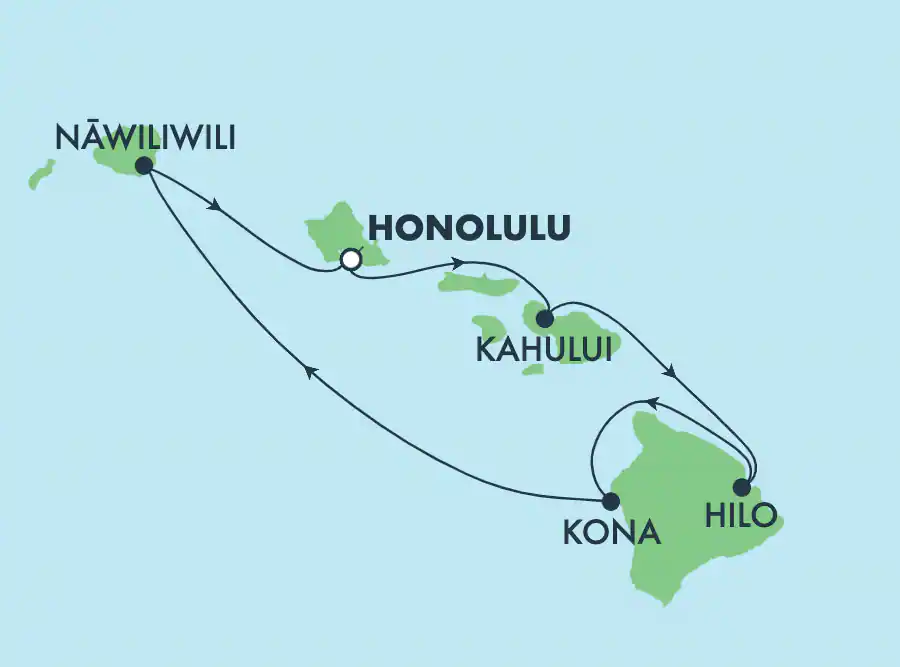
Cruise Itinerary
| DATE | PORT OF CALL | ARRIVE | DEPART |
|---|---|---|---|
| Saturday, August 8 | Honolulu, Oahu, Hawaii |
- | 7:00 pm |
| Sunday, August 9 | Kahului (Maui) |
8:00 am | - |
| Monday, August 10 | Kahului (Maui) |
- | 6:00 pm |
| Tuesday, August 11 | Hilo (Island of Hawaii) |
8:00 am | 6:00 pm |
| Wednesday, August 12 | Kailua-Kona (Island of Hawaii) |
7:00 am | 5:30 pm |
| Thursday, August 13 | Nawiliwili, Kauai, Hawaii |
8:00 am | - |
| Friday, August 14 | Nawiliwili, Kauai, Hawaii |
- | 5:30 pm |
| Saturday, August 15 | Honolulu, Oahu, Hawaii |
7:00 am | - |
Ports of Call
Honolulu, Oahu, Hawaii

Waikīkī: The Iconic Basecamp
Waikīkī is the engine of Hawaiʻi’s tourism, and it is important to manage expectations: it is crowded, developed, and energetic. However, its reputation is earned. The crescent of beach offers gentle waves that made surfing famous, framed by the dramatic backdrop of Lēʻahi (Diamond Head). It serves as the most logical logistical base, offering a density of hotels and dining that makes a car unnecessary for the first few days.

For a quintessential experience, visit the Duke Kahanamoku statue at sunset, or enjoy a cocktail at the historic Moana Surfrider or Royal Hawaiian hotels to capture the romance of the early travel era. A critical update for travelers: Hiking the summit of Diamond Head now requires advance reservations for non-residents. This 1.6-mile round-trip hike is steep and hot, but the panoramic views of the coastline are the definitive introduction to the island's geography.
Pearl Harbor: A Somber Pilgrimage
Visiting Pearl Harbor is not an excursion; it is a pilgrimage. The USS Arizona Memorial is the resting place of over 1,000 sailors and Marines, and the experience is deeply moving. Logistics here are paramount. Tickets for the boat launch to the memorial are released online 60 days in advance and vanish quickly; a secondary batch is released 24 hours prior, but relying on this is risky.
Plan for a full morning or afternoon. Beyond the Arizona, the Pearl Harbor Historic Sites include the USS Bowfin Submarine and the Battleship Missouri Memorial, where the Japanese surrender was signed, effectively bookending American involvement in WWII. Note that strict bag policies are enforced; bring only your wallet, phone, and water bottle to avoid long lines at the baggage storage facility.

Downtown & Cultural Heritage
Just a short taxi or rideshare from Waikīkī is the Capitol District, the historic heart of Honolulu. The centerpiece is ʻIolani Palace, the only official royal residence in the United States. We recommend the self-led audio tour or a docent-led tour to understand the sophistication of the Hawaiian monarchy and the painful history of its overthrow. Nearby, the Bishop Museum is essential for anyone interested in genuine cultural context. It houses the world’s largest collection of Polynesian cultural artifacts and provides the scientific and historical background necessary to appreciate the rest of your voyage.
The Culinary Landscape
Honolulu’s dining scene is a sophisticated reflection of its multicultural heritage, blending Native Hawaiian, Japanese, Chinese, Portuguese, and American influences. Do not limit yourself to hotel dining.
- Poke: For a casual lunch, visit a local market like Foodland or a dedicated shop like Maguro Brothers for fresh poke (marinated raw fish). It is a staple of local life.
- Kakaʻako: This former industrial district has transformed into a hub of street art and culinary innovation. It is excellent for craft breweries and farm-to-table eateries set against a backdrop of massive murals.
- Chinatown: By day, explore the markets; by night, discover some of the city's trendiest restaurants and cocktail bars in historic brick buildings.
- Local Comforts: Seek out a "plate lunch" (two scoops rice, macaroni salad, and a protein like kalua pig or chicken katsu) or start your morning with a malasada (Portuguese donut) from Leonard’s Bakery.
If you extend your stay post-cruise, renting a car opens up the "real" Oʻahu. A 45-minute drive takes you to the North Shore, the world's surfing capital. In winter, the waves are massive and dangerous; in summer, Waimea Bay is calm enough for swimming. The town of Haleiwa offers a rustic charm distinct from Honolulu's high-rises. Alternatively, drive the Windward Coast to see the jagged Koʻolau mountains and visit the Byodo-In Temple, a stunning replica of a Japanese temple nestled in the Valley of the Temples.
A Curated Pre-Cruise Itinerary
To maximize a three-day pre-cruise stay without exhaustion, consider this pacing:
- Day 1: Arrival & Acclimatization. Check into your Waikīkī hotel. Walk the beach at sunset to shake off the flight. Dinner at a beachfront restaurant like Duke's or House Without a Key for live Hawaiian music.
- Day 2: History & Heritage. Morning at Pearl Harbor (pre-booked). Afternoon at ʻIolani Palace in downtown Honolulu. Dinner in the artsy Kakaʻako district.
- Day 3: Nature & Views. Early morning hike at Diamond Head (pre-booked) or the lush Mānoa Falls trail. Spend the afternoon exploring the Bishop Museum or relaxing before heading to the cruise terminal.
Kahului (Maui)

For a truly immersive, full-day commitment, two iconic journeys beckon. The Road to Hana is a winding, 64-mile drive through a lush rainforest, past cascading waterfalls and dramatic coastal cliffs—an experience more about the journey than the destination. Alternatively, ascend to the summit of Haleakalā, the "House of the Sun." This dormant volcano offers an otherworldly, cloud-level perspective of a vast crater, a stark and beautiful landscape unlike any other. Due to their length and complexity, pre-arranged tours are the most efficient way to experience these wonders from a cruise ship.

For a less demanding but equally rewarding day, explore the Iao Valley State Monument, a sacred and verdant valley featuring the iconic Kīpuka Puaulu (Iao Needle). Nearby, the bohemian surf town of Paia offers unique shops and a relaxed vibe, while further upcountry, Makawao provides a glimpse into Maui's paniolo (cowboy) heritage with its charming boutiques and galleries. The North Shore's Ho'okipa Beach is a fantastic spot to watch world-class windsurfers and spot green sea turtles resting on the sand.
Please be mindful that West Maui, including the historic town of Lahaina, is in a long-term recovery phase following the 2023 wildfires. Visitors are encouraged to explore the many other beautiful and welcoming areas of the island.
Hilo (Island of Hawaii)


Kailua-Kona (Island of Hawaii)

While the town itself is charming, Kona’s most profound experiences lie just beyond its borders. The region is, of course, synonymous with coffee. A short drive up the cool, misty slopes of Hualālai takes you into the Kona Coffee Belt, a narrow stretch of land where family-run farms cultivate world-renowned beans. Many offer tours and tastings, providing a direct connection to the island's rich agricultural heritage—a highly recommended and accessible cultural immersion.
For history and nature enthusiasts, the coast south of Kona holds immense significance. Kealakekua Bay, a protected marine life conservation district, offers some of the clearest water and most vibrant snorkeling in Hawaii, all watched over by a monument to Captain James Cook, who met his end here. Further south lies Puʻuhonua o Hōnaunau National Historical Park, a beautifully restored ancient place of refuge. Walking through these sacred grounds, with their formidable rock walls and carved kii (wooden images), offers a powerful glimpse into traditional Hawaiian law and spirituality.
Kailua-Kona is not a destination of grand monuments but of authentic encounters. It’s a place to sip exceptional coffee at its source, stand on sacred ground, and swim among dazzling reef fish. The key to a rewarding day is planning, as the most compelling sites require a short drive, but the effort reveals the true, captivating spirit of the Kona coast.
Nawiliwili, Kauai, Hawaii

Two experiences define Kauai's epic scale. The first is Waimea Canyon, a massive, 14-mile-long chasm often called the 'Grand Canyon of the Pacific.' Its deep, crimson-rock gorges striated with lush green foliage create a spectacle of color and depth that is truly breathtaking from its numerous roadside lookouts. The second is the legendary Na Pali Coast, a sacred and inaccessible stretch of coastline where sheer, emerald-green cliffs, fluted by time and waterfalls, drop thousands of feet to the ocean. As it is unreachable by car, the only ways to witness its majesty are via a dramatic helicopter flight or a rugged boat tour along its base.

For those seeking more accessible beauty, the Wailua River Valley offers gentle kayaking excursions to the Fern Grotto and easy access to the impressive Wailua and Opaekaa Falls. On the island's sunnier south side, Poipu Beach provides a classic Hawaiian beach day, with golden sands, calm waters for snorkeling, and frequent sightings of resting green sea turtles.
A pre-booked rental car or a well-chosen tour is essential. The island’s wonders are spread out, and planning ahead is the key to experiencing the profound beauty of Kauai.
We can assist you with all your travel arrangements. We'd be happy to help you plan your flights, hotels, or tours before and/or after your cruise conference.
PLEASE NOTE: To attend the conference, participants must book their cruise accommodations through University at Sea®. This ensures we can provide full conference services and complimentary social amenities to meeting participants and guests. Participants' family and friends are welcome to book within our group allotment and take advantage of our typically excellent rates.
Request a Quote online or by voice at 800-525-9696 (US/Can) or direct/int'l tel +1-727-526-1571.
Prices below are for the full cruise including meals and evening entertainment
Suites
 Suite/Deluxe
2 Bedroom Deluxe Family Suite with Large Balcony SA.
Living room, private balcony, two separate bedrooms (one with a king-size bed and walk-in-closet, another with two lower convertible beds and a bunk bed), two TVs, two bathrooms (one with bath and shower). Butler service and concierge available. Stateroom: 607-650 sq. ft. Balcony: 98 sq. ft.
Suite/Deluxe
2 Bedroom Deluxe Family Suite with Large Balcony SA.
Living room, private balcony, two separate bedrooms (one with a king-size bed and walk-in-closet, another with two lower convertible beds and a bunk bed), two TVs, two bathrooms (one with bath and shower). Butler service and concierge available. Stateroom: 607-650 sq. ft. Balcony: 98 sq. ft. 800-525-9696
for Pricing
 Suite/Deluxe
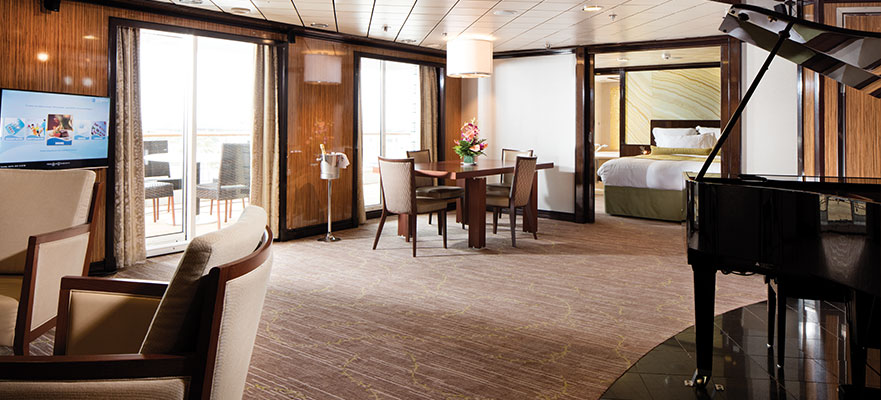
Deluxe Owner's Suite with Large Balcony SB.
Living room with double sofa bed, baby grand piano, CD/DVD library, two TVs, dining room, private balcony with hot tub and dining area, separate bedroom with king-size bed and walk-in-closet, luxury bath with whirlpool tub and separate shower and guest bathroom. Butler service and concierge available. Stateroom: 1382 sq. ft. Balcony: 490 sq. ft.
Suite/Deluxe
Deluxe Owner's Suite with Large Balcony SB.
Living room with double sofa bed, baby grand piano, CD/DVD library, two TVs, dining room, private balcony with hot tub and dining area, separate bedroom with king-size bed and walk-in-closet, luxury bath with whirlpool tub and separate shower and guest bathroom. Butler service and concierge available. Stateroom: 1382 sq. ft. Balcony: 490 sq. ft. 800-525-9696
for Pricing
 Suite/Deluxe
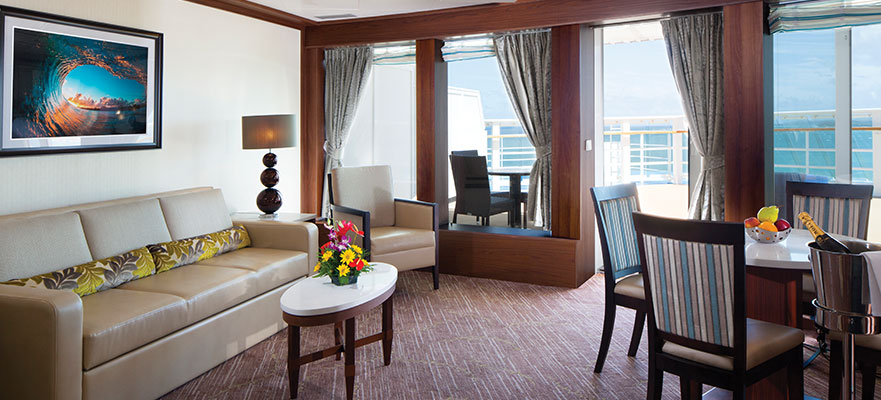
Owner's Suite with Large Balcony SC.
Living room, dining room, private balcony with hot tub, bedroom with king-size bed and walk-in-closet, a double sofa bed, CD/DVD library, two TVs, and a luxury bath with whirlpool tub. Butler service and concierge available. (Staterooms on Deck 13 do not have hot tubs on the balcony.) Stateroom: 676-957 sq. ft. Balcony: 164-387 sq. ft.
Suite/Deluxe
Owner's Suite with Large Balcony SC.
Living room, dining room, private balcony with hot tub, bedroom with king-size bed and walk-in-closet, a double sofa bed, CD/DVD library, two TVs, and a luxury bath with whirlpool tub. Butler service and concierge available. (Staterooms on Deck 13 do not have hot tubs on the balcony.) Stateroom: 676-957 sq. ft. Balcony: 164-387 sq. ft. 800-525-9696
for Pricing
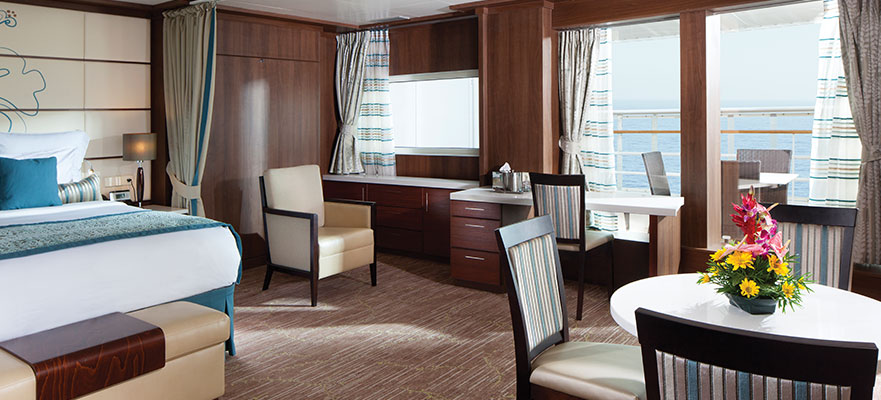 Suite/Deluxe
Deluxe Penthouse with Large Balcony SD.
These suites include a bedroom with king-size bed, walk-in closet, and luxury bath with whirlpool tub and separate shower, a double sofa bed and double murphy bed. Also features two TVs and a large private balcony. Butler service and concierge available. Stateroom: 880 sq. ft. Balcony: 419 sq. ft.
Suite/Deluxe
Deluxe Penthouse with Large Balcony SD.
These suites include a bedroom with king-size bed, walk-in closet, and luxury bath with whirlpool tub and separate shower, a double sofa bed and double murphy bed. Also features two TVs and a large private balcony. Butler service and concierge available. Stateroom: 880 sq. ft. Balcony: 419 sq. ft. 800-525-9696
for Pricing
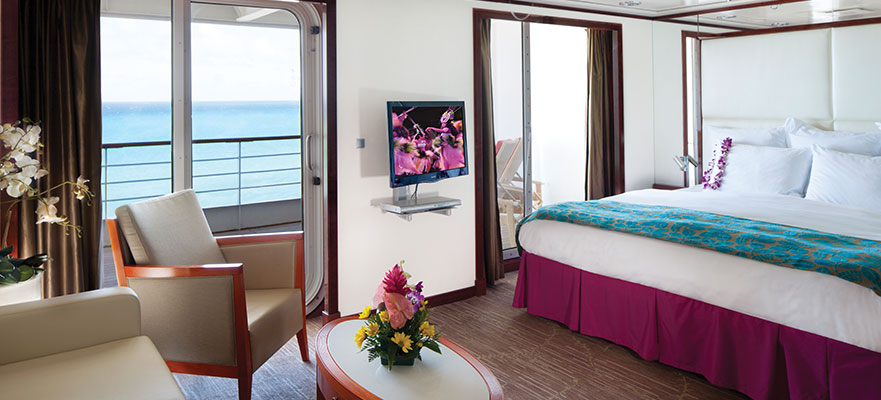 Suite/Deluxe
Penthouse with Large Balcony SE.
Living room, private balcony, king-size bed, a double sofa bed, CD/DVD library, walk-in-closet and bath and shower. Butler service and concierge available. Stateroom: 335-688 sq. ft. Balcony: 92-301 sq. ft.
Suite/Deluxe
Penthouse with Large Balcony SE.
Living room, private balcony, king-size bed, a double sofa bed, CD/DVD library, walk-in-closet and bath and shower. Butler service and concierge available. Stateroom: 335-688 sq. ft. Balcony: 92-301 sq. ft. 800-525-9696
for Pricing
Suite/Deluxe
Penthouse with Large Balcony SF.
Living room, private balcony, king-size bed, a double sofa bed, CD/DVD library, walk-in-closet and bath and shower. Butler service and concierge available. Stateroom: 335-688 sq. ft. Balcony: 92-301 sq. ft. 800-525-9696
for Pricing
Suite/Deluxe
Penthouse with Large Balcony SG.
Living room, private balcony, king-size bed, a double sofa bed, CD/DVD library, walk-in-closet and bath and shower. Butler service and concierge available. Stateroom: 335-688 sq. ft. Balcony: 92-301 sq. ft. 800-525-9696
for Pricing
Suite/Deluxe
Penthouse with Large Balcony SH.
Living room, private balcony, king-size bed, a double sofa bed, CD/DVD library, walk-in-closet and bath and shower. Butler service and concierge available. Stateroom: 335-688 sq. ft. Balcony: 92-301 sq. ft. 800-525-9696
for Pricing
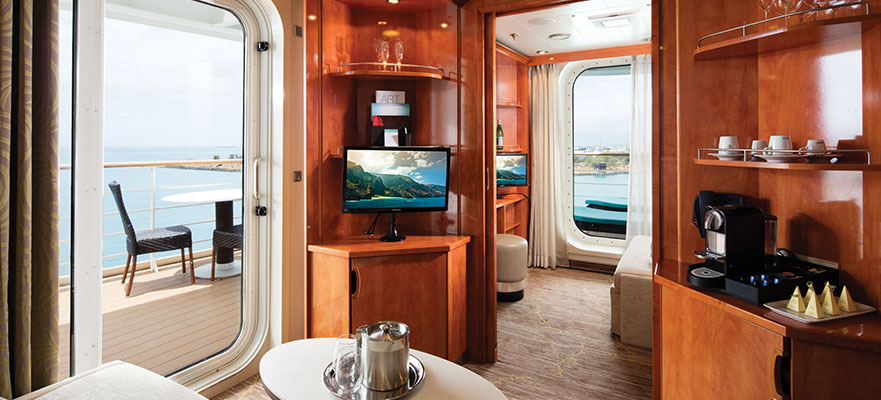 Suite/Deluxe
2 Bedroom Family Suite with Large Balcony SI.
Living room with double sofa bed, private balcony, two separate bedrooms one with a queen-size bed and one with a single sofa bed and three TVs. Butler service and concierge available. Stateroom: 335 sq. ft. Balcony: 92 sq. ft.
Suite/Deluxe
2 Bedroom Family Suite with Large Balcony SI.
Living room with double sofa bed, private balcony, two separate bedrooms one with a queen-size bed and one with a single sofa bed and three TVs. Butler service and concierge available. Stateroom: 335 sq. ft. Balcony: 92 sq. ft. 800-525-9696
for Pricing
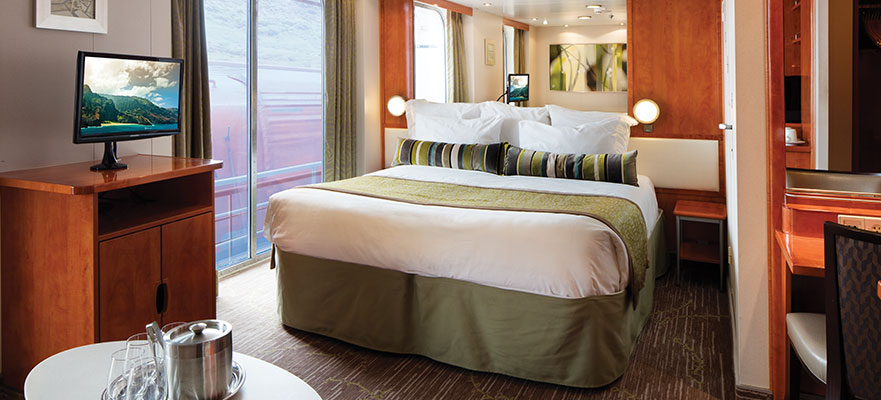 Suite/Deluxe
1 Bedroom Obstructed View Family Suite SJ.
These suites include two lower beds that convert to a queen and a double sofa bed; extra bedroom that includes two lower beds that convert to a queen and additional bedding to accommodate two guests.
Suite/Deluxe
1 Bedroom Obstructed View Family Suite SJ.
These suites include two lower beds that convert to a queen and a double sofa bed; extra bedroom that includes two lower beds that convert to a queen and additional bedding to accommodate two guests. 800-525-9696
for Pricing
Balcony
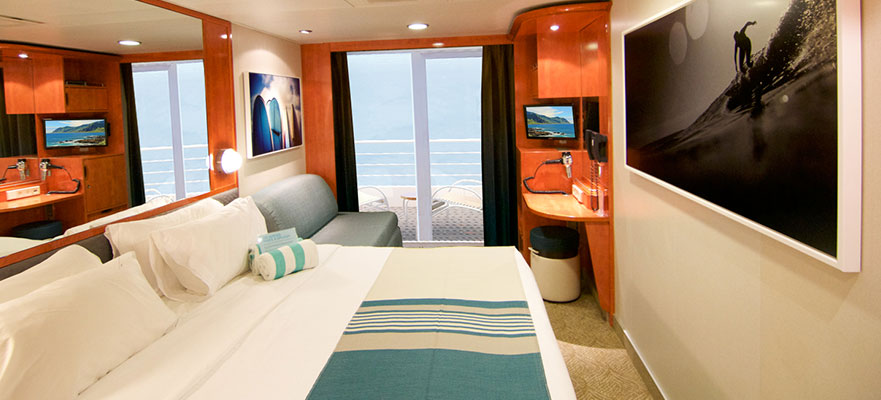 Mid-Ship Balcony Stateroom (BA)
These Mid-Ship Balcony Staterooms are located on a middle deck and offer easy access to great restaurants, activities and more. This stateroom includes two lower beds that convert to a queen-size bed, a convertible sofa to accommodate more, a sitting area and balcony with fantastic views. Stateroom: 178 sq. ft. Balcony: 40 sq. ft.
800-525-9696
for Pricing
Balcony
Aft-Facing Large Balcony B1.
The aft-facing balcony offers truly incredible views and a great way to feel the ocean breeze. They include two lower beds that convert into a queen-size bed, a sitting area with a single sofa and floor-to-ceiling glass doors that open to a large private balcony. Stateroom: 227-233 sq. ft. Balcony: 89-95 sq. ft. 800-525-9696
for Pricing
Balcony
Family Balcony B2.
These staterooms are great family accommodations. Bring the family and spread out in comfort. Features two lower beds that convert into a queen-size bed and a convertible sofa, as well as a sitting area and floor-to-ceiling glass doors that open to a private balcony. Stateroom: 178 sq. ft. Balcony: 40 sq. ft. 800-525-9696
for Pricing
Balcony
Family Balcony B3.
These staterooms are great family accommodations. Bring the family and spread out in comfort. Features two lower beds that convert into a queen-size bed and a convertible sofa, as well as a sitting area and floor-to-ceiling glass doors that open to a private balcony. Stateroom: 178 sq. ft. Balcony: 40 sq. ft. 800-525-9696
for Pricing
Balcony
Large Balcony Stateroom B6.
Two lower beds that convert to a queen-size bed and a sofa bed. The large balcony offers incredible views. Stateroom: 217-233 sq. ft. Balcony: 79-95 sq. ft. 800-525-9696
for Pricing
Balcony
Large Balcony Stateroom B7.
Two lower beds that convert to a queen-size bed and a sofa bed. The large balcony offers incredible views. Stateroom: 217-233 sq. ft. Balcony: 79-95 sq. ft. 800-525-9696
for Pricing
Balcony
Mid-Ship Balcony Stateroom BB.
These Mid-Ship Balcony Staterooms are located on a middle deck and offer easy access to great restaurants, activities and more. This stateroom includes two lower beds that convert to a queen-size bed, a convertible sofa to accommodate more, a sitting area and balcony with fantastic views. Stateroom: 178 sq. ft. Balcony: 40 sq. ft. 800-525-9696
for Pricing
Balcony
Balcony Stateroom BC.
These balcony staterooms are located either forward or aft. They include two lower beds that convert into a queen-size bed, a sitting area and floor-to-ceiling glass doors that open to a private balcony with amazing views. Stateroom: 178 sq. ft. Balcony: 40 sq. ft. 800-525-9696
for Pricing
Balcony
Balcony Stateroom BD.
These balcony staterooms are located either forward or aft. They include two lower beds that convert into a queen-size bed, a sitting area and floor-to-ceiling glass doors that open to a private balcony with amazing views. Stateroom: 178 sq. ft. Balcony: 40 sq. ft. 800-525-9696
for Pricing
Balcony
Balcony Stateroom BE.
These balcony staterooms are located either forward or aft. They include two lower beds that convert into a queen-size bed, a sitting area and floor-to-ceiling glass doors that open to a private balcony with amazing views. Stateroom: 178 sq. ft. Balcony: 40 sq. ft. 800-525-9696
for Pricing
Balcony
Balcony Stateroom BF.
These balcony staterooms are located either forward or aft. They include two lower beds that convert into a queen-size bed, a sitting area and floor-to-ceiling glass doors that open to a private balcony with amazing views. Stateroom: 178 sq. ft. Balcony: 40 sq. ft. 800-525-9696
for Pricing
Outside
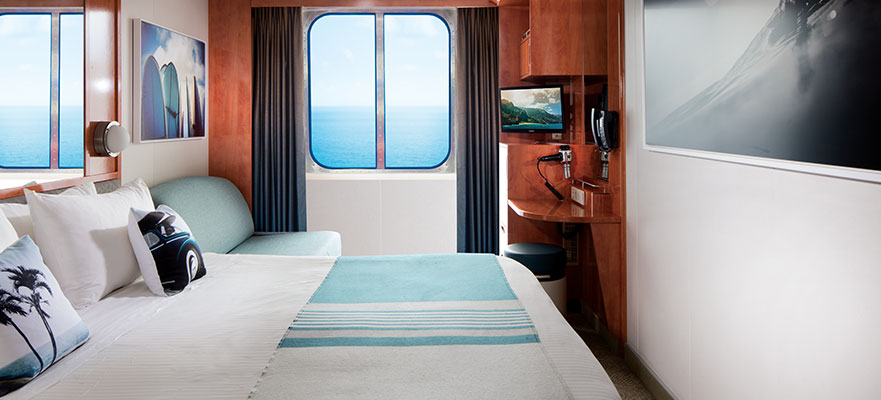 Outside
Family Oceanview Picture Window O1.
Oceanview Staterooms have plenty of room for the family with two lower beds that convert into a queen-size bed, plus two pull down beds. Not to mention the incredible views from the large picture window. Stateroom: 144 sq. ft.
Outside
Family Oceanview Picture Window O1.
Oceanview Staterooms have plenty of room for the family with two lower beds that convert into a queen-size bed, plus two pull down beds. Not to mention the incredible views from the large picture window. Stateroom: 144 sq. ft. 800-525-9696
for Pricing
Outside
Mid-Ship Oceanview with Picture Window OA.
These Oceanview Staterooms have two lower beds that convert into a queen-size bed as well as two pull down beds. Because they are mid-ship, you'll have easy access to everything on board. Plus an incredible view from the big picture window. Stateroom: 144 sq. ft. 800-525-9696
for Pricing
Outside
Mid-Ship Oceanview with Picture Window OC.
These Oceanview Staterooms have two lower beds that convert into a queen-size bed as well as two pull down beds. Because they are mid-ship, you'll have easy access to everything on board. Plus an incredible view from the big picture window. Stateroom: 144 sq. ft. 800-525-9696
for Pricing
Outside
Obstructed Oceanview OK.
These staterooms combine comfort and value. They include two lower beds that convert into a queen-size bed, additional bedding to accommodate more and a picture window with an obstructed view. Stateroom: 144 sq. ft. 800-525-9696
for Pricing
Inside
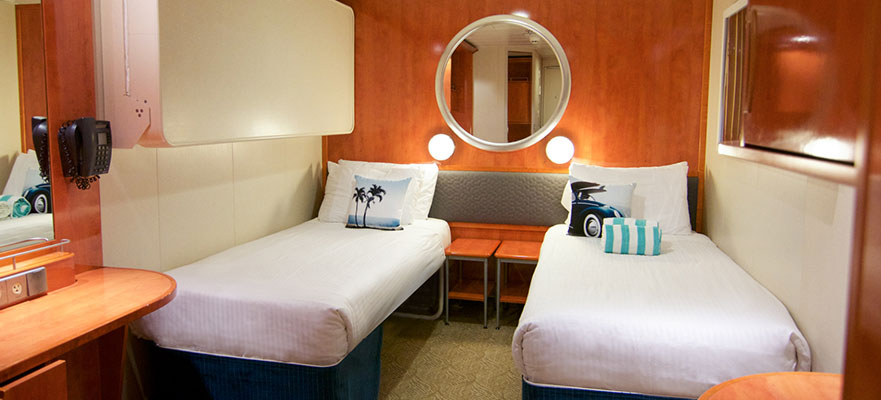 Mid-Ship Inside Stateroom (IA)
These staterooms contain two lower beds that convert into a queen-size bed and additional bedding in some to accommodate more guests. And because they are mid-ship, you'll have easy access to all the exciting activities and delicious dining options on board. Stateroom: 132 sq. ft.
800-525-9696
for Pricing
Inside
Family Inside I1.
Pride of America's Inside Staterooms are a great way for the whole family to cruise. With room for up to four guests these staterooms offer two lower beds that convert into a queen-size bed as well as pull down beds to accommodate two more. Stateroom: 132-139 sq. ft. 800-525-9696
for Pricing
Inside
Inside Stateroom IB.
An Inside stateroom is the most affordable way for you to cruise. These staterooms have two pull-down beds and two lower beds that convert into a queen-size bed. Stateroom: 132-134 sq. ft. 800-525-9696
for Pricing
Inside
Inside Stateroom IC.
An Inside stateroom is the most affordable way for you to cruise. These staterooms have two pull-down beds and two lower beds that convert into a queen-size bed. Stateroom: 132-134 sq. ft. 800-525-9696
for Pricing
Inside
Inside Stateroom ID.
An Inside stateroom is the most affordable way for you to cruise. These staterooms have two pull-down beds and two lower beds that convert into a queen-size bed. Stateroom: 132-134 sq. ft. 800-525-9696
for Pricing
Before & After Your Cruise
Hotels
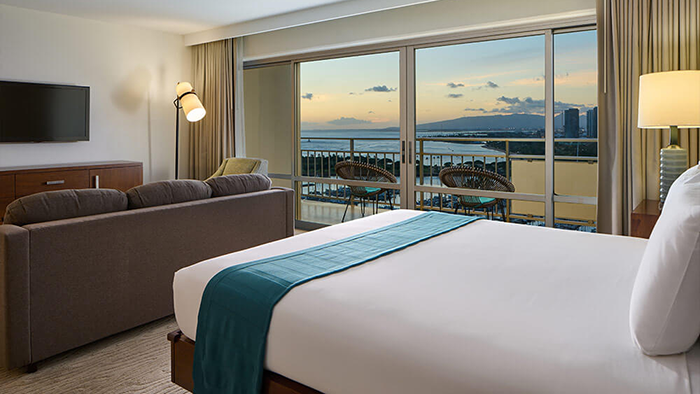
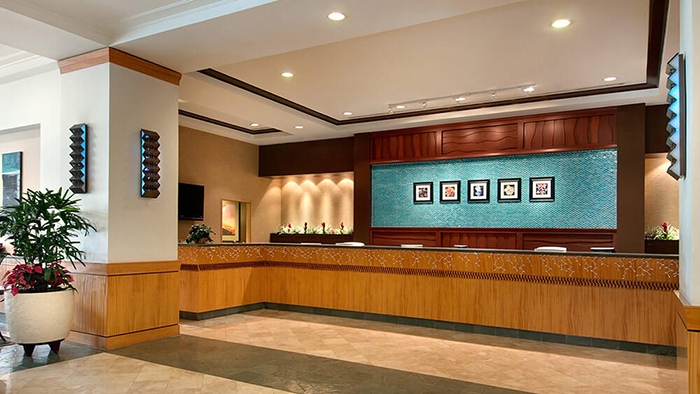
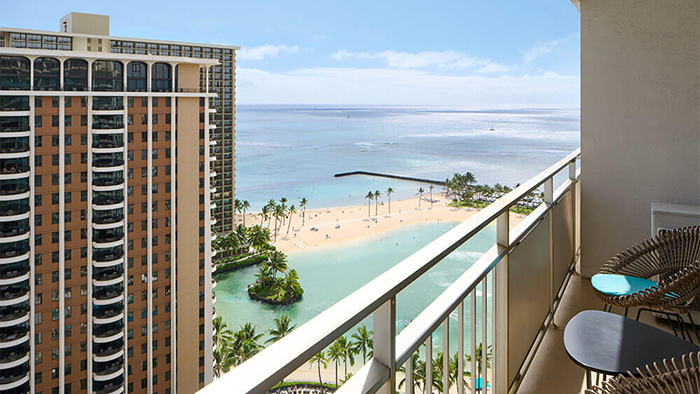
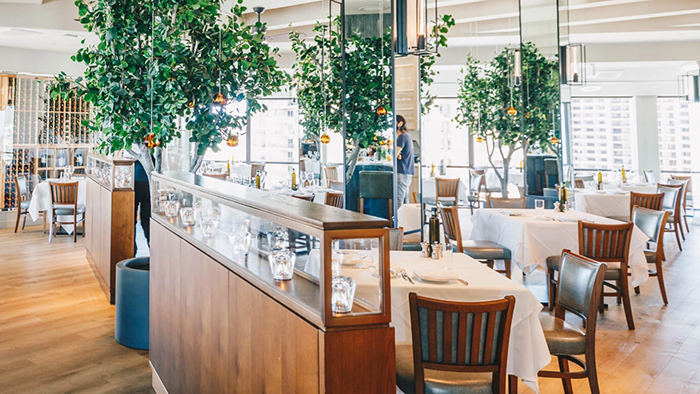
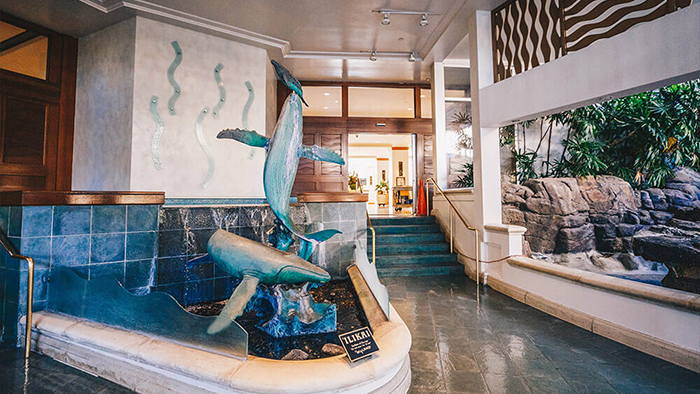
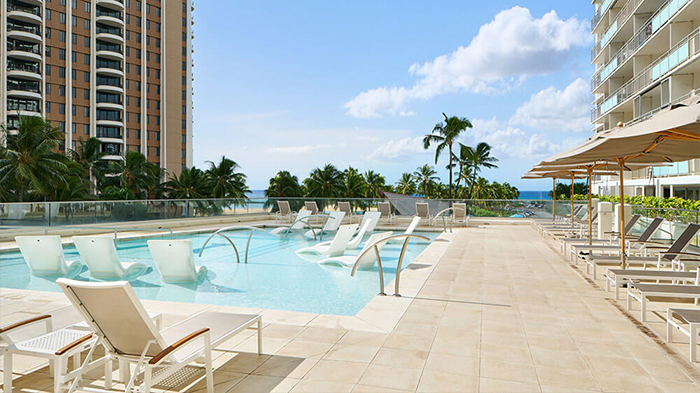
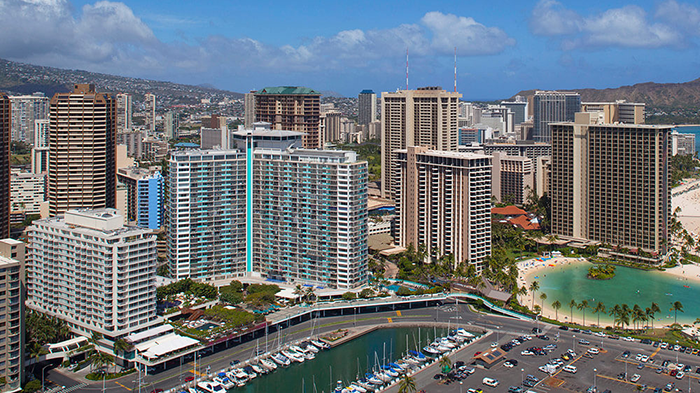
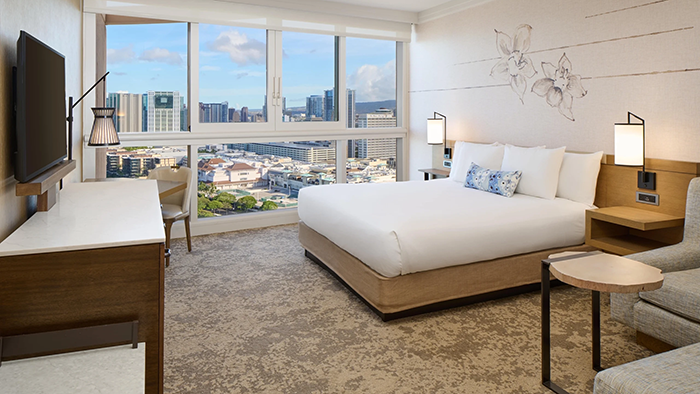
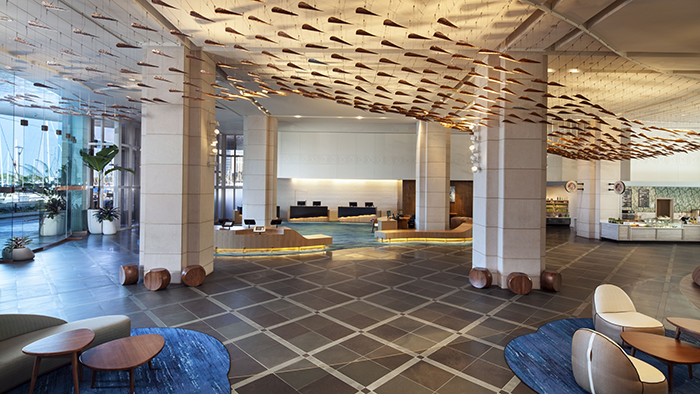
Castle Ilikai Tower
Iconic and Irresistible
1777 Ala Moana Blvd, Honolulu, HI 96815 — Honolulu
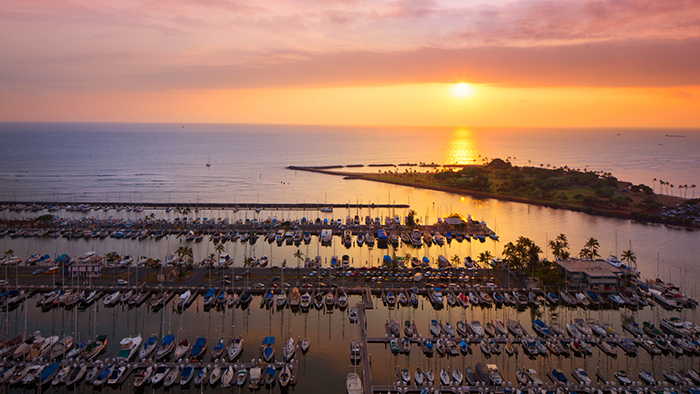
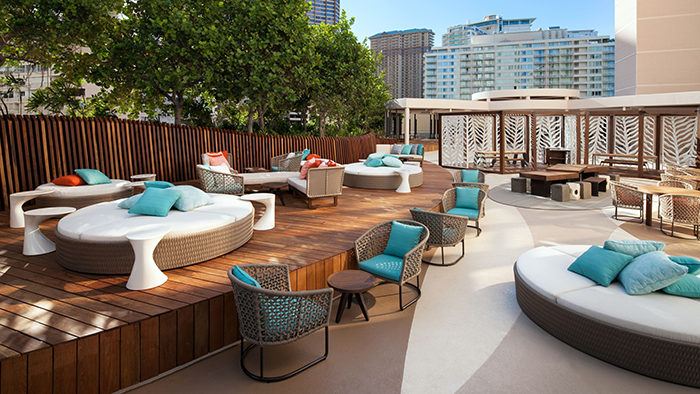
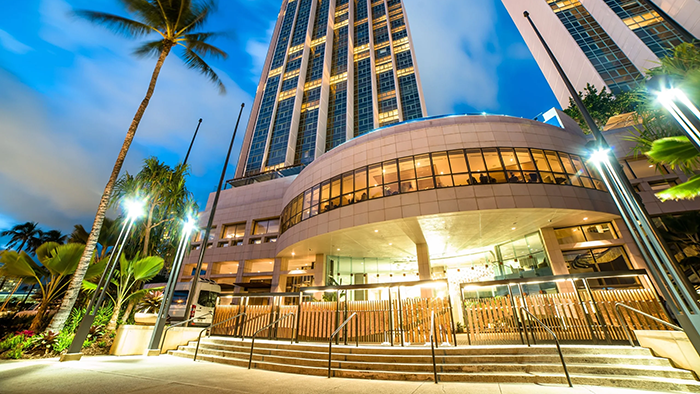
Prince Waikiki - Honolulu Luxury Hotel
A Sanctuary to Sink Into
100 Holomoana St, Honolulu, HI 96815 — Honolulu
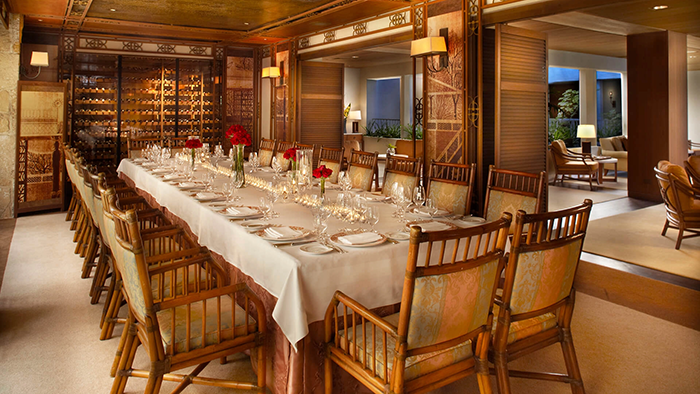
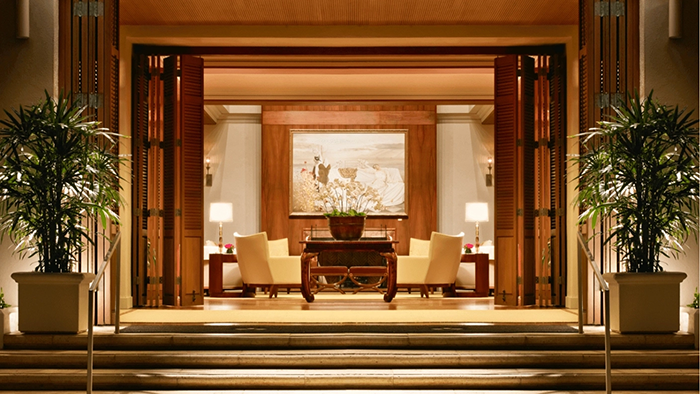
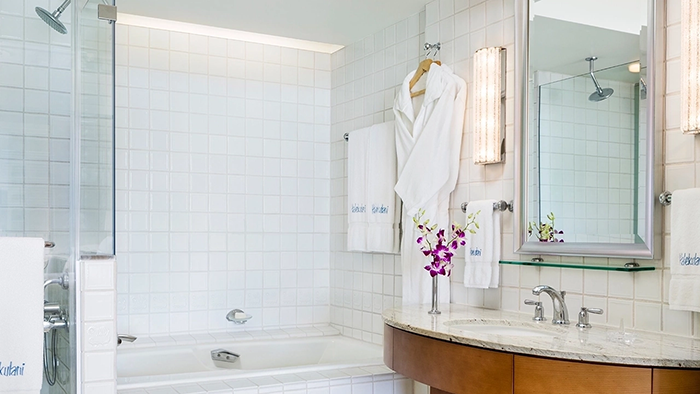
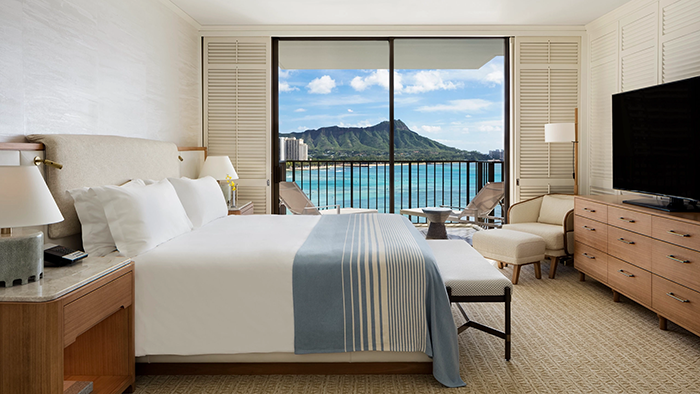
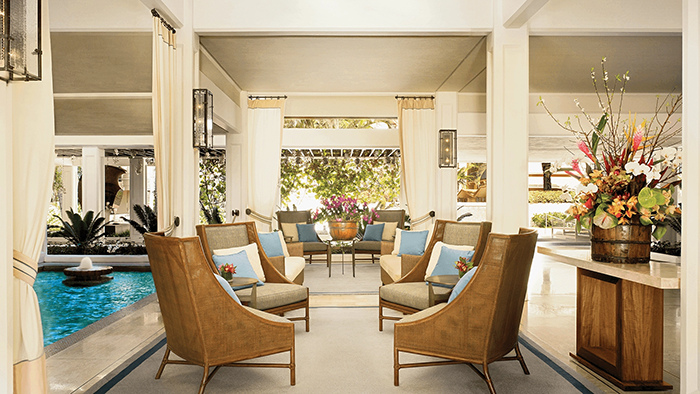
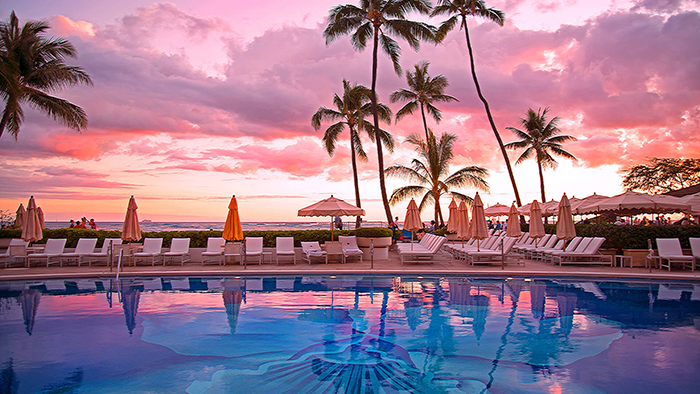
Halekulani Hotel
Luxury Waikiki Oceanfront Accommodations
2199 Kalia Rd, Honolulu, HI 96815 — Honolulu
Protect Your Trip with Allianz Travel Insurance
Allianz Travel Insurance plans can give you flexibility and support when your trip doesn’t go quite as planned. From unexpected flight issues to covered trip cancellations, travel emergencies, and more, travel insurance can help you manage unforeseen events that may impact your trip—giving you peace of mind from the moment you book your trip through your return home.
For an instant quote:
- Simply provide a few short details about your trip
- Review the available protection plans
- Enjoy the peace of mind you deserve
Why Protect your Trip?
Whether you’re planning your next trip or you recently booked one, travel insurance can help smooth over many unexpected travel glitches—while putting your mind at ease, knowing you’re off the hook for covered expenses that could arise from them.
Allianz Travel Insurance plans can provide you benefits and professional support when a covered situation comes up before or during your trip. The following examples may qualify for benefits:
- Cancelling your trip after unexpectedly becoming too sick to travel
- Taking care of a sick or injured traveling companion
- Having to end your trip early due to a family emergency
- Dealing with a flight delay or cancellation
- Needing to buy personal items if your luggage is lost or stolen
- Missing your cruise departure after a covered flight delay
You also can contact our travel protection partner Allianz Global Assistance’s 24/7, award-winning customer service for on-the-go assistance with issues like a medical emergency, replacing your lost passport, or making reservations around the world. To be eligible for a time-sensitive waiver of pre-existing medical condition exclusions, purchase your travel insurance plan within 14 days of initial trip deposit (other purchase requirements and conditions apply). Specific plan benefits may vary. Please review your plan details for more information.
What Can Travel Insurance Help Protect?
Allianz Travel Insurance plans can protect you before and during your trip—keeping you, your loved ones, and your travel budget safer. Benefits vary by plan, and these are brief descriptions. Please read your plan documents for details.
TRIP CANCELLATION
Reimburses your prepaid, non-refundable travel expenses if you need to cancel your trip due to a covered reason, such as you, a family member, or traveling companion experiencing a covered illness or injury. Examples include:
- A doctor says you or a traveling companion is too sick to fly
- Your parent or child requires hospitalization
- You need to attend the birth of a family member’s child
- You have a traffic accident (not breakdown) on the way to the airport
- A storm shuts down your airport for 24 hours or more
TRIP INTERRUPTION
Reimburses your unused, non-refundable travel expenses and increased transportation costs during your trip if you have to return home early due to a covered reason, for instance when a family member has a qualifying medical emergency and needs your care. Examples include:
- You have a covered illness or injury and a doctor says you must return home
- A family member has a qualifying injury and needs your care
- A covered emergency, like a fire or flood, makes your home uninhabitable
TRAVEL DELAY
If you have a covered delay while traveling, travel insurance can reimburse you for meals, accommodations, and transportation expenses when your trip is delayed for a minimum number of consecutive hours for a covered reason. Minimum number of hours varies by plan.
EMERGENCY MEDICAL AND DENTAL CARE
Reimburses your expenses related to covered medical and dental emergencies* that might occur on your trip. This benefit can be especially helpful if you have a covered emergency outside the United States, as most health insurance policies won’t cover you outside the country. Examples include:
- You slip and break your ankle while sightseeing
- You get food poisoning while sampling the local cuisine
- You lose a filling and need immediate dental treatment*
*A sublimit and maximum apply for this benefit. Check your plan documents for details.
EMERGENCY MEDICAL TRANSPORTATION
Arranges and pays for medically necessary transportation following a covered injury or illness to the nearest appropriate medical facility to receive care and get you home after treatment.
BAGGAGE LOSS, DAMAGE, or THEFT
Reimburses the replacement of your lost, damaged, or stolen luggage and personal items while traveling.
BAGGAGE DELAY
Reimburses essential items purchased during your trip if your baggage is delayed for a minimum number of hours (varies by plan).
CHANGE FEE
Reimburses fees if you need to change your flight itinerary due to a covered reason.
24-HOUR ASSISTANCE
Provides around-the-clock support during your trip. Allianz Global Assistance’s staff of multilingual problem solvers can help you with medical, legal, and travel-related emergencies whenever they happen. Medical assistance may include, but is not limited to:
- Medical triage with referrals to local prescreened medical providers
- Ongoing medical monitoring
- Payment guarantee
- Emergency medical transportation
Additional services for travel-related emergencies can help with:
- Missed connecting flights
- Lost/stolen travel documents
- Pre-trip information
- Prescription replacements
Our Promise to You
When you purchase any Allianz Travel Insurance plan, you automatically get 15 days (or more, depending on your state of residence) to review your policy documents. Within that period, you can cancel your plan for a full refund if you’re not satisfied, as long as you haven’t filed a claim or departed on your trip.
Need Help Along the Way?
Contact Allianz Global Assistance’s award-winning team of travel experts. Call anytime for assistance navigating travel mishaps overseas or in the U.S.—or help with everything from reporting lost baggage to locating emergency medical treatment. They can also help you replace passports, refer you to legal assistance, secure cash from home in case of emergency, and guarantee payment when you need to be admitted to a hospital, in some instances.
Contact Allianz Global Assistance
Phone (24/7):
1-800-284-8300 (within the U.S., Canada, Puerto Rico, and the U.S. Virgin Islands)
1-804-281-5700 (outside of the U.S., call collect)
File or Track a Claim
It’s easy and convenient to file and track a claim, upload documents, and more online. Start your claim using your email address or policy number.
File a ClaimIf you need help filing a claim or understanding the claims process, visit the Allianz Global Assistance Claims Center.
Update Your Plan
If you need to update your travel insurance plan, such as adjusting the dates of your plan to reflect itinerary changes, please contact us or manage your plan online so your plan reflects your entire itinerary and provides the right amount of protection for your travels.
Manage My PlanAbout Allianz Global Assistance
Allianz Global Assistance is a world leader in travel insurance and assistance, helping millions of travelers across the globe every year. Allianz Global Assistance is owned by Allianz SE, the world’s largest diversified insurance company. For over 100 years, Allianz SE has helped protect important milestones in American history, insuring the Wright Brothers’ first flight and Golden Gate Bridge construction.
Terms, conditions, and exclusions apply including for pre-existing medical conditions. Insurance benefits underwritten by BCS Insurance Company (OH, Administrative Office: 2 Mid America Plaza, Suite 200, Oakbrook Terrace, IL 60181), rated “A” (Excellent) by A.M. Best Co., under BCS Form No. 52.201 series or 52.401 series, or Jefferson Insurance Company (NY, Administrative Office: 9950 Mayland Drive, Richmond, VA 23233), rated “A+” (Superior) by A.M. Best Co., under Jefferson Form No. 101-C series or 101-P series, depending on your state of residence and plan chosen. A+ (Superior) and A (Excellent) are the 2nd and 3rd highest, respectively, of A.M. Best’s 13 Financial Strength Ratings. Plans only available to U.S. residents and may not be available in all jurisdictions. Allianz Global Assistance and Allianz Travel Insurance are marks of AGA Service Company dba Allianz Global Assistance or its affiliates. Allianz Travel Insurance products are distributed by Allianz Global Assistance, the licensed producer and administrator of these plans and an affiliate of Jefferson Insurance Company. The insured shall not receive any special benefit or advantage due to the affiliation between AGA Service Company and Jefferson Insurance Company. Plans include insurance benefits and assistance services. Any Non-Insurance Assistance services purchased are provided through AGA Service Company. Except as expressly provided under your plan, you are responsible for charges you incur from third parties. Contact AGA Service Company at 800-284-8300 or 9950 Mayland Drive, Richmond, VA 23233 or customerservice@allianzassistance.com.