Emergency Medicine, Critical Care, and Medical Ethics
14-Night The Philippines, Taiwan & Japan from Hong Kong, China to Tokyo, Japan February 14 - 28, 2027
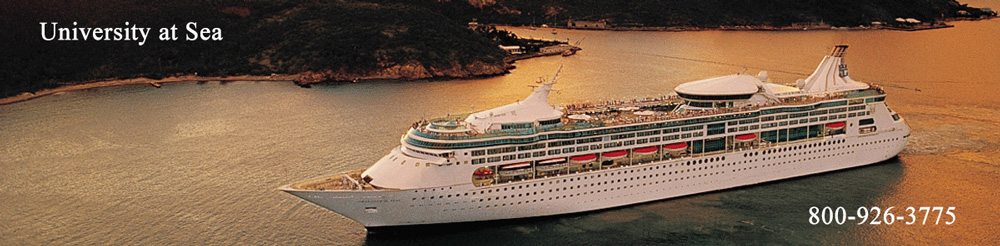
Holland America's Westerdam
Course Fees
$1,395.00$1,195.00 for Physicians $1,045.00$895.00 for Nurse Practitioners, Physician Assistants $895.00$795.00 for Nurses Early Bird Discount applied above expires May 14, 2026. Book now to save!
IMPORTANT NOTE: All conferees, their families, and guests must book their cruise within the University at Sea® meeting group through University at Sea® at 800-926-3775 or by registering online. This ensures our company can provide conference services and complimentary social amenities to all meeting participants and their guests. Thank you for your cooperation.
Professor of Intensive Care Medicine
University College London
London,UK
Head, Research Department of Clinical Physiology, Division of Medicine
Director, Bloomsbury Institute of Intensive Care Medicine
Editor-in-Chief, Intensive Care Medicine experimental (ICMx)
NIHR Senior Investigator 2009-2017
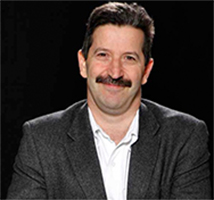
Mervyn Singer is Professor of Intensive Care Medicine at University College London, UK. He trained in medicine at St Bartholomew's Hospital Medical College, London and then undertook subsequent junior doctor posts in hospitals around the London area. He performed his doctorate research thesis developing a novel hemodynamic monitoring tool using esophageal Doppler ultrasonography; the subsequent technology (CardioQ) is now used in >30 countries worldwide. He then began formal critical care training in an academic rotation at University College London in 1989 and was appointed Professor in 2001.
He is Director of the Bloomsbury Institute of Intensive Care Medicine and runs a research group totaling 15 people performing bench-to-bedside research. Specific interests include sepsis and multi-organ failure, tissue oxygenation, infection, novel diagnostics and monitoring. Funding comes from the Wellcome Trust, UK Medical Research Council, European Union, and UK National Institute of Health Research (NIHR) among others. He has published widely, with multiple papers in the New England Journal of Medicine, Lancet and JAMA. Apart from the above-mentioned esophageal Doppler monitor, he has developed a novel tissue PO2 monitor (gauging the adequacy of tissue perfusion) entering clinical trials in 2016, and a novel drug inducing a 'suspended animation' state intended for ischaemia-reperfusion injury that is scheduled to go into man also in 2016. He is also the clinical lead investigator of studies on novel diagnostics for sepsis and infection, and the first intensivist to be appointed a Senior Investigator by the NIHR.
He lectures widely and has delivered four plenary lectures at the annual Congresses of the European Society of Intensive Care Medicine and the US Society of Critical Care Medicine. He has authored/edited several textbooks including the Oxford Textbook of Critical Care and the Oxford Handbook of Critical Care. He is currently Editor-in-Chief of Intensive Care Medicine Experimental (ICMx), co-chair of the new Sepsis Redefinitions Task Force, Council Member of the International Sepsis Forum, Critical Care Theme Lead of the NIHR Health Informatics Collaborative, and does 13 clinical on-call weeks per annum in the ICU.
Charles L. Sprung MD, JD, MCCM, FCCP
Director Emeritus, General Intensive Care Unit
Department of Anesthesiology and Critical Care Medicine
Hadassah Hebrew University Medical Center
Professor of Medicine and Critical Care Medicine
Jerusalem, Israel
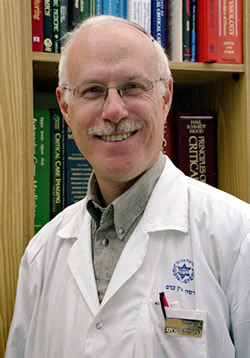
Professor Charles Sprung is the Director Emeritus of the General Intensive Care Unit in the Department of Anesthesiology and Critical Care Medicine at Hadassah Hebrew University Medical Center in Jerusalem, Israel where he has worked for the last 33 years. He was previously the Director of the Section of Critical Care Medicine in the Department of Medicine at the VA Medical Center and the University of Miami for 13 years. He graduated the University of Miami School of Law in 1988. Professor Sprung was the Chairman of the Committee on Ethics Section of the US Society of Critical Care Medicine and of the European Society of Intensive Care Medicine (ESICM) for many years.
Professor Sprung has been active in research particularly studying sepsis, septic shock and ethical issues for more than 35 years. He was a member of the ACCP/SCCM consensus conference on definitions of sepsis in 1991 and a member of the Surviving Sepsis Campaign guidelines from 2002 to the most recent guidelines in 2021.
He has participated in many sepsis studies including those of encephalopathy and treatments with corticosteroids, monoclonal antibodies to endotoxin and tumor necrosis factor, interleukin-1 receptor antagonist, antithrombin III, tissue factor pathway inhibitor, human activated protein C and recombinant platelet-activating factor. He has also served as a member of Clinical Evaluation and Data Safety and Monitoring Committees for many phase III, multicenter sepsis trials. Professor Sprung coordinated the prospective, multicenter European trial of corticosteroids in septic shock, Corticus. He was the Coordinator of several multi-center studies in ethics including End of Life Decision Making and Procedures in European Intensive Care Units - ETHICUS, Systematic Study of General Ethical Principles Involved in End of Life Decisions for Patients in European Intensive Care Units - ETHICATT, Triage Decision Making for the Elderly in European Intensive Care units - ELDICUS and Worldwide Consensus for End of Life Decisions - Welpicus.
The Hadassah General ICU has treated more terror victims than any other ICU in the world. In addition, Professor Sprung served as the Chairman of the European Society of Intensive Care Medicine Ethics Section Task Force for ICU Triage for Disasters and Pandemic Influenza which produced recommendations for the 2009 H1N1 influenza pandemic and he was a member of the recent American College of Chest Physicians Task Force for Mass Critical Care during a Disaster which also published recommendations. More recently, he was the first author of a paper written by an international group of triage experts on a new algorithm for triaging patients to the ICU during the Coronavirus Disease 2019 Pandemic and the Chairman of the Medical Subcommittee that developed the National policy of the State of Israeli for Triage Decisions for Severely Ill Patients During the COVID-19 Pandemic.
Professor Sprung has been or continues to be a member of several international committees of medical organizations, world health organizations and governmental agencies. He has published extensively on all of the above and multiple ICU areas with more than 350 original articles and 50 book chapters. He received the 2011 ESICM Medal for outstanding contributions to both ESICM and to the development of Intensive Care Medicine worldwide and the Roger C. Bone Advances in End-of-Life Care Award from the CHEST Foundation of the American College of Chest Physicians in October 2013. He was the 2015 Bonei Zion Prize Recipient for Science & Medicine- an award recognizing outstanding Anglo Olim who encapsulate the spirit of modern-day Zionism by contributing in a significant way towards the State of Israel.
Our staff can assist you with all your travel arrangements.
Questions? Call us at 800-422-0711.
We can assist you with all your travel arrangements. We'd be happy to help you plan your flights, hotels or tours before and/or after your cruise conference.
Cruise Itinerary
DATE
PORT OF CALL
ARRIVE
DEPART
Sun Feb 14
Hong Kong, China
-
4:00 pm
Mon Feb 15
*At Sea - Cruising
-
-
Tue Feb 16
*At Sea - Cruising
-
-
Wed Feb 17
Puerto Princesa, Philippines
7:00 am
5:00 pm
Thu Feb 18
Boracay, Philippines
10:00 am
6:00 pm
Fri Feb 19
Manila, Philippines
8:00 am
6:00 pm
Sat Feb 20
*At Sea - Cruising
-
-
Sun Feb 21
Kaohsiung, Taiwan
7:00 am
4:00 pm
Mon Feb 22
Keelung (Taipei), Taiwan
8:00 am
5:00 pm
Tue Feb 23
Ishigaki Island, Japan
7:00 am
4:00 pm
Wed Feb 24
Naha, Japan
7:00 am
5:30 pm
Thu Feb 25
*At Sea - Cruising
-
-
Fri Feb 26
Osaka, Japan
8:00 am
11:00 pm
Sat Feb 27
*At Sea - Cruising
-
-
Sun Feb 28
Tokyo, Japan
8:00 am
-
*Tentative course schedule, actual class times may differ.
Ports of Call
Hong Kong, China
Hong Kong is a city of vertical ambition and deep-rooted tradition, a place where bamboo scaffolding scales glass skyscrapers and ancient temples sit in the shadow of global finance hubs. As an embarkation port, it is far too complex and rewarding to treat merely as a transit point. To fly halfway across the world and board a ship without exploring the ground beneath your feet is to miss one of Asia's most dynamic experiences. We strongly advise arriving at least two days prior to embarkation. This is not just to mitigate the significant jet lag from North America or Europe, but to acclimate to the humidity, the pace, and the sensory richness of the city.
Arrival and Logistics - Hong Kong International Airport (HKG) is a model of efficiency. Upon arrival, skip the private transfers; the Airport Express train is the gold standard for transport, whisking you to Kowloon or Hong Kong Island in under 24 minutes. Once in the city, purchase an "Octopus Card" immediately. This stored-value card is your key to the city, accepted on the MTR (subway), buses, ferries, and even at convenience stores. The MTR is clean, safe, and English-friendly, making navigation simple even for first-time visitors.
A Curated Pre-Cruise Itinerary - Day 1: The Harbor and The Heights
Start your acclimation on Hong Kong Island. While the financial district is impressive, the real charm lies in the movement. Board one of the historic double-decker trams (affectionately known as "Ding Dings") for a slow, breezy ride through the district of Wan Chai.
In the afternoon, head to the Peak Tram terminus. The funicular ride up to Victoria Peak is steep and spectacular. While the Sky Terrace offers famous views, walking the Lugard Road loop (about 20-30 minutes) provides equally stunning, crowd-free vistas of the harbor and the outlying islands without the commercial noise.
As dusk falls, descend and make your way to the Central ferry piers. Board the Star Ferry to cross Victoria Harbour toward Tsim Sha Tsui. For pennies, you get one of the world's greatest travel experiences—seeing the skyline light up from the water. Dinner should be in Kowloon; whether you choose a Michelin-starred venue in a high-end hotel or brave the plastic stools for spicy crab at the Temple Street Night Market, the food will be exceptional.
Day 2: Culture and Contrast - Hong Kong is more than concrete. If the weather is clear, take the MTR to Tung Chung and board the Ngong Ping 360 cable car to Lantau Island. The 25-minute ride offers sweeping views of the South China Sea and the airport before depositing you at the Tian Tan Buddha (Big Buddha). It is a tourist hub, but the scale of the bronze statue and the proximity to the Po Lin Monastery offer a necessary serenity before your cruise.
Alternatively, if you prefer to stay central, explore the Sheung Wan district. Visit the Man Mo Temple, where coils of incense hang heavy from the ceiling, creating an atmosphere that feels centuries removed from the skyscrapers outside. Wander down Hollywood Road for antiques and art galleries, then take the Central-Mid-Levels Escalator—the longest outdoor covered escalator system in the world—stopping at the revitalized PMQ (Police Married Quarters) to shop for goods from local designers.
Dining Note: Before you board your ship, you must experience *Yum Cha* (dim sum). It is a loud, communal, and delicious brunch tradition. Look for busy halls where carts are still pushed around; point at what looks good, and enjoy the local rhythm.
By the time you head to the Kai Tak or Ocean Terminal to embark, you will have adjusted to the time zone and absorbed the energy of a world-class city, starting your voyage refreshed rather than exhausted.
At Sea - Cruising
Puerto Princesa, Philippines
Puerto Princesa serves as the eco-conscious capital of Palawan, offering a distinct shift in pace from the frenetic energy of Manila. While often cited as a gateway to the northern resorts, for cruise travelers, the city presents a specific logistical choice between two primary experiences.
The undisputed highlight is the Puerto Princesa Subterranean River National Park, a UNESCO World Heritage site featuring one of the world’s longest navigable underground rivers. While the limestone karst landscapes and cavern ecosystems are spectacular, we advise setting realistic expectations regarding logistics: the site is approximately two hours from the port by road, followed by a boat transfer. This excursion consumes the entire day and requires advance permits, making organized tours the safest bet to guarantee a timely return.
For those preferring a less transit-heavy day, Honda Bay offers accessible island-hopping with decent snorkeling and white sand beaches just 30 to 45 minutes from the city center. Alternatively, a relaxed city tour reveals the sobering history of Plaza Cuartel, the site of a WWII garrison massacre, and the neighboring Immaculate Conception Cathedral. Culinary travelers should attempt to secure a reservation at Kalui Restaurant for an authentic, barefoot dining experience featuring fresh seafood and local specialties like crocodile sisig, though walk-ins are rarely accommodated due to its popularity.
Boracay, Philippines
Boracay is synonymous with White Beach, a four-kilometer stretch of powdery sand that consistently ranks among the world's best. However, for the sophisticated traveler, understanding the island's layout is key to a successful day ashore. The beachfront is divided into three "Stations." Station 2 is the energetic hub of retail and dining, often crowded and loud. We recommend heading toward Station 1 for a wider, quieter shoreline and higher-end atmosphere, or Station 3 for a more rustic, relaxed vibe.
It is important to note that Boracay recently underwent a massive, government-mandated rehabilitation. The result is a pristine environment with stricter regulations—beach parties, smoking, and dining directly on the sand are now prohibited to preserve the ecosystem. This shift has returned the island to a more serene state, though it requires visitors to respect local ordinances strictly.
Beyond the beach, the Motag Living Museum offers a genuine look at traditional farming life, providing a cultural counterweight to the resort atmosphere. For those staying near the water, Willy’s Rock remains the iconic photo stop. Be aware that this is often a tender port; getting from the ship to the beach involves transfers, so factor travel time into your schedule to maximize your hours on the sand.
Manila, Philippines
Manila is a complex, high-energy metropolis that demands patience but rewards curiosity. As the capital of the Philippines, it offers a stark collision of Spanish colonial heritage and hyper-modern urban sprawl, all set against a backdrop of legendary traffic. For cruise visitors, the most rewarding and accessible experience is Intramuros, the historic walled city. Located relatively close to the cruise terminals, this 16th-century enclave offers a reprieve from the city's chaos. Here, you can explore Fort Santiago, where national hero José Rizal was imprisoned, and marvel at the UNESCO-listed San Agustin Church. Walking the cobblestone streets or taking a kalesa (horse-drawn carriage) provides a tangible connection to the Spanish era.
Just outside the walls lies Rizal Park, a significant green space perfect for a morning stroll. For those interested in World War II history, a pre-arranged hydrofoil trip to Corregidor Island—the "Rock" that guarded Manila Bay—is a moving experience, though it consumes the entire day and requires advance planning.
While the financial district of Makati offers world-class shopping at Greenbelt and the excellent Ayala Museum, we advise caution regarding logistics. Manila’s traffic is unpredictable and severe; traveling between the port and Makati can take significantly longer than expected. Unless you have ample time, sticking to the historic core and the world’s oldest Chinatown in Binondo (for incredible food) is often the wiser strategy. This is not a relaxing tropical stop; it is a gritty, vibrant cultural immersion. Approach it with an open mind and realistic expectations regarding transit times, and you will find a city rich in character and resilience.
Kaohsiung, Taiwan
Kaohsiung has successfully shed its reputation as merely an industrial powerhouse to emerge as Taiwan’s maritime cultural capital. While the skyline is still punctuated by cranes and cargo, the ground level offers a sophisticated blend of art, spirituality, and history. For a relaxed start, the Pier-2 Art Center is often the highlight; these repurposed warehouses now house galleries, cafes, and installations, offering a pleasant contrast to the busy harbor.
However, the most significant excursion is the journey to the Fo Guang Shan Buddha Museum. Located about 45 minutes inland, this sprawling complex is home to the world’s tallest bronze sitting Buddha. It is an architectural marvel and a center of calm that impresses even the non-religious. If you prefer to stay closer to the city center, Lotus Pond is essential. The Dragon and Tiger Pagodas are the iconic image of Kaohsiung; local tradition dictates entering through the dragon’s throat and exiting via the tiger’s mouth to turn bad luck into good fortune.
History enthusiasts should head to the former British Consulate at Takow. Perched on a hill overlooking Xiziwan Bay, it offers the best vantage point for watching ships navigate the harbor, ideally accompanied by tea. For a quick dose of beauty while in transit, the Formosa Boulevard MRT station features the "Dome of Light," the world's largest glass work of art. Kaohsiung is hot and humid, so pace yourself, but the efficient Metro system makes navigating between these diverse eras—colonial, industrial, and spiritual—surprisingly easy.
Keelung (Taipei), Taiwan
Keelung serves as the maritime gateway to Taipei, Taiwan’s vibrant capital, but it is a destination in its own right. While most travelers immediately head for Taipei (approximately 40 minutes away by train or taxi), Keelung offers a gritty, authentic charm and one of the island's most celebrated culinary hotspots: the Miaokou Night Market. If your ship departs late, navigating the yellow lanterns of Miaokou for tempura and bubble tea is an essential experience.
However, for a single day in port, Taipei is the priority. This is a sophisticated metropolis that balances high-tech efficiency with deep traditional roots. The National Palace Museum is the cultural heavyweight here, housing the world's largest collection of Chinese imperial artifacts—treasures saved from the Forbidden City during the civil war. It requires at least two hours to appreciate properly. For architectural contrast, visit the Chiang Kai-shek Memorial Hall with its stark white grandeur, then head to Longshan Temple in the Wanhua District to witness active Taoist and Buddhist worship amidst incense smoke.
Taipei 101, once the world's tallest building, dominates the skyline. While the observatory offers views, the massive wind damper engineering marvel inside is the real draw for technically minded visitors. Food is arguably Taiwan's greatest export. We recommend skipping generic international options to try authentic xiao long bao (soup dumplings) at the original Din Tai Fung or seeking out a local shop for beef noodle soup.
Practical Advice: Keelung is one of the rainiest cities in Asia; always carry rain gear. The train from Keelung Station to Taipei Main Station is reliable, inexpensive, and often faster than a taxi during rush hour traffic. Taipei’s MRT (subway) is pristine, safe, and English-friendly, making self-guided exploration entirely feasible for confident travelers.
Ishigaki Island, Japan
While politically part of Japan, Ishigaki feels worlds away from the frenetic energy of Tokyo or Osaka. Located closer to Taiwan than the mainland, this is the cultural heart of the Yaeyama Islands, offering a subtropical pace and distinct Ryukyu heritage that predates modern Japanese integration. It is a destination defined by turquoise waters, humidity, and a relaxed island schedule.
For many, the primary draw is the coastline. Kabira Bay is the scenic highlight, boasting water of startling clarity and white sands. However, travelers must manage expectations: swimming is strictly prohibited here due to strong currents and boat traffic. The standard experience is a glass-bottom boat tour to view the coral and marine life, which remains impressive despite the tourist volume.
Culinary travelers should prioritize Ishigaki beef. Often overshadowing Kobe in local reputation, this premium wagyu is best enjoyed at a yakiniku (BBQ) restaurant in the town center. For a glimpse of traditional architecture, we recommend a short ferry ride to nearby Taketomi Island. With its preserved village of red-tiled roofs, coral sand streets, and water buffalo cart rides, it offers a charming, if slightly curated, look at pre-modern Okinawa. Whether you stay on the main island or ferry to Taketomi, Ishigaki offers a genuine break from the urban intensity of a standard Japan itinerary.
Naha, Japan
Naha offers a perspective of Japan distinct from the frenetic energy of Tokyo or the classical temples of Kyoto. As the capital of Okinawa, it presents a subtropical atmosphere rooted in the Ryukyu Kingdom, a culture historically influenced by both China and Japan before becoming a Japanese prefecture. It is a city of contrasts: concrete urban planning necessitated by WWII destruction, interspersed with pockets of deep historical significance.
The headline attraction, Shuri Castle, suffered a devastating fire in 2019. While the main hall is currently under reconstruction (slated for completion around 2026), the surrounding UNESCO-designated park, massive stone walls, and gates remain accessible. For many, the opportunity to witness traditional Japanese carpentry and restoration techniques in action is actually a compelling reason to visit, though travelers expecting a pristine palace should adjust their expectations.
For immediate immersion, head to Kokusai-dori (International Street). While undeniably tourist-centric, this 1.6-kilometer strip is the city's pulse. Just off this main drag lies the Makishi Public Market, where the "kitchen of Okinawa" comes alive with displays of colorful tropical fish and local produce. For a quieter, more authentic experience, the nearby Tsuboya Pottery District features stone-paved streets and traditional workshops producing *shisa* (lion-dog guardians). While Naha lacks the ancient wooden architecture of mainland Japan, its unique cuisine—specifically Okinawan soba and Aguu pork—and its relaxed, island pace make it a culturally rich port of call.
Osaka, Japan
Osaka presents a fascinating strategic choice for the traveler: explore the boisterous, neon-lit "Kitchen of Japan" or use the port as a gateway to the ancient capital of Kyoto. Both are world-class options, but they offer vastly different experiences depending on your priorities.
If you choose to stay in Osaka, prepare for a sensory experience centered on gastronomy. The city’s unofficial motto is *kuidaore*—"eat until you drop"—and the Dotonbori district is the place to do it. We recommend skipping a formal sit-down lunch in favor of a street food tour along the canal; *takoyaki* (octopus dumplings) and *okonomiyaki* (savory pancakes) are the local standards that define the city's unpretentious, fun-loving culture. For history, Osaka Castle is the primary draw. Travelers should be aware that while the exterior is grandiose and photogenic, the main keep is a modern concrete reconstruction housing a history museum. The surrounding park and massive stone walls, however, are authentic and impressive.
However, for first-time visitors to the Kansai region, we often advise taking the train to Kyoto, located roughly 30 to 50 minutes away. Kyoto holds the traditional Japan of your imagination: the Golden Pavilion (Kinkaku-ji), the endless vermilion gates of Fushimi Inari Shrine, and the historic Gion district. The "nightingale floors" of Nijo Castle—designed to chirp under footsteps to warn of intruders—remain a marvel of feudal engineering. Whether you choose the modern energy of Osaka or the serene temples of Kyoto, the region's rail system makes navigation reliable and efficient.
Tokyo, Japan
Our staff can assist you with all your travel arrangements.
Questions? Call us at 800-422-0711.
We can assist you with all your travel arrangements. We'd be happy to help you plan your flights, hotels or tours before and/or after your cruise conference.